This Is The Tree Many Ohio Homeowners Regret Planting
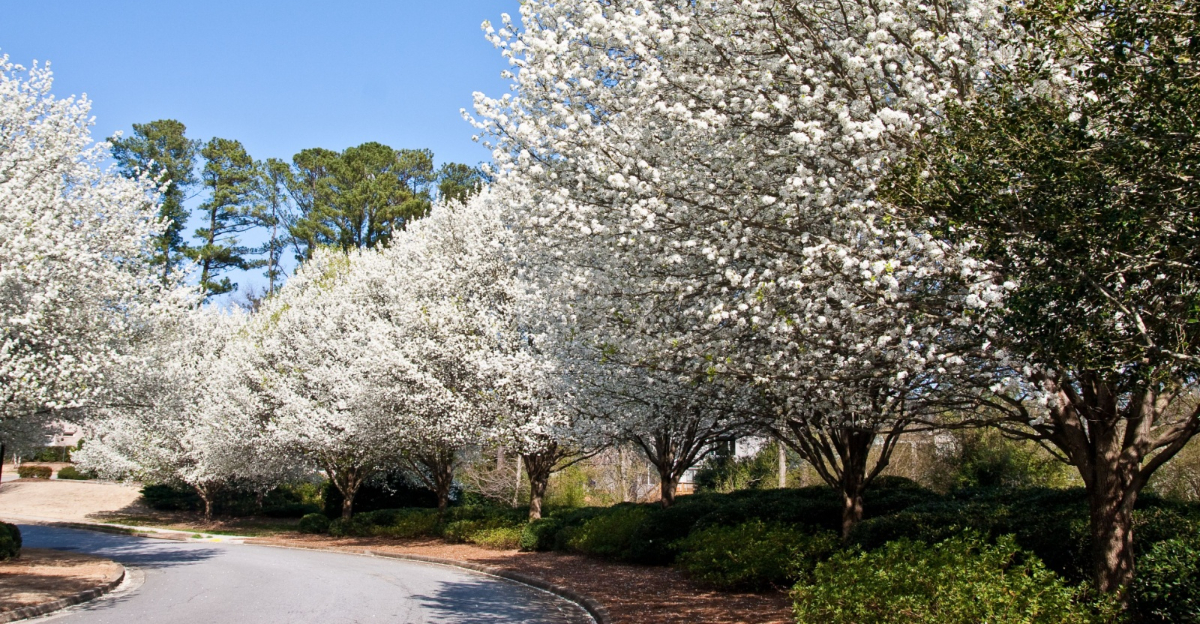
At first, it seems like the perfect tree. Fast growth, clouds of white blossoms in spring, and a neat shape that instantly makes a yard look finished.
For years, homeowners across Ohio planted it with confidence, believing they had found an easy way to boost curb appeal. The tree quickly spread through neighborhoods, lining streets and filling front yards with bright flowers every spring. Then the problems started to appear.
Branches snapped after storms. Messy growth took over once tidy landscapes.
Frustrated homeowners began realizing the same thing at the same time. The tree that once looked like a perfect choice had become one of the most regretted plantings in the state.
And the name behind that mistake is the Bradford pear.
1. Bradford Pear Trees Once Promised Fast Beautiful Growth
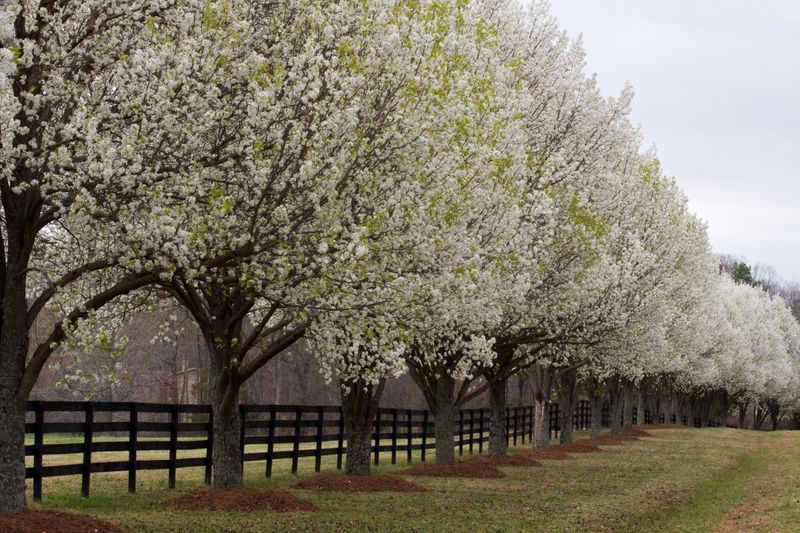
Back in the 1960s and 1970s, nurseries and landscapers across Ohio were buzzing about a tree that seemed too good to be true. The Bradford pear, a cultivated variety of the Callery pear, shot up fast, sometimes growing three to five feet in a single year.
For developers building new subdivisions, that kind of speed was a major selling point.
Homeowners loved the look of those bright white blossoms that appeared every spring, usually in March or early April. The flowers covered the entire tree before the leaves even opened, creating a dramatic, eye-catching display that made yards look established and beautiful almost instantly.
Many people compared the spring bloom to a tree covered in fresh snow.
Nurseries promoted Bradford pear as a low-maintenance ornamental tree with a tidy, symmetrical shape. It adapted well to Ohio’s varied soil conditions and tolerated urban environments, including pollution and compacted soil.
Those qualities made it extremely popular in Ohio cities and suburbs from Columbus to Cleveland and everywhere in between. Unfortunately, what seemed like a landscaping shortcut came with serious long-term consequences that most buyers never saw coming.
2. Weak Branch Structure Causes Frequent Storm Damage
Ask any Ohio arborist about Bradford pears and watch their expression change. The tree has a well-known structural flaw baked right into how it grows.
Branches emerge from the trunk at very narrow angles, sometimes as tight as 30 degrees, which creates weak attachment points that cannot handle heavy loads.
As the tree matures and branches thicken, those tight angles become ticking time bombs. When Ohio storms roll through with heavy rain, wet snow, or strong winds, Bradford pears are often the first trees to give way.
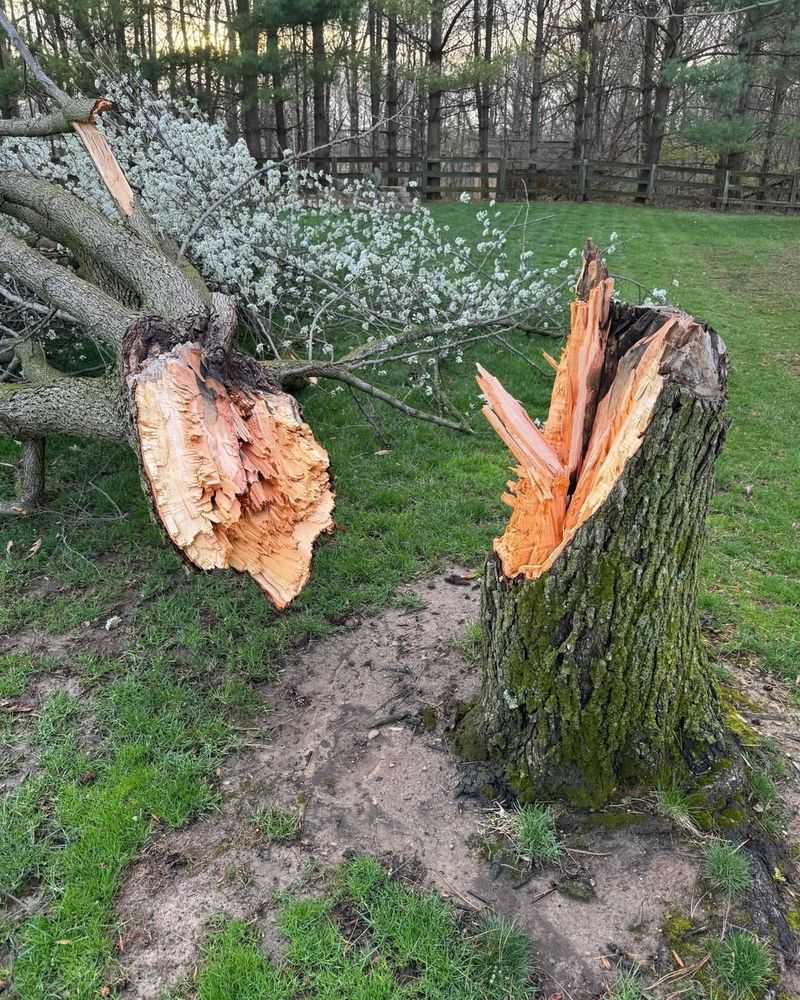
A single storm can split a mature tree right down the middle, leaving behind a jagged stump and a yard full of debris.
Certified arborists consistently rank Bradford pear among the most structurally unsound ornamental trees commonly planted in residential landscapes. Unlike oaks or maples, which develop stronger branch unions over time, Bradford pears actually become more vulnerable as they age.
The wider the canopy grows, the more surface area catches wind and ice. Many Ohio homeowners have come outside after a spring storm to find their once-beautiful tree split in half, sometimes landing on fences, cars, or even the house itself.
Your Ohio Garden Changes Every Week. Your Plan Should Too.
Gardening in Ohio changes quickly throughout the season. Every Friday you’ll receive a simple weekly plan showing exactly what to plant, prune, fertilize, harvest, and protect so you never miss the right timing.
3. Heavy Spring Blossoms Come With A Strong Unpleasant Smell
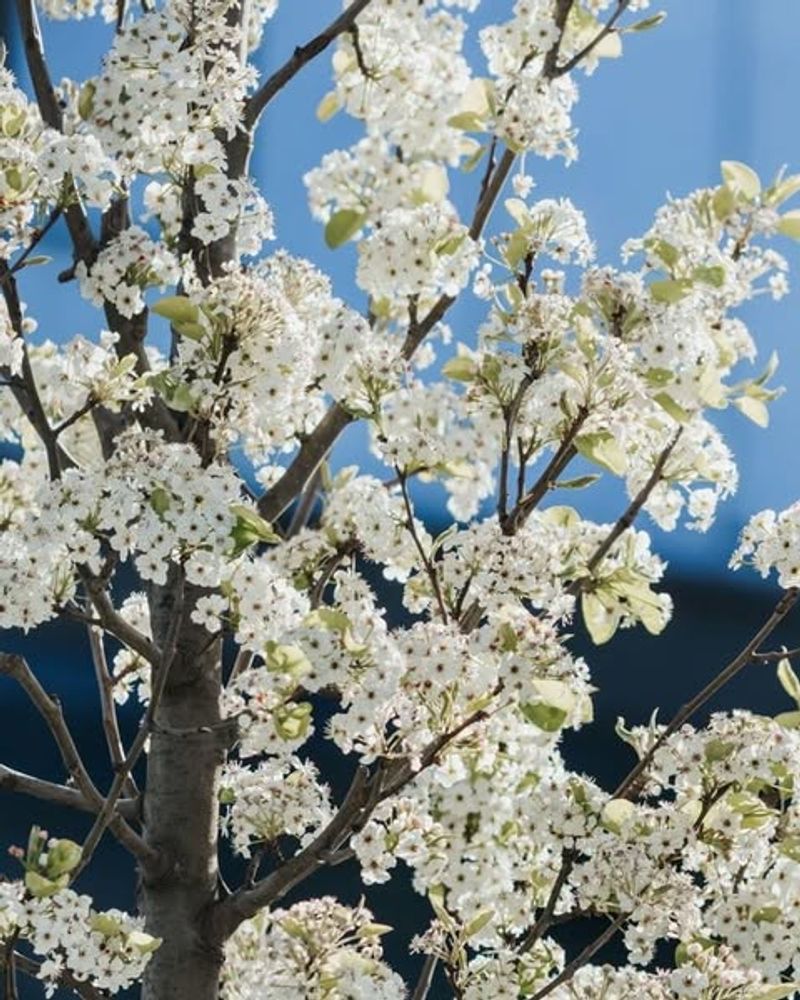
Every spring, Bradford pear trees put on one of the most dramatic floral displays of any tree in an Ohio neighborhood. The branches become completely smothered in dense clusters of white flowers, and from a distance, the effect is genuinely stunning.
Many people stop to admire them during the brief two-week bloom period.
Then the wind shifts, and suddenly the admiration turns into something else entirely. The blossoms of Bradford pear trees carry a distinctive odor that most people describe as fishy, musty, or similar to rotting food.
The smell is not subtle. On warm spring days, it can drift across an entire yard and even into open windows, making outdoor gatherings uncomfortable.
The culprit is a chemical compound called trimethylamine, which is naturally produced by the flowers. It is the same compound responsible for the smell of certain fish, which explains why so many people react with surprise the first time they catch a whiff up close.
Homeowners who planted Bradford pears for their showy blossoms often find themselves dreading bloom season rather than enjoying it. It is one of those details that nurseries rarely mentioned when promoting the tree during its peak popularity across Ohio.
4. Rapid Growth Often Leads To Short Tree Lifespans
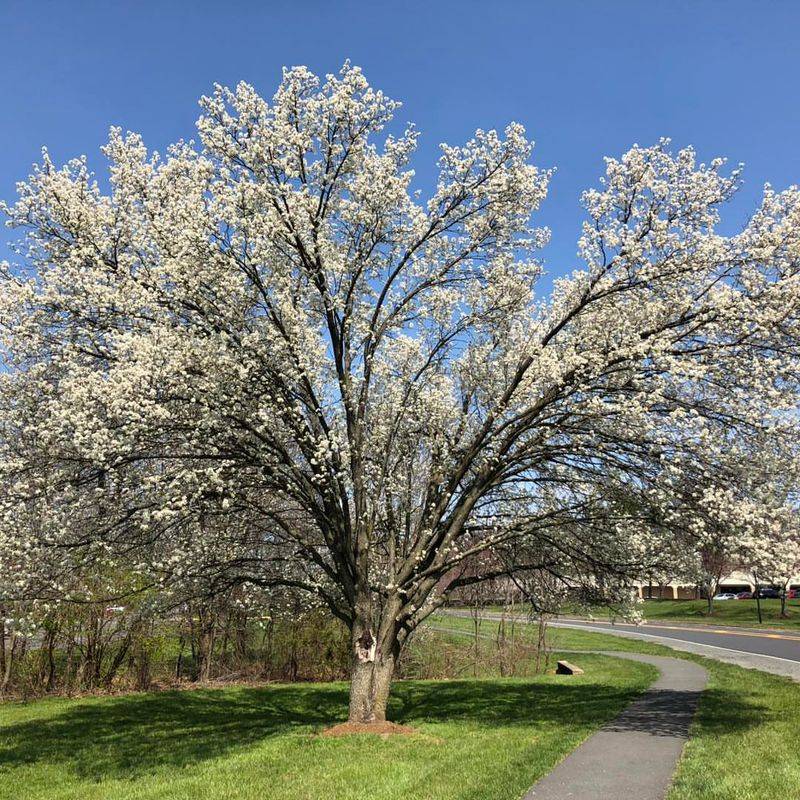
One of the biggest selling points of Bradford pear was its speed. Homeowners wanted shade and curb appeal quickly, and this tree delivered both faster than almost anything else available at the nursery.
What the plant tags did not mention was that fast growth often comes at a serious cost to long-term durability.
Trees that grow rapidly tend to produce wood that is less dense and more brittle than slower-growing species. Bradford pears are a textbook example of this trade-off.
While a native oak or hickory might grow slowly over many decades and develop incredibly strong wood, Bradford pears race upward and outward, building a large frame on a relatively weak foundation.
Most horticulture experts note that Bradford pears typically peak around 15 to 20 years and begin declining shortly after. By comparison, many native Ohio trees can thrive for 50, 100, or even 200 years with proper care.
A homeowner who planted a Bradford pear in 1995 may already be dealing with a deteriorating tree today. The short lifespan means repeated removal and replanting costs, which quickly erase any savings gained from buying an inexpensive, fast-growing tree in the first place.
It ends up being a poor long-term investment.
5. Invasive Spread Creates Problems Beyond The Backyard
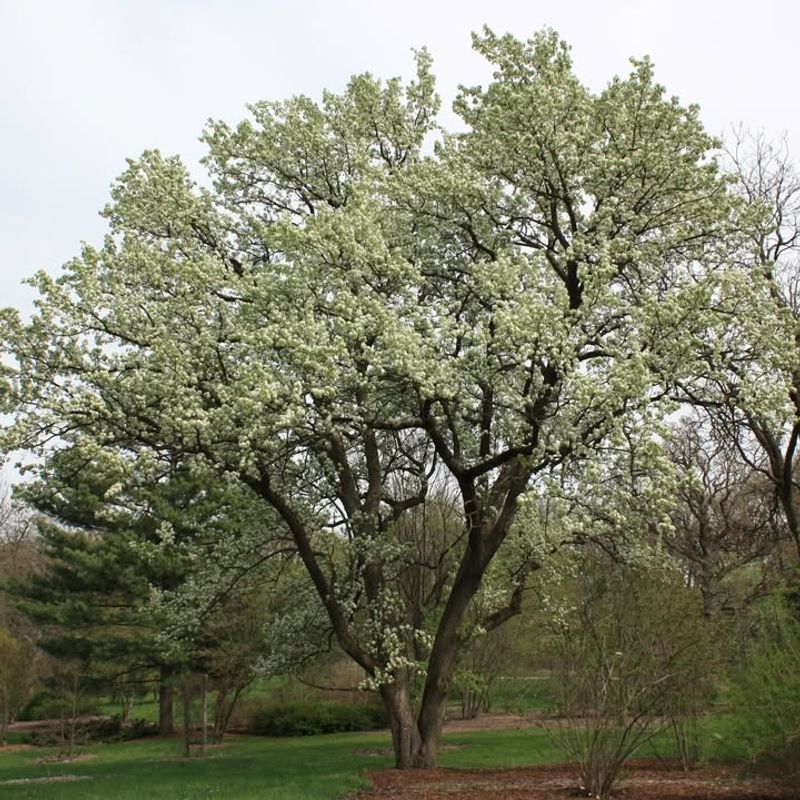
Something unexpected happened as Bradford pear trees spread across Ohio neighborhoods over the decades. Birds ate the small fruits produced by the trees and carried seeds into fields, roadsides, forest edges, and natural areas far beyond any backyard fence.
What started as a tidy ornamental tree became a serious ecological problem.
Unlike the original Bradford pear, which was bred to be sterile, cross-pollination between different Callery pear varieties produced fertile seeds. Those seeds germinated readily in Ohio’s fields and open spaces, sending up thorny wild seedlings that grow aggressively and crowd out native plants.
Drive along many Ohio country roads in early spring and you will see the evidence clearly: long stretches of white-blooming trees taking over fence rows and meadow edges.
Native wildflowers, shrubs, and young trees struggle to compete with the dense growth of wild Callery pear. The invasive spread disrupts local ecosystems and reduces habitat quality for native birds, pollinators, and wildlife that depend on native plants.
Ohio officially banned the sale and planting of Callery pear, including all Bradford pear varieties, in January 2023. The ban reflects how seriously state environmental and agricultural officials view the threat this tree poses to Ohio’s natural landscapes and native plant communities.
6. Storm Damage Leaves Many Homeowners With Costly Repairs

When a Bradford pear splits during a storm, the aftermath is rarely simple. Large sections of the tree can fall with significant force, and the damage they cause depends entirely on where they land.
Fences, garden beds, parked cars, and roof overhangs are all common targets when a mature branch lets go.
Tree removal costs in Ohio vary depending on the size of the tree and the complexity of the job, but removing a large, partially split Bradford pear can run anywhere from several hundred to over a thousand dollars. If the falling branch damages a structure, repair costs stack on top of removal fees quickly.
Homeowners sometimes discover that their insurance deductible ends up being the smallest part of the bill.
Beyond the financial hit, storm cleanup is physically demanding and time-consuming. Dragging heavy branches, hauling debris, and dealing with stump grinding is not how most people want to spend a weekend.
Many Ohio homeowners have gone through this cycle more than once with the same tree, patching it up after one storm only to have it split further in the next. At some point, the math stops making sense, and full removal becomes the only practical option left on the table.
7. Communities Across Ohio Now Discourage Planting Bradford Pear
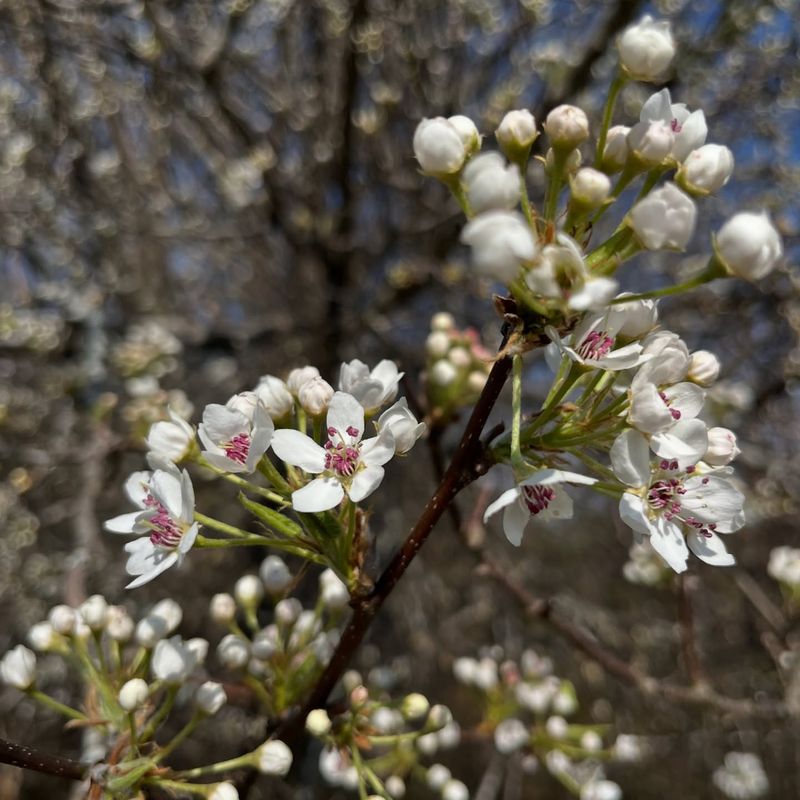
The shift in attitude toward Bradford pear trees has been dramatic across Ohio. What was once a recommended choice in nursery catalogs and landscaping guides is now actively discouraged by environmental agencies, university extension programs, and local governments throughout the state.
The change did not happen overnight, but it has become widespread and official.
Ohio State University Extension, which provides research-backed guidance to homeowners and landscapers across the state, has been consistent in warning against planting Callery pear in any form.
Extension educators regularly highlight the structural problems, invasive spread, and short lifespan as reasons to choose different trees.
Many county conservation districts across Ohio have echoed those warnings in their outreach materials.
Some Ohio communities have gone further by organizing buyback or exchange programs that offer free native trees to homeowners willing to remove existing Bradford pears. These programs help offset the cost of removal while encouraging the planting of better alternatives.
The Ohio Department of Agriculture formalized the statewide position when the Callery pear ban took effect in January 2023, making it illegal to sell or plant the species anywhere in the state.
That level of official action reflects just how seriously Ohio takes the ecological and structural problems this once-popular tree has created across the region.
8. Better Native Trees Offer Beauty Without The Problems
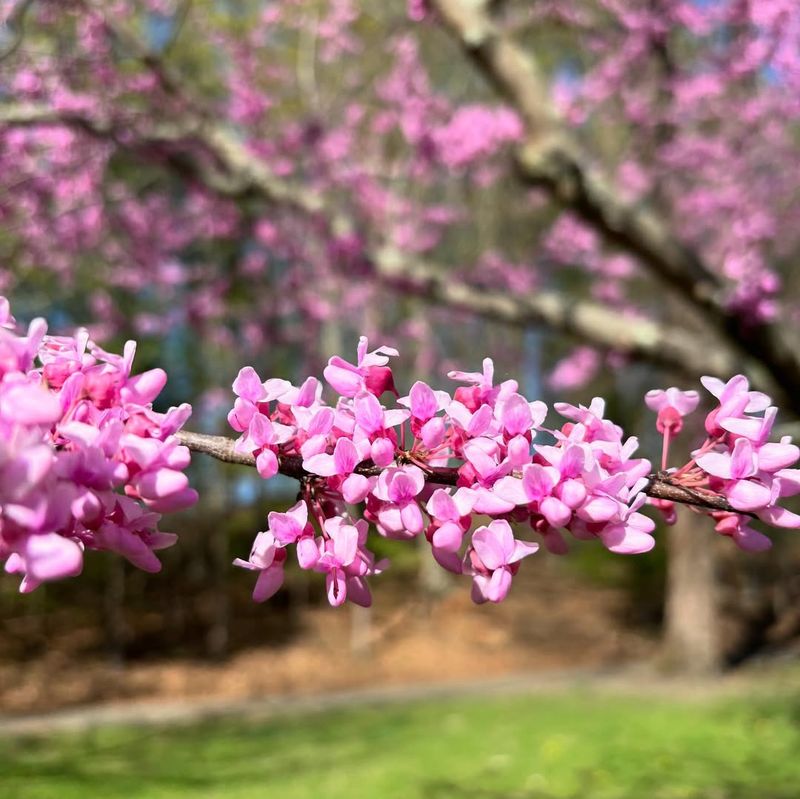
Replacing a Bradford pear does not mean giving up on beauty or curb appeal. Ohio is home to a rich variety of native trees that offer stunning spring color, attractive form, and long-term reliability without the structural failures or invasive tendencies that made Bradford pear such a headache.
Eastern redbud is a favorite among Ohio landscapers looking for a small ornamental tree with serious visual impact. Its rosy-pink flowers bloom directly on the branches in early spring, creating a look that is just as showy as Bradford pear without any of the odor or storm risk.
Flowering dogwood offers delicate white or pink blooms and provides exceptional wildlife value, supporting native bees and birds throughout the season.
Serviceberry, sometimes called Juneberry, is another outstanding option for Ohio yards. It blooms early in spring with clusters of white flowers, produces edible berries that birds love, and displays brilliant orange and red fall color.
Native trees like these have evolved alongside Ohio’s climate and soil conditions, meaning they generally require less maintenance once established.
Many Ohio nurseries and conservation programs now actively promote these species as smart, sustainable replacements for Bradford pear, giving homeowners a genuinely better option for their landscapes.