7 Native Berry Plants Eastern Bluebirds Love In Pennsylvania
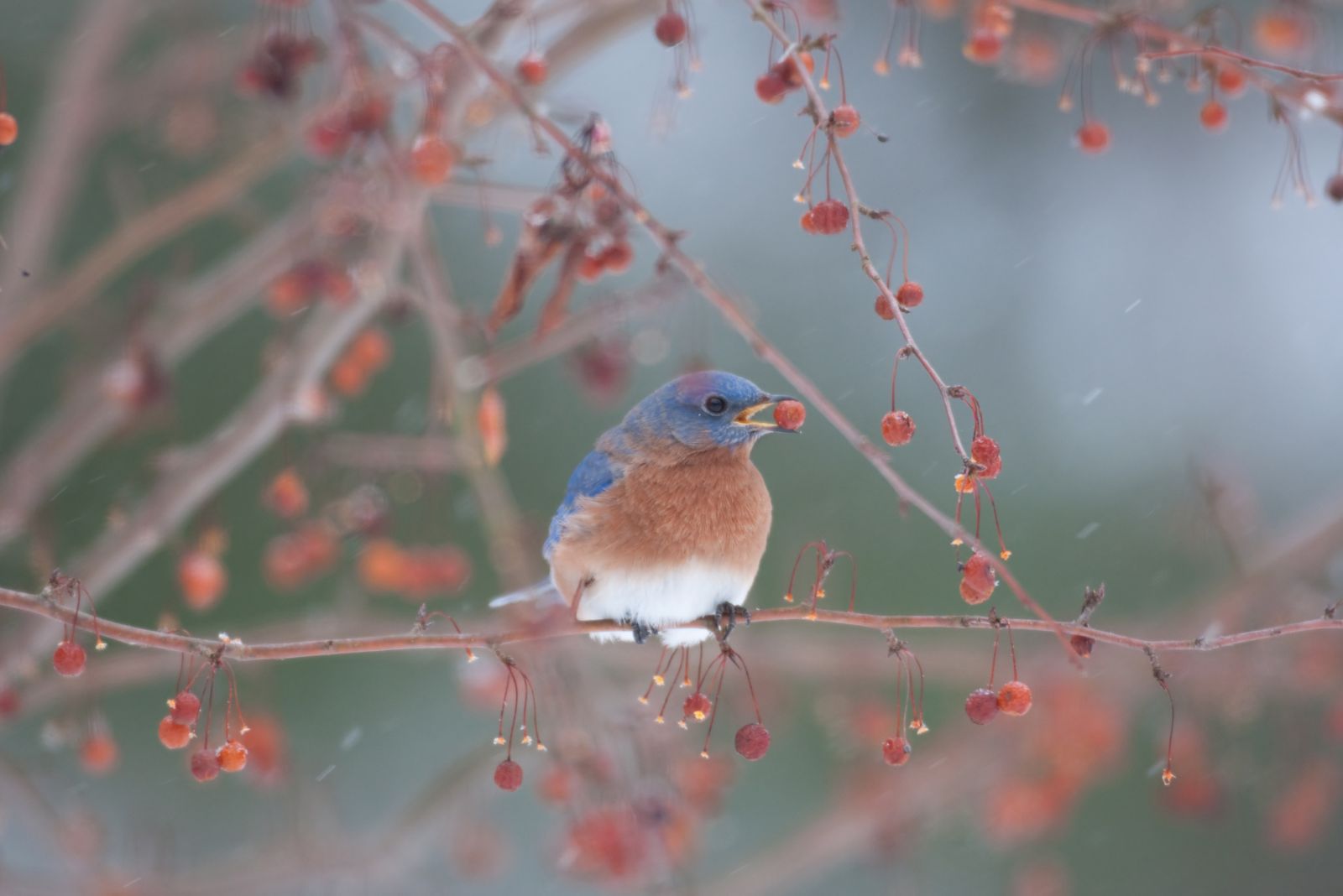
Eastern bluebirds are a cheerful sight in Pennsylvania gardens, adding vibrant color and lively energy as they flit from branch to branch. One of the best ways to attract these delightful birds is by planting native berry-producing plants.
Not only do these plants provide a natural food source, but they also create habitat and shelter that bluebirds appreciate.
Native berry plants are well-adapted to Pennsylvania’s climate, making them low-maintenance choices for gardeners. They offer bright, nutritious berries that last through the fall and winter, helping local birds thrive even as temperatures drop.
Shrubs like winterberry, elderberry, and spicebush are particularly popular with eastern bluebirds, offering both fruit and cover.
By incorporating these native plants into your yard, you can enjoy the beauty of seasonal berries while supporting local wildlife. A garden designed for bluebirds becomes a lively, colorful space where birds and plants flourish together naturally.
1. Winterberry Holly
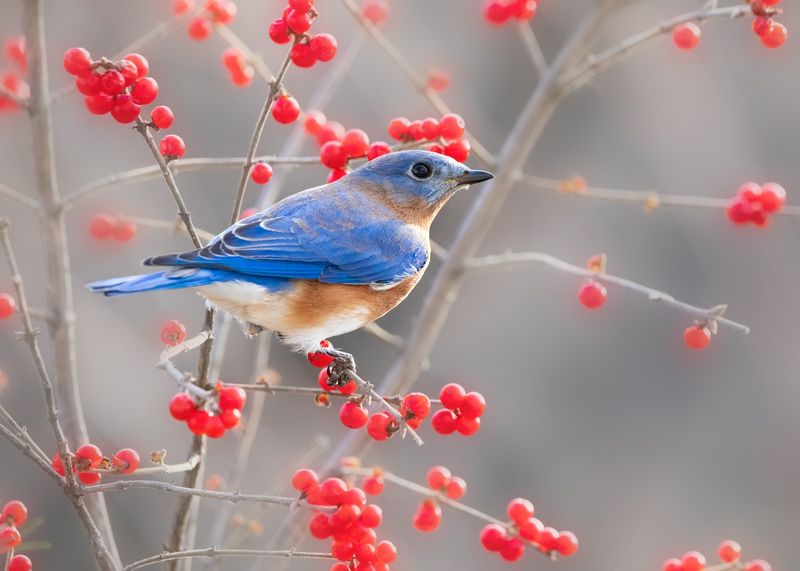
Picture a bare winter landscape suddenly lit up by clusters of bright red berries clinging to leafless branches. That is exactly what winterberry holly brings to Pennsylvania yards every year.
This native deciduous shrub is one of the most eye-catching plants you can grow, and Eastern Bluebirds absolutely love it.
Winterberry holly (Ilex verticillata) sheds its leaves in fall, leaving behind a spectacular display of brilliant red berries that can last well into winter.
For bluebirds staying in Pennsylvania through the cold months, these berries are a reliable and nutritious food source when other options are scarce.
A single mature shrub can produce hundreds of berries, giving birds plenty to come back for.
Growing winterberry is fairly straightforward. It thrives in moist to wet soils and does well in full sun to partial shade.
You will need to plant both a male and a female shrub nearby so the female can produce berries. Most garden centers in Pennsylvania carry compatible varieties that are easy to pair up.
Winterberry grows naturally in wetlands and forest edges across eastern Pennsylvania, making it perfectly suited to the local climate.
It can reach six to ten feet tall and spreads into a rounded shape over time. Beyond feeding bluebirds, it also attracts robins, cedar waxwings, and mockingbirds.
If you want a low-maintenance plant that delivers big visual impact and serious wildlife value through the harshest part of the year, winterberry holly belongs in your Pennsylvania garden.
2. American Cranberry Bush
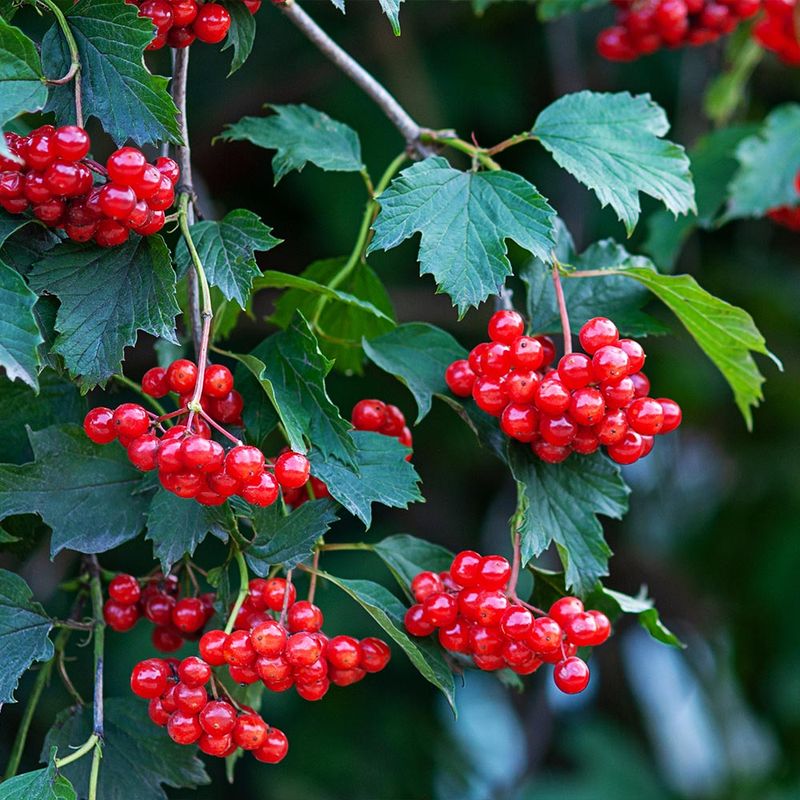
Not many shrubs can pull off looking gorgeous in spring, summer, and fall all at once, but the American cranberry bush manages to do exactly that.
Known scientifically as Viburnum trilobum, this native Pennsylvania shrub produces showy white flower clusters in late spring, followed by bold red berries that ripen in early fall and can hang on through winter.
Eastern Bluebirds are drawn to the bright red berry clusters like a magnet. The berries are high in carbohydrates, giving birds a quick energy boost during fall migration and cold winter days.
Planting a few of these shrubs near a bluebird nesting box or feeding area can make your Pennsylvania yard a go-to stop for these colorful birds.
Your Pennsylvania Garden Changes Every Week. Your Plan Should Too.
Gardening in Pennsylvania changes quickly throughout the season. Every Friday you’ll receive a simple weekly plan showing exactly what to plant, prune, fertilize, harvest, and protect so you never miss the right timing.
American cranberry bush is a tough, adaptable shrub that grows well across most of Pennsylvania. It prefers moist, well-drained soils and does best in full sun to partial shade.
Once established, it handles cold winters and occasional dry spells without much fuss. It can grow eight to twelve feet tall, making it a great choice for a natural hedge or wildlife border.
Beyond bluebirds, the berries also attract cedar waxwings, thrushes, and other songbirds. The flowers are a hit with pollinators in spring, adding even more life to your garden.
Fun fact: the berries actually taste quite tart, similar to real cranberries, and have historically been used in jams and jellies. Wildlife and people alike appreciate this versatile native plant.
3. Highbush Blueberry
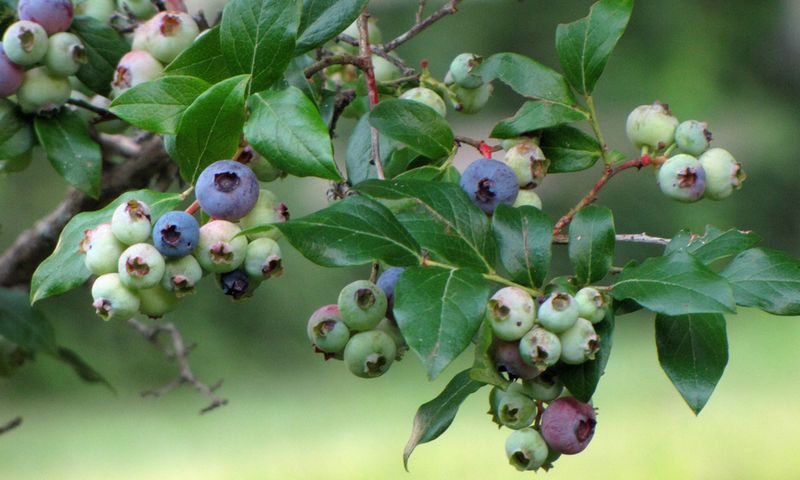
Growing your own blueberries is rewarding enough on its own, but when you realize you are also feeding Eastern Bluebirds at the same time, it feels like a win-win.
Highbush blueberry (Vaccinium corymbosum) is a native perennial shrub that produces sweet, juicy blue berries in mid to late summer, and bluebirds are among the first birds to notice when they ripen.
In spring, the shrub bursts into bloom with clusters of small, bell-shaped white flowers that attract bees and other pollinators. By summer, those flowers turn into plump berries that bluebirds, robins, catbirds, and dozens of other species eagerly snack on.
If you want to save some for yourself, consider planting extra bushes since the birds will claim their share quickly.
Highbush blueberry grows naturally in moist, acidic soils throughout eastern and central Pennsylvania. In the garden, it performs best in full sun with well-drained, slightly acidic soil.
Adding peat moss or pine bark to your planting hole can help create the right soil conditions if your yard does not naturally have acidic soil.
Mature plants can reach six to twelve feet tall and produce fruit for decades with minimal care. They also put on a stunning fall foliage show, turning brilliant shades of orange and red before winter sets in.
Planting at least two different varieties improves berry production through cross-pollination. For Pennsylvania gardeners, varieties like Bluecrop and Blueray are popular, reliable performers that thrive in the local climate.
4. Black Chokeberry
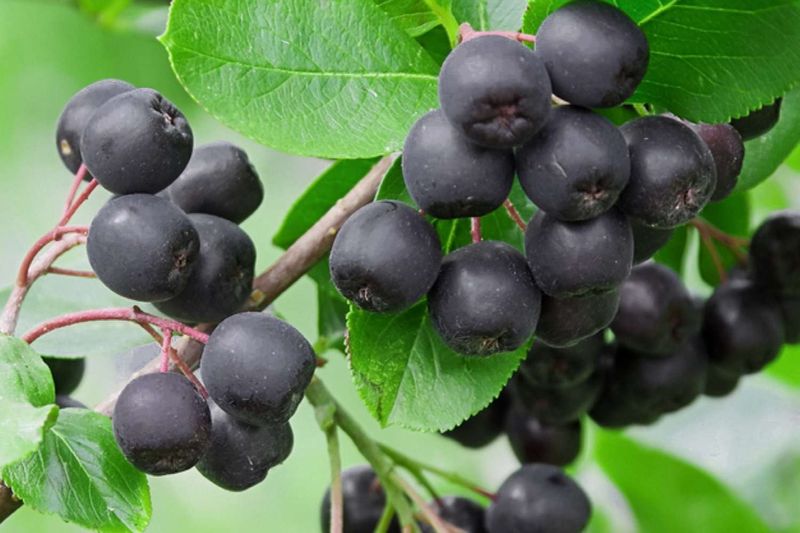
Do not let the name fool you. Black chokeberry is one of the most wildlife-friendly native shrubs you can plant in Pennsylvania, and Eastern Bluebirds are big fans of its small, dark berries.
This tough, adaptable shrub earns its place in any garden that wants to support local birds and pollinators.
Aronia melanocarpa produces clusters of tiny dark purple to black berries in late summer and early fall. The berries are packed with antioxidants and nutrients, making them an excellent high-energy food for bluebirds gearing up for cooler weather.
Bluebirds, robins, and cedar waxwings often visit the same shrub repeatedly until the berries are completely gone.
One of the best things about black chokeberry is how adaptable it is to Pennsylvania growing conditions. It tolerates wet soils, clay soils, drought, and even occasional flooding.
Whether you have a soggy low spot in your yard or a dry hillside, this shrub can handle it. It grows three to five feet tall and spreads slowly by suckering, forming a dense, wildlife-friendly thicket over time.
Spring brings clusters of small white flowers that attract native bees and butterflies. In fall, the foliage turns a brilliant red-orange before dropping, adding seasonal color to your landscape.
Black chokeberry is native to wetlands and forest edges throughout Pennsylvania, so it is already perfectly adapted to the local climate and soils.
It is low-maintenance, deer-resistant, and an outstanding choice for naturalistic or wildlife-focused gardens across the state.
5. Eastern Red Cedar
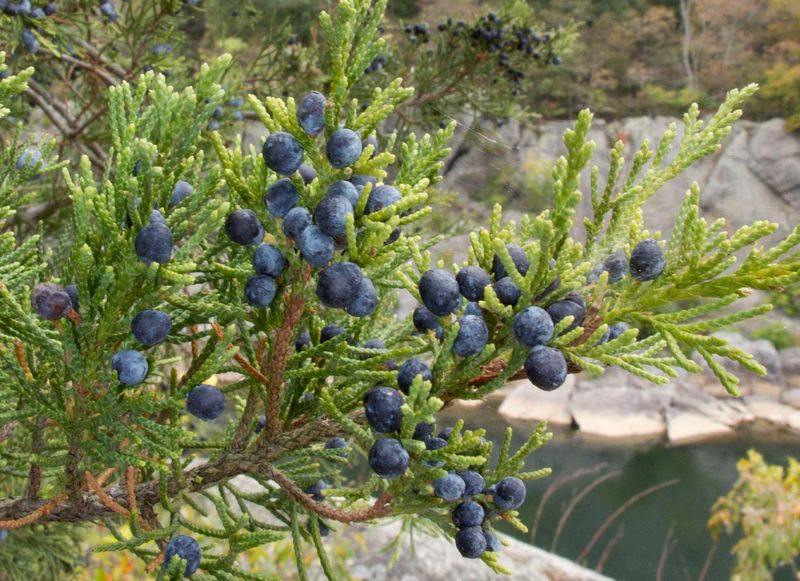
When winter settles over Pennsylvania and food becomes hard to find, Eastern Bluebirds turn to one of their most dependable native trees: the Eastern red cedar. Juniperus virginiana is a rugged native evergreen that produces small, blue-purple berry-like cones in fall.
These berries cling to the branches all winter long, giving bluebirds and other birds a steady food supply during the coldest months.
Eastern red cedars are incredibly common across Pennsylvania, growing along roadsides, field edges, and open woodlands. Their dense, evergreen branches also provide excellent shelter from wind, snow, and predators, making them valuable for birds beyond just food.
Bluebirds, cedar waxwings, yellow-rumped warblers, and mockingbirds all rely on these trees heavily in winter.
In the home garden, Eastern red cedar is a low-maintenance, drought-tolerant tree that thrives in full sun and well-drained soils. It can grow anywhere from ten to fifty feet tall depending on the variety and growing conditions.
Some cultivated varieties stay compact and columnar, making them a good fit for smaller yards or privacy screens.
One interesting quirk: Eastern red cedars are actually junipers, not true cedars. The berries are technically small cones covered in a waxy, fleshy coating.
Birds love them for their fat content, which helps them stay warm through cold Pennsylvania nights.
Planting a few Eastern red cedars near open lawn areas, which bluebirds prefer for foraging, creates a perfect combination of food, shelter, and hunting ground all in one spot.
6. Spicebush (Lindera Benzoin)
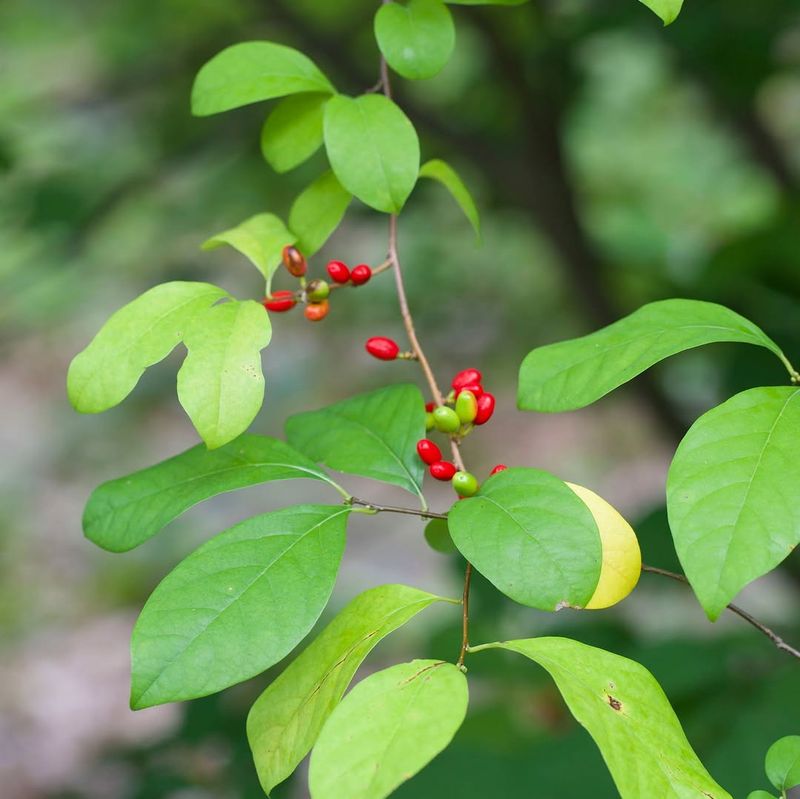
Walk through a Pennsylvania woodland in early fall and you might notice bright red berries glowing among the golden leaves. That is spicebush, and it is one of the most beloved native shrubs for wildlife in the eastern United States.
Eastern Bluebirds, thrushes, and other migratory songbirds eagerly seek out spicebush berries during fall migration, fueling up on their high fat content before heading south.
Lindera benzoin is a medium-sized deciduous shrub that grows naturally in moist, shaded woodlands and stream banks across Pennsylvania.
In early spring, tiny yellow flowers bloom before the leaves emerge, providing one of the first nectar sources of the season for early pollinators.
By late summer and early fall, the female plants produce clusters of oval, bright red berries that ripen just in time for migrating birds.
Spicebush is a fantastic choice for shady spots in Pennsylvania gardens where other fruiting shrubs might struggle.
It grows six to twelve feet tall and does best in moist, rich soils with partial to full shade. Once established, it is quite tough and requires very little care.
Beyond birds, spicebush is the only host plant for the spicebush swallowtail butterfly, making it a double win for pollinator and wildlife gardens. The aromatic leaves and stems also give off a pleasant spicy scent when crushed, which is how the plant got its name.
Adding spicebush to a woodland edge or shaded corner of your Pennsylvania yard creates a natural feeding station that bluebirds and other songbirds will return to every fall.
7. Pokeweed
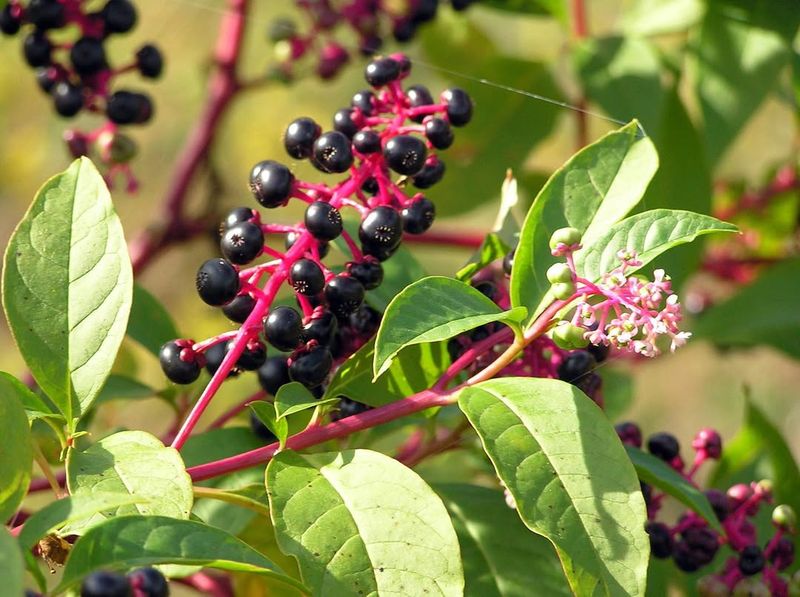
Bold, dramatic, and loaded with berries that birds cannot resist, pokeweed is one of the most productive native plants for wildlife in Pennsylvania.
Eastern Bluebirds, along with dozens of other songbird species, absolutely flock to pokeweed in late summer and fall when its dark purple berries ripen in large, grape-like clusters.
Phytolacca americana is a native perennial that grows back from a large taproot each spring, often reaching six to ten feet tall by midsummer.
The plant produces long spikes of small white flowers that attract pollinators, followed by clusters of juicy, dark purple berries that ripen from August through October.
For migrating bluebirds passing through Pennsylvania, these berries are a high-energy snack that helps fuel their journey.
One important note for gardeners: while pokeweed berries are safe and nutritious for birds, all parts of the plant are toxic to humans and pets.
Plant it in a spot where children and animals are unlikely to eat the berries, such as along a back fence line, a naturalized area, or the edge of a wooded section of your yard.
Pokeweed thrives in disturbed soils, sunny spots, and woodland edges throughout Pennsylvania. It needs very little care once established and spreads readily from bird-dropped seeds, so be prepared to manage its spread if needed.
Despite the caution required around humans, pokeweed is a native ecological powerhouse. Few plants deliver as many berries as quickly or attract as many birds to a Pennsylvania garden as this striking, wildlife-friendly perennial.