9 Plants That Thrive In Georgia Gardens Without Extra Watering
Georgia gardens can go through long warm stretches when rain becomes unpredictable and soil dries out faster than expected.
During those periods, many plants begin to struggle unless they receive frequent watering, which can quickly turn garden care into a daily task.
That is why many gardeners look for plants that can handle these conditions without constant attention.
Some varieties are naturally more resilient and adapt well to Georgia’s heat, humidity, and changing rainfall patterns once they are established in the soil.
Choosing the right plants can make a garden far easier to manage. With the right selections, it is possible to keep beds looking healthy and full without needing to water as often throughout the growing season.
1. Coneflower Thrives In Georgia Heat Once Established
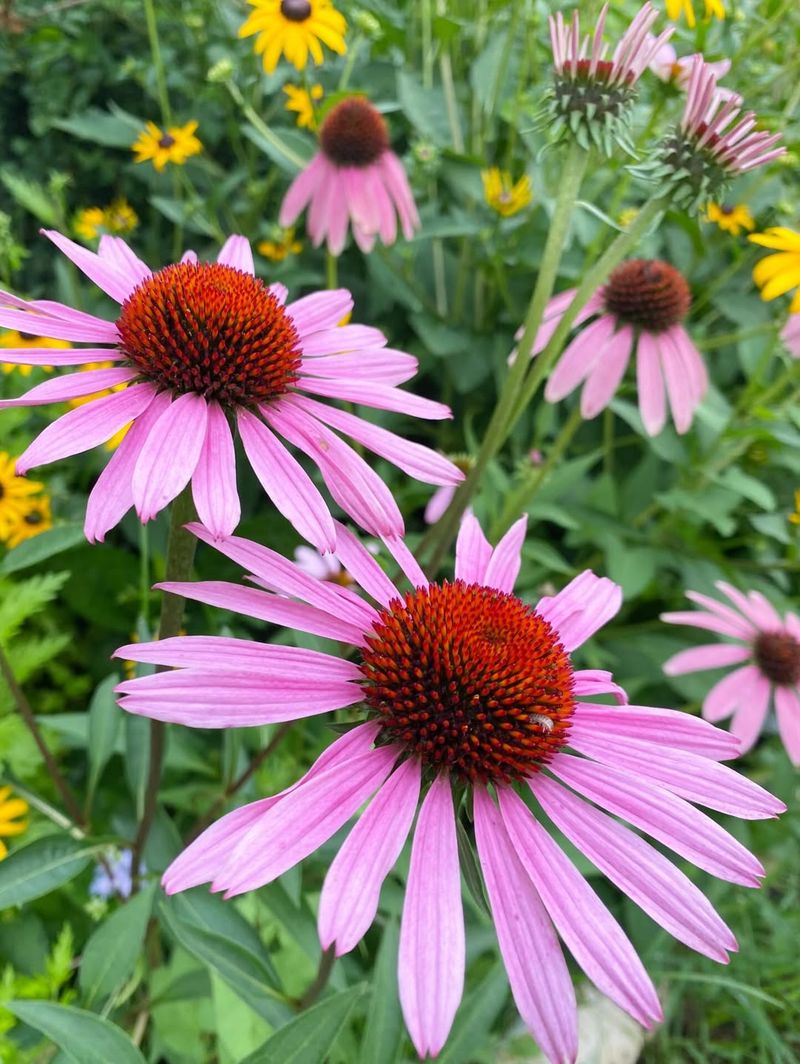
Purple coneflower is one of those plants that just handles Georgia summers without missing a beat. Its spiky orange-brown center and purple petals stand out in any yard, and it keeps blooming even when rain is nowhere in sight.
Plant it in a sunny spot with decent drainage and forget about babying it. Coneflower has deep roots that reach down into the soil for moisture, which means it stays strong during dry stretches that would stress out most other flowers.
Bees go absolutely wild for coneflower. Butterflies show up too, especially during peak summer.
If you skip deadheading the spent blooms, goldfinches will visit in fall to eat the seeds, so there’s a reason to let the plant do its thing all season long.
Coneflower spreads gradually over the years, filling in gaps and creating a fuller look without any extra effort. Dividing clumps every few years keeps them blooming strong.
Across Georgia, this plant performs reliably from the mountains to the coast, making it one of the smartest choices for a water-smart garden that still delivers serious visual punch.
Once established, coneflower asks for very little care beyond occasional watering during long dry periods. It also handles Georgia’s humidity surprisingly well, which is one reason it shows up in so many low-maintenance gardens across the state.
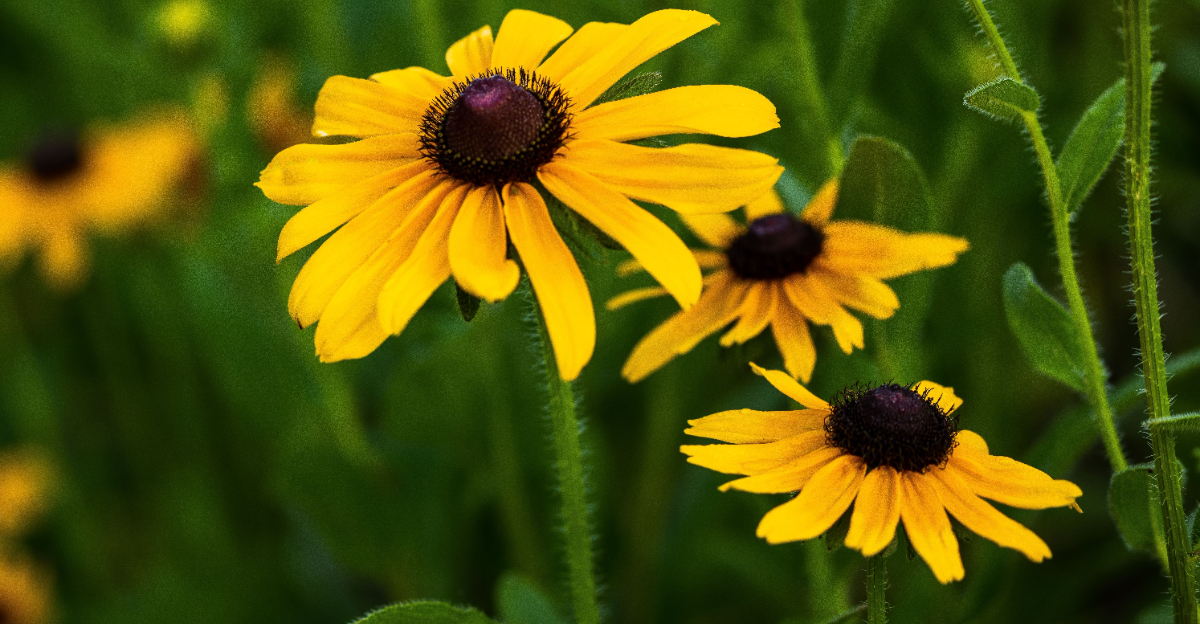
2. Black-Eyed Susan Handles Sunny Georgia Gardens With Little Water
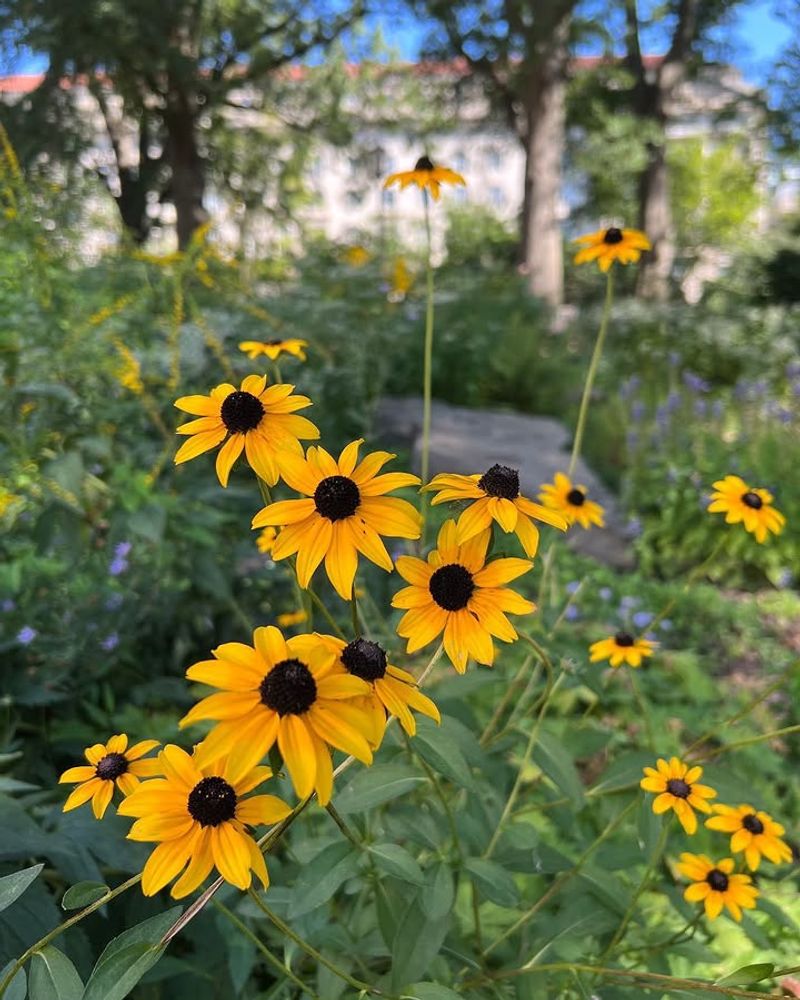
Bright yellow petals circling a dark chocolate center, black-eyed Susan is hard to miss in any garden. It’s cheerful, tough, and perfectly suited to the kind of heat that Georgia throws at plants from June through September.
Sandy or clay soil, it doesn’t matter much. Black-eyed Susan adapts to whatever Georgia ground throws at it, as long as the spot gets full sun.
Waterlogged soil is really the only thing that causes problems, so avoid low spots that collect rain.
Pollinators flock to these flowers throughout summer. Monarchs, bumblebees, and skippers all show up regularly, which makes your whole yard feel more alive.
When fall arrives and blooms fade, birds pick at the seed heads, stretching the plant’s usefulness well beyond its flowering season.
Starting from seed is easy and inexpensive. Scatter some seeds in a prepared bed in early spring and thin them out once they sprout.
Your Georgia Garden Changes Every Week. Your Plan Should Too.
Gardening in Georgia changes quickly throughout the season. Every Friday you’ll receive a simple weekly plan showing exactly what to plant, prune, fertilize, harvest, and protect so you never miss the right timing.
Black-eyed Susan self-seeds readily, so expect it to pop up in new spots each year. Across Georgia, from suburban backyards in Marietta to rural properties near Macon, it fills in fast and asks for almost nothing in return.
Black-eyed Susan also pairs well with other drought-tolerant perennials, creating a natural-looking garden that keeps color going through the hottest months.
Once it settles in, it becomes one of those dependable flowers that returns year after year with very little effort.
3. Yarrow Tolerates Dry Soil And Summer Heat
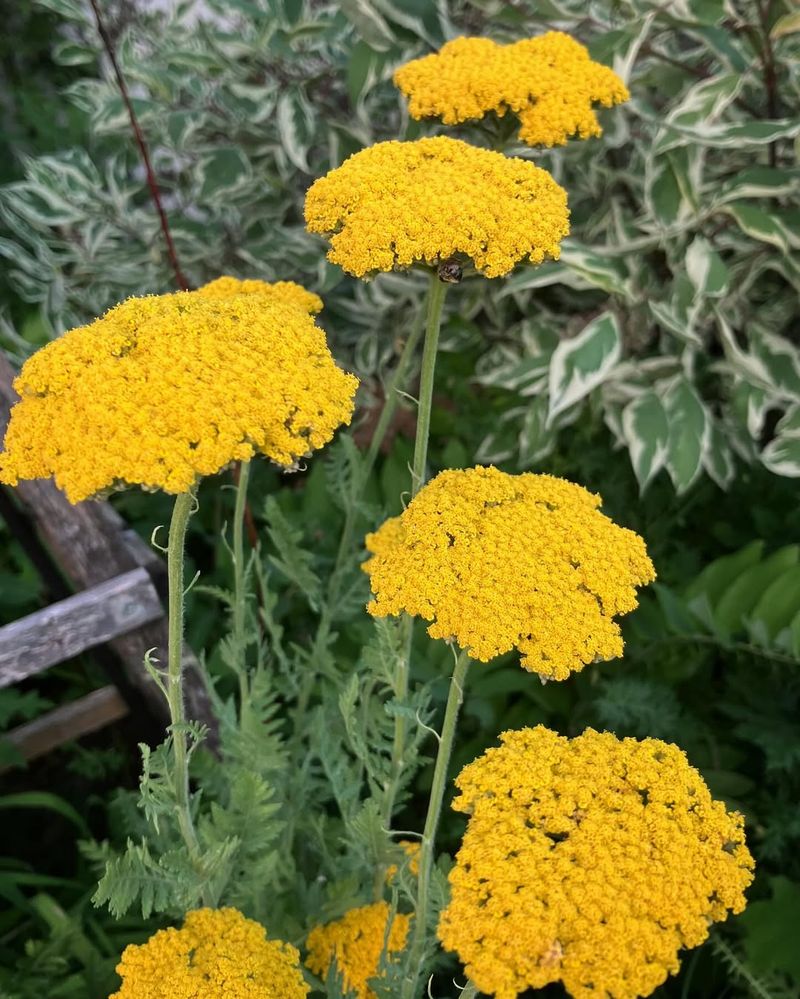
Yarrow looks delicate but acts tough. Its flat-topped clusters of tiny flowers come in yellow, white, pink, and red, adding a wildflower feel to any Georgia garden without needing much help from you at all.
Poor soil doesn’t slow yarrow down. If anything, rich and overly fertilized soil makes it flop and sprawl.
Plant it in a lean, sunny spot and it stands upright and blooms generously from late spring into midsummer, sometimes reblooming if you cut it back after the first flush of flowers.
Aphids occasionally visit, but beneficial insects usually keep them in check. Yarrow itself attracts ladybugs and parasitic wasps, which naturally handle pest pressure.
It’s a good companion plant to have nearby if you’re also growing vegetables or fruit.
Dried yarrow holds its color beautifully, making it a favorite for cut flower arrangements. Fresh or dried, it’s useful beyond just looking nice outside.
In Georgia’s climate, established clumps handle summer dry spells without any supplemental watering, bouncing back after heat waves that would flatten more delicate perennials.
Divide it every two to three years to keep it from overcrowding neighboring plants and to encourage stronger, more upright growth.
4. Blanket Flower Keeps Blooming Through Hot Georgia Summers
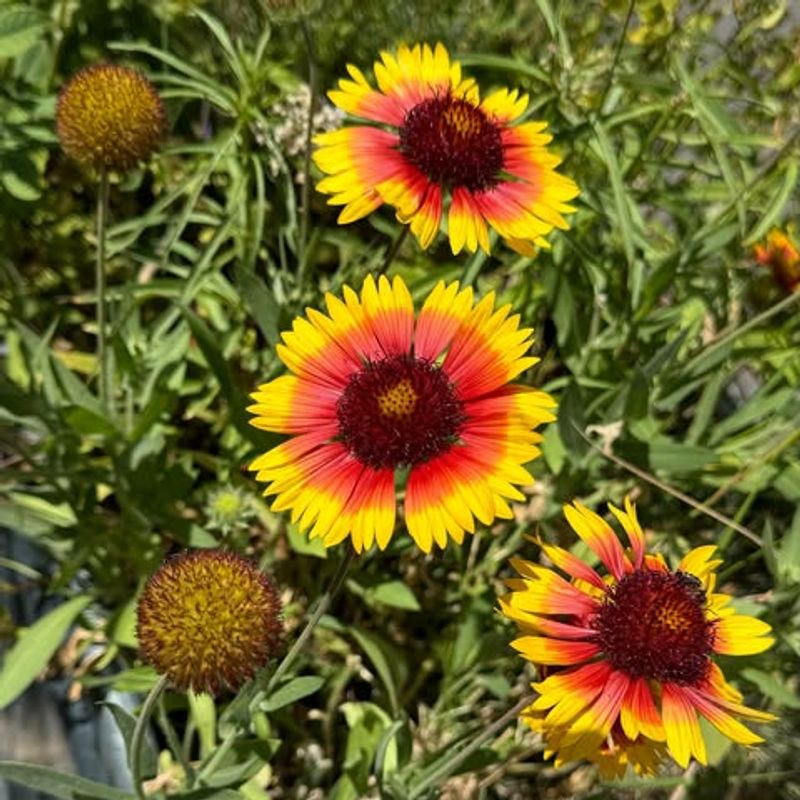
Few flowers push out blooms as consistently as blanket flower during a Georgia summer. Red and yellow petals ringed together give it a bold, almost sunset-like look that holds up week after week even when temperatures climb past 95 degrees.
Gaillardia actually struggles in rich, moist soil. Lean, sandy, or rocky ground suits it far better, and that’s good news for Georgia gardeners dealing with dry patches that other plants refuse to touch.
Full sun is non-negotiable, but drainage matters just as much.
Deadheading spent blooms keeps the plant producing new flowers through the season. Skip a week of deadheading and it still keeps going, just not quite as aggressively.
If you let some blooms go to seed at the end of summer, you’ll likely see new seedlings pop up nearby the following spring.
Butterflies, bees, and even some beetles visit blanket flower regularly. It works well planted in groups along a driveway border, in a raised bed, or tucked into a rock garden.
Across Georgia, it handles coastal humidity in Savannah and the drier inland heat around Augusta without complaint. A short-lived perennial, it benefits from division or reseeding every couple of years to stay vigorous.
5. Sedum Stores Moisture And Handles Dry Conditions Well
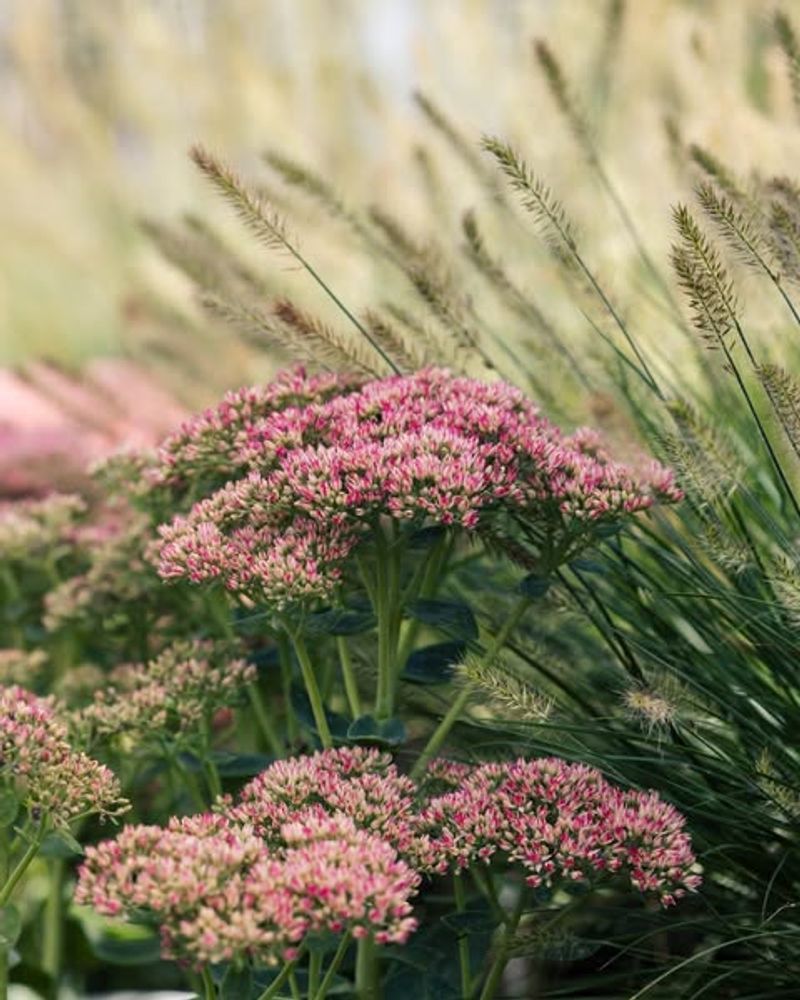
Sedum carries its own water supply in those thick, waxy leaves, which is exactly why it laughs off Georgia’s dry spells. Cut a stem and you can feel the moisture stored inside, a clever survival trick that most plants don’t have.
Low-growing varieties spread across the ground as a dense mat, crowding out weeds and covering bare spots between stepping stones or along sunny slopes.
Taller varieties like Autumn Joy develop thick upright stems topped with flat clusters of flowers that shift from pale green to dusty rose as summer fades into fall.
Butterflies love the flat flower heads because they offer easy landing pads while feeding. Bees pile on too, especially during late summer when other flowers start to fade.
Even the dried seed heads add texture through winter, so there’s no urgent rush to cut them back.
Sedum asks for almost nothing in terms of care. Planting in well-drained soil is the one thing you really can’t skip, since soggy roots cause the only real problems.
Sandy or rocky ground suits it perfectly. Across Georgia, it performs well in container gardens on patios, along sunny borders, or tucked into dry hillside plantings where irrigation would be difficult to run.
A genuinely no-fuss plant.
6. Russian Sage Thrives In Heat And Drier Soil
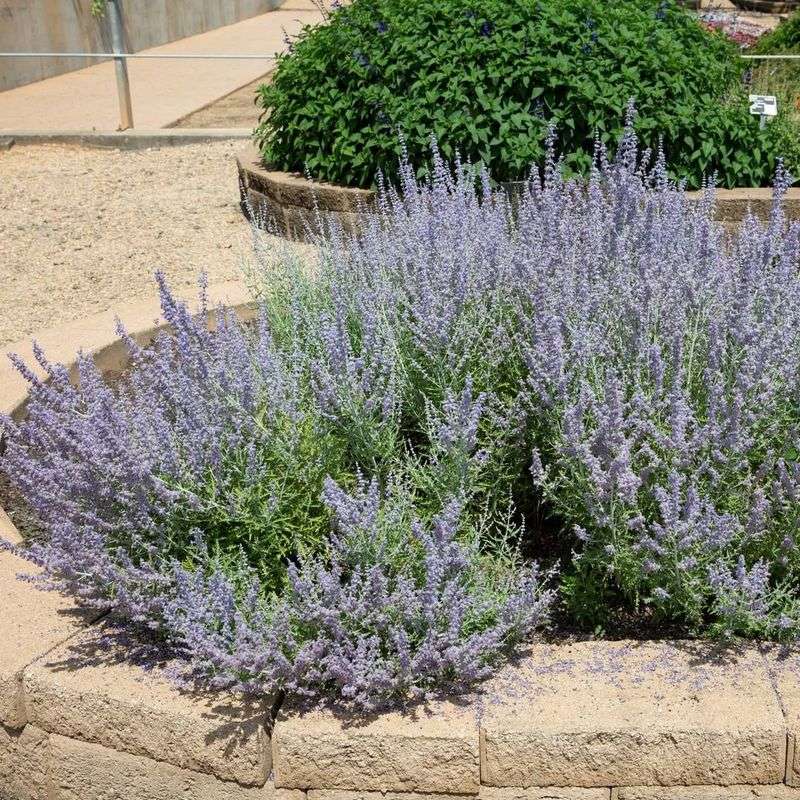
Walk past Russian sage on a hot afternoon and you’ll catch its herbal, slightly sharp scent drifting through the air. Silver stems shoot up and fan out into a cloud of tiny lavender-blue flowers that bloom from midsummer well into fall across Georgia gardens.
Heat is not a problem for this plant. Humidity is not either, which matters in Georgia where summer air feels thick enough to chew.
Russian sage handles both without wilting or dropping leaves, keeping its airy structure even when other perennials start looking ragged.
Cut it back hard in early spring before new growth starts. Leaving last year’s woody stems until then actually helps protect the crown during any cold snaps Georgia occasionally gets in winter.
New growth pushes up from the base and fills out quickly once temperatures warm up.
Deer tend to avoid it, which is a practical bonus for Georgia gardeners in suburban or rural areas where deer pressure is real. Pollinators, however, seek it out enthusiastically.
Bumblebees especially hover around the long flower spikes throughout the day.
Pair Russian sage with ornamental grasses or coneflower for a planting combination that looks intentional and holds up through the driest stretches of a Georgia summer without any extra watering needed.
7. Coreopsis Handles Georgia Sun Without Frequent Watering
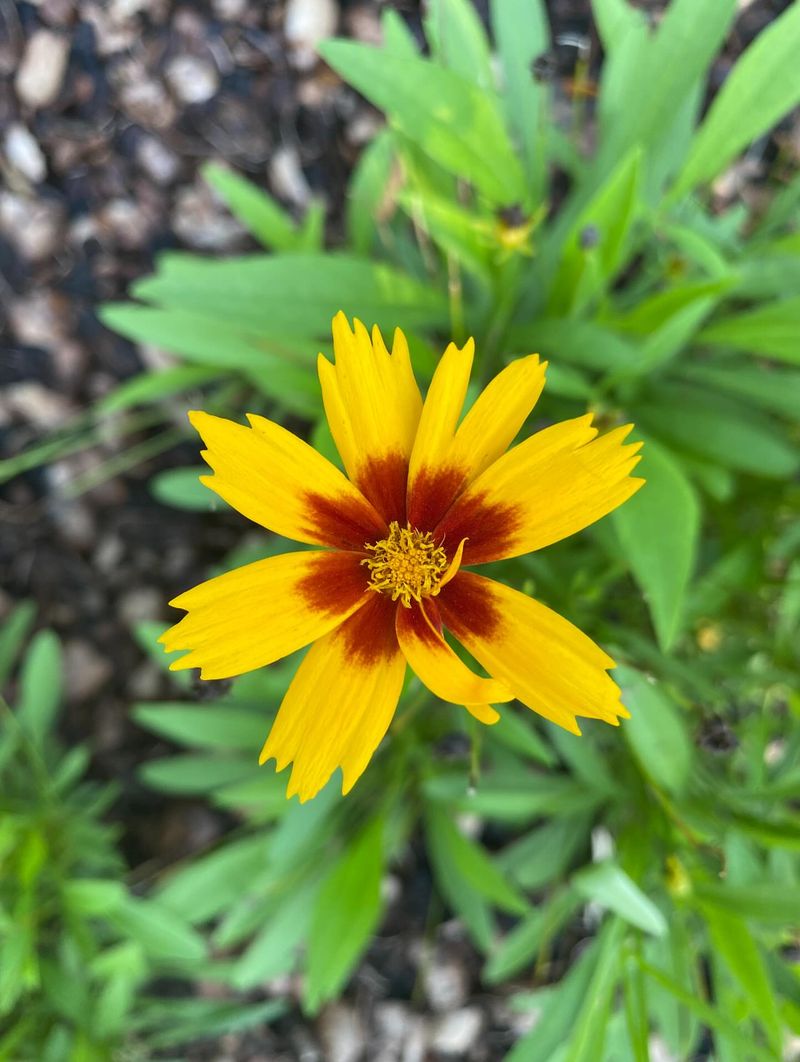
Coreopsis earns its nickname tickseed the hard way, by seeding itself freely and spreading across sunny spots without any encouragement. But that enthusiasm is exactly what makes it so useful in a Georgia garden that needs color without constant watering.
Bright yellow blooms cover the plant from late spring through much of summer. Deadhead regularly and it just keeps going, pushing out new flowers even during stretches when rain hasn’t shown up in weeks.
Threadleaf varieties have an especially long bloom time and hold up well in Georgia’s heat.
Sandy or clay soil both work fine as long as drainage is decent. Coreopsis planted in waterlogged spots tends to struggle, but in a normal raised bed or sloped border it performs consistently.
Full sun brings out the best bloom production, while even partial shade spots see noticeably fewer flowers.
Native species of coreopsis are found naturally across Georgia, which means local pollinators already know what to do with them. Bees, butterflies, and small birds all benefit from this plant through the season.
It’s a good choice for filling in new garden beds quickly since seedlings establish fast. Whether you’re in Gainesville or Brunswick, coreopsis adapts to Georgia’s varied soil conditions without needing special treatment or extra irrigation.
8. Purple Love Grass Tolerates Dry Georgia Conditions
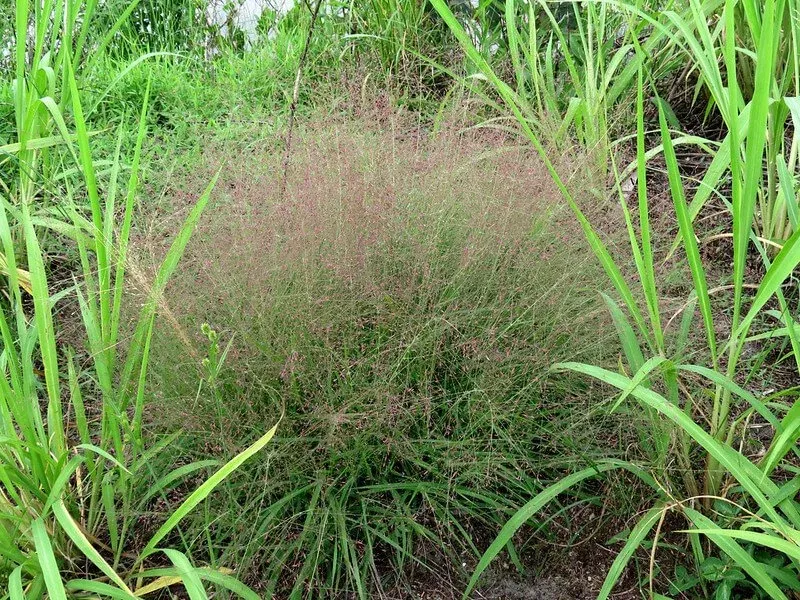
Purple love grass puts on a show in late summer that stops people in their tracks. Airy clouds of tiny purple-pink seeds rise above the fine green foliage, catching the light in a way that makes the whole plant look like it’s glowing from a distance.
Sandy, dry, and even compacted soil are no obstacle for this grass. It’s native to Georgia and grows naturally along roadsides and open fields, which tells you everything you need to know about its ability to handle tough conditions without extra help.
Full sun is where it performs best. Partial shade produces weaker growth and fewer of those signature purple seed clouds that make this plant so visually interesting.
Plant it in drifts of three or five for the most dramatic late-season effect in a home garden.
It stays relatively compact, usually reaching about two feet tall, making it practical for smaller yards or front borders where a giant ornamental grass would feel out of scale.
Birds feed on the seeds through fall and into winter, adding another layer of wildlife value.
Across Georgia, purple love grass handles summer dry spells without irrigation once its roots have settled in. Cut it back to a few inches in late winter and fresh growth returns reliably each spring.
9. Lantana Thrives In Georgia Heat With Minimal Water
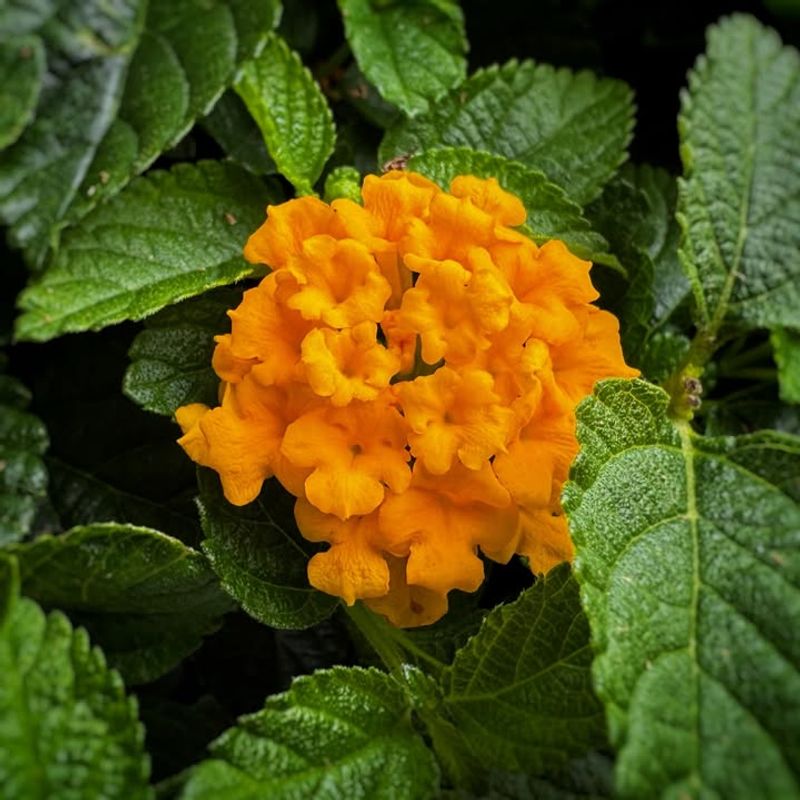
Lantana in full bloom during a Georgia July is something else entirely. Clusters of tiny flowers packed together in orange, yellow, red, and pink combinations cover the plant so thickly that the leaves nearly disappear beneath them.
It’s bold, it’s bright, and it keeps going all summer.
Heat seems to energize lantana rather than slow it down. Dry stretches that leave other plants looking wilted barely affect it.
Rain or no rain, lantana holds its own, which is a real advantage during those stretches in August when Georgia goes weeks without significant rainfall.
Butterflies treat lantana like a buffet. Monarchs, swallowtails, and skippers all visit regularly, often in numbers large enough to make the plant feel like it’s moving.
Hummingbirds show up too, drawn to the dense flower clusters that offer easy feeding.
One thing worth knowing: lantana can spread aggressively in warmer parts of Georgia, particularly in the southern half of the state. Choosing sterile varieties reduces that concern significantly.
Deadheading isn’t necessary for continued blooming, which keeps maintenance minimal. Plant it in a spot that gets at least six hours of direct sun and give it room to spread sideways.
Whether used in containers or directly in the ground, lantana delivers serious color from spring through the first frost without asking for much in return.