How To Plant Sweet Potatoes In Georgia This April For Faster Growth
Sweet potatoes in Georgia can take off quickly when planted at the right time, yet early results do not always match expectations. Some plantings stay slow to establish, while others spread out fast and fill in the space with strong growth.
April creates a useful window, but soil condition plays a bigger role than the date alone. Ground that feels ready on the surface may still hold back root development below, which affects how well plants get started.
Once conditions line up, growth becomes much more noticeable. Vines spread, coverage increases, and the bed begins to fill in without hesitation.
Getting that start right makes a clear difference later, especially when the goal is steady, fast growth through the rest of the season.
1. Start With Healthy Sweet Potato Slips
Weak slips produce weak plants, and no amount of good soil or sunshine will fix that. Before you even think about putting anything in the ground, take a close look at the slips you are working with.
Healthy slips should have firm, green stems, a few leaves at the top, and visible white roots at the base.
Slips that look pale, soft, or wilted have likely been sitting too long or were not stored properly. Skip those and find better ones.
In Georgia, you can often find quality slips at local feed stores, garden centers, or through trusted online suppliers who ship around April when the timing lines up with your planting window.
Varieties like Beauregard and Georgia Jet are solid choices for this state. Beauregard matures in about 105 days, while Georgia Jet can be ready in 90 to 100 days, which works well for Georgia’s long warm season.
Centennial is another option worth considering at around 90 days.
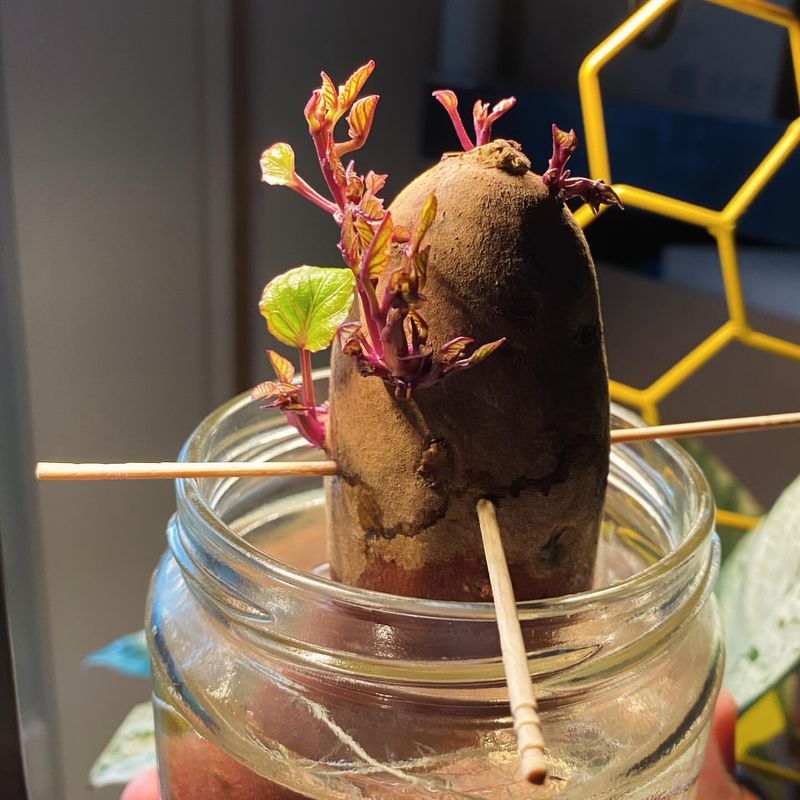
If you are growing your own slips from a sweet potato, start the process about six to eight weeks before your planned planting date. Place a sweet potato in a jar of water with toothpicks holding it halfway submerged.
Keep it in a warm, sunny spot and slips will sprout from the sides. Once slips reach about six inches long, twist them off gently and place the cut end in water for a few days before planting to encourage root development.
2. Plant Slips Deep To Encourage Strong Roots
Burying your slips properly is one of those steps that directly affects how many sweet potatoes you pull out of the ground come harvest time. Shallow planting leaves the root nodes exposed and limits how much of the plant can form storage roots underground.
When planting in Georgia, push the slip into the soil deep enough to cover all the root nodes and any lower leaf joints, leaving only the top two or three leaves sticking out above the mound.
Those buried nodes are where the actual sweet potatoes will develop, so covering more of them gives the plant more spots to produce.
Raised mounds or ridges work especially well for this. Mounding the soil up about eight to ten inches before planting gives the roots loose, deep space to expand without hitting compacted ground.
Your Georgia Garden Changes Every Week. Your Plan Should Too.
Gardening in Georgia changes quickly throughout the season. Every Friday you’ll receive a simple weekly plan showing exactly what to plant, prune, fertilize, harvest, and protect so you never miss the right timing.
It also helps with drainage, which matters a lot during Georgia’s occasional spring downpours.
Angle the slip slightly when inserting it rather than pushing it straight down. A slight diagonal placement encourages the roots to spread horizontally through the mound rather than diving straight down into harder subsoil.
Use your fingers or a small trowel to open up a hole, set the slip in, and press the soil firmly around the base.
Avoid leaving air pockets around the roots. Firm contact between the slip’s nodes and the surrounding soil helps the plant establish more reliably in those first critical days after planting.
3. Choose A Full Sun Spot Before Planting
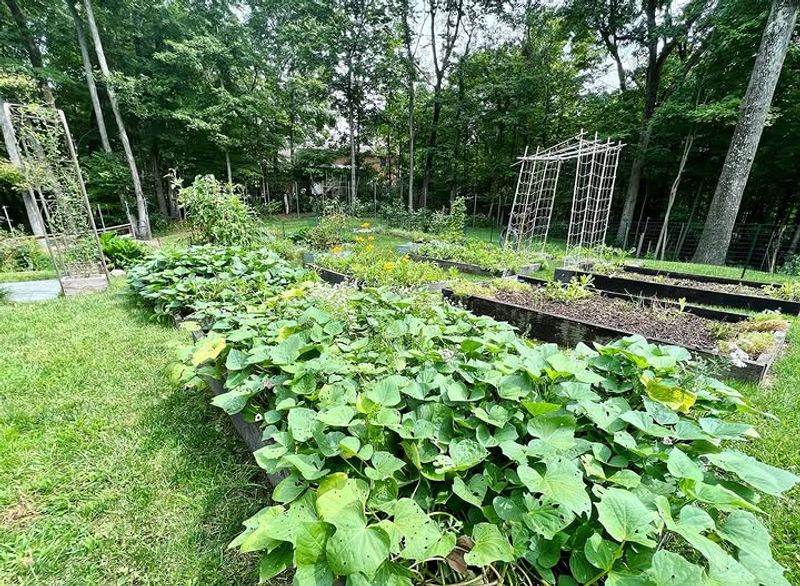
Sweet potatoes are sun-hungry plants, and cutting corners on light will slow everything down. Pick a spot in your Georgia garden that gets at least eight hours of direct sunlight daily.
Less than that and your vines may grow well enough, but the roots underground often stay small.
Walk your yard at different times of day before committing to a planting spot. A bed that looks sunny at noon might sit in tree shadow by mid-afternoon.
That kind of partial shade adds up over the growing season and can noticeably reduce your yield.
South-facing garden beds tend to get the most consistent light throughout the day, especially in Georgia where the sun angle is favorable from April through September. Avoid spots near tall fences, large shrubs, or buildings that cast long afternoon shadows.
Full sun also helps warm the soil faster, which sweet potatoes need to get moving. Georgia’s soil in mid-April can still be on the cooler side in the northern parts of the state.
A sunny, open bed warms up more quickly than a shaded one, giving your slips a better start right after planting.
If you are working with a smaller yard and shade is unavoidable in some areas, prioritize the sunniest corner you have. Even a slightly less ideal spot with good soil preparation and proper care can still produce a reasonable crop.
Just know that full, consistent sunlight is one of the most reliable factors for stronger plant growth across the whole season.
4. Use Loose Soil To Help Roots Expand Faster
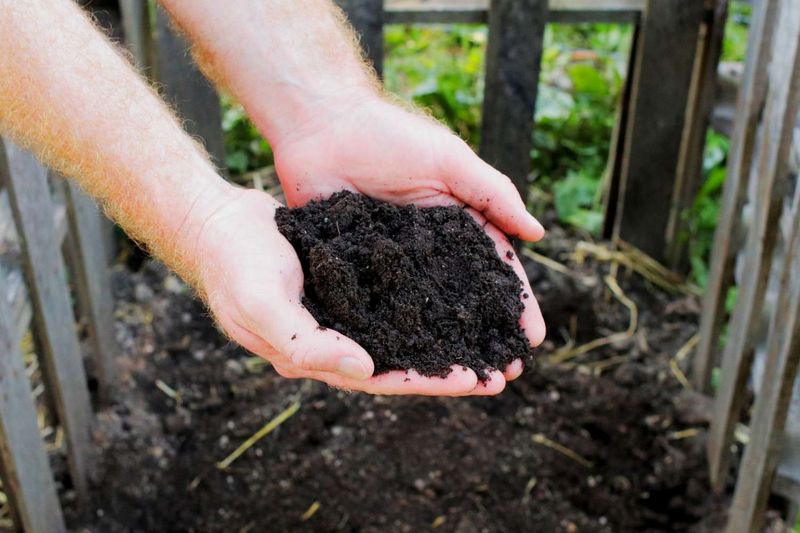
Compacted soil is probably the most common reason sweet potato roots stay small and misshapen. Roots need room to push outward, and when the ground is hard or dense, they hit resistance early and stop expanding.
Sandy loam is the ideal soil type for sweet potatoes in Georgia, and many parts of the state already have naturally sandy soil, which is a real advantage. If your garden bed leans more toward clay or has been walked on and packed down over the winter, break it up thoroughly before planting.
A garden fork works better than a tiller for this because it loosens without pulverizing the soil structure.
Work the bed at least ten to twelve inches deep. Sweet potato roots can extend well beyond six inches down, so shallow tilling leaves them with nowhere to grow.
Mix in a few inches of compost while you are at it. Compost improves both drainage and nutrient availability without making the soil too rich in nitrogen, which would push vine growth at the expense of root development.
Avoid adding heavy amendments like clay-heavy topsoil or large amounts of unfinished manure. Fresh manure in particular can cause forking and irregular root shapes.
Stick to well-aged compost or a light balanced fertilizer at planting time.
Raised beds are worth the extra effort if your native soil is difficult to work with. Building up a bed with a loose, well-draining mix gives your Georgia sweet potato crop a noticeably better foundation right from the start.
5. Space Slips Properly For Better Growth
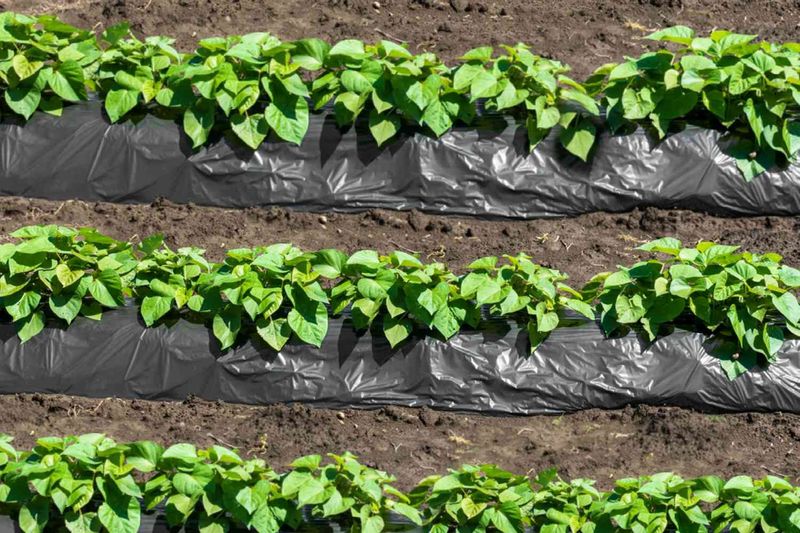
Crowding slips together is a mistake that shows up at harvest time, not planting time. When plants are too close, their root systems compete for the same soil space, and neither one reaches its full potential.
Plant slips about 12 to 18 inches apart within each row. Rows themselves should be spaced roughly three to four feet apart to give the vines room to sprawl.
Sweet potato vines can spread several feet in every direction over the growing season, and in Georgia’s long warm summers, they can really take over a bed if you are not prepared for it.
Proper spacing also improves airflow between plants. Better airflow reduces the chance of fungal issues, which can pop up during Georgia’s humid summer months when heat and moisture combine.
Tight spacing traps humidity close to the soil surface and around the leaves, creating conditions where problems can develop more easily.
Some gardeners try to maximize their beds by planting closer together, thinking more slips means more potatoes. In practice, you often end up with more plants producing fewer and smaller roots each.
Giving each plant adequate space tends to produce better individual root development.
Mark your spacing before you plant using a tape measure or a stick cut to the right length. It only takes a few minutes and keeps your rows organized throughout the season.
Consistent spacing also makes it easier to water, weed, and check on your plants as the summer progresses across your Georgia garden.
6. Water Right After Planting To Settle Roots
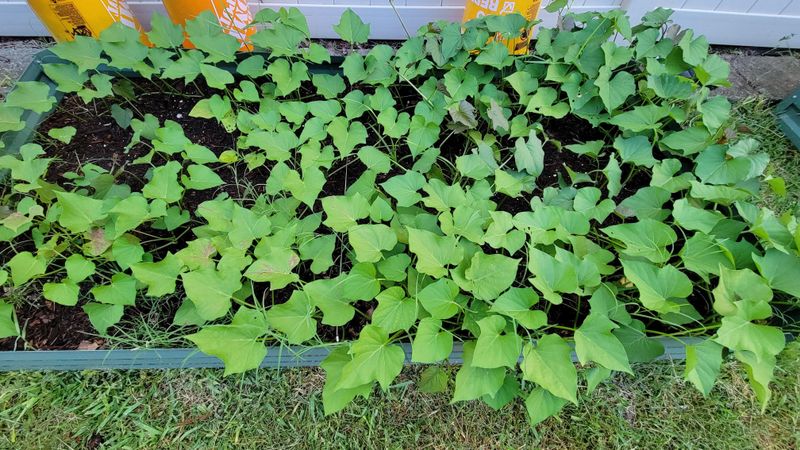
Right after those slips go in the ground, water is the one thing that can make or break their first week. Freshly planted slips have limited root contact with the soil, and without moisture, they struggle to pull in what they need to push out new roots and stay upright.
Water each slip thoroughly immediately after planting. You want the water to soak down several inches, not just wet the surface.
A slow, deep watering encourages roots to follow moisture downward rather than staying shallow near the surface where the soil dries out faster.
For the first week or two, check soil moisture every day, especially if April temperatures in your part of Georgia are running warm and dry. If the top inch of soil feels dry, water again.
After the first couple of weeks, slips that have rooted in will be more capable of handling short dry stretches on their own.
Avoid overwatering though. Soggy soil around newly planted slips can cause the stems to rot before they even get established.
Water deeply but let the soil surface dry slightly between waterings once the plants start showing new leaf growth, which usually signals the roots are beginning to settle in.
Drip irrigation works well for sweet potatoes if you have it set up. It delivers water directly to the root zone without wetting the leaves, which is helpful during Georgia’s warmer months.
A simple soaker hose along the row is an easy and affordable option for most home gardeners.
7. Add Mulch To Keep Soil Warm And Moist
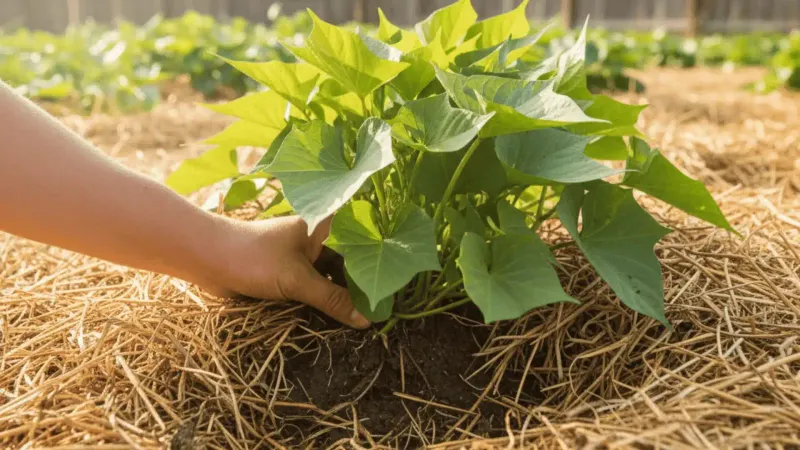
A layer of mulch does more quiet work in a sweet potato bed than most gardeners give it credit for. Spread a few inches of straw, pine needles, or shredded leaves around your slips shortly after planting and you are essentially giving your soil a buffer against the elements.
Mulch slows down moisture loss from the soil surface, which matters a lot in Georgia during April and into the summer months when warm temperatures and occasional dry spells can pull moisture out of the ground quickly.
Less evaporation means you water less often and the roots stay in a more consistent environment.
Soil temperature is another factor mulch helps regulate. Sweet potatoes grow best when soil stays consistently warm, ideally above 65 degrees Fahrenheit.
In mid-April, Georgia soil is warming up but can still dip at night. A two to three inch mulch layer helps hold daytime warmth in the soil through the cooler nights.
Weed suppression is a bonus that comes with mulching. Weeds compete with your sweet potato plants for nutrients and water, and pulling them out repeatedly can disturb shallow roots.
A decent layer of mulch blocks most weed seeds from getting the light they need to sprout.
Keep mulch pulled back slightly from the base of each slip. Piling it right against the stem can trap excess moisture there and cause soft rot at the soil line.
A small gap of an inch or two around each plant is enough to avoid that issue while still getting the full benefit of mulching across your Georgia garden bed.