7 Trees That Owls Prefer Nesting In Around Ohio Homes
The quiet hoot of an owl at night can turn an ordinary Ohio backyard into something magical. Many homeowners never realize that the trees around their homes may already attract these mysterious nighttime hunters.
Certain trees offer the shelter, height, and safety that owls quietly search for when they choose a nesting spot. In neighborhoods, rural yards, and wooded edges across Ohio, a few tree types stand out as clear favorites.
Their structure, natural cavities, and dense branches create the perfect refuge for owls raising young or resting through the day. One well-placed tree can transform a simple yard into a hidden owl haven.
Some Ohio homes unknowingly host these silent visitors year after year. The secret often lies in the trees standing right outside the door.
1. Mighty Oaks That Support Large Owl Nests
Few trees command as much respect in an Ohio woodland or backyard as a fully grown oak. White oaks and red oaks are among the most common oak species found across the state, and their wide, sturdy branches make them natural platforms for large bird nests.
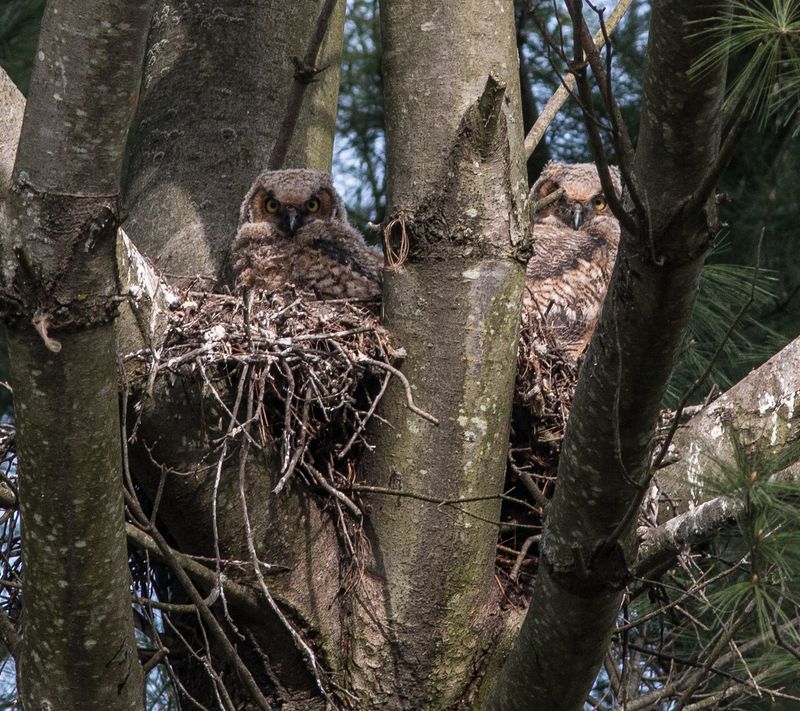
Great horned owls, in particular, are known to seek out these strong limbs when looking for a place to raise their young each winter.
One of the most interesting things about great horned owls is that they do not actually build their own nests. Instead, they move into abandoned nests left behind by red-tailed hawks, crows, or great blue herons.
Mature oaks tend to attract these other large birds first, which means owls often have ready-made homes waiting for them high in the canopy. The Ohio Department of Natural Resources notes that great horned owls typically begin nesting as early as January or February, well before most other birds.
Oaks also support a rich food web that benefits hunting owls. Their acorns feed squirrels, mice, and other small mammals that owls actively hunt throughout the night.
Having a mature oak in your Ohio yard essentially creates a full ecosystem, offering owls both a nesting site and a nearby hunting ground. Older oaks with rough, deeply furrowed bark also provide good camouflage for roosting owls resting quietly during daylight hours.
Preserving any mature oak on your property is one of the most valuable things you can do for local wildlife.
2. Old American Beech Trees With Hidden Nest Cavities
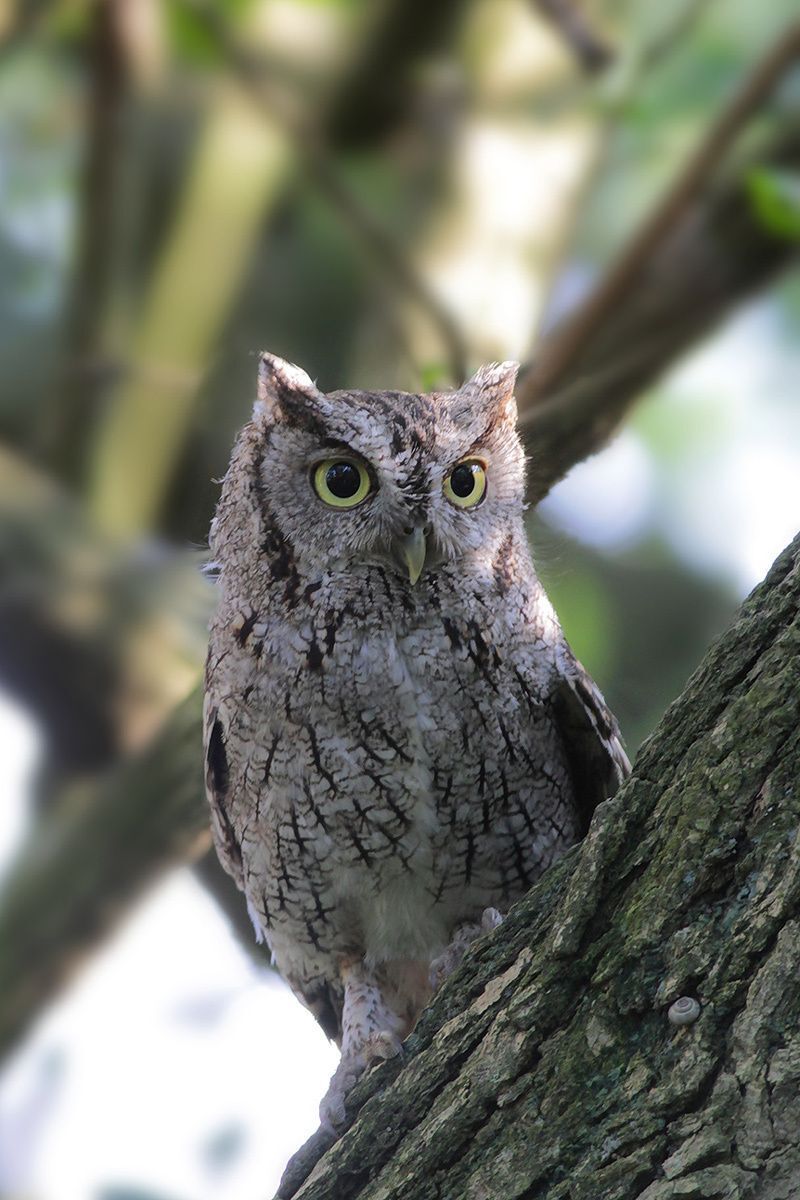
Walk through almost any older Ohio woodland and you will likely spot the smooth, silver-gray bark of an American beech tree. Unlike many other hardwoods, beech bark stays relatively smooth even as the tree ages, but the interior of an older beech is a different story.
Over decades, the heartwood can soften and hollow out, creating snug, protected cavities that cavity-nesting owls find irresistible.
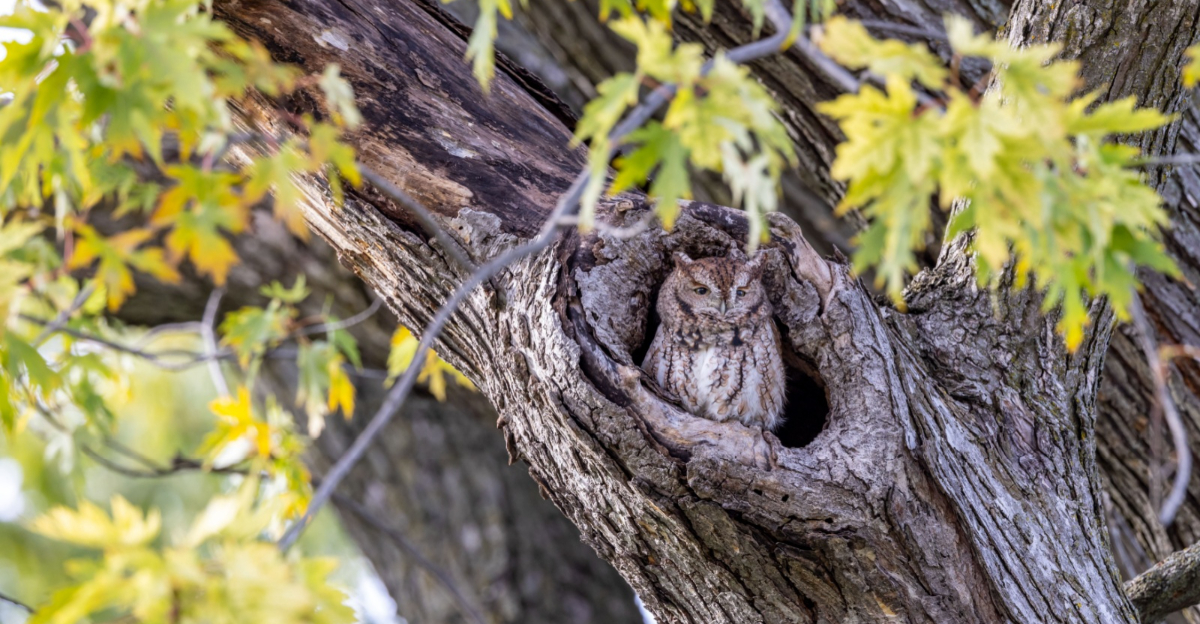
Eastern screech owls are among the most enthusiastic users of beech tree hollows in Ohio. These small, compact owls measure only about eight inches tall and are perfectly sized to slip into a natural tree opening and disappear from sight.
According to OSU Extension resources on backyard wildlife, eastern screech owls are highly adaptable and can thrive in suburban neighborhoods as long as mature trees with cavities are available nearby.
Your Ohio Garden Changes Every Week. Your Plan Should Too.
Gardening in Ohio changes quickly throughout the season. Every Friday you’ll receive a simple weekly plan showing exactly what to plant, prune, fertilize, harvest, and protect so you never miss the right timing.
Beech trees also hold their dried, papery leaves through much of the winter, a habit called marcescence. This persistent foliage adds an extra layer of visual cover around a nesting owl, helping it stay hidden from potential disturbances.
The combination of sheltered cavities and winter leaf cover makes older beeches particularly attractive nesting spots in wooded Ohio neighborhoods.
If you are lucky enough to have a mature beech on your property, protecting it from unnecessary removal is a smart move for local owl populations. Even a beech showing signs of age and interior softening may still offer years of valuable wildlife habitat, especially for smaller owls searching for safe, quiet nesting spaces.
3. Towering Sycamores That Shelter Owls Near Streams
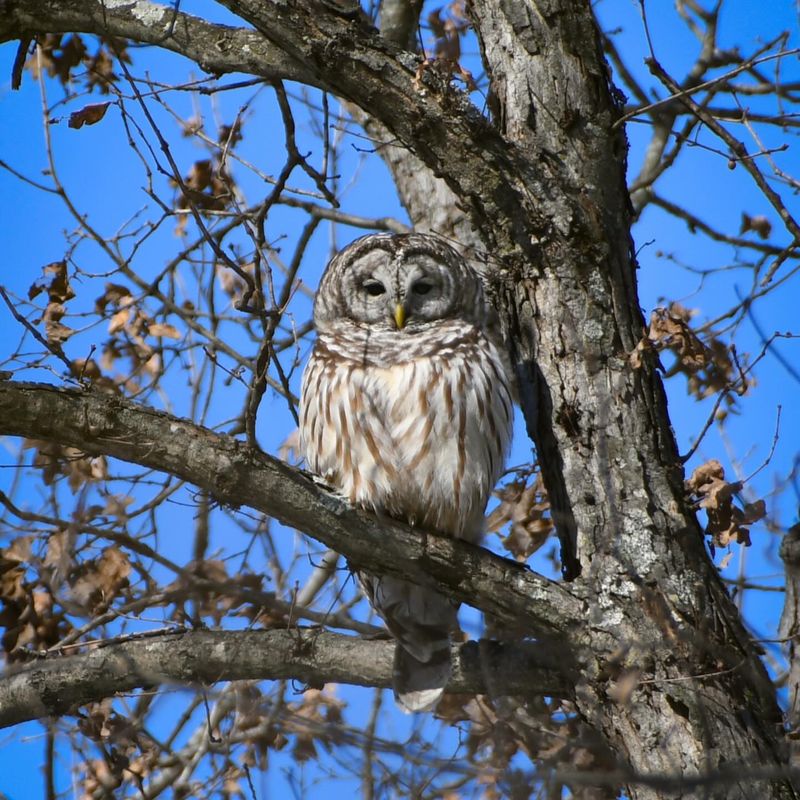
Anyone who has hiked along an Ohio riverbank or creek has almost certainly noticed the striking, patchwork bark of the American sycamore. These towering trees can grow to enormous sizes, with trunks sometimes reaching several feet in diameter.
As they age, their upper trunks and major limbs often develop large natural cavities that sit well above the ground, offering owls a high and sheltered nesting location away from most disturbances.
Barred owls are particularly fond of sycamore habitat in Ohio. They tend to nest in forested areas near water, and the floodplains and stream corridors where sycamores thrive match their preferred territory almost perfectly.
A barred owl nesting high in a riverside sycamore has easy access to the frogs, crayfish, and small mammals that congregate near Ohio waterways, making hunting remarkably convenient.
Sycamore cavities form naturally as older branches break away and the exposed wood weathers over time. These openings can become quite spacious, large enough to comfortably hold a nesting owl and her eggs.
Wildlife researchers have documented barred owls using the same sycamore cavity nesting sites for multiple consecutive years, returning season after season to the same reliable location.
For Ohio homeowners who live near a creek, stream, or pond, a mature sycamore on the property is genuinely worth protecting. Beyond their value for owls, sycamores support dozens of other wildlife species and help stabilize stream banks against erosion, making them one of the most ecologically valuable trees in the entire Midwest landscape.
4. Mature Maples That Provide Quiet Backyard Cover
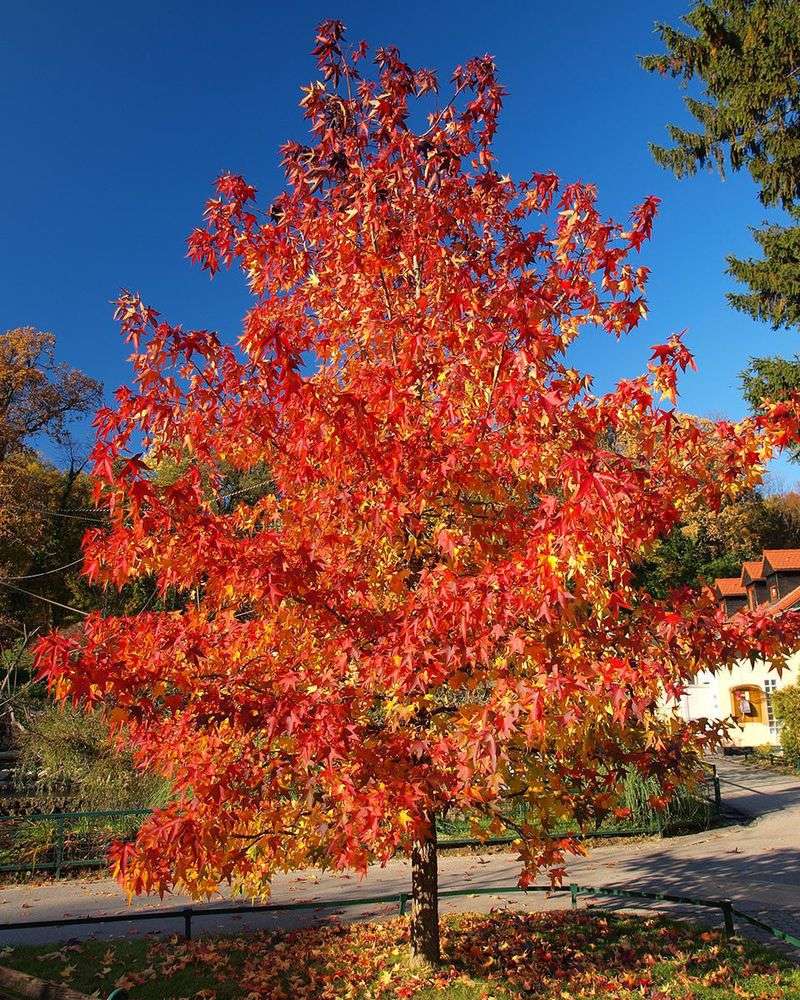
Sugar maples and red maples are two of the most familiar and beloved trees across Ohio, lining suburban streets, shading backyards, and painting the countryside in brilliant fall color each October. What many homeowners do not realize is that older maple trees can also quietly become important nesting habitat for owls.
As maples age, their trunks and major limbs can develop cracks, splits, and small hollow pockets that cavity-nesting owls quickly notice and claim.
Eastern screech owls are particularly drawn to aging maples in suburban Ohio neighborhoods. These small owls are remarkably tolerant of human activity and can nest successfully in yards with regular foot traffic, as long as the tree cavity itself offers a sheltered and secure space.
OSU Extension wildlife guidance encourages homeowners to leave mature trees standing whenever safely possible, specifically because aging trunks provide this kind of irreplaceable nesting habitat.
Dense maple canopies also give owls a place to roost quietly during daylight hours without being easily spotted by crows or blue jays, which often mob roosting owls when they find them. A great horned owl tucked deep into the shadowy upper canopy of a full-grown sugar maple can rest virtually undisturbed through the day.
Planting a red maple or sugar maple today means investing in future wildlife habitat that will only grow more valuable over the decades ahead. Ohio neighborhoods with a healthy mix of mature maples consistently attract more owl activity than areas dominated by younger, thinner trees that lack the structural complexity older maples naturally develop over time.
5. Sturdy Elm Trees That Form Natural Owl Hollows
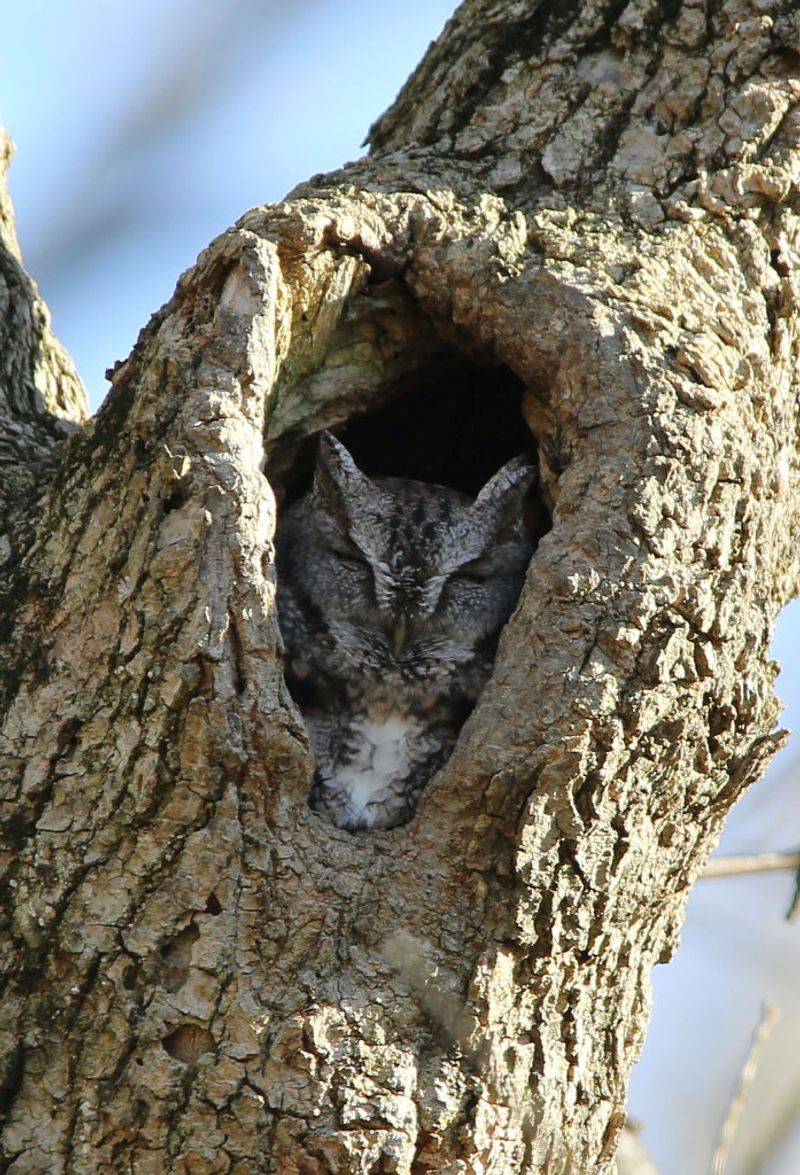
American elm trees once lined nearly every main street and farmstead across Ohio before Dutch elm disease swept through the region during the mid-twentieth century. While far fewer elms exist today than a century ago, those that remain or have been replanted are genuinely impressive trees, and their tendency to develop large interior cavities as they age makes them attractive nesting locations for several Ohio owl species.
Elm wood tends to be somewhat fibrous and interlocking in grain, which means aging elms can hollow out gradually over many years while still maintaining enough structural strength to keep standing. This slow hollowing process creates spacious interior chambers that smaller owls, especially eastern screech owls and barred owls, find well-suited for nesting.
The cavity openings are often just large enough for an owl to enter comfortably while being too small for larger predators to access.
Rural and semi-rural Ohio properties that still have older elm trees are particularly fortunate from a wildlife habitat standpoint. Elms growing near open fields or woodland edges give owls excellent hunting access alongside secure nesting cover, a combination that wildlife biologists describe as ideal edge habitat.
Owls nesting in these locations can hunt meadow voles, deer mice, and other small mammals with remarkable efficiency.
Elm trees are also being reintroduced in Ohio through disease-resistant cultivars developed by university breeding programs. Planting a disease-resistant elm today gives your property a chance to develop that rich, hollow-forming character over the coming decades, eventually creating new nesting opportunities for generations of Ohio owls yet to come.
6. Tall Cottonwoods That Host High Nest Platforms
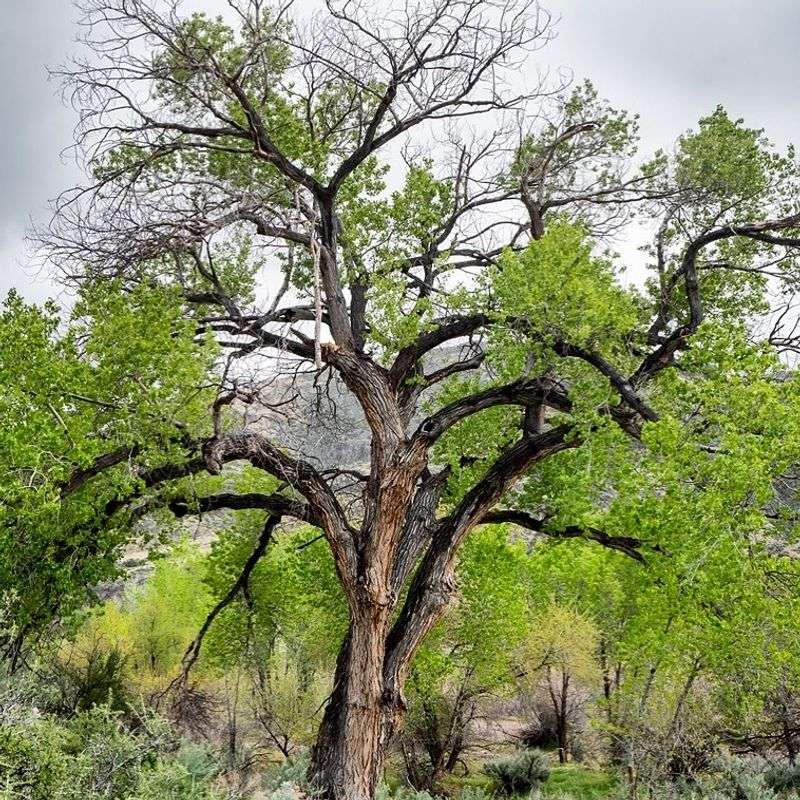
Eastern cottonwood trees grow fast, grow tall, and grow in exactly the kinds of open, low-lying landscapes that many Ohio owl species favor for hunting. Commonly found along river corridors, field edges, and floodplain areas throughout the state, cottonwoods can reach impressive heights within just a few decades, developing thick trunks and wide, spreading branch structures that easily support large abandoned nests.
Great horned owls are the primary owl species that take advantage of cottonwood trees in Ohio. Just as they do with oaks, great horned owls look for old hawk or crow nests already built in the upper branches of tall cottonwoods.
Red-tailed hawks frequently nest in cottonwoods near open land, and once a hawk nest is vacated, a great horned owl pair may move in and claim it as their own for the following nesting season.
Cottonwood branches have a somewhat brittle quality compared to oaks or elms, but the upper canopy still provides enough height and cover to protect nesting owls from most ground-level disturbances. The ODNR notes that great horned owls nesting in open country habitats often choose the tallest available trees, and cottonwoods along Ohio creek bottoms frequently fill that role perfectly.
For homeowners with larger rural or semi-rural properties near water, preserving mature cottonwoods along the property edge can meaningfully improve local owl nesting opportunities. Even a single tall cottonwood standing near an open field creates a visible landmark that hunting owls will return to night after night throughout the year.
7. Aging Wildlife Trees That Become Owl Nesting Havens
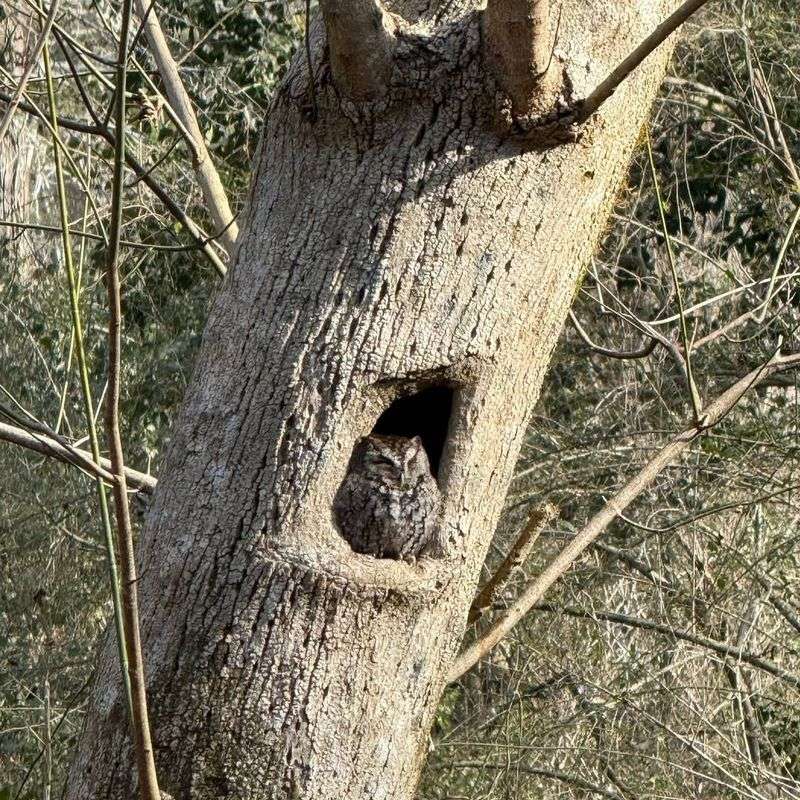
Not every valuable owl nesting tree belongs to a single named species. Sometimes the most important tree in a yard is simply the oldest one standing, regardless of what kind it is.
Wildlife biologists and habitat specialists use the term wildlife tree to describe any aging tree that has developed features like cavities, loose bark, broken tops, or woodpecker holes, all characteristics that transform an ordinary tree into a rich and irreplaceable wildlife resource.
Woodpeckers play an especially important role in creating owl nesting opportunities across Ohio. Pileated woodpeckers, the large crow-sized woodpeckers found in mature Ohio forests, carve out deep rectangular cavities that are perfectly sized for barred owls and eastern screech owls to move into after the woodpeckers have finished using them.
Without aging trees that attract woodpeckers in the first place, these secondary cavity nesters would have far fewer options.
OSU Extension and the ODNR both actively encourage Ohio landowners to retain safe aging trees on their properties whenever possible. A tree that looks rough or weathered from the outside may be quietly supporting dozens of wildlife species simultaneously, from cavity-nesting owls at the top to ground beetles sheltering beneath the root bark at the base.
Marking an aging tree as a designated wildlife tree and monitoring it over time can be a rewarding project for Ohio families interested in backyard conservation. Watching an eastern screech owl peek out of a woodpecker hole on a crisp spring morning is the kind of experience that makes every decision to preserve an old tree feel completely worthwhile.