What Ohio Gardeners Should Do In Their Yard This Week In May
The third week of May has a way of sneaking up on Ohio gardeners fast. One day you are watching forsythia bloom, and the next you have a to-do list longer than your garden hose.
Lawns are growing quickly, weeds are already competing for space, spring shrubs are wrapping up their show, and the urge to plant tomatoes is almost impossible to resist.
All that chaos has an upside.
This week is one of the most rewarding times to be outside in a yard, as long as you work smart and read what your specific corner of the state is telling you.
The Lake Erie shoreline plays by different rules than the Ohio River valley, and clay-heavy fields behave nothing like raised urban beds.
Southern Ohio gardeners may already be a lap ahead, while those in northern zones, lake-influenced pockets, or low-lying frost traps may need to pump the brakes just a little longer.
Before you grab a shovel, check your soil temperature, scan the overnight forecast, and squeeze a handful of dirt.
If it crumbles, you are in business. If it clumps and smears, wait it out.
Nail your timing this week and your whole yard rolls into summer on solid footing.
1. Plant Warm Season Vegetables Once Soil Is Ready
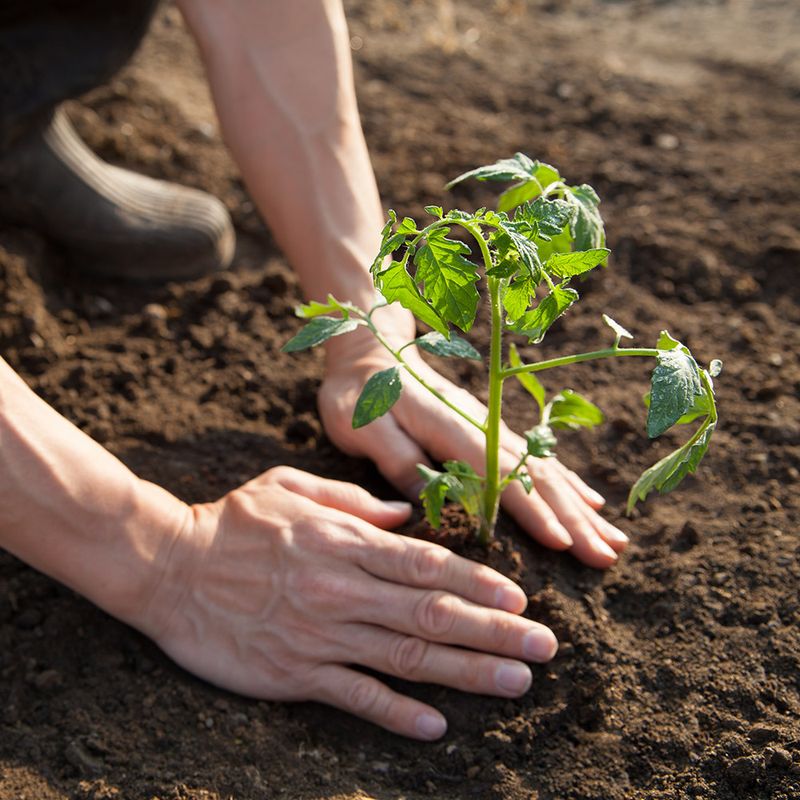
That urge to get tomatoes in the ground is real, but the calendar alone should not be your guide this week. Soil temperature matters more than the date.
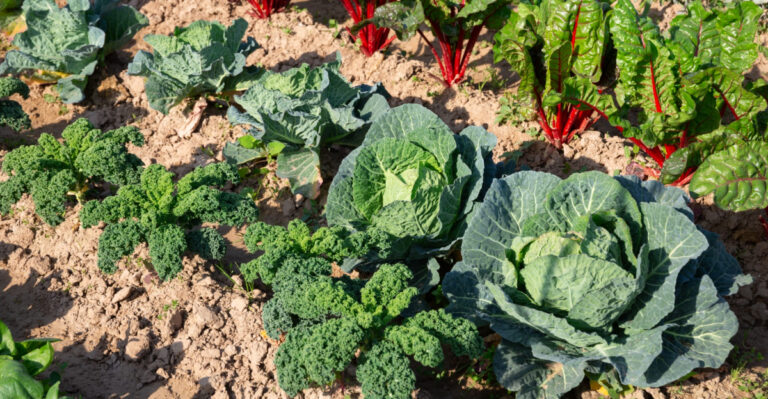
Tomatoes, peppers, squash, beans, cucumbers, melons, and basil need soil around 55 to 60 degrees Fahrenheit or warmer before they take off. Cucumbers and melons prefer the warmer end of that range.
Raised beds and containers warm up faster than in-ground clay soil, so those spots may be ready even if your main garden bed is not. Heavy clay soil that stays cold and wet after spring rain should not be worked yet.
Walking on or digging into soggy clay causes compaction that can slow roots all season long.
If you bought transplants from a greenhouse, take a few days to harden them off before planting. Set them outside in a sheltered spot for a few hours each day, gradually increasing their exposure to sun and wind.
A chilly night in the forecast, especially in northern regions or rural low spots, is reason to wait one more week. University Extension recommends watching local frost risk through late May before committing tender crops to the ground.
2. Move Tender Annuals Outside After Frost Risk Passes
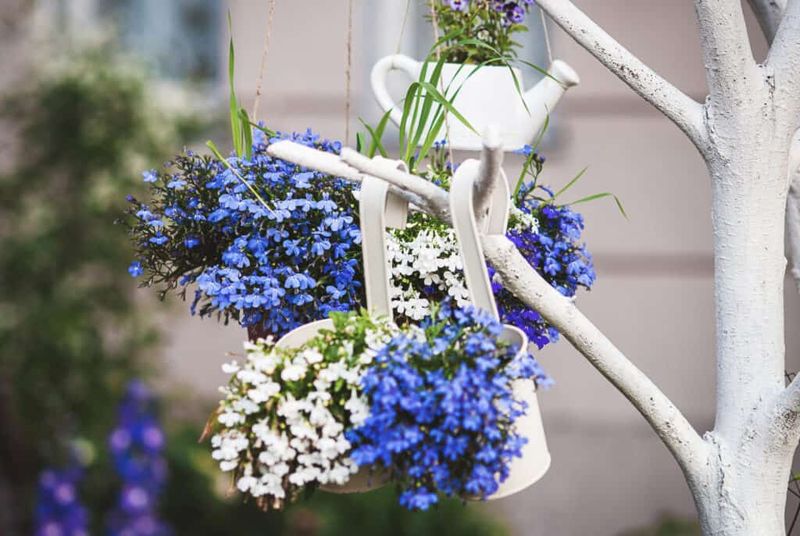
Petunias, impatiens, coleus, begonias, zinnias, and marigolds are showing up at every garden center right now, and they look incredibly tempting.
Mid to late May is the general planting window many gardeners use for tender annuals, but that window is not the same across the state.
Northern Ohio, areas near Lake Erie, and rural low spots with cold air drainage can still see chilly nights well into the third week of May. A single cool night in the 40s may only slow many annuals, but a dip toward freezing can set them back significantly or destroy them.
Your Ohio Garden Changes Every Week. Your Plan Should Too.
Gardening in Ohio changes quickly throughout the season. Every Friday you’ll receive a simple weekly plan showing exactly what to plant, prune, fertilize, harvest, and protect so you never miss the right timing.
Check your overnight low forecast for the next week before committing new plants to open beds.
Greenhouse-grown transplants need to be hardened off before going into the ground.
Move them outside to a sheltered spot for several days, starting with a few hours of morning sun and working up to full-day exposure.
Skipping this step often leads to wilted, stressed plants that struggle to establish.
Once nighttime temperatures stay reliably above 50 degrees and hardening is complete, annual flowers can go in and will reward you with color right through the summer season.
3. Mulch Beds Before Late Spring Heat Builds
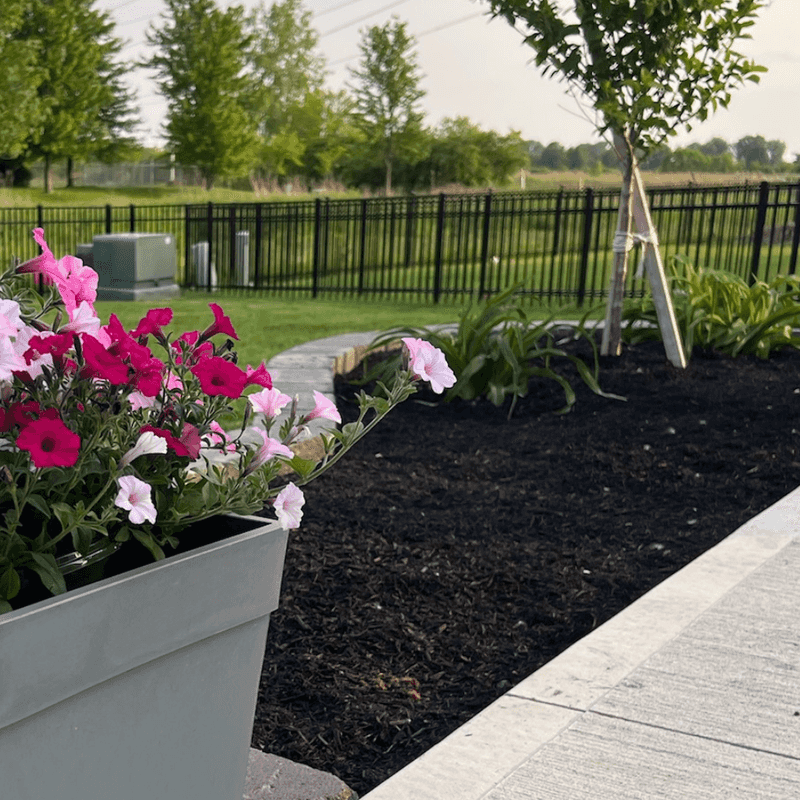
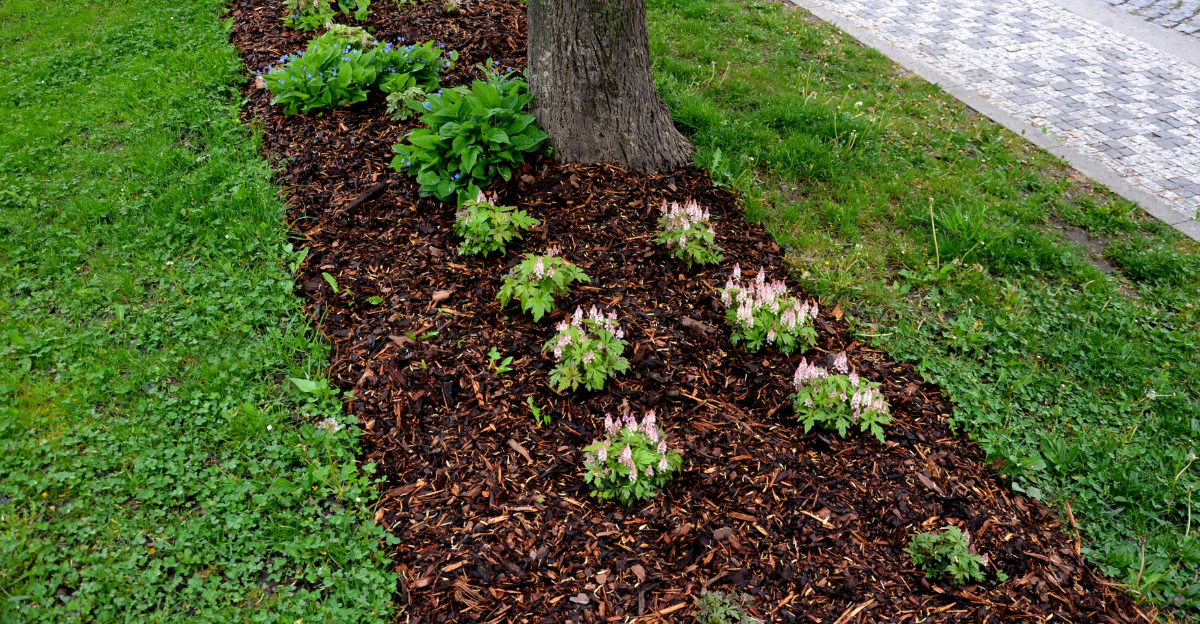
A few inches of fresh mulch applied once the soil has warmed and dried a bit can do a surprising amount of work for your yard over the next several months.
Mulch slows moisture loss from the soil, moderates soil temperature as summer heat builds, and reduces the number of new weeds that germinate in open bed space.
Shredded hardwood bark, wood chips, and similar organic mulches are popular choices here. Aim for a layer about two to three inches deep over flower beds, vegetable gardens, shrub borders, and around young trees.
Thicker is not always better. Piling on four or more inches can restrict air and water movement to plant roots.
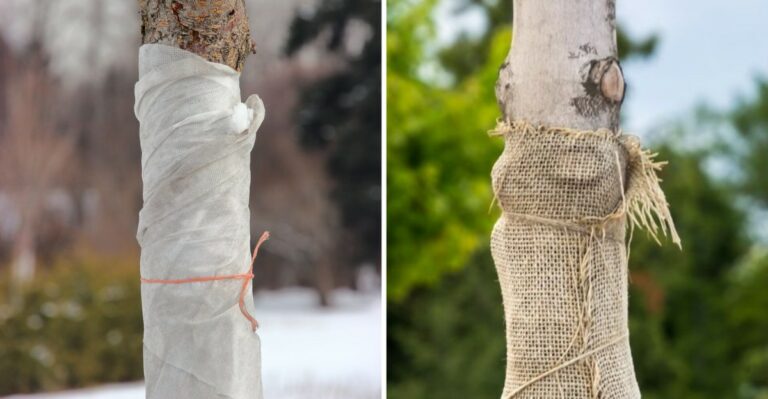
One mistake worth avoiding is the mulch volcano. That is when mulch gets piled up against tree trunks or shrub stems in a thick cone shape.
Mulch pressed against bark traps moisture, encourages rot, and can attract pests over time. Keep mulch pulled back a few inches from any crown, stem, or trunk.
University Extension recommends keeping tree root flares visible and never burying them under mulch. A well-mulched bed looks cleaner and requires noticeably less watering and weeding through the summer.
4. Check New Plantings After Heavy May Rain
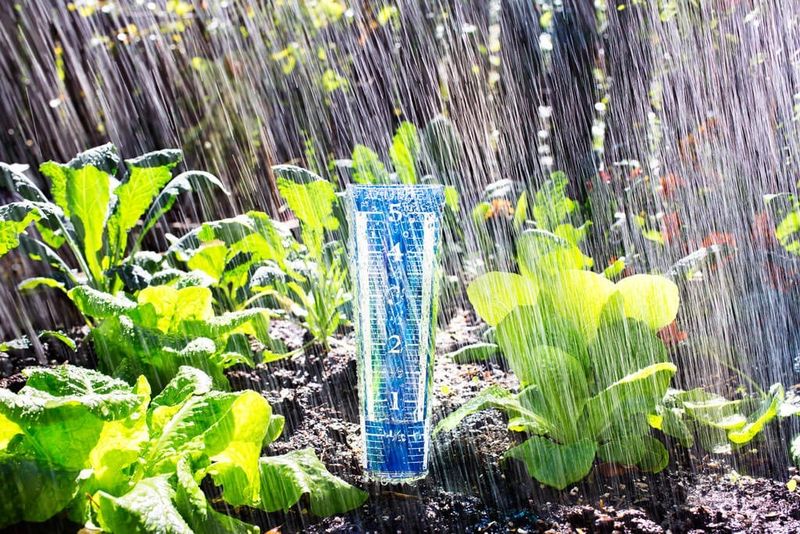
May storms can be intense, and a heavy rain event right after planting can undo a lot of careful work. After any significant storm, it is worth walking your yard to see what needs attention before small problems become bigger ones.
Containers and window boxes can fill up with water if drainage holes are clogged or saucers overflow. Empty any standing water promptly so roots are not sitting in soggy conditions for days.
In garden beds, heavy rain can wash away fresh mulch, expose shallow roots, or compact bare soil into a crust that slows germination.
Young transplants sometimes get knocked sideways or have soil washed away from their base. Gently firm the soil back around roots and check that the planting depth looks right.
Low spots in the yard that collect standing water are worth noting now, because they will be a recurring issue all season. Avoid walking on wet clay soil, as foot traffic compacts it quickly and that compaction can linger.
If drainage seems consistently poor in a bed, consider working in compost over time to improve soil structure. Raised beds drain more reliably and are worth considering for future planting areas in low spots.
5. Prune Spring-Flowering Shrubs After Blooms Fade
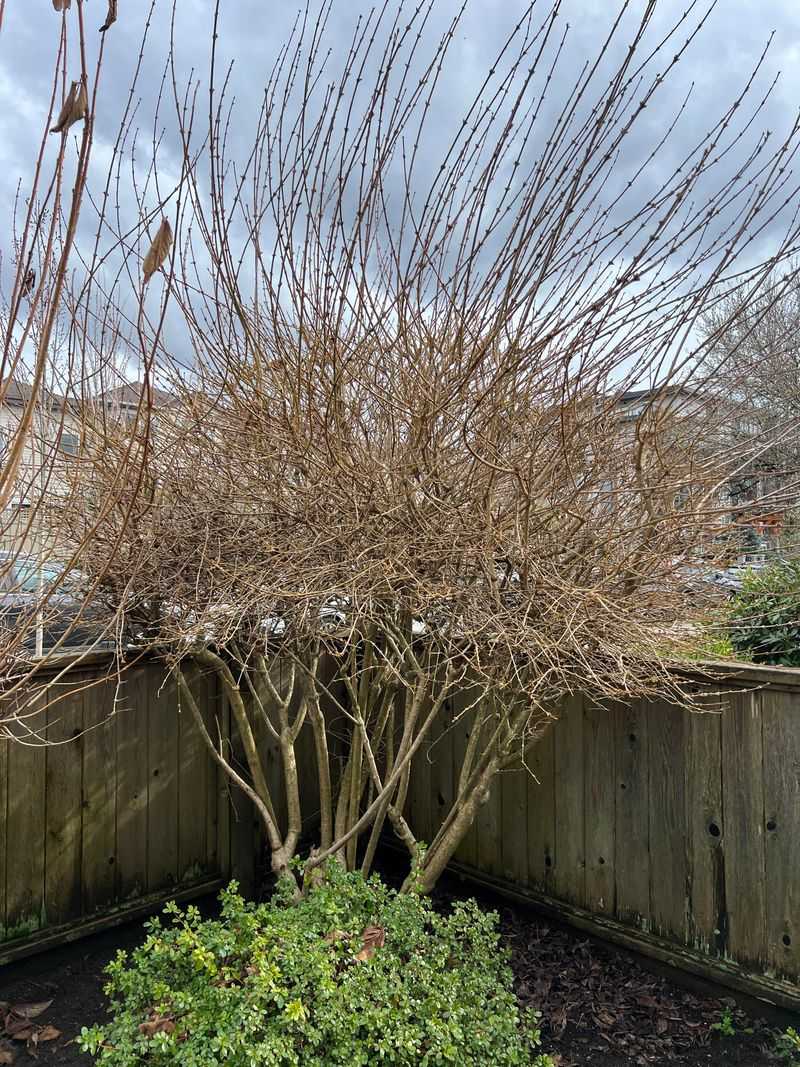
Forsythia, lilacs, and many viburnums are wrapping up their bloom cycles right around now across much of the state. The window to prune them without sacrificing next year’s flowers is short, so acting soon makes sense.
Shrubs that bloom on old wood set their buds for the following spring during summer.
Pruning shortly after flowering gives the plant time to produce new growth and develop those buds before fall.
Waiting until late summer or fall to prune these shrubs means cutting off next year’s flower display before it ever gets started.
Before reaching for pruners, identify what you are working with. Not every spring shrub follows the same timing rules, and a quick search or call to your local University Extension office can confirm the right approach for a specific plant.
When pruning, focus on removing withered or crossing stems, thinning out the oldest thickest canes at the base to encourage fresh growth, and lightly shaping the plant without shearing it into a tight ball.
Sheared shrubs lose their natural form and often produce weak, dense outer growth.
Clean, sharp bypass pruners or loppers make better cuts; if disease is present, disinfect tools between plants according to Extension guidance.
6. Pull Young Weeds Before They Settle In
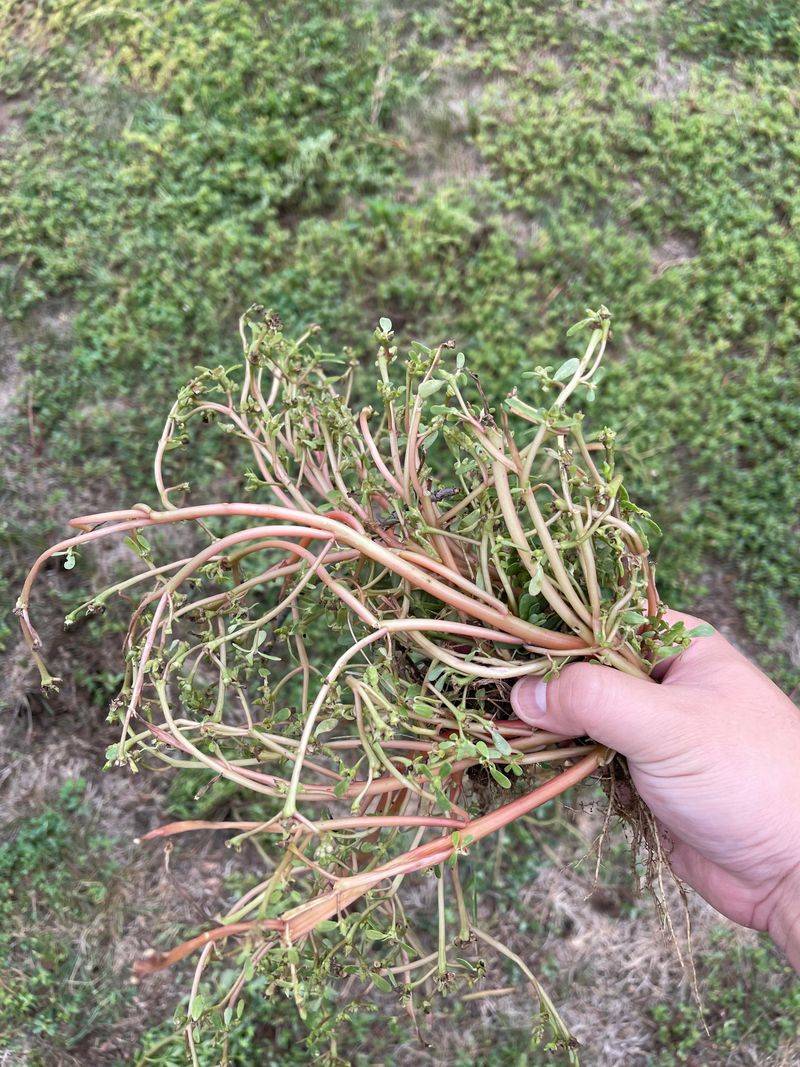
Right now, weeds are in their most manageable phase of the entire year. Young weeds pulled before they flower and set seed are gone for good.
Weeds that get ignored for a few more weeks will scatter seeds across your yard and create a much bigger problem by midsummer.
Warm and moist May conditions are ideal for fast weed growth. Common culprits in yards and beds this time of year include chickweed, henbit, deadnettle, hairy bittercress, and early crabgrass.
Vegetable beds, flower borders, and sidewalk cracks all need attention.
Pulling after rain is the most effective approach because moist soil releases roots cleanly. Dry conditions cause roots to snap off and regrow.
Avoid deep hoeing or tilling in areas where you have not planted yet, because disturbing soil brings buried weed seeds up to the surface where light triggers germination. A layer of mulch over bare soil after weeding slows the next flush of germination significantly.
Hand weeding is slow but thorough, and staying consistent through May makes June much easier. Pulling a few weeds each time you walk through the garden takes only minutes and keeps the situation from building into an overwhelming task.
7. Refresh Containers For Memorial Day Color
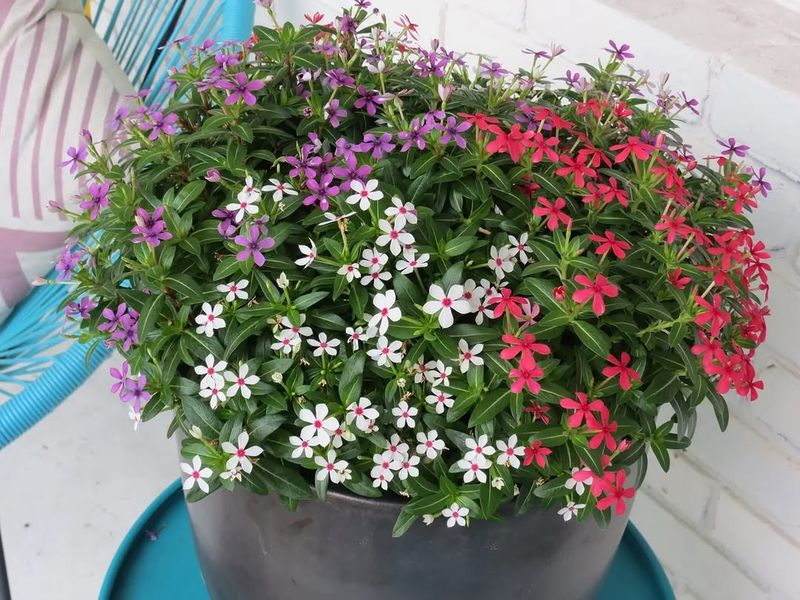
Memorial Day weekend is one of the most popular times for homeowners to show off their outdoor spaces, and containers are often the centerpiece of a porch or patio.
The third week of May is a great time to get those pots refreshed and looking sharp before the holiday weekend arrives.
Start by checking drainage holes on existing pots. Holes that are clogged with roots or debris cause water to pool at the bottom and stress plant roots.
If a container has been sitting outside through winter, empty out old potting mix and refill with fresh mix, as nutrients deplete quickly and old mix can become compacted and hydrophobic over time.
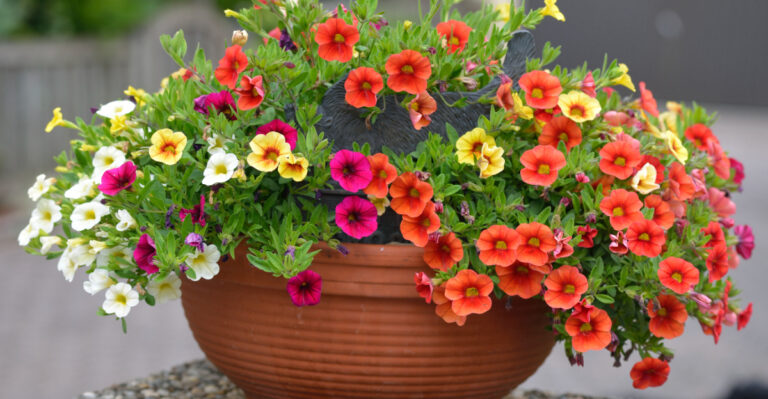
Cool-season plants like pansies and snapdragons that filled pots in April may be looking tired or leggy by now. Replace them with warm-season performers like petunias, calibrachoa, impatiens, coleus, or sweet potato vine.
Match plant choices to the sun or shade conditions of the specific spot. A container in full south-facing sun needs heat-tolerant plants, while a shaded north porch calls for impatiens or begonias.
As temperatures climb through June, containers may need watering daily or even twice daily in hot and windy weather.
8. Watch Hydrangeas, Roses, And Perennials For Frost Stress
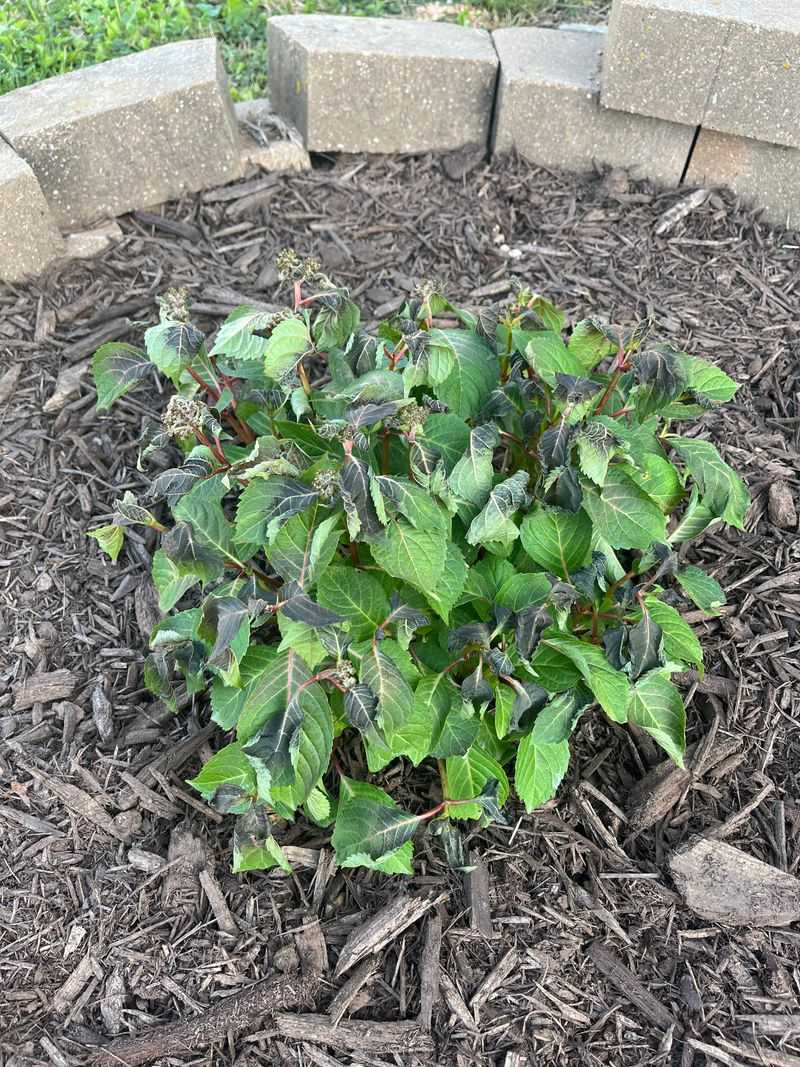
Spring in Ohio rarely moves in a straight line. A warm stretch in early May followed by a cold snap can leave hydrangeas, hostas, peonies, and roses looking rough around the edges.
Brown leaf tips, wilted new growth, or blackened stem ends are common signs of cold stress on tender spring foliage.
The instinct to cut everything back immediately is understandable, but patience often pays off. Many perennials and shrubs push new growth from below damaged tissue once warmer weather stabilizes.
Cutting too aggressively before the plant has a chance to respond can remove growth points that would have recovered on their own.
Wait a week or two after a cold event before deciding what to remove. Then prune only the clearly brown and non-responsive stems.
Bigleaf hydrangeas are especially vulnerable because they bloom on old wood, and frost damage to those stems can reduce flowering significantly for the current season. If buds or stems feel firm and show any green when scratched lightly, they are likely still alive.
Keep affected plants watered consistently but avoid overwatering, since soggy soil slows root recovery. A light layer of mulch around the base helps moderate soil temperature during unpredictable spring weather.
9. Mow Cool Season Grass High Before Summer Pressure
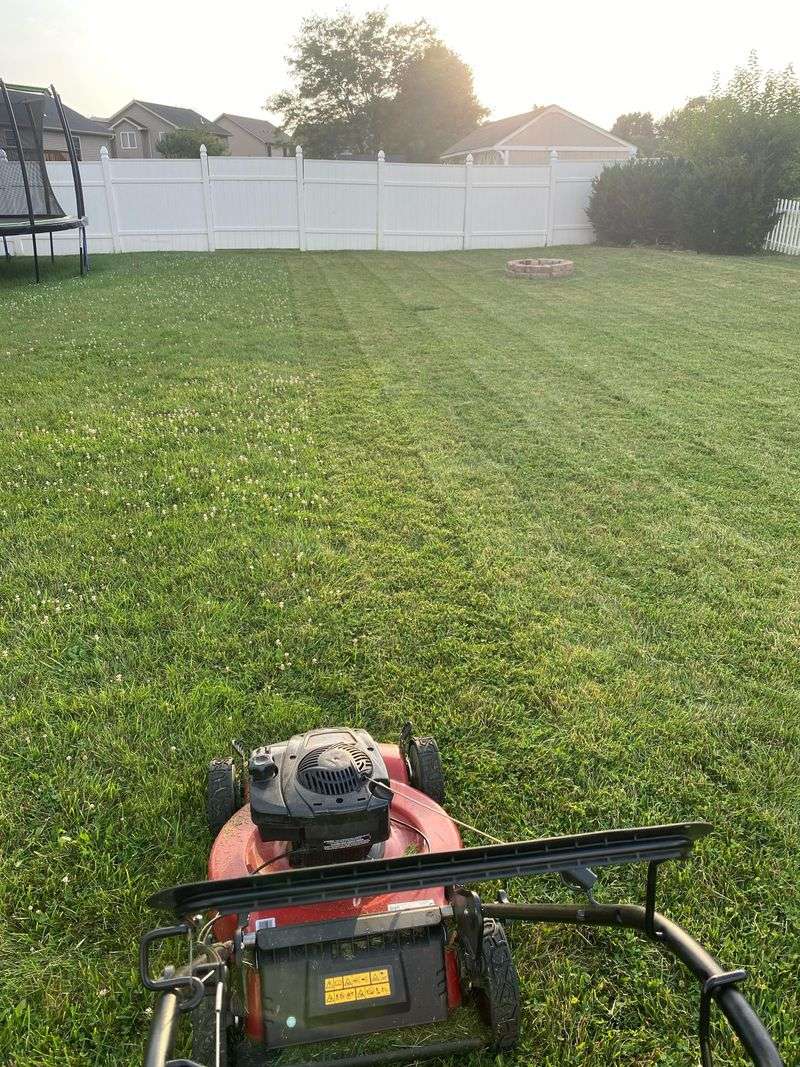
Grass grows fast during May, and it can feel like the lawn needs mowing every few days.
That growth is a sign of healthy cool-season turf, but how you mow right now sets the lawn up for either a resilient or a struggling summer.
Cool-season lawns, which are mostly tall fescue, Kentucky bluegrass, and perennial ryegrass, perform best when mowed at a height of three to four inches.
Taller grass shades the soil, which slows moisture loss, discourages some weed germination, and keeps roots cooler when summer heat arrives in June and July.
Cutting too short right now weakens the turf before it faces its most stressful season.
Sharp mower blades make a real difference. Dull blades tear grass rather than cut it cleanly, leaving ragged tips that brown quickly and invite disease.
Never remove more than one-third of the blade height in a single mowing pass. If the lawn got ahead of you and grew tall, raise the deck and mow it down in two or three passes over several days rather than scalping it all at once.
Leave short clippings on the lawn when possible, as they return nitrogen to the soil and reduce the need for supplemental fertilizer.