When To Prune Roses In Ohio For The Best Blooms
Roses often hold a special place in the garden. Many Ohio gardeners have a favorite bush that has been growing for years, producing blooms that return each season like an old friend.
When winter finally fades and the garden begins waking up again, those rose bushes are usually among the first plants people check.
Pruning is one of the most important tasks for keeping roses healthy and productive. Removing damaged and unproductive wood and shaping the plant helps encourage stronger growth and better flowers later in the season.
The challenge for many gardeners is deciding exactly when to do the pruning.
In Ohio, timing matters because cold weather can linger well into early spring. Gardeners who wait for the right seasonal signal often see their roses respond with stronger growth and fuller blooms once the warm months settle in.
1. Early Spring Is When Ohio Roses Want A Prune
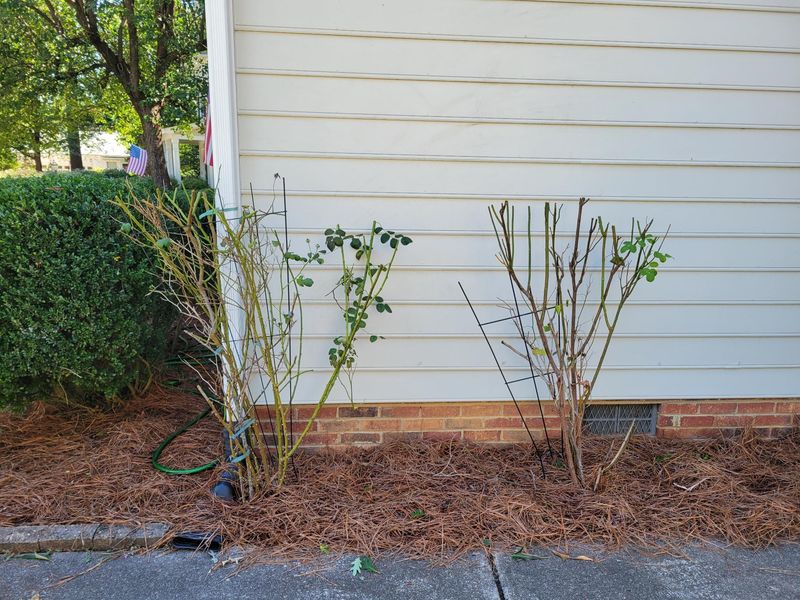
Early spring is the sweet spot for pruning roses in Ohio, and most experienced gardeners will tell you that late February through March is your best window. During this time, the harshest winter weather has mostly passed, and the rose plants are just beginning to wake up from their dormant state.
You can actually see small buds starting to swell on the canes, which is a reliable sign that the plant is ready for a trim.
Pruning at this stage allows the plant to heal quickly and direct all its energy toward pushing out fresh, healthy new growth. If you wait too long and the plant has already leafed out significantly, you risk cutting off growth the rose has already worked hard to produce.
On the flip side, pruning too early in January or early February in Ohio can leave fresh cuts exposed to damaging freezes.
Ohio falls mostly in USDA hardiness zones 5 and 6, which means winters can be tough and unpredictable. The late February to March window gives roses enough time to recover and build strong canes before the summer blooming season kicks in.
Most hybrid tea roses, floribundas, and grandifloras respond especially well to a good early spring pruning in Ohio.
2. In Ohio, Forsythia Blooms Are Your Cue To Prune
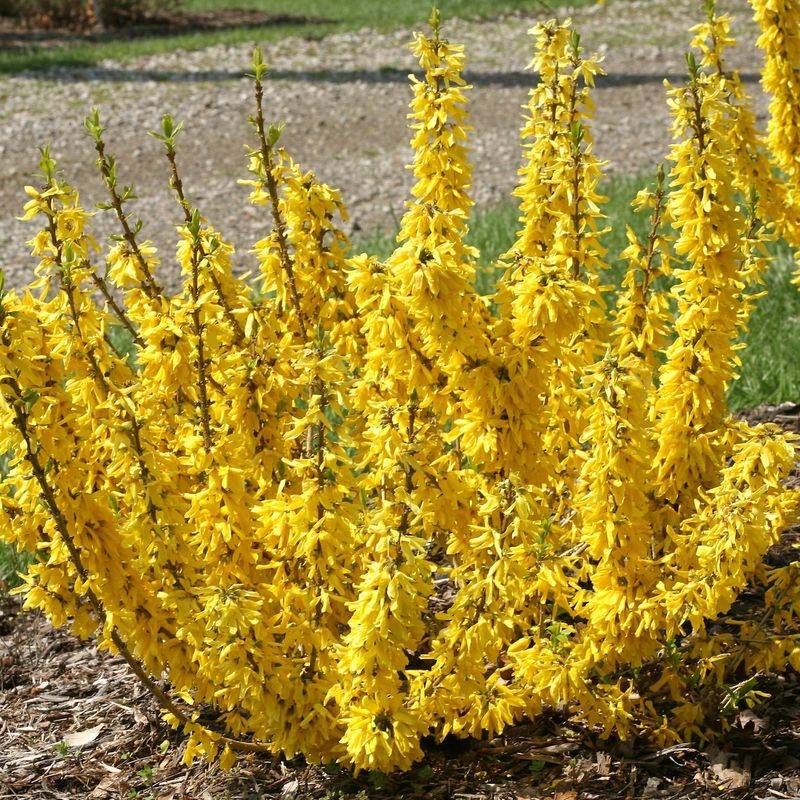
One of the most charming tricks Ohio gardeners use is watching their forsythia shrubs as a natural calendar. When forsythia bursts into its bright yellow blooms, that is nature’s way of telling you it is time to pick up your pruning shears and get to work on your roses.
Forsythia typically blooms in Ohio from late March into early April, making it a perfectly timed signal for rose pruning season.
Using plants as natural indicators is a gardening practice called phenology, and it has been used for generations by farmers and gardeners alike. The logic is simple: forsythia and roses respond to the same environmental cues, including soil temperature, day length, and air warmth.
When forsythia blooms, conditions are right for roses to begin active growth, which means pruning wounds will heal faster and new shoots will emerge stronger.
Your Ohio Garden Changes Every Week. Your Plan Should Too.
Gardening in Ohio changes quickly throughout the season. Every Friday you’ll receive a simple weekly plan showing exactly what to plant, prune, fertilize, harvest, and protect so you never miss the right timing.
Many Ohio gardeners who have tried this method say it takes the guesswork out of timing completely. Instead of stressing over the calendar or checking frost forecasts every morning, you just watch your yard.
If you do not have a forsythia in your garden yet, planting one near your rose beds is a smart move. It adds beautiful early spring color and serves as a free, built-in reminder system year after year.
Paying attention to what is happening in your own Ohio yard is often the most reliable pruning guide you will ever find.
3. Why Pruning Too Early Can Slow Rose Growth
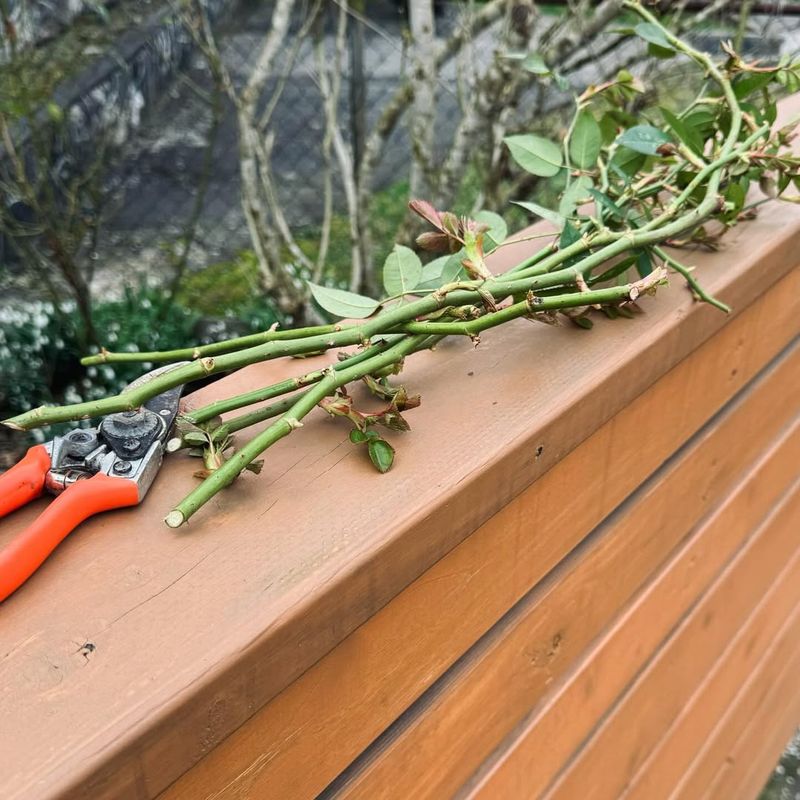
When you prune in late winter before the risk of hard frost has truly passed, the fresh cuts and any new growth that follows are left completely vulnerable to freezing temperatures. Ohio winters are notorious for surprise cold snaps that can arrive well into March, catching even experienced gardeners off guard.
Fresh pruning cuts create open wounds on the plant that need time to callous over. When a hard freeze hits right after pruning, those exposed areas can suffer tissue damage that slows the plant down significantly as it tries to recover.
New shoots that emerge too early after a premature pruning can also be wiped out by frost, forcing the rose to use up precious stored energy growing replacement shoots from scratch.
Think of it like waking someone up from a deep sleep too suddenly. The rose bush is in a fragile transition between dormancy and active growth during late winter, and disrupting that process at the wrong moment can set back its entire season.
Experienced Ohio rose growers know that patience in late winter pays off big time in June and July when the blooms appear. Waiting just a few extra weeks for temperatures to stabilize consistently above freezing is one of the simplest and most effective things you can do to protect your roses and guarantee a spectacular display of flowers.
4. How To Spot Damaged, And Weak Canes
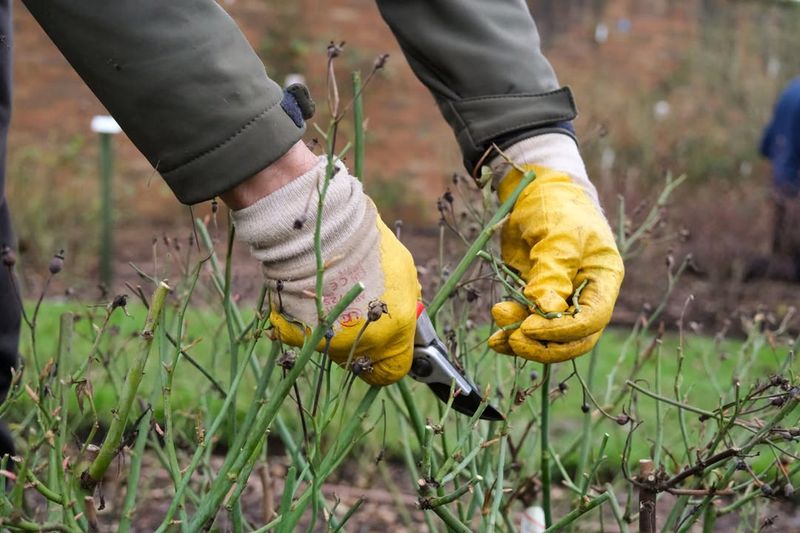
Before you start shaping your roses for the new season, the first job is always to remove anything that is not healthy. Learning to tell the difference between a good cane and a bad one is a skill every Ohio rose gardener should develop early on.
Healthy canes are firm and green when you scratch the surface lightly with your thumbnail, while damaged or struggling canes will appear brown, shriveled, or hollow inside.
Canes that were damaged by Ohio’s harsh winter winds and cold temperatures often look grayish or have a dried-out, papery texture. These should be removed all the way down to where healthy green tissue begins, or back to the bud union if the damage runs deep.
Leaving these canes in place does not do the plant any favors, as they can become entry points for disease and draw attention away from the healthy parts of the plant.
Weak, spindly canes that are thinner than a pencil are also worth removing. They rarely produce quality blooms and tend to crowd the center of the plant, reducing airflow and making the rose more susceptible to fungal problems, which are already a common concern in Ohio’s humid summers.
Once you have cleared out everything that is not contributing positively to the plant, you will have a much clearer picture of the rose’s true structure. From there, shaping becomes easier, more intentional, and far more effective at setting the plant up for a strong blooming season.
5. How To Shape Roses For A Fuller Show Of Blooms
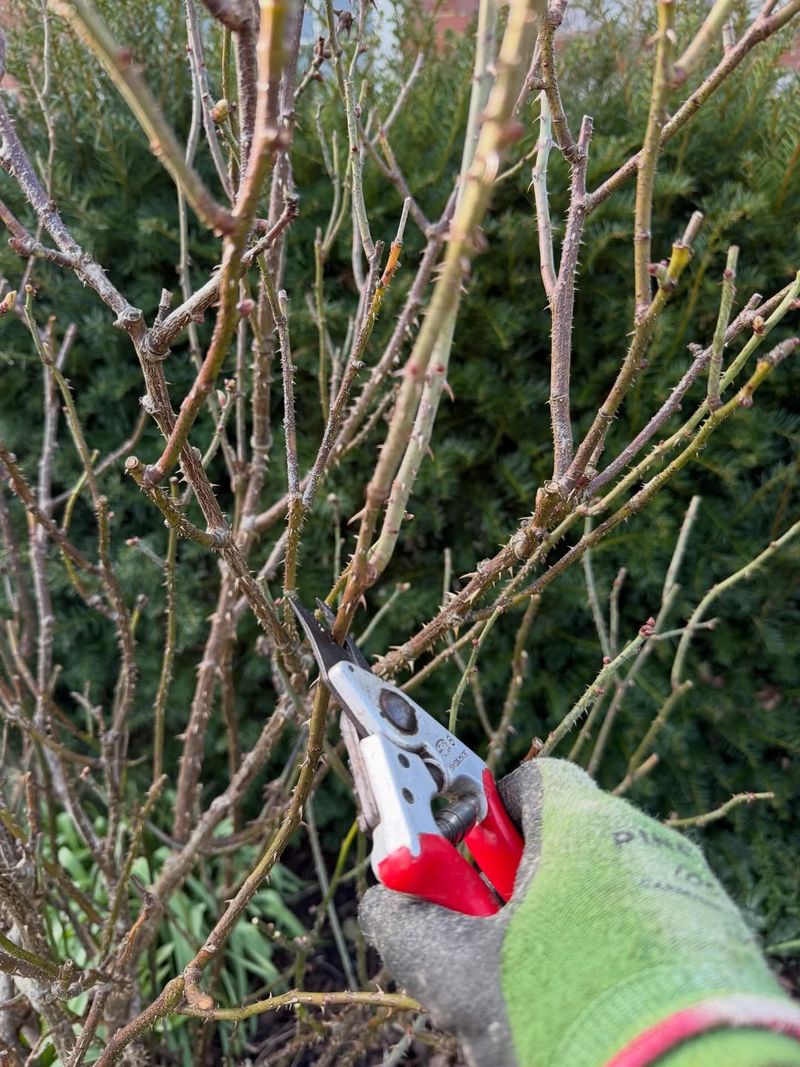
Getting the shape of your rose bush right is just as important as knowing when to prune. After clearing out all the damaged and weak material, your goal is to create an open, vase-like shape that allows sunlight and air to reach the center of the plant.
This kind of structure encourages strong outward growth and dramatically reduces the risk of fungal diseases, which thrive in crowded, damp conditions common across Ohio during summer.
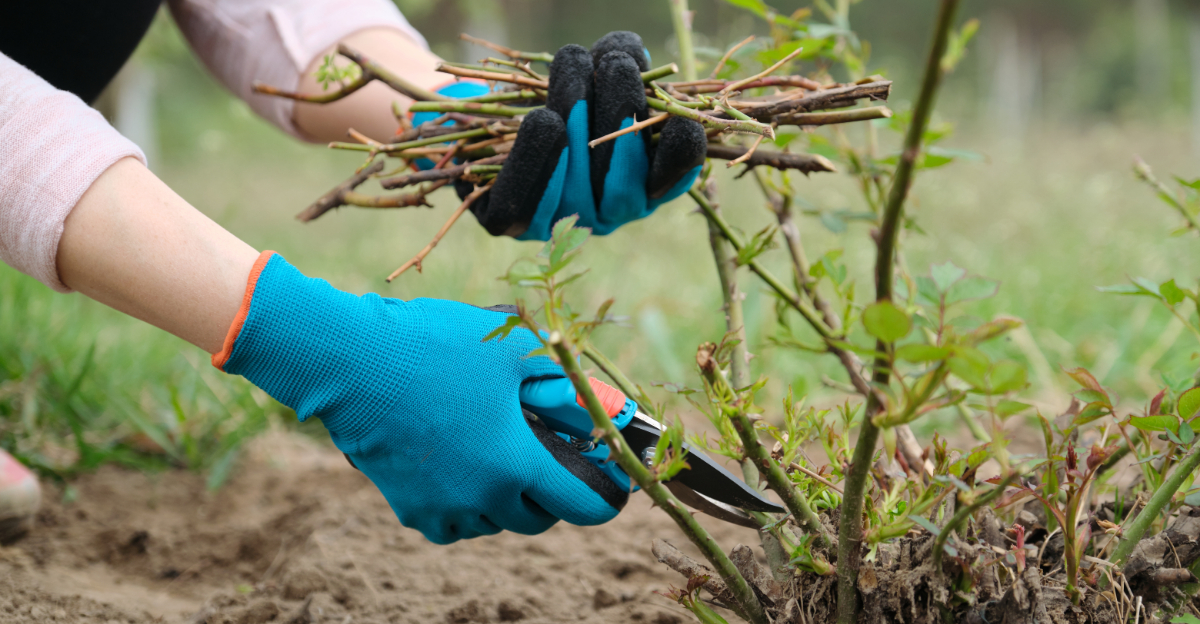
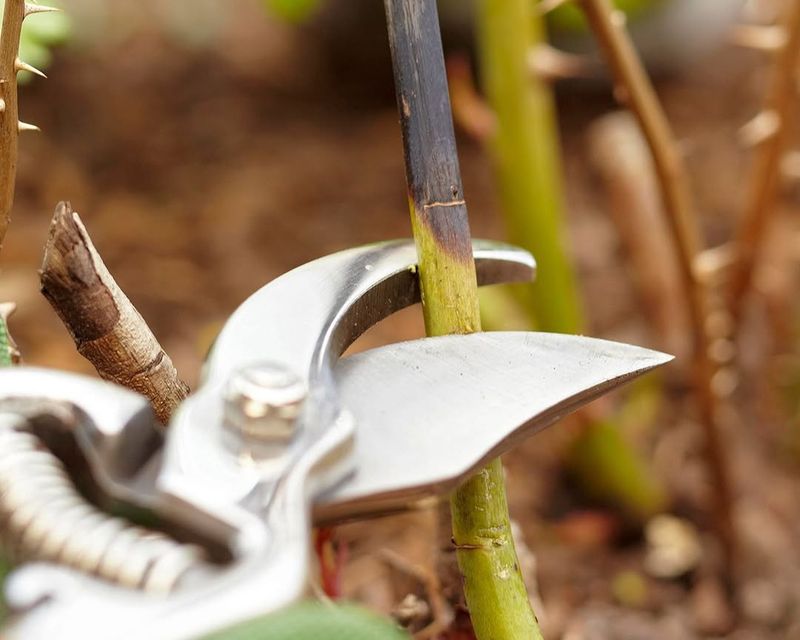
Always make your cuts at a 45-degree angle, slanting away from the bud you are cutting above. This angle helps water run off the cut surface rather than pooling on it, which reduces the chance of rot or disease setting in.
Aim to cut about a quarter inch above an outward-facing bud, which means the new shoot will grow away from the center of the plant rather than inward and creating a tangled mess.
For most Ohio rose varieties like hybrid teas and floribundas, cutting healthy canes back to about 12 to 18 inches above the ground produces the best results. Climbing roses are a bit different and should not be heavily pruned in early spring since they bloom on older wood.
Instead, save major pruning of climbers for after their first flush of flowers in late spring or early summer. Sharp, clean tools are non-negotiable here.
Dull blades crush the cane tissue instead of cutting cleanly, which slows healing and can invite problems you really do not want to deal with mid-season.
6. What To Do After Pruning To Set Ohio Roses Up Well
Finishing up your pruning is a satisfying moment, but the work does not quite stop there. What you do in the hours and days right after pruning can have a big impact on how well your Ohio roses bounce back and perform through the growing season.
One of the first things to do is clean up all the clippings from around the base of the plant and dispose of them rather than leaving them on the ground.
Leaving pruned material on the soil can harbor fungal spores and pests that will reinfect your roses as soon as warm, moist Ohio spring weather arrives. Bagging the debris and putting it in the trash rather than composting it is the safest approach, especially if any of the removed canes showed signs of disease.
Once the area is clean, applying a fresh layer of mulch around the base of each plant helps retain moisture, regulate soil temperature, and suppress weeds through the busy growing months ahead.
Many Ohio gardeners also choose to apply a balanced rose fertilizer shortly after pruning to give the plant a nutritional boost right when it needs it most. Waiting until you see a few inches of new green growth before fertilizing is a smart strategy, as it confirms the plant is actively growing and ready to absorb nutrients.
Sealing larger pruning cuts with a dab of white glue or commercial pruning sealant can also help protect against certain cane-boring insects that are active in Ohio during early spring.