10 Native Ohio Grasses That Shelter Wildlife
If you’ve ever wanted your yard to do more than just look pretty, native Ohio grasses are a game-changer. These hardy, low-maintenance plants provide food, cover, and nesting spots for birds, butterflies, and other local wildlife, all while giving your garden texture and movement.
They sway in the wind, catch the sunlight, and quietly transform your space into a mini wildlife haven. By planting these native grasses, you’re not just filling space, you’re creating a backyard ecosystem that supports pollinators, small mammals, and the birds you love to watch.
Even a small patch can make a big difference, turning your garden into a thriving, living landscape that’s as good for wildlife as it is for your eyes.
1. Switchgrass Creates Shelter For Birds And Pollinators
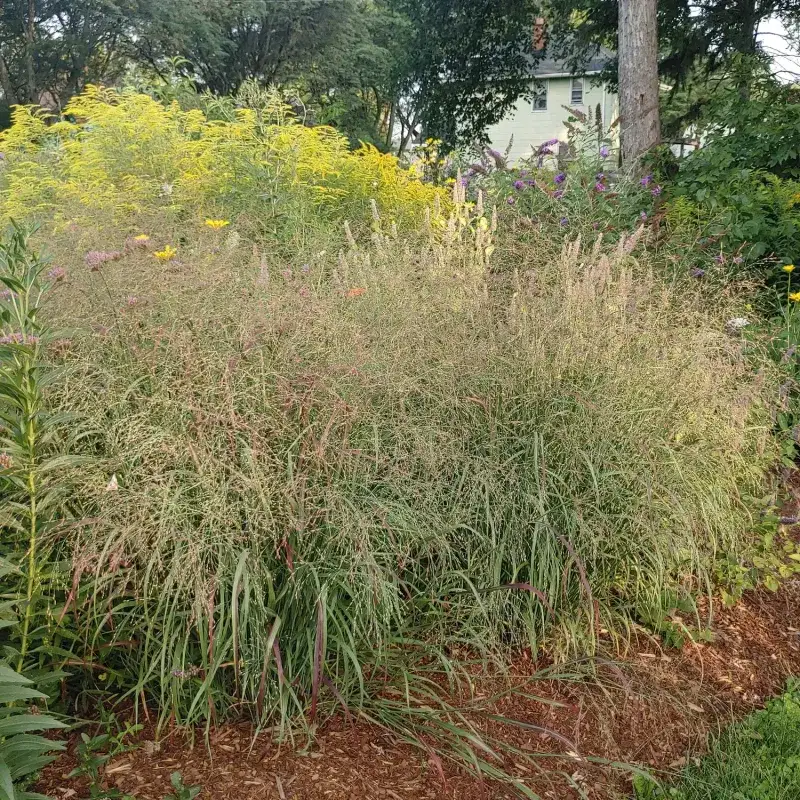
Stand at the edge of an Ohio prairie planting in September, and you might spot a Song Sparrow clinging to a swaying switchgrass stem while goldfinches hover nearby picking at seed heads. Switchgrass, known botanically as Panicum virgatum, is one of the most adaptable and wildlife-friendly native grasses available to Ohio gardeners.
It can grow anywhere from 3 to 6 feet tall depending on moisture and sunlight, creating dense vertical structure that birds and insects absolutely rely on.
Ohio State University Extension recognizes switchgrass as a top native grass choice for erosion-prone areas, wet meadows, and rain garden borders. Its sturdy stems remain standing through winter, providing shelter for overwintering insects and roosting spots for small birds during cold snaps.
Pollinators visit the flowers during summer, while the airy seed heads become a reliable food source for sparrows, juncos, and finches from fall through early spring.
Gardeners in Ohio landscapes find switchgrass remarkably easy to establish. It tolerates clay soils, occasional flooding, and summer drought once rooted.
Plant it in full sun for the best wildlife results, and allow the stems to stand through winter rather than cutting them back in fall. That simple choice gives wildlife a critical seasonal refuge.
2. Little Bluestem Provides Nesting Habitat For Wildlife
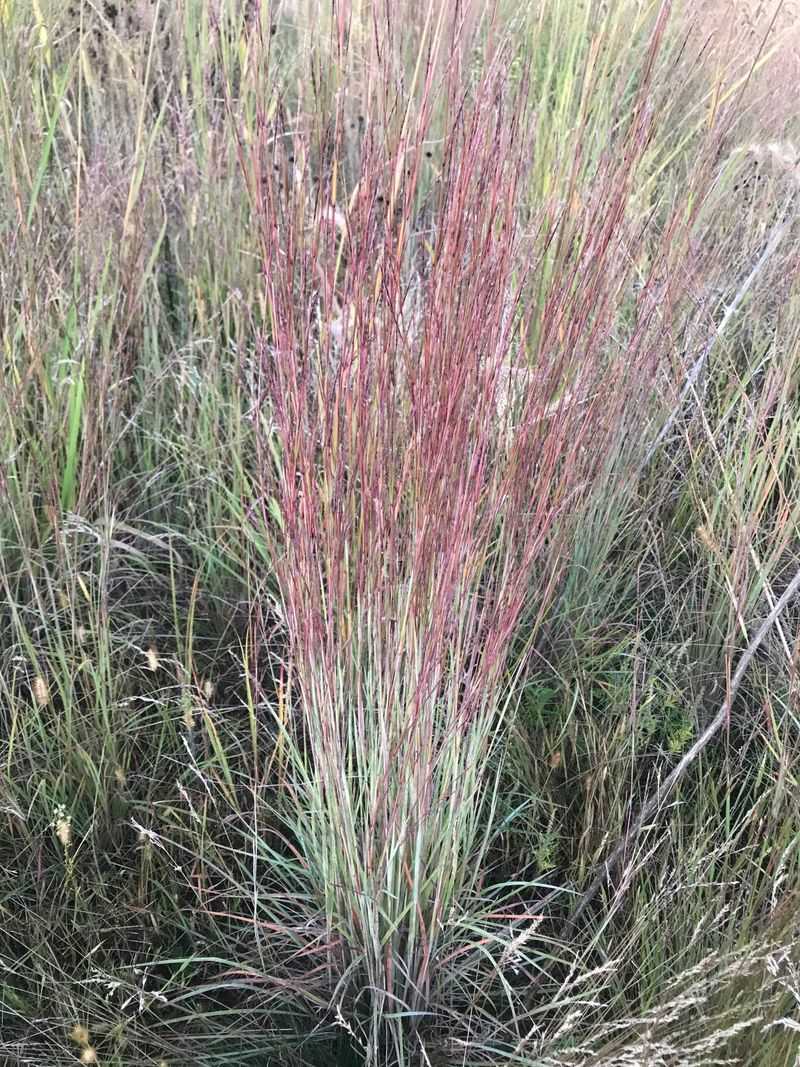
Few sights in an Ohio garden rival little bluestem in autumn, when its slender stems flush a deep copper-red and fluffy white seed clusters catch the morning light. Little bluestem, Schizachyrium scoparium, grows in dense clumps that wildlife find irresistible.
The tightly packed base of each clump creates natural pockets where ground-nesting birds, skinks, and beneficial insects can shelter safely from predators and harsh weather.
According to Ohio State University Extension factsheet W-23, little bluestem is one of the most important native grasses for supporting wildlife in Ohio meadows and prairie restorations. Indigo buntings and field sparrows have been documented using its stems for nesting material, weaving the fibrous leaves into cup-shaped nests.
Grasshoppers, leafhoppers, and skipper butterflies all use little bluestem as a host plant or feeding source throughout the growing season.
Gardeners working with dry, well-drained, or even rocky Ohio soils will find little bluestem genuinely forgiving and low-maintenance. It thrives in full sun and rarely needs supplemental watering once established.
Your Ohio Garden Changes Every Week. Your Plan Should Too.
Gardening in Ohio changes quickly throughout the season. Every Friday you’ll receive a simple weekly plan showing exactly what to plant, prune, fertilize, harvest, and protect so you never miss the right timing.
Plant it in drifts of three or more clumps to create the kind of connected habitat patches that give wildlife real refuge. Leave the seed heads standing all winter long so birds can feed on them during the coldest months.
3. Big Bluestem Forms Tall Prairie Cover For Birds
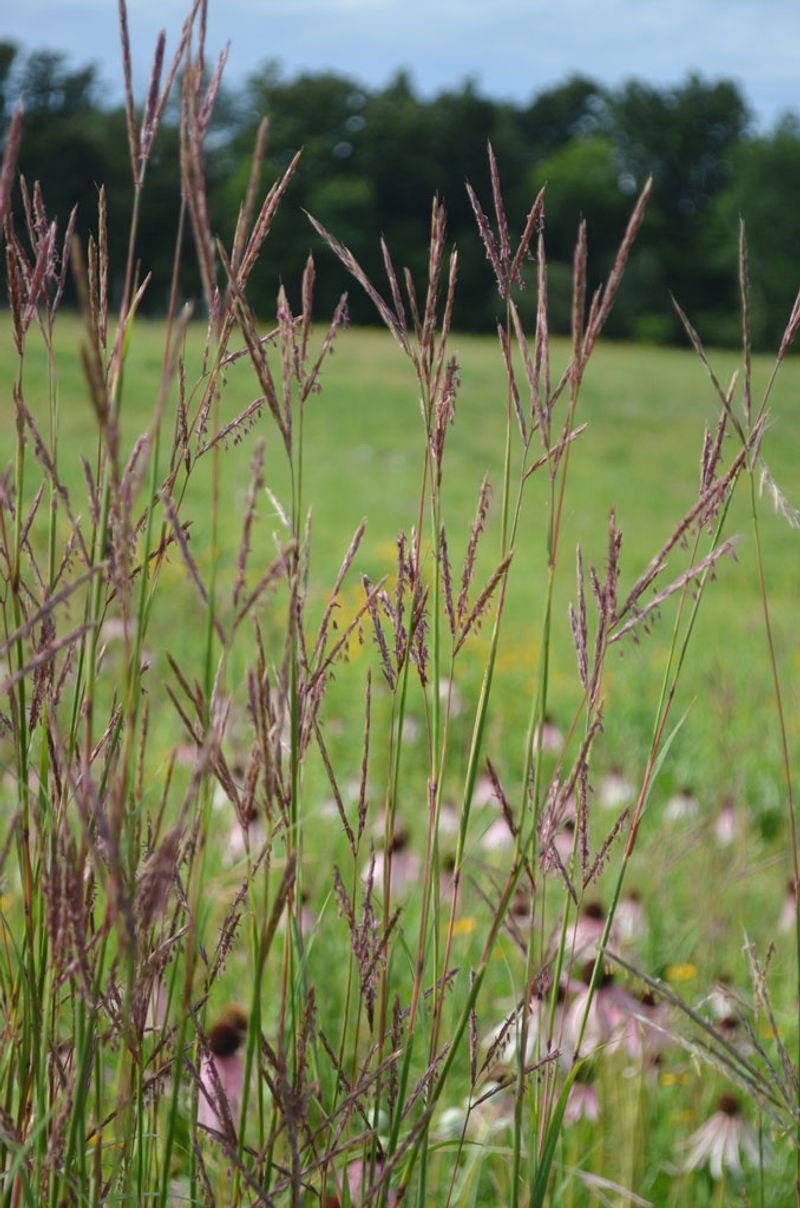
Known affectionately as the king of the tallgrass prairie, big bluestem once covered millions of acres across Ohio before European settlement transformed the landscape. Andropogon gerardii earns its royal nickname honestly, reaching heights of 5 to 9 feet in rich soils and producing its iconic three-pronged seed head that resembles a turkey’s foot.
That towering structure makes it one of the most valuable cover grasses for wildlife in any Ohio habitat planting.
Ground-nesting birds like the dickcissel and bobolink favor tall grass stands for concealing their nests from predators. Small mammals such as meadow voles and short-tailed shrews tunnel through the dense base of big bluestem colonies, finding shelter year-round.
OSU Extension factsheet W-23 notes that big bluestem provides excellent cover for wildlife while also improving soil health through its deep, fibrous root system that can extend 10 feet underground.
For Ohio gardeners, big bluestem works beautifully as a back-of-border planting, a privacy screen along property lines, or the centerpiece of a backyard prairie restoration. It performs best in full sun and tolerates a wide range of Ohio soils, including clay-heavy ground that challenges many other plants.
Allow it to naturalize over time, and it will gradually form the kind of dense, multi-layered habitat that supports a thriving web of Ohio wildlife.
4. Indian Grass Supports Native Insects And Pollinators
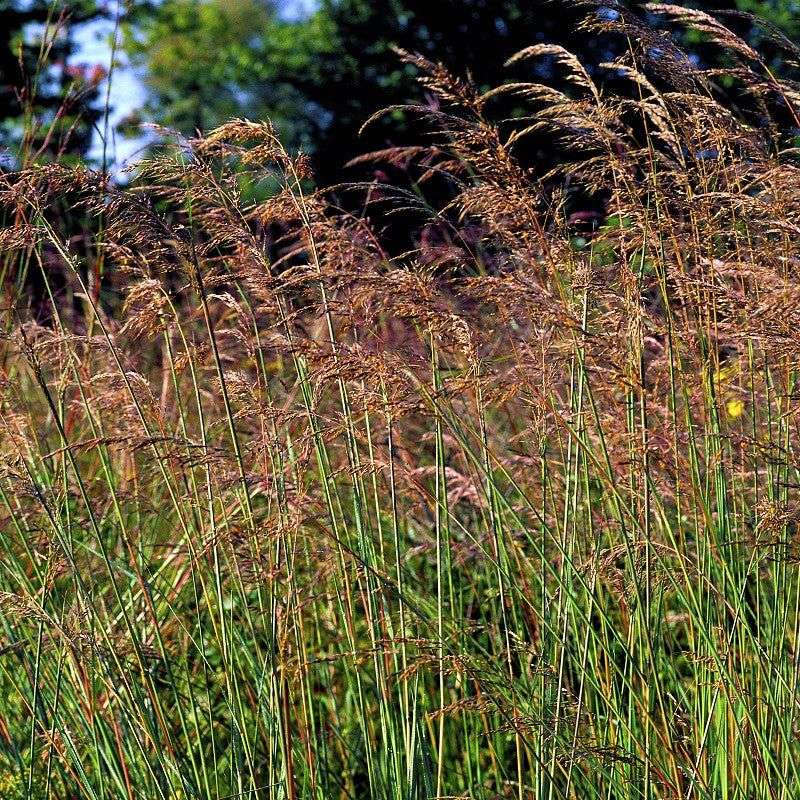
Walk past a stand of Indian grass on a warm August afternoon in Ohio and you will likely hear it before you see it: the soft rustle of golden plumes catching a breeze, surrounded by the quiet hum of native bees working the flower clusters. Sorghastrum nutans is one of the most visually stunning native grasses available for Ohio landscapes, and its ecological value matches its beauty.
Growing 3 to 6 feet tall, it produces showy yellow-orange seed heads in late summer that shimmer like burnished copper in slanting afternoon light.
Native bees, wasps, and other beneficial insects visit Indian grass flowers during their brief but productive bloom period. Skipper butterflies use it as a larval host plant, laying eggs on the leaves so their caterpillars have a ready food source.
OSU Extension identifies Indian grass as one of the foundational species for Ohio prairie restorations, noting its strong adaptability to both dry upland sites and moderately moist lowland areas.
Ohio gardeners who want to attract pollinators while adding dramatic fall color will find Indian grass a standout performer. It pairs naturally with little bluestem, prairie dropseed, and flowering natives like coneflowers and black-eyed Susans.
Plant it in full sun and well-drained soil for best results, and enjoy watching it become a hub of pollinator activity each summer.
5. Prairie Dropseed Offers Dense Cover For Small Wildlife
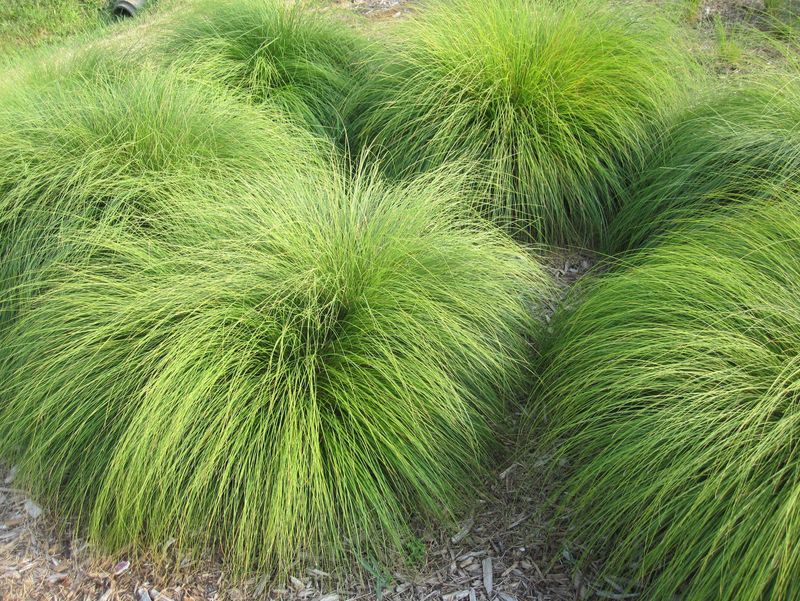
There is something almost magical about prairie dropseed in late summer. The fine, arching seed heads of Sporobolus heterolepis catch the light like a soft green fountain, and the whole plant releases a subtle fragrance that has been compared to buttered popcorn or fresh cilantro.
Beyond its sensory charm, prairie dropseed is a quiet powerhouse for small wildlife in Ohio gardens and naturalized areas.
Its dense, tightly woven clumps create natural hiding places for ground beetles, spiders, and small skinks that help keep garden pest populations in check. Sparrows and other small birds scratch through the dried seed clusters in fall and winter, feeding on the tiny seeds that give this grass its common name.
The Ohio Native Plant Society highlights prairie dropseed as an excellent choice for dry, well-drained Ohio soils where many other native grasses struggle to establish.
Gardeners appreciate its tidy, well-behaved growth habit. Unlike some larger native grasses that spread aggressively, prairie dropseed stays in a neat clump that rarely needs dividing or managing.
It grows 2 to 3 feet tall and works beautifully as a border edging plant, a meadow filler, or a companion to flowering prairie natives. Full sun and good drainage are the keys to keeping it thriving in Ohio landscapes for decades.
6. Bottlebrush Grass Thrives In Woodland Wildlife Gardens
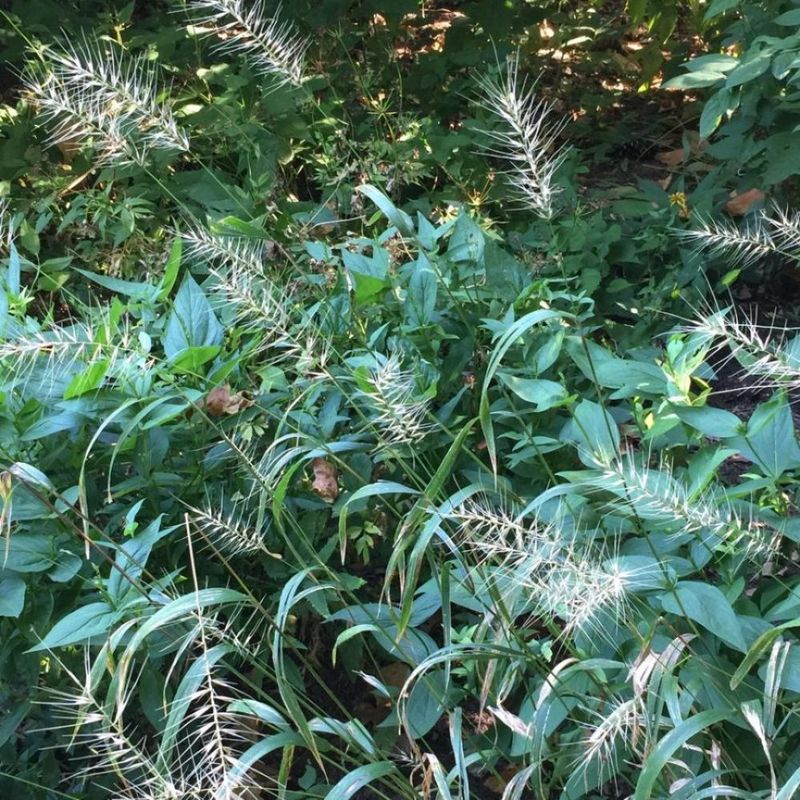
Most native grasses demand full sun, which makes finding the right species for a shaded backyard a real challenge for Ohio gardeners. Bottlebrush grass, Elymus hystrix, is one of the rare native grasses that genuinely thrives in partial to full shade, making it an invaluable plant for woodland gardens, forest edges, and naturalized areas under mature tree canopies.
Its unusual seed heads, which bristle outward like a bottle brush, make it one of the most visually distinctive native grasses in Ohio’s plant palette.
The seeds of bottlebrush grass are an important late-season food source for wood thrushes, white-throated sparrows, and dark-eyed juncos as they move through Ohio on migration. The plant’s dense clumps also provide shelter for ground-dwelling insects and small amphibians like salamanders and toads that rely on cool, moist woodland floor habitat.
University of Wisconsin Extension and native plant experts across the Midwest consistently recommend it for shaded wildlife gardens.
For Ohio gardeners working with shady spots under oaks, maples, or other native trees, bottlebrush grass fills a niche that few other plants can. It grows 2 to 4 feet tall, tolerates clay and rocky soils, and self-seeds gently to form natural drifts over time.
Combine it with wild ginger, woodland phlox, and native ferns for a layered woodland habitat that supports wildlife through every season.
7. Virginia Wild Rye Provides Food And Shelter For Birds
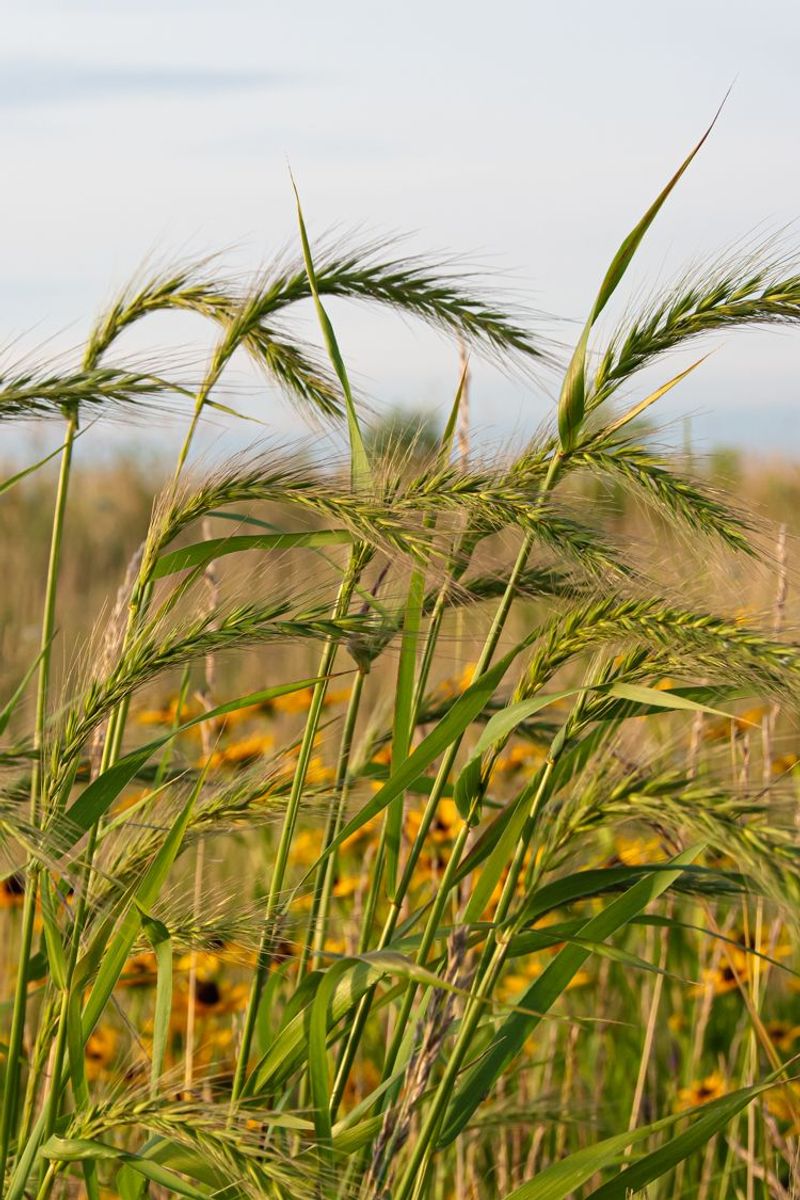
Birders who pay close attention to Ohio’s woodland edges in fall often notice small flocks of sparrows and finches working through dense patches of a medium-height grass with nodding, wheat-like seed heads. That grass is almost certainly Virginia wild rye, Elymus virginicus, one of the most underrated native grasses for supporting birds in Ohio habitats.
Its seeds ripen in late summer and remain available through early winter, giving migrating and resident birds a dependable food source during a critical time of year.
Virginia wild rye grows naturally along streambanks, forest edges, and floodplain areas throughout Ohio. Its tolerance for moist to wet soils and partial shade makes it a practical choice for spots where other native grasses cannot gain a foothold.
The dense clumps provide ground-level shelter for small mammals, ground beetles, and overwintering insects that form the base of the food web for birds and other predators.
Ohio State University Master Gardener resources point to Virginia wild rye as a valuable component of riparian buffer plantings and rain garden borders. Gardeners can use it along low spots in the yard, near downspout drainage areas, or at the edge of a woodland garden.
It spreads gently by seed to form natural colonies that mimic the way it grows in wild Ohio landscapes, creating exactly the kind of layered, connected habitat that wildlife needs most.
8. Sideoats Grama Supports Butterflies And Native Insects
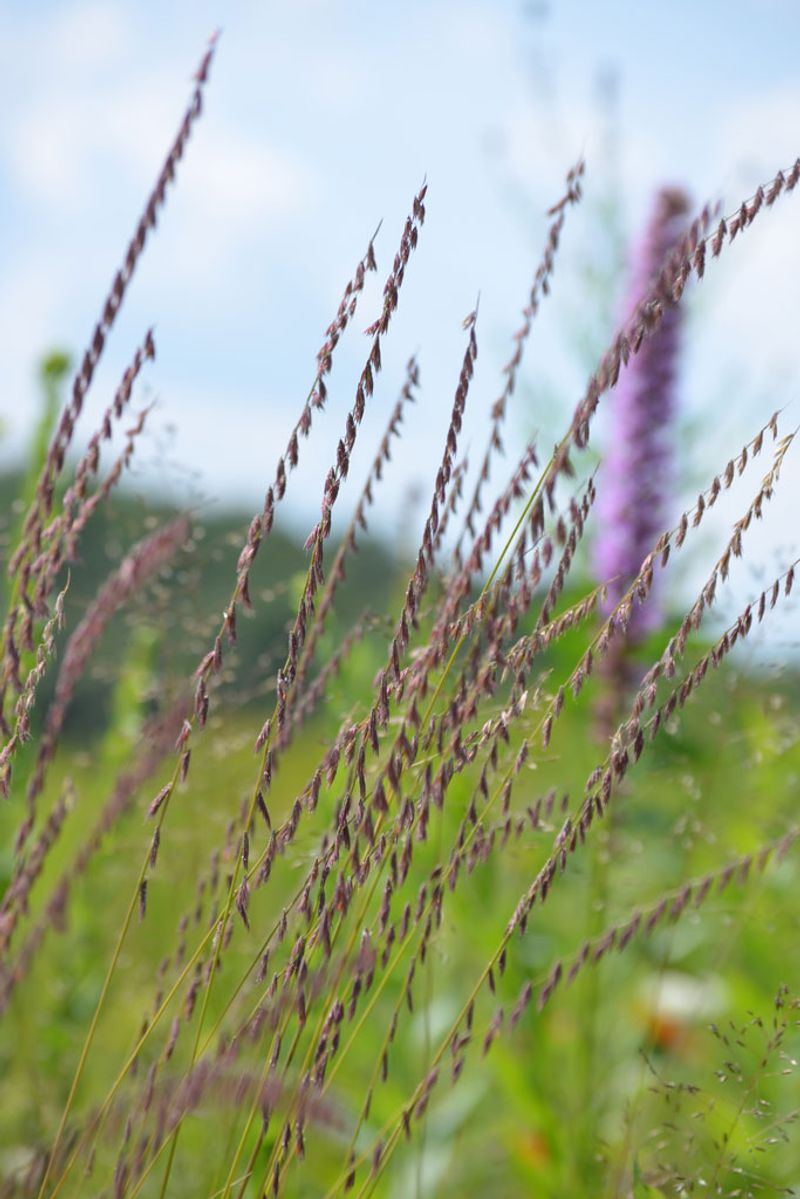
Sideoats grama has one of the most charming seed structures of any native grass in Ohio. The small, oat-like seeds dangle in a neat row along just one side of each stem, swaying gently in the wind and catching the light in a way that makes the whole plant shimmer.
Bouteloua curtipendula is a warm-season grass native to dry prairies and rocky slopes, and it brings genuine ecological value to Ohio gardens well beyond its visual appeal.
Skipper butterflies are among the most enthusiastic users of sideoats grama, using it as a larval host plant and a nectar stop during their active season. Native bees and wasps visit the flowers, while the seeds attract ground-feeding birds like horned larks and vesper sparrows.
OSU Extension factsheet W-23 notes that sideoats grama performs exceptionally well on dry, thin, or rocky Ohio soils where taller prairie grasses may struggle to establish.
Gardeners who want a lower-growing, more compact native grass for a sunny slope, a rock garden border, or a dry meadow planting will find sideoats grama an excellent fit. It grows 2 to 4 feet tall, spreads slowly by rhizomes to form loose colonies, and holds soil effectively on slopes prone to erosion.
Its drought tolerance once established makes it nearly effortless to maintain in Ohio’s sometimes unpredictable summer weather.
9. Purple Lovegrass Creates Seed And Shelter For Birds
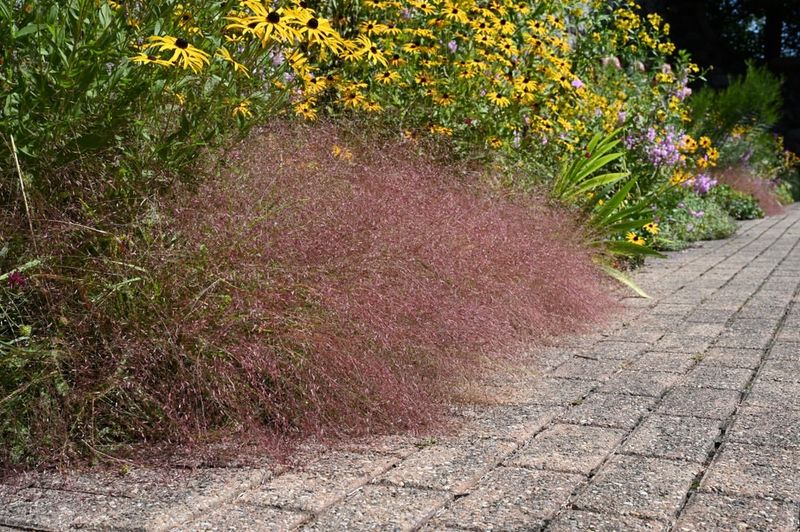
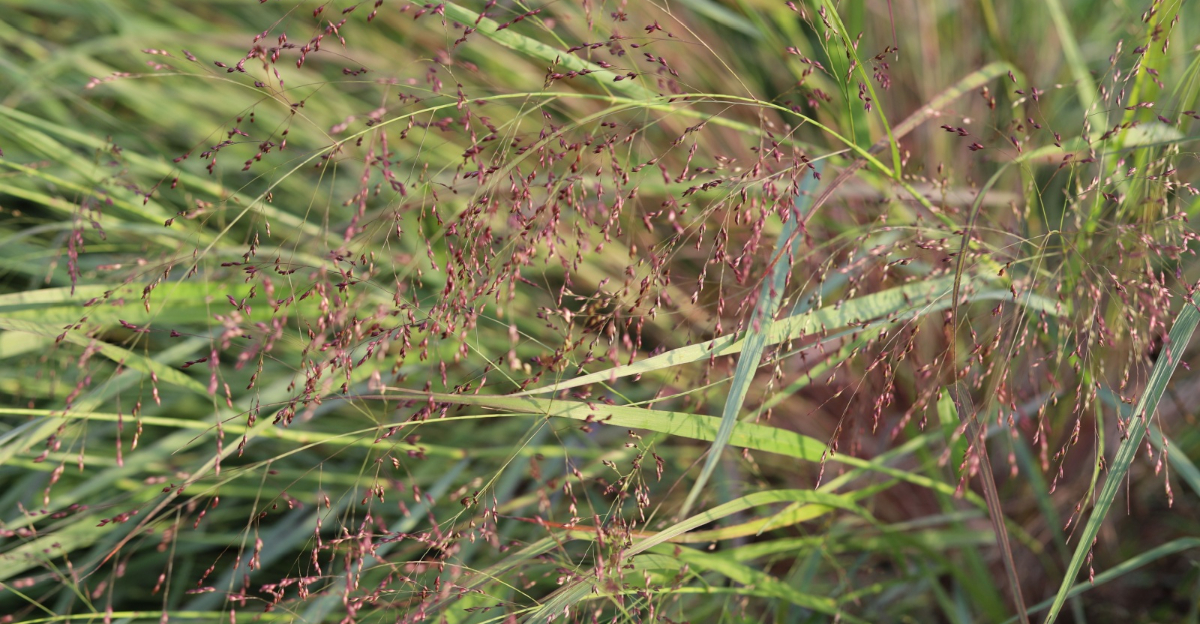
By mid-August in Ohio, purple lovegrass earns every syllable of its poetic name. Eragrostis spectabilis erupts into a cloud of tiny reddish-purple seed clusters that hover above the plant’s base like a fine mist, catching the evening light in a way that makes the whole planting seem to glow.
That spectacular display is not just beautiful: it is also a genuine wildlife buffet, offering thousands of tiny seeds that small birds find irresistible from late summer through early winter.
Grassfinches, sparrows, and American goldfinches pick through the dried seed cloud with enthusiasm, while the dense, low-growing foliage provides ground-level cover for beneficial insects and small invertebrates. The Ohio Native Plant Society notes that purple lovegrass grows naturally in dry, sandy, or gravelly soils across parts of Ohio, making it well adapted to challenging landscape spots where irrigation is limited or impossible.
For Ohio gardeners, purple lovegrass is a surprisingly versatile plant. Use it along sunny pathways, in rock garden settings, or as a mass planting on a dry sunny bank where erosion is a concern.
It grows 1 to 2 feet tall and spreads gently by seed to form natural drifts over time. Its fine texture and vivid color contrast beautifully with bold-leafed natives like wild bergamot and prairie blazing star, creating a layered planting that supports wildlife through multiple seasons.
10. Canada Wild Rye Helps Stabilize Soil And Feed Wildlife
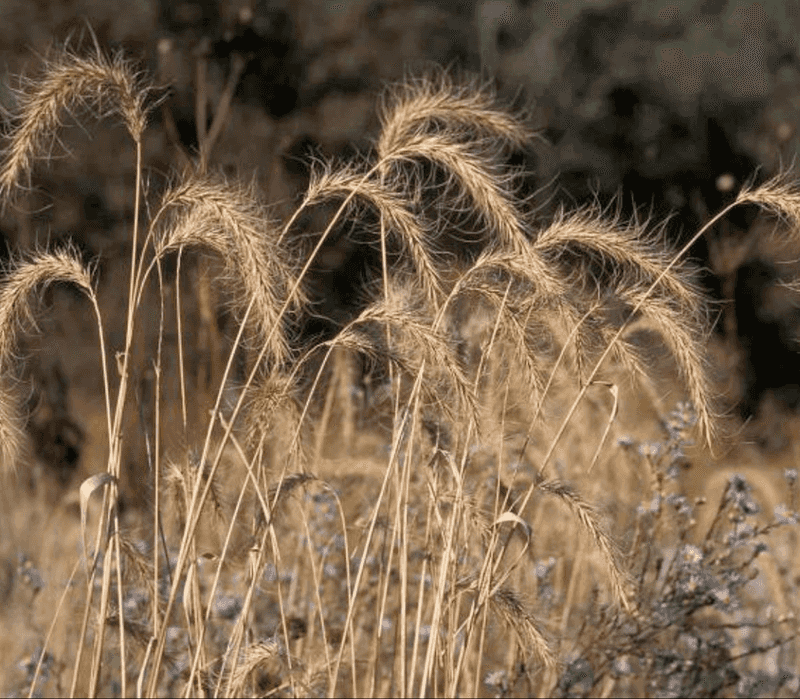
Restoration ecologists working across Ohio have long relied on Canada wild rye as a fast-establishing native grass that holds soil, suppresses weeds, and provides immediate wildlife value while slower-growing prairie species get established. Elymus canadensis is a cool-season grass, meaning it greens up early in spring and produces seed well before summer heat sets in, giving wildlife a head start on finding food in the lean months between winter and full prairie bloom.
The arching, nodding seed heads of Canada wild rye are a favorite of white-throated sparrows, song sparrows, and dark-eyed juncos during fall migration through Ohio. Small mammals like meadow mice and short-tailed shrews use its dense clumps for cover, and the thick stand of stems provides overwintering habitat for native bees and other beneficial insects.
OSU Extension Master Gardener resources identify Canada wild rye as a recommended species for riparian buffer plantings and streambank stabilization across Ohio.
Home gardeners can use Canada wild rye along drainage swales, at the base of rain gardens, or along the moist edges of a naturalized backyard meadow. It grows 3 to 5 feet tall and self-seeds readily, forming expanding colonies that stabilize bare or disturbed soil quickly.
While it is not as long-lived as some prairie grasses, its ability to establish fast and support wildlife immediately makes it one of the most practical native grasses for Ohio habitat gardens.