Should You Prune Wisteria Before Spring Growth Starts In Georgia
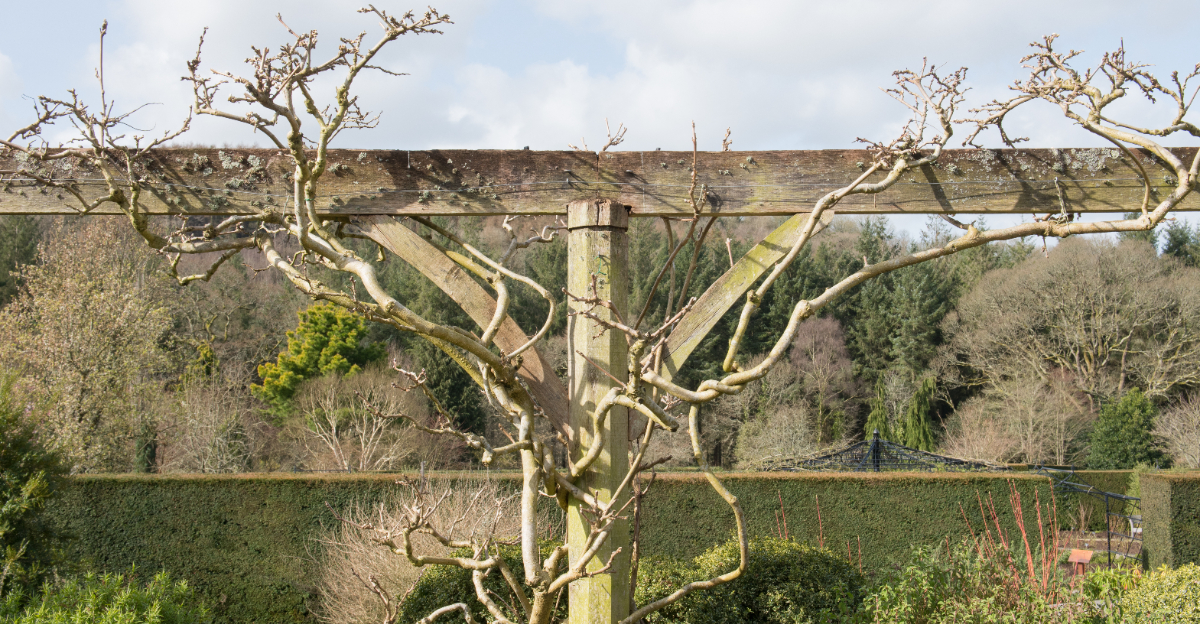
Wisteria can grow fast and wild in Georgia gardens, quickly covering fences, pergolas, and arbors with twisting vines. Because it grows so vigorously, many gardeners wonder if pruning before spring growth begins is the best way to keep it under control.
Timing matters with wisteria, especially if the goal is to enjoy those famous cascading blooms while still keeping the vine manageable.
Pruning too aggressively at the wrong moment can reduce flowering, while the right approach helps encourage stronger blooms and tidier growth.
Georgia gardeners often find that understanding when the plant forms its buds and how it responds to trimming makes pruning much less confusing.
With a few well-placed cuts at the proper time, wisteria can stay beautiful, structured, and far less overwhelming as the growing season gets underway.
1. Prune Wisteria Soon After The Spring Flowers Fade
Right after the blooms drop is actually one of the best windows to get your pruners out. Wisteria puts a lot of energy into flowering, and once those flowers are gone, the vine shifts focus to producing long, fast-growing shoots.
Catching it early keeps things from getting out of hand before summer heat kicks in across Georgia.
What you want to do is shorten those new shoots back to about five or six leaves. You are not trying to strip the plant bare — just keeping the new growth tidy and directing energy toward the flowering spurs rather than endless vine extension.
Skipping this step means spending twice as much time cutting in late summer or the following winter.
A lot of Georgia gardeners make the mistake of waiting too long after bloom, thinking the vine needs time to recover. In reality, wisteria bounces back fast, especially in the heat and humidity that rolls in by May.
Getting in there while the weather is still mild makes the job a lot easier on you too.
Pruning right after flowering also gives you a clear picture of where the vine wants to go next. You can spot which shoots are heading toward gutters, rooftops, or neighboring shrubs before they get a grip.
Early action here saves a bigger headache later in the season when everything is dense and leafy and harder to navigate.
2. Shorten Long Shoots To Keep The Vine Manageable
Wisteria can throw out shoots that grow several feet in just a few weeks — and in Georgia’s warm climate, that happens faster than most people expect.
Those long, whippy shoots are the ones that wrap around anything nearby: gutters, window frames, tree branches, even power lines if you let them go.
Shortening them back is not optional if you want to keep control of the vine.
When you cut back long shoots, aim to leave just two or three buds from the main woody framework. Those remaining buds are where flowering spurs develop over time.
Cutting too far back removes potential bloom spots, but leaving too much just encourages more runaway growth without extra flowers to show for it.
Your Georgia Garden Changes Every Week. Your Plan Should Too.
Gardening in Georgia changes quickly throughout the season. Every Friday you’ll receive a simple weekly plan showing exactly what to plant, prune, fertilize, harvest, and protect so you never miss the right timing.
Late winter pruning in Georgia, ideally in February or the first week of March, is a great time to shorten these long shoots before any new leaves appear. Without foliage blocking your view, you can clearly see the structure of the vine and make smarter cuts.
It also goes faster when you are not fighting through a tangle of leaves.
Keep a bucket or tarp nearby to collect the cut shoots as you go. Wisteria stems left on the ground can sometimes re-root in Georgia’s moist soil, which is the last thing you want.
Dispose of them properly or let them dry out completely before adding to a compost pile. Staying on top of this step every year keeps the whole vine looking sharp.
3. Cut Back Side Shoots To Encourage Better Flowering
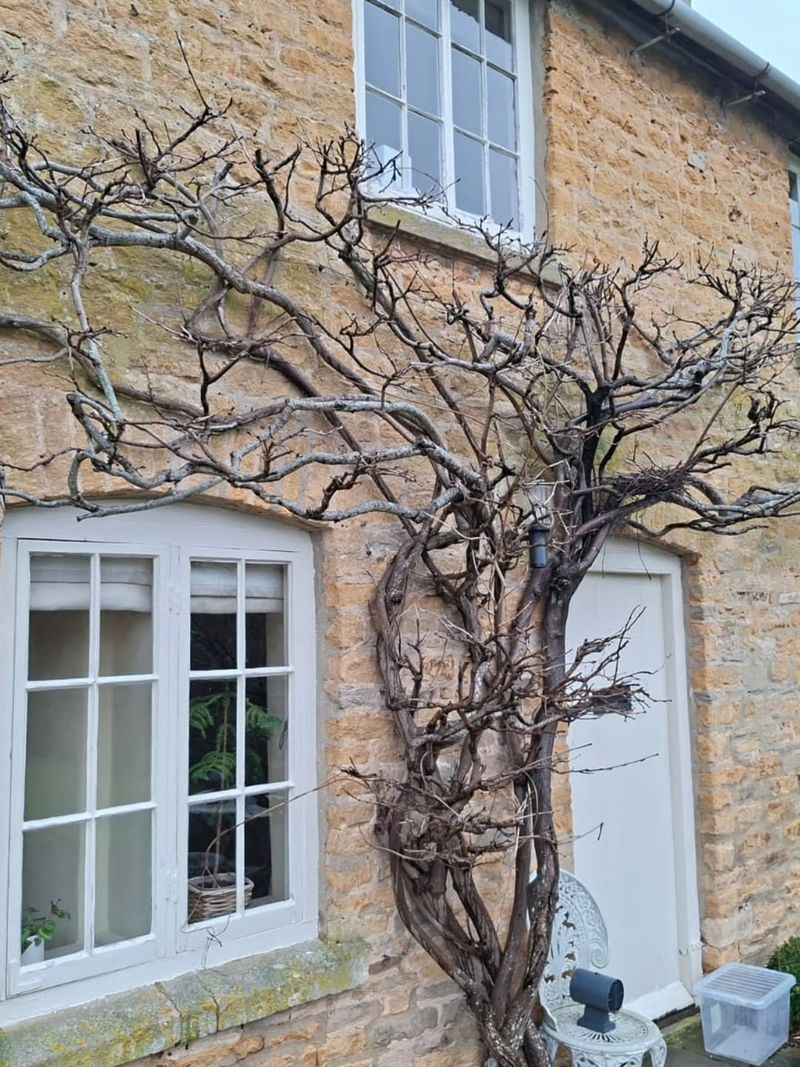
Side shoots are the secret to getting more flowers out of your wisteria every spring. Most people focus on the long, wandering growth, but the real payoff comes from cutting those shorter lateral shoots back hard.
Pruned side shoots develop into stubby flowering spurs, and those spurs are exactly where the blooms come from next season.
In late winter, before Georgia wisteria breaks dormancy, go through the vine and cut each side shoot back to just two or three buds from where it connects to the main stem. It might look aggressive, but wisteria handles it well.
The plant responds by pushing energy into those shortened shoots, which thickens them into reliable bloom producers over the years.
Skipping this step is one of the main reasons wisteria vines grow massive but barely flower. All that leafy growth looks lush, but without the right pruning, flowering spurs never get a chance to form properly.
Georgia gardeners sometimes wonder why a neighbor’s vine is covered in blooms while theirs just keeps getting bigger without putting on much of a show.
Side shoot pruning also keeps the vine from looking like a tangled mess. When you trim laterals back consistently, the main framework stays visible and the plant develops a cleaner, more defined shape.
Over a few seasons, you will notice the difference clearly — a tidier vine with noticeably more flower clusters hanging from well-developed spurs along each branch.
4. Remove Tangled Or Overcrowded Growth First
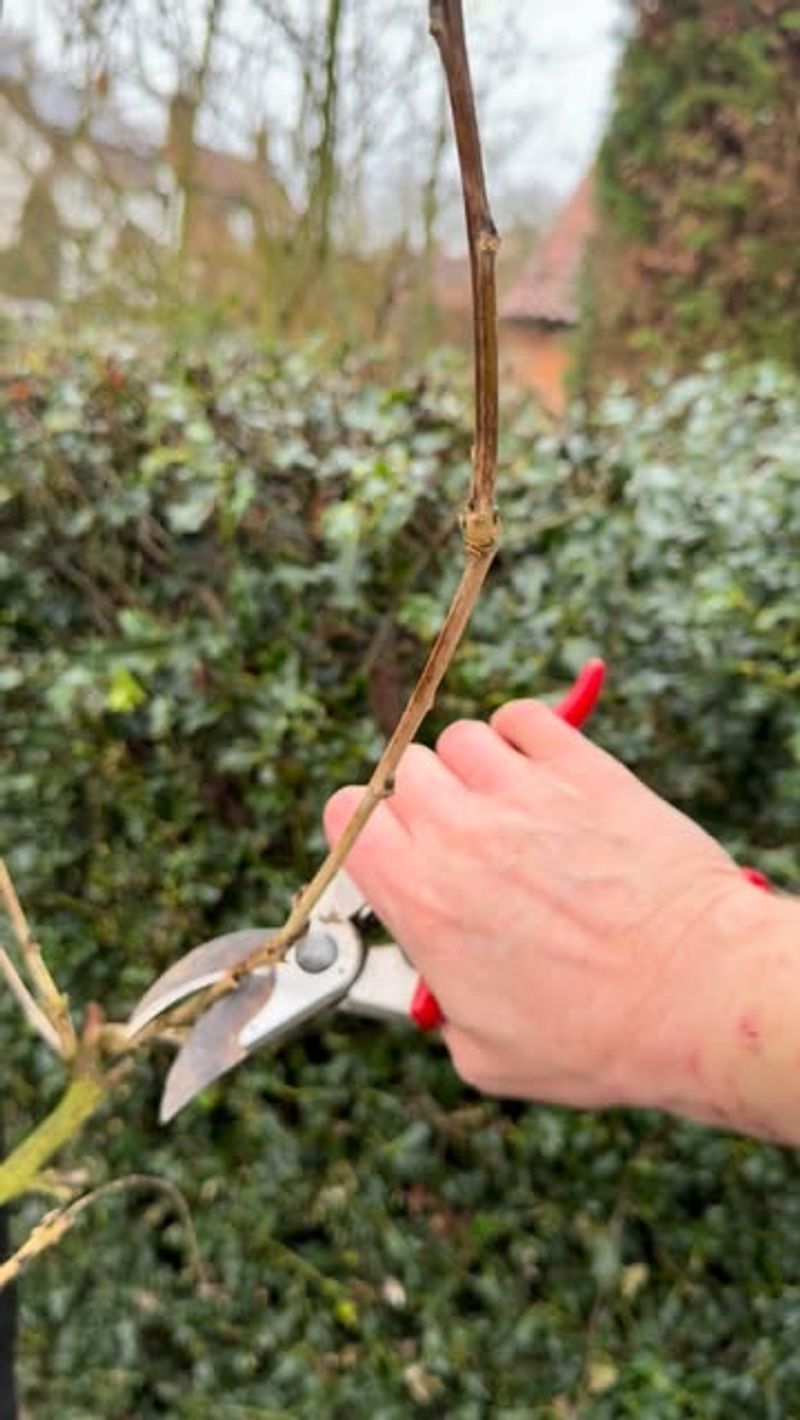
Tangled growth is where problems start hiding. Crossed stems rub against each other, create wounds, and trap moisture in ways that invite disease and weaken the overall structure of the vine.
Before you do anything else during a pruning session, sorting out the worst tangles should be your first move.
Start by stepping back and looking at the whole vine from a few feet away. You can usually spot the most overcrowded sections right away — areas where stems are piled on top of each other with no clear direction.
Those are the spots to address first, working your way in with loppers or hand pruners depending on the thickness of the stems.
In Georgia, where wisteria can grow aggressively through a long warm season, overcrowding tends to build up faster than in northern states. A vine that looked manageable in early spring can turn into a thick wall of stems by late summer.
Tackling the worst of it during late winter dormancy, when you can actually see what you are dealing with, makes the whole process more efficient.
Removing overcrowded growth also improves airflow through the center of the vine, which matters more than people realize. Better airflow means foliage dries faster after rain, and that alone cuts down on common fungal issues.
Once the clutter is cleared, the remaining stems have more room to grow in a healthy, organized direction, and future pruning sessions become noticeably quicker and less frustrating to get through.
5. Train Strong Vines Along Pergolas, Fences, Or Trellises

Wisteria without a plan becomes a problem fast. Training strong vines along a solid structure early on is what separates a beautiful, manageable vine from one that takes over everything around it.
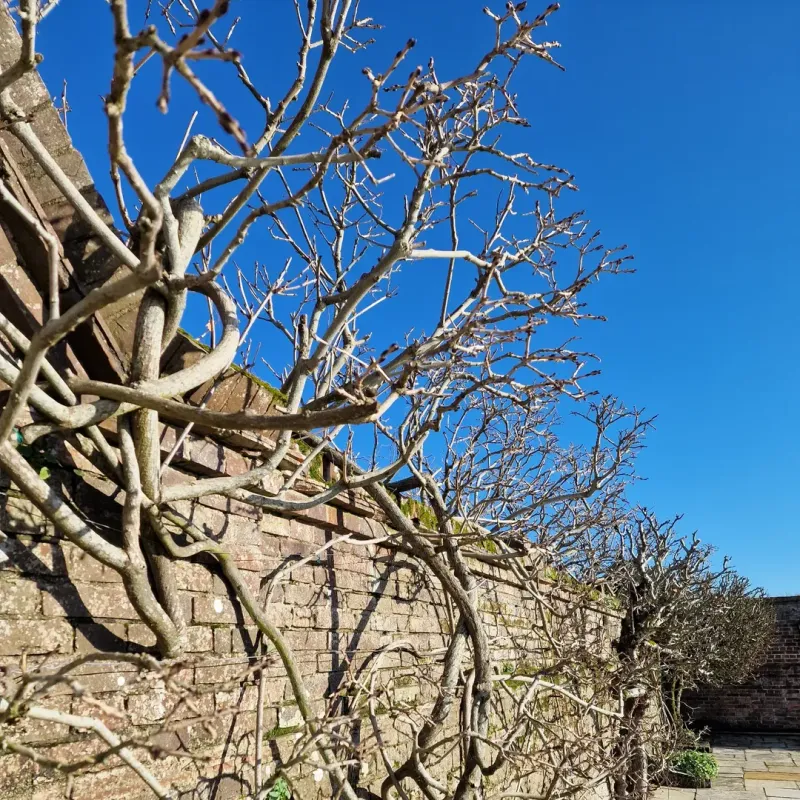
Pergolas, fences, and sturdy trellises all work well, as long as the structure can handle the weight — and mature wisteria gets heavy.
After your winter pruning in Georgia, take a look at which stems are thick, well-positioned, and growing in the direction you want. Those are your keepers.
Gently tie them to the support structure using soft garden ties or strips of fabric, spacing them out evenly so they are not all crowded into one section. Avoid wire ties that can cut into the stem as it thickens.
Training is an ongoing process, not a one-time fix. Each season, you will redirect a few new stems and remove others that are heading the wrong way.
Young gardeners in Georgia sometimes expect a wisteria to sort itself out naturally along a fence, but the vine will just as happily grow sideways into a shrub or up into a tree if nothing guides it.
A well-trained wisteria looks intentional and elegant rather than wild and unruly.
When the structure is in place and maintained consistently, spring blooms hang in long, even clusters all along the support, which is exactly the look most people are going for when they plant wisteria in the first place.
Patience with the training process pays off in a big, visible way.
6. Trim Back Excess Growth To Improve Airflow And Light
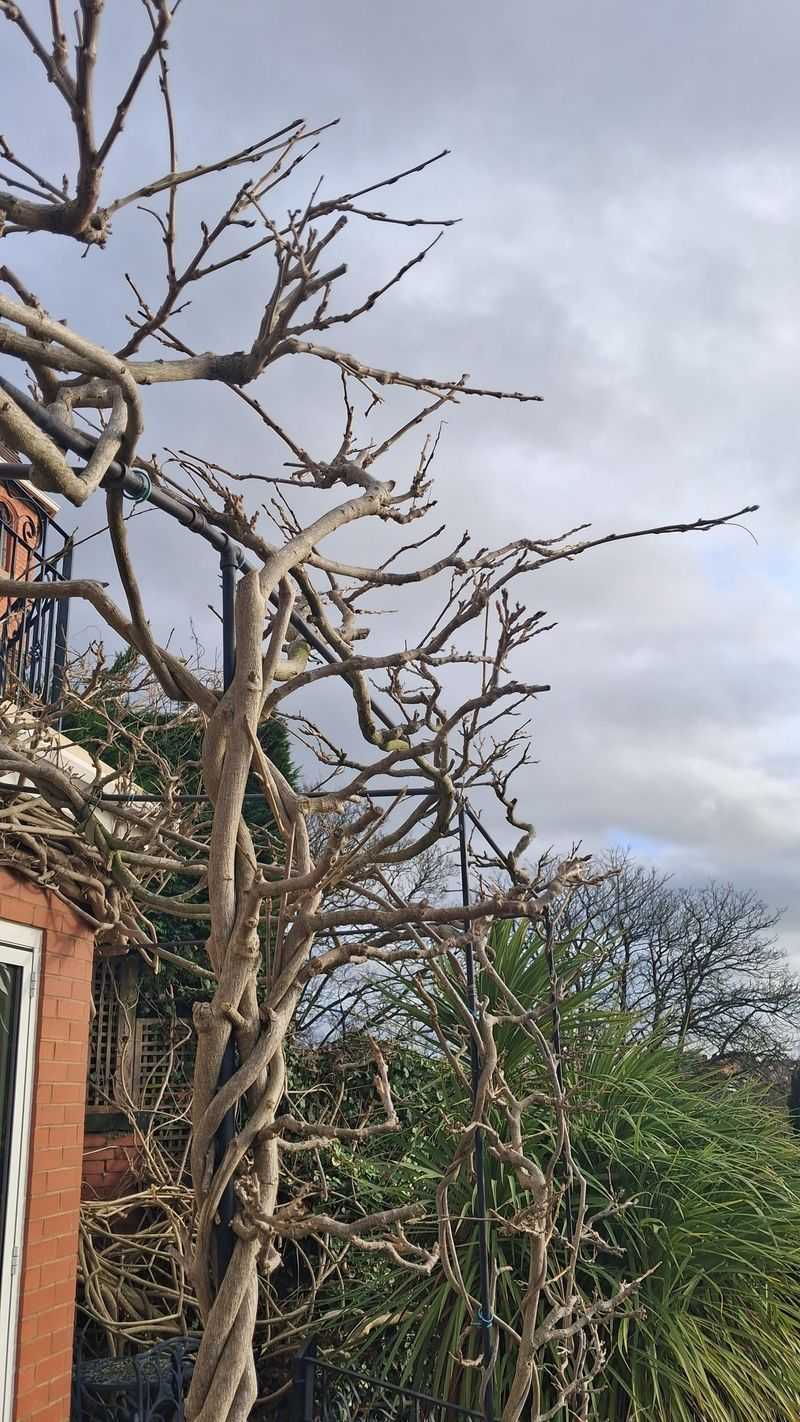
Excess growth does more than just look messy — it blocks light and traps humid air inside the vine, and in Georgia summers that combination creates real problems.
Wisteria that is too dense in the middle tends to struggle more than one that gets regular thinning throughout the season.
Cutting back the extra growth is one of the most practical things you can do for the long-term health of the plant.
Focus on removing stems that are growing inward or crossing over the main framework without adding anything useful. Shoots that head straight up into the air without attaching to any support are also good candidates for removal.
You are not going for a bare structure — just enough thinning that light can filter through and air can move around the stems.
Georgia’s humidity in summer is already high, and a dense, unventilated vine canopy makes that worse at the plant level.
Thinning the growth out in late winter before the season starts gives the vine a head start on staying healthy when temperatures and moisture levels climb.
A little extra effort in February or March pays dividends through the whole growing season.
Improved light penetration also benefits flowering. Wisteria blooms best when flower buds get adequate sun exposure during their development.
Stems buried deep inside a thick, unmanaged vine rarely produce good flower clusters. Opening up the canopy even moderately gives those inner stems a real chance to bloom, which adds noticeably more color and fullness to the overall display each spring.
7. Use Sharp Pruners To Make Clean, Precise Cuts
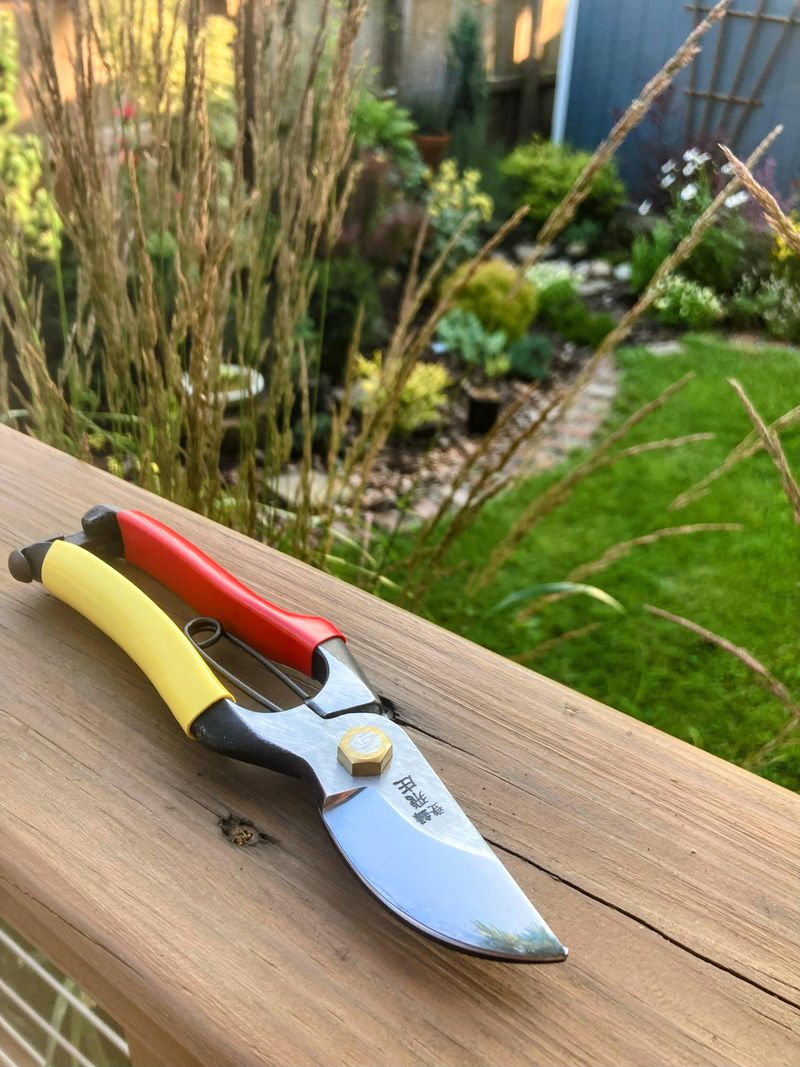
Dull pruners do more harm than most gardeners realize. A ragged, crushed cut on a wisteria stem heals much slower than a clean slice, and slow-healing wounds are open invitations for pathogens to get in.
Keeping your pruners sharp is one of the simplest ways to protect the vine and make your own job easier at the same time.
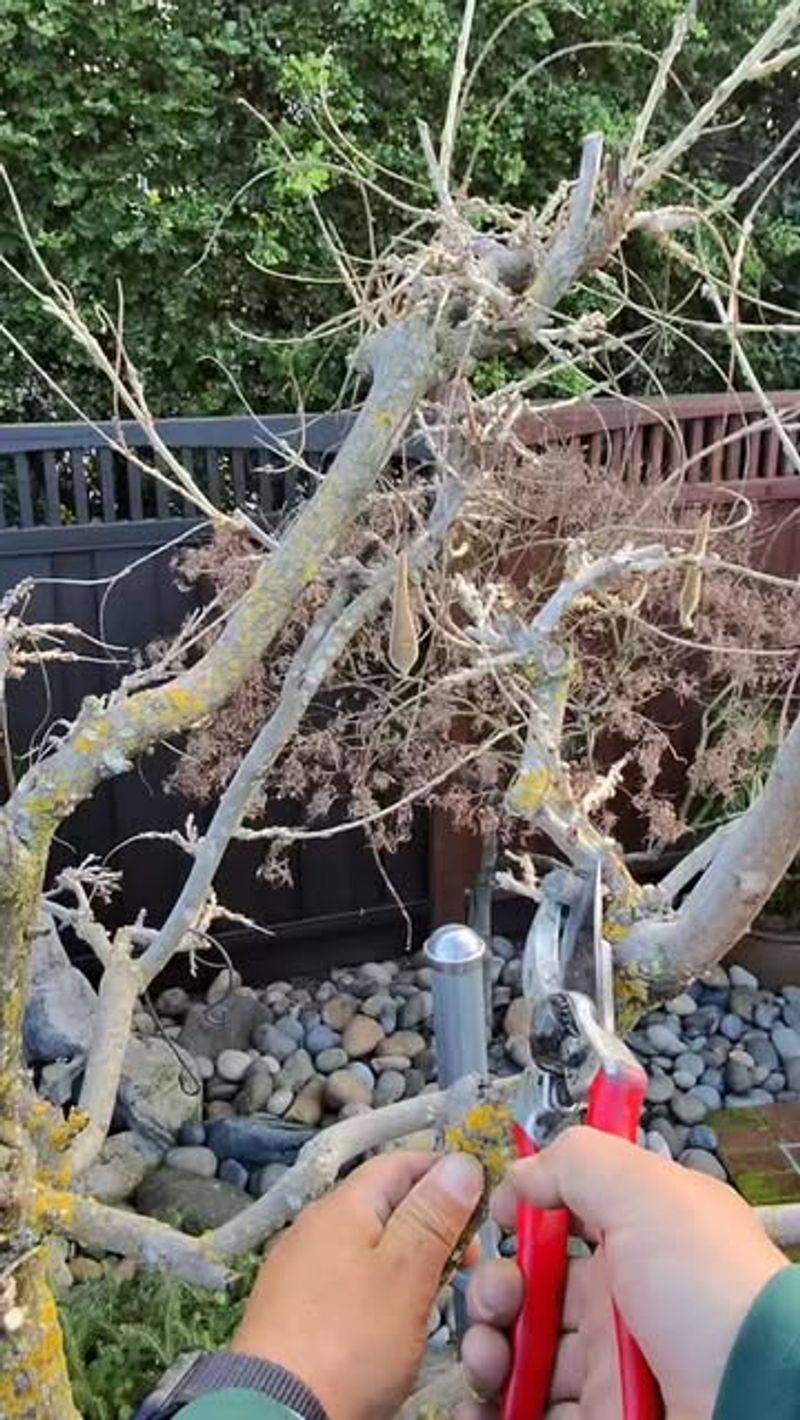
Bypass pruners are the right tool for most wisteria work — they cut with a scissor-like action that leaves a smooth surface on the stem.
For thicker stems over an inch or so, step up to loppers with bypass blades rather than forcing a hand pruner through wood it was not built to handle.
Before heading out to prune, wipe the blades with rubbing alcohol or a diluted bleach solution. Wisteria is generally tough, but moving from one section of the vine to another with dirty blades can transfer issues between cuts.
Georgia gardeners dealing with multiple plants in the yard especially benefit from this habit.
Sharpening pruners takes about five minutes with a basic whetstone or a pull-through sharpener. Do it at the start of pruning season and again mid-season if you are doing heavy work.
Sharp tools make cuts feel effortless, reduce hand fatigue during longer pruning sessions, and leave the vine in noticeably better condition compared to struggling through cuts with blades that have gone dull from a full season of use.