These Are The Easiest Herbs To Grow In Florida For Fresh Home Cooking
Step outside and pick flavor straight from your own patio. Fresh herbs bring bright taste, rich aroma, and real character to everyday meals, far beyond anything from a jar.
In Florida, warm sunshine and mild seasons help herbs grow strong with little space and simple care. You do not need a large garden or special tools.
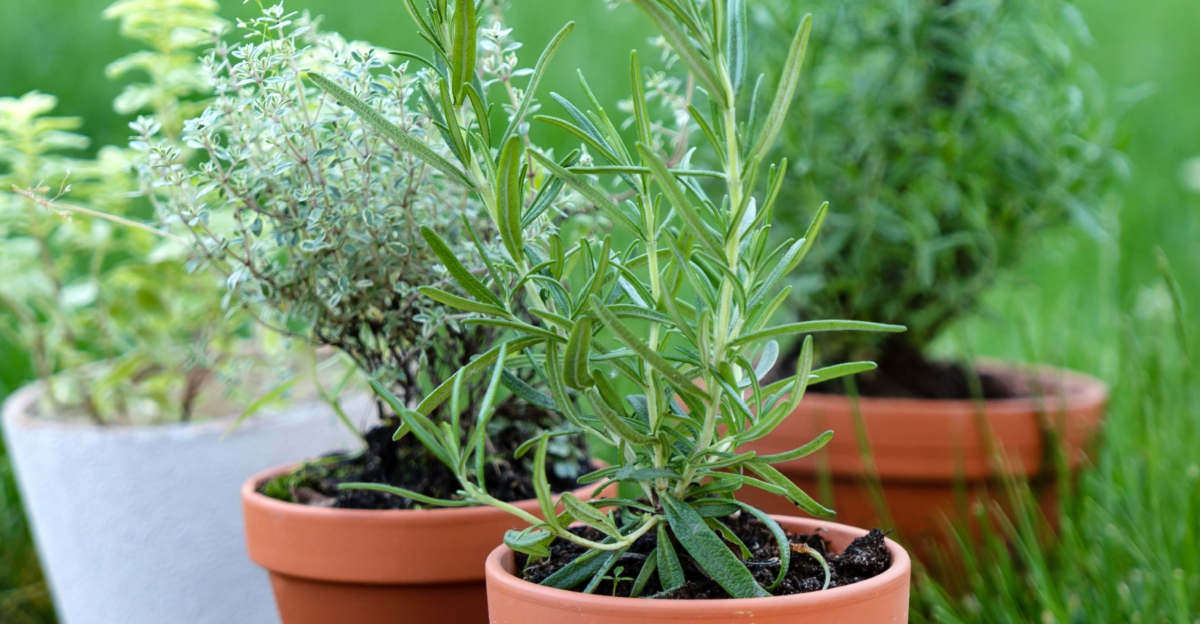
A few pots on a balcony, patio, or windowsill can supply fresh leaves for months while cutting grocery costs. Picture basil for pasta, mint for cold drinks, rosemary for roasted chicken, all picked minutes before cooking.
Homegrown herbs stay fragrant, flavorful, and ready whenever you need them. Florida’s climate does most of the work, leaving you with fresh ingredients and better tasting food every day.
Grow a small patch, pick what you need, and enjoy the simple pleasure of fresh flavor right at home whenever you cook for family and friends.
1. Basil Brings Fresh Flavor
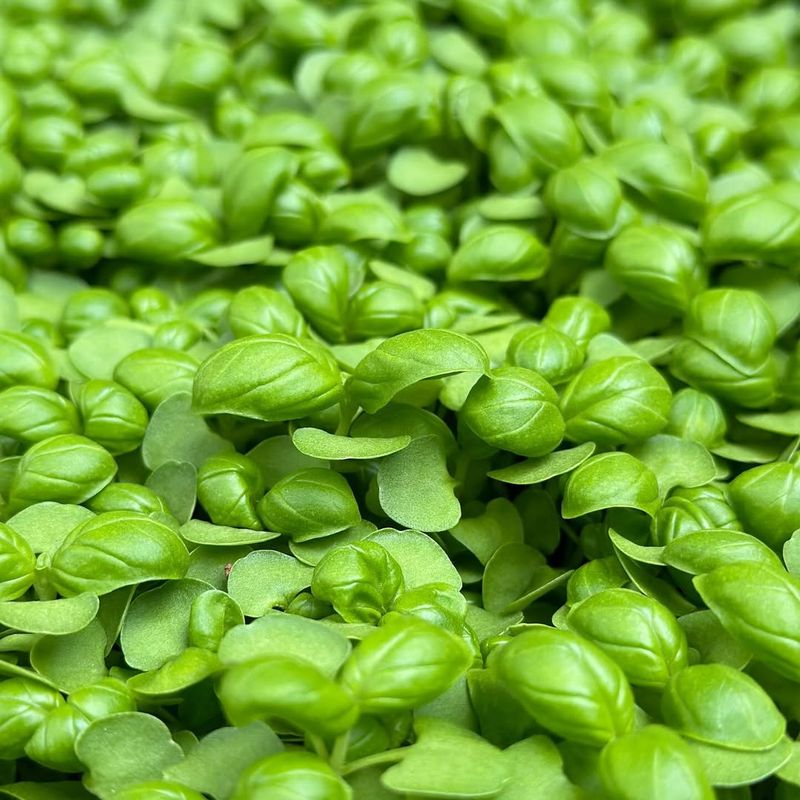
Nothing beats the smell of fresh basil when you crush a leaf between your fingers. This herb loves hot weather and grows like crazy during Florida summers.
You can start basil from seeds or buy small plants at any garden center, and within weeks you will have plenty to harvest.
Plant basil where it gets at least six hours of sunshine each day. The soil should drain well because basil roots do not like sitting in water.
Water your plants when the top inch of soil feels dry, usually every other day in summer heat.
Pinch off the top leaves regularly to encourage bushier growth and prevent flowering. Once basil flowers, the leaves can taste bitter.
Use fresh basil in pasta sauce, on pizza, in salads, or make homemade pesto that tastes a thousand times better than store bought versions.
Florida gardeners can grow basil almost year round in most parts of the state. The plants might slow down a bit during winter months, but they bounce back quickly when temperatures warm up.
Keep a few pots near your kitchen door for easy access while cooking.
2. Mint Grows Fast And Keeps Giving
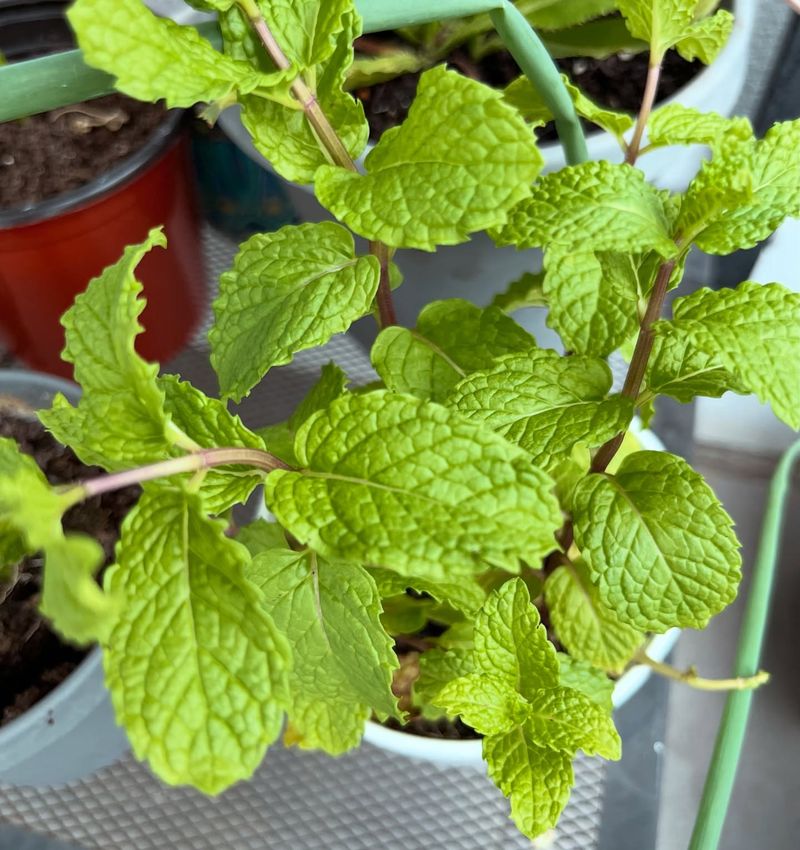
Mint spreads so quickly that most gardeners plant it in containers to keep it under control. This vigorous herb thrives in Florida and will give you fresh leaves for months with very little attention.
The cool, refreshing taste makes mint perfect for summer drinks, desserts, and savory dishes.
Choose a spot with morning sun and afternoon shade because mint prefers cooler conditions than most herbs. Water mint regularly to keep the soil moist but not soggy.
The plant will tell you when it needs water by drooping slightly, then perking right back up after a good drink.
Harvest mint by cutting stems just above a leaf node, which encourages new growth. You can use mint fresh or dry it for tea.
Add fresh mint to lemonade, iced tea, fruit salad, or Vietnamese spring rolls. It also makes a great garnish for desserts like chocolate cake or ice cream.
In Florida, mint grows best during fall, winter, and spring when temperatures stay moderate. Summer heat can stress the plants, so give them extra water and shade during the hottest months.
Your Florida Garden Changes Every Week. Your Plan Should Too.
Gardening in Florida changes quickly throughout the season. Every Friday you’ll receive a simple weekly plan showing exactly what to plant, prune, fertilize, harvest, and protect so you never miss the right timing.
Trim back any brown or damaged leaves to keep your mint looking healthy and productive.
3. Rosemary Loves Florida Sun And Heat
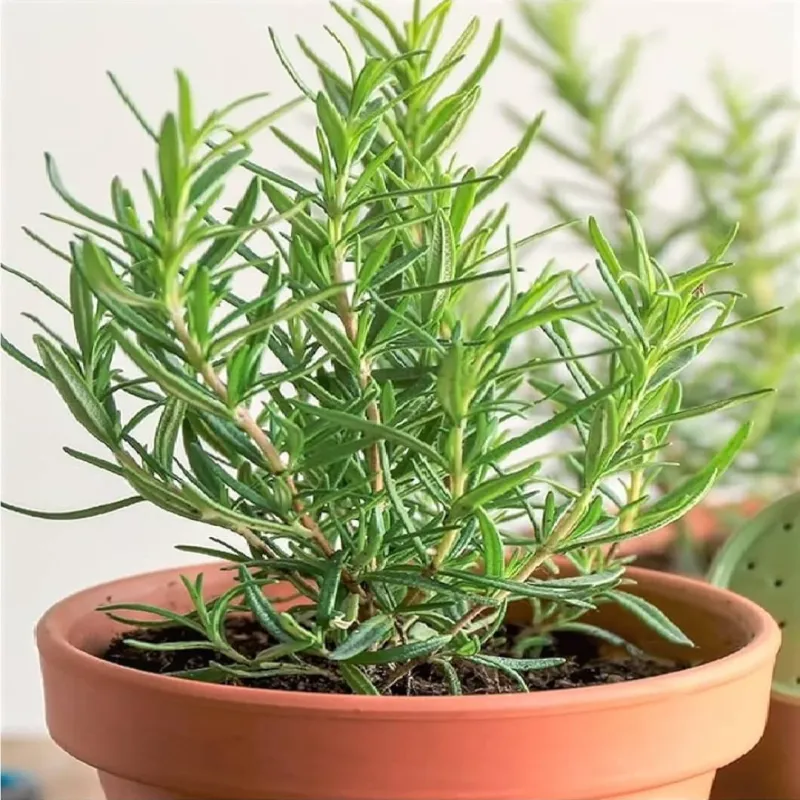
Rosemary plants can live for years in Florida gardens and grow into large bushes if given enough space. These woody herbs handle heat and drought better than almost any other kitchen herb.
The pine-like fragrance and flavor make rosemary essential for roasted meats, potatoes, and bread.
Full sun is what rosemary craves, so plant it where it gets eight hours of direct light daily. This herb actually prefers drier soil, so let it dry out between waterings.
Too much water causes root problems and yellowing leaves.
You can harvest rosemary anytime by snipping off small branches. The woody stems work great as skewers for grilled vegetables or meat.
Fresh rosemary tastes stronger than dried, so use less when cooking. Try it with roasted chicken, lamb chops, focaccia bread, or roasted root vegetables.
Florida winters are perfect for rosemary because the plants love cooler nights and warm days. Summer heat does not bother established plants, though young ones might need occasional deep watering.
Prune rosemary in early spring to maintain a nice shape and encourage fresh growth for cooking throughout the year.
4. Thyme Stays Small But Packs Flavor
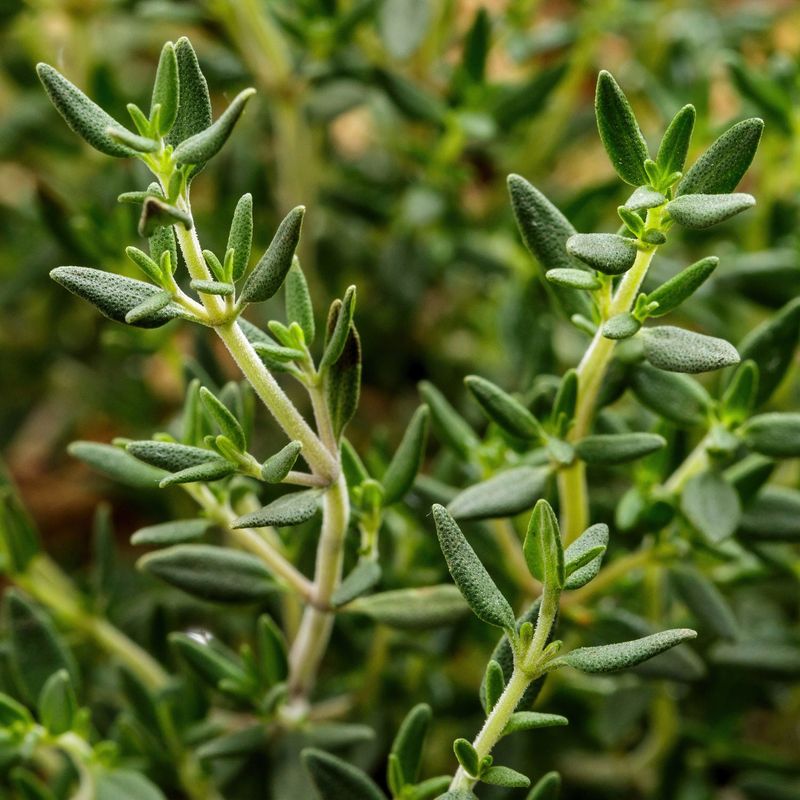
Thyme might look delicate with its tiny leaves and small size, but this herb packs serious flavor into every sprig. It grows low to the ground and spreads slowly, making it perfect for small gardens or container growing.
Florida gardeners appreciate how little care thyme needs once established.
Plant thyme in well-draining soil with plenty of sunshine. Sandy soil works great because thyme does not like wet feet.
Water sparingly, letting the soil dry completely between waterings. Overwatering is the biggest mistake people make with thyme.
Snip off stems as needed for cooking, cutting just above where leaves branch out. Fresh thyme adds wonderful flavor to soups, stews, roasted vegetables, and grilled fish.
The leaves are small, so you can use whole sprigs and remove the woody stem after cooking, or strip the leaves off first.
This herb grows best during Florida’s cooler months from October through April. Summer heat can stress thyme plants, so afternoon shade helps during the hottest part of the year.
Trim back any withered or brown stems to keep plants healthy and encourage new growth for your kitchen.
5. Oregano Thrives In Warm Dry Spots
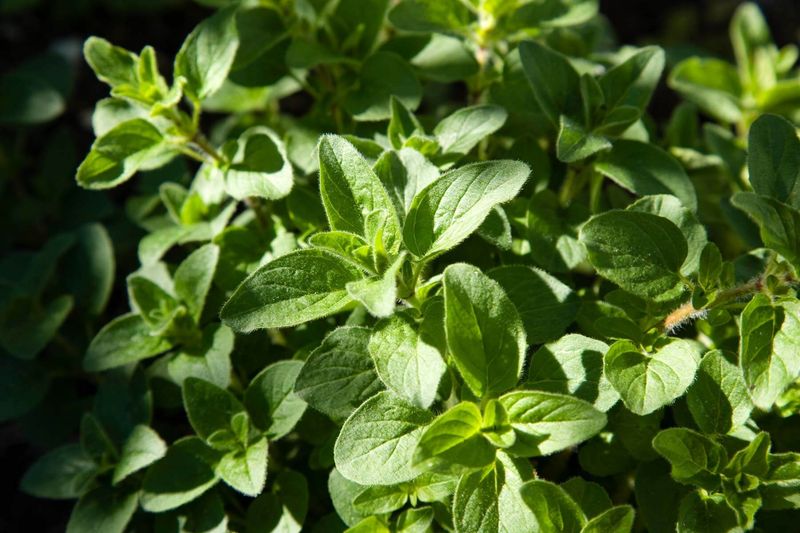
Oregano grows into a bushy plant that produces tons of flavorful leaves perfect for Italian and Mexican cooking. This Mediterranean herb adapted wonderfully to Florida conditions and actually prefers the heat and humidity.
Once established, oregano needs very little water or fertilizer to thrive.
Choose the sunniest spot in your garden for oregano because it needs lots of light to develop strong flavor. Plant in soil that drains quickly, or grow it in containers with drainage holes.
Water only when the soil feels dry several inches down.
Harvest oregano by cutting stems back by about one third, which keeps the plant compact and encourages new growth. Fresh oregano tastes much stronger than dried, so use about one third the amount recipes call for.
Add it to pizza sauce, pasta dishes, grilled vegetables, or homemade salad dressing.
Florida summers are perfect for oregano because the plant loves hot weather. Growth might slow slightly during winter in North Florida, but the plant stays green and usable.
Trim oregano back hard in early spring to promote bushy new growth and prevent the plant from getting woody and sparse in the center.
6. Chives Grow Easy And Harvest Often
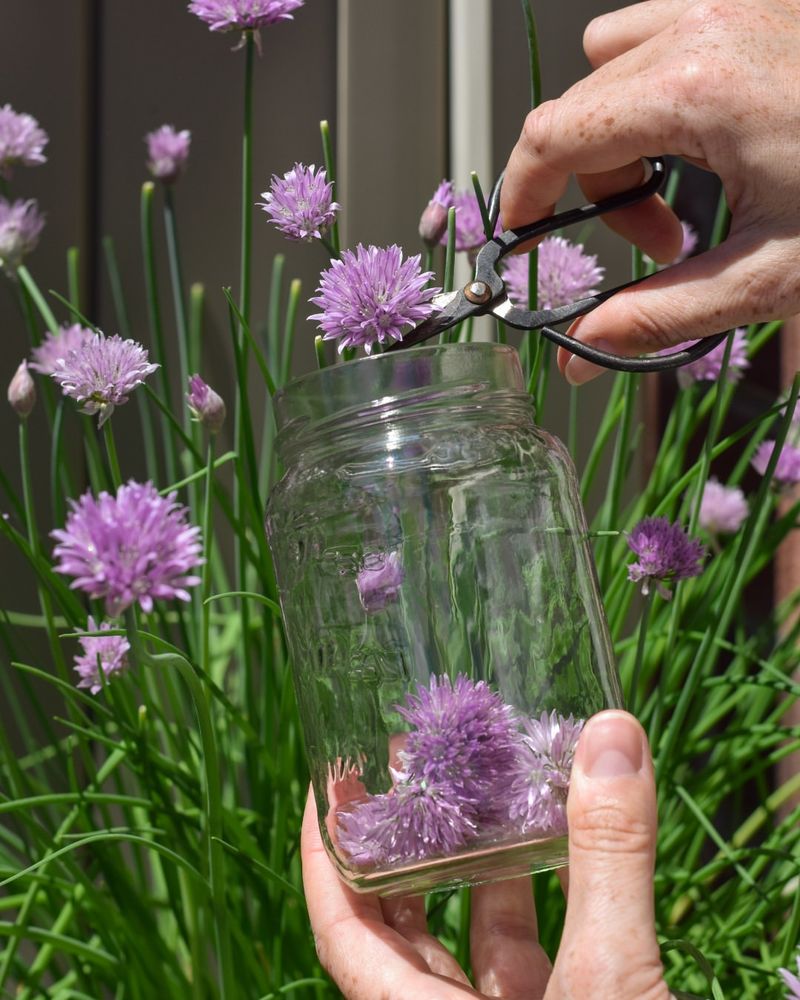
Chives look like tiny green onions and taste like a mild version of their larger cousins. These grass-like herbs grow in clumps that get bigger each year, and you can harvest them over and over without harming the plant.
The purple flowers that appear in spring are edible too and look beautiful in salads.
Plant chives in a spot with morning sun and some afternoon shade, especially during hot Florida summers. They prefer consistently moist soil, so water regularly but make sure drainage is good.
Chives grow well in containers if you want to keep them close to your kitchen.
Snip off individual leaves with scissors, cutting them down to about two inches above the soil. New growth appears quickly, so you can harvest from the same plant every week or two.
Use fresh chives on baked potatoes, in omelets, mixed into cream cheese, or sprinkled over soups and salads for a mild onion flavor.
These herbs grow year round in most of Florida, though they might slow down during the hottest summer months. Divide large clumps every few years to keep plants healthy and productive.
Chives rarely have pest problems and need very little fertilizer to produce plenty of flavorful leaves for your cooking.
7. Parsley Stays Fresh Most Of The Year
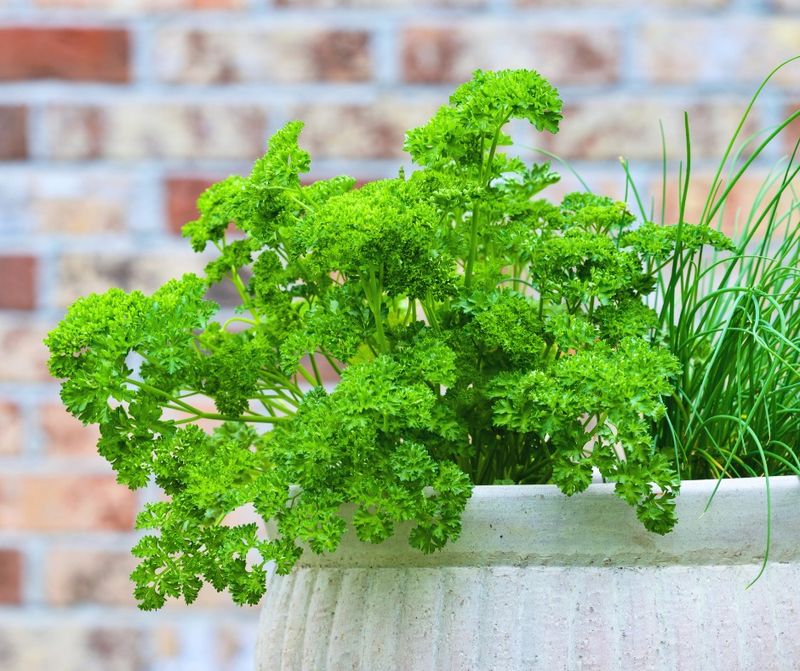
Parsley comes in two main types, curly and flat leaf, and both grow beautifully in Florida gardens. This biennial herb produces loads of fresh leaves during its first year, making it worth replanting annually for best results.
The fresh, slightly peppery taste brightens up almost any savory dish.
Give parsley a spot with partial shade, especially protection from intense afternoon sun. The soil should stay evenly moist because parsley leaves will turn yellow and bitter if the plant gets too dry.
Add compost to the soil before planting to help retain moisture.
Cut outer stems first when harvesting parsley, leaving the center growth to continue producing. Rinse the leaves well before using because sand and dirt can hide in the curly varieties.
Fresh parsley works great in tabbouleh, chimichurri sauce, pasta dishes, or as a garnish that actually tastes good unlike some other garnishes.
Florida’s mild winters are ideal for parsley, which grows best in cooler weather. Plant in fall for the biggest harvest through winter and spring.
Summer heat makes parsley bolt and flower, which reduces leaf production, so many Florida gardeners treat it as a cool season crop and replant each autumn.
8. Cilantro Grows Best In Cooler Months
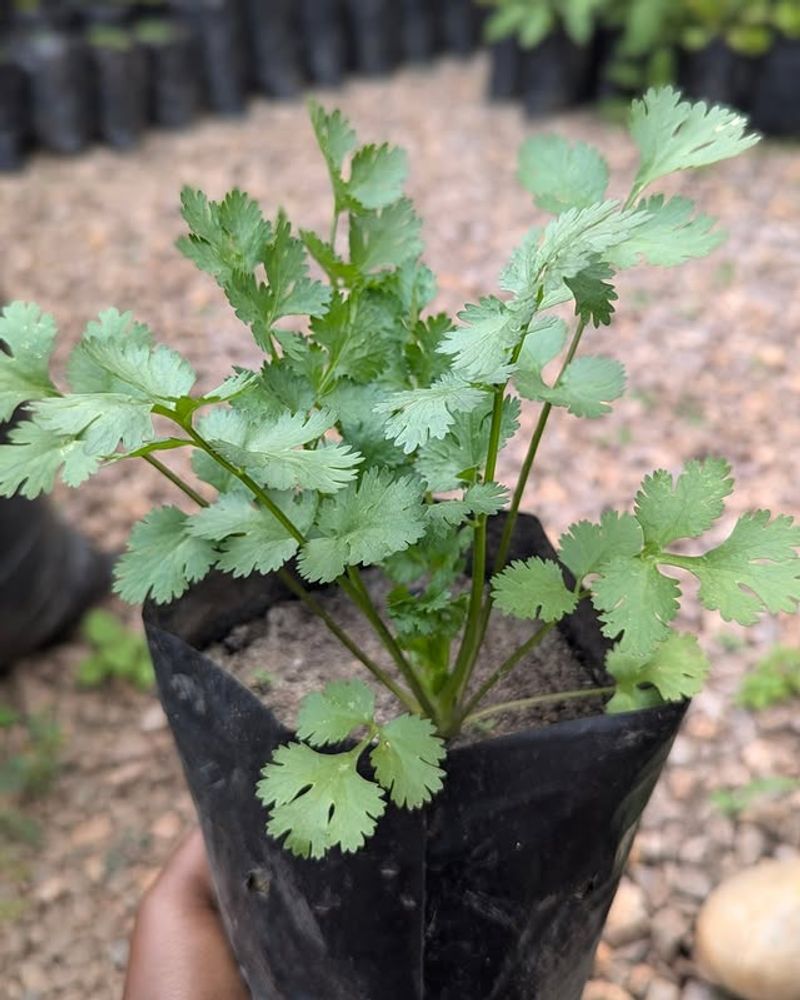
Cilantro has a unique flavor that people either love or hate, but those who enjoy it want fresh leaves available for cooking. This fast-growing herb does not like Florida heat, so timing your planting is important for success.
The seeds, called coriander, are also useful in cooking and baking.
Plant cilantro from seed in October or November when temperatures cool down. Choose a spot with morning sun and afternoon shade to extend the growing season.
Keep the soil consistently moist because dry conditions make cilantro bolt and go to seed quickly.
Harvest cilantro by cutting outer leaves when the plant reaches six inches tall. Use fresh leaves in salsa, guacamole, tacos, curry dishes, or Vietnamese pho.
The flavor fades quickly after cutting, so add cilantro to dishes right before serving for the best taste.
Florida gardeners can grow cilantro from October through March in most regions. Once temperatures climb above eighty-five degrees regularly, cilantro plants flower and stop producing good leaves.
Let a few plants go to seed and collect the coriander seeds for cooking or for planting your next crop when cool weather returns in autumn.
9. Lemongrass Adds Bright Citrus Flavor
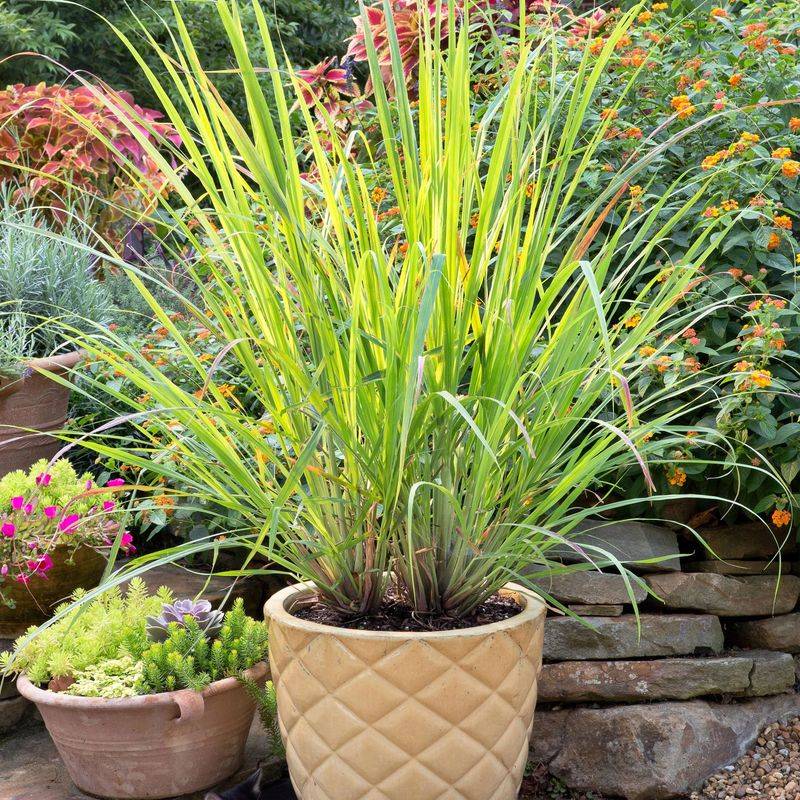
Lemongrass grows into tall, dramatic clumps that look like ornamental grass but smell amazing when you brush against the leaves. This tropical herb absolutely loves Florida’s climate and grows with almost no care once established.
The lemony flavor is essential in Thai and Vietnamese cooking.
Plant lemongrass in full sun where it has room to spread because mature clumps can reach three feet wide. This herb tolerates Florida’s summer rain and humidity better than most.
Water during dry spells, but established plants handle drought surprisingly well.
Harvest lemongrass by cutting stalks at ground level when they reach about half an inch thick at the base. Peel away the tough outer layers to reach the tender white part inside, which has the most flavor.
Use lemongrass in curry paste, soups like tom yum, stir fries, or steep it in hot water for refreshing tea.
Florida’s warm climate lets lemongrass grow year round in central and south regions. North Florida gardeners might see plants go dormant in winter, but they return when spring arrives.
Divide large clumps every few years to keep plants vigorous and share extras with friends who want to start growing this useful herb.