Florida Trees You Should Never Prune In April
Ever feel that sudden urge to grab the pruning shears as soon as the Florida spring breeze hits?
While those fresh green leaves and bursts of color make it tempting to tidy up, your enthusiasm might actually be doing more harm than good.
In the Sunshine State, April is a high-stakes month for tree care. Many of our local favorites are right in the middle of active growth cycles or finishing their big spring show.
One wrong snip right now can stress branches, invite pests, and cost you next year’s flowers.
Knowing which trees to leave completely alone this month is the secret to a healthy, stunning landscape that thrives all year long.
1. Oak Trees Should Not Be Pruned During Active Spring Growth
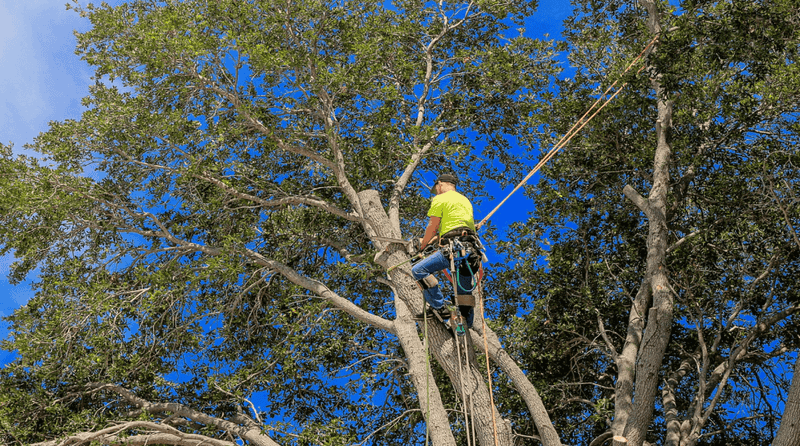
Florida live oaks are some of the most iconic trees in the state, and April is one of the worst times to pull out the pruning saw on them. During spring, oaks push out fresh new growth rapidly, and their vascular systems are working overtime to support that surge.
Pruning during this active period creates open wounds that attract sap beetles, which are known carriers of the fungus responsible for oak wilt.
Oak wilt is a serious concern in many parts of Florida, and fresh pruning cuts in spring give beetles the perfect entry point. The disease spreads through root connections between nearby oaks, so one infected tree can put surrounding trees at risk as well.
Waiting until late summer or winter, when the tree is no longer in active growth, greatly reduces that vulnerability.
Experts often recommend pruning oaks during the dormant season to lower the chance of pest and disease problems.
If a branch is hazardous and must be removed in spring, applying a wound sealant immediately after cutting can help reduce exposure.
For routine shaping and maintenance, though, patience through April and into the slower-growth months is a much smarter approach.
Healthy oaks that are pruned at the right time tend to recover faster and maintain their strong, sweeping canopy that Florida landscapes are known for.
2. Magnolia Pruning In April Can Reduce Seasonal Blooms
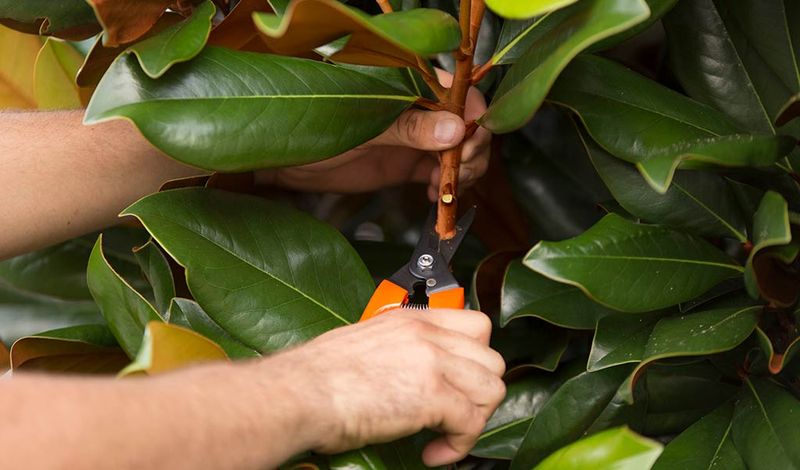
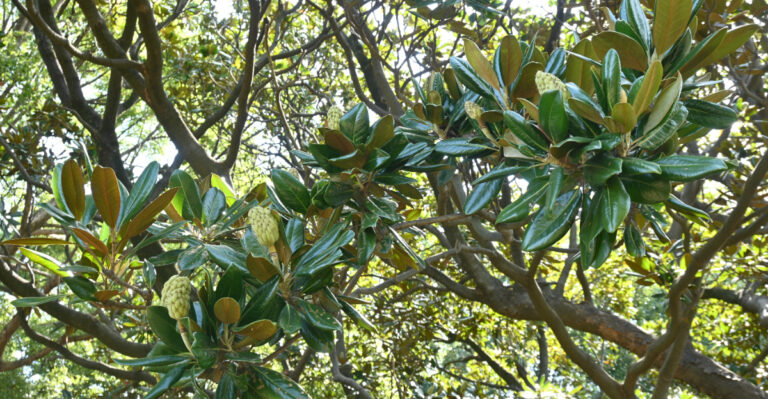
Few sights in a Florida yard are as stunning as a Southern magnolia covered in large, creamy white flowers.
Magnolias in Florida often reach their peak bloom period around late winter through early spring, and April catches many of them right at the tail end of that flowering window.
Pruning too close to or during this period can remove developing buds and interrupt the natural bloom cycle.
Magnolias set their flower buds on wood from the previous season, which means any branch removed in April could have been carrying buds that would have opened in the coming weeks.
Homeowners sometimes notice fewer flowers the following spring without realizing that an ill-timed trim was the cause.
The frustration is understandable, especially when the pruning looked clean and well-intentioned at the time.
For the best results, magnolias in Florida should be pruned shortly after their main flowering period wraps up, typically in late spring or early summer.
Your Florida Garden Changes Every Week. Your Plan Should Too.
Gardening in Florida changes quickly throughout the season. Every Friday you’ll receive a simple weekly plan showing exactly what to plant, prune, fertilize, harvest, and protect so you never miss the right timing.
Light shaping at that point allows the tree to direct its energy into new growth that will support next season’s blooms.
Removing crossing branches, damaged limbs, or overly dense sections is perfectly reasonable, but waiting until flowers have fully faded makes a meaningful difference.
Florida’s long warm season gives magnolias plenty of recovery time after a well-timed pruning, and the reward the following spring is absolutely worth the wait.
3. Flowering Dogwood Loses Flowers When Pruned Too Late
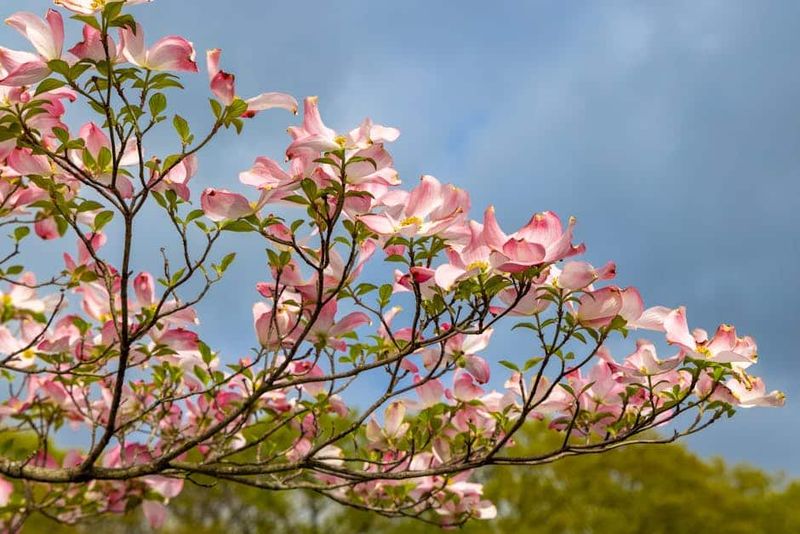
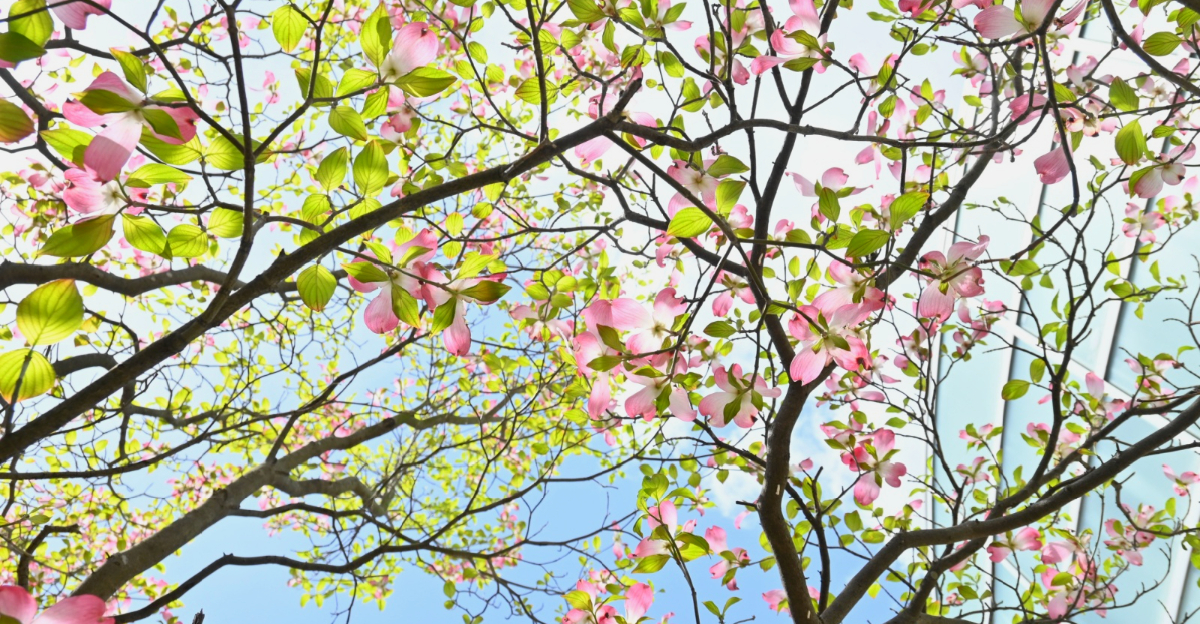
Flowering dogwoods have a delicate relationship with timing, and April is right in the middle of their most sensitive window. Dogwoods bloom on old wood, meaning the flower buds for the current season were actually formed the previous fall.
By April, those buds are either already open or just about to open, so any pruning done now has a real chance of removing the very flowers homeowners were hoping to enjoy.
In Florida, dogwoods can be a bit tricky to grow compared to their performance in cooler states, so protecting every bloom cycle matters even more.
Gardeners who have worked to establish a healthy dogwood in Florida’s climate understand how rewarding a good bloom season can feel.
Losing that display to a mistimed trim is an easy mistake that is just as easy to avoid.
The right time to prune a flowering dogwood is shortly after it finishes blooming, which in Florida may happen anywhere from late March through early May depending on the specific variety and local conditions.
Pruning in that post-bloom window gives the tree the entire growing season to develop new branches and set fresh buds for the following year.
Keeping cuts minimal and focused on removing crowded or crossing branches also helps the tree maintain its naturally graceful shape.
Dogwoods that receive thoughtful, well-timed care tend to reward Florida gardeners with increasingly impressive floral displays year after year.
4. Jacaranda Pruning Can Affect Spring And Summer Blooms
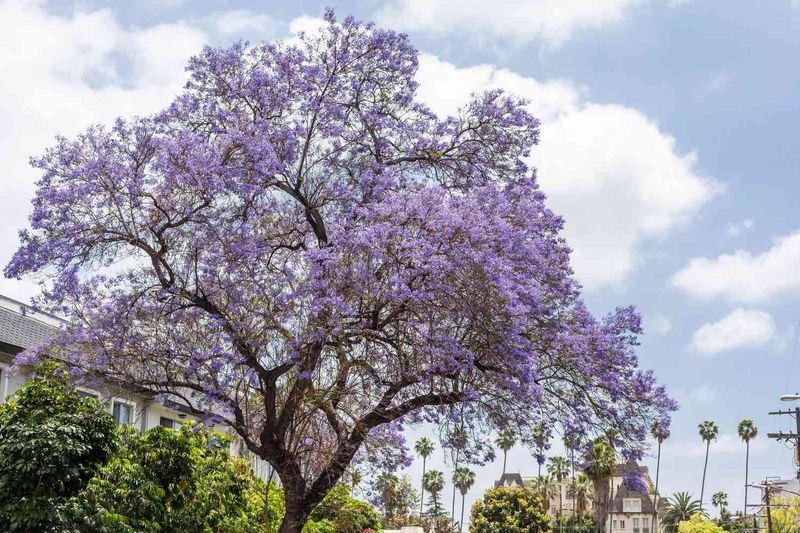
Anyone who has driven through a Florida neighborhood in late spring and spotted a jacaranda in full bloom knows just how breathtaking these trees can be.
Their clusters of purple-blue flowers are one of Florida’s most recognizable seasonal spectacles, typically arriving between April and June.
Pruning a jacaranda in April puts those blooms directly at risk, since the tree is either already in bud or just beginning to open its flowers at that point in the season.
Jacarandas bloom on wood that grew during the previous season, so heavy pruning in spring removes the branches most likely to carry this year’s flower display.
Homeowners who prune for shape or size control in April often find that their tree skips its bloom season or produces noticeably fewer flowers.
Given how much anticipation surrounds a jacaranda’s annual show in Florida, that outcome is a real disappointment.
Pruning jacarandas is most effective right after the main bloom period wraps up, which in Florida usually means late spring to early summer.
At that point, light trimming to manage size, remove weak branches, or improve the overall structure is reasonable and unlikely to impact next year’s flowering.
Jacarandas are relatively low-maintenance trees once established in Florida’s climate, and they thrive with minimal interference during their active growth and bloom periods.
Letting them do their thing in April and May is one of the simplest ways to enjoy their full seasonal potential.
5. Tabebuia Pruning Can Disrupt Its Seasonal Flowering
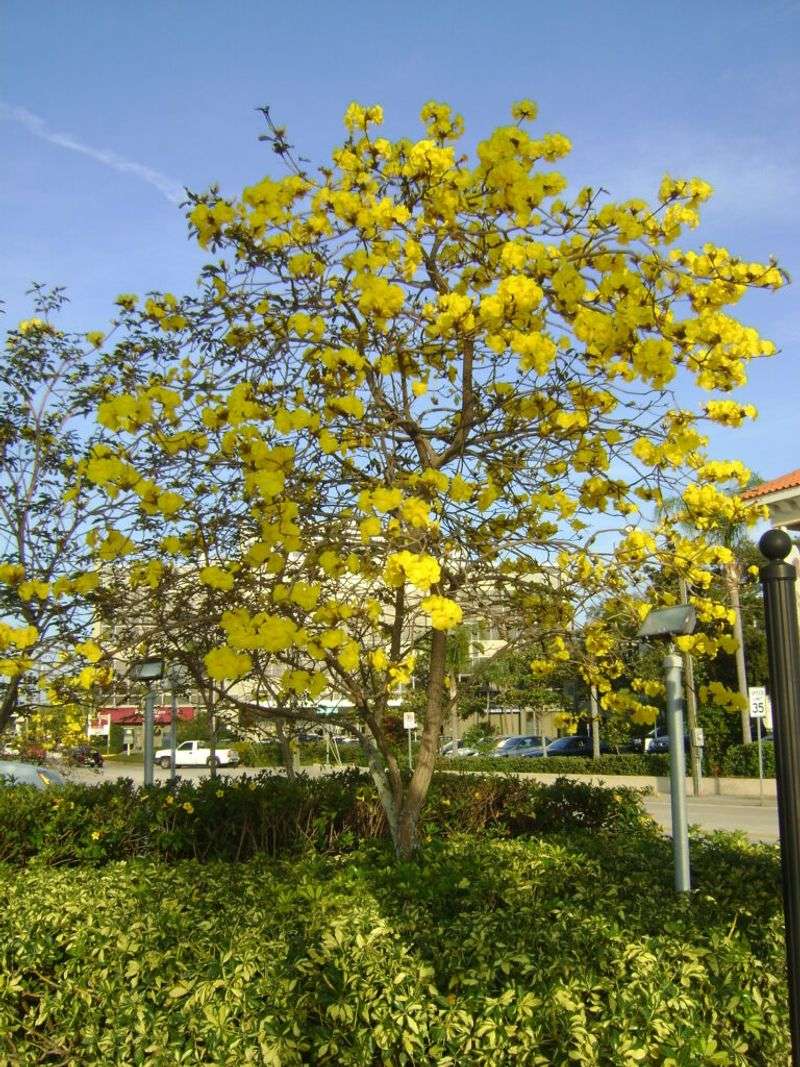
Tabebuia trees are something of a Florida phenomenon. For a brief and spectacular period in late winter to early spring, these trees drop all their leaves and burst into clouds of pink or yellow trumpet-shaped flowers that seem almost unreal against the Florida sky.
By April, some varieties are finishing their bloom while others may still be in the middle of it, making this one of the most important months to keep pruning tools away from them.
Cutting into a tabebuia during or right after its bloom period in April can remove the branch tips that would otherwise support new foliage and the following season’s flower buds.
Tabebuias tend to set buds on the tips of mature branches, so aggressive trimming at this stage can significantly reduce next year’s floral output.
Many Florida homeowners are surprised to learn that a tree looking this dramatic actually requires so little intervention to perform well.
Waiting until the tree has fully leafed out after blooming, typically in late spring or early summer, is the most appropriate time for any shaping or maintenance cuts.
At that stage, it becomes much easier to see the tree’s natural structure and identify which branches actually need attention.
Tabebuias are relatively tough once established in Florida’s climate, tolerating heat and occasional drought without much fuss.
Respecting their bloom cycle by holding off on pruning through April is a straightforward way to protect their most impressive seasonal display.
6. The Importance Of Proper Pruning Timing In Florida
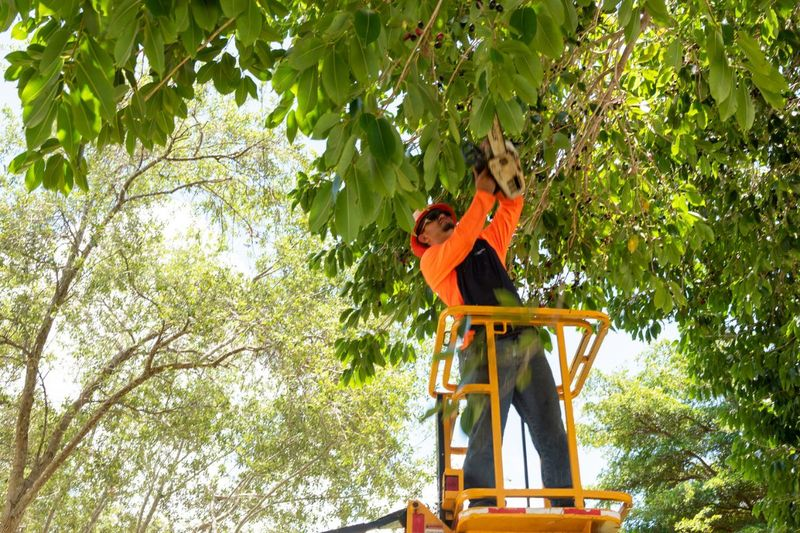
Timing plays a major role in how trees respond to pruning in Florida, especially in April when many species are already in active growth or beginning to flower.
Cutting at the wrong time can reduce blooms, disrupt natural growth patterns, and lead to uneven or excessive leafy growth.
Many flowering trees form their buds well before spring, so pruning in April can remove those buds before they have a chance to open. Florida’s warm, humid conditions can also make fresh cuts more vulnerable during this active season.
Because of this, many trees are better pruned either during dormancy or right after they finish blooming.
Understanding each tree’s growth cycle and bloom timing helps you avoid unnecessary stress and supports healthier structure and more consistent seasonal performance.
It also helps maintain the natural shape of the tree, which can be affected by poorly timed cuts.
Taking a more careful approach in April can make a noticeable difference in how your trees look and perform through the rest of the year.
In many cases, waiting just a few weeks can lead to better results with less effort. Paying attention to seasonal cues, like new growth and bud development, can guide smarter pruning decisions.