11 Breathtaking Native Flowers That Define South Florida Landscapes
South Florida gardens burst with color when native flowers take center stage. Strong roots thrive in blazing sun, sandy soil, salty air, and heavy summer rains without fuss.
Bright blooms draw butterflies, hummingbirds, and bees, turning simple yards into vibrant living spaces full of motion and life. Many imported plants struggle in Florida heat, yet native flowers flourish with little water, almost no fertilizer, and very little care.
Natural beauty meets resilience in landscapes built on plants that belong here. Get ready to explore the wild beauty that shapes South Florida gardens.
Stunning native flowers paint the landscape with bold color, support local wildlife, and thrive in the toughest conditions the Sunshine State delivers.
Take a look and see how many you recognize from your own neighborhood.
1. Firebush Brings Year Round Tropical Color
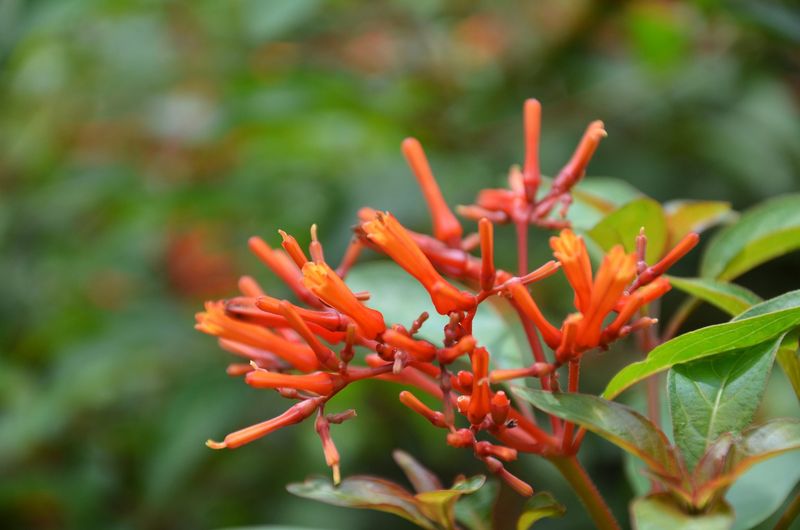
Gardeners across South Florida celebrate firebush as one of the most reliable bloomers you can plant. Clusters of bright red tubular flowers appear continuously from spring through fall, sometimes even during mild winters.
Hummingbirds cannot resist these nectar-rich blossoms, often visiting multiple times each day.
This versatile shrub grows anywhere from three to fifteen feet tall depending on how you prune it. Full sun locations produce the most flowers, though firebush tolerates partial shade reasonably well.
Sandy soil drains quickly, which suits this plant perfectly since it dislikes soggy roots.
Butterflies join hummingbirds at firebush flowers throughout warm months. Small black berries follow the blooms, attracting songbirds that feast on the nutritious fruit.
Cold snaps may damage tender growth, but established plants bounce back quickly when temperatures warm.
Pruning keeps firebush shaped nicely as a hedge or allows it to grow more naturally as a specimen plant. Water newly planted firebush regularly for the first few months, then reduce watering as roots establish.
Salt tolerance makes this native perfect for coastal gardens where ocean breezes carry salty mist inland.
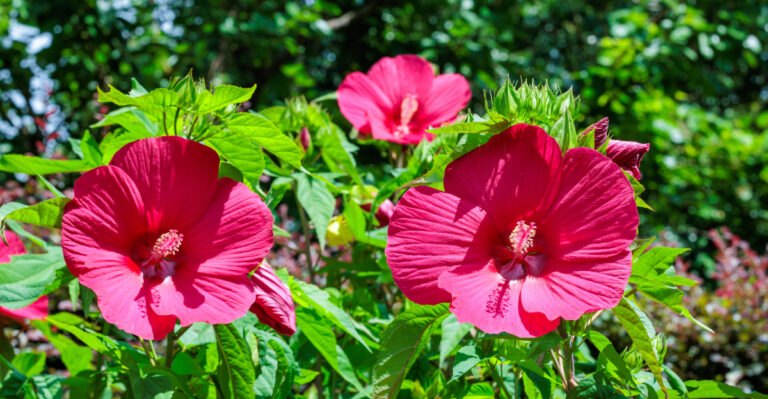
2. Scarlet Hibiscus Stuns With Bold Red Blooms
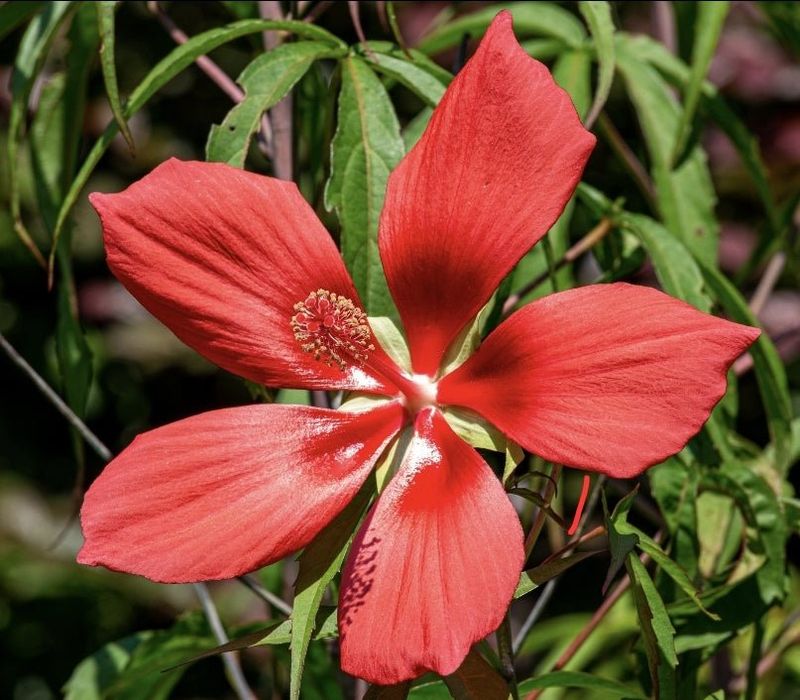
Few flowers command attention like the dinner-plate-sized blooms of scarlet hibiscus. Each crimson flower stretches four to six inches across, displaying five overlapping petals around a prominent golden stamen.
Morning sunshine brings out the deepest red tones, making early hours the best time to admire these spectacular flowers.
Native to coastal areas and wetland edges throughout South Florida, scarlet hibiscus adapts well to typical garden conditions. Plants grow into large shrubs reaching eight to twelve feet tall and equally wide.
Glossy green leaves provide attractive foliage even when flowers take brief rests between blooming cycles.
Butterflies and bees visit scarlet hibiscus throughout the day, gathering nectar and pollen. Each individual flower lasts only one day, but plants produce new blooms constantly during warm weather.
Regular watering keeps plants healthy and flowering abundantly, especially during dry spells.
Salt spray from ocean breezes does not bother scarlet hibiscus, making it excellent for beachside properties. Pruning after major bloom cycles encourages bushier growth and more flowering branches.
This tough native handles South Florida summers without complaint, continuing to bloom when many other plants struggle with heat.
Your Florida Garden Changes Every Week. Your Plan Should Too.
Gardening in Florida changes quickly throughout the season. Every Friday you’ll receive a simple weekly plan showing exactly what to plant, prune, fertilize, harvest, and protect so you never miss the right timing.
3. Tropical Sage Lights Up The Garden With Native Charm
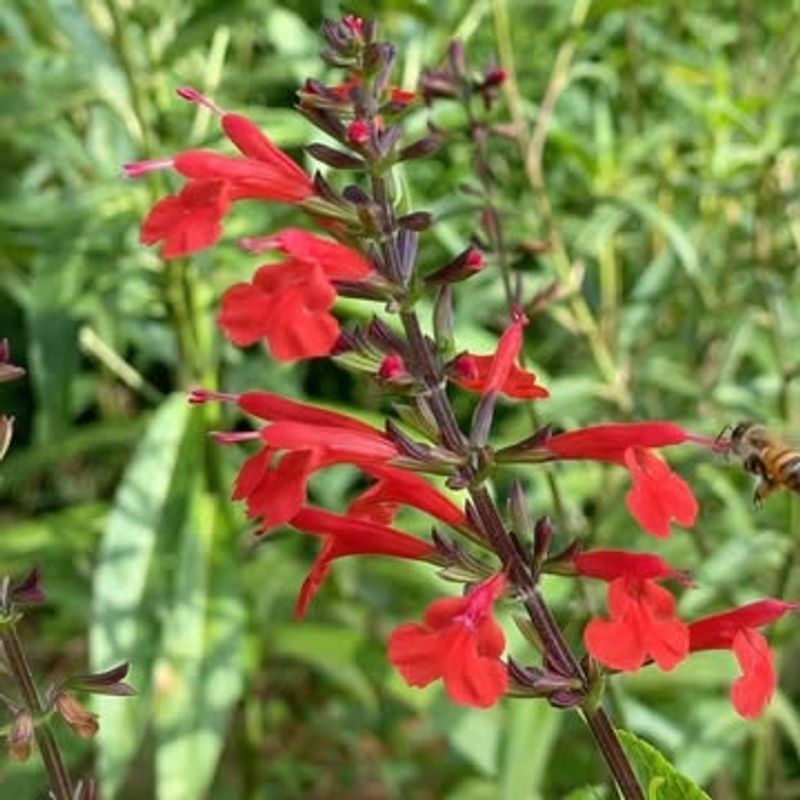
Bright red flower spikes rise above tropical sage foliage almost year-round in South Florida gardens. Each spike holds dozens of small tubular blooms that butterflies absolutely adore.
Hummingbirds zip between plants, hovering at flowers to sip sweet nectar hidden deep inside each blossom.
This easy-going native grows two to four feet tall, spreading slowly to form attractive clumps. Aromatic leaves release a pleasant scent when brushed against, adding sensory interest beyond visual beauty.
Full sun produces the most flowers, though plants tolerate light shade without much reduction in blooming.
Drought tolerance improves dramatically once tropical sage establishes strong roots. Young plants need regular watering, but mature specimens handle dry periods gracefully.
Sandy soils drain quickly, preventing root problems that plague many garden plants during rainy seasons.
Cutting back spent flower spikes encourages fresh growth and more blooms. Tropical sage rarely suffers from pest problems, making it wonderfully low maintenance.
Butterflies gather in impressive numbers when multiple plants grow together, creating a living butterfly garden. This native performs beautifully in containers, allowing apartment dwellers and those with small spaces to enjoy its charms.
4. Blanket Flower Adds Wild Sunny Color
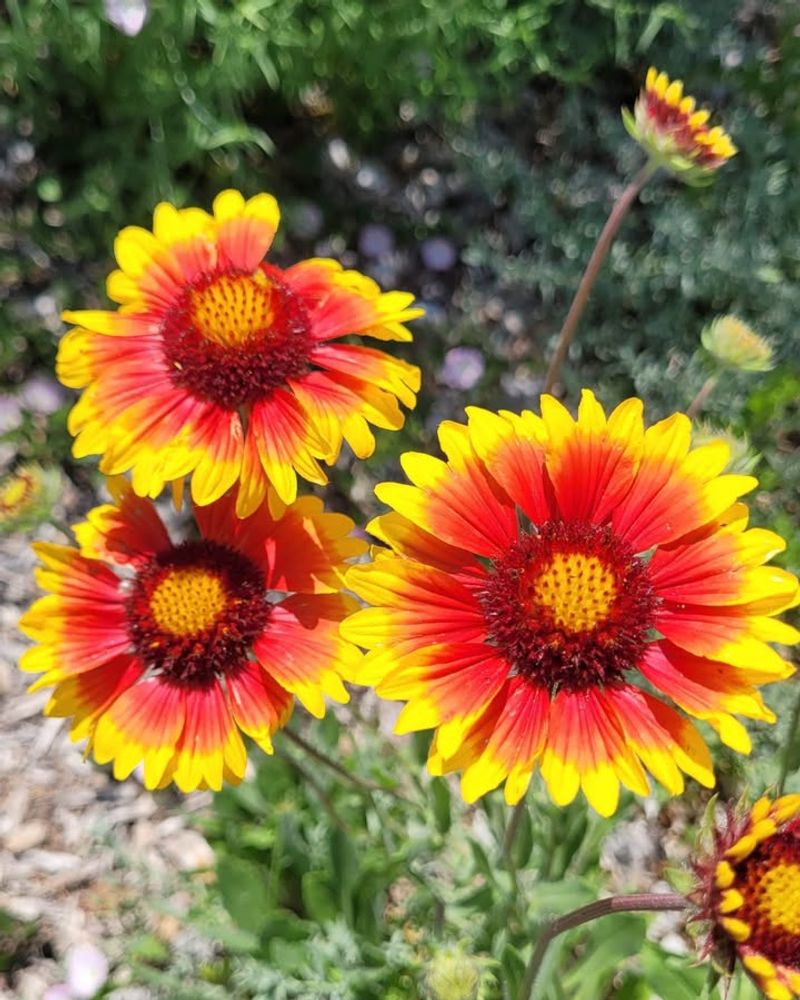
Cheerful daisy-like flowers in shades of red, orange, and yellow make blanket flower a favorite among South Florida gardeners. Each bloom features a dark red center surrounded by petals tipped in sunny yellow, creating a warm color combination that brightens any landscape.
Flowers appear on tall stems above low-growing foliage, swaying gently in coastal breezes.
Wild areas throughout South Florida host blanket flower naturally, showing how well this native handles local growing conditions. Plants thrive in poor sandy soil that would challenge many garden flowers.
Excellent drainage keeps roots healthy, while full sun exposure produces the most abundant blooming.
Butterflies visit blanket flower constantly, especially during peak blooming periods in spring and fall. Bees also appreciate these nectar sources, buzzing from flower to flower throughout sunny days.
Deadheading spent blooms extends flowering seasons and keeps plants looking tidy.
Heat tolerance makes blanket flower perfect for South Florida summers when temperatures soar. Once established, plants need minimal watering and no fertilizer to perform beautifully.
Salt tolerance allows blanket flower to thrive near beaches where salty air limits plant choices. This tough native reseeds readily, creating natural-looking drifts of color without any effort from gardeners.
5. Beach Sunflower Spreads Bright Coastal Cheer
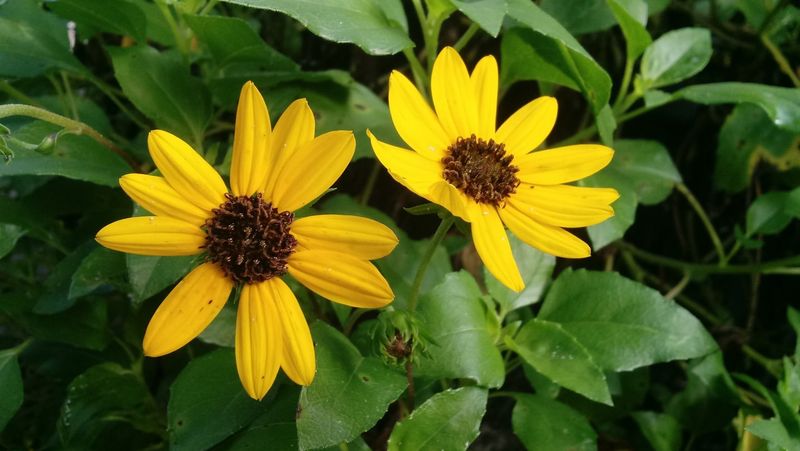
Golden yellow flowers cover beach sunflower plants nearly year-round along South Florida coastlines. Each cheerful bloom resembles a small sunflower, measuring two to three inches across.
Plants grow low and spreading, forming attractive groundcovers that stabilize sandy soils while looking beautiful.
Dunes and beach edges host wild beach sunflower naturally, demonstrating exceptional salt tolerance. Ocean spray and salty winds that damage many plants do not bother this tough native.
Roots spread underground, helping hold sand in place during storms while allowing plants to colonize new areas.
Full sun and sandy soil create ideal growing conditions for beach sunflower. Drought tolerance improves as plants mature, requiring little to no supplemental watering once established.
Butterflies and native bees visit flowers regularly, making beach sunflower valuable for pollinator gardens.
Stems trail along the ground, rooting at nodes to form dense mats of foliage. Glossy green leaves provide attractive groundcover between blooming cycles.
Beach sunflower works beautifully cascading over retaining walls or spreading across open sandy areas. This native asks for almost nothing while giving constant color and helping protect fragile coastal ecosystems.
South Florida gardeners near the ocean find beach sunflower indispensable for challenging beachfront locations.
6. Twinflower Creates A Soft Native Groundcover
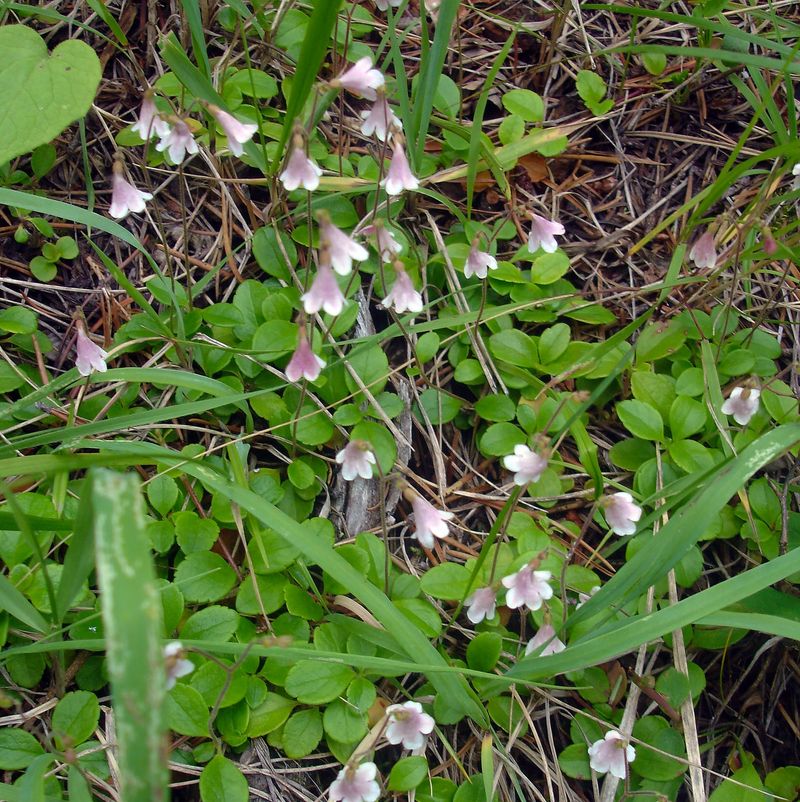
Delicate pink tubular flowers appear in pairs on twinflower plants, explaining this native’s charming common name. Low-growing stems spread across the ground, creating soft carpets of foliage dotted with blooms.
Small leaves stay green year-round, providing constant groundcover even during cooler winter months.
Shade-loving twinflower fills challenging spots under trees where many flowering plants struggle. Dappled sunlight filtering through tree canopies provides ideal lighting conditions.
Moist soil suits twinflower best, though plants tolerate brief dry periods once roots establish firmly.
Butterflies find twinflower blooms irresistible despite their small size. Numerous flowers compensate for modest individual bloom dimensions, creating colorful displays when plants grow in masses.
Blooming occurs sporadically throughout the year, with heaviest flowering during warmer months.
This well-behaved native spreads slowly, never becoming invasive or overwhelming nearby plants. Stems root where they touch soil, gradually expanding coverage areas.
Twinflower works beautifully edging shaded pathways or filling spaces between larger shrubs. South Florida gardeners appreciate how twinflower solves the common problem of bare ground in shady areas.
Minimal maintenance requirements make this groundcover perfect for busy people wanting attractive landscapes without constant upkeep demands. Mulching around plants helps retain soil moisture and keeps roots cool during hot weather.
7. Blue Porterweed Keeps Butterflies Coming Back
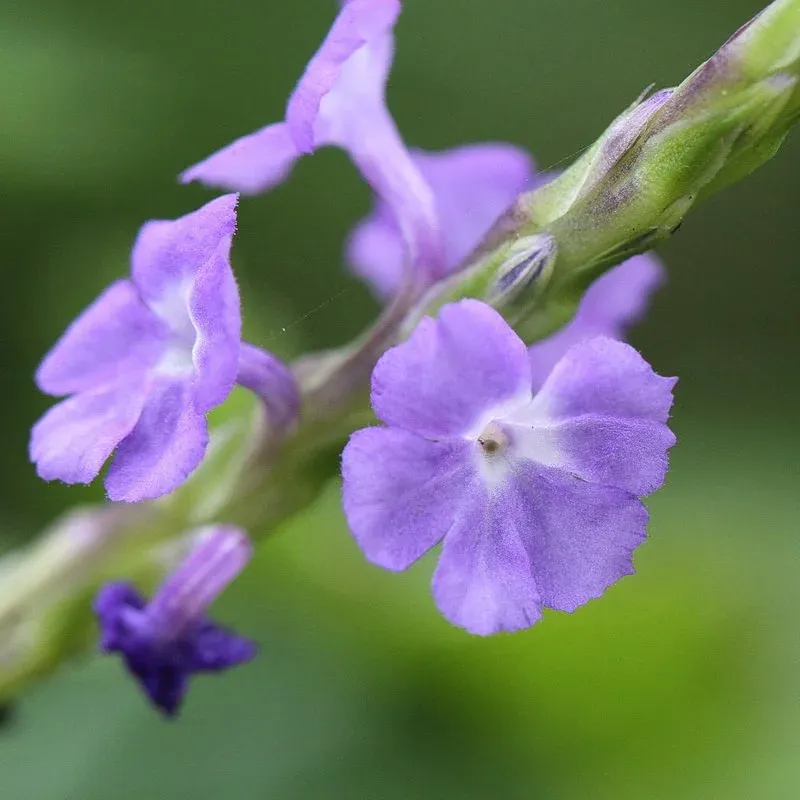
Purple-blue flower spikes rise above blue porterweed foliage like tiny floral skyscrapers. Butterflies mob these blooms from dawn until dusk, making blue porterweed essential in wildlife gardens.
Each spike holds numerous small flowers that open progressively from bottom to top, providing nectar sources for weeks.
Fast-growing plants reach three to six feet tall, forming substantial shrubs quickly. South Florida’s warm climate allows blue porterweed to bloom nearly continuously, with only brief pauses during coolest winter weeks.
Full sun produces the most flowers, though plants accept partial shade gracefully.
Hummingbirds join butterflies at blue porterweed flowers, creating amazing wildlife viewing opportunities. Watching multiple species interact around these plants provides endless entertainment.
Regular pruning keeps plants compact and encourages more flowering branches to develop.
Sandy soil drains quickly, preventing root rot problems that affect many garden plants. Blue porterweed tolerates drought well once established, though occasional watering during extended dry spells helps maintain peak blooming.
This native reseeds moderately, allowing gardeners to share seedlings with friends or transplant volunteers to new locations. Salt tolerance makes blue porterweed suitable for coastal gardens.
Cutting fresh flower spikes for indoor arrangements brings butterfly garden beauty inside homes while encouraging plants to produce more blooms outdoors.
8. Swamp Milkweed Supports Monarch Magic
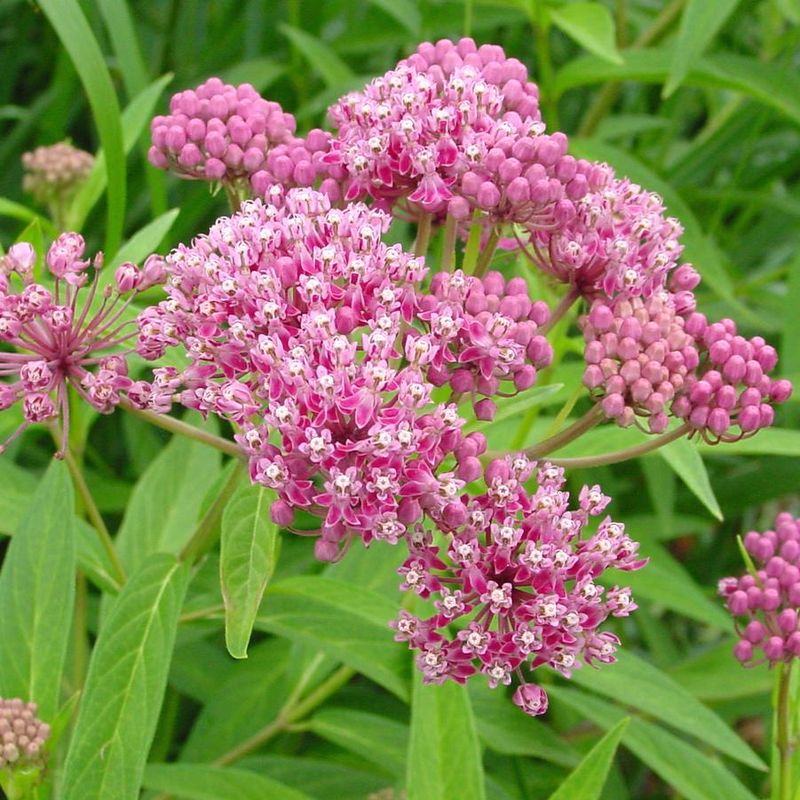
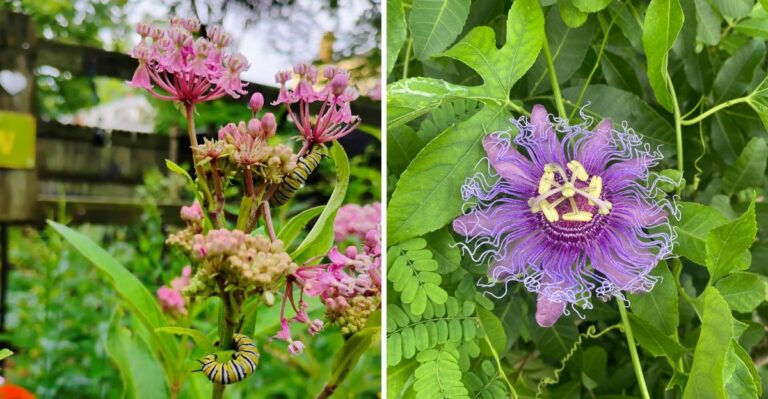
Clusters of pink flowers crown swamp milkweed stems during spring and summer blooming seasons. Monarch butterflies depend on milkweed plants for survival, laying eggs only on milkweed leaves.
Watching monarch caterpillars munch leaves before forming chrysalises provides fascinating educational opportunities for children and adults alike.
Native to wet areas throughout South Florida, swamp milkweed adapts surprisingly well to typical garden conditions. Plants grow three to four feet tall, forming upright clumps of narrow leaves.
Moist soil produces the healthiest plants, though swamp milkweed tolerates average garden watering schedules reasonably well.
Butterflies beyond monarchs also visit swamp milkweed flowers for nectar. Bees buzz around blooms, gathering pollen and nectar throughout warm sunny days.
Planting swamp milkweed helps support declining monarch populations, making gardeners active participants in conservation efforts.
Full sun locations produce the most flowers and support more caterpillars. Leaves may look ragged when caterpillars feed heavily, but plants recover quickly and regrow fresh foliage.
Seed pods split open in fall, releasing seeds attached to silky white floss that floats on breezes. Collecting seeds before they disperse allows gardeners to start new plants or share seeds with friends interested in supporting monarchs.
South Florida gardeners treasure swamp milkweed for its wildlife value and beautiful flowers.
9. Seaside Goldenrod Glows Along Sunny Shores
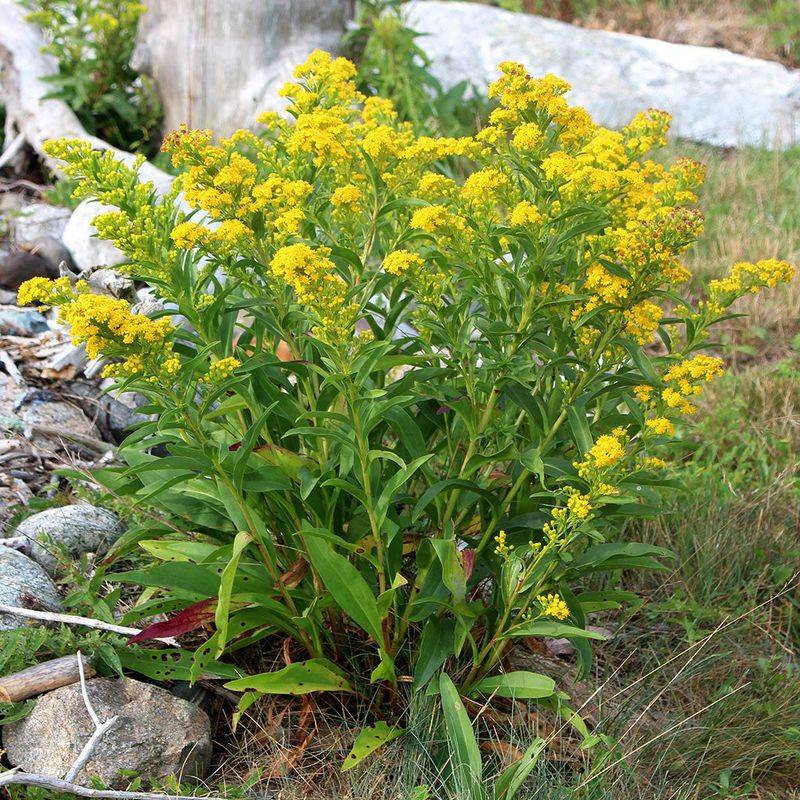
Bright yellow flower plumes top seaside goldenrod stems in fall, creating golden waves across coastal landscapes. Each plume contains hundreds of tiny flowers that butterflies find irresistible.
Late-season blooming provides crucial nectar sources when many other flowers have finished for the year.
Coastal areas throughout South Florida host wild seaside goldenrod naturally, showing exceptional adaptation to challenging beach conditions. Salt spray, sandy soil, and intense sun create harsh environments that many plants cannot tolerate.
Seaside goldenrod thrives under these conditions, asking for nothing while providing beauty and wildlife value.
Contrary to popular belief, goldenrod does not cause allergies since its pollen is too heavy to become airborne. Ragweed blooming simultaneously causes allergic reactions, while innocent goldenrod gets blamed unfairly.
Butterflies, bees, and other beneficial insects appreciate goldenrod flowers immensely.
Plants grow two to four feet tall, forming attractive clumps that expand slowly over time. Drought tolerance makes seaside goldenrod perfect for water-wise landscapes.
This native requires zero fertilizer and minimal attention once established. Cutting back plants after flowering keeps them tidy and encourages bushier growth the following season.
South Florida gardeners value seaside goldenrod for brightening fall gardens when summer heat finally moderates and outdoor activities become more pleasant.
10. Tickseed Shines With Classic Florida Yellow
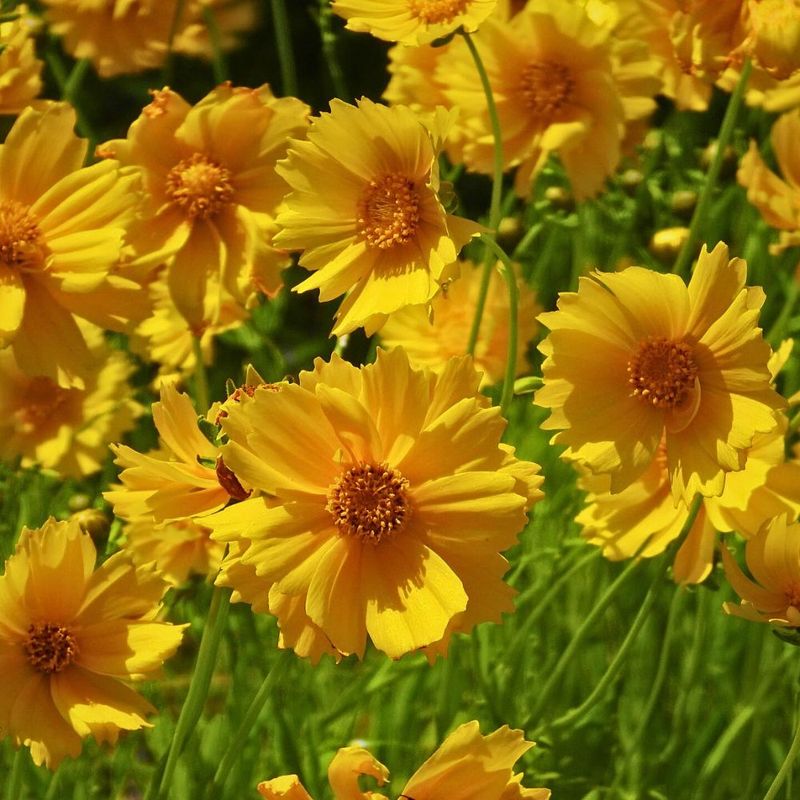
Bright yellow daisy-like flowers dance on thin stems above tickseed foliage throughout spring and summer. Each cheerful bloom measures one to two inches across, creating sunny displays that lift spirits.
Flowers appear in such abundance that foliage nearly disappears beneath golden blankets of blooms during peak flowering.
Wild areas across South Florida showcase tickseed naturally, demonstrating how perfectly this native suits local conditions. Sandy soil and full sun create ideal growing environments.
Tickseed tolerates drought remarkably well, continuing to bloom even during dry spells that stress many garden plants.
Butterflies and native bees visit tickseed flowers constantly, making this plant valuable in pollinator gardens. Birds eat tickseed seeds in fall, providing food sources for wildlife beyond insects.
Deadheading spent flowers extends blooming seasons, though allowing some seeds to mature feeds birds and provides seeds for starting new plants.
Low-growing foliage forms attractive mounds that work beautifully edging beds or filling spaces between larger plants. Tickseed reseeds readily, creating natural-looking drifts without becoming weedy or invasive.
This carefree native asks for almost nothing while giving months of color. South Florida gardeners appreciate how tickseed performs reliably year after year without requiring division, fertilization, or special care.
Combining tickseed with other natives creates beautiful wildflower gardens that support local ecosystems.
11. Pineland Lantana Blooms In True Native Style
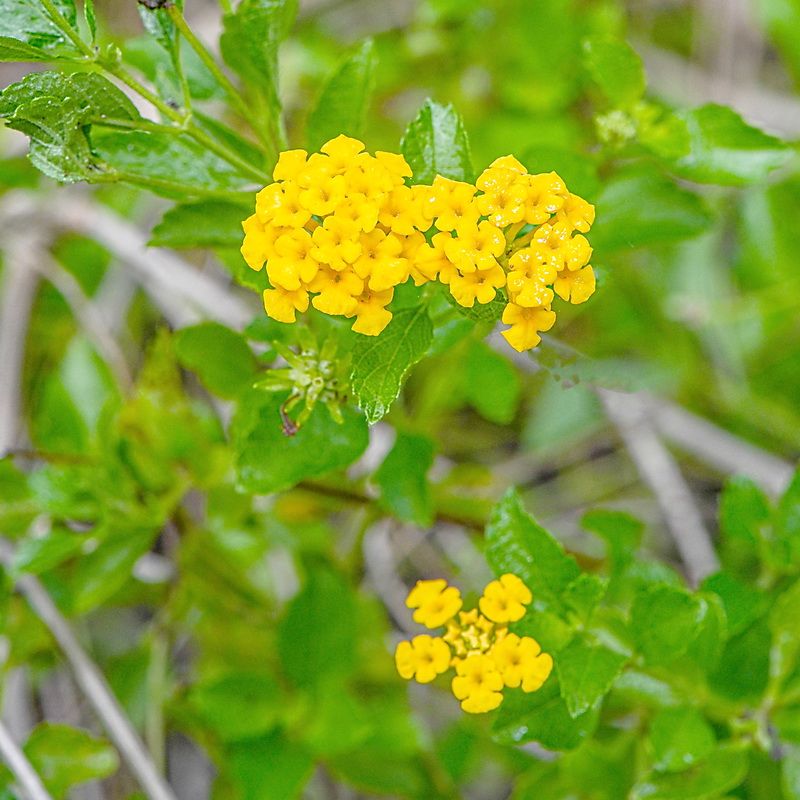
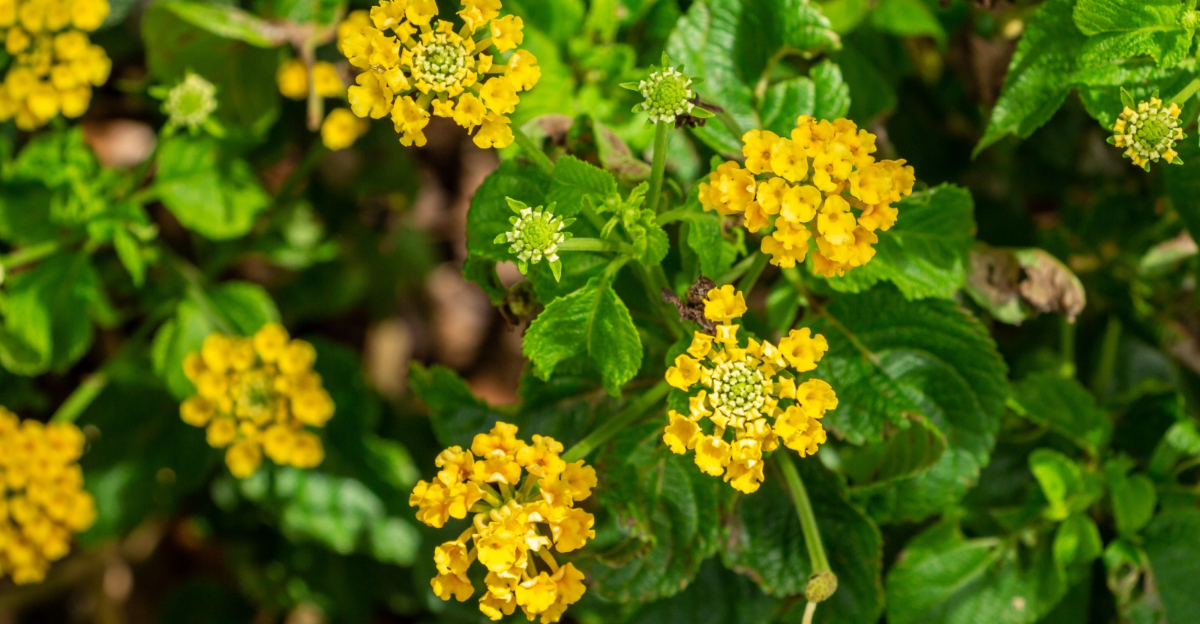
Clusters of yellow and orange flowers cover pineland lantana plants almost continuously in South Florida gardens. Each flower cluster contains numerous tiny blooms that butterflies adore.
Colors may vary slightly between plants, ranging from pure yellow to orange-yellow combinations that all look beautiful.
Pine flatwoods throughout South Florida host wild pineland lantana naturally, showing adaptation to sandy soils and seasonal flooding. Unlike its weedy exotic cousin, native pineland lantana behaves politely in gardens without becoming invasive.
Plants grow two to three feet tall, forming rounded shrubs that fit nicely into mixed borders.
Full sun produces the most flowers, though pineland lantana tolerates light shade reasonably well. Drought tolerance improves as plants mature, eventually requiring no supplemental watering except during extreme dry periods.
Salt tolerance makes this native suitable for coastal gardens where ocean breezes carry salty mist.
Butterflies gather in impressive numbers at pineland lantana flowers, creating living kaleidoscopes of color and movement. Bees also visit frequently, buzzing contentedly among blooms.
Berries follow flowers, attracting birds that feast on the small fruits. Pruning keeps plants shaped nicely and encourages fresh flowering growth.
This tough native handles South Florida heat without complaint, blooming reliably through long hot summers when many plants struggle. Combining pineland lantana with other natives creates beautiful wildlife gardens that support local ecosystems.