This Is Why Blueberries Are A Tough Grow For Many Florida Gardeners
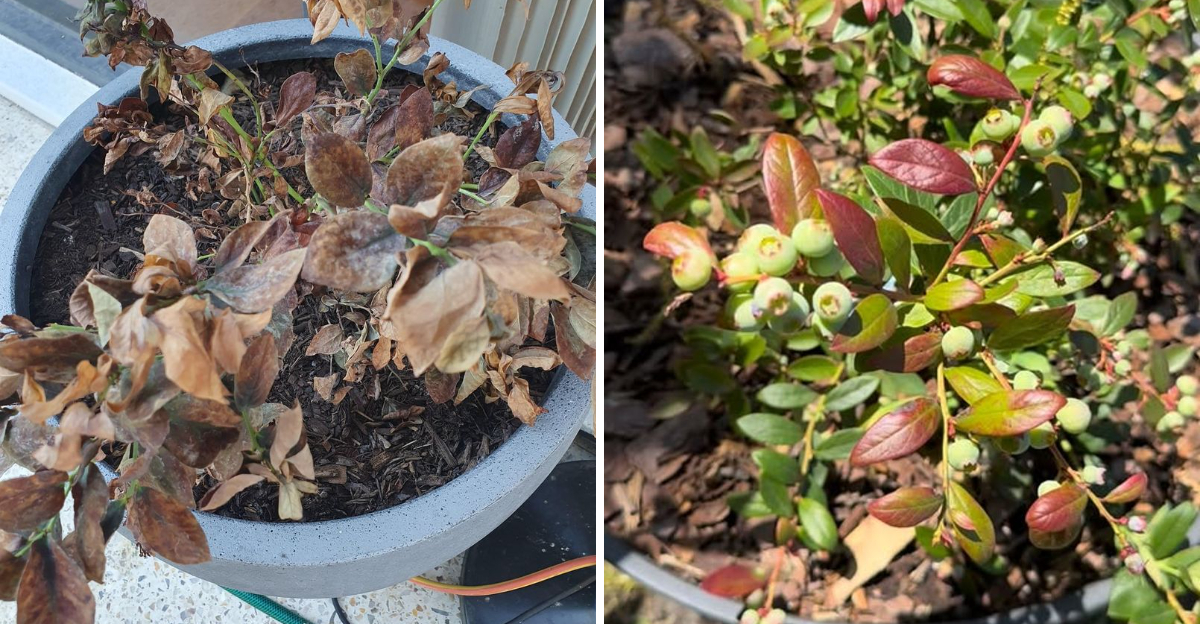
Florida gardeners can grow almost anything that loves heat, so blueberries sound like an easy win. A pretty shrub, sweet berries, spring flowers, fall color, what could go wrong?
Plenty, actually. Blueberries have a quiet way of humbling even experienced gardeners, especially in a state where the soil, weather, and timing do not always play nice.
One plant may leaf out just fine, another may sulk for months, and the harvest can feel more like a tease than a reward. The frustrating part?
Blueberries do not always look dramatic when something is off. They just grow slowly, produce poorly, or give up right when you expected baskets of fruit.
So why are they such a tricky crop in Florida, and what makes some gardeners succeed while others keep striking out? The answer starts below the surface and gets more interesting from there.
1. Blueberries Need Acidic Soil, Not Wishful Thinking
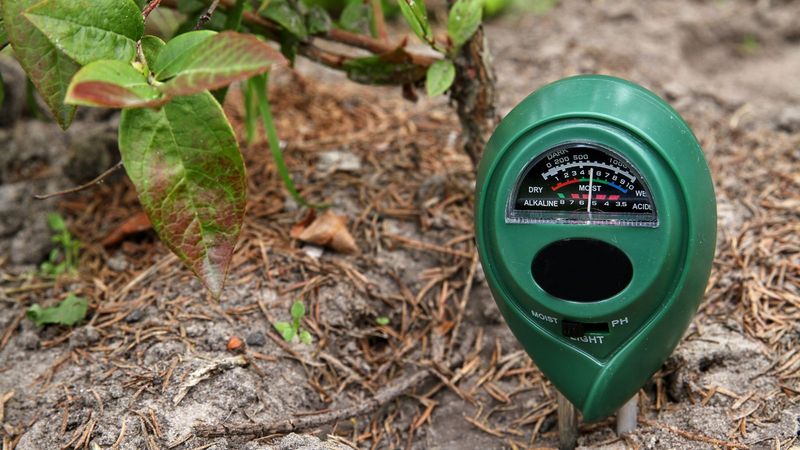
Soil pH is probably the single biggest reason blueberry plants fail to thrive in home gardens. Most yard soil in the Southeast sits at a pH that is too high for blueberries to absorb nutrients properly.
According to UF/IFAS, blueberries perform best in soil with a pH between 4.5 and 5.5. That range is much more acidic than what most common landscape shrubs prefer.
When the pH is off, the plant cannot take up iron and other nutrients even if those nutrients are present in the soil. You may see yellowing leaves, stunted growth, or very little new growth at all.
It can look like a fertilizer problem, but the real issue is that the soil chemistry is blocking nutrient uptake.
The fix starts before you ever put a plant in the ground. Get a soil test through your local UF/IFAS Extension office or a reliable lab.
The results will tell you exactly where your pH stands and how much amendment is needed. Sulfur is commonly used to lower pH, but it works slowly.
Applying it months before planting gives the soil time to adjust. Skipping this step is one of the most common mistakes new blueberry growers make.
2. The Wrong Variety Can Ruin The Harvest Before It Starts
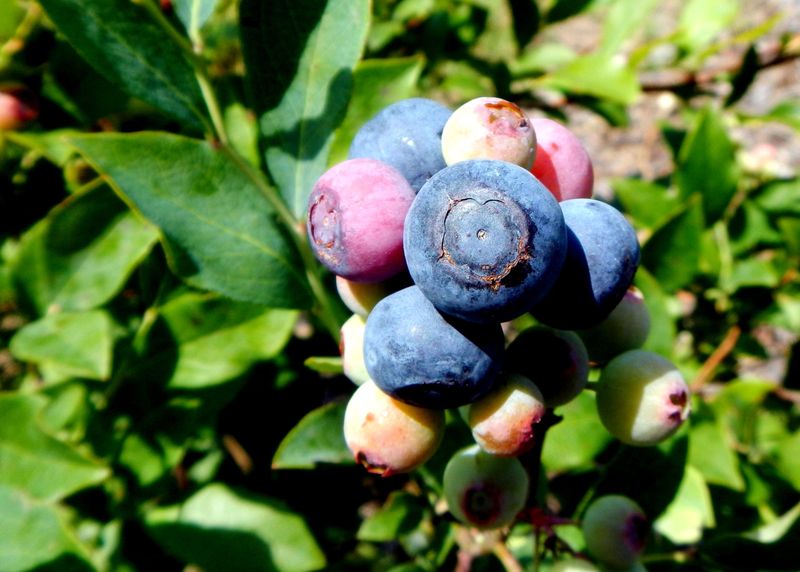
Not all blueberry plants are created equal, and choosing the wrong type for your region can set you up for disappointment before the first berry ever forms. There are two main types recommended for warm-climate gardens: southern highbush and rabbiteye.
Each one has different needs, different chill-hour requirements, and different preferred growing regions.
Southern highbush varieties are generally better suited for Central and South Florida gardens because they need fewer chill hours to flower and fruit.
Rabbiteye varieties tend to do better in northern parts of the state, where winters are cooler and chill hours are more reliable.
Planting a rabbiteye variety in a region that does not get enough cold nights can mean very little fruiting year after year.
UF/IFAS and EDIS publish cultivar recommendations that are based on actual regional performance data. Checking those resources before buying a plant can save you a lot of frustration.
Your Florida Garden Changes Every Week. Your Plan Should Too.
Gardening in Florida changes quickly throughout the season. Every Friday you’ll receive a simple weekly plan showing exactly what to plant, prune, fertilize, harvest, and protect so you never miss the right timing.
Garden centers do not always stock region-appropriate varieties, so it pays to ask questions or order from a reputable nursery that specializes in fruit crops.
Matching your variety to your specific location is one of the most practical steps you can take toward a successful harvest.
3. Chill Hours Matter More Than Many Gardeners Realize
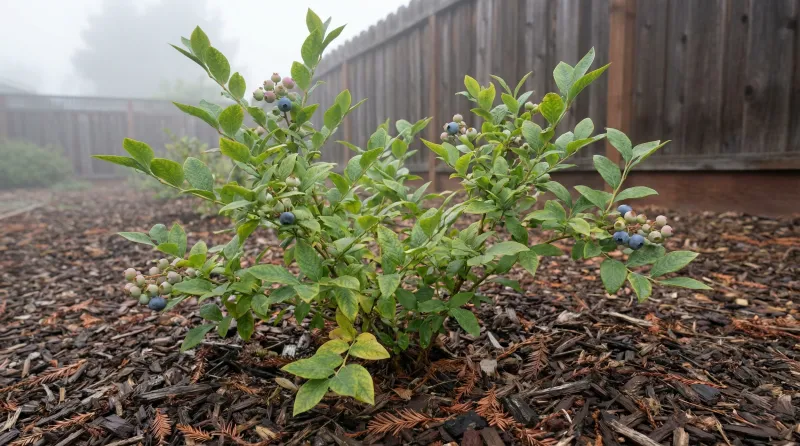
Chill hours refer to the number of hours a plant spends at temperatures between 32 and 45 degrees Fahrenheit during winter. Blueberries need a certain number of these hours to break dormancy, flower, and produce fruit.
If a variety does not get enough chill, it may leaf out poorly, bloom unevenly, or skip fruiting almost entirely.
The challenge is that chill-hour totals vary a lot depending on where you garden. The Panhandle gets significantly more chill hours than Central or South gardens.
That difference matters a great deal when selecting a blueberry variety. A variety that works beautifully in the northern part of the region may struggle near the coasts or in the southernmost areas.
UF/IFAS research has identified specific cultivars that perform well at different chill-hour levels. Matching your variety to your average winter chill is just as important as getting the soil right.
Many gardeners do not even know their average chill hours, which makes it easy to accidentally plant the wrong type. Your local UF/IFAS Extension office can provide chill-hour averages for your county.
That information alone can help you avoid a common blueberry mistake in warm-climate yards.
4. Soggy Roots Turn A Promising Planting Into A Struggle
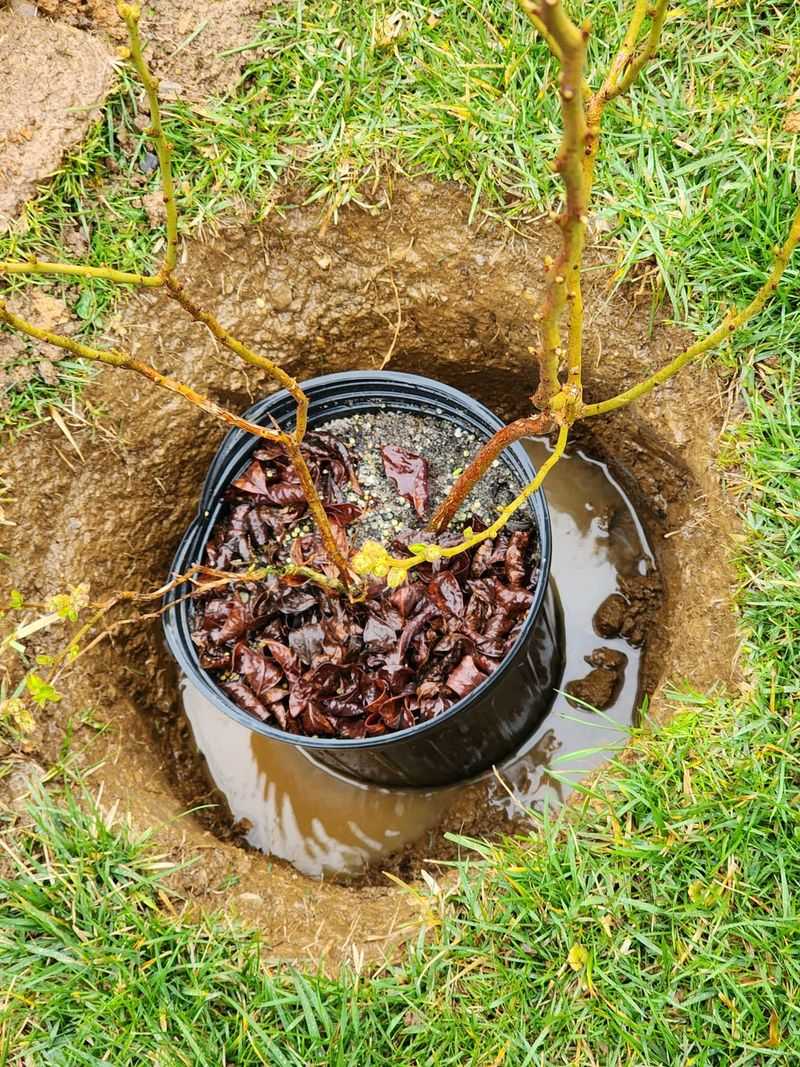
Blueberries have a reputation for liking moisture, and that is true to a point. They prefer consistently moist soil, but they absolutely do not tolerate standing water or poorly drained conditions.
Roots that sit in waterlogged soil for too long will begin to suffer, and the plant will show it through wilting, yellowing, and a general decline in health.
Many yards in the Southeast have soil that drains slowly, especially in low-lying areas or spots with a heavy clay layer beneath the surface. Even sandy soil can hold too much water in certain spots after heavy rain.
If your planting site stays wet for more than a day or two after rain, blueberries are going to have a hard time there.
Raised beds are one of the most practical solutions. Planting blueberries in a raised bed filled with a pine bark and acidic soil mix allows water to drain away from the roots while still keeping moisture available.
Containers are another option that gives you full control over drainage. UF/IFAS recommends pine bark beds as a reliable approach for home growers dealing with less-than-ideal native soil.
Getting the drainage right from the start protects your investment and gives the plant a much better chance to establish well.
5. Regular Yard Soil Often Works Against Blueberries
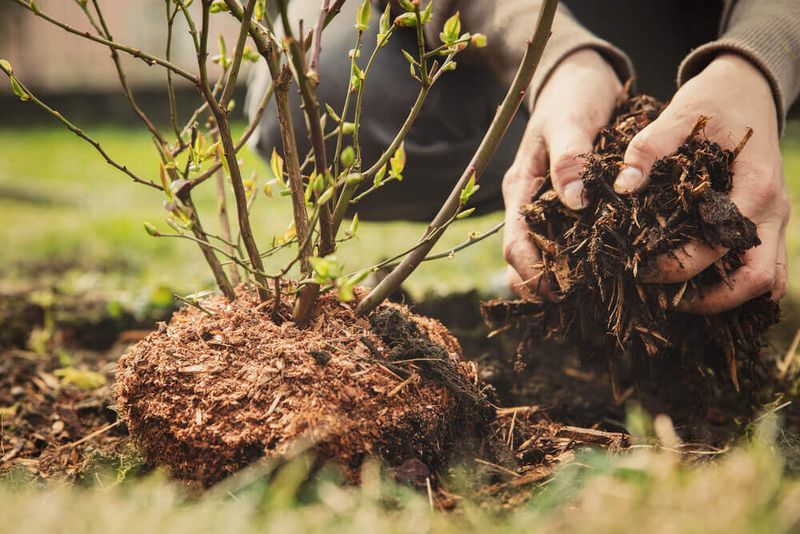
Most homeowners assume that if a plant is in the ground and getting water, the soil is probably fine. Blueberries challenge that assumption pretty quickly.
Standard yard soil often works against blueberries, especially in warm-climate regions. It may have high pH, low organic matter, and poor structure for their fibrous roots.
Unlike many common landscape shrubs that can adapt to a wide range of soil conditions, blueberries are picky. Their shallow, fine roots need loose, well-aerated, acidic soil that holds some moisture without becoming compacted.
Typical sandy or alkaline yard soil does not offer that combination naturally. Even soil that looks healthy to the eye may be working against a blueberry plant beneath the surface.
This is not a reason to give up. It is a reason to prepare.
Amending the planting area with pine bark, peat moss, or other acidifying organic materials can make a real difference. UF/IFAS Extension resources explain how to build a suitable planting environment even when native soil is not cooperating.
Knowing your yard soil will likely need work helps you start with realistic expectations. It also gives you a solid plan instead of hoping the plant figures it out.
6. Pine Bark And Organic Matter Make A Real Difference
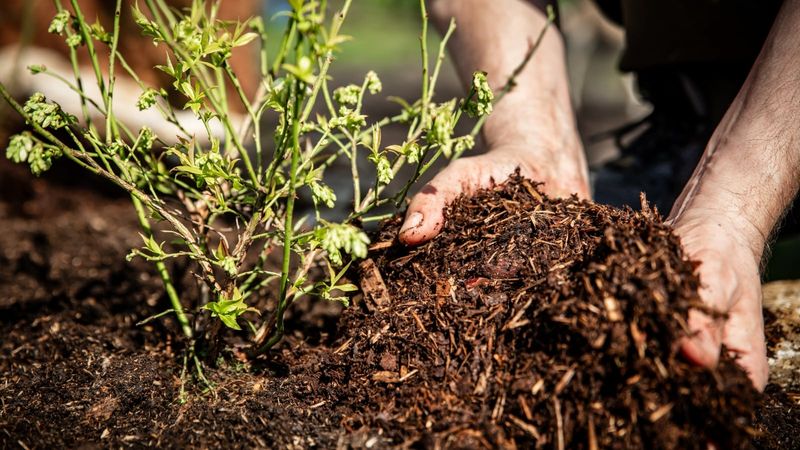
Soil preparation is where many successful blueberry growers separate themselves from those who struggle year after year. Pine bark is one of the most widely recommended amendments for blueberry planting in warm-climate gardens.
It improves drainage, lowers pH over time, and creates the loose, airy root environment that blueberries thrive in. UF/IFAS research supports the use of pine bark beds as a practical and effective planting method.
Organic matter in general plays a big role in blueberry health. It feeds the soil biology, helps retain moisture without waterlogging roots, and contributes to the slightly acidic conditions the plant needs.
Peat moss has traditionally been used, but pine bark is often easier to source locally and works very well in this region.
Building a proper planting bed does take some effort upfront. You may need to dig out a section of yard, fill it with an appropriate mix, and let it settle before planting.
That extra work pays off in healthier root development and stronger establishment. Following the planting guidelines from UF/IFAS or your local Extension office gives you a solid foundation.
Guessing at amendment ratios or using random materials from the garage is a shortcut that often leads to weak, struggling plants down the road.
7. Full Sun Helps, But Heat Still Raises The Stakes
Blueberries generally need full sun to produce their best crop. At least six hours of direct sunlight per day is the standard recommendation.
A shady spot might keep a plant alive, but it will usually mean sparse flowering, fewer berries, and weaker overall growth. Choosing a sunny location is one of the easier decisions in blueberry growing.
The challenge in warm-climate gardens is that full sun often comes with intense heat and dry spells that can stress plants during critical growth periods.
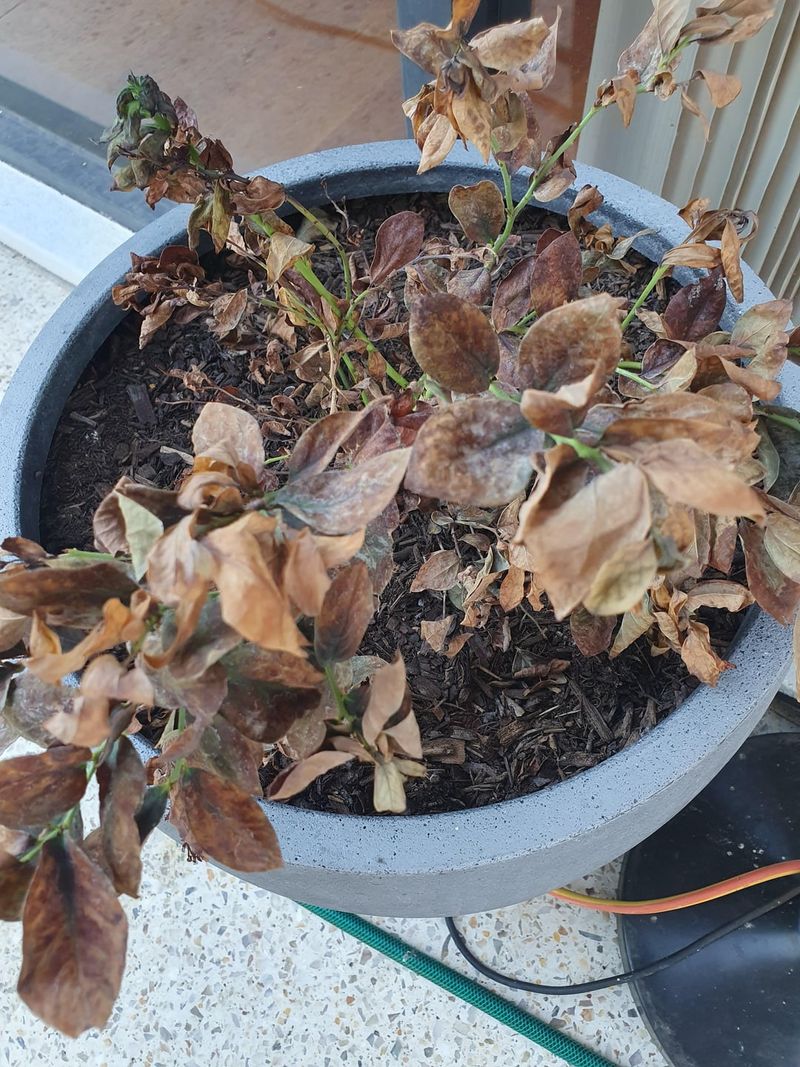
High temperatures during bloom time can affect fruit set, and summer heat combined with irregular watering can cause stress that shows up as leaf scorch or fruit drop.
The heat is not going away, so managing it becomes part of the routine.
Mulching heavily around the base of the plant is one of the most effective ways to protect roots from heat and retain soil moisture. Pine bark or pine straw mulch works well and also helps maintain soil acidity.
Consistent irrigation during dry periods is equally important. Blueberries are not drought-tolerant, especially when they are young and still establishing.
Drip irrigation or a regular hand-watering routine keeps moisture levels steady without overwatering. Pairing good sun exposure with smart water and mulch management gives plants a real fighting chance through the hottest months.
8. One Bush Usually Means Fewer Berries Than Expected
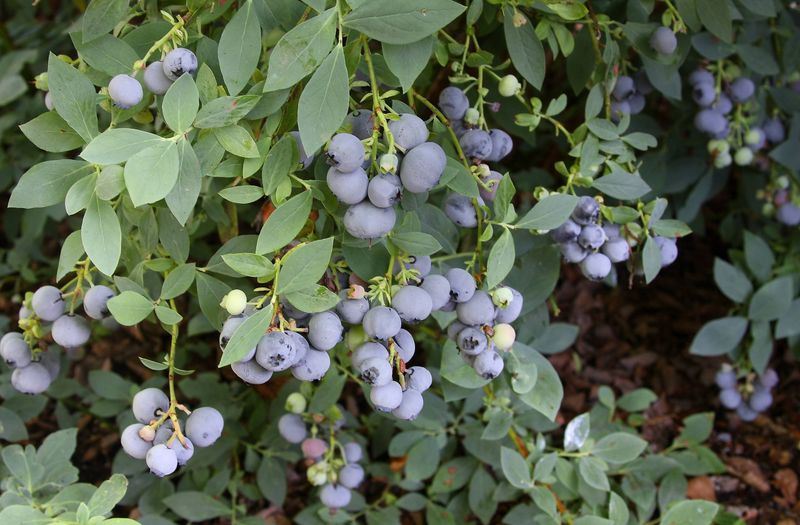
A single blueberry bush can be a bit of a loner when it comes to fruit production. Many gardeners plant one plant, wait patiently, and then wonder why the harvest is so thin.
Blueberries are not fully self-fertile in most cases. Planting more than one variety that blooms at roughly the same time dramatically improves pollination and leads to a much better berry set.
Cross-pollination happens when bees and other pollinators move between plants that are flowering at the same time. If your two plants bloom two weeks apart, they are not helping each other much.
Selecting varieties that have overlapping bloom windows is an important detail that does not always make it onto the plant tag at the nursery.
UF/IFAS recommends planting at least two compatible varieties for best results. Southern highbush varieties should be paired with other southern highbush cultivars, and rabbiteye varieties generally do better when paired with other rabbiteye types.
Mixing types without checking compatibility can lead to poor results. Planting two or three well-matched varieties also spreads out your harvest window a bit, which is a nice bonus.
More plants mean more work, but they also mean more berries, and that tends to be the whole point of growing them in the first place.
9. Containers Can Save Gardeners With The Wrong Soil
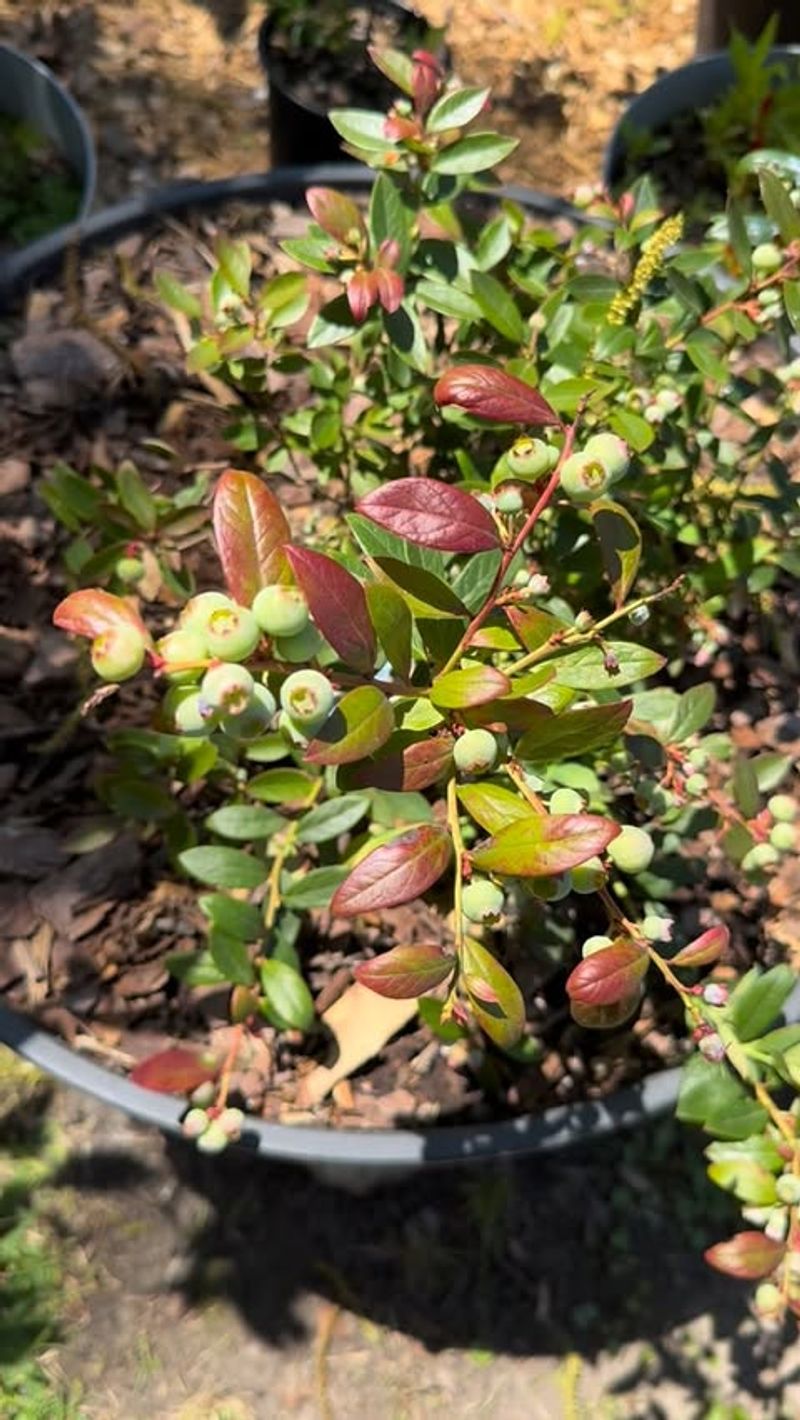
For gardeners dealing with alkaline soil, poor drainage, or a yard that just does not cooperate, containers offer a genuinely practical path forward. Growing blueberries in pots lets you control the soil mix completely.
That means you can create the acidic, well-drained environment they need without fighting native soil.
A large container, at least 15 to 20 gallons, gives roots enough room to develop properly. Fill it with a mix designed for acid-loving plants, or use a pine bark-based blend that drains well and holds moisture without staying soggy.
The container should have drainage holes, and it should be placed in a spot that gets at least six hours of direct sun each day.
Container plants do need more attention than in-ground plants. They dry out faster, especially during hot weather, so consistent watering is essential.
Fertilizing with an acid-forming fertilizer on a regular schedule helps maintain the soil conditions the plant needs over time. UF/IFAS and EDIS resources can guide you on appropriate fertilizer types for container blueberries in warm climates.
You still need to choose a region-appropriate variety, because the container does not solve the chill-hour issue. But for the soil problem, growing in containers is one of the smartest and most flexible options available to home gardeners.