Why Your Texas Fig Tree Isn’t Producing Fruit
It is frustrating to watch a fig tree grow plenty of leaves, look healthy from a distance, and still give you little to no fruit. In Texas, fig trees often seem like they should be easy winners.
The climate is warm, the growing season is long, and many gardeners assume a good harvest will happen almost automatically. So when your tree stays bare, it can feel confusing and disappointing.
The truth is that a fig tree can look fine while quietly dealing with problems that affect fruit production. Too much shade, late cold damage, improper pruning, overfeeding, and even the age of the tree can all play a part.
In some cases, the tree is putting all its energy into growing branches and leaves instead of setting fruit.
Texas conditions can be great for figs, but they are not always as simple as they seem. Once you understand what may be holding your tree back, it becomes much easier to fix the issue and help it produce the sweet, homegrown figs you have been waiting for.
1. The Tree Is Still Too Young To Produce Fruit
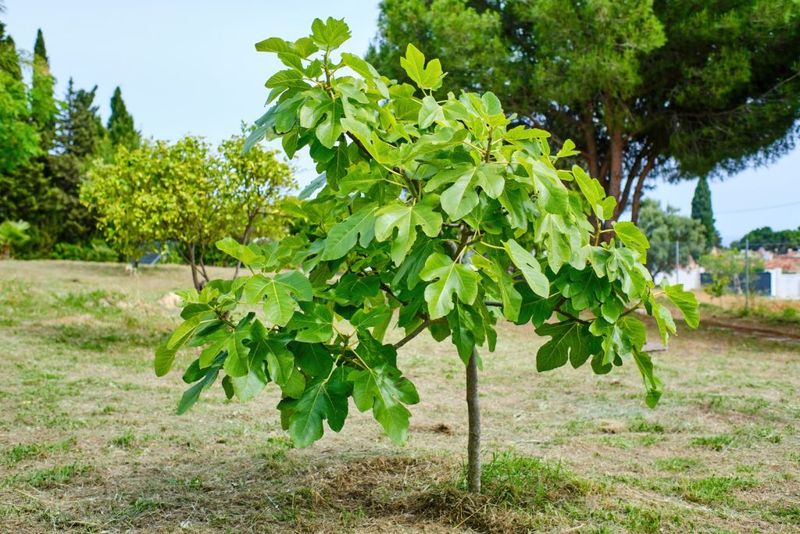
Patience is something every fig grower in Texas needs, especially in the early years. Fig trees do not start producing fruit right away after you plant them.
Most varieties take at least two to three years before they begin offering a real harvest, and some can take up to six years to fully mature.
During those first few years, the tree is not being lazy. It is actually working very hard underground.
Young fig trees put most of their energy into building a strong root system and growing new branches. The roots need to spread wide and deep before the tree feels ready to shift its focus toward making fruit.
Texas gardeners sometimes get discouraged when they see a tree that looks big and full of leaves but still has no figs on it. That lush, leafy look is actually a good sign. It means the tree is healthy and growing the way it should during its early phase.
If your tree is under three years old, the best thing you can do is keep caring for it consistently. Water it regularly, make sure it gets plenty of sun, and avoid over-fertilizing. Give it the right conditions, and it will reward you in time.
One helpful tip for Texas growers is to note when you planted the tree and track its growth each season. Keeping a simple garden journal can help you stay patient and notice progress.
Once your fig tree hits that two to three year mark and conditions are right, you can expect fruit production to pick up nicely.
2. Too Much Nitrogen Fertilizer
Walk through any garden center in Texas and you will find dozens of fertilizers lining the shelves. It is tempting to grab the strongest one and feed your fig tree well, thinking more nutrients means more fruit.
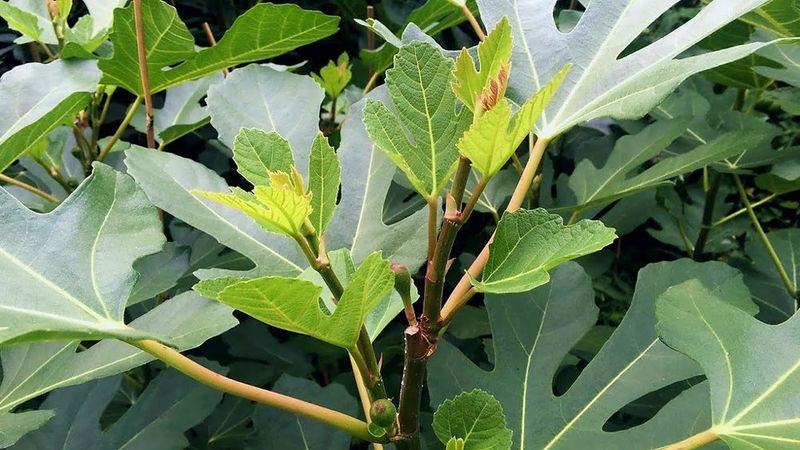
But when it comes to nitrogen, more is often the problem, not the solution. Nitrogen is the nutrient most responsible for leafy, green growth. When a fig tree gets too much of it, the tree responds by pushing out lots of big, beautiful leaves and thick branches.
Your Texas Garden Changes Every Week. Your Plan Should Too.
Gardening in Texas changes quickly throughout the season. Every Friday you’ll receive a simple weekly plan showing exactly what to plant, prune, fertilize, harvest, and protect so you never miss the right timing.
From the outside, the tree looks amazing. But inside, the tree has shifted all its energy into growing foliage instead of producing fruit.
Many Texas gardeners make this mistake without realizing it. They fertilize in spring, then again in summer, and wonder why their tree is enormous but completely fruitless. The fix is simpler than most people think.
Switch to a balanced fertilizer with equal parts nitrogen, phosphorus, and potassium. Or better yet, skip heavy fertilizing altogether once your tree is established.
Mature fig trees in Texas often do just fine with little to no added fertilizer, especially if the soil is already decent.
If you want to feed your tree, do it once in early spring and use a low-nitrogen formula. Compost is a great natural option that feeds slowly without overwhelming the tree.
Bone meal and potassium-rich amendments can also help nudge the tree toward fruiting mode.
Cutting back on nitrogen is one of the quickest changes you can make to start seeing more figs on your Texas tree next season.
3. Incorrect Pruning Practices
Pruning a fig tree feels productive. You grab your shears, clean up the shape, remove some branches, and step back feeling like you did something great for the tree.
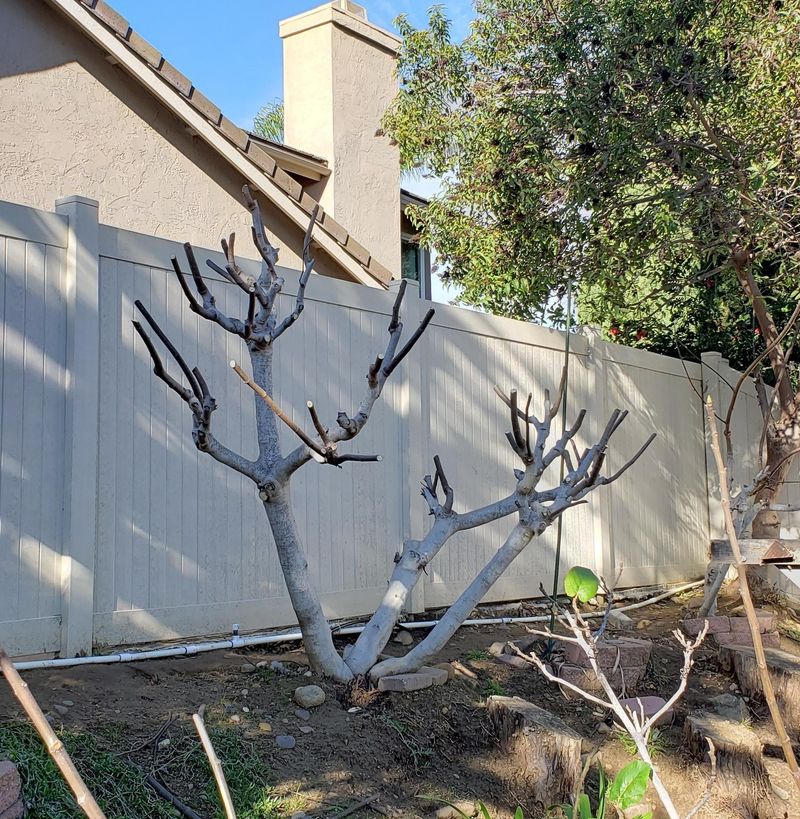
But if you prune at the wrong time or cut too aggressively, you might actually be removing the very branches that would have given you fruit.
Fig trees in Texas produce fruit on new wood, which means branches that grew during the current or previous season. When you over-prune, you cut away those young, productive shoots before they ever get a chance to carry figs.
It is one of the most common reasons Texas gardeners end up with a beautiful tree and an empty fruit bowl.
Timing matters just as much as how much you cut. Pruning in late winter or early spring, just before new growth begins, is generally the safest window.
Avoid pruning in summer when the tree is actively growing and forming fruit buds. Cutting during that window can seriously set back your harvest.
Light pruning is usually all a fig tree needs. Focus on removing dry or crossing branches and anything that looks damaged.
Do not reshape the entire tree every season. Fig trees grow naturally in an open shape and do not need heavy shaping to stay healthy.
If your Texas fig tree has been heavily pruned for a few years running, give it a break. Let it grow freely for a full season and see what happens.
Many gardeners are surprised to find a much better fruit set when they simply put the pruning shears away and let the tree do its thing.
4. Insufficient Sunlight
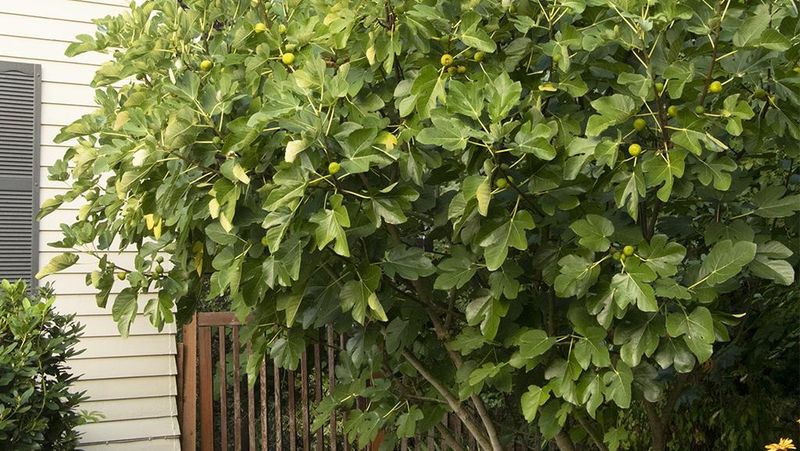
Sunlight is basically food for a fig tree. Without enough of it, the tree simply cannot build the energy it needs to produce a strong crop of fruit.
Fig trees are sun lovers through and through, and Texas is one of the sunniest states in the country, which makes it a natural fit, as long as you plant in the right spot.
Most fig tree experts recommend at least six to eight hours of direct sunlight every day. Full sun all day is even better.
When a fig tree gets shaded out by a nearby building, a tall wooden fence, or a large oak tree growing overhead, the results show up quickly in the form of fewer figs and slower growth.
It is easy to overlook this issue when you first plant a tree. The spot might look sunny in early spring, but as neighboring trees leaf out and the sun angle shifts through summer, your fig tree could end up in partial shade for much of the day.
Texas summers are intense, and every hour of sunlight counts during the growing season. If your tree is in a shaded location, consider whether any nearby branches from other trees can be trimmed back to let in more light.
Sometimes a simple cleanup of surrounding vegetation makes a big difference without needing to move the fig tree itself.
For new plantings anywhere in Texas, always scout the location through multiple times of day before putting a fig tree in the ground. South-facing spots with open sky above tend to work best and give your tree the best possible chance at a full, healthy harvest.
5. Water Stress During The Growing Season
Texas summers are no joke. Temperatures regularly climb above 100 degrees Fahrenheit in many parts of the state, and dry spells can last for weeks at a time.
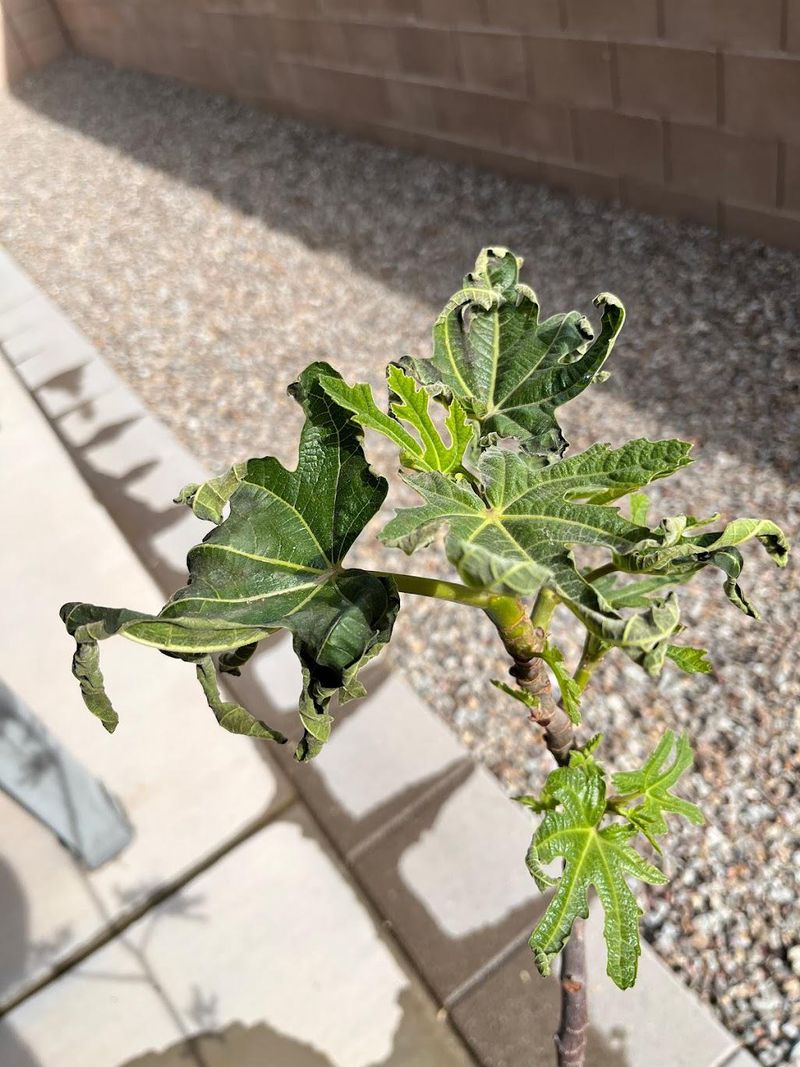
For fig trees, that kind of heat combined with inconsistent watering is a recipe for fruit drop and poor harvests.
Water stress happens when a tree does not get enough water during the times it needs it most. For figs, the critical window is from late spring through late summer, when the fruit is actively developing on the branches.
If the soil dries out too much during this stretch, the tree responds by dropping its small, unripe figs before they ever mature.
You might look at your tree one morning and notice dozens of tiny figs on the ground beneath it. That is a classic sign of water stress.
The tree is essentially deciding it cannot support all that fruit with the water available, so it sheds some to survive.
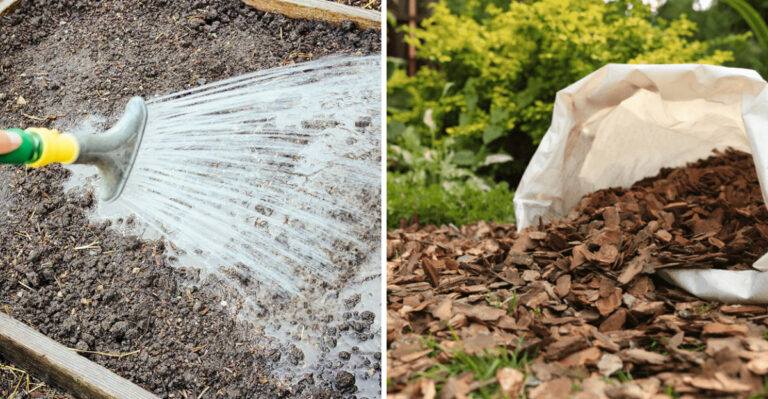
Deep, consistent watering is the answer. Rather than lightly watering every day, aim for a thorough soaking two to three times per week during hot, dry periods. Water slowly and deeply so the moisture reaches the roots, not just the top layer of soil.
Mulching around the base of your fig tree is one of the smartest moves a Texas gardener can make. A thick layer of wood chips or straw helps hold moisture in the soil, keeps the roots cooler during extreme heat, and reduces how often you need to water.
Even a two to three inch layer of mulch can make a noticeable difference in how your tree handles the Texas summer heat.
6. Weather Damage Or Late Frost
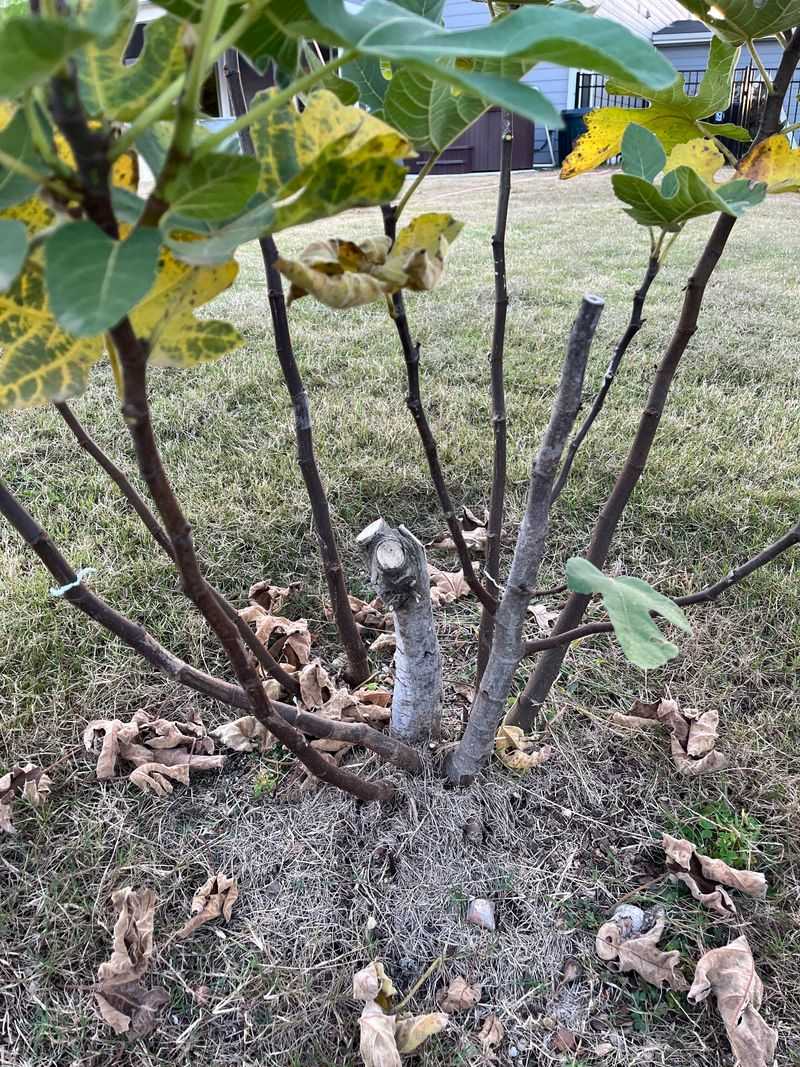
Most people think of Texas as a warm, frost-free paradise for fruit trees. And for much of the state, that is true.
But Texas weather is famously unpredictable, and late spring cold snaps can sneak in and cause real damage to fig trees that have already started putting out new buds and early fruit growth.
When temperatures drop suddenly after a tree has broken dormancy, the tender new growth takes the hit first. Young buds, tiny fruitlets, and fresh shoots are all highly sensitive to freezing temperatures.
A single night below 28 degrees Fahrenheit during early spring can wipe out a season’s worth of potential fruit in just a few hours.
North Texas and the Texas Panhandle are especially vulnerable to these kinds of weather swings. Even Central Texas, including areas around Austin and Waco, can experience surprise cold events in March and April that catch gardeners off guard.
South Texas tends to be safer, but no part of the state is completely immune. Protecting your fig tree during these risky periods is the best strategy. Keep an eye on the forecast from late winter through mid-spring.
When a cold snap is predicted, cover your tree with a frost cloth or old blankets overnight to trap warmth and protect the buds.
Planting your fig tree near a south-facing wall or fence can also help. The wall absorbs heat during the day and releases it at night, creating a slightly warmer microclimate around the tree.
This small trick has helped many Texas gardeners protect their fig trees from late frost damage and enjoy a much better fruit harvest each year.