7 Signs Your Indoor Plants Are Struggling In Texas Heat
It is easy to assume indoor plants are safe from Texas heat, but that is not always true. When temperatures climb outside, the conditions inside your home can shift more than you realize.
Strong sunlight through windows, dry air from air conditioning, and warm rooms that stay stuffy for hours can all put stress on houseplants. A plant may still be sitting in the same corner as always, yet suddenly start looking tired, faded, or just not quite right.
The tricky part is that indoor plants do not all struggle in obvious ways. Some develop brown edges, others droop even when the soil feels fine, and some stop growing almost completely.
Those small changes are easy to miss at first, especially during a long Texas summer when heat lingers day after day. By the time the damage looks serious, the plant may already be under a lot of stress.
That is why it helps to know the warning signs early. Once you can spot how Texas heat affects indoor plants, you have a much better chance of helping them recover before they really start to decline.
1. Leaves Are Wilting Even After Watering
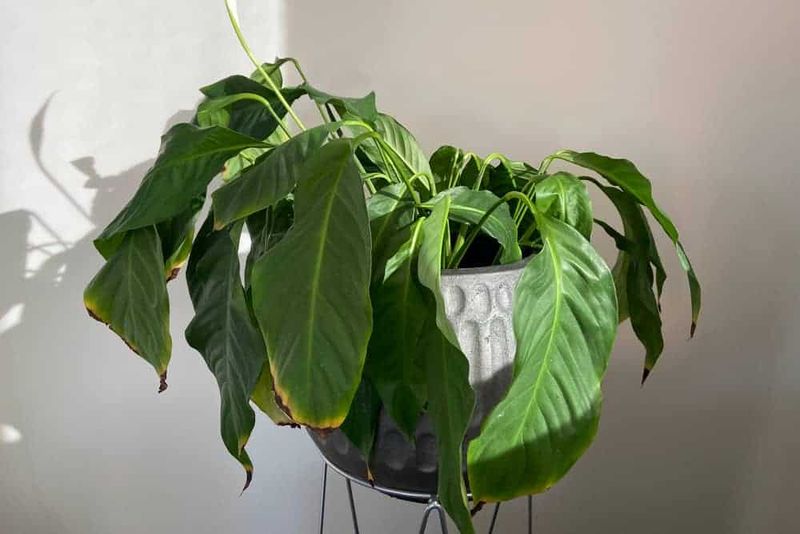
Picture this: you just watered your plant an hour ago, but the leaves are still drooping like they have not had a drink in days.
That is one of the most confusing signs of heat stress, and it happens a lot in Texas homes during the summer. The problem is not always a lack of water. Sometimes, the heat itself is the culprit.
When indoor temperatures climb too high, plants lose water through their leaves much faster than their roots can absorb it. This process is called transpiration.
Even if the soil feels moist, the plant simply cannot keep up with how quickly moisture is escaping through its leaves. The result is that sad, droopy look that worries every plant owner.
Texas summers can push indoor temperatures near windows to extreme levels, especially in rooms with south or west-facing windows. The air inside can get very dry too, which speeds up water loss even more.
Air conditioning helps, but it also removes humidity from the air, making things harder for moisture-loving plants.
To help a wilting plant, move it away from direct sunlight or hot windows. Try placing it in a spot with bright but indirect light.
You can also group plants together to create a small pocket of humidity around them. Misting the leaves lightly in the morning can give some short-term relief.
Checking the soil moisture before watering is always a smart habit to develop, especially during the hottest months across the state.
2. Brown Or Crispy Leaf Edges
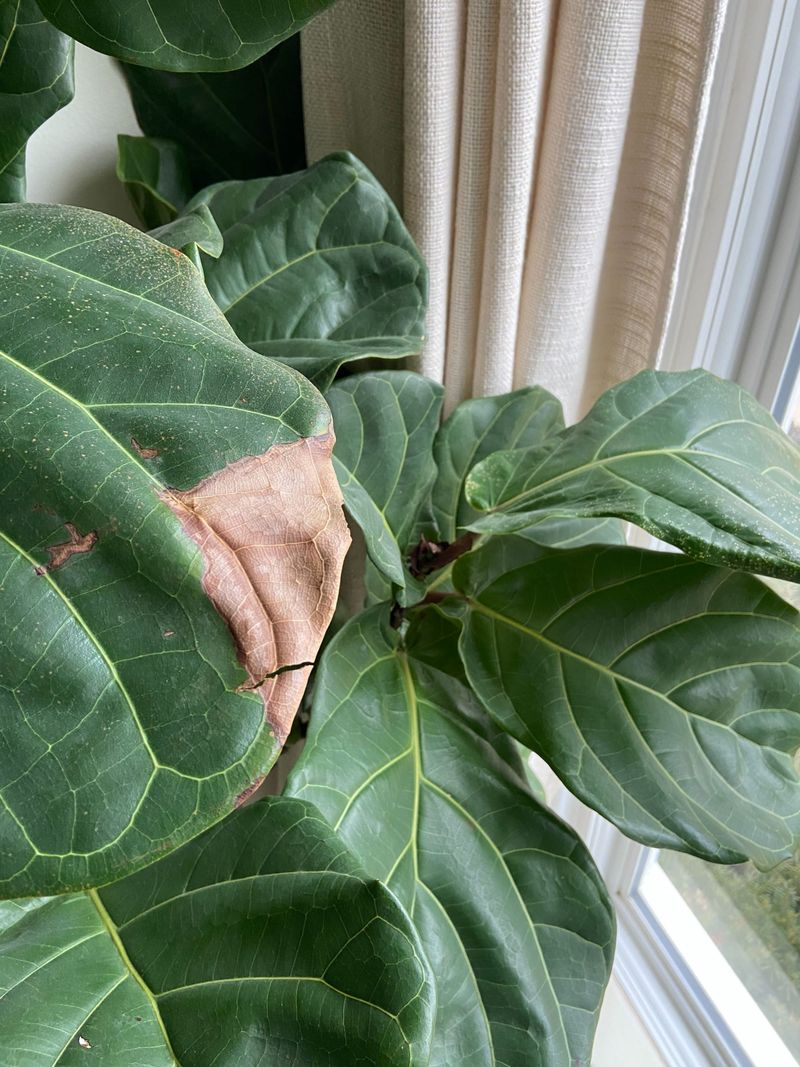
Ever noticed the tips or edges of your plant’s leaves turning brown and crunchy? That crispy texture is a classic sign of heat stress, and it shows up a lot in Texas homes once the summer heat kicks in.
It can look alarming, but understanding why it happens makes it easier to fix.
Your Texas Garden Changes Every Week. Your Plan Should Too.
Gardening in Texas changes quickly throughout the season. Every Friday you’ll receive a simple weekly plan showing exactly what to plant, prune, fertilize, harvest, and protect so you never miss the right timing.
When the air inside your home gets too hot and dry, plants lose moisture faster than they can replace it. The edges of leaves are the first to feel that stress because they are the farthest from the plant’s water supply.
Ferns, calatheas, and peace lilies are especially prone to this problem. These plants naturally prefer humid environments, so the dry Texas air hits them extra hard.
Air conditioning, while great for keeping you cool, also pulls moisture out of the air. That combination of heat and low humidity creates the perfect conditions for brown, crispy leaf edges.
Rooms near windows that get strong afternoon sun are the worst spots for sensitive plants during a Texas summer.
Trimming the brown edges with clean scissors can improve the look of the plant right away. Moving the plant away from hot windows or drafty air conditioning vents will help prevent more damage.
Adding a small humidifier nearby or placing a tray of water near the plant can raise the humidity level around it. Regular misting in the morning is another easy trick that many Texas plant owners swear by to keep their leafy friends looking fresh.
3. Yellowing Leaves
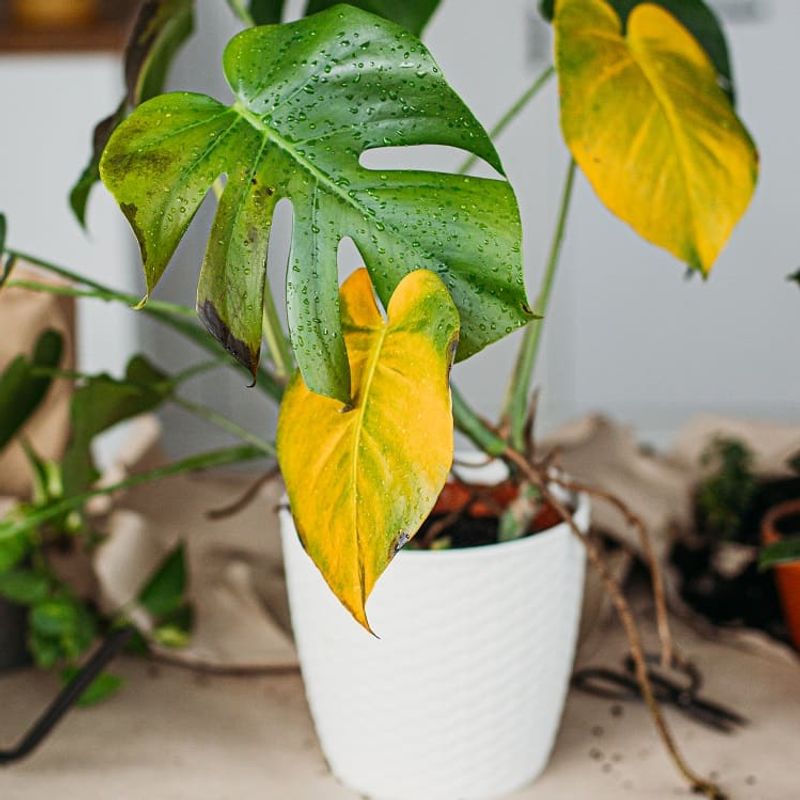
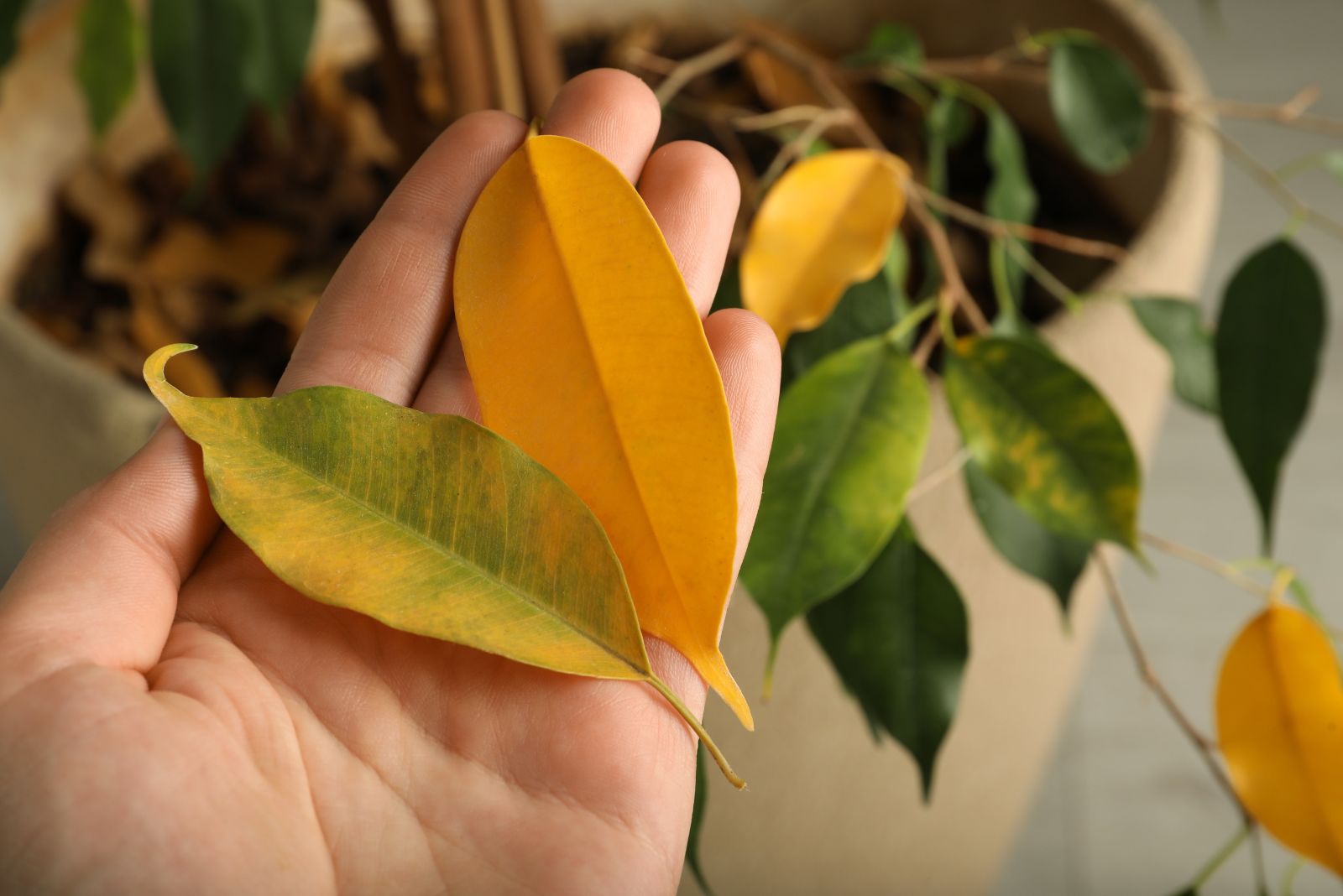
Yellow leaves can mean a lot of things, but when they appear suddenly during a Texas heatwave, heat stress is often at the top of the list. Plants need a careful balance of water, nutrients, and the right temperature to stay healthy.
When that balance gets thrown off by extreme heat, yellow leaves are one of the first signs you will see.
Here is what happens inside the plant: high temperatures disrupt the way roots absorb water and nutrients from the soil. Without a steady supply of nutrients, the plant cannot produce enough chlorophyll, which is the green pigment that gives leaves their color.
As chlorophyll breaks down, leaves start to turn pale, then yellow. They often fall off before their time too.
In Texas, this problem can sneak up on you fast. A few days of record-breaking heat can stress a plant that seemed perfectly fine just a week earlier.
Plants near south-facing windows or in rooms that heat up quickly are the most vulnerable. Even plants that are usually tough can show yellowing when temperatures stay high for too long.
When you spot yellow leaves, start by checking whether the plant is getting too much direct sun. Moving it to a cooler spot with indirect light can slow down the yellowing.
Make sure you are watering consistently but not overwatering, since soggy roots make nutrient absorption even harder.
Removing the yellow leaves helps the plant focus its energy on the healthy ones that remain. Patience and small adjustments go a long way.
4. Soil Drying Out Much Faster Than Usual
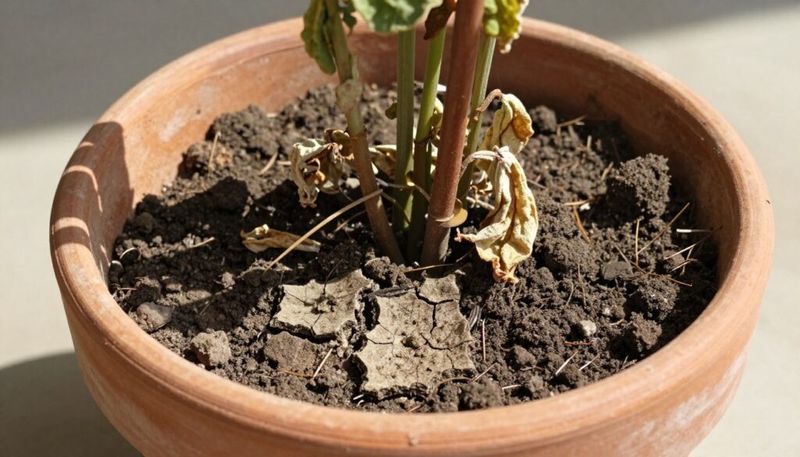
Normally, you water your plant and the soil stays moist for a few days. But during a Texas summer, you might notice the soil turning bone dry within just a day or two.
That is not your imagination. High temperatures really do speed up how quickly moisture leaves the soil, and it can catch even experienced plant owners off guard.
Heat affects soil moisture in two ways. First, the warmth causes water to evaporate directly from the surface of the soil much faster than usual.
Second, the plant itself is drinking more water because it is working harder to stay cool through transpiration. Together, these two forces can drain a pot of water surprisingly fast, especially during a Texas heatwave when temperatures outside can hit triple digits.
Small pots and terracotta containers are especially prone to drying out quickly. Terracotta is a porous material, which means water seeps through the walls of the pot as well as evaporating from the top.
During the summer months in Texas, switching to plastic or glazed ceramic pots can help hold moisture longer and give your plant a better chance.
During periods of extreme heat, check your plants more often than you normally would. Stick your finger about an inch into the soil to test the moisture level before watering.
Mulching the top of the soil with a thin layer of moss or bark chips can slow evaporation down noticeably. Watering in the early morning is also a smart move, giving the roots time to absorb moisture before the heat of the day peaks.
5. Leaves Looking Dull Or Faded
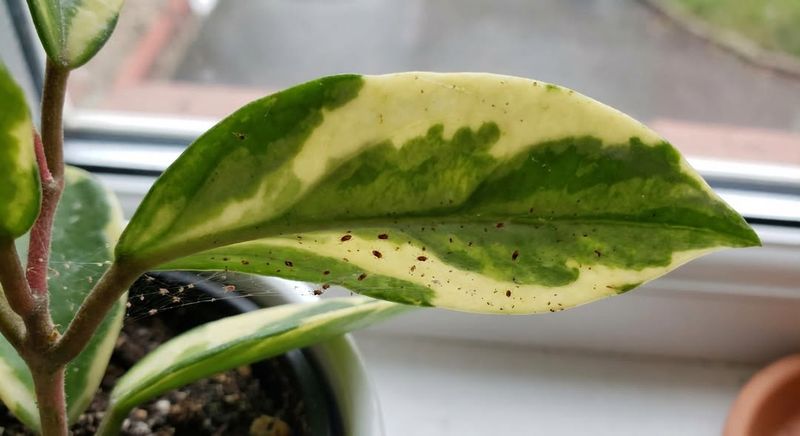
Healthy plants have a certain glow to them. Their leaves look rich, vibrant, and full of life. So when you notice your plant starting to look washed out or dull, like the color has been slowly bleached away, that is a red flag worth paying attention to.
In Texas, this kind of fading is often caused by too much heat or too much direct sun coming through the windows.
Strong sunlight in Texas is no small thing. During peak summer months, the sun’s rays coming through a south or west-facing window can be intense enough to break down the pigments inside plant leaves.
This process is sometimes called photo-bleaching. The leaves do not just lose their deep green color.
They can turn pale green, yellow-green, or even a whitish shade in the areas hit hardest by the light and heat.
Some plants are more sensitive to this than others. Tropical plants like pothos, philodendrons, and peace lilies prefer filtered or indirect light.
When they are placed too close to a window that gets strong Texas afternoon sun, fading is almost guaranteed. Even plants that tolerate bright light can start to look dull if the heat is too intense for too long.
Fixing this issue is usually as simple as moving the plant a few feet back from the window or adding a sheer curtain to filter the light. Rotating the plant every week or two ensures all sides get even exposure without any one spot getting overloaded.
Once the plant is in a better spot, new growth often comes in with much more vibrant color.
6. Dropping Leaves Or Flower Buds
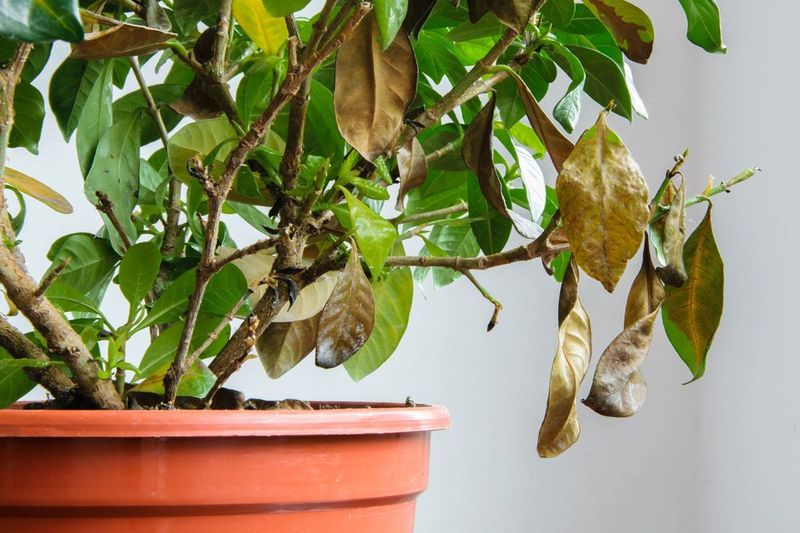
Walking past your favorite plant and finding a pile of dropped leaves or fallen flower buds on the floor is never a good feeling. It looks dramatic, and honestly, it is your plant’s way of saying it is overwhelmed.
When indoor temperatures in Texas get too high, plants sometimes shed leaves and buds as a way to protect themselves and conserve energy.
Think of it like a survival strategy. A plant under severe heat stress has to make tough choices.
Keeping every leaf alive takes a lot of water and energy. When resources are stretched thin due to high temperatures, the plant lets go of some leaves and buds to reduce the demand on its system.
It is a natural response, but it tells you the plant has been struggling for a while.
Flower buds are especially vulnerable because they require a lot of energy to develop. When heat stress hits, buds are often the first things to drop because the plant prioritizes keeping its core structure alive.
Tropical plants and flowering varieties like gardenias, orchids, and anthuriums are known for dropping buds when temperatures swing or stay too high for too long inside Texas homes.
If your plant is dropping leaves or buds, act quickly but calmly. Move it to a cooler, shaded area away from direct sunlight.
Avoid repotting or fertilizing right away, since adding more stress can make things worse. Give it consistent watering and let it rest and recover.
Most plants will stabilize once the temperature around them becomes more comfortable and steady.
7. Slowed Or Stunted Growth
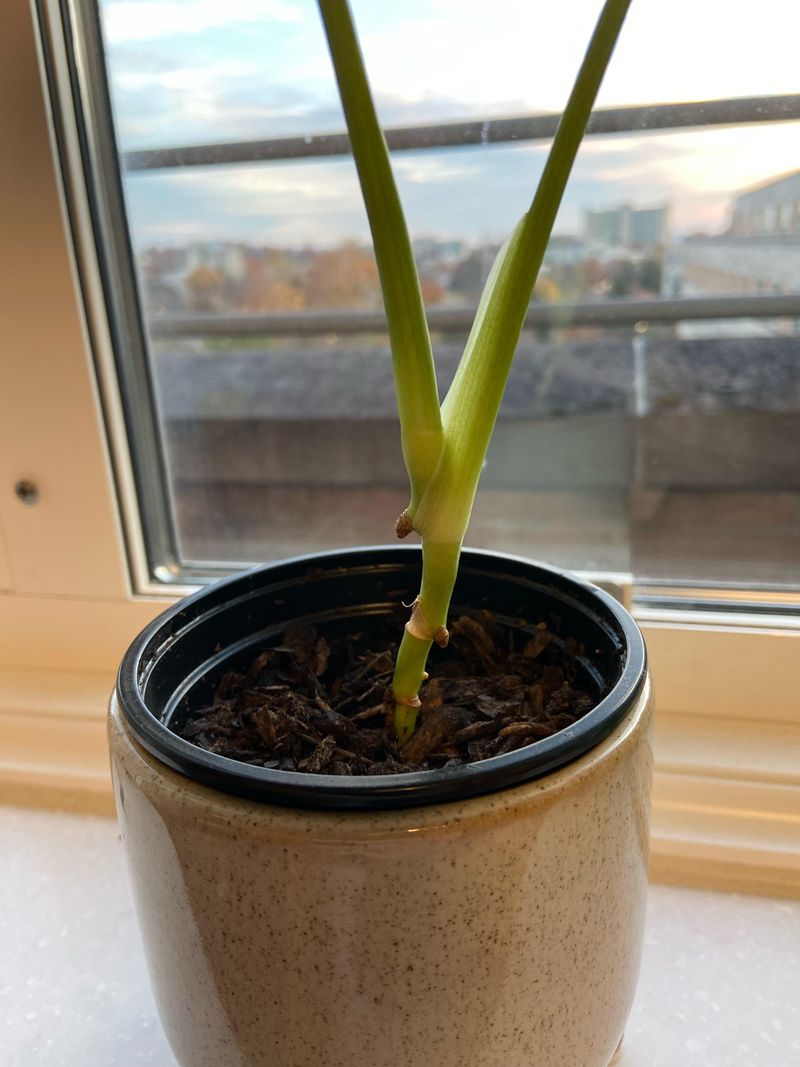
One of the sneakier signs of heat stress is one you might not notice right away. Your plant just stops growing.
No new leaves, no fresh stems, no sign of the progress you were seeing a few weeks ago. Slowed or stunted growth is a common response when indoor plants in Texas are pushed past their comfort zone by prolonged heat.
Plants grow best within a certain temperature range. For most common houseplants, that sweet spot is somewhere between 60 and 80 degrees Fahrenheit.
When temperatures inside your Texas home consistently climb above that range, especially during the brutal summer months, the plant shifts its focus. Instead of putting energy into new growth, it focuses almost entirely on surviving the stress it is under.
New leaves that do manage to appear during a heatwave often look smaller than normal. They might come in curled, pale, or a little misshapen.
That is because the plant does not have the resources to develop them fully while it is also dealing with heat, moisture loss, and nutrient disruption all at once. It is a sign the plant is doing its best under tough conditions.
Getting growth back on track starts with fixing the environment. Move the plant to a cooler room or away from heat sources like sunny windows and vents.
Make sure it is getting consistent water and good indirect light. Once temperatures drop and conditions improve, most plants will slowly start pushing out new growth again.
A diluted, balanced fertilizer applied in the cooler evening hours can also give it a gentle boost to get going again.