Should Michigan Gardeners Prune Bird Of Paradise Before Spring
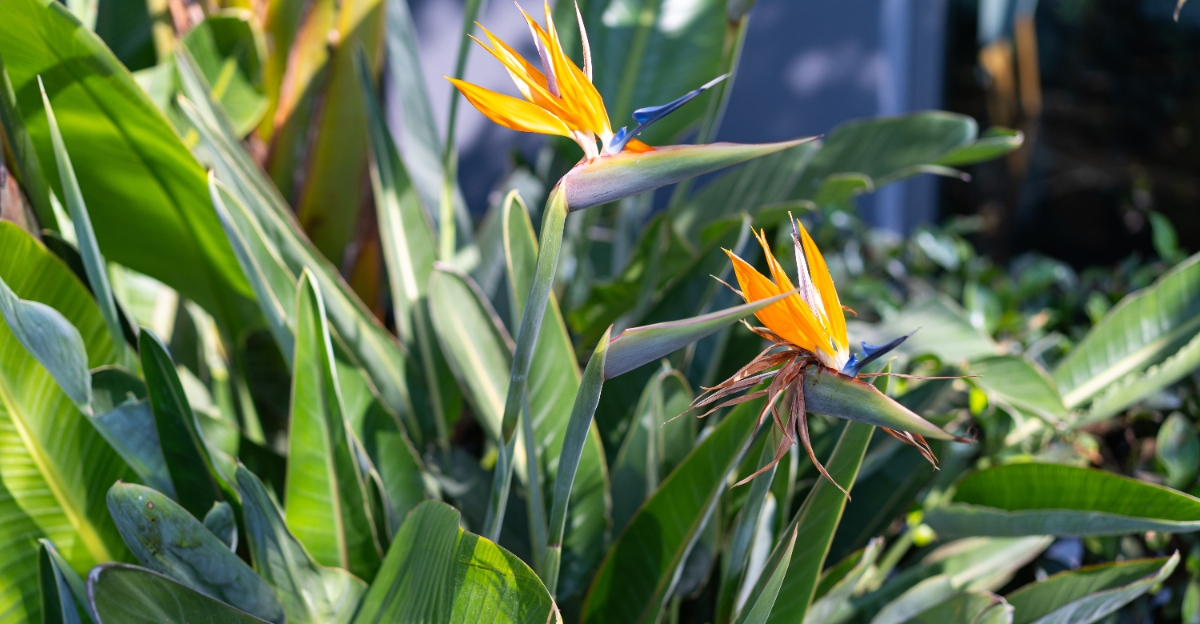
Few houseplants bring a bold tropical feel to a Michigan home quite like Bird of Paradise. With its large paddle shaped leaves and dramatic flowers, it can turn a sunny corner, patio, or sunroom into something that feels far from the Great Lakes winter outside.
That striking look is exactly why so many Michigan gardeners love growing it indoors. Because Michigan winters are far too cold for this plant to survive outdoors, it is usually grown in containers that move between the house and patio as the seasons change.
During the colder months, the plant slows down, which makes late winter the perfect time to give it some attention.
One of the most helpful things you can do before spring arrives is a careful prune. Removing old or crowded growth helps the plant focus its energy on fresh leaves and future blooms.
With the right pruning approach, Michigan gardeners can keep their Bird of Paradise looking strong and vibrant year after year.
1. Bird Of Paradise Is Usually Grown Indoors In Michigan
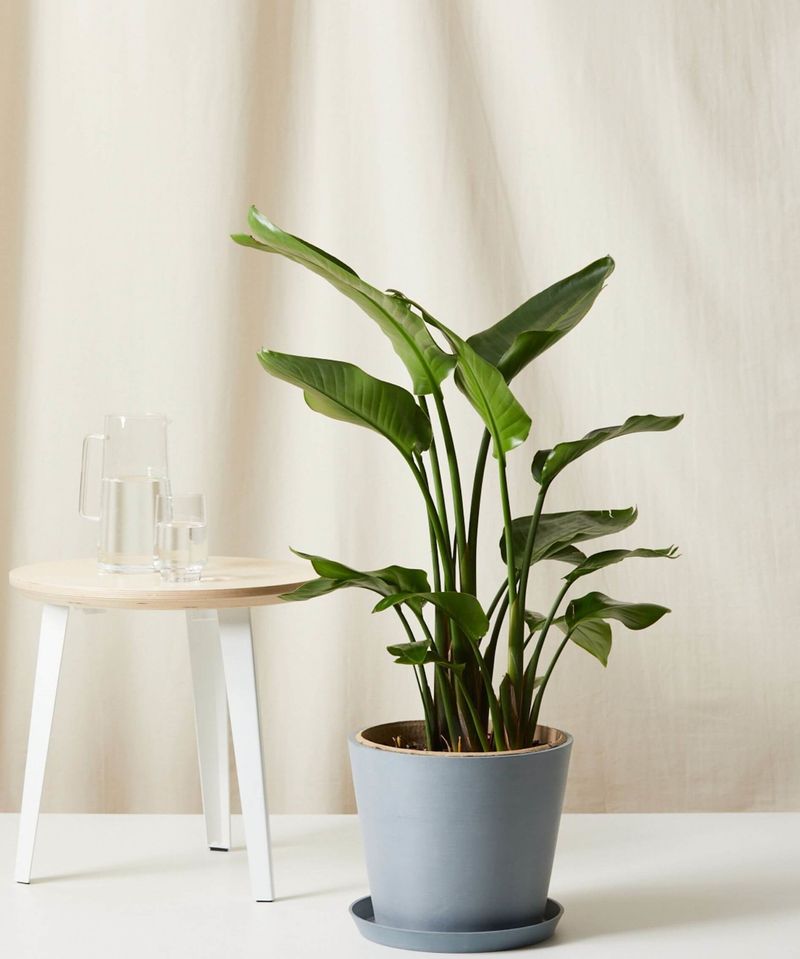
Michigan gardeners quickly discover that Bird of Paradise plants and cold winters simply do not mix.
Strelitzia reginae is a tropical plant that thrives in warm temperatures, and Michigan’s frigid winters make outdoor survival completely impossible for it.
Most gardeners in Michigan’s Zones 4 through 6 treat this plant as a cherished houseplant instead of a garden staple.
During the warmer months, many people move their Bird of Paradise containers out to a sunny patio or deck, where the plant absolutely soaks up the heat and bright light.
Once temperatures start dropping toward fall, the plant comes back inside to a warm, bright spot indoors.
This seasonal routine keeps the plant healthy and happy year after year without any cold weather stress. Growing Bird of Paradise indoors in Michigan actually has real advantages.
The plant becomes a gorgeous focal point inside the home during long gray winters, adding a tropical feel to any room. Bright south or west-facing windows work best for keeping it thriving.
Understanding that this plant lives primarily indoors in Michigan helps gardeners plan their pruning schedule around the plant’s natural growth cycle rather than outdoor weather patterns.
2. Early Spring Is A Good Time For Light Cleanup
There is something genuinely exciting about late winter and early spring in Michigan, even indoors.
As daylight hours slowly increase and temperatures outside begin to soften, your Bird of Paradise plant starts responding to those subtle seasonal changes.
Early spring is honestly one of the best windows to give your plant a light, refreshing cleanup before its active growth season kicks in fully.
During winter, a few leaves may look tired, slightly torn, or just worn from months of indoor living.
Removing those leaves in late February or early March gives the plant a fresh, tidy appearance right before it channels energy into producing strong new growth.
Timing this cleanup early means the plant gets a clean start heading into its most productive months.
Your Michigan Garden Changes Every Week. Your Plan Should Too.
Gardening in Michigan changes quickly throughout the season. Every Friday you’ll receive a simple weekly plan showing exactly what to plant, prune, fertilize, harvest, and protect so you never miss the right timing.
Michigan gardeners who grow Bird of Paradise indoors have the advantage of pruning on their own schedule without worrying about outdoor frost dates.
Light cleanup at this stage is not about dramatic reshaping but simply about removing anything that no longer serves the plant well.
Think of it as giving your plant a seasonal refresh, clearing away the old so the new can come in strong and healthy.
A little attention in early spring goes a long way toward keeping your Bird of Paradise looking its absolute best all year long.
3. Remove Older Leaves Near The Base
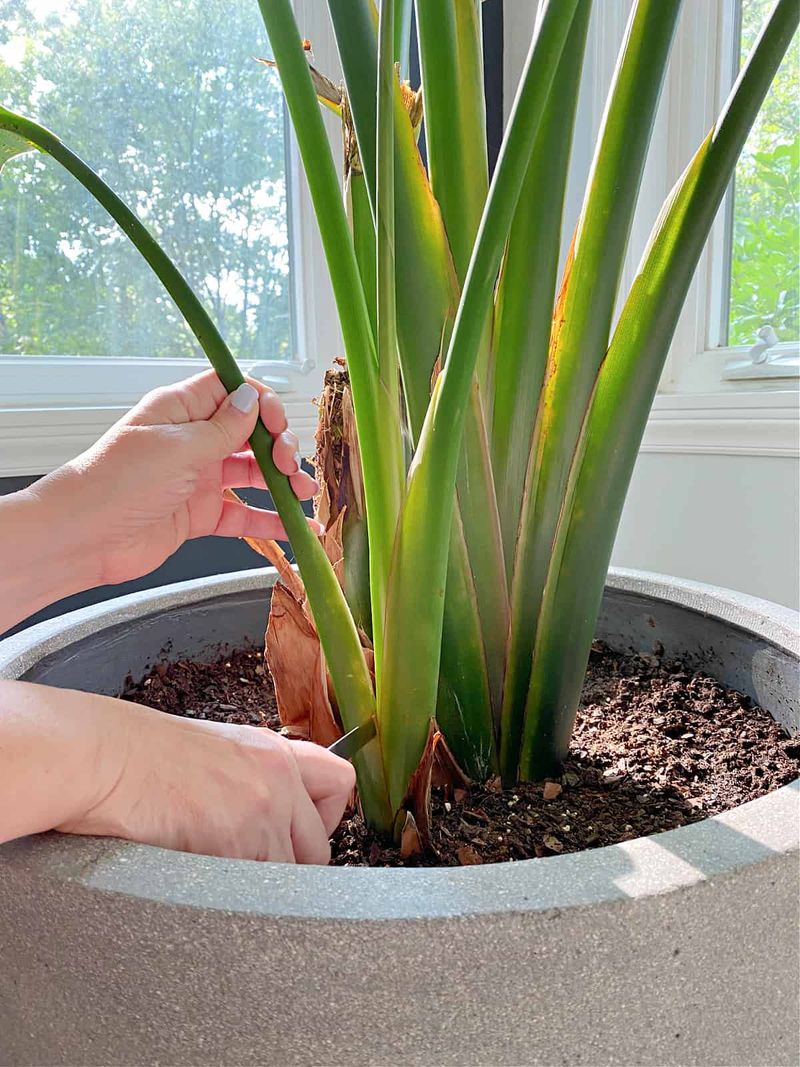
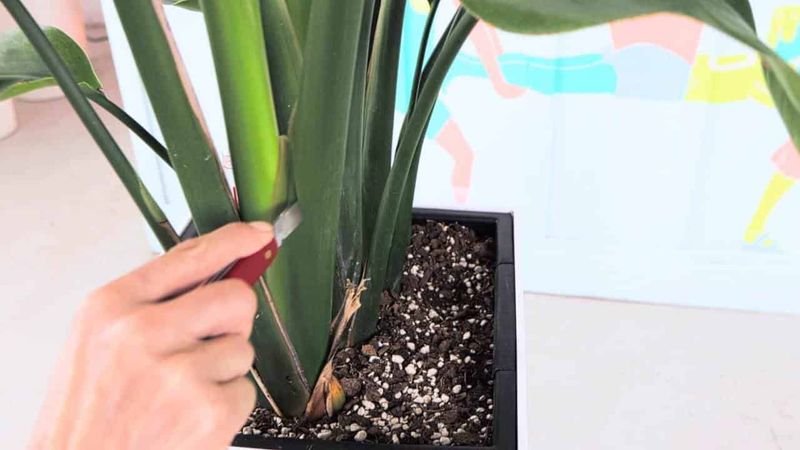
Older leaves near the base of a Bird of Paradise plant are usually the first to show signs of wear. They might turn yellow, develop brown edges, or simply look dull compared to the vibrant green leaves higher up on the plant.
Removing these lower, older leaves is one of the simplest and most effective pruning tasks a Michigan gardener can do.
The key is to cut the leaf stem as close to the base of the plant as possible without damaging the main stem or nearby healthy growth.
Leaving a clean, smooth cut helps the plant recover quickly and reduces any risk of moisture buildup around the wound.
Sharp pruning shears make this job much easier and produce a cleaner result than trying to tear or twist leaves off by hand.
Trimming older base leaves does more than just improve the plant’s appearance. It actually encourages the plant to redirect its energy toward producing fresh, healthy new foliage from the center.
Bird of Paradise plants in Michigan homes often respond noticeably after this type of cleanup, pushing out new leaf growth within a few weeks.
Watching a fresh green leaf slowly unfurl after a good pruning session is one of the most rewarding parts of growing this tropical beauty indoors in Michigan.
4. Avoid Removing Too Many Leaves

Bird of Paradise plants are not fans of heavy pruning, and Michigan gardeners should keep that in mind every single time they pick up the shears. Those large, paddle-shaped leaves are not just for show.
They are the plant’s main tool for capturing light and producing the energy it needs to grow and eventually bloom. Removing too many at once puts real stress on the plant.
A general rule that most experienced gardeners follow is to never remove more than one-third of the plant’s foliage at any one time.
Going beyond that threshold can significantly slow the plant’s recovery and may even delay flowering for a season or more.
Since Bird of Paradise plants are already slow to bloom, especially when grown indoors in Michigan, protecting every healthy leaf matters more than you might think.
When you look at your plant and feel tempted to remove a leaf, ask yourself honestly whether it truly needs to go.
If a leaf still has good green color and is not damaged, leave it in place and let it keep working for the plant.
Restraint is actually a skill in plant care, and with Bird of Paradise, less really is more when it comes to pruning.
Keeping a full, leafy plant means better energy production and a stronger chance of seeing those incredible blooms someday.
5. Clean Tools Help Protect Plant Health
Grabbing any old pair of scissors from the kitchen drawer might seem harmless, but using dirty or dull tools on your Bird of Paradise can actually cause more harm than good.
Dirty pruning tools can carry bacteria or fungal spores from one plant to another without you even realizing it.
In a Michigan home where several houseplants may share the same space, this risk is very real and very easy to prevent.
Wiping pruning shears with rubbing alcohol before and after each use takes less than a minute and makes a meaningful difference in plant health. Sharp blades also matter just as much as clean ones.
A dull blade crushes and tears plant tissue instead of slicing cleanly through it, which creates a ragged wound that takes longer to heal and is more vulnerable to infection.
Many Michigan gardeners keep a dedicated pair of sharp pruning shears just for their indoor houseplants, including their Bird of Paradise.
Storing them clean and dry between uses keeps the blades in great condition for a long time. Some gardeners also wear light gloves when pruning Bird of Paradise because the plant’s sap can occasionally irritate sensitive skin.
Taking a few simple precautions with your tools makes every pruning session safer and more effective, giving your plant the best possible outcome every time you tidy it up.
6. Pruning Helps Improve Airflow Around The Plant
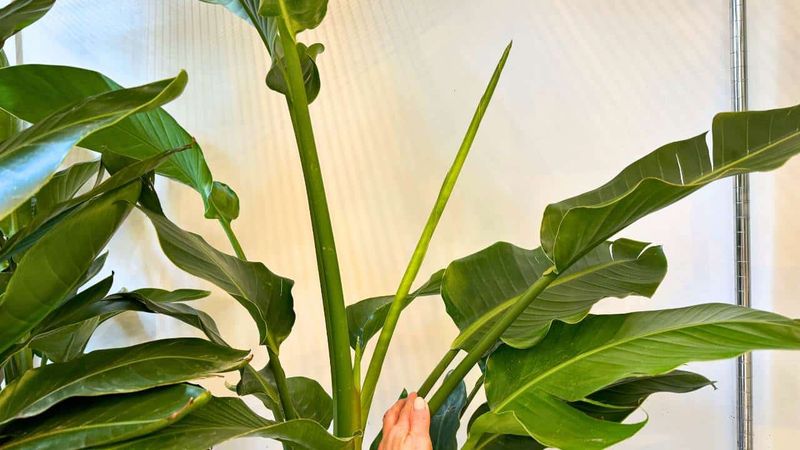
Crowded leaves on an indoor plant can quietly create problems that are hard to notice until they become serious.
When leaves are packed too tightly together, air cannot move freely through the plant, and that stagnant air creates the perfect environment for fungal issues and pest problems.
Michigan homes in winter tend to have drier indoor air, but poor airflow around a dense plant can still cause trouble over time.
Removing worn, crowded, or overlapping leaves from your Bird of Paradise opens up the plant’s structure and allows air to circulate more naturally around each remaining leaf.
Better airflow means leaf surfaces dry faster after watering or misting, which reduces the chance of mold or mildew developing on the foliage. It also makes it easier to spot any early signs of pests before they become a larger problem.
Michigan gardeners who grow Bird of Paradise in smaller rooms or apartments especially benefit from this type of mindful pruning.
A well-aired plant simply looks more polished and structured, with each beautiful leaf visible and able to catch the available light.
Good airflow also supports the overall vigor of the plant, helping it stay strong through the winter months indoors.
Think of light pruning for airflow as giving your Bird of Paradise room to breathe, and it will reward you with healthier, more vibrant growth as spring approaches.
7. Spring Is Also A Good Time To Repot
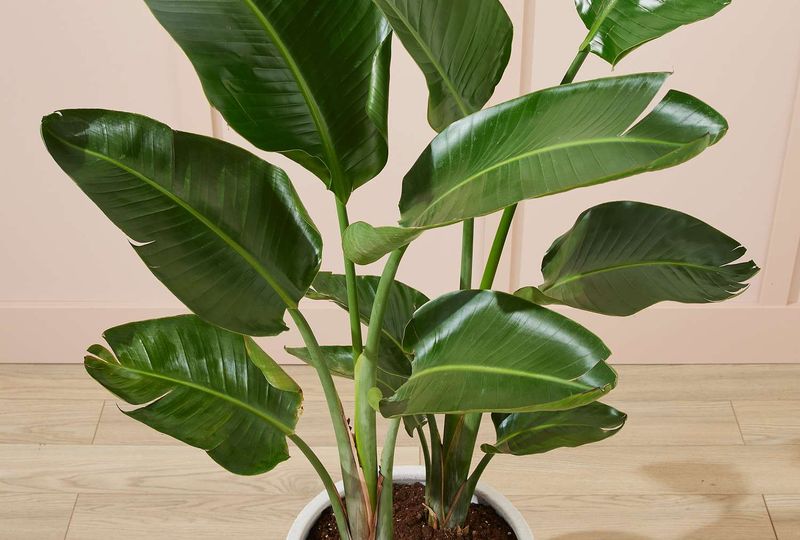
Early spring is not just a great time for pruning. It is also the perfect opportunity to check whether your Bird of Paradise has outgrown its container.
Bird of Paradise plants actually prefer being a little snug in their pots, but when roots start circling the bottom or pushing out of the drainage holes, it is a clear sign that a larger home is needed before summer growth begins.
Repotting in early spring gives the plant a fresh supply of nutrient-rich potting mix right before it enters its most active growing phase.
Many Michigan gardeners combine their spring pruning session with repotting, handling both tasks at once to minimize stress on the plant.
Moving up one pot size at a time works best, since an oversized pot can hold too much moisture and lead to root problems.
A well-draining potting mix designed for tropical plants works beautifully for Bird of Paradise.
Adding a layer of fresh mix at the bottom of the new pot before placing the plant inside gives the roots a welcoming, nutrient-rich environment to grow into over the coming months.
After repotting, water the plant thoroughly and place it back in its brightest indoor spot. Michigan gardeners who repot in spring often notice noticeably stronger growth and more vigorous leaf production throughout the summer season that follows.
8. Bright Light Supports Recovery After Trimming
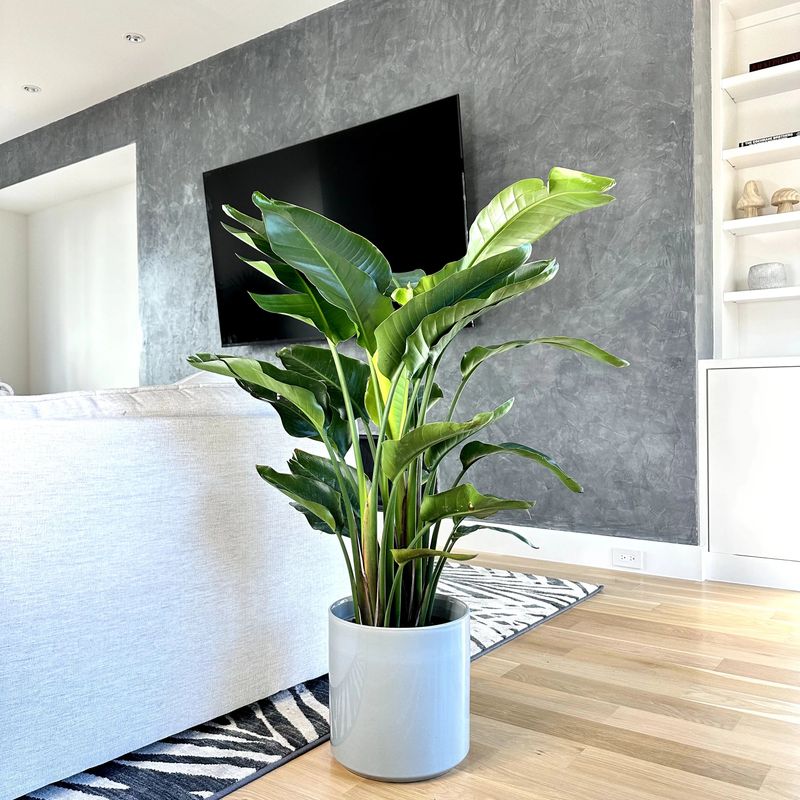
After any pruning session, your Bird of Paradise plant needs good light more than ever. Bright, indirect light gives the plant the energy it needs to heal and start producing strong new leaves to replace anything that was removed.
Michigan’s indoor growing conditions during late winter can be a bit dim, so choosing the brightest spot in your home is genuinely important for a smooth recovery.
South-facing or west-facing windows tend to offer the strongest natural light inside Michigan homes during the early months of the year.
Placing your Bird of Paradise directly in front of one of these windows after pruning can make a noticeable difference in how quickly new growth appears.
If natural light feels insufficient during cloudy Michigan winters, a grow light placed a few feet above the plant can provide excellent supplemental support.
Bright light does more than just speed up recovery after trimming. It also supports the overall health of the plant throughout the year, improving leaf color, encouraging more upright growth, and boosting the plant’s long-term flowering potential.
Bird of Paradise plants that receive consistent, strong light indoors in Michigan simply look better and grow more confidently than those kept in dimmer corners.
Pairing a good pruning with an ideal light setup gives your plant every advantage it needs to come back fuller, greener, and more stunning than before.
9. Outdoor Summer Growth Can Encourage Flowering
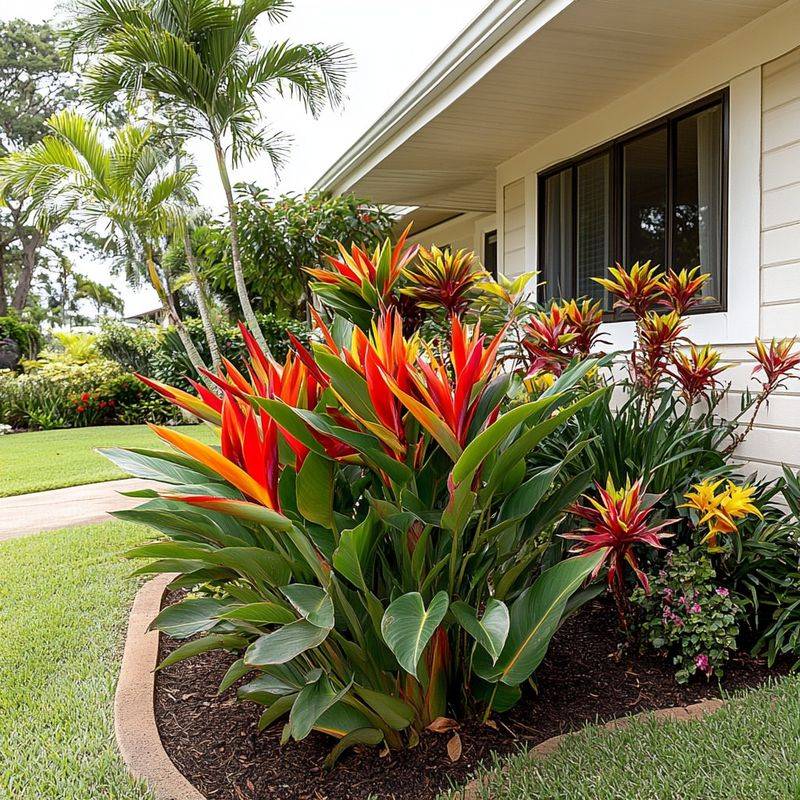
One of the most exciting rewards for Michigan gardeners who care for Bird of Paradise properly is the possibility of seeing it actually bloom.
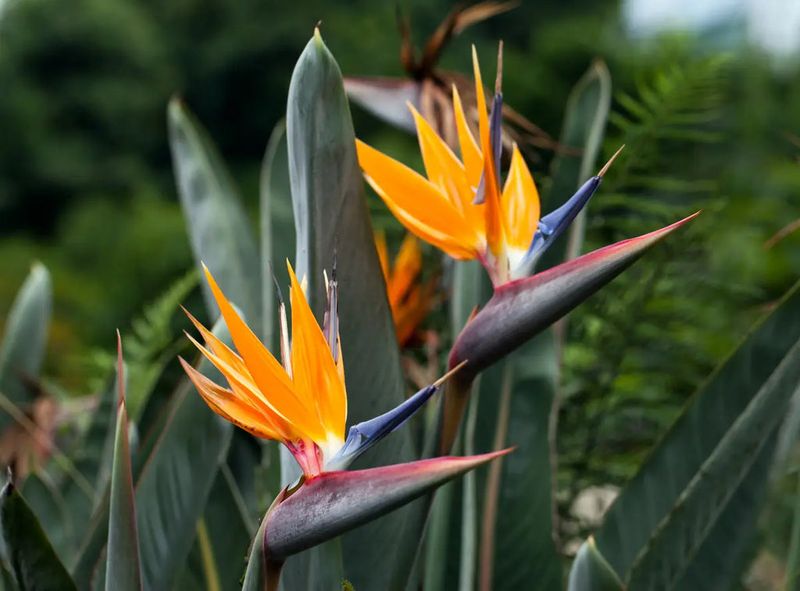
Strelitzia reginae produces stunning orange and blue flowers that look almost too exotic to be real, and moving the plant outdoors during Michigan’s warm summer months can genuinely improve the chances of making that happen.
Warm temperatures, strong sunlight, and fresh outdoor air are all powerful triggers for stronger growth and eventual flowering.
Once nighttime temperatures stay consistently above 50 degrees Fahrenheit, typically from late May through early September in Michigan, Bird of Paradise plants can move outside to a sunny patio or deck.
The increase in light intensity outdoors compared to even the brightest indoor window is dramatic, and the plant responds enthusiastically.
Leaves grow larger and more upright, and the overall plant becomes noticeably more vigorous throughout the summer months.
Flowering in Bird of Paradise typically happens in mature plants that are at least four to five years old and have been well cared for consistently.
Michigan gardeners who combine smart spring pruning, proper repotting, and a full summer outdoors give their plants the strongest possible foundation for blooming.
Bringing the plant back inside before the first fall frost keeps it safe for another season of growth.
With patience and the right care routine, that breathtaking bloom is absolutely worth waiting for.