The Truth About Japanese Beetles In Michigan Gardens And The Mistakes That Make Them Worse
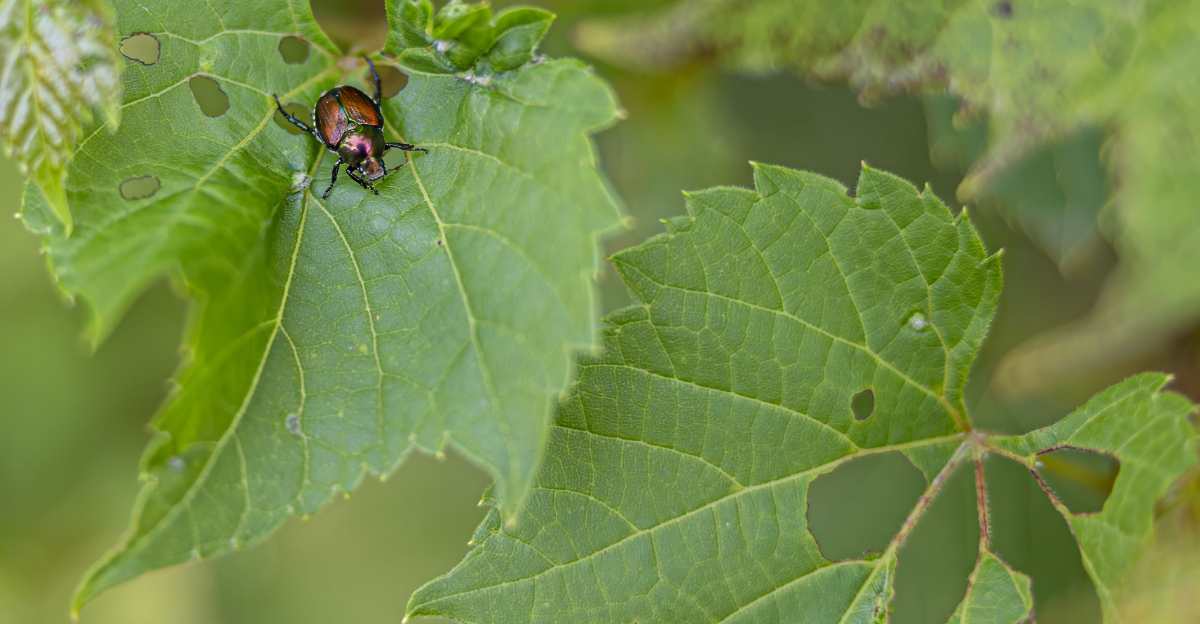
Japanese beetles show up in Michigan gardens every summer, and once they arrive, they can seem almost impossible to ignore. Their metallic shine may look harmless at first, but the damage they cause can build quickly as they feed on leaves, flowers, and fruit.
Many gardeners try to fight them right away, yet some common approaches actually make the problem worse over time.
In Michigan’s warm season, these beetles can spread fast, especially when conditions are right. What makes them tricky is how easily they are attracted to certain plants and even to each other once feeding begins.
Understanding how they behave is the first step toward managing them more effectively. With the right approach, you can reduce damage and avoid the mistakes that often lead to bigger infestations later in the season.
1. They Are Established And Widespread In Michigan
Japanese beetles are not rare visitors in Michigan. They are well established across the state, and many gardeners see them return every summer in both cities and rural areas.
If you garden in southeast Michigan, west Michigan, or the central part of the state, you are dealing with a regular seasonal pest, not a one time surprise.
That matters because your plan should focus on management, not wishful thinking. Adult beetles can fly in from nearby landscapes, parks, fields, and neighborhood lawns, so a tidy yard does not guarantee an empty garden.
Even if you did everything right last year, fresh beetles can still show up when the weather warms and favored plants start growing fast. The most helpful mindset is simple and realistic.
In Michigan gardens, Japanese beetles usually arrive as a repeating summer issue, which means early monitoring makes a big difference.
When you expect them, check roses, grapes, beans, linden, basil, hibiscus, and other favorites often, especially once early summer begins.
I find that gardeners feel less overwhelmed when they stop viewing each outbreak as unusual and start treating it like any other recurring garden task.
That small shift helps you respond faster, avoid panic purchases, and protect your best plants with steadier, smarter habits all season.
2. Adult Damage Looks Worse Than It Usually Is
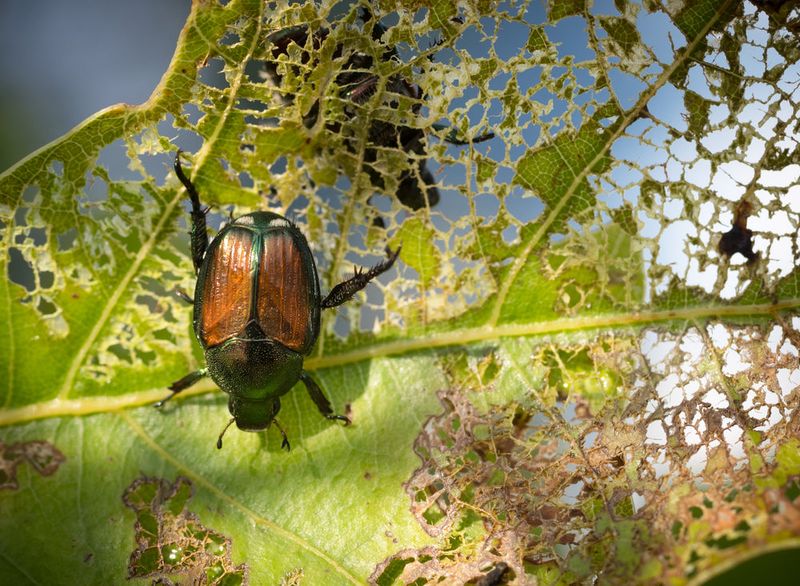
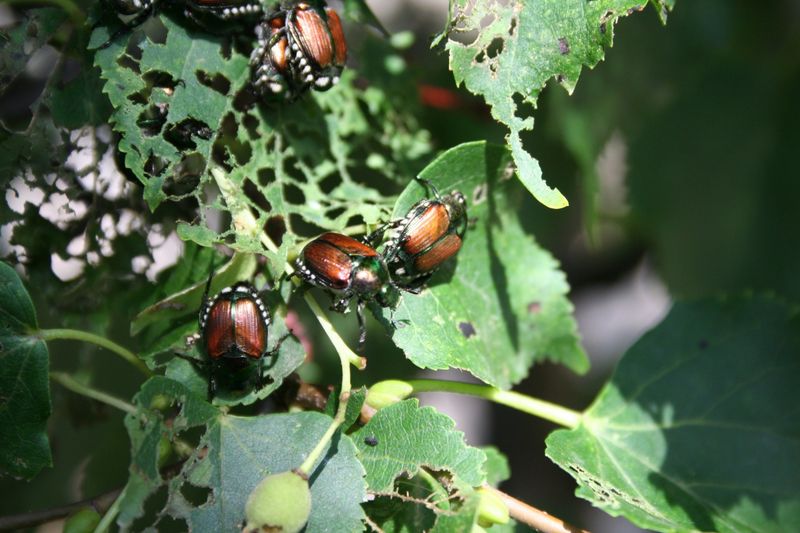
Few garden problems look as dramatic as Japanese beetle feeding. They chew the soft tissue between leaf veins, leaving a lacy, skeletonized pattern that grabs your attention right away.
In Michigan gardens, that kind of damage can spread fast on favorite plants, but the scary look does not always mean the plant faces lasting trouble.
Healthy trees, shrubs, and perennials usually handle moderate feeding better than you might expect.
A strong plant still has roots, stored energy, and new growth points, so it can often keep going after a rough stretch in early summer.
Roses may look ragged, grapes may show tattered leaves, and beans may lose some beauty, yet many established plants recover once beetle numbers drop. The real risk comes when stress piles up from several directions at once.
Newly planted specimens, plants already struggling with drought, and young fruiting crops have less room for error, so they deserve your closest attention in Michigan.
Your Michigan Garden Changes Every Week. Your Plan Should Too.
Gardening in Michigan changes quickly throughout the season. Every Friday you’ll receive a simple weekly plan showing exactly what to plant, prune, fertilize, harvest, and protect so you never miss the right timing.
I always tell gardeners to look beyond the leaf surface and ask a calmer question: is the plant still growing, blooming, or holding strong overall?
That quick check keeps you from overreacting, wasting money on harsh treatments, or assuming every damaged leaf means disaster.
Sometimes the smartest move is to protect key plants and give the rest time, water, and patience.
3. The Biggest Damage Window Is Early To Mid-Summer
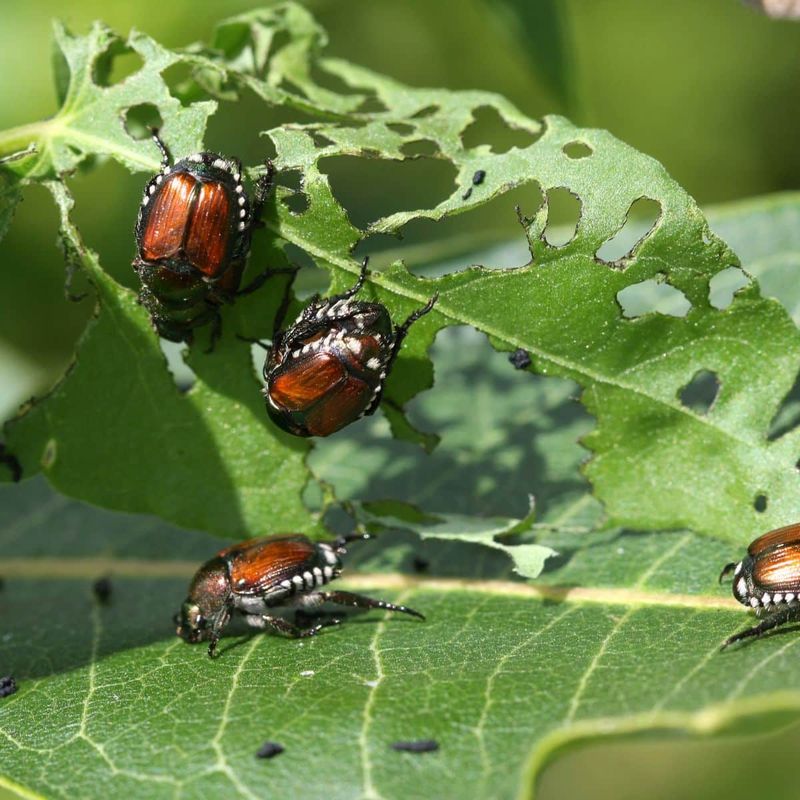
Timing changes everything with Japanese beetles in Michigan. Adult beetles usually begin emerging in early summer, often around late June or early July, and then feeding intensifies for several weeks.
That short burst creates the impression they will swarm nonstop until fall, but their heaviest activity usually sits in a more limited window.
Peak feeding often hits during early to mid-summer, when adults gather on favored plants, mate, and feed in groups.
Because they release attractive scents while feeding, a few beetles can quickly turn into many, which is why damage seems to explode over a weekend.
By late summer, numbers often ease, and many plants finally get a break even if the earlier damage still shows. Knowing that pattern helps you use your energy wisely.
In Michigan gardens, the best time to scout, cover vulnerable plants, and remove beetles by hand is right as adults begin appearing, not weeks after leaves already look shredded.
I like to remind gardeners that fast action in a narrow season beats a long, tired battle with random products.
Watch local plantings, check your own yard every morning during the main emergence period, and stay extra alert after warm weather.
When you understand the calendar, the problem feels smaller, your response becomes sharper, and your garden has a much better chance to hold its shape.
4. Pheromone Traps Often Make The Problem Worse
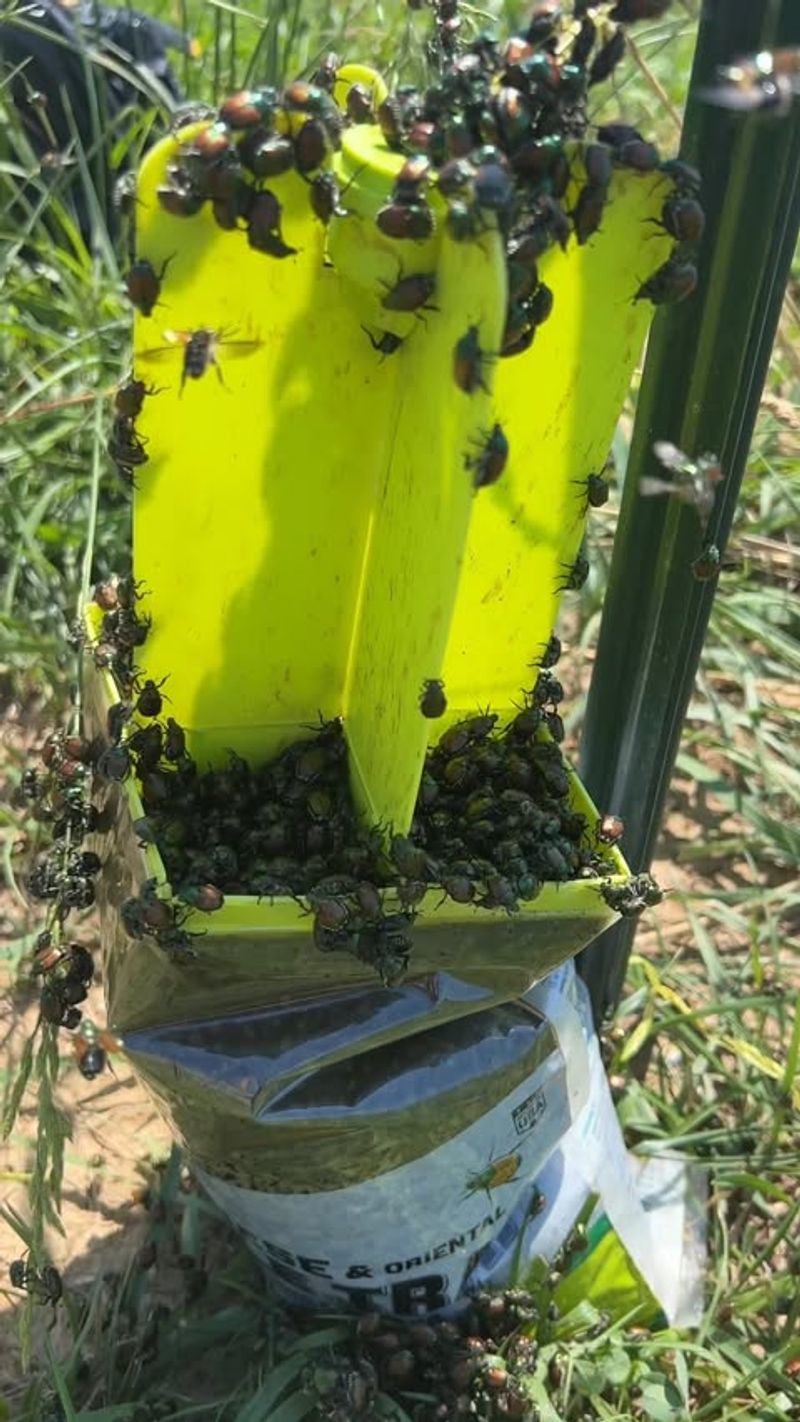
Pheromone traps seem like an easy answer, which is why so many Michigan gardeners try them.
The bag fills with beetles, and at first that feels satisfying because it looks like the trap is solving the problem.
The trouble is that the lure attracts beetles from a wide area, often drawing more into your yard than the trap can actually contain.
When a trap sits near roses, grapes, beans, or other favored plants, nearby feeding can increase instead of shrinking.
Research and extension advice have warned about this for years, yet traps still get marketed as a simple fix for home landscapes.
In a large property, a trap placed far away from valued plants may catch some beetles, but in a typical Michigan neighborhood garden, it often creates more frustration than relief.
If you already use traps, placement matters a lot, but many gardeners do better without them.
I usually suggest focusing on hand removal, row covers where practical, and protection for the plants you care about most rather than broadcasting a big invitation to every beetle nearby.
That approach feels less flashy, yet it usually serves your garden better.
When you skip the trap mistake, fewer beetles may gather around your beds in the first place, and your control efforts stay centered on real plant protection instead of a gadget that looks productive while quietly increasing pressure on nearby leaves and flowers.
5. Removing Grubs Does Not Stop Adult Beetles
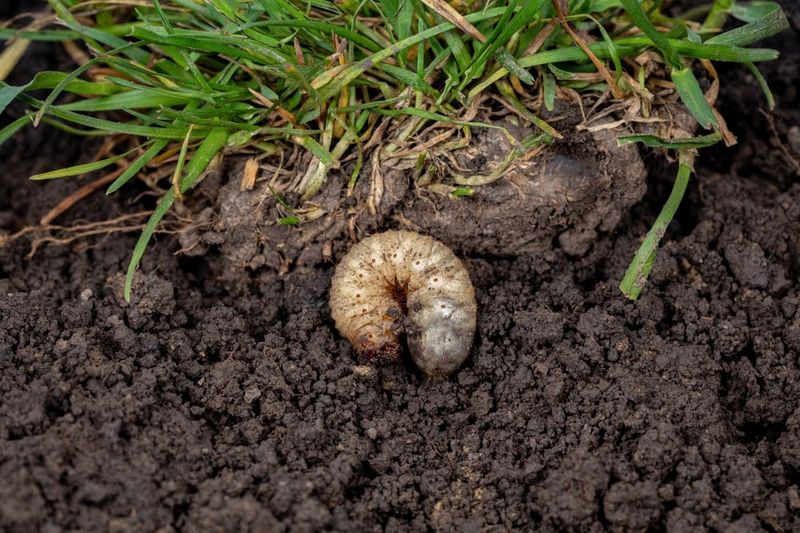
One of the biggest misunderstandings in Michigan is the idea that lawn grub treatment will keep adult Japanese beetles away from garden plants.
It sounds logical, but adult beetles are strong fliers and do not stay limited to the lawn where they developed.
They can arrive from neighboring properties, roadside turf, golf courses, and other nearby areas with very little trouble.
That means a perfectly treated lawn does not create an invisible shield around your roses or beans.
Grub management may reduce grub numbers in a specific patch of turf, but it will not prevent new adults from landing on leaves and flowers in summer.
If your goal is to protect ornamental plants, vegetables, or fruit in Michigan, you need to manage the adults you actually see in the garden. The best way to think about it is scale.
Grub control addresses one life stage in one spot, while adult beetles move across the landscape and follow the plants they like most.
I know that can feel unfair when you have already spent time and money on the lawn, but the distinction saves you from expecting results that treatment cannot deliver.
Instead of tying plant protection to turf treatment, keep your focus on early scouting, physical removal, and selective protection of high value plants.
That strategy matches how Japanese beetles behave in real Michigan neighborhoods and gives you a clearer, more effective path forward.
6. Milky Spore Is Not A Reliable Quick Fix In Michigan
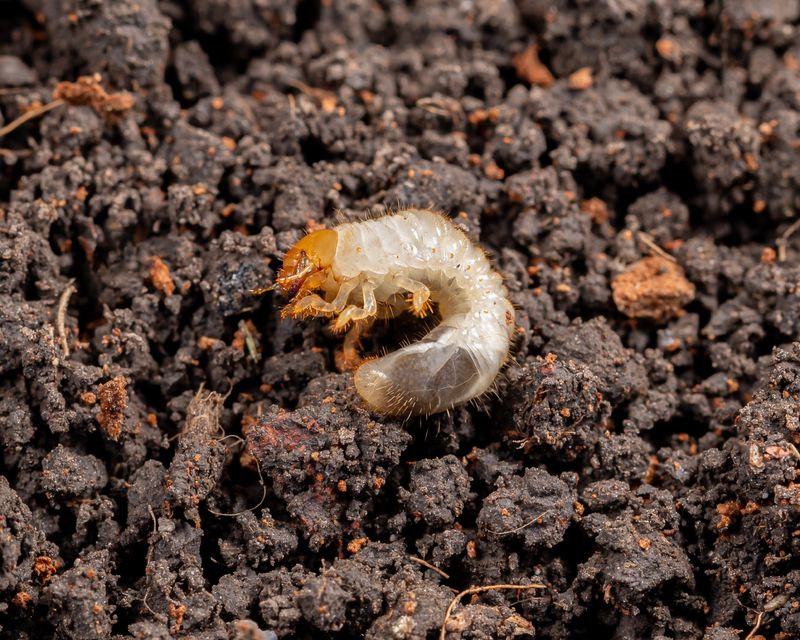
Milky spore gets a lot of attention because it sounds natural, targeted, and easy to trust. For Japanese beetles, it is often marketed as a long term answer for grubs in the soil, and that message appeals to frustrated gardeners.
In Michigan, though, it is not a dependable quick fix, and results are often inconsistent under local conditions.
The product depends on very specific conditions to build up in the environment and affect grub populations over time.
Cooler climates, variable soils, and the fact that adult beetles can keep flying in from surrounding areas all limit the practical value many homeowners expect.
Even when someone applies it carefully, visible relief in the garden may not follow, especially if the real concern is adult feeding on roses, grapes, or other favorite plants.
That does not mean every claim around milky spore is invented, but it does mean expectations need to stay grounded.
In Michigan gardens, relying on it as your main response can delay more useful actions during the weeks when beetles are actively feeding and multiplying on prized plants.
I prefer advice that helps you now, not promises that may or may not line up with your yard years down the road.
If a product sounds almost effortless, pause and ask how well it performs in Michigan specifically, not just in general marketing language. Accurate local guidance will save you money, time, and a lot of midsummer disappointment.
7. The Best Control Is Early And Targeted
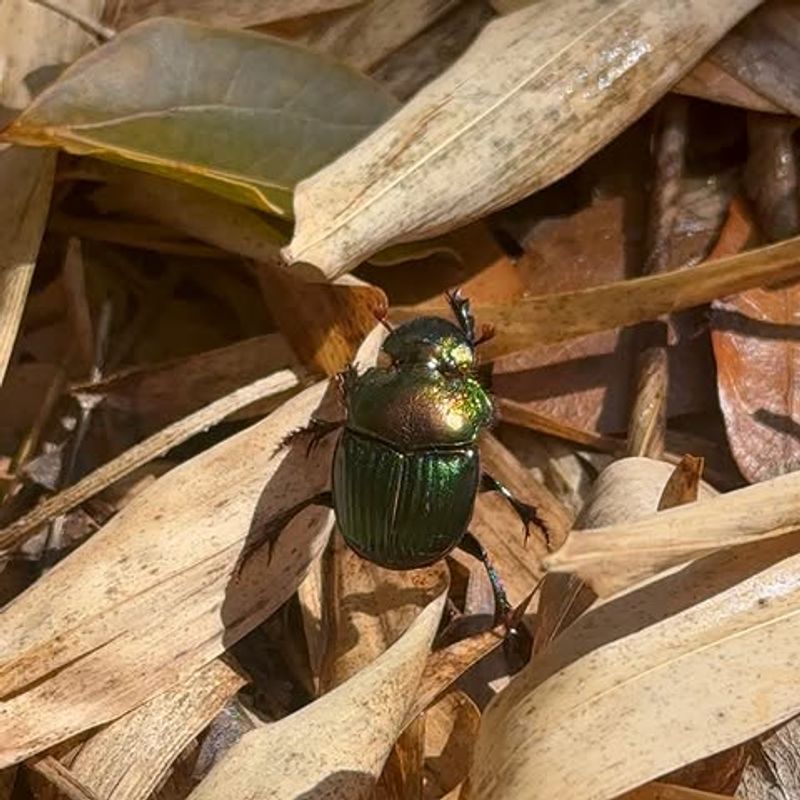
The most effective Japanese beetle control in Michigan usually looks simple, not flashy. Early action, steady observation, and attention to your most valuable plants beat last minute panic almost every time.
When beetles first appear, morning handpicking can sharply reduce feeding because cooler temperatures make them slower and easier to remove.
Drop beetles into soapy water, check susceptible plants daily during peak season, and focus on the places where groups gather first.
Protect high value plants with row covers when practical, and keep those plants watered and mulched so they can handle stress better.
A healthy plant is not immune, but it usually rebounds more smoothly after feeding than one already struggling with heat or dry soil. Targeted control also means accepting that not every leaf needs to look perfect.
In a Michigan garden, it often makes more sense to defend your grapes, roses, basil, beans, or young ornamentals than to chase every beetle across the whole yard.
I like that approach because it feels realistic and calm, and it gives you visible results fast. Skip broad promises, watch timing closely, and respond before numbers build.
Once beetles cluster and start attracting more of their own kind, pressure rises quickly, so the earlier you step in, the better your odds.
Smart, focused effort keeps the problem manageable and protects the plants you value most.