The March Garden Mistakes That Keep Ohio Tulips From Blooming

There’s nothing quite like stepping into your yard in early spring and noticing empty spaces where tulips should be. For many Ohio gardeners, the anticipation of bright blooms is matched by the frustration of buds that never appear, even when winter seemed mild.
March is a pivotal month for tulips. Soil temperatures, watering habits, and simple timing decisions made now determine whether those beloved bulbs produce the stunning display you imagine.
Everyday routines – like mulching or pruning at the wrong time – can quietly sabotage the results of last fall’s careful planting.
If you’ve been puzzled by tulips that vanish before they even start, the next sections highlight mistakes that are surprisingly easy to fix.
By understanding these missteps, you’ll see which changes make the difference between bare beds and a garden alive with color just weeks from now.
1. Ignoring Soil Temperature Before Planting
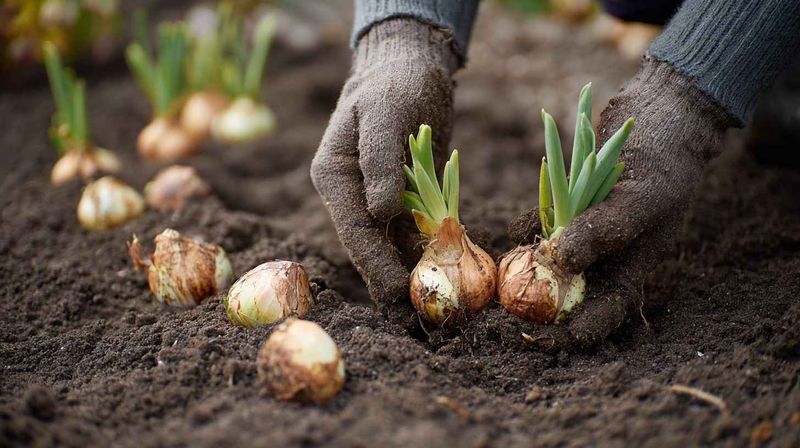
Most Ohio gardeners focus on the calendar when deciding when to plant tulips, but the calendar can actually fool you. Soil temperature matters far more than the date on your phone, and understanding this can make a noticeable difference in bloom success.
Tulip bulbs need the ground to be consistently cool, ideally around 45–50 degrees Fahrenheit, before they settle in and begin developing roots, since soil that is too warm can slow root growth and reduce overall vigor.
When soil is still too warm, bulbs sit in the ground without doing much activity. In some cases, they can even begin to rot before they ever get a chance to sprout and produce the colorful flowers gardeners are hoping for.
Ohio’s early March soil can vary widely depending on your location, whether you are in Cleveland, Columbus, or Cincinnati, so checking the actual ground temperature with a simple soil thermometer is a smart habit to develop each year.
A basic soil thermometer from any garden center gives you an accurate reading in seconds. Push it about four inches into the ground where you plan to plant your bulbs.
If the reading is above 50 degrees Fahrenheit, wait a few more days and check again before putting bulbs in the soil. Planting into cold but not frozen soil gives tulip bulbs the best possible start.
They need that chill period to trigger the blooming process naturally. Skipping this check is one reason Ohio gardeners may see leaves emerge but fewer flowers in April and May, and it can even affect the overall health of bulbs for future seasons.
2. Planting Bulbs Too Shallow Or Too Deep
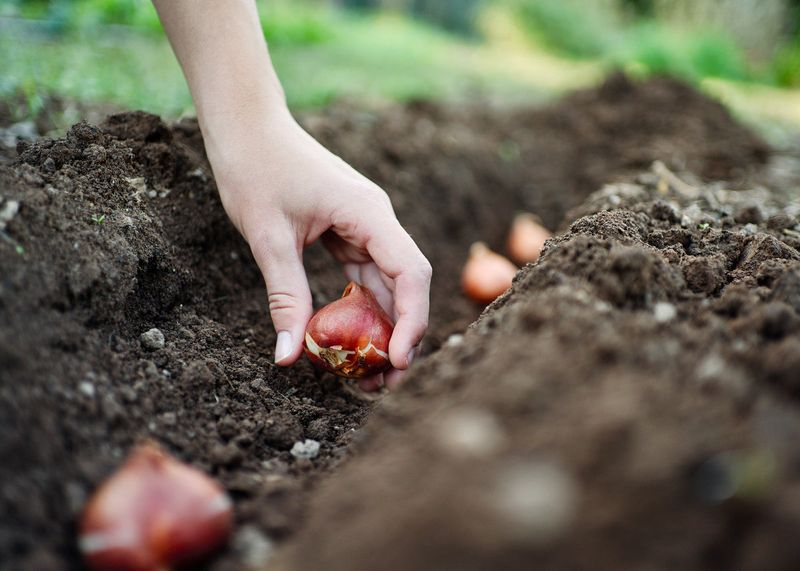
Depth is one of those details that seems minor until your tulips refuse to bloom for the third year in a row. Tulip bulbs planted too shallow are left vulnerable to Ohio’s wild temperature swings in March, which can range from freezing overnight to surprisingly warm afternoons within the same week.
These rapid shifts in soil temperature can damage the bulb and interfere with root establishment.
When a bulb sits too close to the surface, it experiences repeated freeze-thaw cycles that stress the bulb and interrupt root development, which may reduce flowering or weaken the bulb for future seasons. On the flip side, planting too deep makes it harder for the sprout to push through all that soil and reach the sunlight it needs to grow strong and eventually flower.
Your Ohio Garden Changes Every Week. Your Plan Should Too.
Gardening in Ohio changes quickly throughout the season. Every Friday you’ll receive a simple weekly plan showing exactly what to plant, prune, fertilize, harvest, and protect so you never miss the right timing.
Root growth may also be slower in overly deep soil, especially in heavier clay areas common across parts of Ohio.
The sweet spot for tulip bulbs is between six and eight inches deep, measured from the base of the bulb. A good rule of thumb is to plant the bulb at a depth that is about three times its height.
So if your bulb is two inches tall, you want to plant it roughly six inches down. Using a bulb planter tool makes this process much easier and more consistent across your whole garden bed.
Many Ohio gardeners skip the measuring step and just eyeball it, which leads to uneven results season after season. Taking a minute to measure correctly can mean the difference between vibrant tulip blooms and a disappointing spring, while keeping bulbs healthy for years.
3. Skipping Spring Fertilization For Tulips

Here is something a lot of Ohio gardeners do not realize: tulips are surprisingly hungry plants. By the time March rolls around and those first green tips poke out of the ground, the bulbs have already been working hard underground for several weeks to build energy for growth.
They need nutrients to finish the job and push out a strong, healthy bloom.
Skipping fertilization in early spring is one of the quieter mistakes gardeners make. Without the right nutrients, tulip plants may produce leaves but fail to develop a full flower.
The plant simply does not have enough energy stored in the bulb to complete the blooming process on its own, especially if soil nutrients are limited.
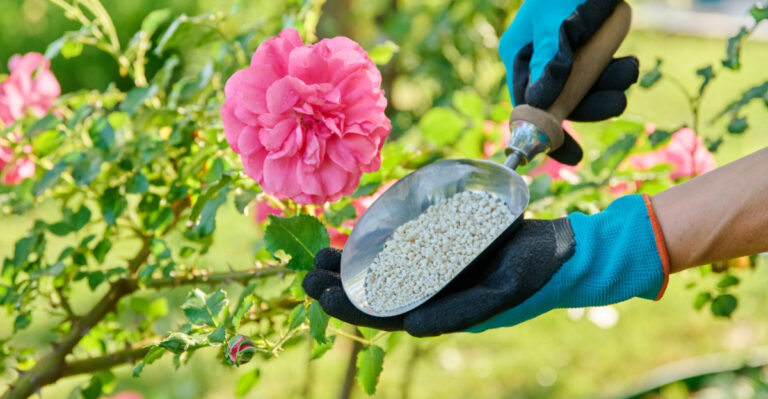
A balanced, slow-release fertilizer applied when the tips first emerge in March is ideal. Look for a product with a good phosphorus content, since phosphorus supports both root and flower development.
Avoid high-nitrogen fertilizers, which encourage leafy green growth at the expense of blooms and may reduce flowering quality.
Scatter the fertilizer gently around the base of the emerging shoots and water it in lightly. You do not need a large amount; just a light feeding at the right time supports growth.
Fertilizing tulips in early spring helps promote healthier blooms compared to skipping this step, though results can vary depending on soil type, drainage, and local weather conditions. Feeding your tulips in early spring is a small effort that rewards Ohio gardeners with vibrant, long-lasting flowers when bloom season arrives.
4. Watering Mistakes That Stress Bulbs
Water is life for any plant, but tulips have a delicate relationship with moisture. Too much water is just as problematic as too little, and Ohio’s rainy March weather already provides ample soil moisture in many parts of the state.
Adding extra irrigation on top of natural rainfall can quickly create conditions that favor disease or rot, pushing things in the wrong direction.
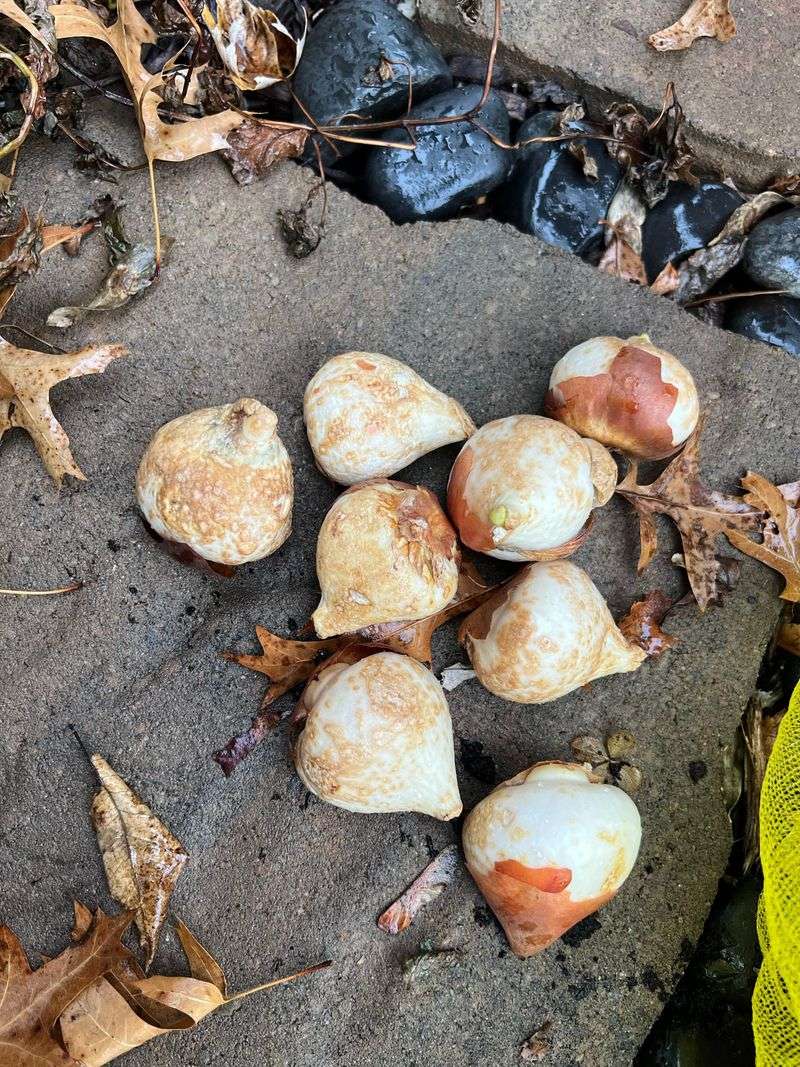
Overwatered tulip bulbs are at serious risk of rotting in the ground before they even bloom. Bulb rot is a common and frustrating problem because you often do not notice it until you are digging around wondering why nothing has emerged.
The damage occurs underground and out of sight, which makes prevention far more important than attempting to fix it later. Tulips in poorly drained soil are particularly vulnerable to fungal pathogens that thrive in saturated conditions.
Good drainage is the single most important factor for tulip watering. If your Ohio garden bed holds standing water after rain, consider amending the soil with coarse sand, compost, or organic matter to improve drainage before planting.
Raised beds are another excellent option for gardeners dealing with heavy clay soil, which is common across central and northern Ohio.
During dry spring spells, tulips do benefit from a moderate drink of water about once a week. But always check soil moisture first.
Stick a finger two inches into the soil; if it still feels damp, skip watering that day. Allowing the soil to dry slightly between waterings keeps bulbs healthy, supports strong root systems, and encourages vibrant, long-lasting blooms throughout the season.
5. Failing To Remove Mulch At The Right Time
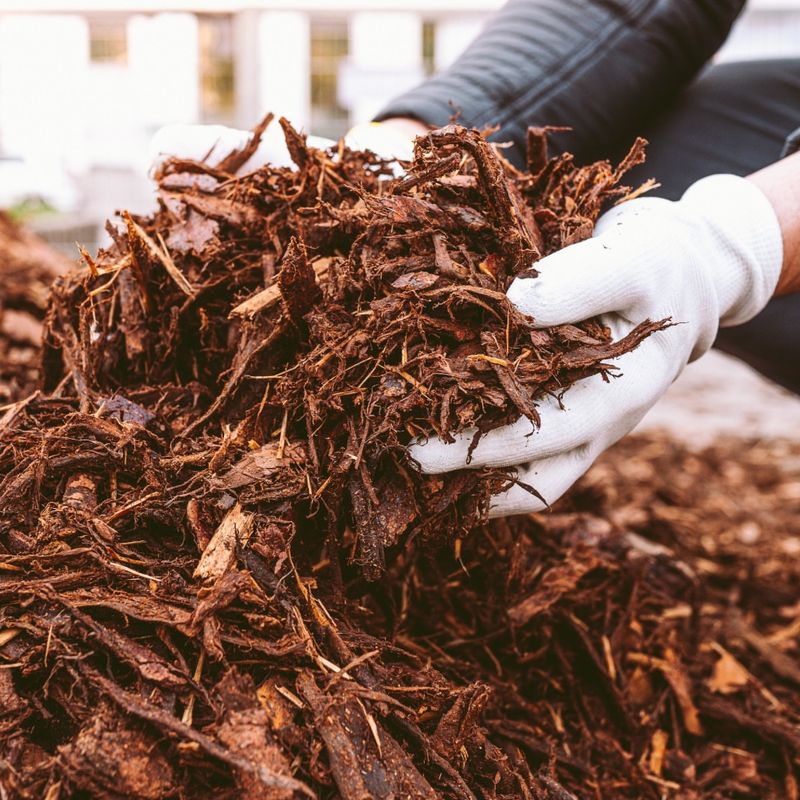
Mulching tulip beds over winter is a smart move for Ohio gardeners, especially in colder regions like northeastern Ohio where temperatures drop hard and stay low for months. A thick layer of straw, shredded leaves, or pine needles protects bulbs from the worst of winter’s freeze and helps insulate the soil.
But leaving that mulch on too long into spring is a common mistake that can quietly hold your tulips back and slow their early growth.
When March arrives and soil temperatures start climbing, tulip shoots begin pushing upward. A heavy layer of mulch sitting on top of the soil can block those emerging shoots and prevent them from getting the sunlight they need to develop strong stems.
In some cases, tulip tips get bent or damaged trying to push through a thick, compacted mulch layer, which can reduce bloom quality or delay flowering.
The right time to pull back mulch is when you first notice the tips of your tulips starting to poke through the soil surface. Do not wait until the shoots are several inches tall, because by then some damage may already be done.
Gently rake the mulch back a few inches away from the base of the plants to give them room to breathe and grow freely.
You can leave the mulch nearby and push it back around the plants later in the season to help retain moisture, moderate soil temperature, and reduce weed growth. Timing this step correctly helps Ohio gardeners protect tulips, and staying observant in March ensures healthy, vibrant blooms each spring.
6. Neglecting Pest And Rodent Protection
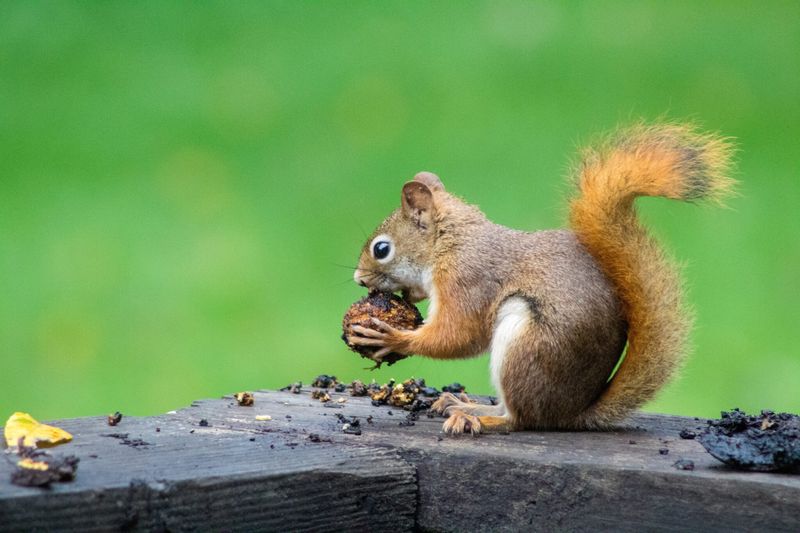
Squirrels, voles, and chipmunks are some of the most enthusiastic tulip fans in Ohio, and unfortunately they do not enjoy them the same way we do. These critters have a well-known habit of sniffing out freshly planted tulip bulbs and digging them up before they ever get a chance to bloom.
If you have ever planted a full bed of tulips only to find empty holes in spring, you know exactly what this feels like.
Ohio neighborhoods are full of squirrels, and they are especially active in early spring when food sources are still scarce. Tulip bulbs are rich, calorie-dense snacks that rodents actively seek out.
Underground voles can tunnel directly to bulbs without disturbing the soil surface, making them even harder to detect until the damage is done.
A few practical steps can protect your bulbs significantly. Planting bulbs inside wire mesh cages made from hardware cloth is one of the most effective methods.
The roots and shoots grow through the small openings, but rodents cannot reach the bulb itself. You can also try sprinkling crushed red pepper flakes or a commercial animal repellent around the planting area.
Some Ohio gardeners mix daffodil bulbs in with their tulips, since rodents tend to avoid daffodils due to their natural toxicity. This companion planting trick can create a natural barrier around your tulip bulbs.
Staying proactive about pest protection means your March planting efforts actually result in the colorful spring blooms you have been looking forward to all winter long.
7. Neglecting Deadheading And Spent Flowers
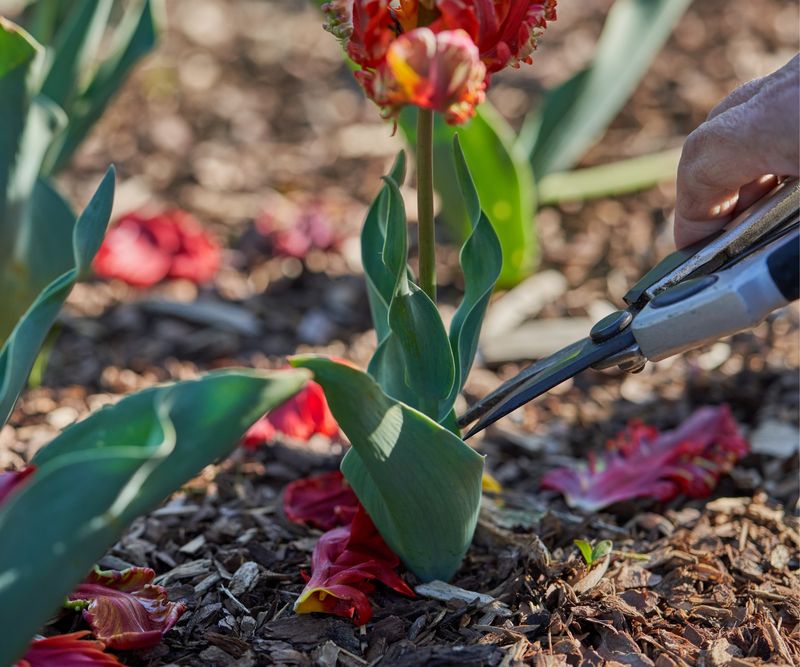
One of the little garden tasks that quietly affects tulip performance in future springs is proper deadheading and foliage care right after the blooms fade. Many Ohio gardeners enjoy that burst of tulip color in April or May, then assume the hard work is done for the year.
However, how you handle faded flowers and the leaves that follow plays a major role in whether the same bulbs have enough energy to bloom again and remain healthy for several seasons.
As soon as the tulip’s petals drop, removing spent flower heads helps keep the plant from forming seed pods, which divert energy away from strengthening the bulb underground. Research‑based guidance from university Extension programs recommends deadheading tulips promptly after they finish blooming to prevent undesirable seed and pod development that can weaken bulbs over time and reduce future flower size.
At the same time, it’s important not to cut back the green leaves or foliage. Those leaves continue to photosynthesize after blooms fade, creating and storing carbohydrates in the bulb for next year’s growth.
Both Iowa State and other land‑grant Extension resources advise leaving foliage intact until it has naturally turned yellow and fully died back before removing it.
Too often gardeners tidy up beds too soon, snipping off foliage or trimming stems early, which can interrupt this energy‑storage phase and reduce the bulb’s ability to produce strong blooms the next spring. Careful post‑bloom attention to deadheading, combined with letting foliage die back naturally, ensures that your tulip beds stay vigorous, healthy, and ready for beautiful flowers from one year to the next.