8 Plants Ohio Gardeners Should Divide This April For Stronger Growth
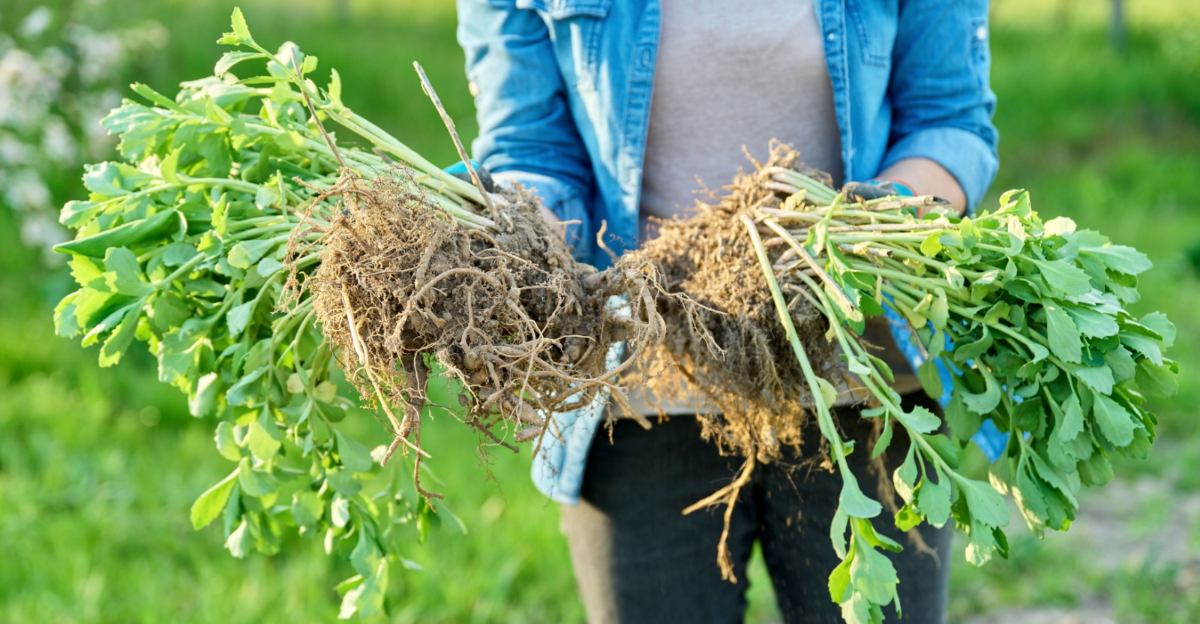
April in Ohio feels like a turning point in the garden, when bare beds start showing signs of life almost overnight. Fresh shoots push through the soil, and it becomes clear which plants are ready for a reset.
This short window is one of the best times to divide overgrown perennials before summer conditions take hold.
Giving plants more space now can lead to stronger growth and better flowering as the season unfolds.
With mild temperatures and steady spring moisture, Ohio gardens offer ideal conditions for divided plants to settle in and start growing again with less stress.
1. Hostas Benefit From Early Spring Division
Walking through an Ohio garden in early April, you might notice fat little hosta shoots poking up through the soil like green fingers reaching for daylight.
That moment, right as those shoots emerge, is one of the best times to grab a spade and get to work dividing your hostas.
The crowns are easy to see, the soil is moist and workable, and the plants have not yet invested energy into leafing out fully.
Hostas tend to do well when divided every four to five years. Clumps that have grown large and crowded often produce smaller leaves and lose some of their lush, layered look.
Dividing them refreshes the planting and gives each section more room to spread out naturally.
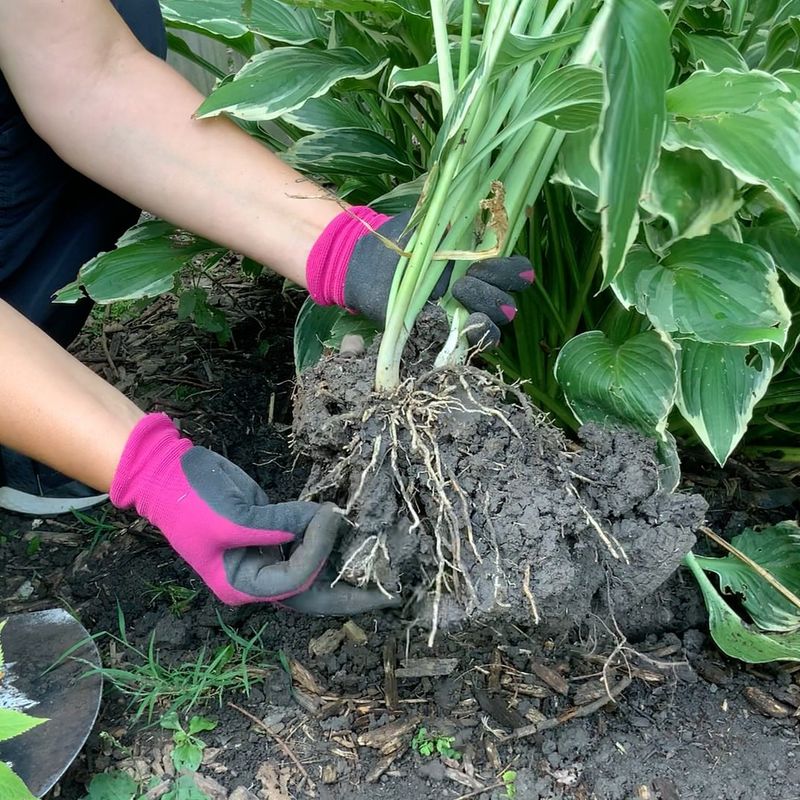
To divide, dig the entire clump and use a sharp spade or garden fork to separate it into sections, making sure each piece has at least three to five healthy eyes or growth points.
Replant each division at the same depth it was growing before, and space them generously so they have room to fill in over the coming seasons.
Water the new divisions thoroughly right after planting and keep the soil consistently moist through the first few weeks.
Ohio’s spring rains often help with this, but supplemental watering during dry spells will support faster establishment and encourage strong root development.
2. Daylilies Bounce Back Quickly After Dividing
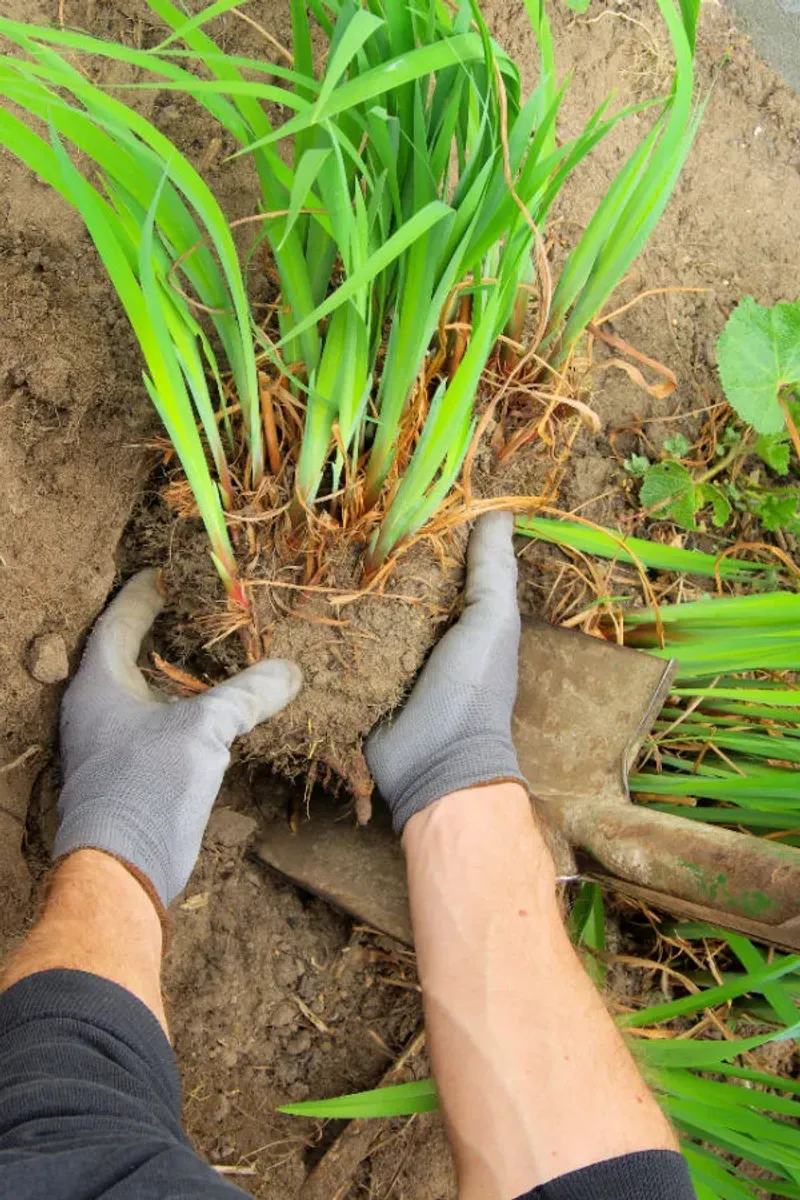
Few perennials in an Ohio garden are as forgiving as daylilies, and their resilience makes April an ideal time to split up crowded clumps.
When daylilies have been growing in the same spot for several years, you might notice fewer blooms and tighter, more tangled growth.
That is a clear sign the plants are ready for division.
Early spring is a smart time to tackle this task because the fans of new foliage are short and manageable, and the roots have not yet grown into a dense, knotted mass.
Dig up the entire clump with a garden fork, then gently pull or cut individual fans apart, making sure each division has a healthy fan of leaves and a solid portion of roots attached.
Replant your divisions right away at the same depth they were growing, spacing them roughly eighteen inches apart. That spacing might look generous at first, but daylilies fill in quickly and will appreciate the room by midsummer.
Water them in well after planting. Ohio’s spring soil tends to hold moisture well after winter, which works in your favor here.
Your Ohio Garden Changes Every Week. Your Plan Should Too.
Gardening in Ohio changes quickly throughout the season. Every Friday you’ll receive a simple weekly plan showing exactly what to plant, prune, fertilize, harvest, and protect so you never miss the right timing.
Most daylily divisions will show strong new growth within two to three weeks and should bloom reliably by their first summer, especially if they were taken from a well-established clump with vigorous roots.
3. Sedum Divides Easily Before New Growth Takes Off
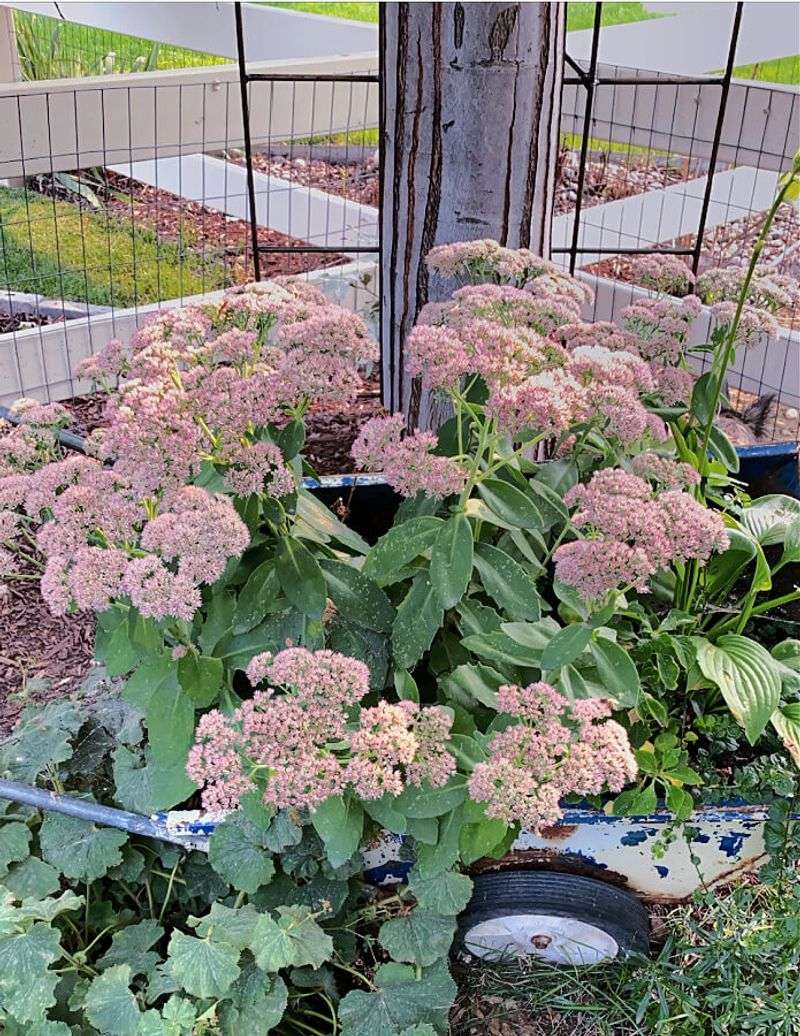
Sedum, especially the popular Autumn Joy variety, has a tendency to sprawl and flop as clumps age. If you have noticed your sedum looking a little loose or falling open at the center, early April is a great time to address it.
Dividing before the new growth gets too tall keeps the process clean and straightforward.
As fresh shoots begin appearing at the base of the clump, dig up the entire plant and take a close look at the center. Older sedum clumps often develop a woody, less productive core surrounded by younger, more vigorous outer growth.
Use a sharp spade to remove that woody center and keep the healthy outer sections for replanting.
Each division should have a firm base with several emerging shoots attached. Replant in well-drained soil and full sun, spacing divisions about fifteen inches apart.
Sedum is not a heavy feeder, so there is no need to add a lot of amendments unless your soil is particularly poor.
One thing Ohio gardeners appreciate about sedum is how quickly it bounces back. The plants are naturally tough and drought-tolerant once established, and they tend to recover from division with very little fuss.
Water new divisions in well and check on them during any dry stretches in April and May to keep the roots from drying out before they settle in.
4. Black Eyed Susan Responds Well To Spring Splitting
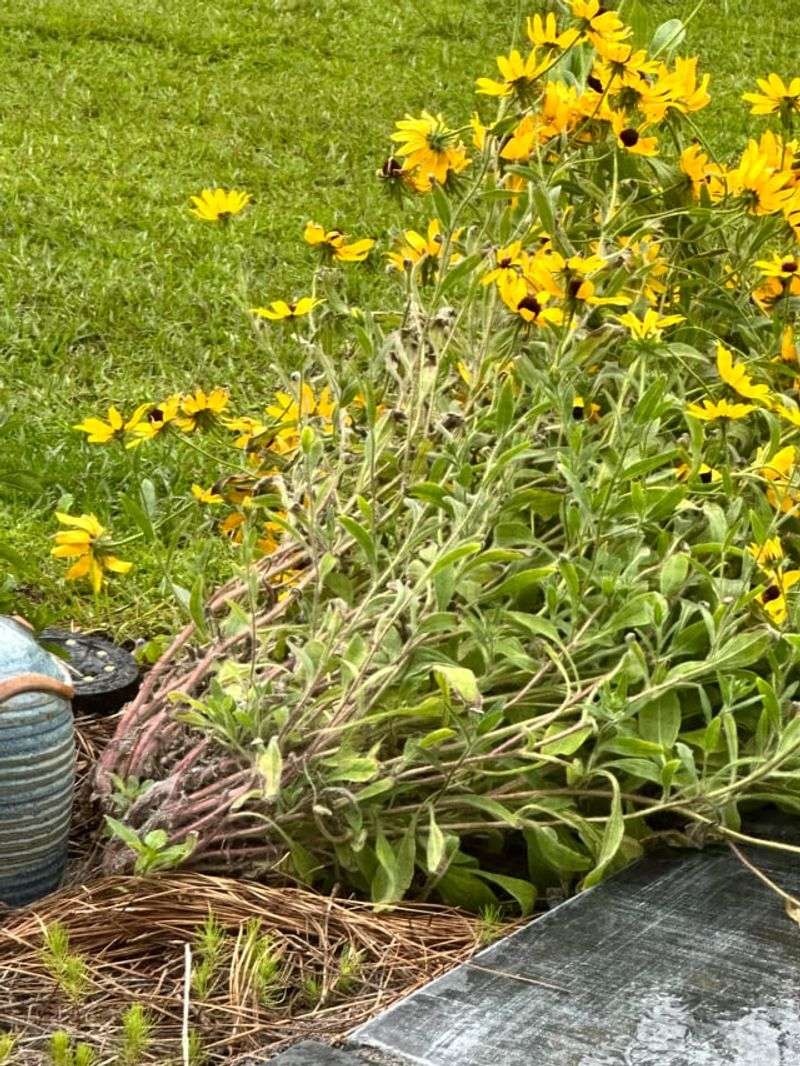
Black-eyed Susans are a staple in Ohio gardens, valued for their cheerful yellow blooms and their ability to attract pollinators all summer long.
Over time, though, established clumps can become quite dense, and that crowding often leads to reduced flowering and increased competition for water and nutrients.
April is a solid month to divide black-eyed Susans because the new growth is just beginning to form compact rosettes close to the ground. At this stage, the plants are easy to dig and handle, and each division is simple to identify.
Use a garden fork to lift the clump, then pull or cut it apart into sections, making sure each piece has a healthy cluster of leaves and a good root system beneath it.
Space replanted divisions about twelve to fifteen inches apart in a sunny spot with reasonably well-drained soil.
Black-eyed Susans are not picky about soil fertility, but they do appreciate good drainage, which is something Ohio gardeners can improve easily by working in a bit of compost before replanting.
After division, water thoroughly and keep an eye on moisture levels for the first few weeks. These plants are fairly drought-tolerant once established, but new divisions need consistent moisture to develop strong roots.
Most will settle in quickly and produce a full flush of blooms by midsummer, rewarding your April effort generously.
5. Coneflower Establishes Strong Roots After Division
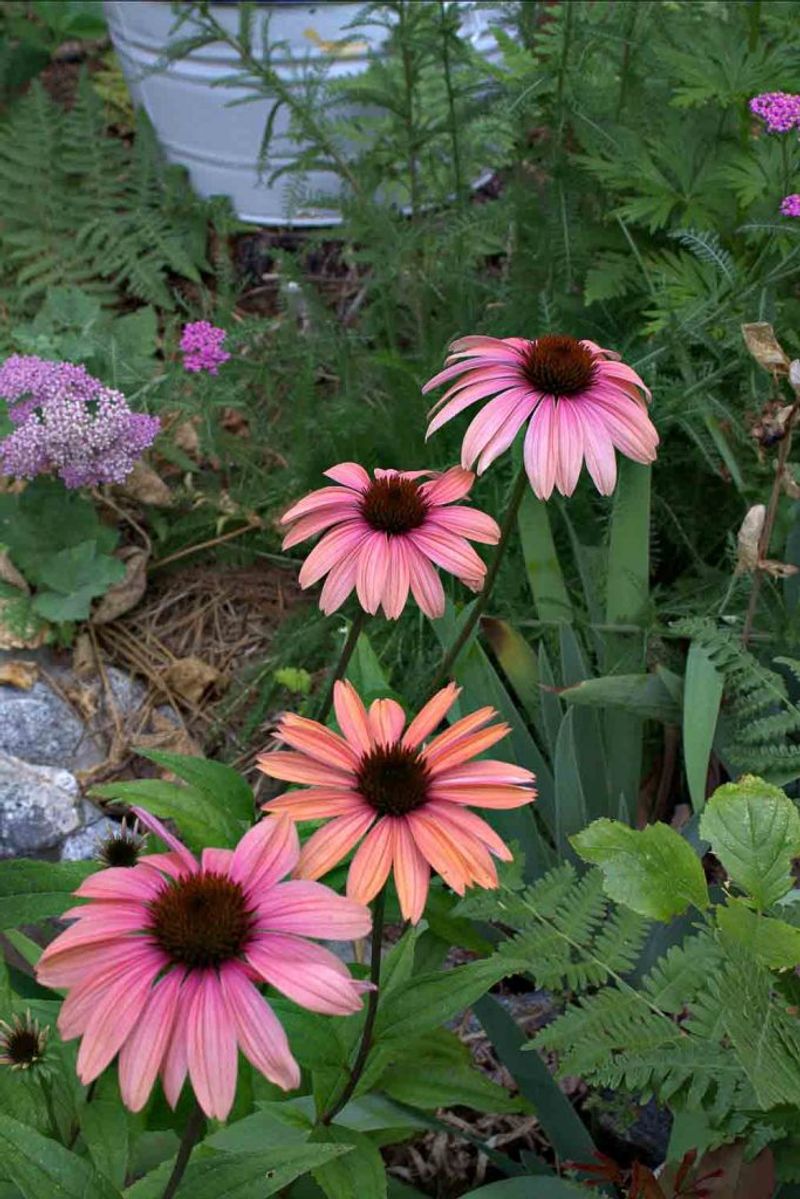
Coneflowers, known botanically as Echinacea, are among the hardest-working perennials in an Ohio garden. They feed pollinators, provide late-season interest, and come back reliably year after year.
After three or four years in the ground, however, large clumps can start to look crowded and produce fewer of those iconic purple blooms.
Splitting coneflowers in April gives each division a long growing season to settle in and build a strong root system before summer heat arrives. Look for the small, flat rosettes of new foliage emerging near the soil surface.
That is your signal to start digging. Use a sturdy garden fork to lift the entire clump, working carefully to preserve as much of the root system as possible.
Coneflower roots can be thick and somewhat brittle, so take your time pulling sections apart rather than forcing them. Each division should have a healthy crown with visible growth buds and a reasonable amount of root attached.
Replant at the same depth in a sunny location, spacing divisions about eighteen inches apart.
Water new divisions in well and plan to water regularly during dry spells through April and May. Ohio springs can be unpredictable, so having a watering can or hose handy is wise.
Most coneflower divisions establish well within a few weeks and may produce some blooms in their first season, though the second year typically brings a fuller display.
6. Bee Balm Grows Better With Regular Division
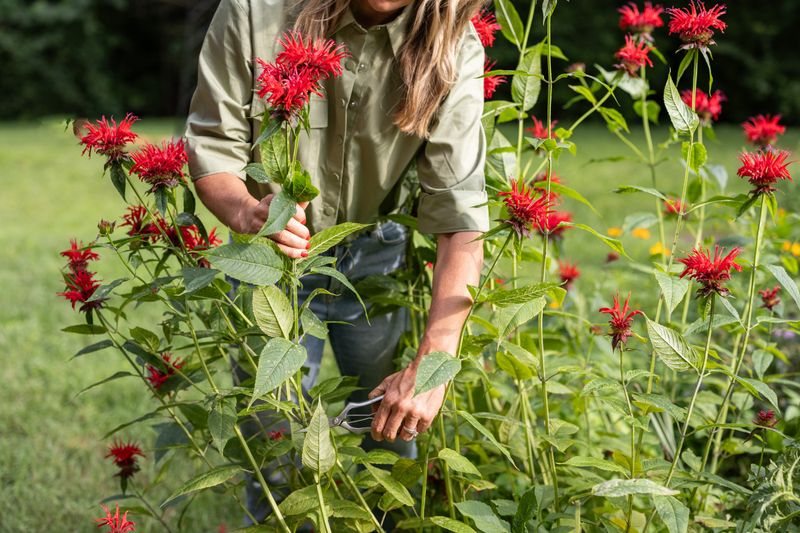
Bee balm is one of those plants that starts out beautifully but can quietly take over a garden bed if left unchecked for too long.
By the time an Ohio April rolls around, established bee balm clumps are already sending up fresh red or pink shoots, and that is exactly the right moment to divide them.
Regular division, ideally every two to three years, helps bee balm stay vigorous and reduces its tendency to develop powdery mildew, a common problem when plants are overcrowded and airflow is restricted.
Dividing in spring also means each new section has plenty of time to establish before the hot, humid Ohio summers that can encourage fungal issues.
To divide, dig up the clump and pull it apart into smaller sections, each with three to five healthy shoots and a firm root mass. Discard the older woody growth from the center of the clump and replant only the younger, outer sections.
Space divisions at least eighteen inches apart, or even wider if you have the room, to encourage better air circulation around the plants.
Water thoroughly after planting and consider adding a thin layer of mulch to help retain moisture and regulate soil temperature.
Ohio’s spring weather can swing between warm and cool days, and a light mulch layer helps keep conditions more stable for newly divided roots as they begin to grow.
7. Shasta Daisy Produces Fuller Clumps After Dividing
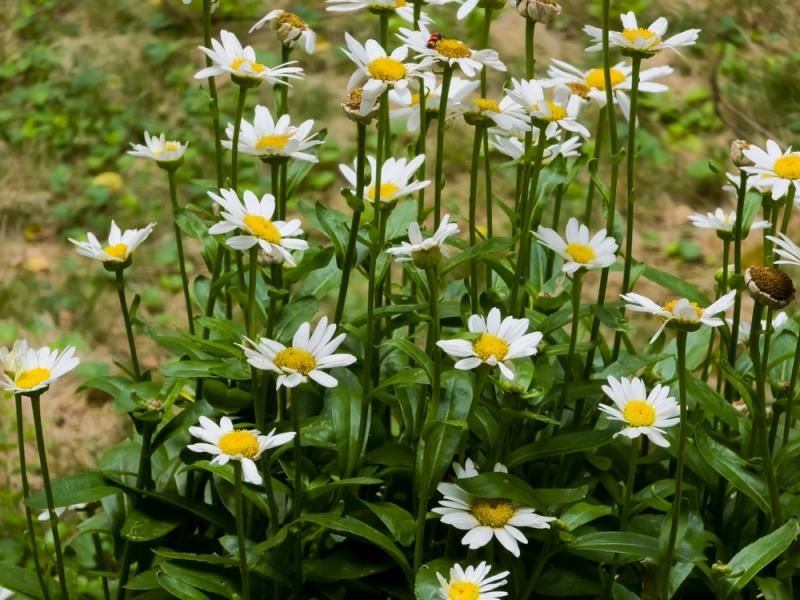
There is something satisfying about a full, blooming Shasta daisy clump in an Ohio summer garden, but older clumps have a habit of developing hollow or sparse centers over time.
If yours has started looking a little thin in the middle, April is the right time to address it before the plants put their energy into flowering.
As soon as you see fresh green growth emerging low to the ground, dig up the entire clump and examine it. The outer edges typically hold the most vigorous growth, while the center tends to be older and less productive.
Separate the healthy outer sections and set the tired inner portion aside. Each division you replant should have a firm base of foliage and a healthy root system attached.
Replant in refreshed soil, working in a bit of compost if the bed has not been amended recently. Space divisions twelve to fifteen inches apart in a spot that receives full sun for most of the day.
Shasta daisies are sun lovers and will bloom most generously when they get at least six hours of direct light.
Water new divisions thoroughly and keep the soil evenly moist through the first few weeks. Ohio’s April rainfall usually helps with this, but check the soil regularly and supplement during dry stretches.
Well-divided Shasta daisies often reward gardeners with noticeably fuller, more floriferous clumps by their first full summer after being split.
8. Garden Phlox Benefits From Early Season Division
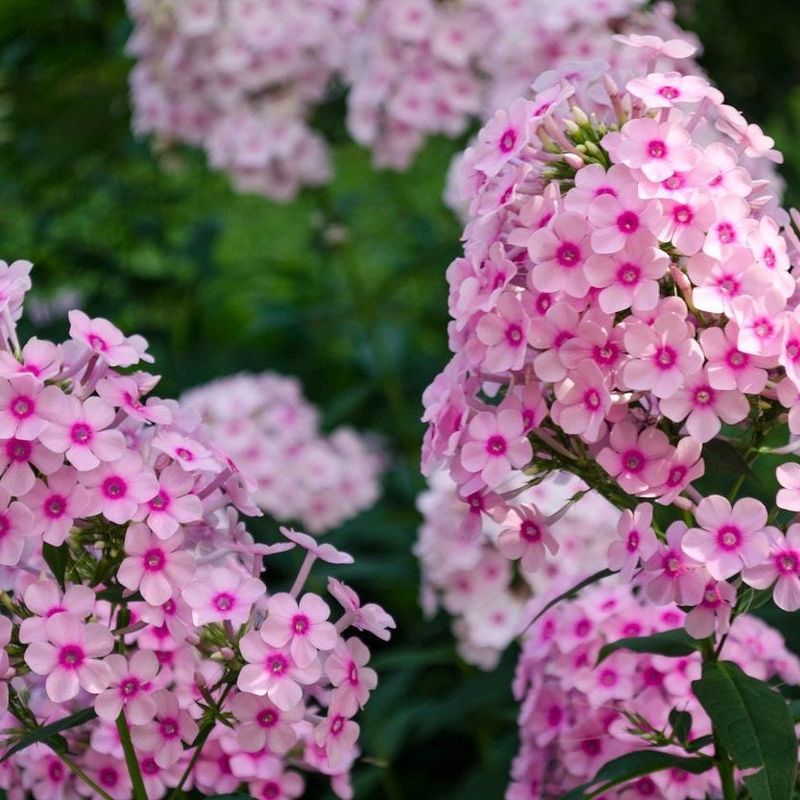
Garden phlox is a classic Ohio perennial, beloved for its fragrant summer blooms and tall, colorful flower spikes.
What many gardeners do not realize is that overcrowded phlox clumps are far more likely to struggle with powdery mildew and produce fewer, smaller flower clusters.
Dividing in early April can help change that pattern significantly.
When new shoots are just beginning to push up from the base of the clump, typically only a few inches tall in early April, the timing is just right. Dig up the entire plant and separate it into sections, each containing three to five healthy shoots with a solid root mass.
Avoid keeping sections with very few shoots or weak, stringy roots, as those divisions tend to take much longer to establish.
Replant in full sun to part shade, spacing divisions at least eighteen inches apart. That spacing is important for phlox because it promotes better airflow around the stems, which can reduce the likelihood of mildew problems later in the season.
Ohio’s warm, humid summers make good spacing especially worthwhile for this plant.
After planting, water thoroughly and add a layer of mulch around the base of each division to help hold moisture and keep the soil temperature steady.
Keep an eye on watering through April and May, as consistent moisture during the early weeks of establishment gives garden phlox the best chance to develop strong roots and produce a full, fragrant display come summer.