Trim These Spent Blooms Now For Bigger Flowers In California
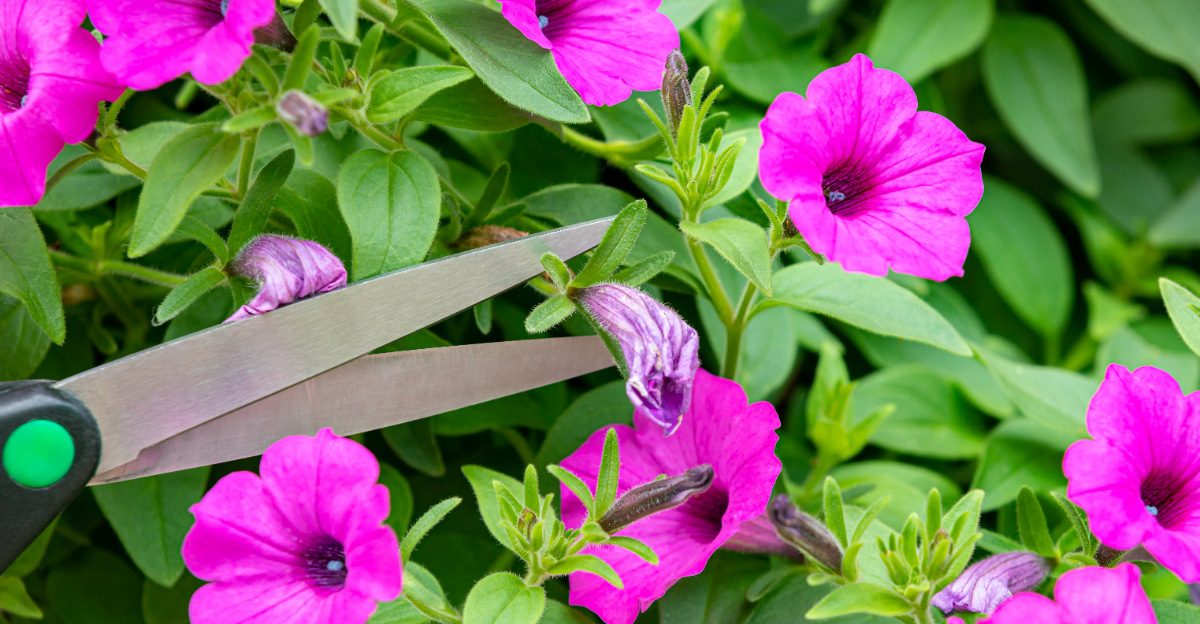
It’s easy to walk past fading flowers and think their moment is over. Petals drop, colors dull, and the plant starts to look a little tired.
But here’s the surprising part. Those spent blooms are actually holding your plants back from putting on an even better show.
Many flowering plants shift their energy into seed production once blooms fade. That means fewer new flowers and a shorter blooming season overall.
A quick trim tells the plant to stop focusing on seeds and get back to producing fresh blooms instead.
It’s one of the simplest garden tasks, but the payoff can be huge. More flowers, brighter color, and a longer-lasting display, all from a few quick snips here and there.
If your garden is starting to look a little past its peak, this small step can bring it right back to life and keep the blooms coming strong.
1. Pansies
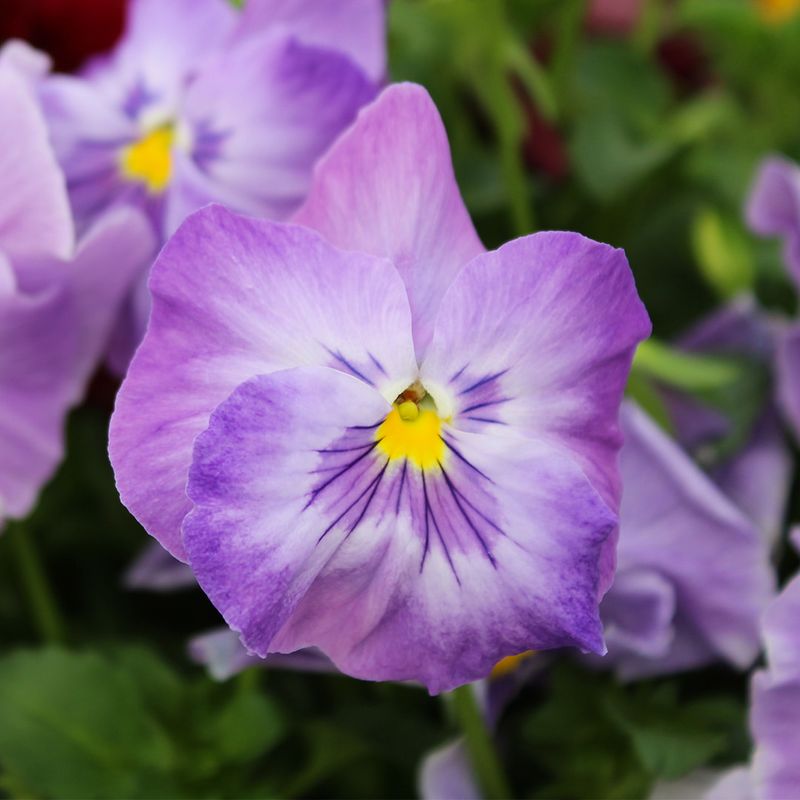
Few flowers brighten up a California garden quite like pansies. Their cheerful little faces come in almost every color you can think of, from deep purple to sunny yellow.
But here is the thing: once a pansy flower fades, the plant shifts its energy toward making seeds instead of new blooms.
Trimming spent pansies is simple. Just pinch off the spent flower right at the base of the stem, making sure you remove the small green seed pod behind the petals too.
That seed pod is where all the plant’s energy goes if you leave it behind.
In California, pansies thrive during the cooler months, especially in coastal and inland valley regions. Regular trimming every few days keeps them blooming strong through late spring.
Use your fingers or a small pair of scissors for the cleanest removal. The more you pick off old blooms, the more new ones the plant pushes out.
It really is that straightforward. Even kids can help with this task.
Make it part of your morning garden routine and your pansy patch will stay full, lush, and loaded with color for weeks longer than if you left them alone.
2. Violas
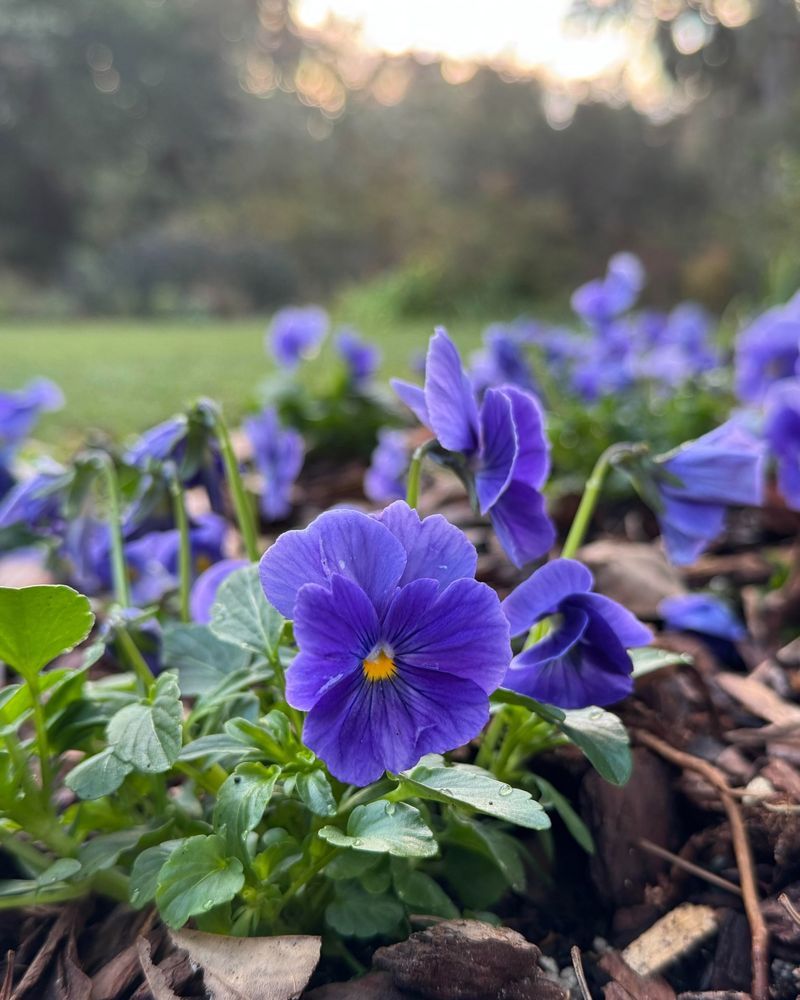
Violas are the smaller, tougher cousins of pansies, and they absolutely love California’s mild winters and springs. They spread quickly and can fill a garden bed with color before you know it.
But like most flowering plants, they slow down when spent blooms are left to go to seed.
The good news is that violas are one of the easiest plants to deadhead. Run your fingers lightly along each stem and pinch off any flower that looks faded or papery.
You do not need special tools. Your thumb and forefinger work perfectly fine for this job.
What makes violas especially rewarding is how fast they respond. Within just a few days of trimming the spent blooms, you will notice new buds forming where the old flowers were.
In California’s mild climate, especially in areas like the Bay Area or San Diego, violas can bloom for an incredibly long stretch of time if you stay on top of removing those old flowers. Try to deadhead every three to four days during peak bloom season.
Your California Garden Changes Every Week. Your Plan Should Too.
Gardening in California changes quickly throughout the season. Every Friday you’ll receive a simple weekly plan showing exactly what to plant, prune, fertilize, harvest, and protect so you never miss the right timing.
It takes only a few minutes but makes a huge difference. A well-tended viola bed looks full, colorful, and almost effortlessly beautiful all season long.
3. Petunias
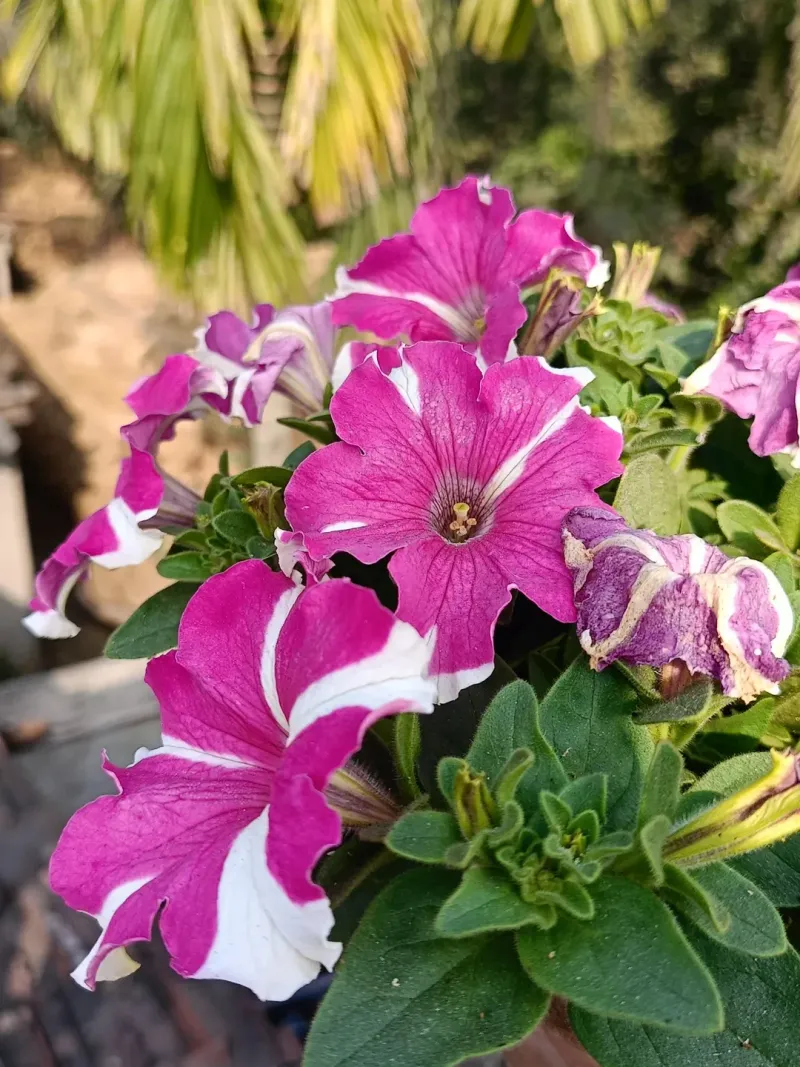
Petunias are one of the most popular flowering plants in California, and for good reason. They come in a rainbow of colors, grow well in containers and garden beds, and bloom like crazy when they are happy.
The catch is that they need regular trimming of spent blooms to keep that show going strong.
Left on their own, petunias get leggy and stop producing as many flowers. Removing the spent blooms redirects the plant’s energy back into making new buds.
Pinch off the old flower along with the sticky green base beneath it. That base is the seed-forming part, and removing it is key.
In warmer California regions like the Central Valley or Southern California, petunias can bloom from spring all the way into fall. That is a long season, and consistent trimming is what makes it possible.
Some gardeners also give their petunias a light trim mid-season to encourage a fresh flush of growth. Cut the stems back by about a third if the plant starts looking stretched out.
Then resume regular trimming as new blooms appear. With just a little attention, petunias will reward you with an almost nonstop display of color throughout California’s long and sunny growing season.
4. Geraniums (Pelargoniums)
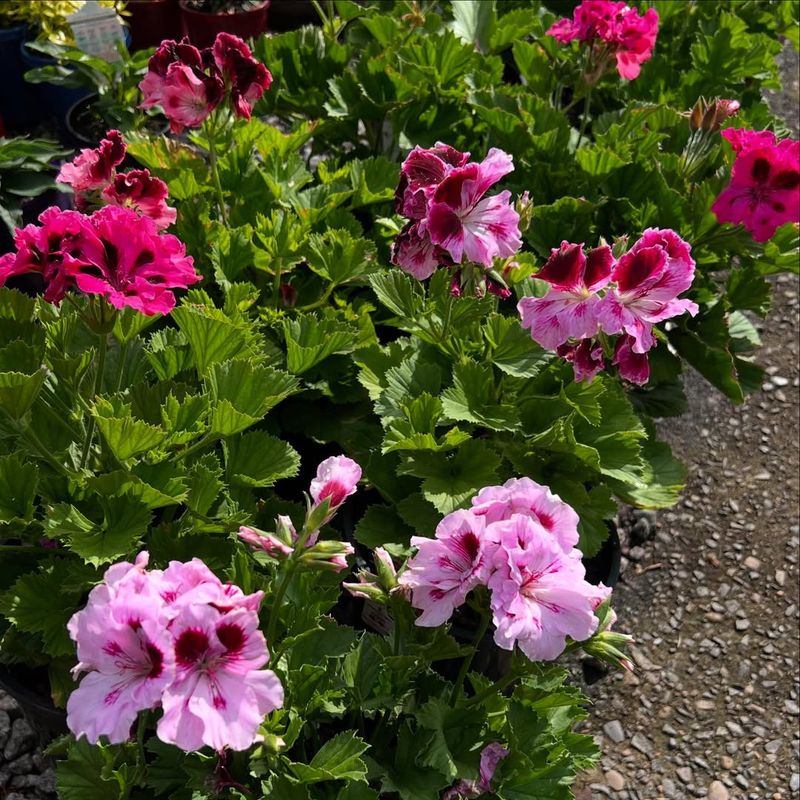
Geraniums, or pelargoniums as they are properly called, are a staple in California gardens and window boxes. They are tough, colorful, and wonderfully low-maintenance.
But even these reliable bloomers need a little help to keep performing at their best throughout the season.
Trimming spent geraniums is slightly different from other plants. You want to trace the flower stem all the way back to where it meets the main stem, then snap or cut it off cleanly at that point.
Just removing the flower head and leaving the bare stem behind does not help much. The whole stem needs to go.
California’s warm, dry summers are ideal for geraniums, especially in coastal towns and hillside gardens. When you remove spent flower clusters regularly, the plant puts its energy into pushing out fresh stems and new buds.
You will also notice the plant looks tidier and healthier overall. Leggy or overgrown geraniums can also benefit from a light pruning of the stems to encourage bushier growth.
Try to deadhead at least once a week during the blooming season. It is a quick and satisfying task that keeps your geraniums looking vibrant and full from early spring well into the warm California autumn months.
5. Calendula
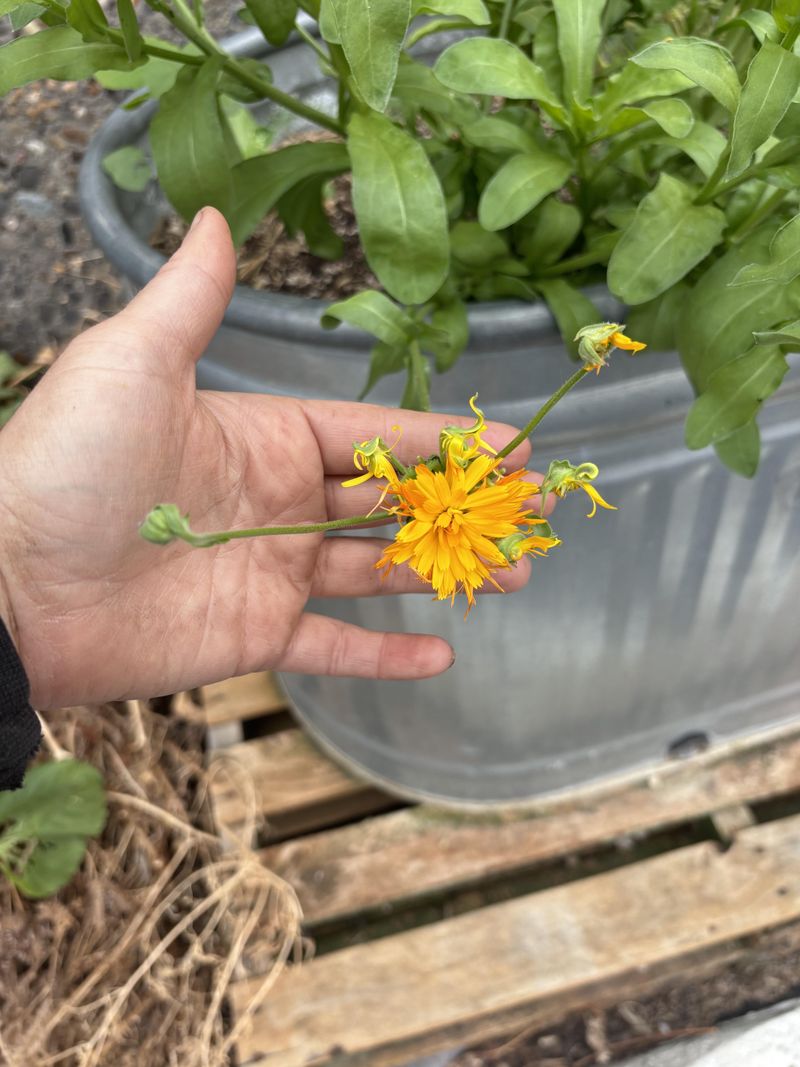
Calendula is one of those cheerful, hard-working flowers that practically thrives on being deadheaded. Also known as pot marigold, it produces bold orange and yellow blooms that light up any garden space.
It is also a cool-season favorite in California, blooming beautifully from fall through spring in many parts of the state.
When a calendula flower fades, it forms a tightly coiled seed head that looks almost like a little green spiral. Removing this seed head before it matures is the key to keeping more flowers coming.
Use small scissors or pruning shears and cut the stem just above the nearest set of healthy leaves.
California gardeners in coastal areas like Santa Barbara or Monterey often enjoy calendula blooms for months at a stretch. The more you deadhead, the more the plant produces.
It is a genuinely rewarding cycle. Calendula is also known for attracting beneficial insects like bees and hoverflies, so a healthy, blooming plant does double duty in the garden.
If you let too many seed heads form, blooming slows down noticeably. Stay consistent with your routine and this sunny little flower will keep your garden glowing with warm color long into the California growing season.
6. Snapdragons
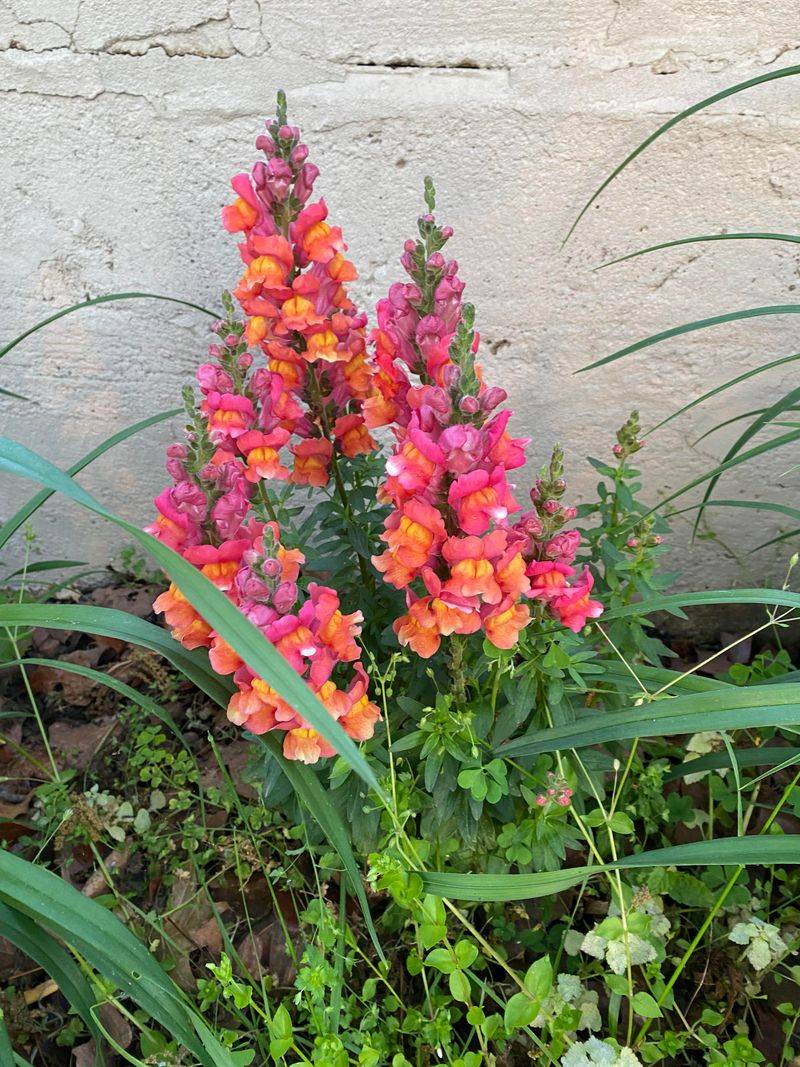
Snapdragons have a certain old-fashioned charm that never goes out of style. Their tall spikes of ruffled, dragon-mouthed flowers come in almost every color imaginable, and they are a cool-season superstar across much of California.
Trimming the spent blooms properly can dramatically extend their blooming period.
The trick with snapdragons is knowing where to cut. As the flowers on a spike begin to fade from the bottom up, wait until most of the blooms on that spike are spent, then cut the entire spike back to just above a set of healthy side shoots.
Those side shoots will quickly grow into new flowering stems.
In California, snapdragons perform best in the cooler months, from late fall through early spring. Gardeners in the Sacramento Valley and coastal regions often enjoy them well into late spring if they keep trimming the spent blooms consistently.
Letting the seed pods form at the top of each spike signals the plant to slow down, so removing spent spikes before that happens is important. Some gardeners also feed their snapdragons with a balanced fertilizer after trimming to give them an extra boost.
With regular care and timely trimming, snapdragons will keep sending up fresh flower spikes and filling your California garden with color for a surprisingly long time.
7. Sweet Peas
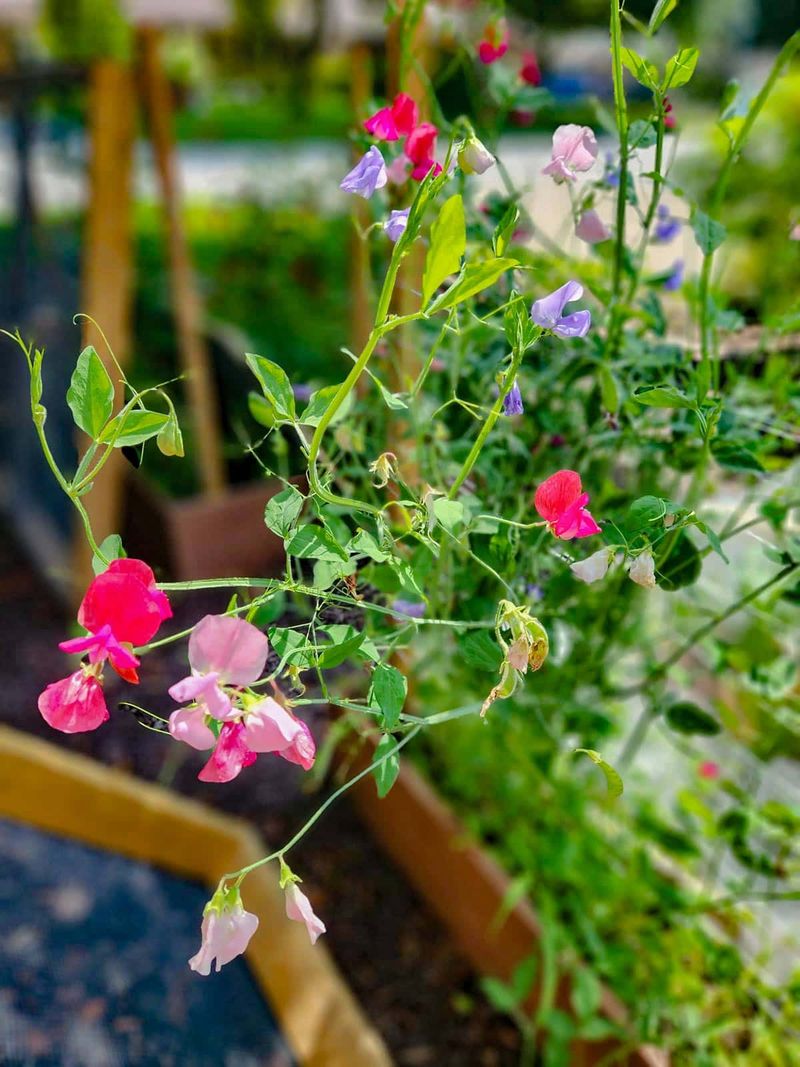
Sweet peas are absolutely magical in a California garden. Their delicate, ruffled blooms and sweet fragrance make them one of the most beloved cool-season flowers in the state.
They also happen to be one of the plants that responds most dramatically to regular trimming.
Sweet peas are programmed to produce seeds quickly once flowers fade. When that happens, the plant essentially thinks its job is done and slows down blooming fast.
Removing spent flowers before seed pods form is the single most important thing you can do to keep them going. Check your plants every two to three days during peak bloom.
In California, sweet peas typically thrive from late winter through mid-spring, especially in cooler coastal areas and higher elevation gardens. The moment you spot a faded bloom or a tiny swelling seed pod, remove it right away.
Snip the flower stem cleanly with small scissors or pinch it off with your fingers. Some gardeners also cut fresh sweet pea bouquets frequently, which serves the same purpose as trimming blooms while also bringing those gorgeous blooms indoors.
The more you pick, the more the plant produces. It is one of gardening’s most satisfying rewards, especially when the fragrance fills your California backyard on a warm spring morning.
8. African Daisies (Osteospermum)
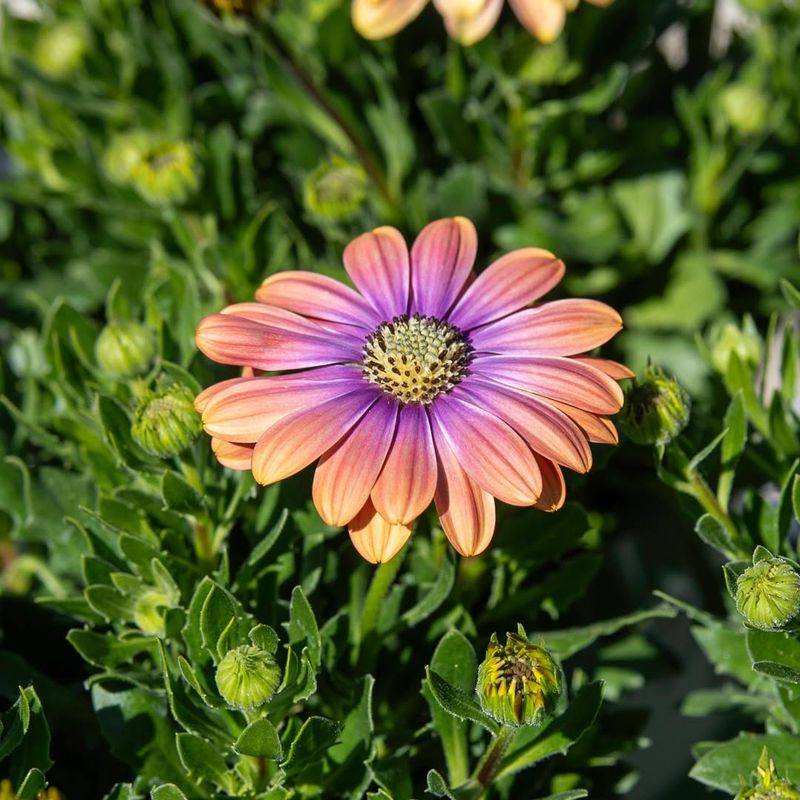
African daisies, known botanically as osteospermum, are a stunning sight in California gardens. Their daisy-like blooms in shades of purple, white, orange, and yellow practically glow in the California sunshine.
They are tough, drought-tolerant, and capable of blooming for a very long season with the right care.
Trimming African daisies keeps them from getting that tired, straggly look that happens when spent blooms pile up. Use small pruning shears or scissors to cut the flower stem back to just above the next set of leaves or a new bud.
This clean cut encourages the plant to branch out and produce more flowers.
These plants do especially well in Southern California and coastal areas where temperatures stay mild. They can sometimes slow down during the hottest summer months, but consistent trimming of blooms helps them push through and resume blooming when temperatures ease.
If your plant starts looking leggy or overgrown, a light overall trim along with trimming can rejuvenate it beautifully. African daisies are also fantastic in containers and along sunny garden borders.
Staying on top of removing old blooms is the simplest way to keep them looking full and vibrant. A little regular attention goes a very long way with these cheerful California garden favorites.
9. Primroses
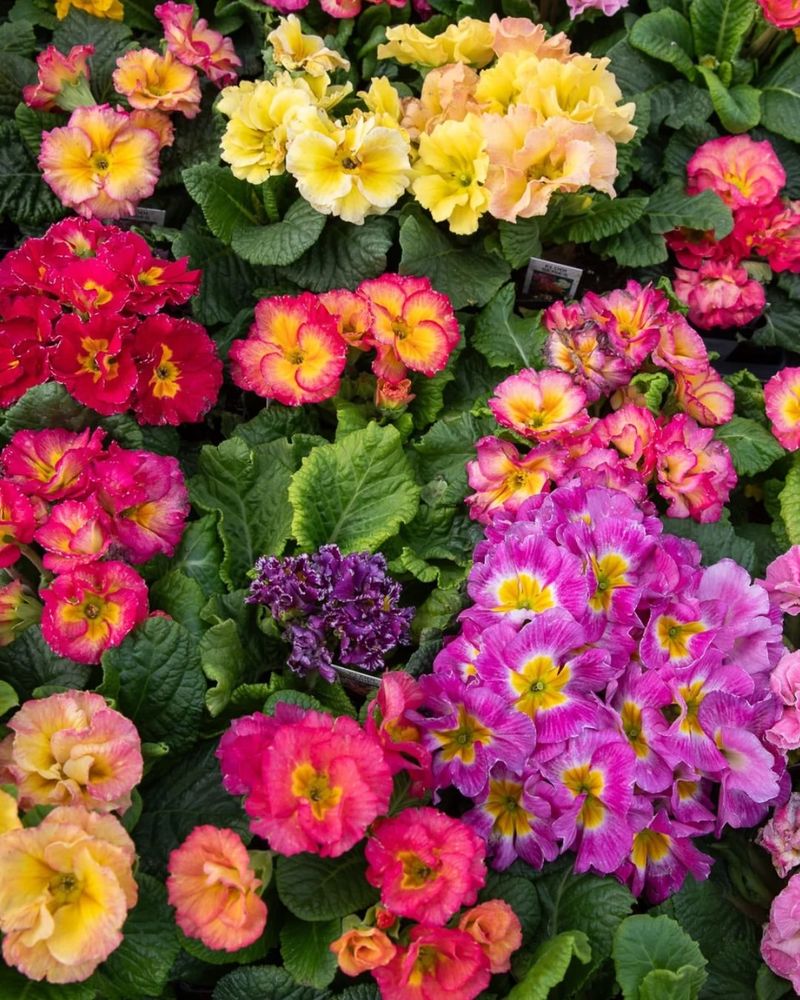
Primroses bring a soft, cottage-garden feel to California landscapes during the cooler months. Their clusters of bright blooms in pink, red, yellow, and white are a welcome sight after the dull winter season.
They thrive in partly shaded spots and moist, well-drained soil, making them perfect for garden beds under trees or along shaded pathways.
Trimming primroses encourages the plant to keep producing fresh flower clusters rather than putting energy into seed formation. Gently pinch or snip off individual spent flowers at the base of their small stems.
When an entire flower cluster fades, remove the whole stem back to the base of the plant to keep things tidy and productive.
In California, primroses are typically a winter and early spring flower, performing beautifully in cooler regions like the Bay Area, Northern California, and higher inland valleys. They appreciate regular moisture and do not like to dry out completely.
Also removing any yellowing or damaged leaves helps the plant stay healthy and focused on blooming.
Some gardeners in California treat primroses as annuals, replacing them each season, but with proper trimming and care, they can often rebloom reliably.
Give them consistent attention and they will reward you with weeks of cheerful, colorful flowers.