Grow Way More Food In Less Space In Texas With These 10 Vegetables
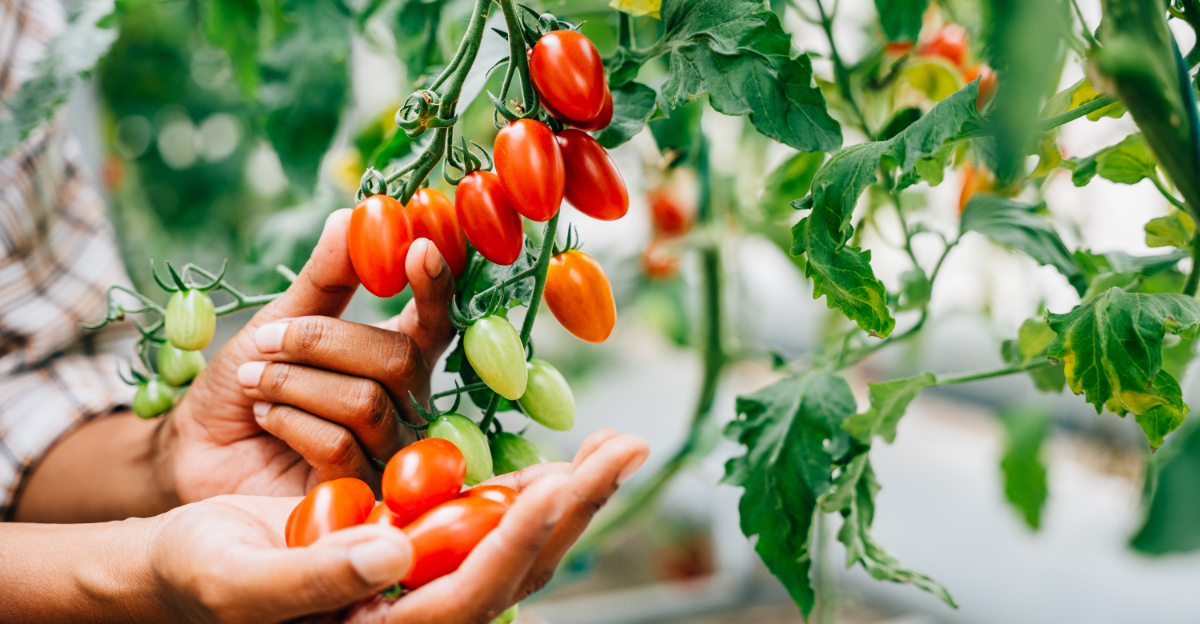
Texas gardens can be a challenge for anyone trying to grow enough food without taking over the yard. Many of us remember crowded raised beds or overflowing containers that never seemed to yield enough despite careful planning.
Choosing the right vegetables and arranging them efficiently can transform limited space into a productive mini-farm.
Plants that grow vertically, mature quickly, or keep producing throughout the season make a huge difference for gardeners balancing work, family, and yard care.
Even small corners of the garden or patio containers can become surprisingly abundant with the right choices.
By selecting vegetables suited for both your climate and your space, your garden starts to feel like a well-oiled system.
Soon, you’ll notice plants thriving where you never thought they could, producing a harvest that keeps coming without demanding more room than you have.
1. Peppers That Bring Heat And Color To Your Garden
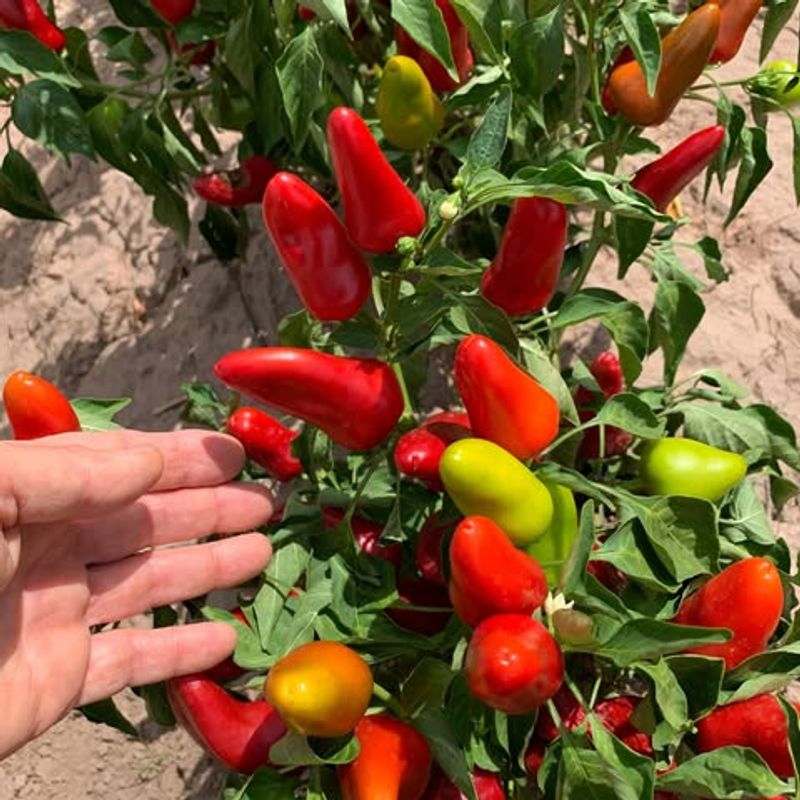
Performing well in Texas heat, peppers fit into compact spaces and often produce fruit over an extended period with consistent care. Whether you prefer sweet bell peppers or something with a little kick, there is a compact variety out there that will thrive in your small garden setup.
Varieties like California Wonder and Bette Belle are especially well-suited for container growing and small raised beds. These plants stay manageable in size but deliver a surprisingly high yield, which makes them a smart pick for Texas gardeners who want big results from limited space.
Plant them in a sunny spot that gets at least six to eight hours of direct sunlight daily for the best performance.
One cool thing about peppers is that they are incredibly versatile in the kitchen. You can use them fresh, roasted, stuffed, or preserved, so every single pepper you grow gets put to good use.
Keep the soil consistently moist but never waterlogged, and feed your plants every couple of weeks with a balanced fertilizer. With the long Texas growing season on your side, a small cluster of pepper plants can keep your kitchen stocked with fresh produce from late spring all the way into early winter.
2. Bush Beans With Fast, Easy Harvests
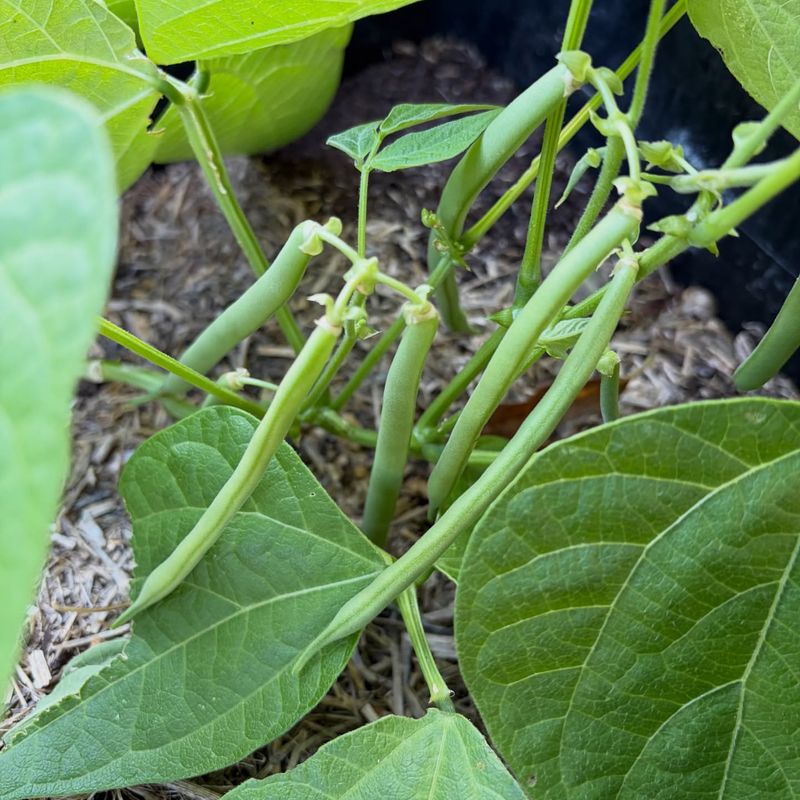
If you have ever tried growing pole beans and felt frustrated by the sprawling vines taking over your garden, bush beans are your answer. These compact, self-supporting plants grow in a tidy, rounded shape and do not need any staking or trellising, which makes them perfect for small gardens, containers, and raised beds across Texas.
Bush beans grow fast and mature quickly, often producing harvestable pods in as little as 50 to 60 days after planting. That speedy turnaround is a huge advantage for Texas gardeners who want to squeeze multiple planting rounds into one growing season.
You can plant a batch in spring, harvest, and then plant again in late summer for a second round of fresh beans before the first frost arrives.
These plants prefer full sun and well-draining soil, both of which are easy to find in most Texas yards and patios. Water them regularly but avoid getting the leaves wet, as moisture on the foliage can encourage disease.
Your Texas Garden Changes Every Week. Your Plan Should Too.
Gardening in Texas changes quickly throughout the season. Every Friday you’ll receive a simple weekly plan showing exactly what to plant, prune, fertilize, harvest, and protect so you never miss the right timing.
Spacing plants about six inches apart in a container or raised bed allows good airflow and helps each plant produce as many pods as possible. Bush beans belong to the legume family and can contribute to soil nitrogen levels, which may benefit other plants when managed as part of a diverse garden.
3. Cherry Tomatoes Bursting With Juicy Flavor
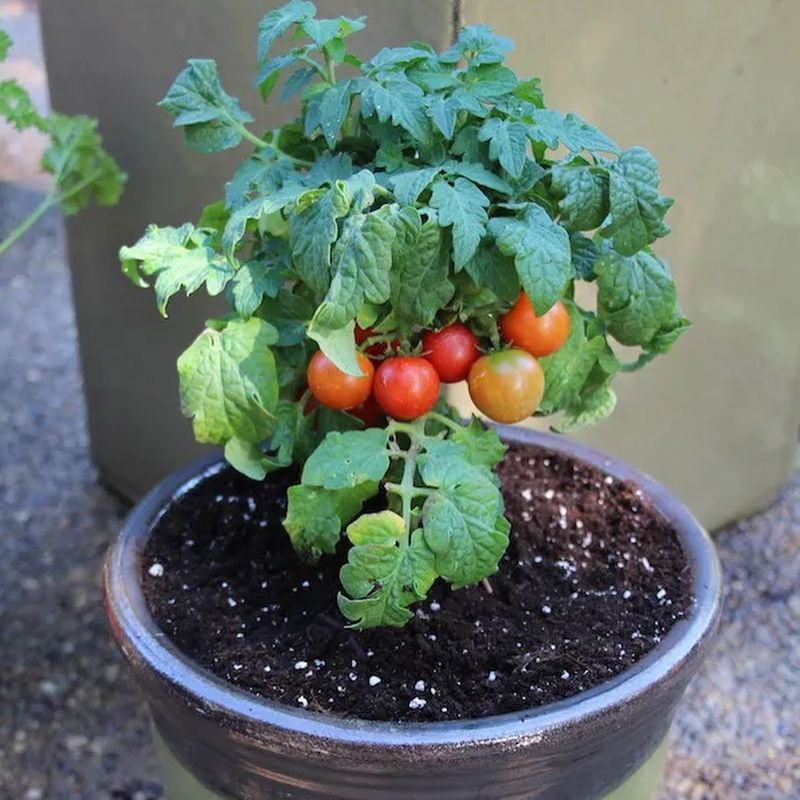
Few things beat the joy of popping a sun-warmed cherry tomato straight from the vine into your mouth. These little powerhouses are one of the best choices for small-space gardening in Texas, and they absolutely thrive in containers, raised beds, and hanging baskets alike.
Compact varieties like Tiny Tim and Tumbling Tom are especially popular among Texas gardeners because they stay small but produce an incredible number of sweet, flavorful fruits throughout the long growing season. You can place them on a porch, balcony, or even a sunny windowsill and still get a solid harvest.
Cherry tomatoes love Texas heat, but they do appreciate consistent watering, especially during the hottest summer months. Using a well-draining potting mix and adding a slow-release fertilizer will help keep your plants strong and productive.
Train the vines upward using a small cage or stake to maximize your vertical space and keep fruits off the ground. With proper care, a well‑maintained container plant can produce a generous harvest over the season, making cherry tomatoes a rewarding choice for small Texas gardens.
4. Cucumbers That Climb And Keep Producing
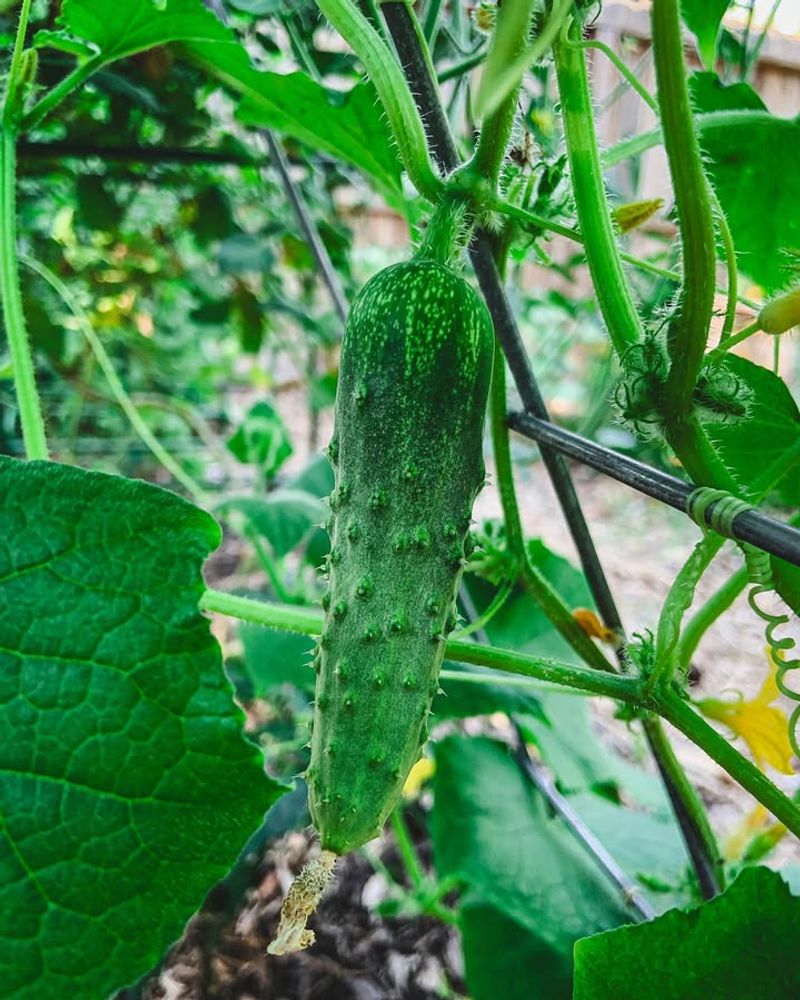
Known for spreading out and taking over garden space, cucumbers can still thrive in the tiniest Texas garden with one simple trick. Training cucumber vines to grow vertically on a trellis or simple wire frame is a game changer for small-space growers, turning what could be a sprawling mess into a neat, productive vertical garden wall.
Texas summers are practically tailor-made for cucumbers. These warm-season vegetables love heat and humidity, and they grow fast once temperatures climb.
Slicing varieties like Straight Eight and bush-type varieties like Spacemaster are great choices for container growing or small raised beds. They start producing fruit quickly and keep going strong throughout the season as long as you keep up with harvesting.
Cucumbers do well alongside green beans and corn, so if you are planning a mixed garden bed, they fit right in. Make sure your plants get plenty of water because cucumbers are mostly water themselves and need consistent moisture to develop properly.
Mulching around the base of the plants helps retain soil moisture and keeps roots cool during the intense Texas heat. Harvest cucumbers while they are still firm and medium-sized for the best flavor, and do not let any get too large on the vine or production will slow down.
5. Okra With Tall Stalks And Tender Pods
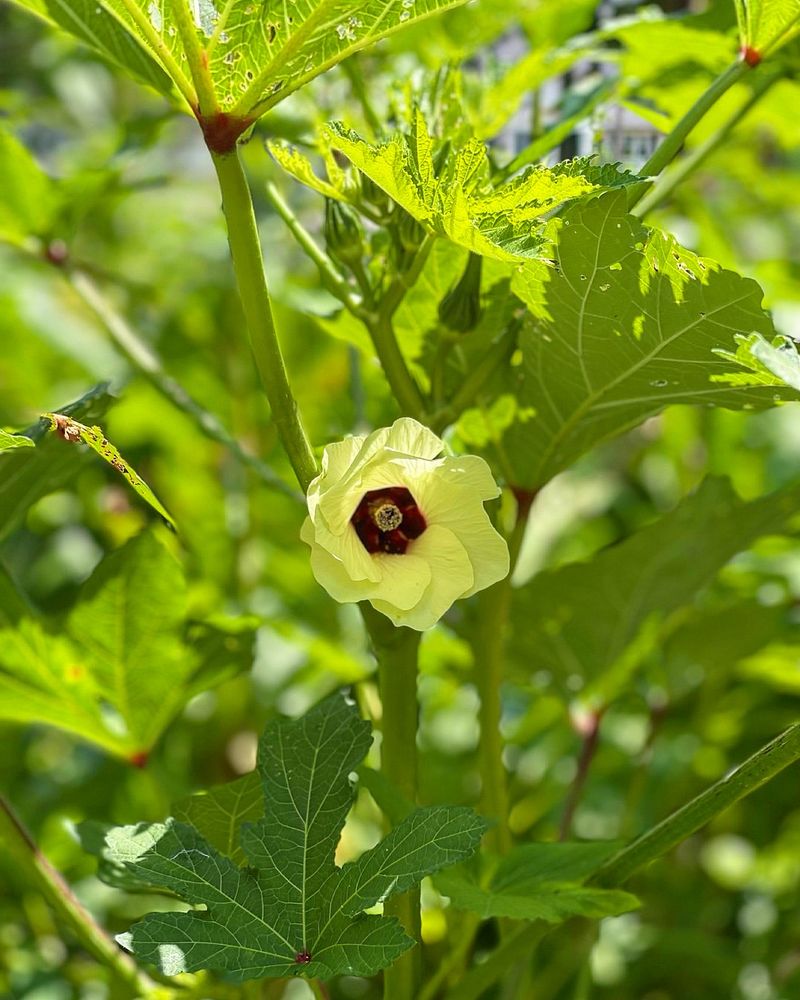
Perhaps the most Texas-friendly vegetable on this list, okra thrives in hot, dry conditions and keeps producing even when summer temperatures soar past 100 degrees. For small-space gardeners in Texas, okra is a reliable, low-maintenance crop that delivers consistent results season after season.
One thing gardeners sometimes overlook is how beautiful okra plants actually are. They produce stunning yellow flowers with red centers before each pod forms, making them both productive and visually appealing.
Dwarf varieties like Cajun Delight or Baby Bubba are excellent choices for containers and small beds because they stay under four feet tall while still producing plenty of tender pods.
Okra grows well in a wide range of soil conditions, though it does best in loose, well-draining soil with plenty of organic matter mixed in. Plant it in a spot that gets full sun all day long and water it deeply but infrequently, allowing the soil to dry out slightly between waterings.
Harvest the pods when they are two to four inches long for the most tender texture. Letting pods get too large makes them tough and fibrous, so check your plants every day or two during peak season to stay on top of the harvest.
6. Lettuce That Stays Crisp And Fresh All Season
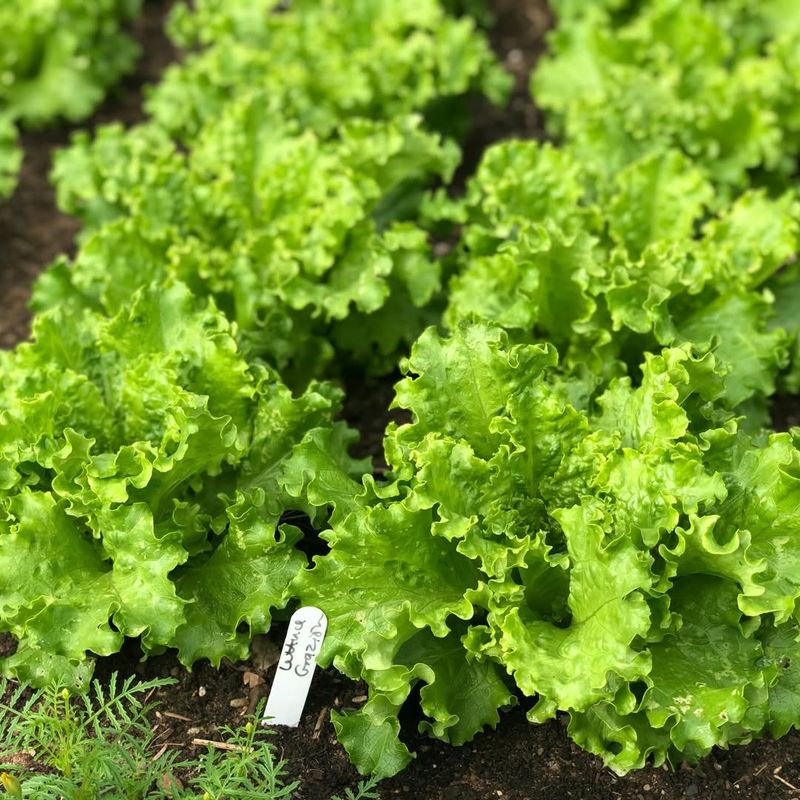
One of the most beginner-friendly vegetables you can grow, lettuce has a shallow root system that makes it perfect for containers, window boxes, and balcony gardens across Texas. You do not need deep soil or a large plot of land to grow a steady supply of fresh salad greens right at home.
There are so many fun varieties to choose from, including loose-leaf types like Red Sails, crisp Romaine, and buttery Butterhead lettuce. Loose-leaf varieties are especially great for small spaces because you can harvest individual outer leaves as needed and the plant keeps growing new ones from the center, giving you a continuous supply rather than a one-time harvest.
Lettuce generally grows best in cooler conditions, so in much of Texas it is often planted in fall or spring and may struggle during the hottest summer months. During the hot months, look for heat-tolerant varieties and try positioning your containers in a spot that gets afternoon shade to prevent the plants from bolting too quickly.
Keep the soil evenly moist and fertilize lightly every few weeks to encourage lush, leafy growth. Growing lettuce in Texas is a great way to enjoy homegrown salads during the mild seasons without needing much space at all.
7. Spinach Packed With Tender, Nutrient-Rich Leaves
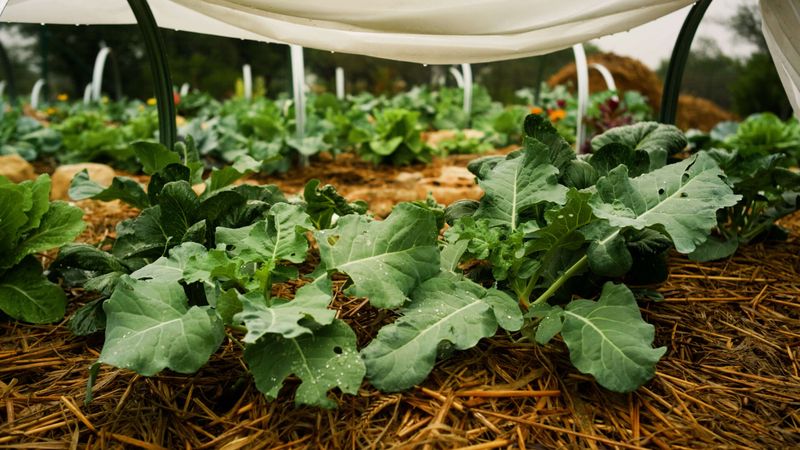
A nutritional superstar that grows surprisingly fast and takes up very little space, spinach is one of the smartest additions to any small Texas garden. Packed with iron, vitamins, and antioxidants, it is a vegetable that earns its place in the garden and on the plate every single time.
Like lettuce, spinach prefers cooler growing conditions, so plant it during the fall and early spring seasons in Texas when temperatures are mild and manageable. Some heat-tolerant varieties like Malabar spinach actually handle Texas summers quite well and can keep growing even when things get warm.
Growing spinach in containers gives you the added flexibility to move plants into shadier spots when afternoon temperatures start climbing too high.
Spinach grows quickly from seed and can be ready to harvest in as little as four to six weeks after planting. You can sow seeds directly into containers or raised beds and thin the seedlings to about three to four inches apart for the best results.
Harvest outer leaves regularly to encourage continuous new growth from the center of each plant. Adding compost to your soil before planting gives spinach the nutrient boost it needs to produce thick, flavorful leaves.
Fresh homegrown spinach tastes noticeably better than store-bought, and growing your own in Texas is easier than most people expect.
8. Swiss Chard With Rainbow-Stemmed Appeal
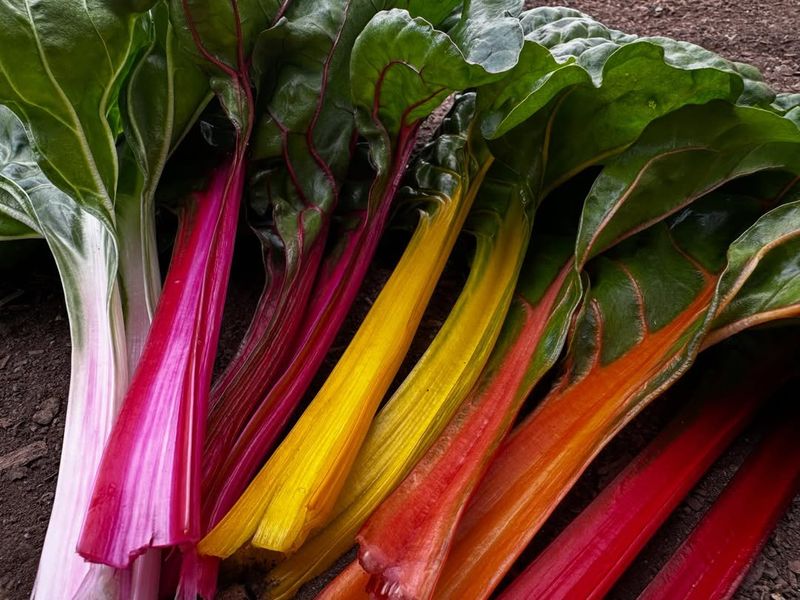
Walking past a bed of Swiss chard is almost like looking at a living piece of art. The stems come in vivid shades of red, yellow, orange, and white, making this vegetable as beautiful as it is productive.
For Texas gardeners working with limited space, Swiss chard is a true workhorse that keeps on giving all season long.
What makes Swiss chard especially valuable in a small garden is its cut-and-come-again growing style. Instead of harvesting the whole plant at once, you simply cut the outer leaves as needed and leave the inner leaves to keep growing.
This approach allows a single planting to provide multiple harvests over many weeks, stretching your garden’s productivity without requiring extra space or replanting.
Swiss chard is more heat-tolerant than spinach or lettuce, which means it handles Texas conditions with a bit more grace during the warmer months. It grows well in containers, raised beds, and even decorative garden borders thanks to its colorful appearance.
Plant it in rich, well-draining soil and keep it consistently watered throughout the growing season. Feeding with a nitrogen-rich fertilizer every few weeks encourages leafy, vigorous growth.
Whether you saute it, add it to soups, or toss it into a smoothie, Swiss chard is one of the most versatile and rewarding vegetables you can grow in a tight Texas garden space.
9. Kale That Dominates Any Garden Bed
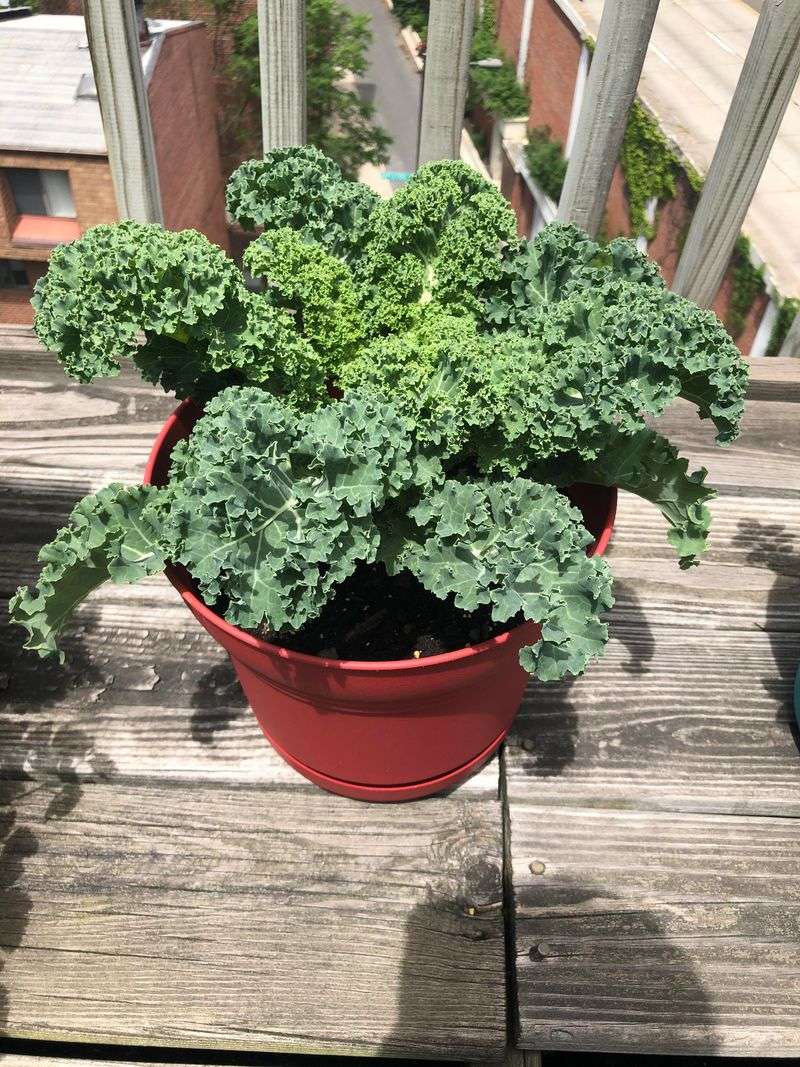
Widely valued for its nutrient content, kale can be a productive choice in small Texas garden spaces when planted during the right season. A single kale plant can produce an enormous number of leaves over a long growing season, making it an incredibly efficient use of limited garden real estate.
Curly kale varieties like Dwarf Blue Curled are especially well-suited for container growing because they stay compact while still producing generous harvests. Lacinato kale, also called dinosaur kale, has a slightly more upright growth habit and works beautifully in raised beds where space is at a premium.
Both types thrive during the cooler fall and spring seasons in Texas, though they can handle mild frosts better than most other vegetables.
Just like Swiss chard and spinach, kale can be harvested using the cut-and-come-again method, which extends your harvest window dramatically. Start picking the lower, outer leaves first and work your way up as the plant grows taller.
Keep the soil rich with compost and water consistently to prevent the leaves from becoming too tough or bitter. Kale grown in Texas during the fall season often develops a slightly sweeter flavor after exposure to cool nights, which makes homegrown kale taste noticeably better than anything you will find at the grocery store.
10. Radishes With Quick, Crunchy Satisfaction
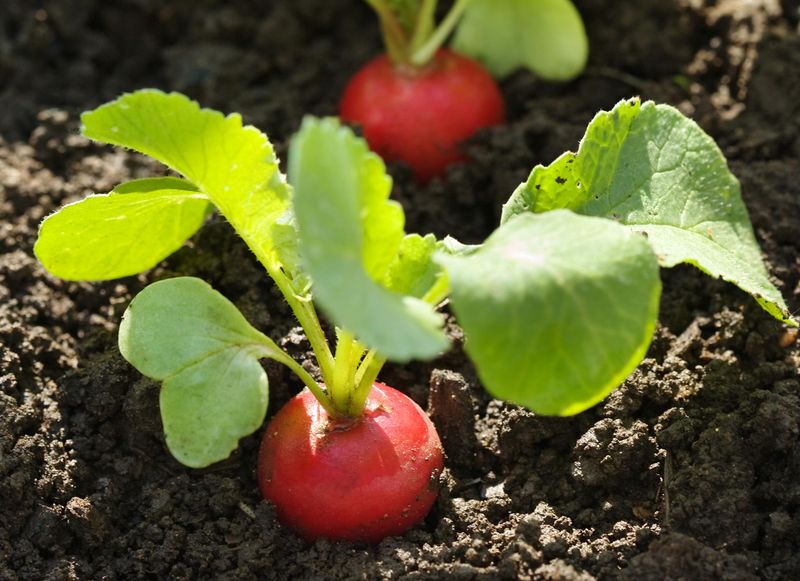
Possibly the fastest reward in all of vegetable gardening, radishes deliver quick, satisfying results. From seed to harvest in as little as 22 to 30 days, these little root vegetables are perfect for impatient gardeners and a brilliant choice for anyone trying to make the most of limited space in Texas.
Their quick turnaround means you can grow multiple rounds in a single season without much effort at all.
Because radishes are so compact, you can tuck them into almost any available space in your garden. They grow well between slower-maturing crops like tomatoes or peppers, making use of soil that would otherwise just be sitting empty.
This technique, known as intercropping, is one of the smartest ways to boost your overall garden productivity without expanding your growing area.
Radishes prefer cooler weather, so plant them during the fall and spring seasons in Texas for the best results. Sow seeds directly into the soil about half an inch deep and one inch apart, then thin seedlings to about two inches once they sprout.
Keep the soil consistently moist to encourage smooth, round roots without cracking. Cherry Belle and French Breakfast are two popular varieties that perform especially well in Texas conditions.
Harvest radishes promptly once they reach full size because leaving them in the ground too long causes them to become pithy and lose their satisfying crunch.