6 Things Texas Gardeners Should Watch Out For When Growing Hibiscus
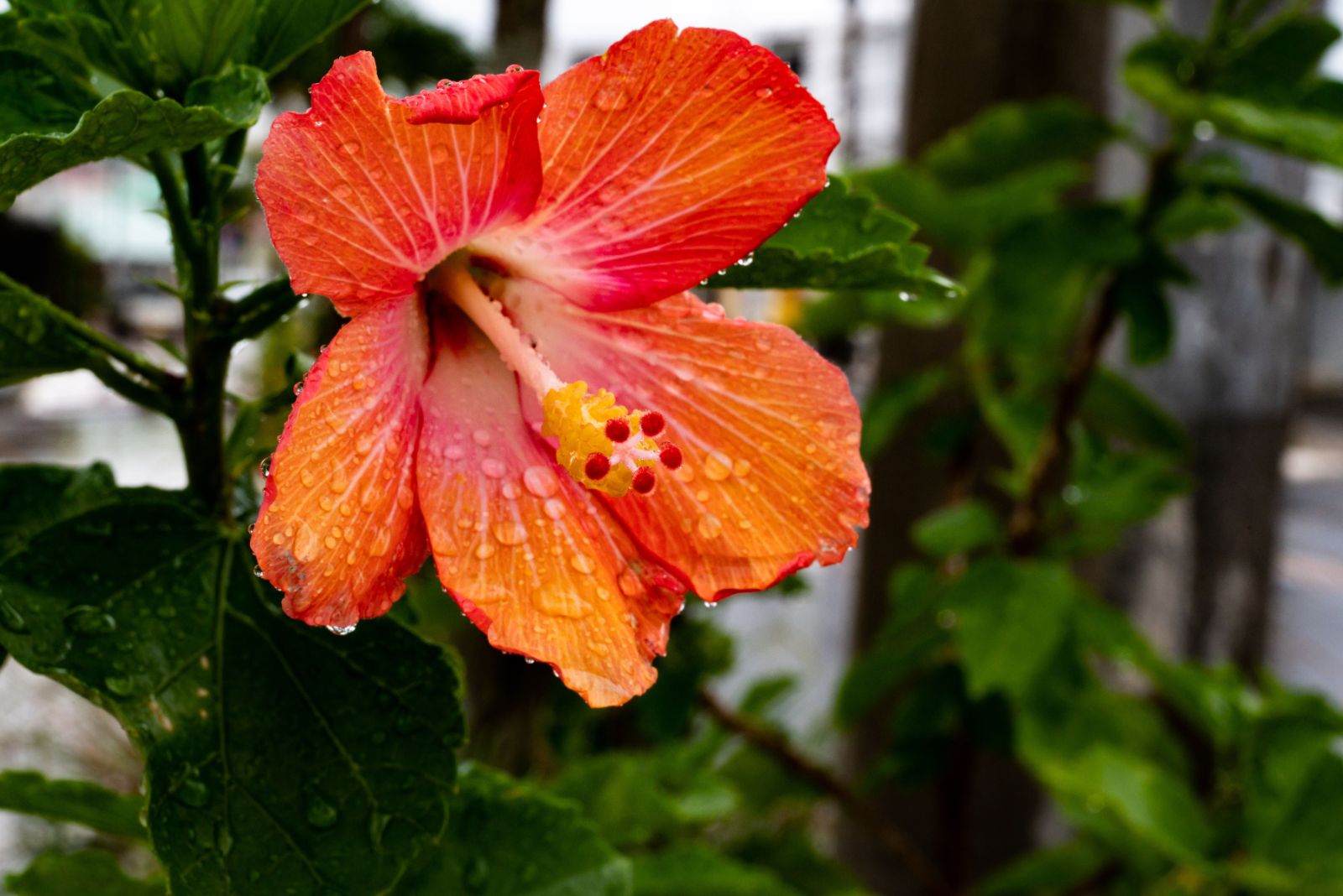
Hibiscus has a way of stealing the spotlight in a Texas garden. Those huge, colorful blooms can make a yard feel bright, lush, and almost tropical, even during the hottest part of the year.
It is easy to see why so many gardeners are drawn to it. At first, hibiscus can seem like the perfect fit for Texas.
It loves sunshine, grows fast, and puts on a show that is hard to ignore. Still, this plant comes with a few trouble spots that are worth knowing before problems start.
Texas heat can be great for hibiscus, but too much intense sun or dry soil can leave it stressed and faded. Sudden cold snaps, watering mistakes, and poor drainage can also cause setbacks that catch gardeners off guard.
On top of that, hibiscus can attract pests like aphids and spider mites, especially when the plant is already under stress. That does not mean hibiscus is hard to grow. It just means a little awareness goes a long way.
Once you know what to watch for, it becomes much easier to keep your hibiscus healthy, blooming, and looking like the star of the yard.
1. Extreme Heat Stress
Texas summers are no joke. Temperatures can easily climb past 100°F, and hibiscus plants feel every bit of that heat.
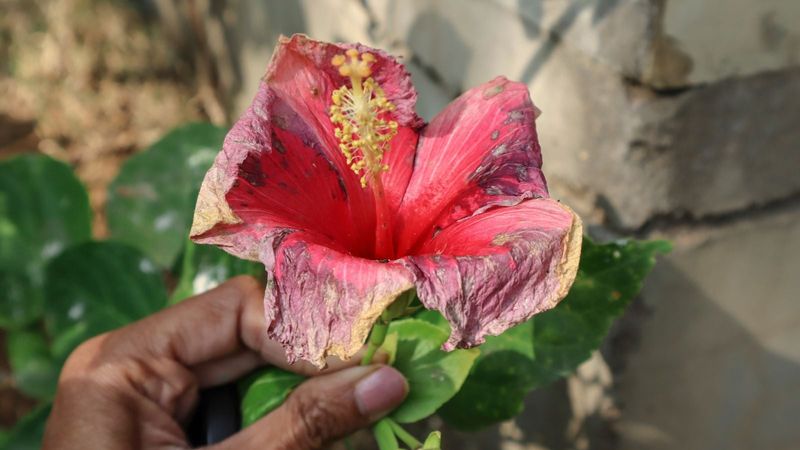
Even though hibiscus love warm weather, the extreme Texas sun can push them way past their comfort zone. When that happens, you might notice wilting leaves, dropped blooms, or flowers that just refuse to open.
Afternoon shade is one of the best tools a Texas gardener has. Try planting your hibiscus where a fence, tree, or structure blocks the sun between noon and 4 p.m.
That small change can seriously reduce the stress your plant experiences on the hottest days. Container-grown hibiscus have an advantage here because you can simply move them to a shadier spot during peak heat.
Watering also plays a huge role in managing heat stress. During hot Texas summers, hibiscus may need water every single day, especially if they are in containers.
Water deeply in the early morning so roots can soak it up before the heat peaks. Mulching around the base of the plant helps lock in soil moisture and keeps roots cooler throughout the day.
Watch for signs like curling leaves or buds that fall off before opening. Those are your plant telling you it is struggling.
Giving your hibiscus a little extra attention during a Texas heat wave goes a long way. A stressed hibiscus will not bloom well, so staying ahead of the heat keeps your garden looking colorful and full of life all summer long.
2. Overwatering And Poor Drainage
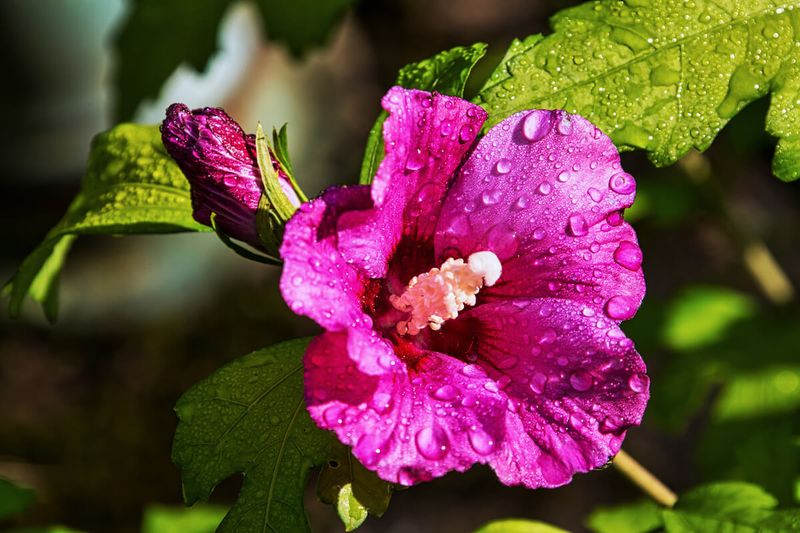
Believe it or not, giving your hibiscus too much water can be just as harmful as not giving it enough. Hibiscus plants love consistent moisture, but they absolutely cannot stand sitting in soggy, waterlogged soil.
In Texas, where heavy rain can come suddenly, poor drainage is a real concern for gardeners who want healthy plants.
Your Texas Garden Changes Every Week. Your Plan Should Too.
Gardening in Texas changes quickly throughout the season. Every Friday you’ll receive a simple weekly plan showing exactly what to plant, prune, fertilize, harvest, and protect so you never miss the right timing.
Root rot is the big danger here. When roots sit in standing water for too long, they start to break down and can no longer absorb nutrients or water properly.
Your plant may start to look droopy or yellow even though the soil feels wet. That is a classic sign of overwatering or drainage problems, and it needs to be addressed quickly. The fix starts with your soil. Always use well-draining soil when planting hibiscus.
Mixing in compost, perlite, or coarse sand can improve drainage significantly. If you are planting in the ground in Texas clay-heavy soil, consider raising your garden bed a few inches to help water move through more easily.
Raised beds and containers are great options for better control. Check your pots for drainage holes and never let them sit in standing water. When watering, let the top inch of soil dry out slightly before watering again.
Stick your finger into the soil to check moisture levels before grabbing the hose. In Texas, where rain can be sporadic and intense, monitoring your soil after storms is especially important.
Good drainage habits from the start will keep your hibiscus roots happy and healthy all growing season.
3. Sudden Cold Snaps
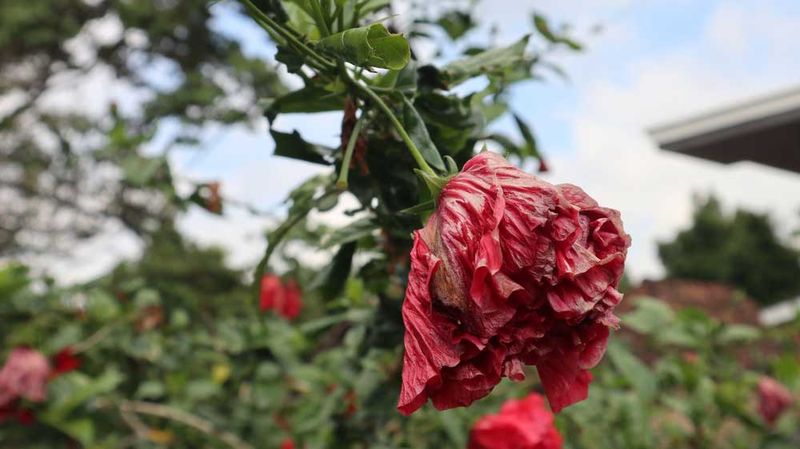
Most people think of Texas as a warm, sunny place, and for the most part it is. But anyone who has lived there for a while knows that cold snaps can hit fast and hard, sometimes with very little warning.
Tropical hibiscus plants are especially vulnerable because they are not built to handle freezing temperatures. Even a single night below 32°F can cause serious damage to leaves, stems, and roots.
The tricky part about Texas winters is how unpredictable they can be. One week might feel like spring, and the next could bring a sharp freeze.
That is why it pays to keep an eye on the weather forecast from October through March. Having a plan in place before the cold arrives is much smarter than scrambling when temperatures suddenly drop overnight.
If you grow your hibiscus in containers, the easiest solution is to bring them indoors when a freeze is expected. Place them near a sunny window and keep them away from cold drafts.
For plants in the ground, cover them with burlap, frost cloth, or even old bedsheets to trap warmth around the plant. Remove the covering once temperatures rise back above freezing during the day.
Adding a thick layer of mulch around the base of your hibiscus also helps protect the roots from cold ground temperatures. Even if the top of the plant gets frost damage, healthy roots give the plant a much better chance of bouncing back in spring.
In Texas, being ready for cold snaps is just part of smart hibiscus gardening, so always stay one step ahead of the forecast.
4. Pest Problems (Aphids, Spider Mites, Whiteflies)
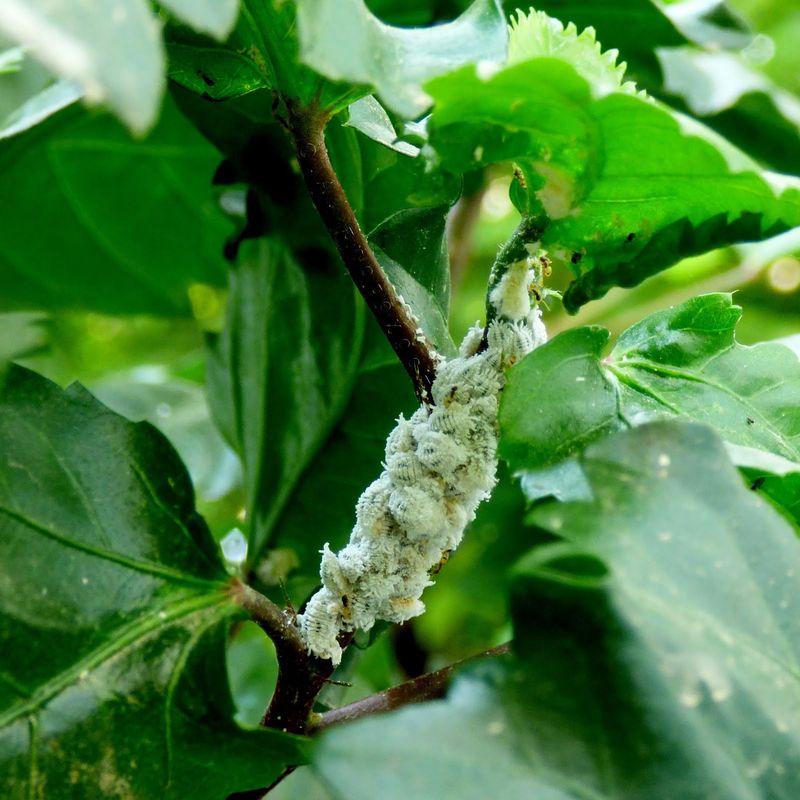
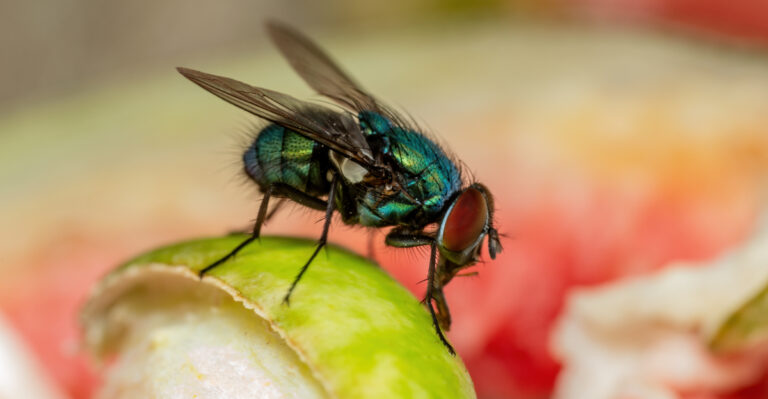
Warm Texas weather is great for growing hibiscus, but it is also a paradise for pests. Aphids, spider mites, and whiteflies are the three most common troublemakers you will encounter when growing hibiscus in Texas.
These tiny insects may be small, but they can cause big problems if left unchecked. They feed on plant sap, which weakens the hibiscus and leads to poor growth and fewer blooms.
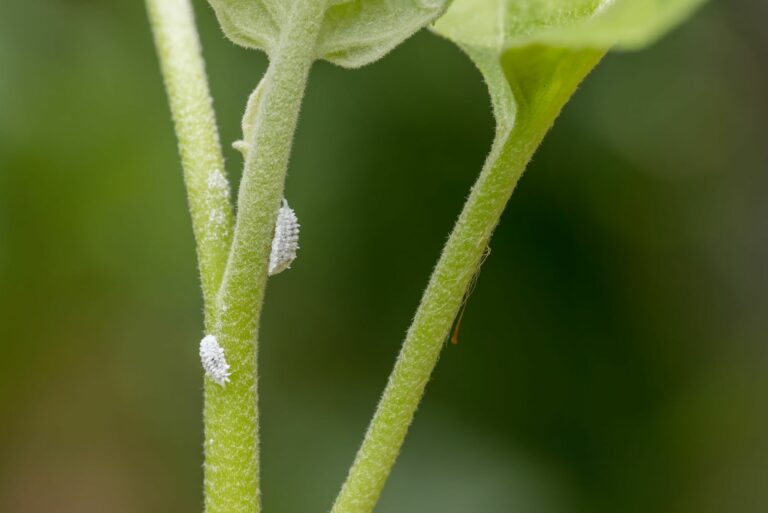
Aphids tend to cluster on new growth and the undersides of leaves. They leave behind a sticky substance called honeydew, which can attract mold.
Spider mites thrive in hot, dry conditions, which makes Texas summers the perfect breeding ground for them. You might notice fine webbing on your plant or leaves that look dusty and dull.
Whiteflies are tiny white insects that fly up in a cloud when you disturb the plant. Catching an infestation early makes a huge difference. Check the undersides of leaves at least once a week, especially during summer.
A strong spray of water from the garden hose can knock many pests off the plant. For heavier infestations, insecticidal soap or neem oil spray works very well and is safe for most beneficial insects when used correctly.
Keeping your hibiscus healthy through proper watering and feeding also helps it resist pest damage. Stressed plants are much more likely to attract insects than strong, well-nourished ones.
In Texas, where warm temperatures last for many months, staying on top of pest control is an ongoing task. Regular inspections and quick action are your best tools for keeping hibiscus plants thriving and pest-free all season long.
5. Nutrient Deficiencies
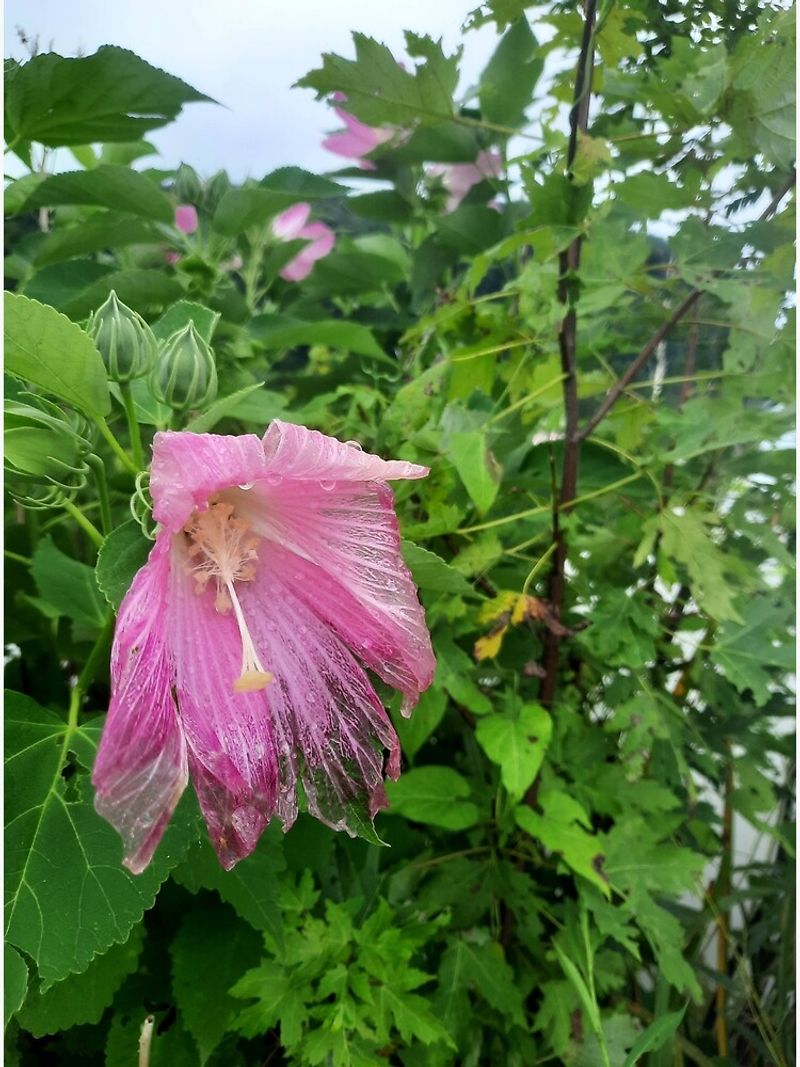
Hibiscus plants are hungry growers. They put a lot of energy into producing those large, showy blooms, and that takes a steady supply of nutrients.
Without regular feeding, hibiscus can quickly show signs of nutrient deficiencies, especially in Texas where the growing season is long and the plants are working hard for many months out of the year.
Yellowing leaves are one of the most common signs that something is off nutritionally. If the leaves between the veins turn yellow while the veins stay green, your plant may be low on iron or magnesium.
Overall pale, light-colored growth often points to a nitrogen shortage. And if your hibiscus is putting out lots of green leaves but very few flowers, it might have too much nitrogen and not enough phosphorus, which is what supports blooming.
A balanced, slow-release fertilizer applied monthly during the growing season is a great starting point. Look for fertilizers made specifically for flowering plants or tropical plants, as these tend to have the right mix of nutrients hibiscus need.
In Texas, the growing season can stretch from spring all the way through fall, so consistent feeding throughout those months is key.
Avoid over-fertilizing, though. Too much fertilizer can burn roots and actually reduce flowering.
Always follow the label directions and water well after applying fertilizer to help it absorb evenly into the soil. Adding compost to your soil each season also helps maintain a healthy nutrient base.
Well-fed hibiscus plants in Texas will reward you with bigger blooms, deeper green leaves, and a much more vigorous, eye-catching display all season long.
6. Too Much Shade Or Poor Sunlight
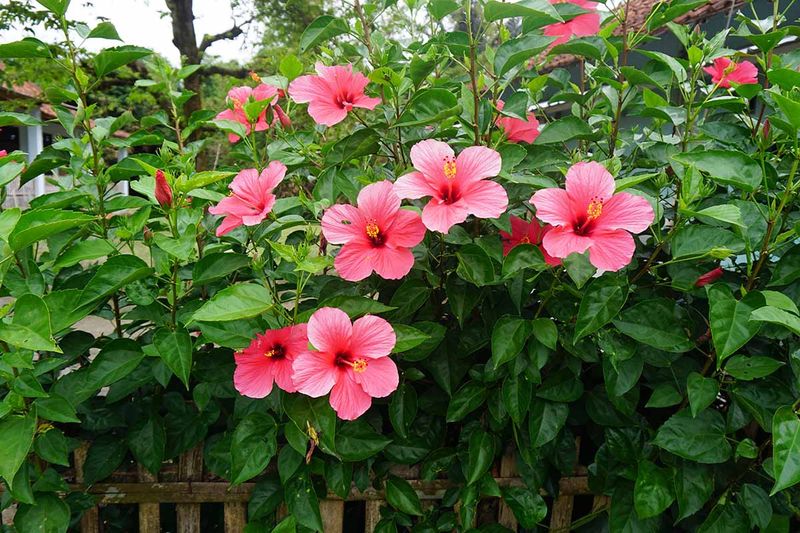
Sunlight is basically fuel for hibiscus plants. Without enough of it, they simply cannot do their best work.
Many Texas gardeners make the mistake of planting hibiscus in a spot that looks bright but does not actually get enough direct sun throughout the day. The result is a plant with long, stretched-out stems, sparse leaves, and very few of those gorgeous blooms you were hoping for.
Hibiscus need at least six hours of direct sunlight every day to bloom well. Eight hours is even better.
Morning sun is ideal because it is gentler and helps the plant get a strong start to the day. In Texas, afternoon sun can be brutal, especially in July and August, so a spot with full morning sun and some afternoon shade often hits the sweet spot for healthy hibiscus growth.
If your hibiscus is growing in a shady spot and not performing well, consider moving it. Container plants are easy to relocate, and even in-ground plants can be transplanted in the cooler months of fall or early spring.
Before planting, spend a day observing how sunlight moves across your yard. Spots that seem sunny in spring may become shaded by trees or structures as summer progresses.
Leggy growth is a clear signal that your hibiscus is reaching for more light. You can prune back leggy stems to encourage bushier, more compact growth, but without fixing the sunlight problem, the same issue will keep coming back.
In Texas, where the sun shines generously for most of the year, finding the right bright spot for your hibiscus should not be too hard. Give it the light it craves and it will absolutely thrive.