9 Native Texas Perennials That Survive Heatwaves Better Than Most Garden Plants
Some plants look great right up until a Texas heatwave hits. Then the drooping starts, the color fades, and suddenly the garden looks tired long before summer is over.
That is why native perennials have such a loyal following here. They are not just pretty when conditions are easy.
They are built for the kind of intense heat that sends many other garden plants into survival mode.
That toughness matters more than ever when long stretches of triple-digit weather become part of the season. Native Texas perennials already know how to deal with blazing sun, dry spells, and hot winds because they have been adapting to these conditions all along.
Once established, many of them need less fuss, less water, and far less worry than non-native plants that struggle to keep up. For gardeners, that makes them an easy choice with real payoff.
You get flowers, color, texture, and dependable return year after year without feeling like you are fighting the climate every step of the way. In a Texas garden, plants that can stay strong through a heatwave earn their place fast.
1. Autumn Sage
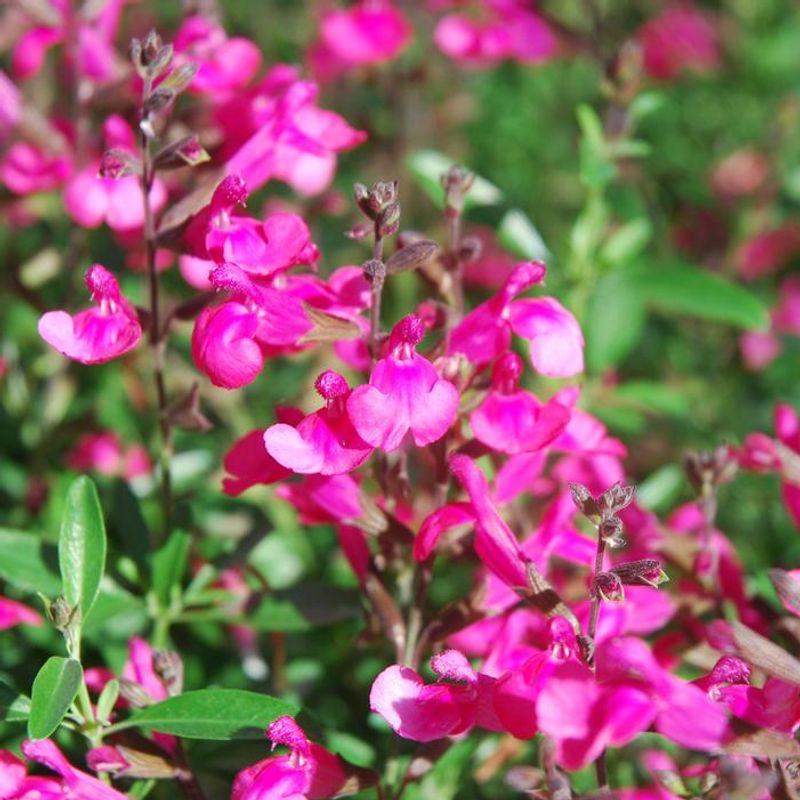
Ask any experienced Texas gardener which native perennial they trust most, and Autumn Sage will come up every single time. This plant has earned its reputation by blooming through long, punishing hot stretches while other plants give up.
It thrives in full sun and lean, well-drained soil, which makes it a natural fit for many Texas landscapes.
Autumn Sage grows about two to three feet tall and wide. It produces clusters of tubular flowers in shades of red, pink, coral, and white.
Hummingbirds and butterflies absolutely love it, so planting it near a window or patio gives you a front-row seat to the action.
Once established, this plant needs very little water. It handles dry spells with ease and bounces back quickly after a hot stretch.
You can cut it back lightly after each bloom cycle to encourage fresh growth and more flowers.
In Texas, it often blooms from spring all the way through fall, making it one of the longest-blooming natives available. For gardeners who want reliable color with minimal effort, Autumn Sage is hard to beat.
2. Blackfoot Daisy
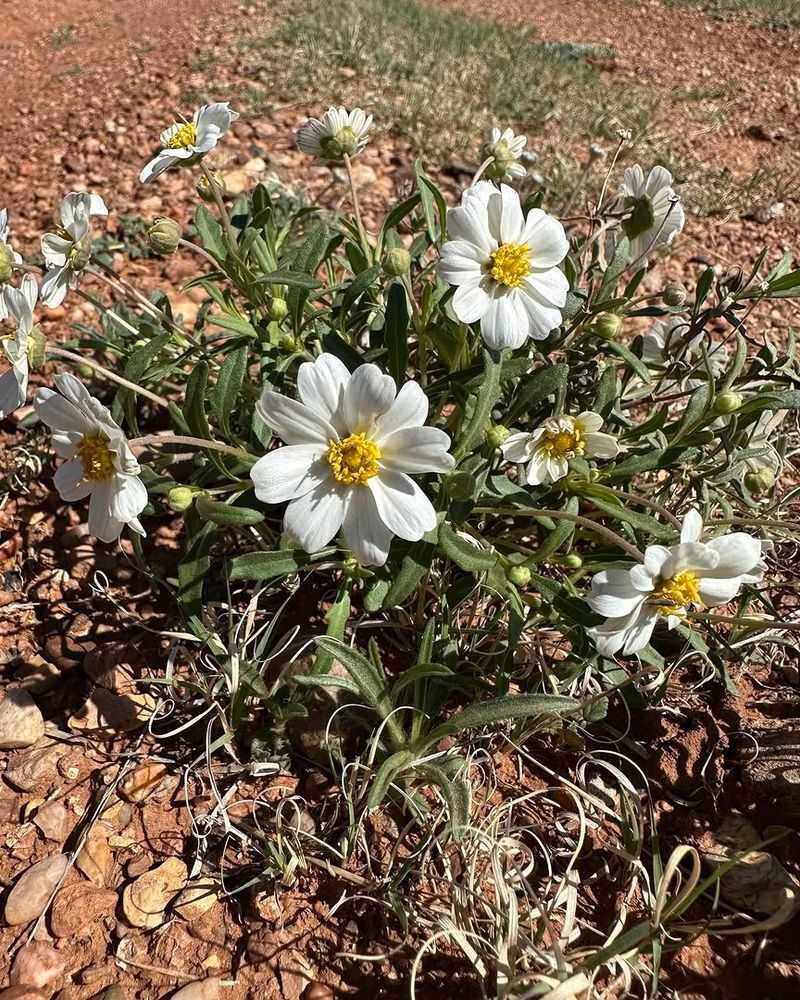
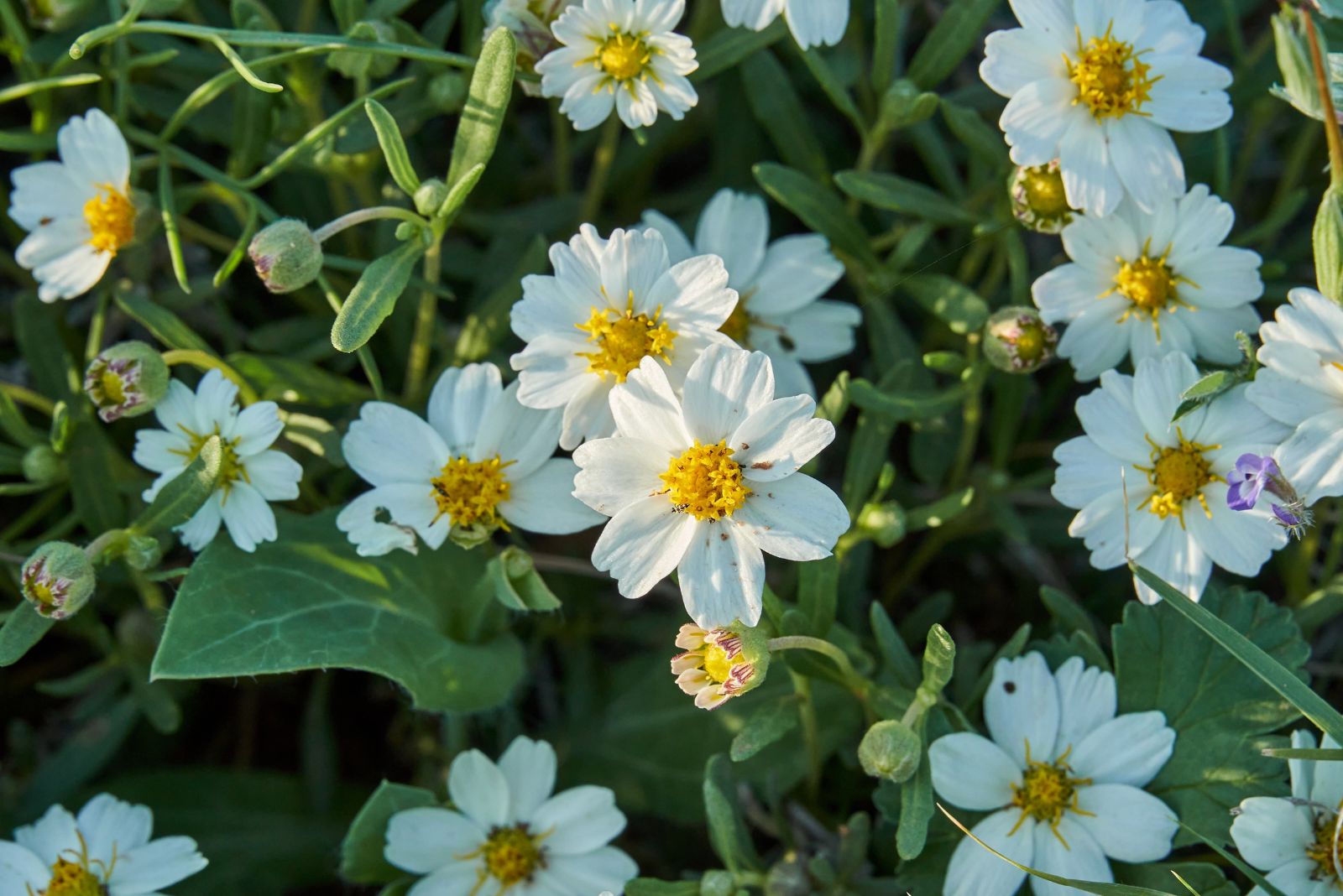
Rocky soil, blazing sun, and almost no rain? Blackfoot Daisy does not mind one bit. This cheerful little plant is a native of Texas and the Southwest, and it has carved out a niche in some of the toughest growing conditions imaginable.
Where fussier flowering plants fade fast, Blackfoot Daisy just keeps going. The flowers are small and white with bright yellow centers, giving the plant a clean, wildflower look that fits naturally into any Texas landscape.
It stays low and compact, usually reaching about one foot tall and up to two feet wide. That rounded, airy shape makes it a great border plant or rock garden addition.
Sharp drainage is the most important thing this plant needs. It does not like sitting in wet soil, so avoid heavy clay without amendment.
Your Texas Garden Changes Every Week. Your Plan Should Too.
Gardening in Texas changes quickly throughout the season. Every Friday you’ll receive a simple weekly plan showing exactly what to plant, prune, fertilize, harvest, and protect so you never miss the right timing.
Plant it in a sunny spot with gravelly or sandy soil, and it will reward you with blooms from early spring through fall.
Did you know Blackfoot Daisy gets its name from the small black bracts at the base of each flower head? It is a small but charming detail on an already reliable plant for Texas gardens.
3. Damianita
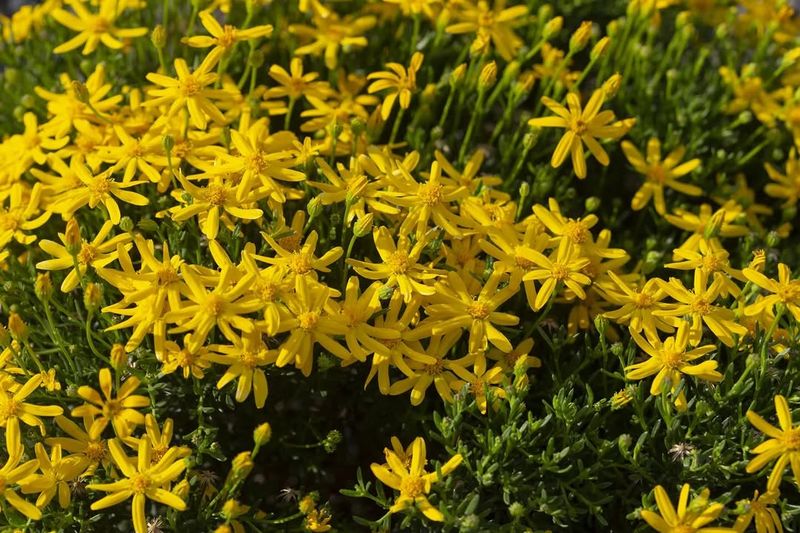
Not every plant announces itself loudly, but Damianita makes a quiet, confident statement in the Texas heat.
This small native shrub is covered in tiny bright yellow daisy-like flowers during its peak bloom, and it holds its fine, aromatic foliage even during the driest stretches of a Texas summer. It is native to the rocky hills and desert edges of West and Central Texas.
Damianita rarely grows taller than eighteen inches, which makes it a great low-maintenance option for borders, rock gardens, or slopes where erosion can be a problem.
The foliage releases a pleasant herbal scent when brushed, adding an extra sensory element to the garden. Sharp drainage is non-negotiable for this plant. It will struggle in clay or poorly drained soil.
Full sun is where Damianita performs best. It blooms most heavily in spring, with scattered flowers appearing again in fall.
During summer heat spikes, the plant holds its structure without much fuss. Water it occasionally during the first season while roots establish, then back off significantly.
Once settled in Texas soil, Damianita is remarkably self-sufficient and keeps looking tidy without much intervention from the gardener.
4. Rock Rose
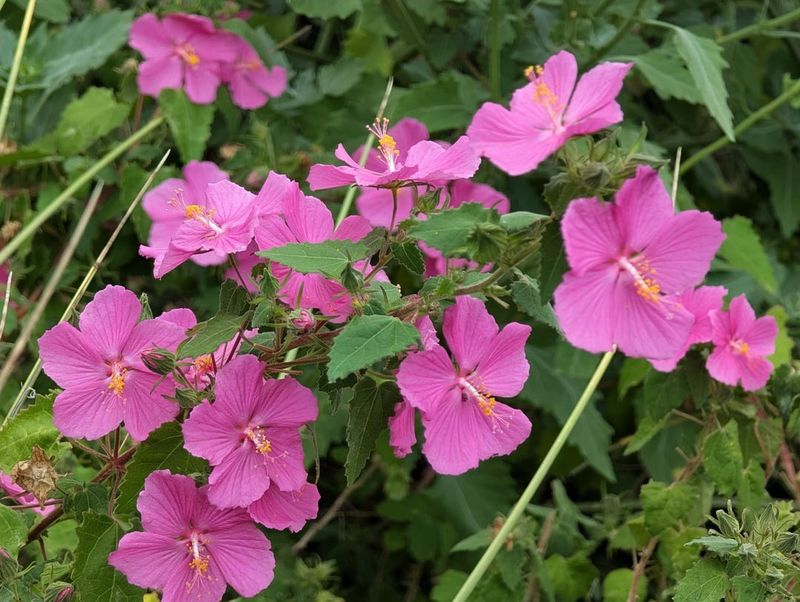
At first glance, Rock Rose looks too delicate to survive a Texas summer. Its soft pink flowers resemble miniature hibiscus blooms, and the whole plant has a light, airy quality that seems like it would wilt at the first sign of real heat.
But looks can be deceiving, and Rock Rose is one of the toughest flowering shrubs in the Texas native plant world.
Rock Rose grows two to four feet tall and produces flowers almost continuously from spring through fall. It handles both sun and partial shade, which gives it more flexibility than many other Texas natives.
That shade tolerance makes it especially useful in spots under trees or along the east or west sides of a building where light shifts throughout the day.
Established plants handle drought with ease and rarely need supplemental watering once roots are set. They also reseed gently, meaning you may find new plants popping up nearby over time without any effort on your part.
Cutting the plant back hard in late winter encourages a full, bushy shape and heavy flowering in spring. For Texas gardeners looking for a reliable, beautiful native that works in tough spots, Rock Rose delivers season after season.
5. Red Yucca
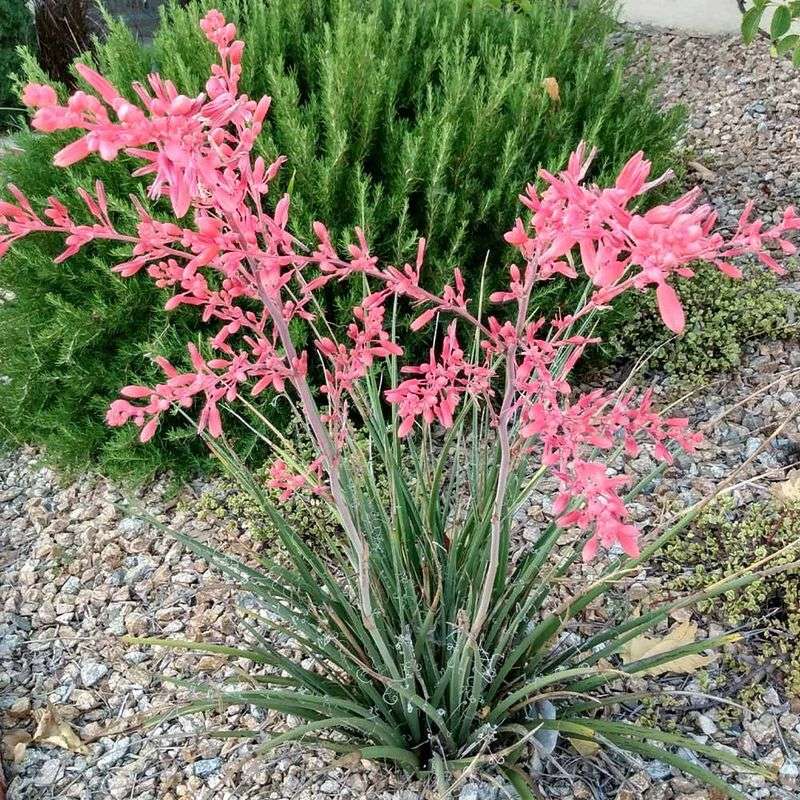
Few plants look as dramatic in a Texas summer garden as Red Yucca. Despite sharing a name with yucca, this plant is actually related to agave, and it brings a bold, sculptural quality to the landscape that is hard to match.
Tall coral-pink flower spikes shoot up from a base of arching, grass-like leaves, creating a striking display that hummingbirds cannot resist.
Red Yucca is built for extreme conditions. It handles intense heat, full sun, and long dry periods without missing a beat.
The arching foliage stays attractive year-round, even when nothing else in the garden looks fresh. It is one of the most drought-tolerant native perennials available for Texas landscapes, making it a top pick for water-conscious gardeners.
Plant it in well-drained soil and give it full sun for the best flower production. It grows slowly but steadily, eventually reaching about three to four feet tall and wide.
Minimal pruning is needed, just remove old flower stalks after blooming ends. Red Yucca works beautifully as a focal point, in mass plantings, or along driveways and pathways. In Texas, it is one of those plants that simply thrives where others struggle.
6. Chocolate Flower (Berlandiera lyrata)
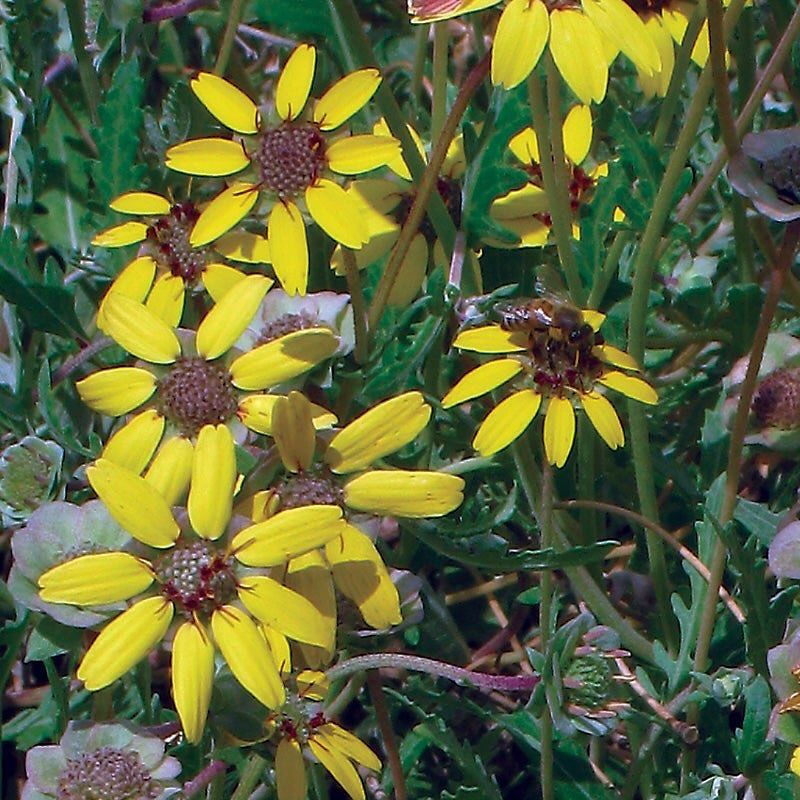
Imagine walking out to your Texas garden in the morning and catching the scent of chocolate in the air. That is exactly what Chocolate Flower delivers.
This native perennial earns its name from the rich, cocoa-like fragrance its flowers release, especially in the cooler morning hours. It is a fun and unexpected bonus from a plant that is already a strong performer in hot, dry conditions.
Chocolate Flower produces cheerful yellow daisy-like blooms from spring through fall. It handles full sun and dry, well-drained soil with ease, making it a natural fit for Texas gardens that see long stretches of summer heat.
The plant grows about one to two feet tall and has a relaxed, informal look that works well in naturalistic or cottage-style plantings.
It reseeds readily, so you may find new plants appearing in your garden each year without any extra effort. If you prefer a tidier look, deadhead spent blooms to reduce spreading.
Established plants need very little supplemental water once roots are set in Texas soil. Pollinators love the flowers, and the plant provides food for native bees and butterflies throughout the growing season. For fragrance plus function, Chocolate Flower is a standout choice.
7. Gregg’s Mistflower
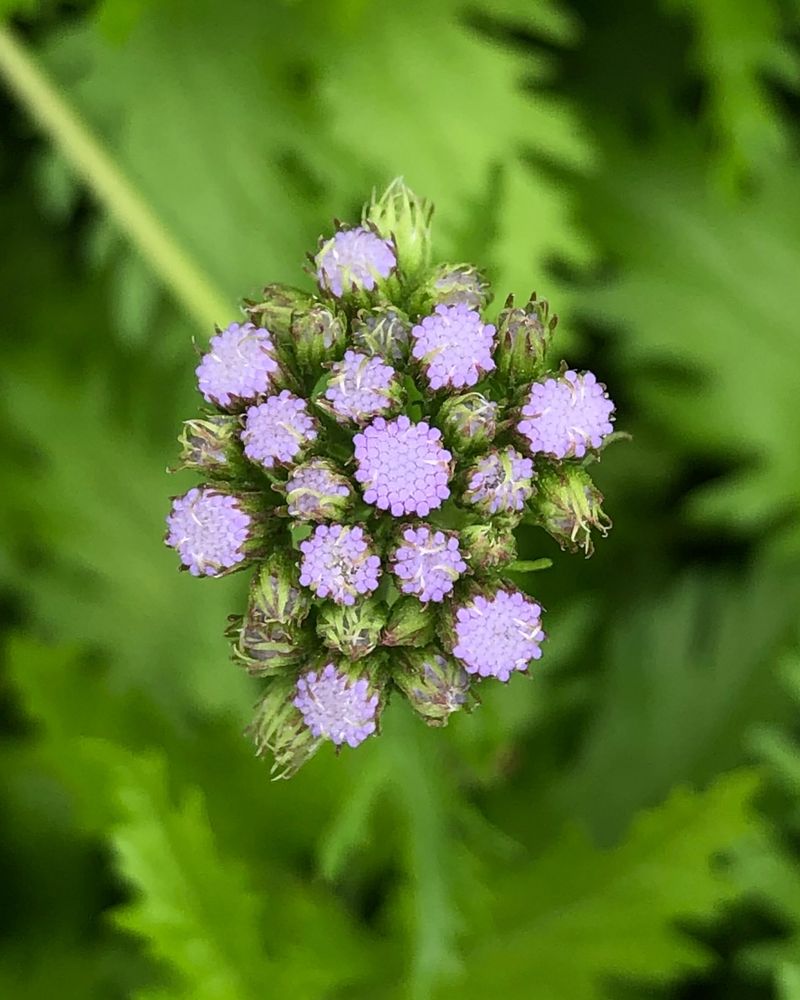
Late summer in Texas is when many gardens start to look tired and worn out. That is exactly when Gregg’s Mistflower steps up.
This native perennial blooms in late summer and fall, filling the garden with clusters of soft lavender-blue flowers right when most other plants have called it quits. It is a reliable late-season performer that Texas gardeners can count on.
The flowers have a soft, fuzzy texture that gives the plant an almost cloud-like appearance up close. Butterflies, especially migrating monarchs, are strongly attracted to the blooms.
Planting Gregg’s Mistflower along a fence line or in a larger bed gives migrating butterflies a valuable fuel stop during their journey through Texas each fall.
One thing to know about this plant is that it spreads. It sends out underground runners and can fill in an area fairly quickly.
That spreading habit makes it great as a ground cover or for filling large spaces, but it needs room to roam without crowding smaller neighbors. Give it full sun and well-drained soil for the best results.
Cut it back in late winter to keep growth fresh and tidy heading into the next growing season in Texas.
8. Cedar Sage
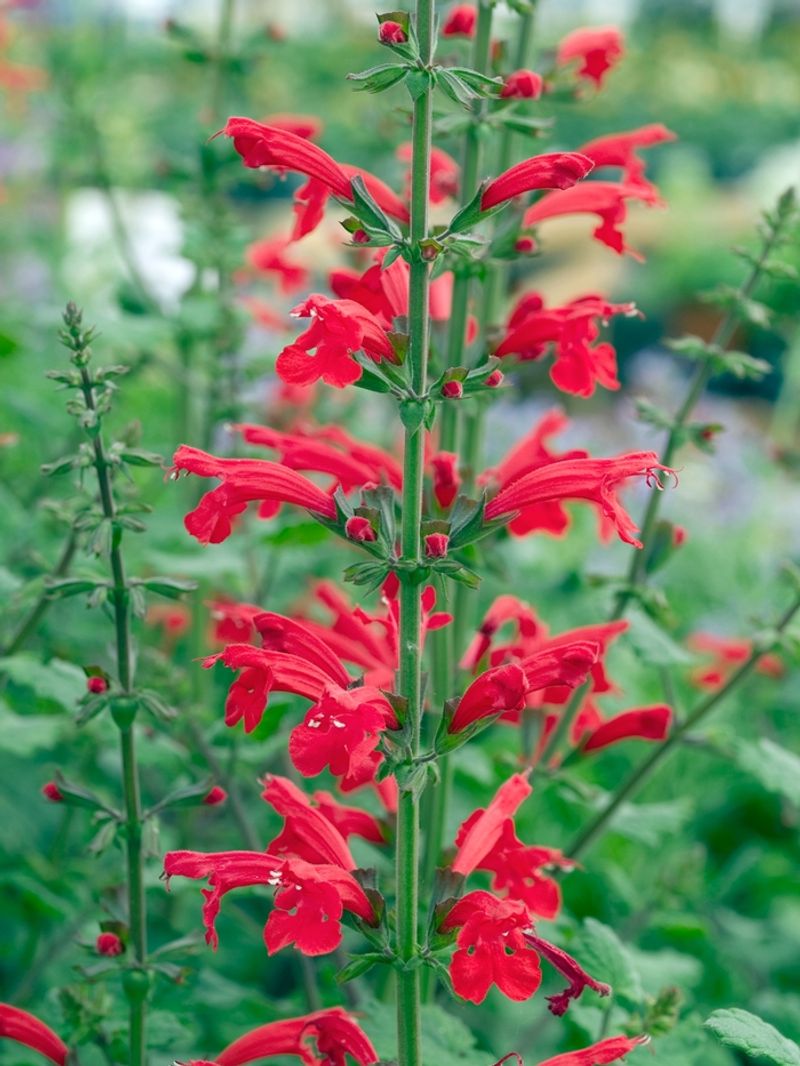
Dry shade is one of the hardest problems to solve in a Texas garden. Under large cedar or live oak trees, the soil stays dry, the light is limited, and most plants simply refuse to perform.
Cedar Sage was practically made for exactly this kind of spot. It is one of the few native perennials that thrives in those challenging shaded, dry conditions and still produces vivid flowers.
The blooms are bright red and tubular, and they appear on slender stems rising above rounded, soft green leaves.
Hummingbirds are drawn to the flowers throughout the blooming season, which runs from spring into early summer with possible repeat blooms in fall. The plant has a loose, informal growth habit and usually stays under two feet tall.
Cedar Sage handles Texas heat better than most shade perennials, which is a big deal in a state where even shaded spots can get brutally warm. It pairs well with other woodland natives and looks natural under the canopy of larger trees.
Water it occasionally during dry spells, especially in its first season. Once established, it becomes much more self-sufficient.
For Texas gardeners struggling with dry shade, Cedar Sage is a genuinely useful and beautiful solution.
9. Prairie Flax
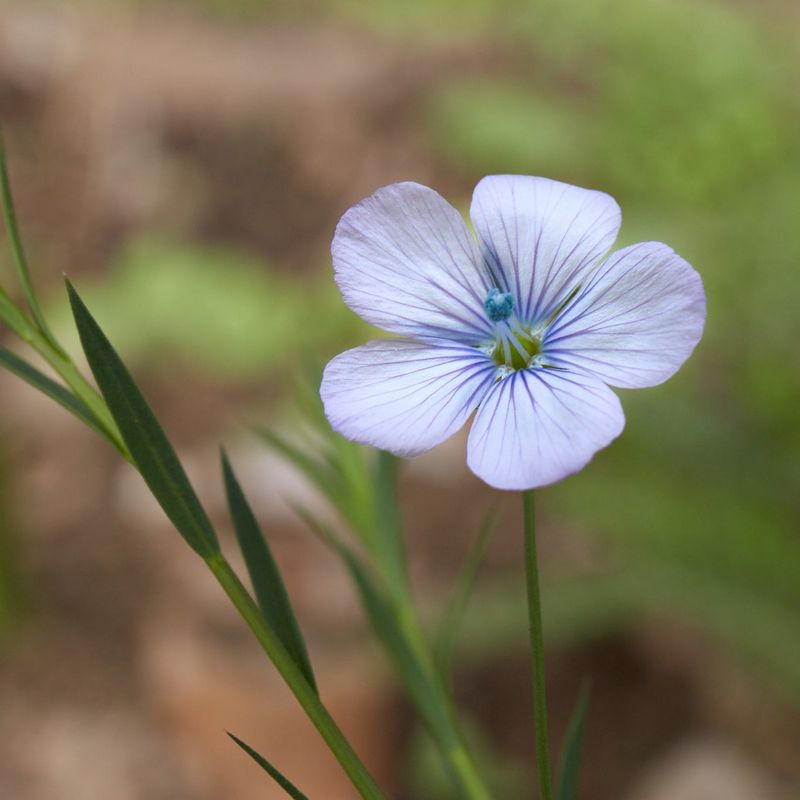
Prairie Flax might be one of the most underrated native perennials for Texas gardens. It does not show up on every list, and you will not find it at every garden center.
But gardeners who have grown it know that this slender, airy plant brings something genuinely lovely to a sunny, well-drained bed, and it handles heat and drought with quiet confidence.
The flowers are sky blue and five-petaled, appearing on thin, swaying stems that give the whole plant a light, meadow-like feel. Each individual flower lasts only one day, but new blooms open continuously throughout the spring and early summer blooming period.
The effect is a soft, shimmering display that looks wonderful mixed with grasses or other native wildflowers.
Prairie Flax grows best in full sun with excellent drainage. Sandy or rocky soil suits it perfectly, which is great news for Texas gardeners dealing with challenging soil types.
It reseeds on its own, so a small planting can gradually expand over time into a more naturalistic sweep of color.
It is not a showy, attention-grabbing plant in the way some others are, but its quiet charm and reliable toughness make it a smart addition to any Texas native garden seeking a lighter, more natural aesthetic.