This Common Mistake Stops Bougainvillea From Blooming In Texas
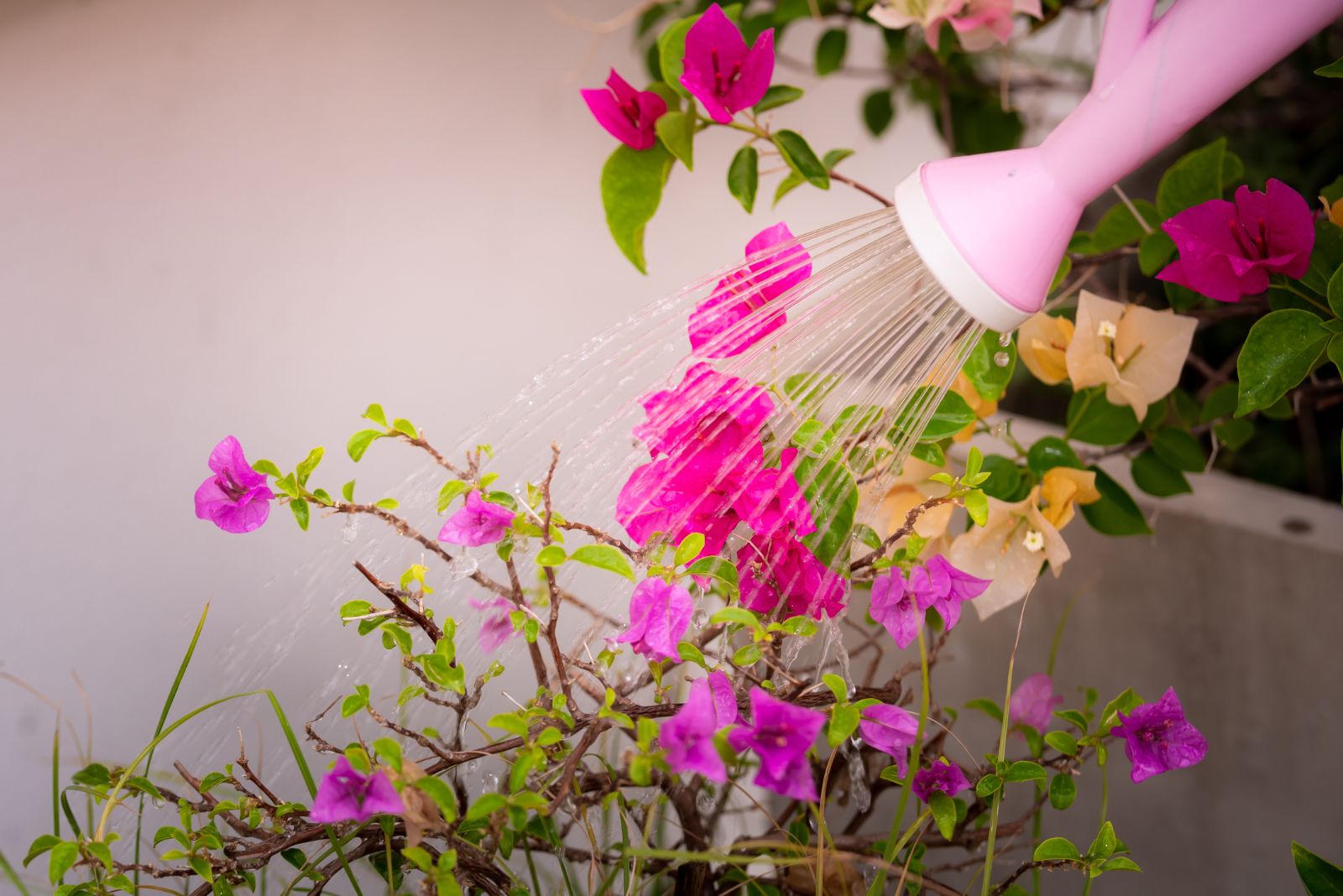
Bougainvillea looks like the kind of plant that should be unstoppable in Texas. It loves sunshine, brings bold color, and can turn a plain wall, fence, or patio into the brightest spot in the yard.
That is exactly why it is so frustrating when a healthy-looking plant grows plenty of leaves but barely produces the vivid blooms people expect. When that happens, many gardeners assume the problem is not enough fertilizer or not enough sun.
Very often, the real issue is much simpler. One of the biggest bloom destroyers is overwatering. Bougainvillea likes warmth, strong light, and soil that does not stay soggy for long.
When it gets too much water, the plant often focuses on leafy growth instead of flowering. In Texas, where gardeners may be tempted to water often during hot weather, that mistake happens more than people realize.
The tricky part is that too much care can actually hold this plant back. Once you understand how bougainvillea responds to moisture, it becomes much easier to give it what it needs and enjoy the bright, colorful show it is known for.
Why Your Bougainvillea Looks Healthy But Won’t Bloom?
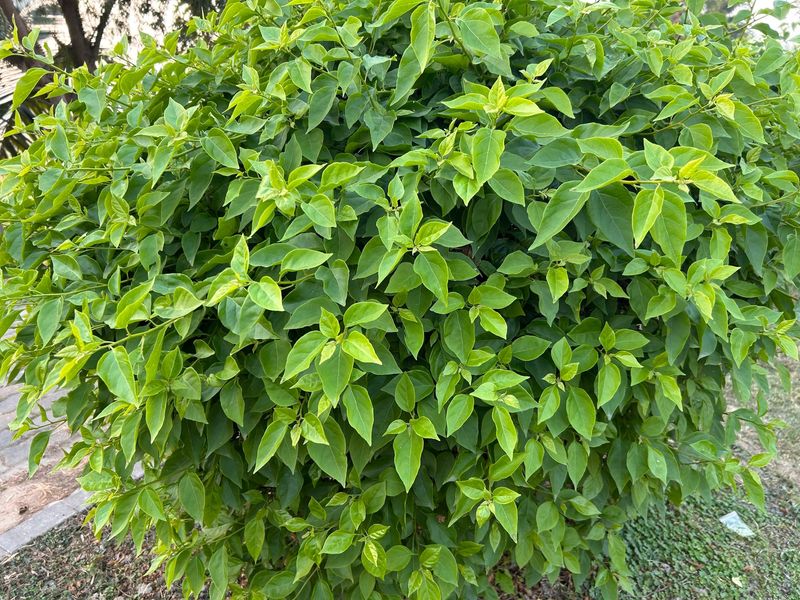
Picture this: your bougainvillea is big, bushy, and bursting with deep green leaves. It looks like a thriving plant.
But there is not a single pink, purple, or orange bloom anywhere on it. For many Texas gardeners, this is a confusing and frustrating situation.
Here is the thing about bougainvillea. Looking healthy on the outside does not always mean the plant is happy in the way that matters most.
A bougainvillea loaded with leaves but no flowers is actually sending you a message. It is telling you that something in its care routine is off.
Bougainvillea is native to dry, hot regions of South America. It evolved to survive in tough conditions with little water and poor soil.
In Texas, the climate can actually be perfect for this plant. But when gardeners treat it like a typical flowering plant and give it lots of water and rich soil, the bougainvillea responds by growing leaves instead of blooms.
The plant puts all its energy into leafy growth when conditions feel too comfortable. Stress, believe it or not, is what triggers a bougainvillea to flower.
When the plant feels a little dry and a little neglected, it shifts its energy toward reproduction, which means producing those beautiful, colorful bracts we all love.
Most of the time, the issue comes down to one very common care mistake that well-meaning gardeners make every single day across Texas.
Once you identify it, fixing the problem is straightforward. Your plant has everything it needs to bloom. It just needs you to step back a little.
The #1 Mistake: Too Much Water And Over-Care
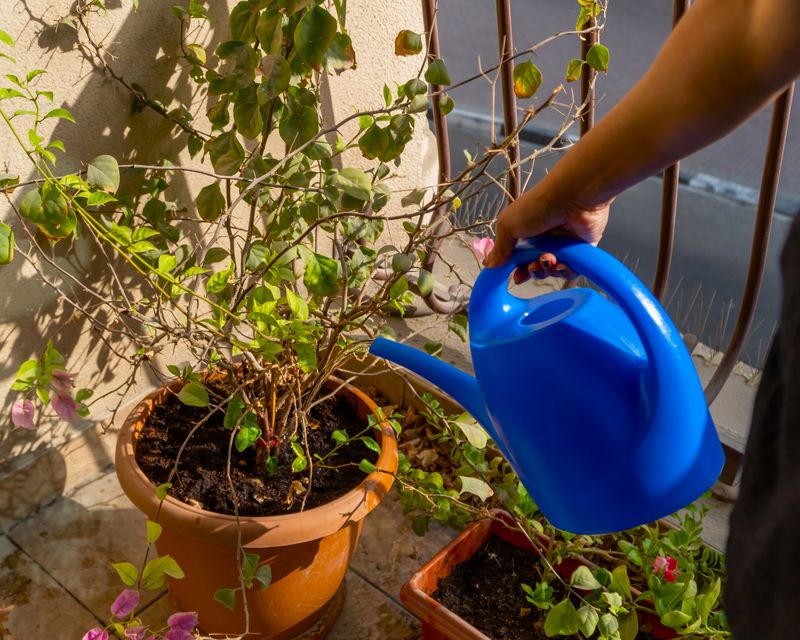
Watering your plants every day feels like the responsible thing to do. For most garden plants, regular watering is helpful.
But bougainvillea is not most plants. Giving it too much water is actually the number one reason it refuses to bloom in Texas. Bougainvillea thrives on neglect. That might sound strange, but it is completely true.
Your Texas Garden Changes Every Week. Your Plan Should Too.
Gardening in Texas changes quickly throughout the season. Every Friday you’ll receive a simple weekly plan showing exactly what to plant, prune, fertilize, harvest, and protect so you never miss the right timing.
When you water it frequently, the roots stay consistently moist and comfortable. The plant has no reason to stress. So instead of pushing out flowers, it just keeps growing more and more leaves.
Over-care goes beyond just watering. Gardeners also tend to fertilize too often, especially with nitrogen-heavy fertilizers.
Nitrogen encourages leaf and stem growth. When you feed your bougainvillea too much nitrogen, you are essentially telling it to grow green, not bloom. The plant listens every single time.
Across Texas, the combination of frequent watering and heavy fertilizing creates a bougainvillea that looks impressive but never flowers.
Gardeners put in a lot of effort, spend money on products, and still end up with a plant that will not perform. The frustrating part is that doing less would actually produce better results.
Try cutting back your watering schedule significantly. Allow the soil to dry out completely between waterings.
In Texas heat, this might mean watering only once every ten to fourteen days during summer. Switch to a low-nitrogen or bloom-boosting fertilizer, and use it sparingly.
Give your bougainvillea a chance to feel a little stressed, and it will reward you with an explosion of color that makes all the waiting worthwhile.
How Texas Climate Affects Bougainvillea Blooming?
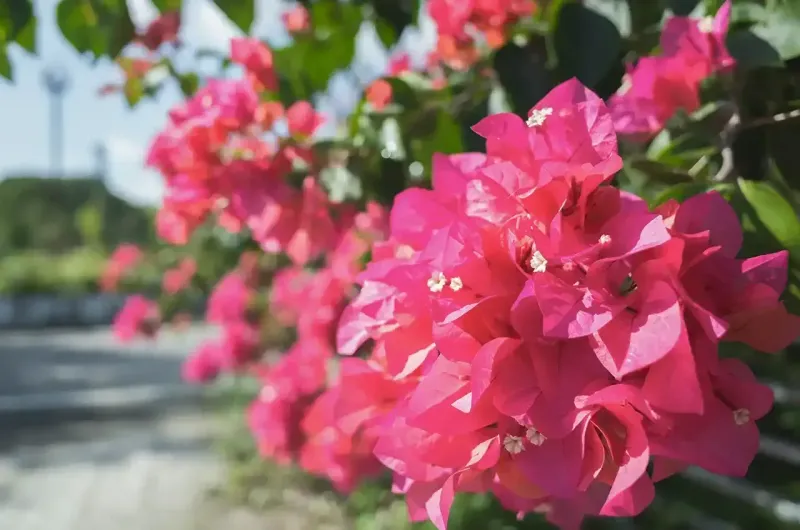
Texas is actually one of the best places in the entire country to grow bougainvillea. The intense summer heat, long sunny days, and naturally dry conditions mirror the plant’s native habitat almost perfectly.
So why do so many Texas bougainvilleas refuse to bloom? The climate is right, but the care routine often works against it.
Bougainvillea needs heat and sun to trigger its flowering cycle. In Texas cities like San Antonio, Austin, and Houston, temperatures regularly climb above 90 degrees Fahrenheit for weeks at a time.
That kind of heat, combined with full sun exposure, sends a signal to the plant that it is time to produce flowers. But that signal only works when the soil is allowed to dry out.
When gardeners in Texas water their bougainvillea too often, they cancel out the natural stress that the climate is trying to create. The heat says bloom, but the wet soil says keep growing. The plant gets mixed signals and defaults to leafy growth every time.
Drought-like conditions are actually a blooming trigger for bougainvillea. Gardeners who allow the soil to become quite dry between waterings often notice a dramatic burst of color within a few weeks.
The plant interprets the dry period as a survival cue and pushes out flowers to attract pollinators.
In Texas, working with the natural climate instead of fighting it makes a huge difference. Let the summer heat do its job.
Pull back on the hose. Trust that the Texas sun is doing exactly what your bougainvillea needs to finally put on a spectacular show of color.
Signs Your Bougainvillea Is Being Overwatered
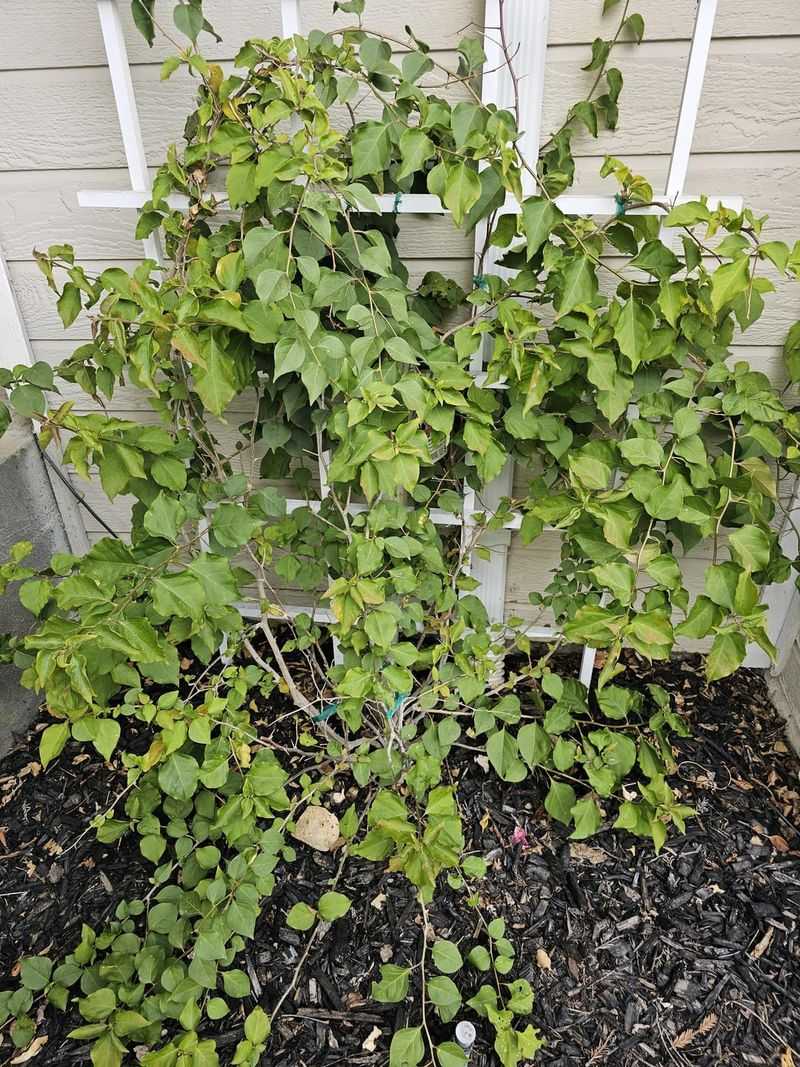
Not sure if overwatering is actually your problem? Your bougainvillea will show you clear signs if you know what to look for.
Catching these symptoms early makes it much easier to correct the issue before it causes serious long-term damage to the plant.
The most obvious sign is an abundance of lush, dark green leaves with absolutely no blooms. If your plant looks fuller and greener than ever but has not flowered in months, overwatering is almost certainly involved.
Healthy-looking leaves with zero color is a classic red flag that every Texas gardener should recognize.
Yellowing leaves are another strong indicator. When roots sit in consistently wet soil, they struggle to absorb nutrients properly.
The leaves start to turn yellow, often starting with the older, lower leaves first. This can look like a nutrient deficiency, but the real cause is waterlogged roots that cannot function correctly.
Check the soil around your bougainvillea. If it feels damp or wet more than two or three days after watering, drainage is poor or you are watering too frequently.
Bougainvillea roots need air as much as they need water. Constantly wet soil suffocates the root system over time.
Soft, mushy stems near the base of the plant can also signal root stress caused by excess moisture. In Texas, where temperatures stay warm for most of the year, wet soil creates an environment where root problems develop quickly.
Wilting despite wet soil is a confusing but real symptom. When roots are stressed, they cannot deliver water to the plant efficiently, causing the leaves to droop even when the ground is moist. If you spot this, reduce watering immediately and check your drainage setup.
How To Fix The Problem And Encourage More Blooms?
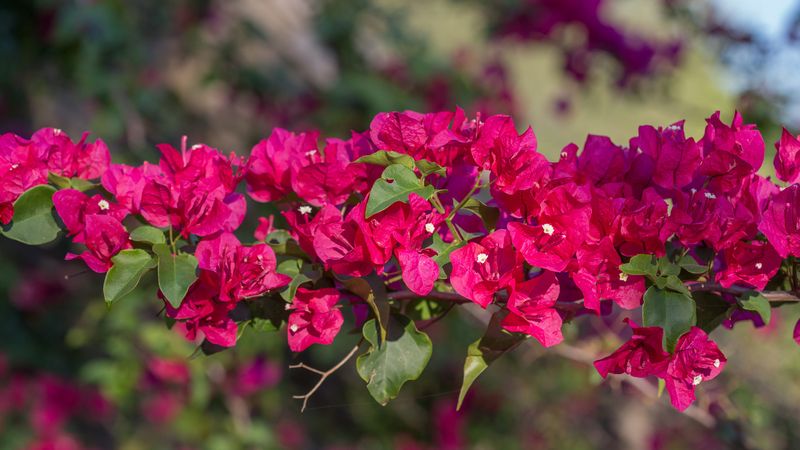
Ready to turn things around? The good news is that fixing an overwatered bougainvillea is very doable, especially in Texas where the climate already works in your favor. A few simple changes to your routine can trigger a beautiful blooming cycle within weeks.
Start by stopping your regular watering schedule completely for about two weeks. Let the soil dry out fully.
In Texas heat, this happens faster than you might expect. Once the top two inches of soil feel completely dry, give the plant a deep, thorough watering.
Then let it dry out again before watering once more. This cycle of dry and wet is exactly what bougainvillea loves.
Drainage is just as important as watering frequency. Make sure your plant is in well-draining soil.
If it is in a container, check that the drainage holes are clear and working properly. Soggy soil at the bottom of a pot is a common problem that keeps roots stressed in the wrong way.
Pull back on fertilizer right away. If you have been using a high-nitrogen fertilizer, switch to one with higher phosphorus content.
Phosphorus supports flower production. Look for fertilizers labeled specifically for blooming plants or those with a higher middle number in the NPK ratio on the label.
Avoid pruning during active growth periods. Pruning at the wrong time removes the new growth tips where flowers form.
In Texas, the best time to prune is just after a blooming cycle ends. This encourages the plant to push out fresh growth that will carry the next round of colorful blooms.
Additional Tips For Maximum Bougainvillea Blooms In Texas
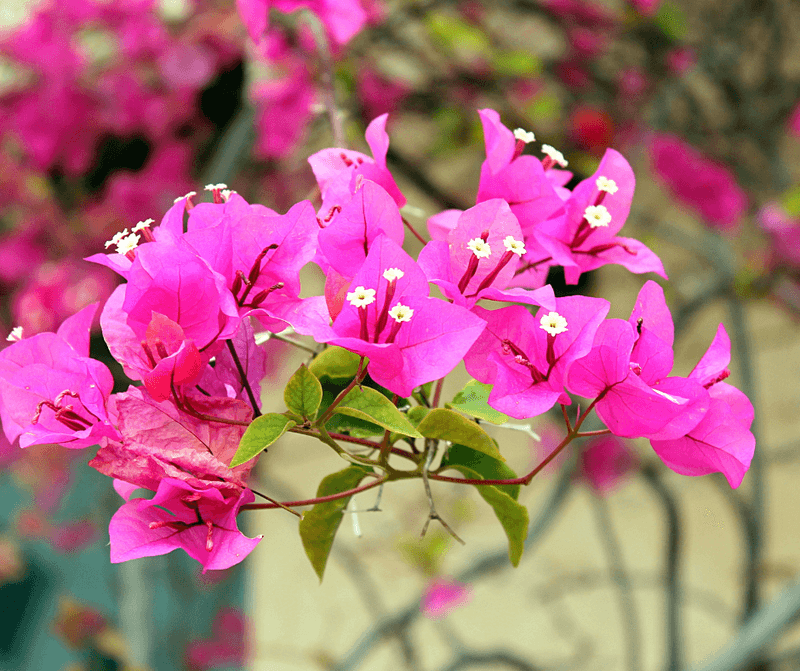
Once you have fixed the watering issue, a few extra strategies can push your bougainvillea to bloom even harder. Texas gardeners who use these tips often end up with plants that flower almost continuously from spring through fall.
Full sun is non-negotiable. Bougainvillea needs at least eight hours of direct sunlight every single day to bloom at its best.
Even a few hours of shade can reduce flowering significantly. If your plant is near a tree, fence, or building that blocks afternoon sun, consider relocating it to a sunnier spot in your Texas yard.
Believe it or not, bougainvillea actually blooms better when its roots are slightly crowded. If your plant is in a container, do not rush to move it into a larger pot.
A slightly root-bound bougainvillea tends to flower more freely because the cramped roots create a mild stress response that triggers blooming.
Pruning at the right time makes a big difference too. After each blooming cycle, trim back the tips of the branches by about one-third.
New growth will emerge from those cut points, and that fresh growth is where the next round of flowers will appear.
Timing your pruning correctly in Texas means you can enjoy multiple blooming cycles in one growing season. Consistency matters most. Once you find the right watering rhythm, stick with it.
Bougainvillea rewards gardeners who are patient and steady. Stop fussing over it, let the Texas sun do its work, and give the plant the tough-love treatment it was born to thrive on. The blooms will follow.