How To Prune African Violets For Fuller Growth In Michigan Homes
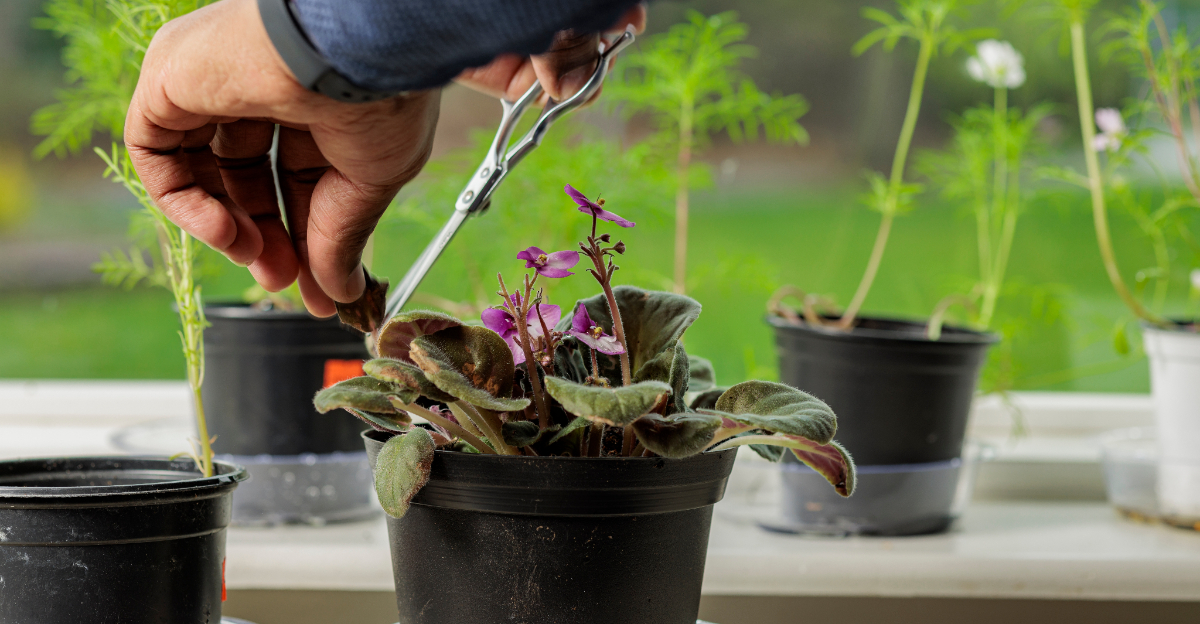
African violets have a way of brightening up Michigan homes, especially during the long winter months. Their soft, velvety leaves and colorful blooms bring life to windowsills and indoor spaces when outdoor gardens are still quiet.
But keeping them looking full and vibrant takes more than just regular watering. Many indoor gardeners overlook one simple step that can make a huge difference.
Pruning helps shape the plant, encourages new growth, and keeps it from becoming leggy or uneven over time. Without it, even healthy plants can start to lose their compact, attractive form.
The good news is that pruning African violets is easy once you know what to do. With a few simple habits, Michigan gardeners can keep their plants looking neat, healthy, and blooming beautifully throughout the year.
1. Pruning Means Removing Old Leaves And Spent Flowers
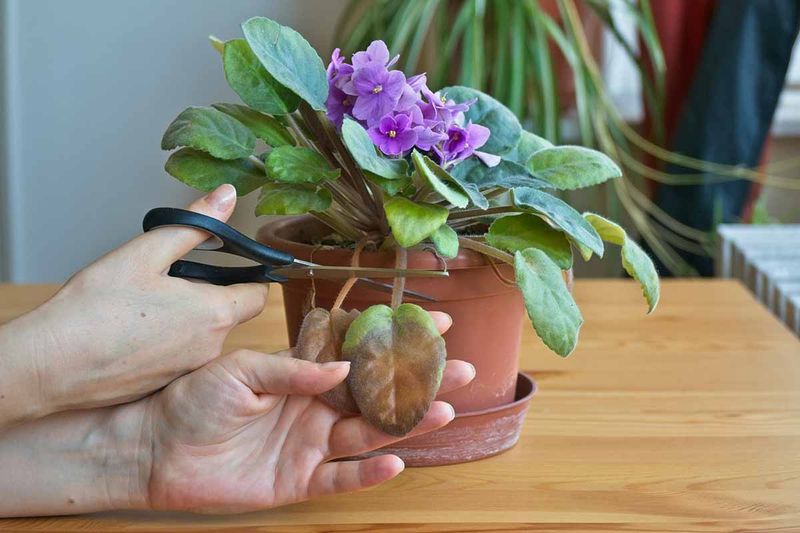
Most people picture big scissors and dramatic cuts when they hear the word pruning, but African violets work a little differently.
For Saintpaulia ionantha, pruning mostly means removing older bottom leaves and spent flower stems rather than cutting back the whole plant.
It is a gentle, targeted process that keeps things tidy and encourages strong new growth from the center.
When you remove those aging lower leaves, the plant stops pouring energy into maintaining them. Instead, that energy gets redirected toward producing fresh leaves and vibrant blooms at the crown.
Michigan indoor gardeners love this technique because it keeps plants looking neat without causing any major disruption to the plant.
Think of it like clearing out clutter in a small apartment. Once the old stuff is gone, there is room for something fresh and beautiful to take its place.
You do not need fancy tools for this job. Clean fingers or small scissors work perfectly well for snapping or cutting leaves and flower stems right at their base.
Regular light pruning every few weeks keeps your African violet compact, balanced, and thriving beautifully inside your Michigan home through every season of the year.
2. Remove Bottom Leaves To Encourage New Growth
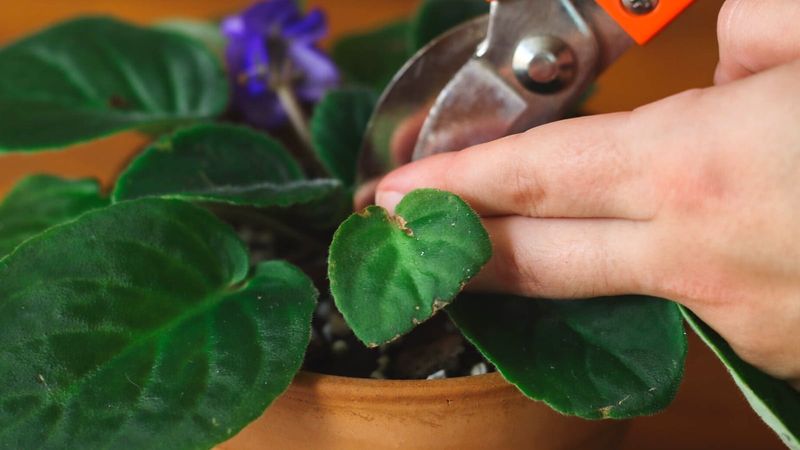
Here is something surprising that many new plant owners discover too late: the lowest leaves on your African violet are actually working against it.
As those bottom leaves age, they become less efficient and start drawing energy away from the plant’s center where all the exciting new growth happens. Removing them regularly is one of the smartest moves you can make.
The process is simple and satisfying. Gently grasp an older lower leaf near its base and snap it off with a clean sideways motion.
If the stem does not snap cleanly, use small clean scissors to cut it as close to the base as possible. Leaving a stub behind can invite rot, so a clean removal is always the goal for healthy results.
Once those older leaves are gone, the crown of your African violet gets a chance to shine. New leaves push up from the center with noticeably more energy and color.
Michigan homes during winter can have dry indoor air and limited natural light, which makes this kind of regular maintenance even more valuable.
Your Michigan Garden Changes Every Week. Your Plan Should Too.
Gardening in Michigan changes quickly throughout the season. Every Friday you’ll receive a simple weekly plan showing exactly what to plant, prune, fertilize, harvest, and protect so you never miss the right timing.
Removing aged bottom foliage every three to four weeks keeps your plant growing in a beautiful, full rosette shape that looks intentional and healthy rather than overgrown and tired.
3. Remove Spent Flowers To Keep Blooms Coming
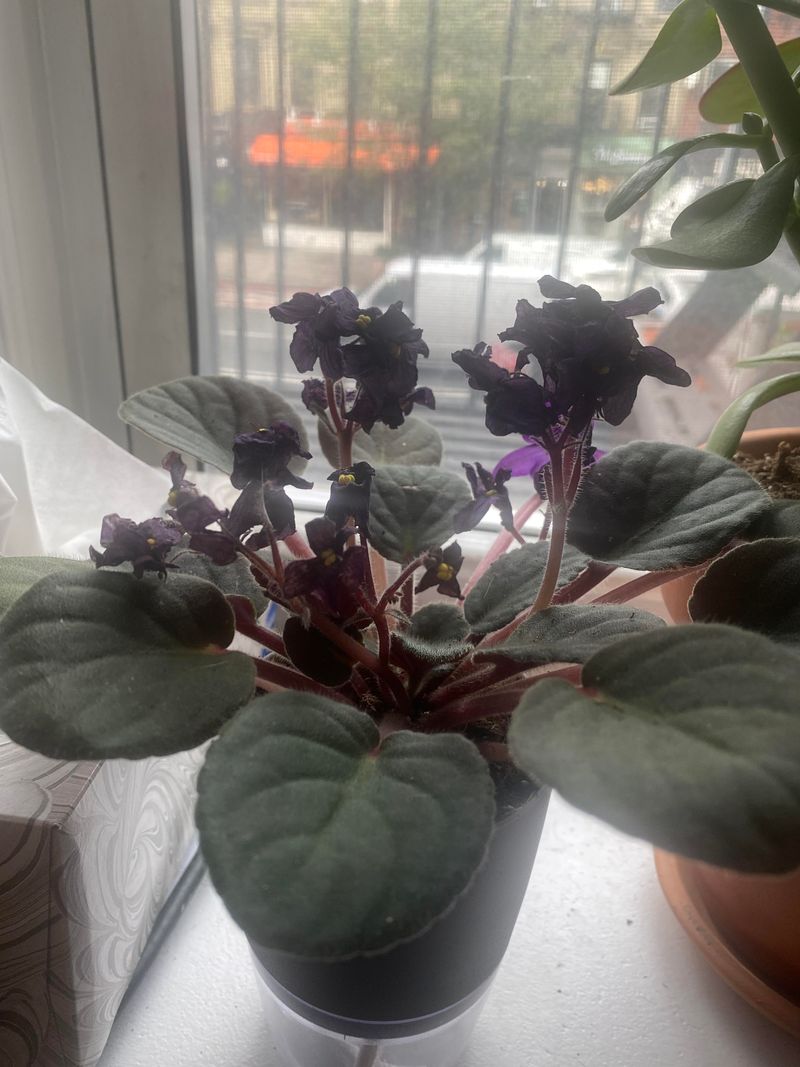
Faded flowers might seem harmless sitting on your plant, but they are quietly working against your blooming goals. When an African violet finishes a bloom cycle, it will start putting energy toward producing seeds if you leave those spent flower stalks in place.
Removing them promptly sends a clear signal to the plant to focus on producing fresh new buds instead.
It could not be simpler. Grip the entire flower stalk, not just the wilted bloom at the top, and trace it all the way down to where it meets the base of the plant.
Remove the whole stalk cleanly at that point. Leaving partial stems behind can lead to rotting, which creates unnecessary problems for an otherwise healthy plant.
Michigan gardeners who deadhead consistently often notice that their African violets bloom in near-continuous cycles throughout the year.
Because these plants live indoors under stable conditions, they have the potential to bloom almost year-round with the right care.
Deadheading is the key that keeps unlocking that potential. It takes only a few minutes every week or two, but the reward is a plant that looks fuller, more colorful, and genuinely thriving inside your home no matter what the weather outside looks like.
4. Keep The Crown Clear And Open
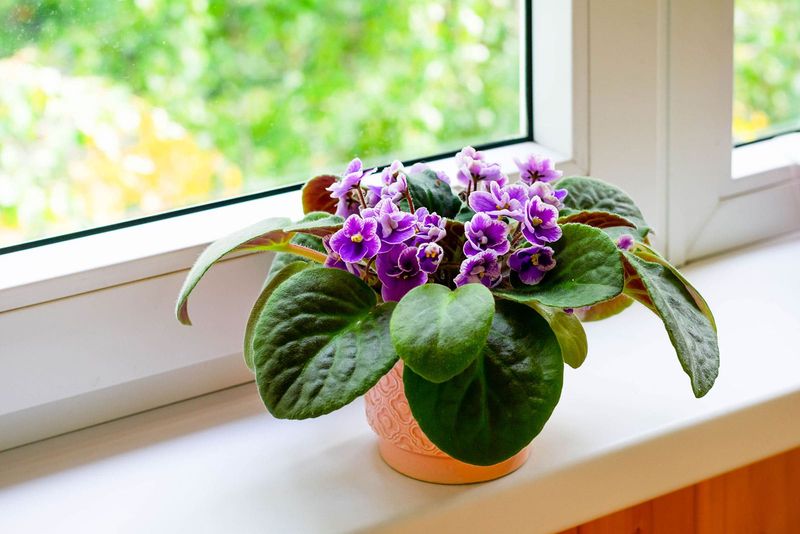
The crown of an African violet is the powerhouse of the entire plant. Every new leaf, every fresh flower stalk, every sign of healthy growth starts right there at the center.
When the crown gets crowded with too many overlapping leaves, it struggles to get the light and airflow it needs to keep performing at its best.
Keeping the crown open is less about following strict rules and more about observing your plant regularly. When leaves start to pile up in the center and overlap heavily, it is time to selectively remove a few of the crowding ones.
Choose leaves that are blocking the middle rather than ones that are nicely spread outward in the rosette pattern. The goal is a balanced, symmetrical shape that allows light to reach every part of the plant evenly.
Michigan homes often rely on windowsill light during the colder months, and that light is precious for indoor plants. A crowded crown blocks that light from reaching the younger growth underneath, which slows the whole plant down noticeably.
By keeping the center open and tidy, you help every leaf and emerging bud get its fair share of what limited natural light is available. A well-shaped African violet with an open crown simply looks healthier, more polished, and more rewarding to grow.
5. Prune Any Damaged Or Yellowing Leaves Immediately
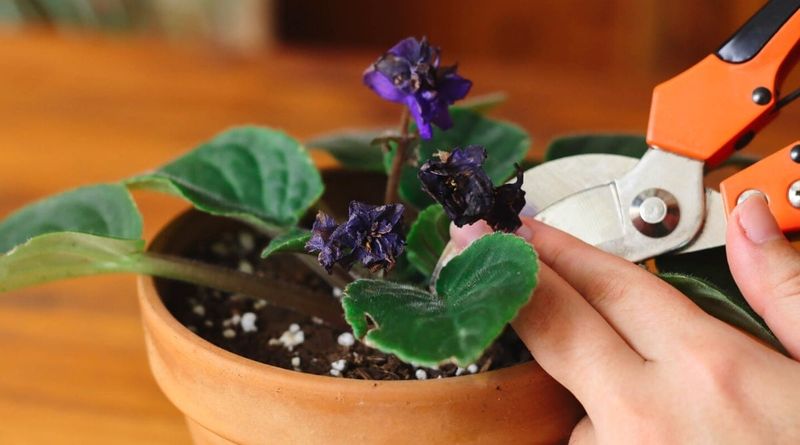
Yellow leaves on an African violet are the plant’s way of sending a message, and it pays to listen quickly. Yellowing, soft, or damaged leaves can signal overwatering, root crowding, or simply natural aging.
Whatever the cause, leaving them on the plant does more harm than good because they can become entry points for rot and fungal problems if ignored.
Removing damaged leaves right away is a straightforward but important habit for Michigan indoor gardeners to build. Before touching the plant, wash your hands thoroughly or wipe your scissors with rubbing alcohol.
This small step prevents any bacteria or fungal spores from spreading from a damaged leaf to the healthy parts of the plant during the removal process.
Once a yellow or damaged leaf is removed cleanly at the base, the plant can redirect that wasted energy into something productive. New leaves and fresh blooms become noticeably more vigorous when the plant is not working to maintain struggling foliage.
Michigan winters mean indoor air can get dry and heating systems can stress plants in subtle ways, making regular leaf checks even more important during those months.
A quick scan of your African violet every week or two keeps small problems from turning into bigger ones, and your plant will look noticeably better for the extra attention.
6. Avoid Removing Too Many Leaves At Once
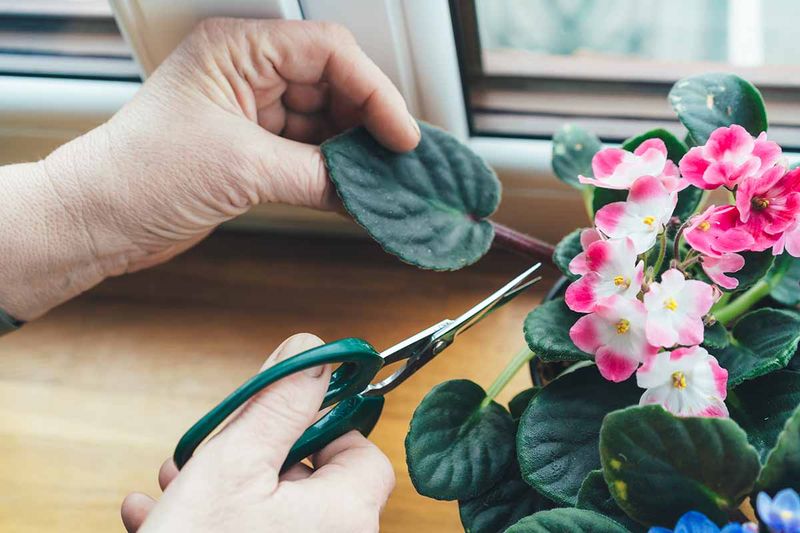
Enthusiasm is a great quality in a plant parent, but over-pruning African violets is a real risk that even experienced growers fall into occasionally. Removing too many leaves at one time puts the plant under significant stress.
Foliage is how a plant captures light and produces energy, so stripping too much at once leaves it struggling to recover and can noticeably slow down blooming.
A good rule of thumb is to remove no more than two or three leaves per pruning session. Give the plant a few weeks to settle and push out new growth before you remove anything else.
This patient approach feels slow at first, but the results are worth it. Plants pruned gradually tend to stay fuller, healthier, and more consistently beautiful than ones that get aggressively trimmed all at once.
Michigan gardeners who follow this gentle approach often notice their African violets blooming more reliably throughout the year.
The plant never goes through the shock of sudden major foliage loss, so it keeps its energy focused on producing new leaves and flowers rather than recovering from stress.
Think of each small pruning session as a conversation with your plant rather than a renovation project. A little at a time, done consistently, adds up to a wonderfully full and healthy plant that keeps looking better month after month inside your Michigan home.
7. Pruning Can Be Done Year Round Indoors
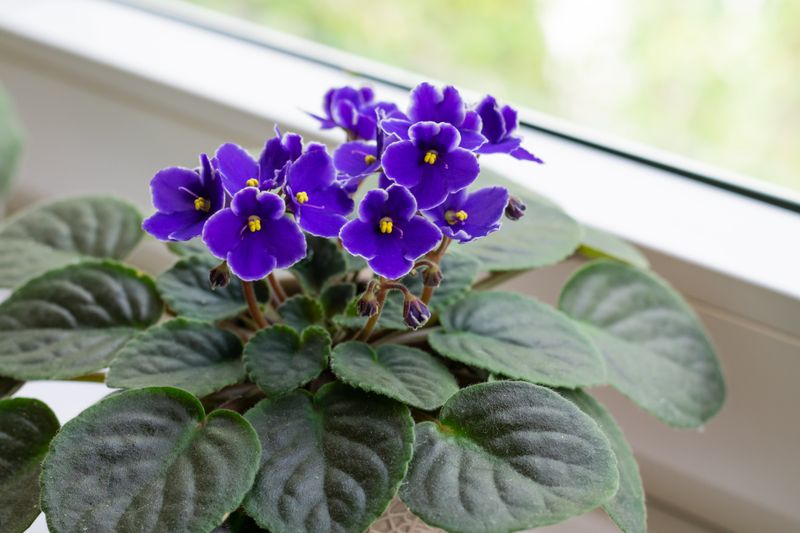
One of the best things about growing African violets indoors in Michigan is that you are completely free from seasonal restrictions.
Outdoor plants often require strict pruning windows tied to frost dates and dormancy periods, but African violets grown inside your home follow their own relaxed schedule.
The stable indoor temperature and consistent light mean you can prune lightly at any point during the year.
Regular light maintenance every three to four weeks is the sweet spot for most Michigan households. You do not need to wait for a specific month or season to remove a faded bloom or a yellowing leaf.
Whenever you notice something that needs attention, go ahead and address it. This ongoing approach keeps the plant in consistently good shape rather than letting problems pile up between infrequent big pruning sessions.
That said, it is still smart to keep pruning sessions light and gentle throughout the year. Removing just a few leaves or spent flower stalks at a time gives the plant a chance to recover and redirect its energy smoothly.
Michigan winters with their shorter daylight hours can slow growth slightly even indoors, so being a little gentler during those months makes sense.
Year-round indoor pruning is one of the reasons African violets thrive so well as houseplants across the state, rewarding consistent care with reliable beauty.
8. Pruning Helps Maintain A Compact Shape In Indoor Light
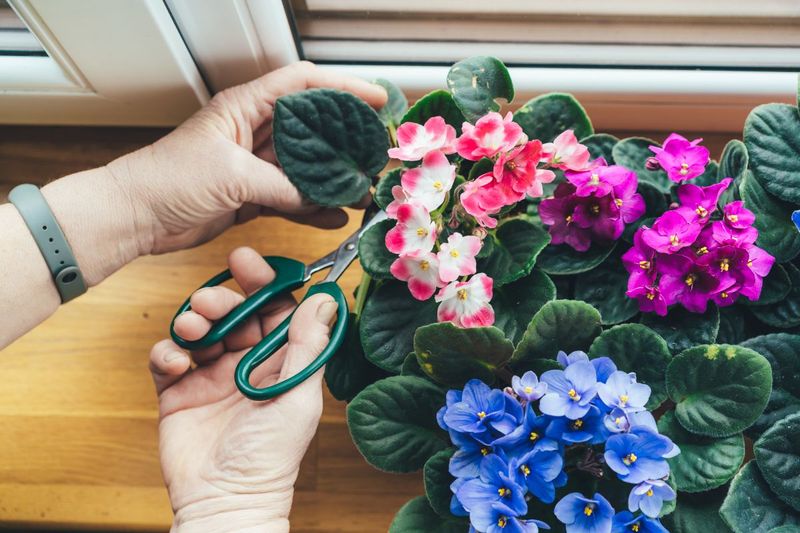
Michigan winters are beautiful, but shorter daylight hours can quietly affect your African violet in ways that are easy to miss. When light comes from only one direction, the plant naturally stretches its leaves toward the source over time.
This creates a lopsided, elongated shape that looks a little awkward and can actually reduce the plant’s overall health and blooming performance.
Pruning older outer leaves is a simple and effective way to maintain a compact, rounded shape even when natural light is limited. By removing leaves that have stretched and aged, you encourage the plant to push fresh compact growth from the crown.
Pairing this with regular rotation of the pot, a quarter turn every week or so, helps every side of the plant get equal access to whatever light is available through your window.
A compact, symmetrical African violet is not just prettier to look at. It also performs better because light and airflow can reach more of the plant evenly.
Michigan gardeners who combine light pruning with consistent rotation often end up with plants that look professionally maintained without much extra effort. The key is staying consistent rather than waiting for the shape to get noticeably off before acting.
Small adjustments made regularly are far more effective than trying to correct a heavily stretched plant all at once.
9. Pruning Supports Better Airflow And Reduces Disease Risk
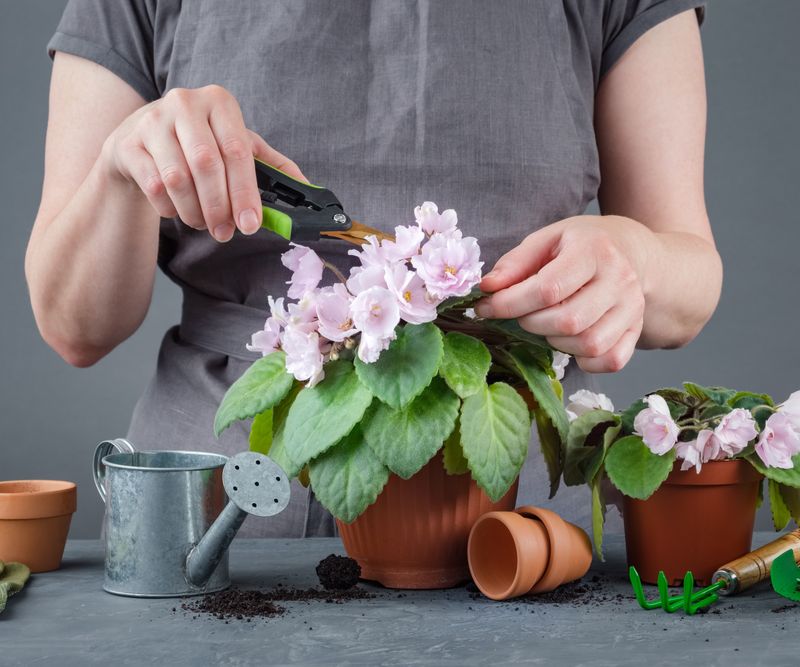
Crowded foliage might look lush at first glance, but it creates a hidden problem that Michigan indoor gardeners need to watch for. When leaves overlap and press tightly together, moisture gets trapped between them and airflow drops to nearly nothing.
That combination is exactly what fungal problems like powdery mildew need to take hold and spread through your plant.
Regular pruning opens up the foliage and lets air circulate freely around and through the plant. Removing older lower leaves and thinning out crowded areas makes a real difference in how much moisture sits on the leaf surfaces after watering.
Along with pruning, always try to water African violets from the base rather than splashing water onto the leaves directly, since wet foliage is one of the fastest ways to invite fungal trouble.
Spacing your plants properly on the windowsill or shelf also contributes to better airflow across the whole growing area.
Michigan homes tend to have the heating system running for many months of the year, which can create warm, dry indoor air that sometimes fluctuates with humidity.
Keeping plants well-pruned and properly spaced helps them handle those indoor climate shifts more easily. A little open space around each plant goes a long way toward keeping your entire African violet collection looking vibrant, healthy, and full of blooms all year long.