These Are The Michigan Vegetables That Actually Prefer Being Planted In June
June planting in Michigan gets overlooked because most gardening energy goes into May. By the time June arrives, a lot of gardeners feel like the window has mostly closed.
For certain vegetables though, June is not a late start. It is the right start.
These crops genuinely perform better when soil temperatures are warmer, frost risk is completely gone, and the long summer days ahead give them exactly the growing conditions they prefer.
Some of them struggle when pushed into cold May ground and catch up quickly to earlier plantings once June warmth arrives.
Others have a fast enough growth rate that a June start still delivers a full harvest before fall.
Michigan’s warm summers are more than enough for this group to thrive, and knowing which vegetables actually belong in June planting takes the pressure off May and spreads the season out in a way that makes the whole garden more manageable.
1. Cucumbers Grow Faster Once Soil Warms Up
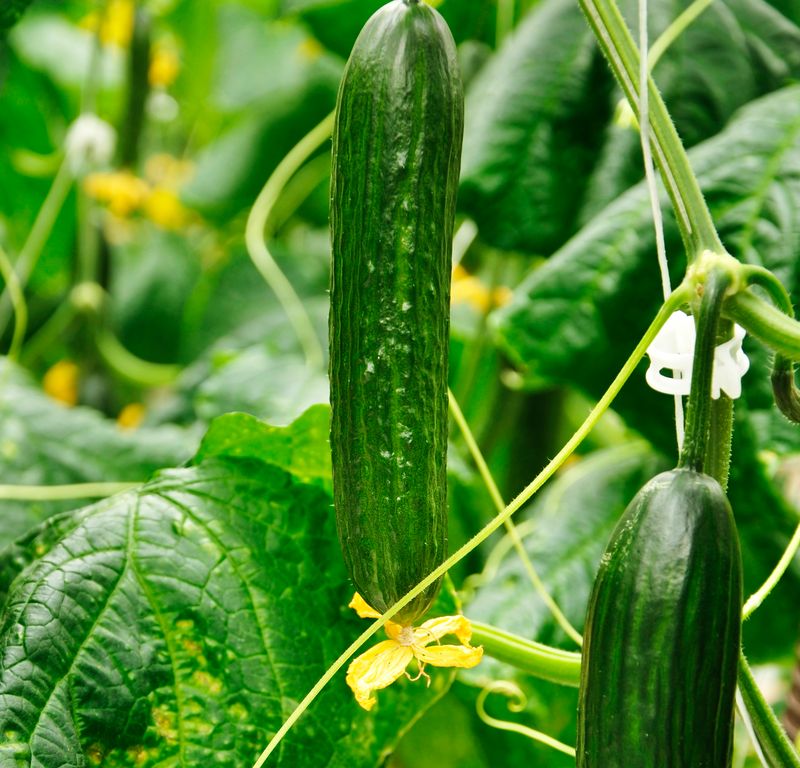
Cucumbers have a reputation for being easy, but cold soil is their biggest enemy.
Plant them too early in Michigan and they just sit there, barely growing, waiting for warmth that hasn’t arrived yet.
June planting changes everything because the soil finally holds the heat cucumbers need to push out roots and start climbing fast.
In southern Michigan, cucumbers planted in early June will establish quickly and start producing fruit by mid-July.
Central Michigan gardeners can plant through mid-June with great results, while northern Michigan gardeners should aim for the first two weeks of June to give plants enough time before summer winds down.
Space plants about 12 inches apart along a trellis or fence to keep vines off the ground and improve airflow.
Consistent watering matters a lot with cucumbers since uneven moisture causes bitter fruit. Mulching around the base helps lock in soil moisture during hot July stretches.
Keep an eye out for striped or spotted cucumber beetles, which can show up in gardens by midsummer and damage leaves and roots if ignored. Harvest cucumbers when they reach about 6 to 8 inches long.
Leaving overripe cucumbers on the vine signals the plant to slow down production, so pick often and pick early for the best yields all summer long.
2. Bush Beans Sprout Quickly In Warm June Soil
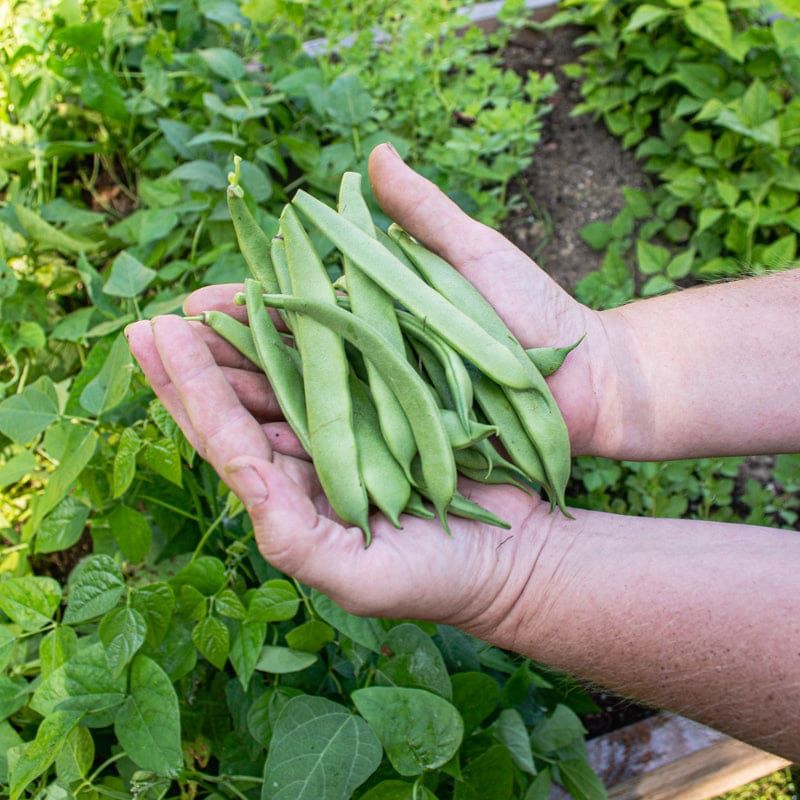
There is something almost magical about watching bush beans push through warm soil within just a few days of planting.
Cold, wet spring soil is actually one of the main reasons bean seeds rot before they sprout, so waiting until June in Michigan is not laziness but smart gardening strategy.
Sow seeds directly into the garden about one inch deep and three to four inches apart in rows spaced around 18 inches.
Bush beans do not need transplanting and actually prefer going straight into the ground. Warm June soil in Michigan, typically around 60 to 70 degrees Fahrenheit, gives seeds the ideal environment to germinate within five to eight days.
Watering consistently after planting helps, but avoid overhead watering once plants are established since wet foliage can encourage fungal issues during humid summer weeks.
Your Michigan Garden Changes Every Week. Your Plan Should Too.
Gardening in Michigan changes quickly throughout the season. Every Friday you’ll receive a simple weekly plan showing exactly what to plant, prune, fertilize, harvest, and protect so you never miss the right timing.
Beans are light feeders, so heavy fertilizing is usually unnecessary and can push too much leafy growth at the expense of pods.
Succession planting is one of the best tricks with bush beans. Sow a new row every two to three weeks through early July to keep a steady harvest coming rather than getting one big flush and nothing after.
Beans are typically ready to pick about 50 to 60 days after planting, which puts your first June harvest right in the heart of summer.
3. Pole Beans Take Off Once Nights Stay Warm
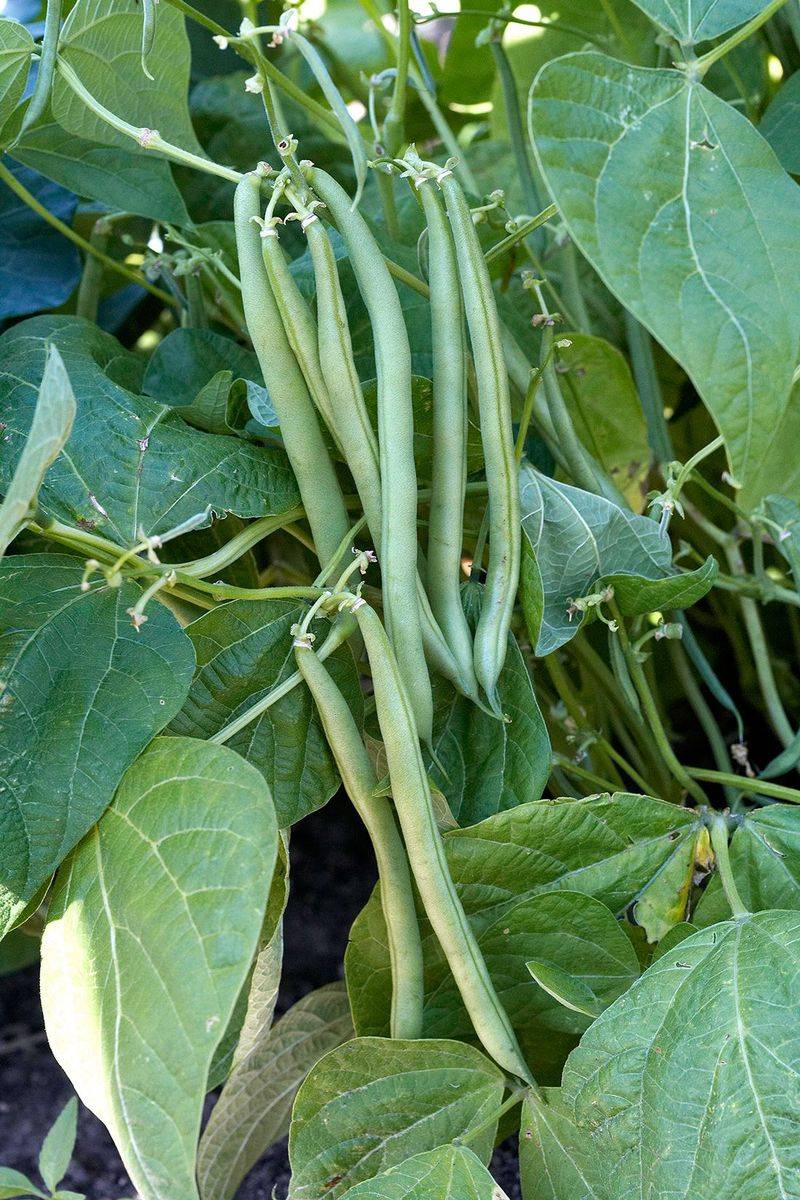
Pole beans are ambitious climbers that reward patient gardeners with weeks of steady production, but only when the conditions are right.
Unlike bush beans, pole beans keep producing all summer long instead of delivering one concentrated harvest, making them a smart choice for gardeners who want a reliable supply of fresh beans from July through September.
June is the sweet spot for planting pole beans in Michigan because nights have finally settled above 50 degrees Fahrenheit.
Cold nights slow germination and stress young plants before they even get started.
Sow seeds about one inch deep and four to six inches apart at the base of a sturdy trellis, teepee, or fence structure at least six feet tall since these vines grow enthusiastically throughout the summer.
Watering deeply once or twice a week encourages roots to grow downward rather than staying shallow, which helps plants stay productive even during dry July and August stretches.
Good airflow between plants matters in our humid summers, so avoid overcrowding and remove any yellowing lower leaves to keep air moving through the canopy.
Harvest pods when they are firm and about the thickness of a pencil. Waiting too long makes pods tough and signals the plant to slow down.
Regular harvesting keeps pole beans producing vigorously for months, giving gardeners a long, rewarding season from a single June planting.
4. Summer Squash Loves The Heat That Arrives In June
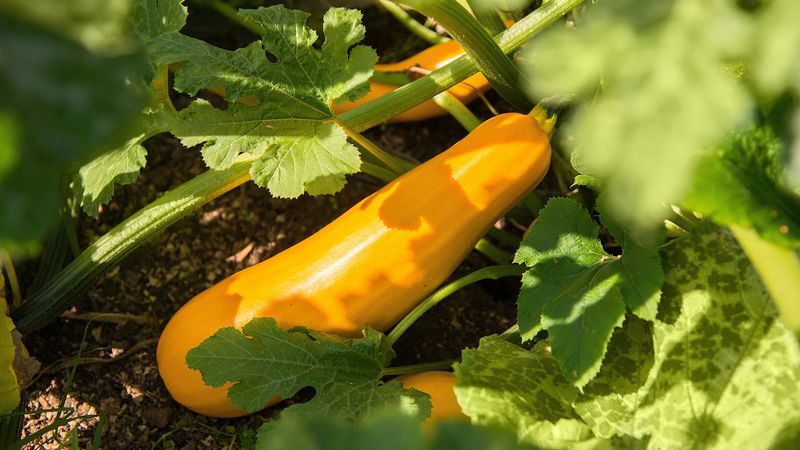
Summer squash is one of those vegetables that seems almost impatient. Once it gets what it wants, which is warm soil and steady heat, it grows almost visibly fast.
Planting summer squash in cold May soil often results in slow, sulky plants that sit motionless for weeks, but a June planting in Michigan gives this crop the running start it craves.
Space hills about 24 to 36 inches apart, with two to three plants per hill. Summer squash grows wide and bushy, so giving it room early prevents crowding and the moisture-related diseases that come with poor airflow.
Mulching around plants helps retain soil warmth and moisture, both of which summer squash appreciates deeply during hot summers.
Watering at the base of plants rather than overhead reduces the risk of powdery mildew, a common issue in gardens during humid summer weeks.
Deep watering two to three times per week is usually enough, though sandy soils may need more frequent attention during dry spells.
Pollination is worth watching with summer squash. Early in the season, male flowers appear before female flowers, which can cause small fruits to drop before setting.
Once both flower types are open and pollinators are active, fruit development moves quickly.
Watch for squash vine borer moths in July, as they can damage vines in southern and central Michigan if not caught early enough.
5. Zucchini Produces Fast From A June Planting
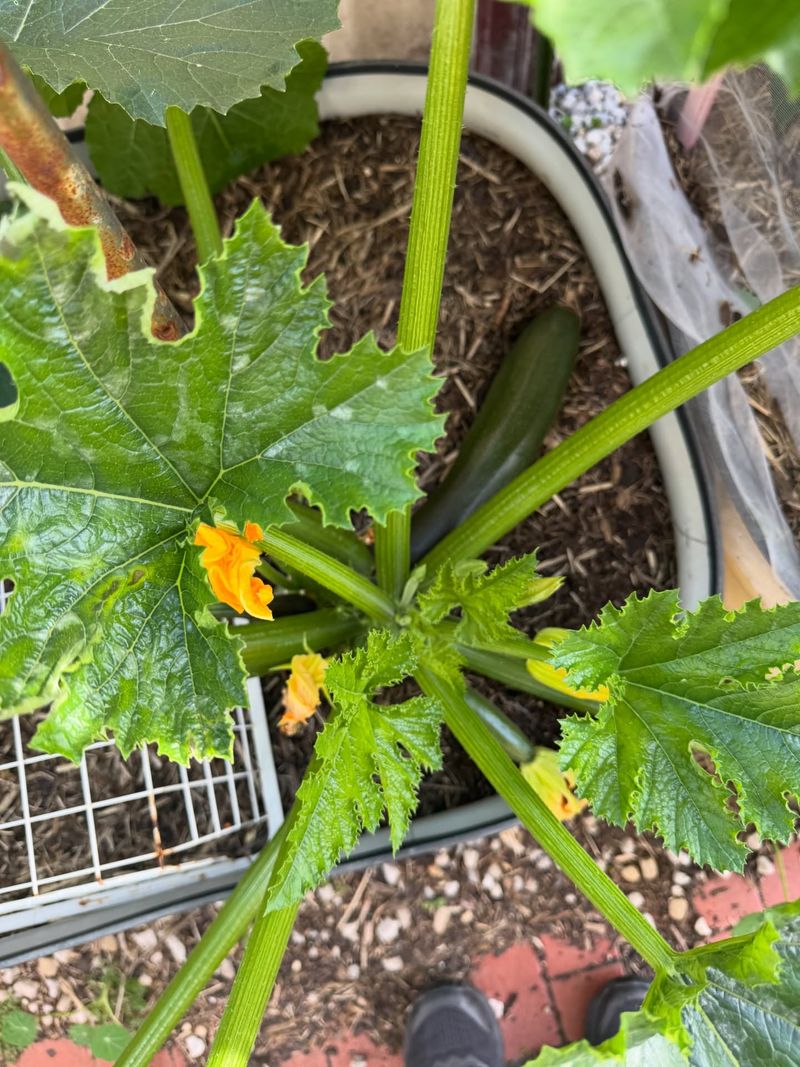
Zucchini has a well-earned reputation for producing more than most families can eat, and a June planting in Michigan taps directly into that legendary productivity.
Warm soil and long summer days push zucchini plants into overdrive, sometimes producing harvestable fruit within 50 days of planting.
Starting in cold May soil often means stunted early growth that delays the whole season. Direct sowing works well for zucchini in June since soil temperatures are warm enough for quick germination.
You can also transplant seedlings started indoors two to three weeks earlier if you want a slight head start.
Space plants about 24 to 36 inches apart to allow good airflow and room for the wide, sprawling leaves that shade the soil and keep roots cool. Consistent watering is important, especially once fruits begin forming.
Uneven moisture leads to blossom end rot, a frustrating condition where the tip of the fruit turns soft and discolored.
A layer of mulch helps regulate soil moisture and keeps the garden looking tidy through the busy summer weeks.
Harvest zucchini when fruits are about six to eight inches long for the best flavor and texture. Oversized zucchinis are edible but become seedy and watery.
Preventing powdery mildew during humid August weather means keeping leaves dry and removing damaged foliage promptly.
A healthy June-planted zucchini can keep producing well into early September.
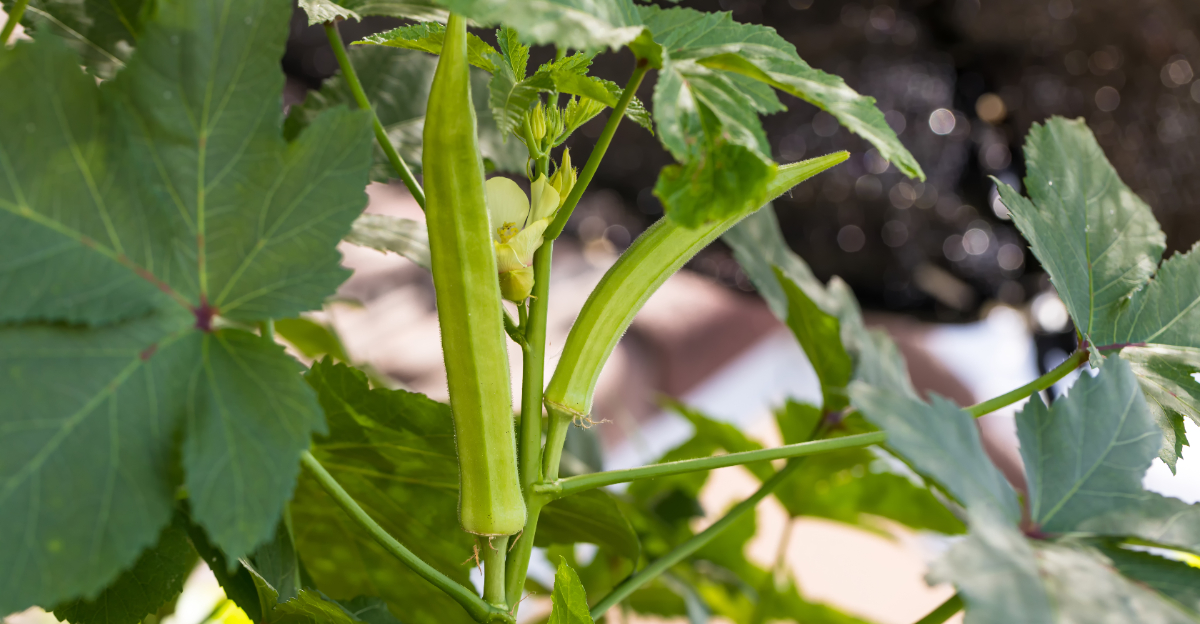
6. Okra Needs June Warmth To Grow Well In Michigan
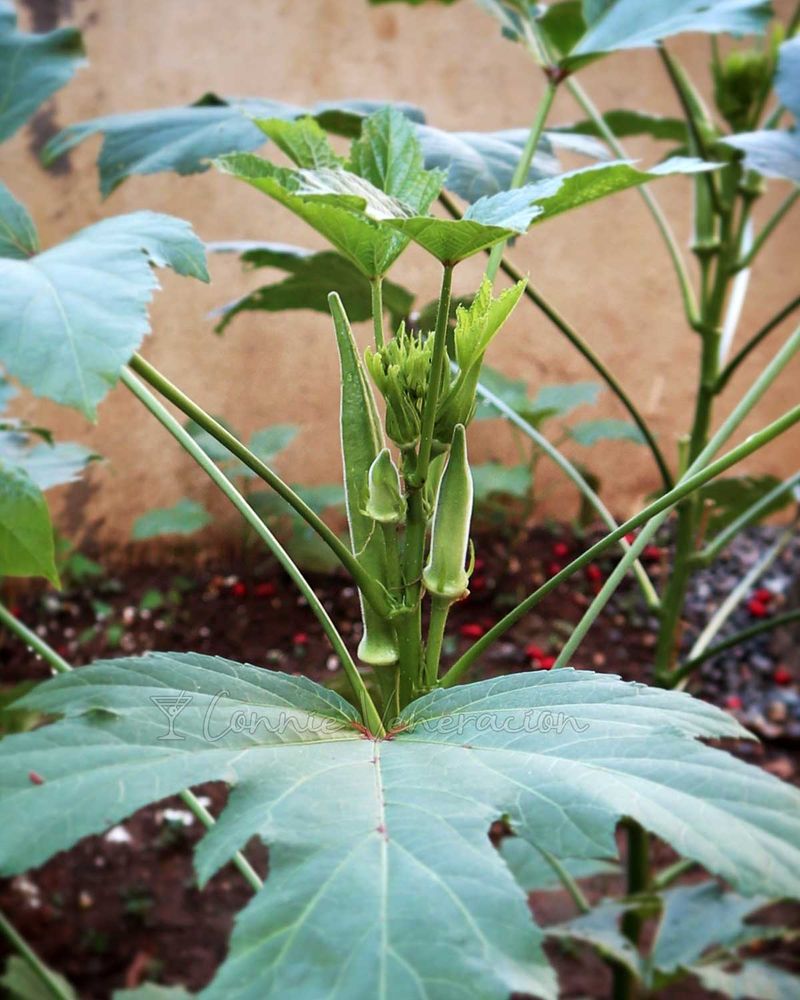
Okra is not a typical Michigan garden crop, but adventurous gardeners who give it what it needs are often surprised by how well it performs. The catch is that okra absolutely refuses to cooperate in cool soil.
It needs soil temperatures of at least 65 degrees Fahrenheit, ideally closer to 70, before it will germinate reliably, which makes June the earliest realistic planting window in most parts of Michigan.
Southern Michigan gardeners have the best chance of a full okra harvest since the growing season runs longer there.
Central and northern Michigan gardeners should choose fast-maturing varieties like Clemson Spineless 80 or Cajun Delight, which can produce pods in around 50 to 55 days and fit within shorter summer window.
Full sun is non-negotiable for okra. Choose the warmest, sunniest spot in your garden, ideally against a south-facing wall or fence that reflects extra heat.
Space plants about 18 inches apart and water deeply once established.
Okra is surprisingly drought-tolerant once it gets going, but consistent moisture during flowering helps maximize pod production.
Harvest pods when they are two to four inches long and still tender. Pods left on the plant become tough and fibrous very quickly in summer heat.
Picking every one to two days keeps new pods forming and prevents the plant from putting energy into seed development instead of continued production throughout warm summer weeks.
7. Sweet Corn Benefits From Warm June Soil
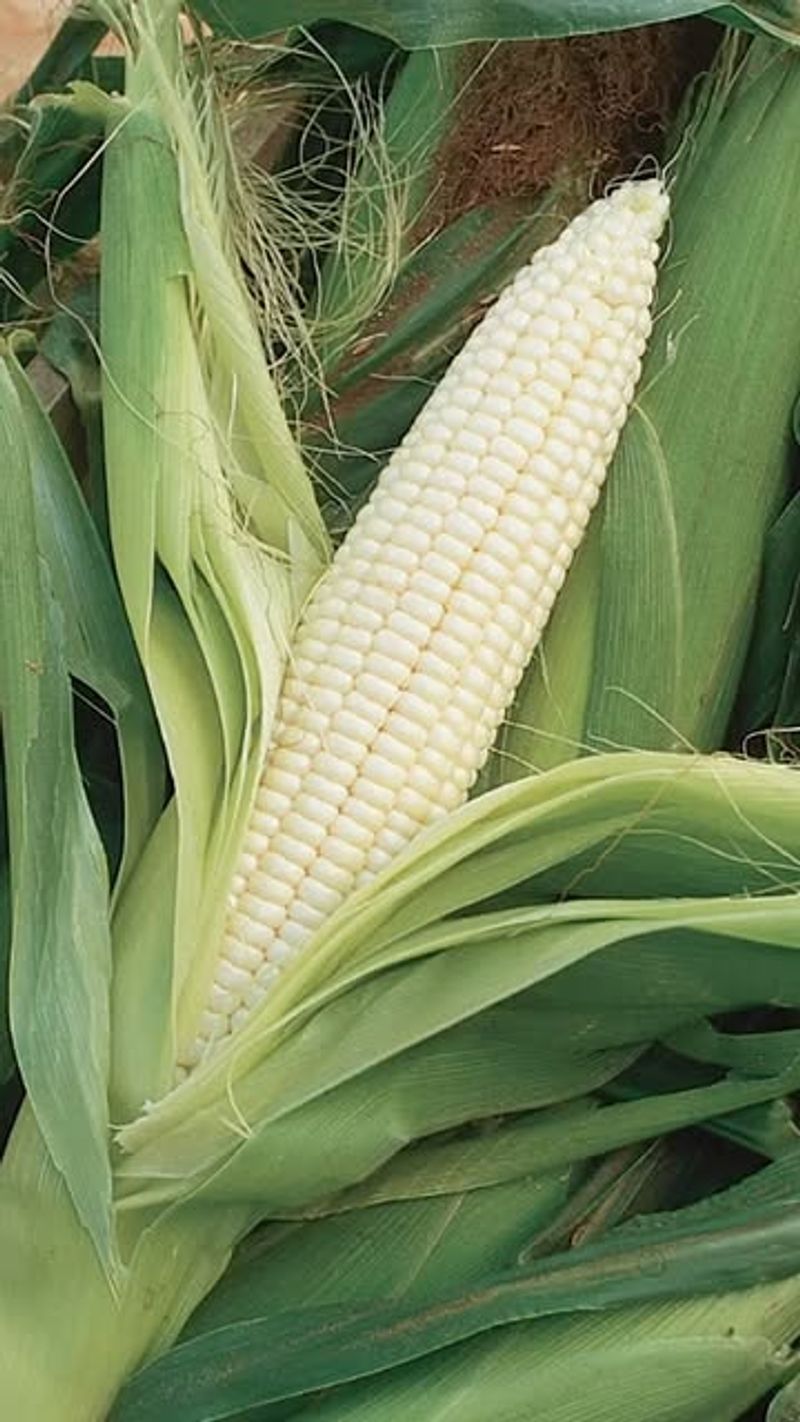
Sweet corn is one of those summer crops that feels deeply tied to Michigan summers, showing up at roadside stands and backyard gardens across the state from late July onward.
What many gardeners do not realize is that corn planted in warm June soil often catches up to May-planted corn because it germinates faster and suffers fewer setbacks from cold, wet conditions that can cause seed rot or uneven stands.
Corn needs to be planted in blocks rather than single rows to ensure good pollination.
A block of at least four rows, each spaced about 30 inches apart with seeds sown every 9 to 12 inches within the row, gives pollen the best chance of landing on silks as it falls from the tassels above.
Skipping this step leads to ears with missing kernels, which is disappointing after months of growing.
Choose shorter-season varieties like Bodacious, Peaches and Cream, or Incredible, which mature in 70 to 78 days and fit comfortably within summer growing window when planted in early June.
Fertilizing with a balanced fertilizer at planting and again when plants are knee-high supports the fast, steady growth corn needs.
Water deeply and consistently, especially during tasseling and silking when moisture stress affects kernel development the most.
Michigan gardeners planting in early June can realistically expect sweet corn harvest from mid-August onward, right when summer entertaining and family cookouts are in full swing.
8. Pumpkins Need Warm Soil Before They Grow Strong Vines
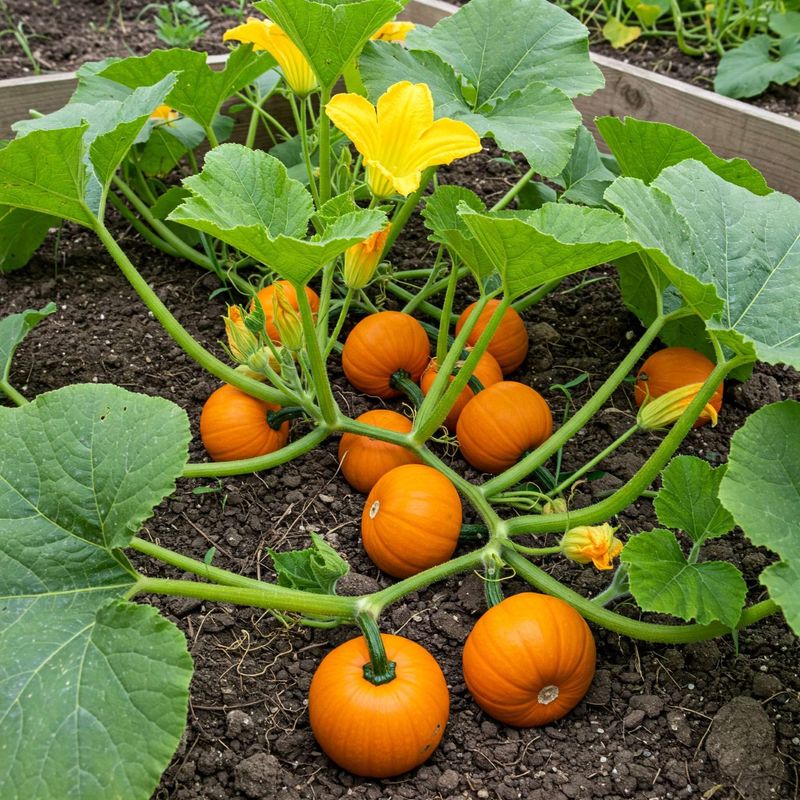
Pumpkins and Michigan go together naturally, with the state producing a significant share of the country’s pumpkin crop each year. For backyard gardeners, the timing of planting makes a real difference.
Rushing pumpkins into cold May soil often results in slow germination, weak early growth, and plants that never fully hit their stride before fall arrives.
Early June is the ideal planting window for most pumpkin varieties. Soil temperatures around 65 to 70 degrees Fahrenheit allow seeds to germinate within a week and push vines into vigorous growth quickly.
Standard jack-o-lantern types like Connecticut Field or Howden need about 100 to 110 days to mature, which makes an early June planting perfect for a late September or October harvest.
Space pumpkin hills about five to six feet apart for standard varieties, or up to eight feet for larger types.
Each hill can hold two to three plants initially, with thinning down to the strongest one or two once seedlings are established.
Mulching generously around plants conserves moisture and keeps weeds from competing with the fast-spreading vines.
Watch for squash vine borers in July, especially in southern and central Michigan. Wrapping the base of vines with row cover fabric early in the season can help prevent damage.
Consistent deep watering through the summer keeps vines healthy and supports the development of full, heavy pumpkins ready for fall display and harvest.
9. Winter Squash Grows Best When Planted Into Real Summer Warmth
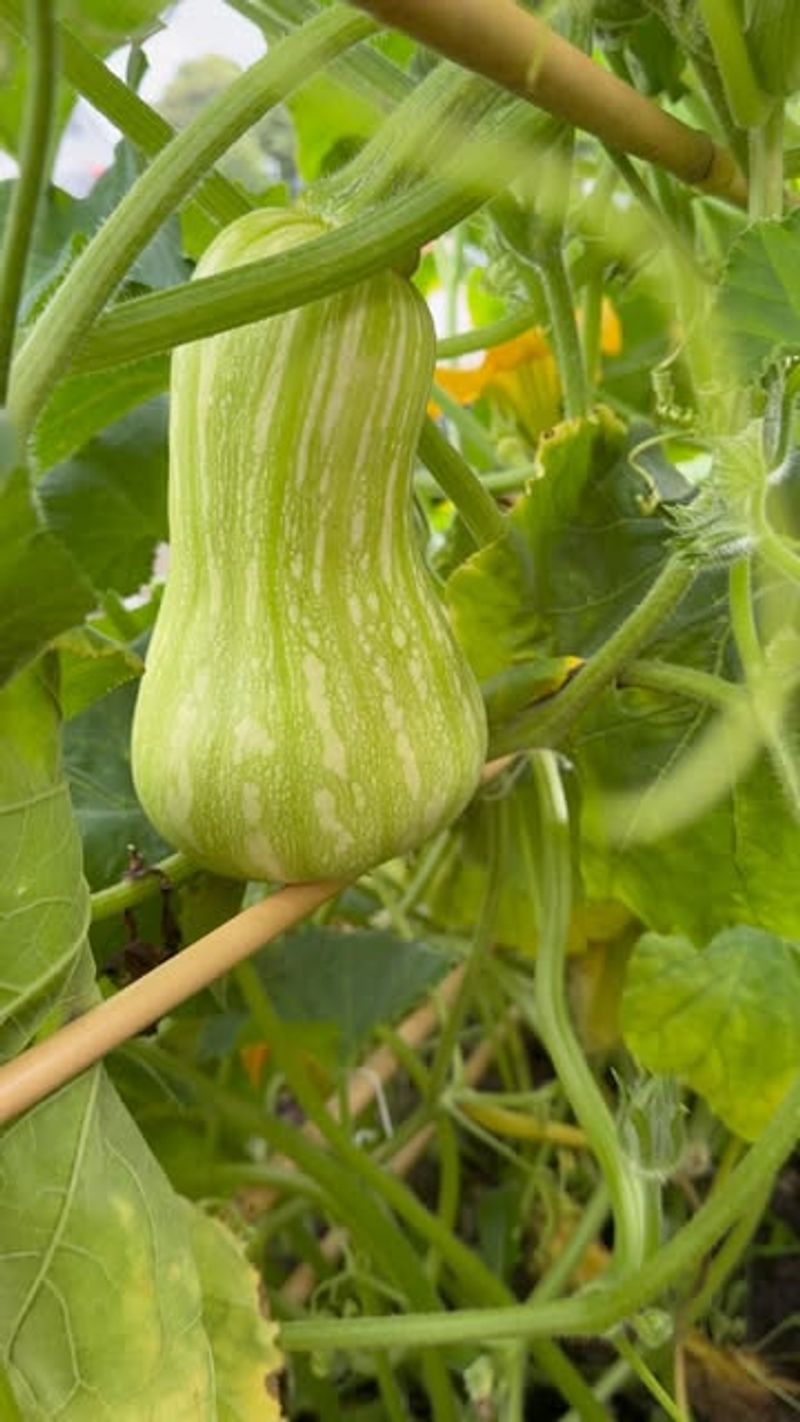
Winter squash is one of the most rewarding crops a gardener can grow, filling a pantry with hard-shelled, long-storing vegetables that taste even better after a few weeks of curing. The tricky part is timing.
Planting too early into cold spring soil slows establishment and can set the whole crop back by weeks, while a June planting into genuinely warm soil gives vines the strong start they need.
Butternut, acorn, and delicata are popular choices that mature in 80 to 100 days, fitting well within Michigan’s frost-free window when planted in early June.
Hubbard and other large types need closer to 100 to 110 days, so early June planting in southern Michigan works well while northern Michigan gardeners should stick with faster-maturing varieties.
Space plants generously, around four to six feet apart for compact types and six to eight feet for sprawling varieties.
Winter squash vines need room to run and will quickly take over nearby beds if not directed along a fence or open area.
Deep watering once or twice a week encourages strong root development and steady vine growth through the long summer.
Mulching around the base of plants keeps soil moisture consistent and reduces weed pressure significantly as vines spread. Harvest winter squash when the skin is hard and the stem begins to dry and cork over.
Properly cured squash stored in a cool, dry place can last well into winter, making that June planting one of the most valuable investments in the whole garden.