Why Robins Dig Through Oregon Lawns In Early Spring
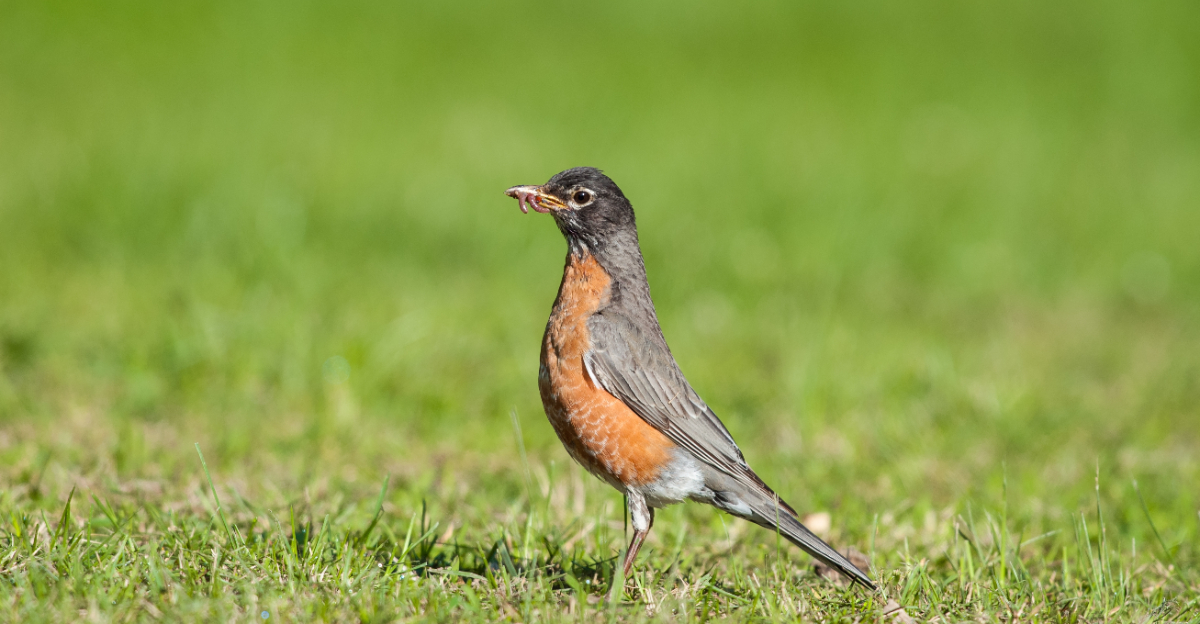
At some point in early spring, robins seem to flip a switch. They go from casually hopping around to suddenly acting very focused, pacing across your lawn, stopping abruptly, and digging like they’re absolutely sure something valuable is buried right there.
It’s oddly intense for such a familiar bird. If you’ve caught yourself wondering what on earth they’re doing, you’re not alone. It can look like your yard has become the site of a very serious excavation project.
But there’s actually a simple reason behind all that determination. As the ground softens and warms up, hidden activity beneath the soil starts picking up. And robins know exactly how to take advantage of it.
Once you understand what they’re after, those quick digs and sudden stops start to make a lot more sense and become one of those small, fascinating signs that spring has truly arrived.
1. Hunting For Worms
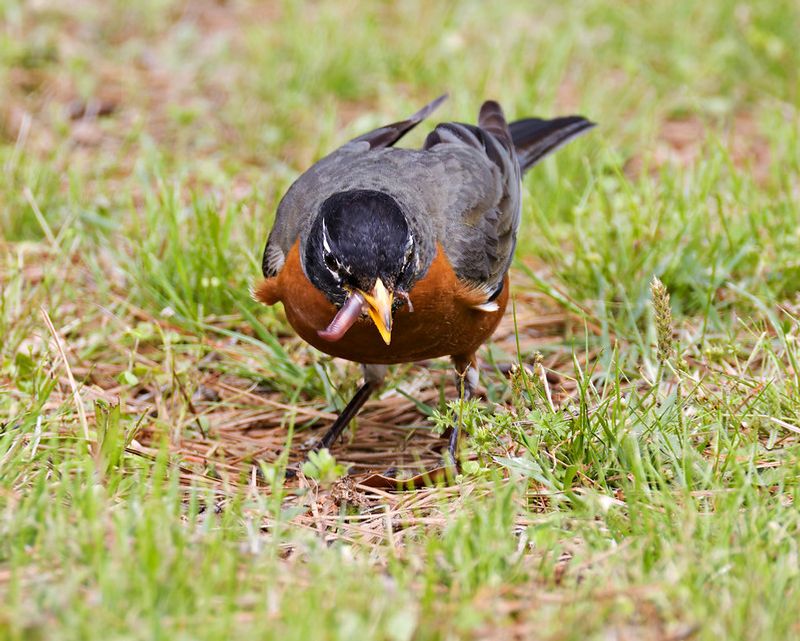
Watch a robin long enough and you will notice something almost funny about how it moves. It runs a few steps, stops completely still, tilts its head to one side, and then jabs its beak into the ground with surprising speed.
That head tilt is not just cute behavior. Robins use their sharp eyesight to spot tiny movements just below the soil surface.
Earthworms are the main prize. In Oregon, earthworms are plentiful in lawns that stay moist through the rainy season.
Robins know exactly where to look and when. Early spring is prime time because worms move closer to the surface as the ground warms up just slightly after winter.
A single robin can eat up to 14 feet of earthworms in one day. That is a lot of trips across your lawn.
Lawns with thick, healthy grass tend to hold more moisture, which keeps worms active near the surface. Robins take full advantage of this.
Watching one hunt is like watching a skilled athlete in action, every move purposeful and precise.
2. Soil Softens Up
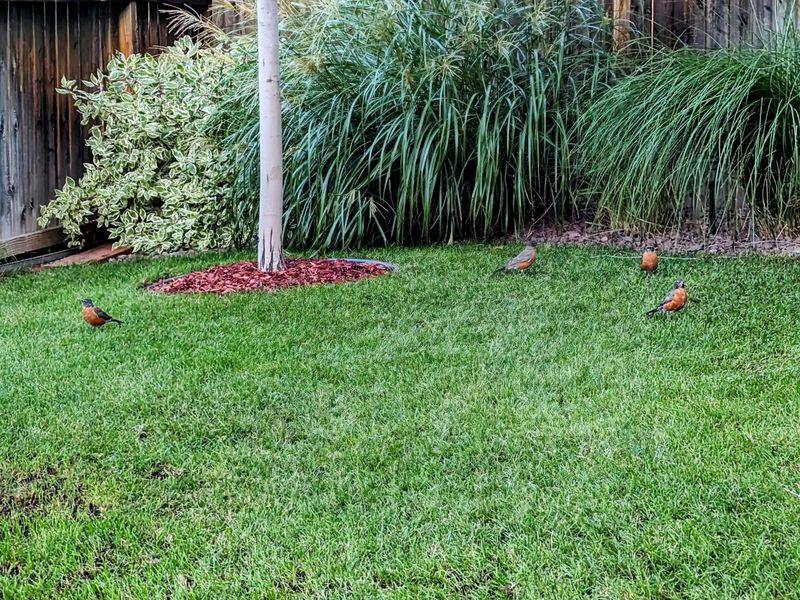
Oregon winters are long and wet, and by the time early spring rolls around, the soil in most lawns is soft and easy to dig into. That softness is a huge deal for robins.
Hard, frozen, or dry soil makes it nearly impossible to pull a worm out cleanly. Soft soil is the opposite.
It gives just enough for a robin to push its beak in and grab what it needs.
Soil temperature also plays a role. As temperatures creep up from the low 40s into the 50s Fahrenheit, earthworms become more active.
They move upward through the soil layers, getting closer to the surface where oxygen levels are higher. Robins seem to know this pattern well and time their foraging accordingly.
In the Willamette Valley and along the Oregon coast, soils tend to stay moist well into spring. That gives robins a longer window of opportunity compared to drier regions.
Lawns that are well-watered or sit in shaded areas also stay soft longer. Robins will return to the same lawn day after day if the conditions stay right.
Your Oregon Garden Changes Every Week. Your Plan Should Too.
Gardening in Oregon changes quickly throughout the season. Every Friday you’ll receive a simple weekly plan showing exactly what to plant, prune, fertilize, harvest, and protect so you never miss the right timing.
Soft soil is basically a welcome sign for these birds.
3. Rain Brings Food Up
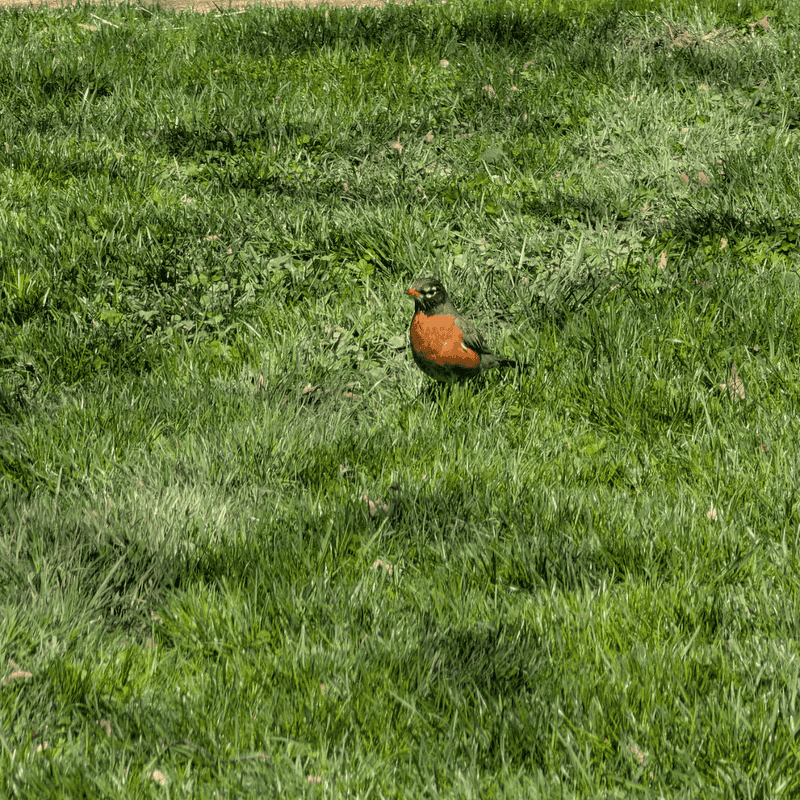
Rain is like a dinner bell for robins. After a good downpour soaks an Oregon lawn, earthworms and other small creatures rise toward the surface.
Scientists believe worms come up partly to avoid drowning in waterlogged soil and partly because wet conditions make it easier for them to travel across the ground. Either way, robins benefit big time.
You might notice more robins on your lawn the morning after a rainstorm. That is not a coincidence.
Wet grass and saturated soil make worms highly accessible. The birds do not have to work as hard to find food when the rain has already done half the job.
Early mornings after rain are especially productive for robins in Oregon, when the ground is still soaked and worms are active near the surface.
Oregon gets a lot of rain in late winter and early spring, which means robins have plenty of rainy-day bonuses to take advantage of. Even a light drizzle can trigger worm activity.
Homeowners who notice robins flooding their yards after rain can feel good knowing their lawn is healthy and full of life underground. Rain and robins go together like peanut butter and jelly in the Pacific Northwest.
4. Feeding Their Young
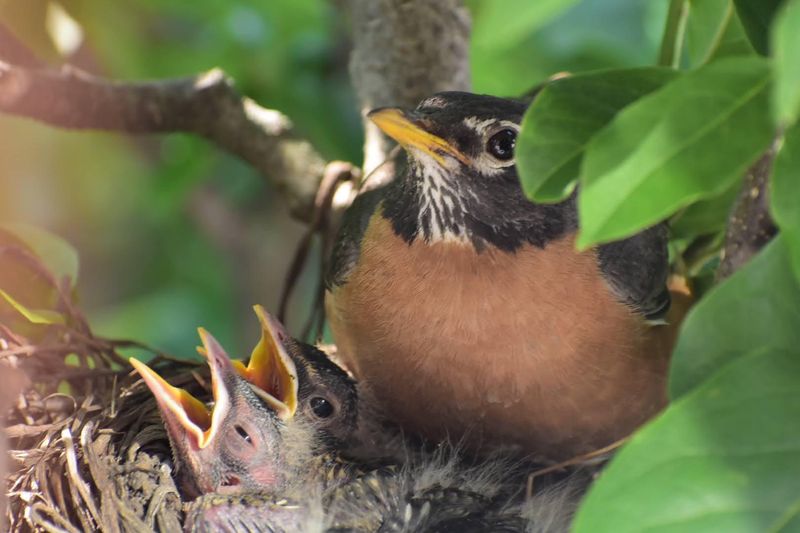
Baby robins are hungry. Like, really hungry.
Robin parents spend most of their waking hours in early spring searching for food to bring back to the nest. Chicks need protein-rich food to grow fast, and earthworms are one of the best sources available.
A robin nest can hold up to four chicks, and each one needs to be fed multiple times every hour.
Oregon lawns become feeding stations during nesting season. Parent robins make dozens of trips across the grass each day, grabbing worms and insects to carry back to their young.
The closer a good lawn is to the nest, the better. Robins often choose nesting spots in trees or shrubs near open grassy areas for exactly this reason.
Chicks grow incredibly fast. In just about two weeks, a baby robin goes from a tiny hatchling to a fledgling ready to leave the nest.
That rapid growth requires a constant supply of food. Both the male and female robin share feeding duties, which means two birds may be working your lawn at the same time.
Spotting a robin with a beak full of worms is a sure sign there is a nest close by.
5. Insects Wake Up
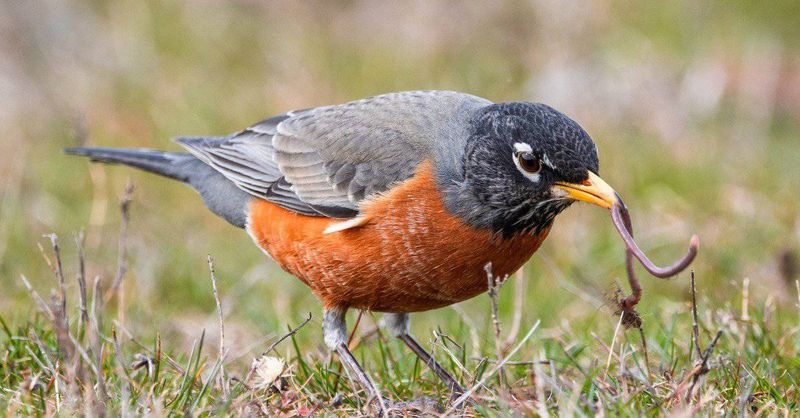
Worms get most of the attention, but robins are also after insects. As Oregon temperatures warm up in early spring, soil-dwelling insects start to become active again.
Beetle grubs, ants, and other small invertebrates wake up from their winter slowdown and begin moving through the top layers of soil. Robins are ready and waiting.
Lawns are actually packed with insect life that most people never see. Just beneath the grass roots, there is a whole world of tiny creatures going about their business.
Robins tap into that world every time they peck into the ground. Their sharp beaks are perfectly designed to grab small, wriggly prey from soft soil.
Grubs are a particular favorite. White grubs, which are the larvae of beetles, live in lawns across Oregon and are rich in nutrients.
Robins can detect them just under the surface and pull them out with ease when the soil is moist. Interestingly, robins eating grubs can actually help reduce lawn damage caused by grub infestations.
So while it might look like robins are tearing up your yard, they are actually doing some pest control for free. Pretty useful neighbors to have around.
6. Lawns Hold Easy Food
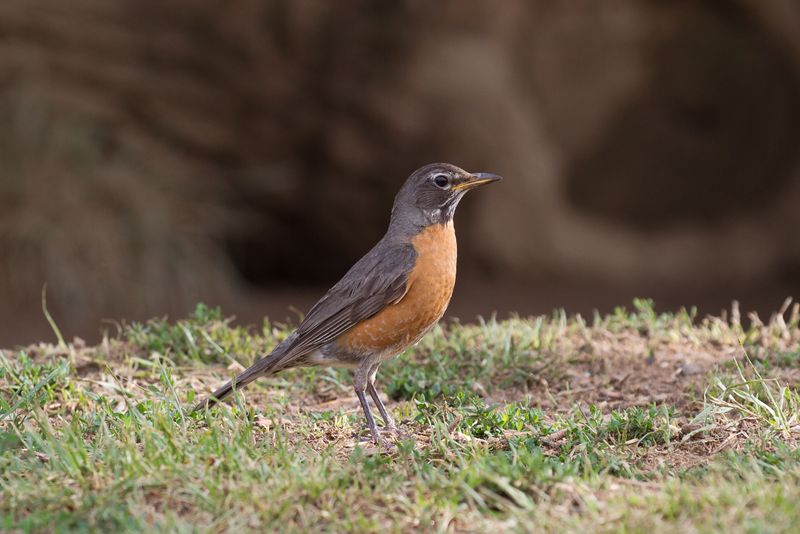
Not every place a robin could look for food is as convenient as a lawn. Dense forests have thick leaf litter and tangled roots.
Rocky areas are hard to dig into. Shrubby fields can be tough to navigate.
But a well-maintained Oregon lawn? That is basically a buffet with easy access. Short grass means robins can see the ground clearly and move quickly without obstacles.
Lawns also tend to be moist, especially in Oregon where rain is frequent. Moist soil keeps worms and insects active near the surface.
Short grass makes it easier for robins to spot slight soil movements that signal a worm is nearby. Robins have excellent vision and can pick up on very subtle cues that humans would completely miss.
Neighborhoods across Oregon, from Portland suburbs to smaller towns like Corvallis and Eugene, offer robins a patchwork of lawns to work through. A robin does not stay in one spot all day.
It moves from lawn to lawn, covering ground efficiently. Larger lawns with few obstacles are especially attractive.
If your yard keeps getting visited by robins every morning, take it as a compliment. Your lawn is doing something right.
7. Peak Spring Feeding
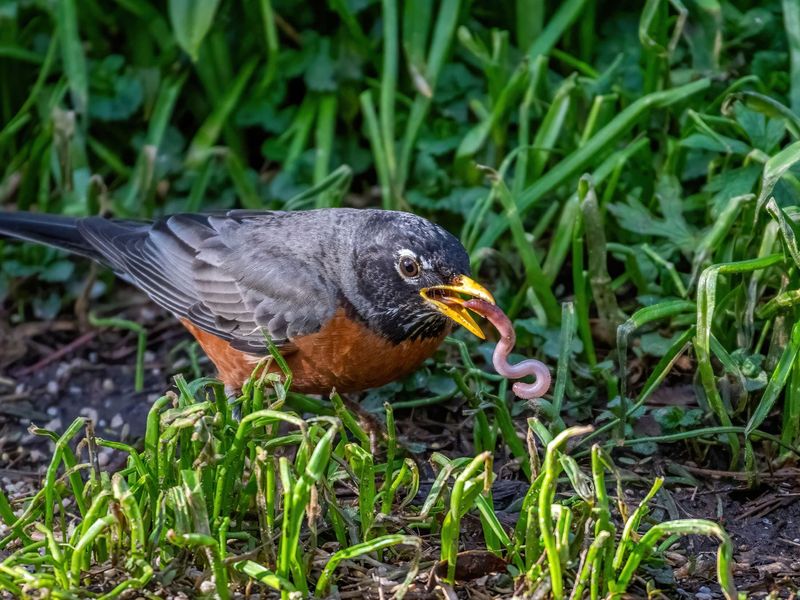
Early spring is when robin activity hits its highest point of the year in Oregon. After winter, food can be scarce, and robins need to rebuild their energy reserves quickly.
Nesting season is right around the corner, and both males and females need to be in top shape. That urgency turns every lawn into a priority target.
March and April are especially busy months for robins in Oregon. The days are getting longer, the soil is still holding moisture from winter rains, and worm populations are near their peak activity level.
Robins take full advantage of these conditions before warmer, drier summer weather causes worms to burrow deeper into the ground where they are harder to reach.
You might notice robins feeding in groups during peak spring weeks. This is called foraging in loose flocks, and it helps them cover more ground.
Each bird works its own patch but stays close to others. There is a social element to it, almost like a team effort.
By late spring and into summer, robins shift more toward eating berries and fruit as those become available across Oregon. But for now, in those fresh early spring mornings, your lawn is ground zero for one of nature’s most reliable food hunts.