These Oregon Plants Look Expensive But Are Surprisingly Easy To Grow
There’s a specific kind of satisfaction that comes from a neighbor asking who designed your garden. You tell them you did it yourself, with plants that cost almost nothing and barely needed any help.
Not everyone gets to experience that moment. But Oregon gardeners who know which plants to reach for are living it regularly.
Looking expensive in the garden is less about price tags and more about presence. Bold foliage, architectural structure, rich color that stops people in their tracks.
A lot of plants with all of that going for them turn out to be surprisingly unfussy, deeply suited to the Pacific Northwest, and available at any decent nursery for a fraction of what a landscape designer would charge.
They look considered and intentional without demanding much in return. Your garden can absolutely look like serious money went into it. The plants on this list just happen to prove that it doesn’t have to.
1. Coral Bells
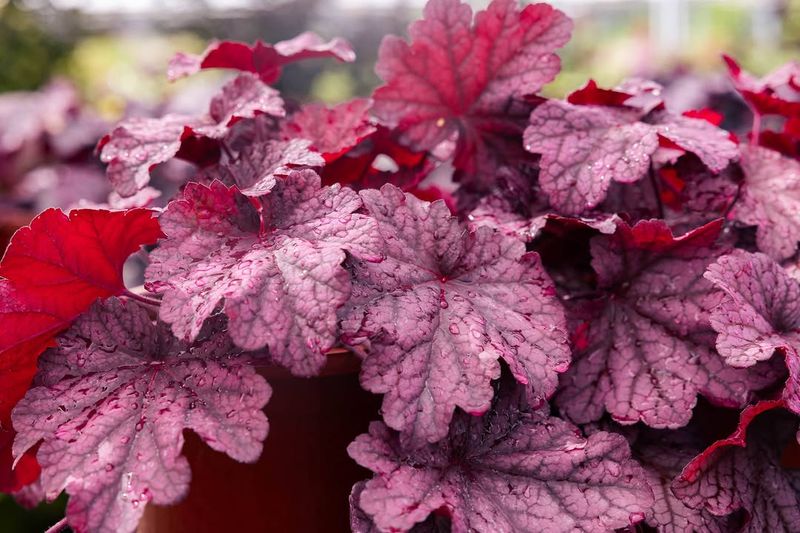
Few plants punch above their weight like Coral Bells. With leaves in rich shades of burgundy, bronze, lime green, and deep purple, this plant looks like it was plucked straight from a designer garden.
Yet it is one of the easiest plants you can grow in Oregon.
Coral Bells thrive in partial shade, which makes them perfect for Oregon gardens that get filtered light under tall trees. They do not need much water once they are settled in.
In fact, Oregon’s natural rainfall usually takes care of most of their needs.
Plant them along borders or in containers for a pop of color that lasts all season. The delicate, tiny flowers that shoot up on tall stems in spring and summer attract hummingbirds, which is always a bonus.
They are also deer resistant, which matters a lot in many parts of Oregon.
You can find Coral Bells at almost any local nursery for just a few dollars per plant. They spread slowly over time, so one or two plants can eventually fill a whole garden bed.
With very little effort, Coral Bells deliver a high-end look year after year.
2. Hellebores
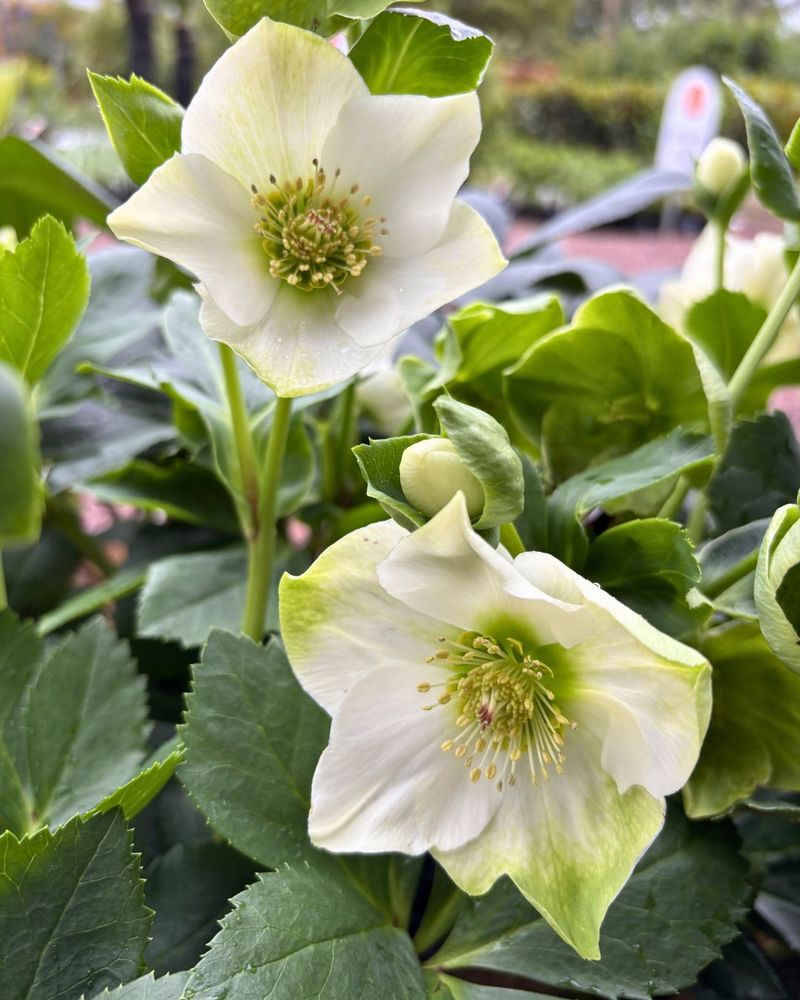
Hellebores have a quiet elegance that makes gardeners do a double take. They bloom in late winter and early spring, sometimes even pushing through the last of the frost.
In Oregon, where winters can be long and gray, seeing Hellebores bloom feels like a small miracle.
These plants love shade and moist, well-drained soil, which Oregon naturally provides. Once planted, they basically take care of themselves.
They are long-lived perennials, meaning you plant them once and enjoy them for decades.
The nodding, cup-shaped flowers come in creamy whites, deep purples, dusty pinks, and almost-black shades. They look exotic and expensive, but a single plant at a nursery usually costs less than a fancy coffee drink.
Over time, Hellebores self-seed gently and slowly multiply in your garden.
Slugs can be a minor issue in Oregon’s wet climate, but a little organic slug bait handles that easily. Hellebores are also toxic to pets, so keep that in mind if you have animals that like to chew on plants.
Your Oregon Garden Changes Every Week. Your Plan Should Too.
Gardening in Oregon changes quickly throughout the season. Every Friday you’ll receive a simple weekly plan showing exactly what to plant, prune, fertilize, harvest, and protect so you never miss the right timing.
Otherwise, they are virtually trouble-free and add serious sophistication to any Oregon garden space.
3. Hardy Fuchsia
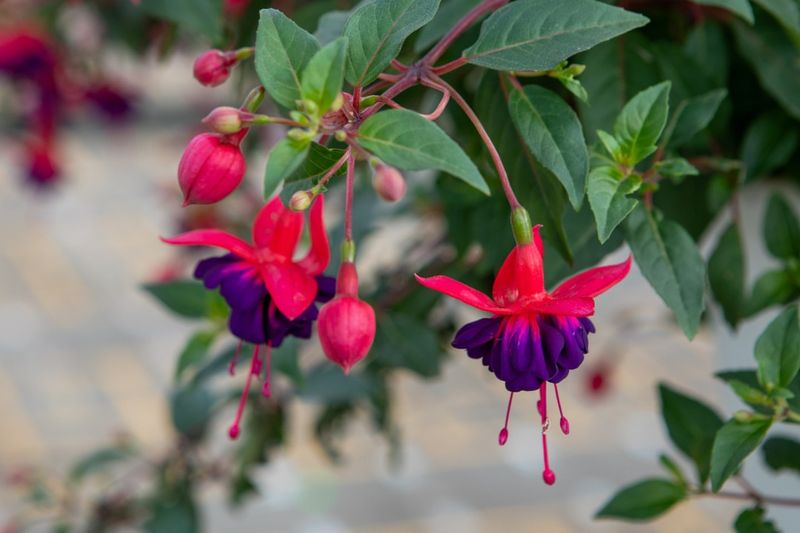
Walk past a Hardy Fuchsia in full bloom and it is hard not to stop and stare. The dangling, two-toned flowers in red, pink, and purple look almost tropical.
But do not let that exotic appearance fool you because Hardy Fuchsia is one of the toughest plants in the Oregon garden.
Unlike tender fuchsias that need to come indoors each winter, Hardy Fuchsia survives Oregon winters outdoors without much fuss. It may die back to the ground in colder areas, but it bounces right back in spring with fresh new growth.
This makes it a fantastic low-effort choice for Pacific Northwest gardeners.
Hardy Fuchsia blooms from summer all the way through fall, giving your garden months of color. Hummingbirds absolutely love it.
Plant it near a window or patio and you will have a front-row seat to the show all season long.
It grows well in partial shade, which is easy to find in most Oregon yards. Give it regular water during dry spells and it will reward you generously.
Hardy Fuchsia is widely available at Oregon nurseries and is very affordable, making it one of the best value plants you can add to your landscape.
4. Foamflower
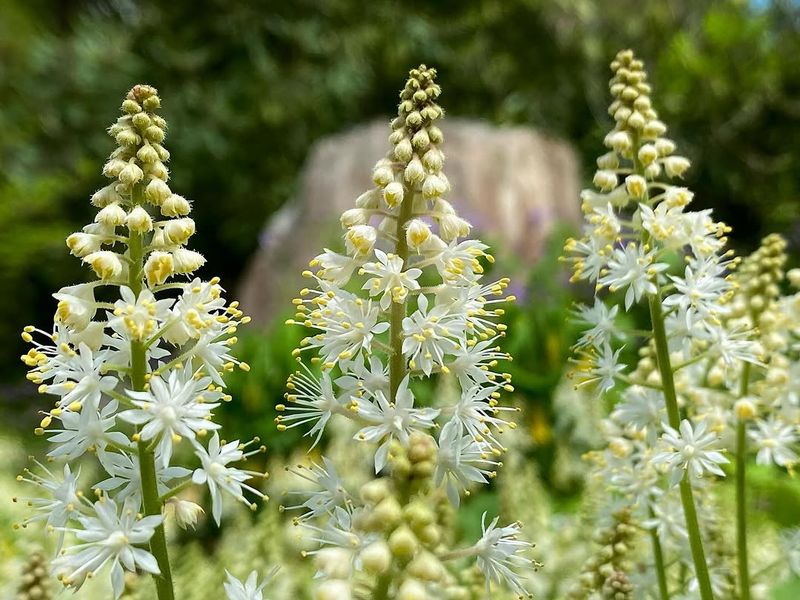
There is something almost magical about Foamflower. When it blooms in spring, it sends up clusters of tiny white or pale pink flowers that look like soft, frothy foam floating above the leaves.
It is one of those plants that makes visitors ask, what is that beautiful thing?
Foamflower is a native woodland plant that thrives in shaded, moist conditions, which are exactly what Oregon naturally offers. It spreads gently by runners to form a lovely ground cover under trees or along shaded pathways.
This makes it both beautiful and practical.
The leaves are also attractive, with maple-like shapes and sometimes bronze or reddish markings. In Oregon, the foliage often stays semi-evergreen through winter, giving you color even in the colder months.
That kind of year-round interest is hard to beat in a plant that costs just a few dollars.
Foamflower pairs beautifully with Hellebores, Coral Bells, and ferns in a shaded Oregon garden bed. It rarely needs fertilizer and thrives on Oregon’s natural rainfall once established.
Slugs may nibble on it occasionally, but the plant bounces back quickly. For low-maintenance ground cover with serious charm, Foamflower is a standout choice.
5. Brunnera
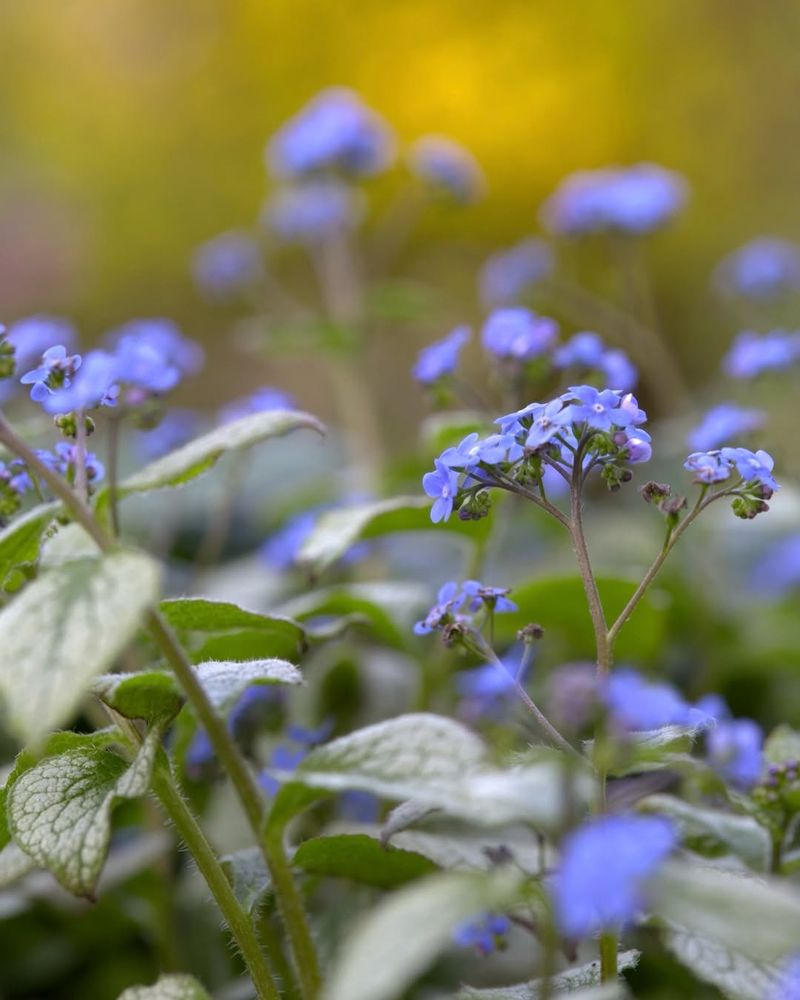
Brunnera is the kind of plant that earns compliments every single time someone sees it. The large, heart-shaped leaves are splashed with silver, almost like someone painted them by hand.
In spring, clouds of tiny blue flowers appear above the foliage, resembling forget-me-nots.
This plant is a shade-lover through and through, making it a natural fit for Oregon gardens with tree cover or north-facing beds. It handles Oregon’s wet winters without complaint and bounces back fresh and beautiful each spring.
Once established, it is remarkably self-sufficient.
The silvery leaves brighten up dark corners of the garden in a way few other plants can. Varieties like Jack Frost are especially stunning, with nearly all-silver leaves edged in green.
Even without the flowers, the foliage alone makes Brunnera worth growing.
Brunnera is also slug-resistant compared to many other shade plants, which is a real advantage in Oregon’s damp climate. It pairs wonderfully with ferns, Hellebores, and Hostas for a layered, lush look.
A single plant spreads slowly over time and can be divided to multiply your collection for free. For a high-impact, low-effort shade plant, Brunnera is one of Oregon’s best-kept gardening secrets.
6. Siberian Iris
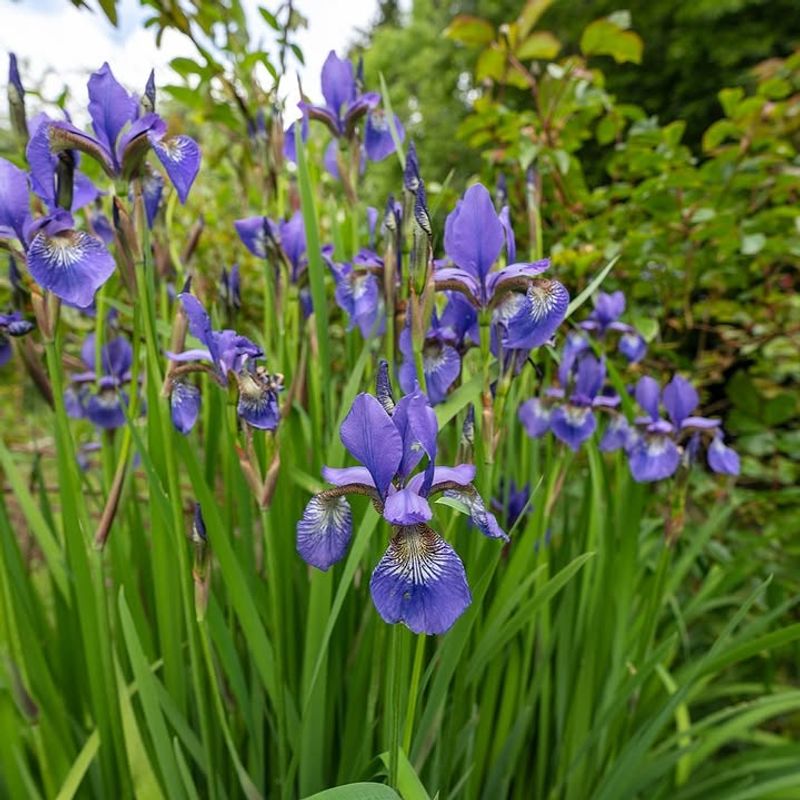
Siberian Iris has a refined, almost architectural quality that makes gardens look professionally designed. The slender, upright foliage looks elegant all season, and the flowers that appear in late spring are simply breathtaking.
Deep purples, rich blues, soft whites, and warm yellows are all available.
Unlike some iris varieties that can be fussy, Siberian Iris is remarkably tough and adaptable. It grows well in Oregon’s climate, tolerating both wet springs and drier summers with ease.
Plant it in a sunny to partly shaded spot and it will thrive with very little attention.
One of the best things about Siberian Iris is how quickly it multiplies. A single clump grows larger each year and can be divided every few years to create more plants for free.
This makes it an incredibly budget-friendly choice for filling large garden spaces in Oregon.
The foliage stays attractive long after the flowers fade, giving you a graceful, grass-like texture in the garden through fall. Siberian Iris also works beautifully near water features, which are popular in many Oregon landscapes.
It is pest and disease resistant, rarely needs fertilizer, and handles Oregon’s rainfall naturally. For elegant results with minimal effort, Siberian Iris delivers every time.
7. Peonies
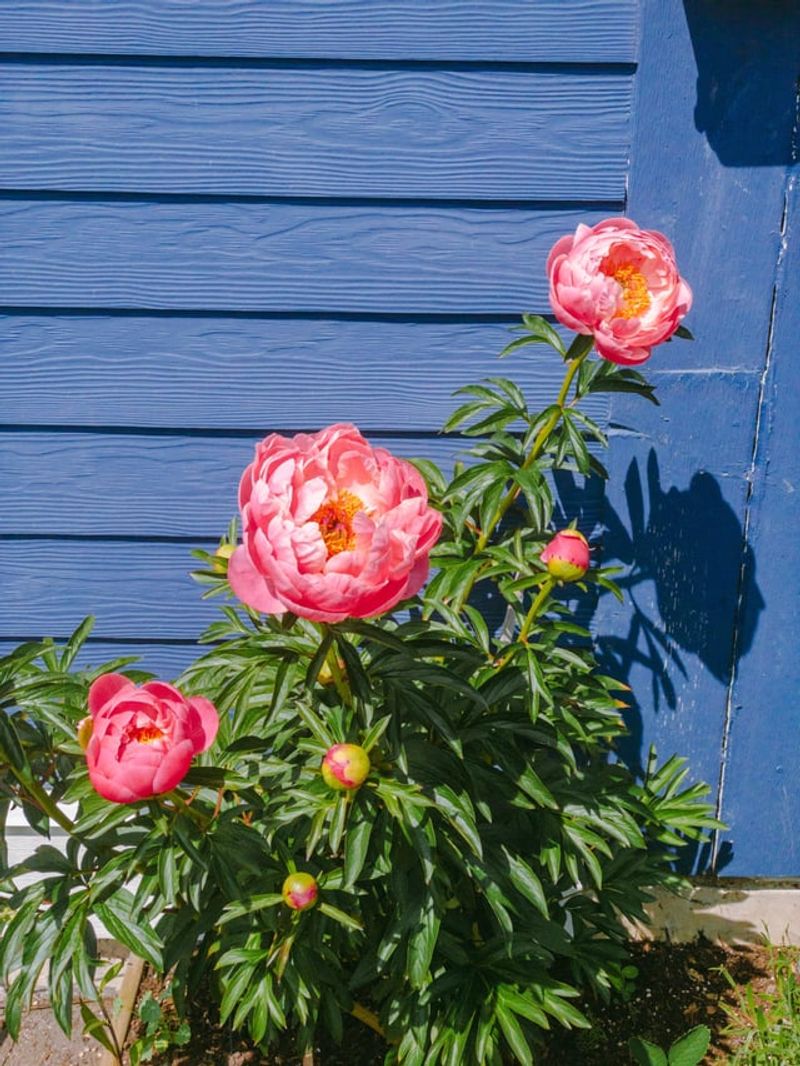
Peonies are the kind of flowers that look like they cost a lot at a florist shop, and they actually do. But growing your own in an Oregon garden costs very little once you plant the roots.
These big, fluffy, fragrant blooms are one of the most rewarding plants you can grow.
Oregon’s cool springs are actually ideal for peonies. They need a cold winter to trigger blooming, and the Pacific Northwest delivers that perfectly.
Plant them in a sunny spot with good drainage and they will reward you with spectacular blooms every late spring.
Peonies are incredibly long-lived. It is not unusual for a peony plant to bloom for 50 years or more in the same spot.
That means a small investment today pays off with decades of stunning flowers. They do not need much fertilizer or pruning, just a sunny location and good air circulation.
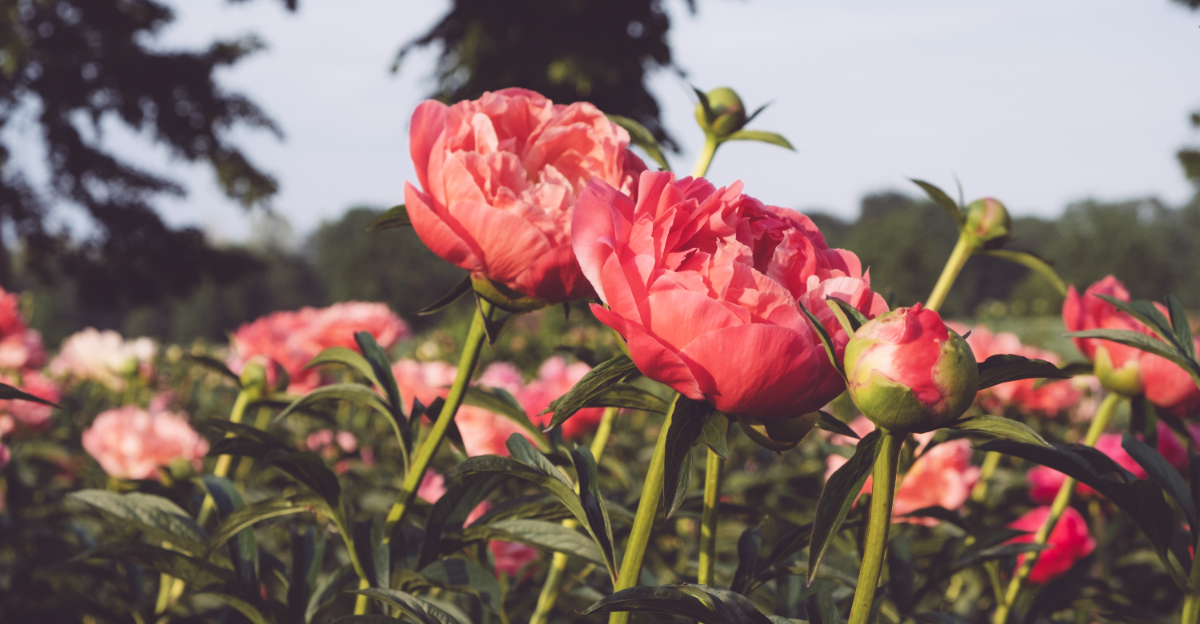
The blooms come in soft pinks, creamy whites, deep reds, and coral shades. They smell absolutely wonderful and make gorgeous cut flowers for the home.
In Oregon, late May through early June is peak peony season. Plant them in fall for blooms the following spring, and get ready to fall completely in love with your garden all over again.
8. Astilbe
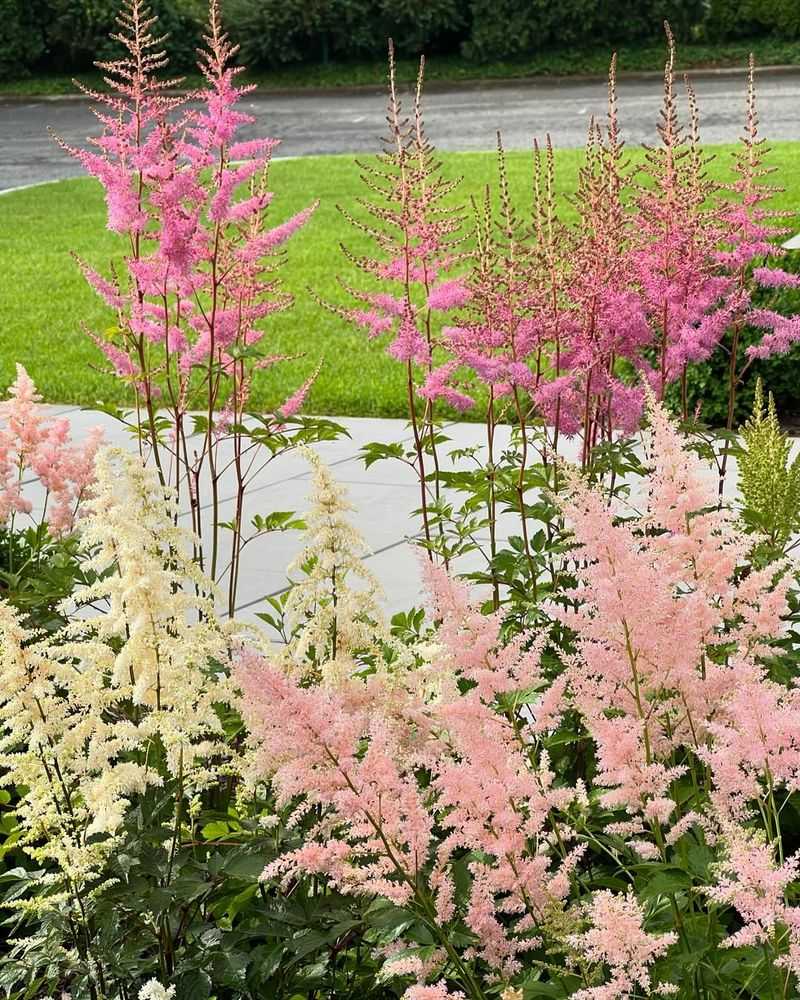
If you have a shady, moist corner of your Oregon yard that feels impossible to fill with color, Astilbe is your answer. The feathery plumes of flowers in shades of pink, red, white, and lavender rise above fern-like foliage and create a dramatic, almost tropical effect.
Astilbe loves moisture, which makes it perfectly suited to Oregon’s famously rainy climate. It thrives in partial to full shade, meaning it works in spots where many other flowering plants struggle.
This is especially valuable in Oregon yards with heavy tree cover.
The blooms appear in summer and last for several weeks. Even after the flowers fade, the dried seed heads stay attractive and add texture through fall and winter.
This gives Astilbe multi-season interest that few other shade plants can match.
Dividing Astilbe every three to four years keeps it blooming vigorously and gives you more plants for free. It pairs beautifully with Hostas, ferns, and Brunnera in layered shade garden designs.
Astilbe is widely available at Oregon nurseries and is very affordable. For a plant that makes shady spots sing with color and texture, Astilbe is one of the most underrated choices available to Oregon gardeners today.
9. Lungwort
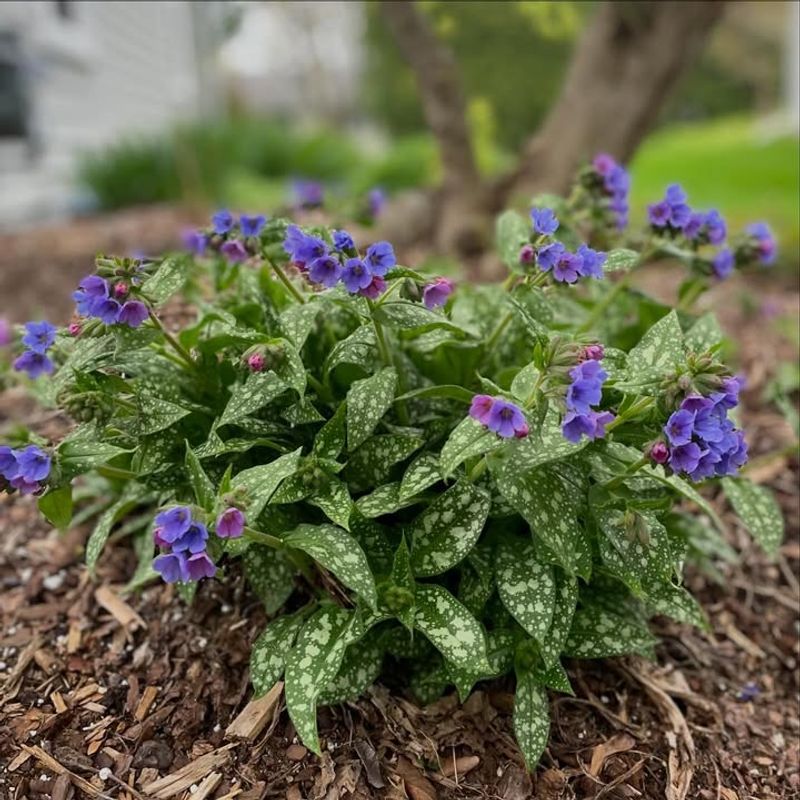
Lungwort might not win any awards for its name, but the plant itself is genuinely stunning. The leaves are spotted with silver and white markings that make them look almost like they were splattered with paint.
In early spring, small clusters of blue, pink, or white flowers appear before most other plants even wake up.
This is one of the earliest blooming plants in the Oregon garden, often flowering in February or March. That early color is incredibly welcome after a long, gray Pacific Northwest winter.
Bees and other early pollinators appreciate it too.
Lungwort grows best in shade or partial shade with consistently moist soil, conditions that Oregon provides naturally. It forms tidy, low-growing mounds that work wonderfully as ground cover under trees or along shaded borders.
The spotted foliage stays attractive all season long, even after the flowers are gone.
Powdery mildew can occasionally appear on the leaves in hot, dry spells, but Oregon’s cool climate keeps this mostly in check. Cutting the old leaves back in midsummer encourages fresh, clean new growth.
Lungwort is inexpensive, easy to find at Oregon nurseries, and incredibly rewarding. It is a true hidden gem for shaded Pacific Northwest gardens.
10. Clematis
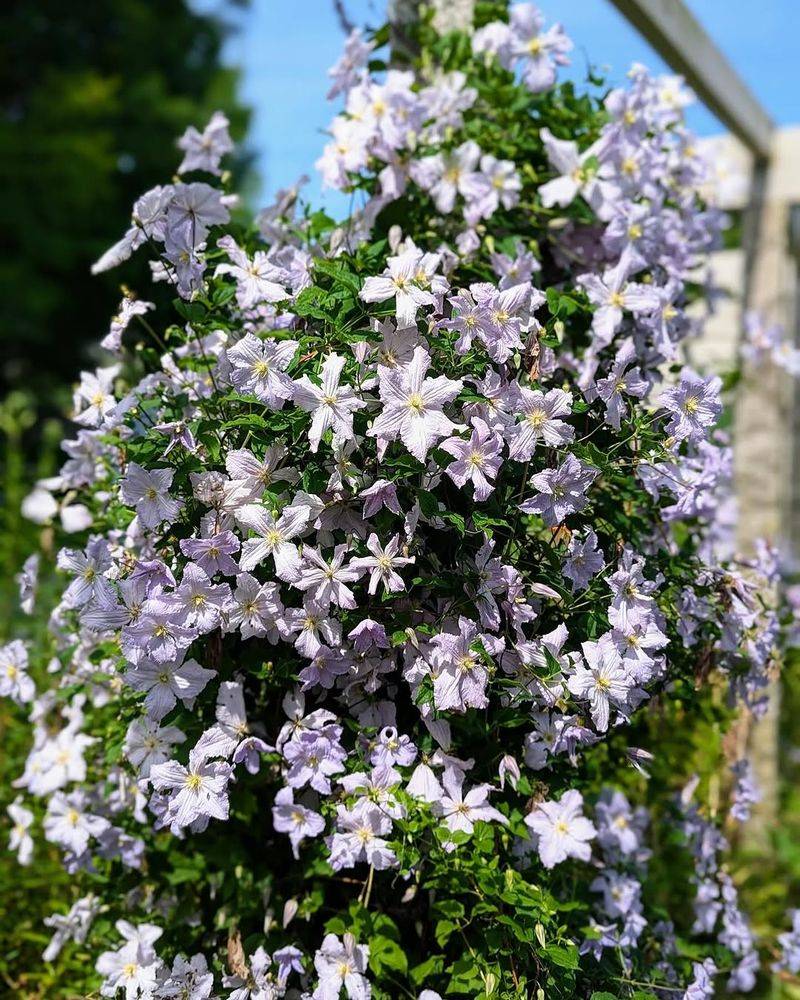
Few vines make a bigger visual impact than Clematis. When it is in full bloom, a Clematis-covered fence or trellis looks like something straight out of a magazine.
The large, star-shaped flowers come in purples, pinks, whites, and deep reds, and they stop people in their tracks.
Clematis grows beautifully in Oregon’s climate. It prefers its roots in cool, shaded soil while its stems and flowers reach up into the sun.
This is easy to achieve by planting low-growing ground covers or small shrubs at the base. A layer of mulch also does the trick nicely.
There are hundreds of Clematis varieties to choose from, with different bloom times and sizes. Some bloom in spring, some in summer, and some in fall.
By choosing a few different varieties, you can have Clematis flowers in your Oregon garden for much of the year.
Pruning Clematis can seem confusing at first, but once you know which group your variety belongs to, it becomes simple. Most nurseries in Oregon label their plants clearly.
Clematis is widely available, relatively affordable, and grows quickly once established. For vertical interest and jaw-dropping blooms, Clematis is one of the most spectacular and surprisingly easy plants you can grow in Oregon.
11. Oakleaf Hydrangea
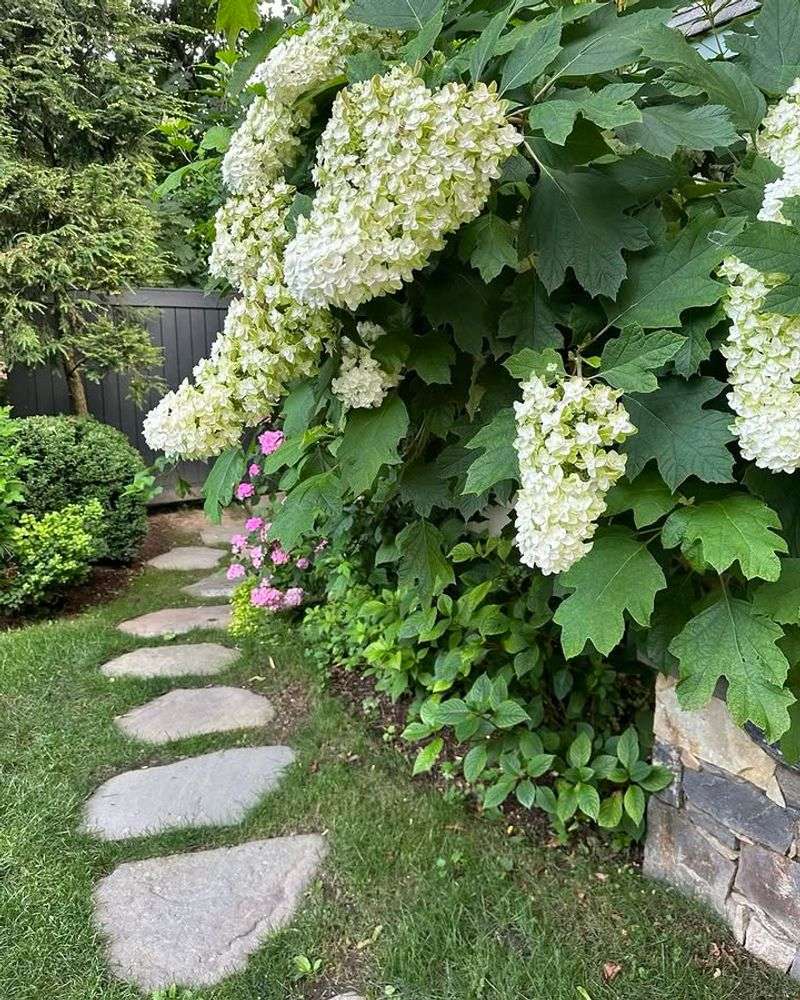
Oakleaf Hydrangea is one of those plants that looks impressive in every single season. In summer, it produces large, cone-shaped clusters of white flowers that gradually age to a soft pinkish-tan.
In fall, the bold, oak-shaped leaves turn shades of bronze, red, and purple.
Even in winter, the peeling, cinnamon-colored bark adds visual interest to the garden. That kind of four-season appeal is rare in a single plant, and it makes Oakleaf Hydrangea an exceptional value for Oregon gardens.
You truly get more than you pay for with this one.
It handles Oregon’s climate beautifully. Oakleaf Hydrangea is more drought-tolerant than other hydrangea types once established, and it adapts well to both sun and partial shade.
The dried flower heads look lovely through fall and winter, so resist the urge to cut them off too soon.
This shrub grows to about six to eight feet tall and wide, so give it room to spread. It works wonderfully as a specimen plant, a hedge, or a backdrop for smaller perennials.
Oakleaf Hydrangea is widely available at Oregon nurseries and is very reasonably priced. For a shrub that delivers year-round beauty with minimal care, it is hard to beat in the Pacific Northwest.