7 Common Mistakes Arizona Gardeners Make With Date Palms
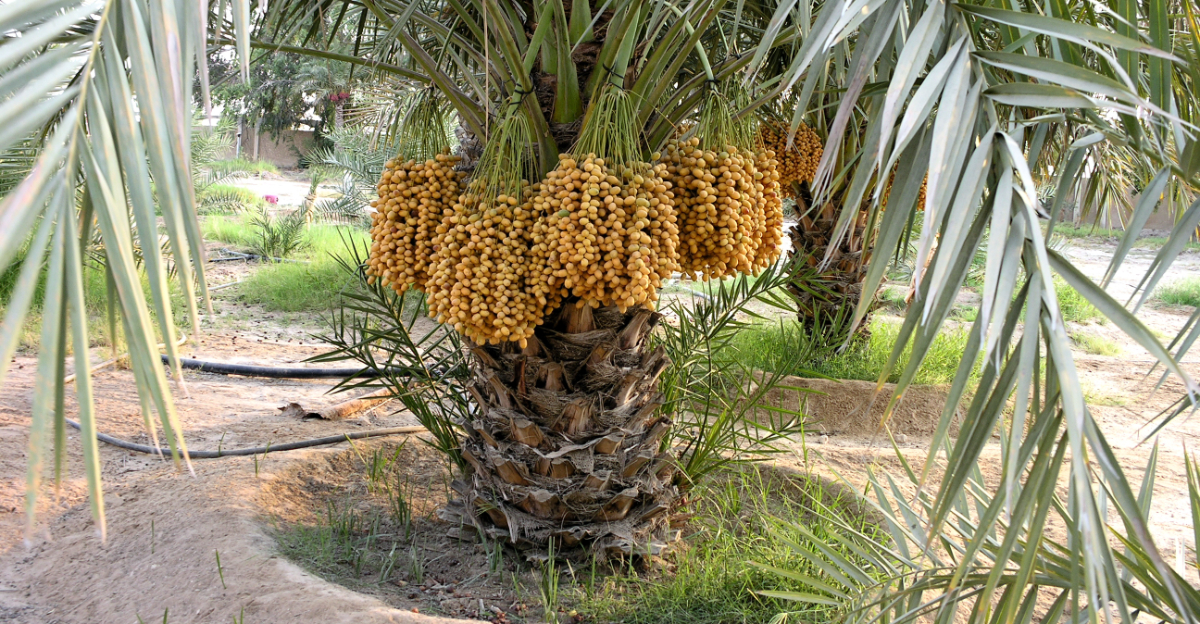
Date palms can look tough and low maintenance, which is why so many Arizona gardeners plant them expecting an easy win. But getting them to grow well and actually look good over time is not as simple as it seems.
In Arizona, a few common mistakes can slowly affect their health, from how they are watered to how they are trimmed and even where they are planted. The tree might still survive, but it will not perform the way most people expect.
The difference shows up over time. With the right care, date palms stay strong, balanced, and much more attractive, while avoiding those problems that can turn them into a constant headache.
A few small changes early on can make a big difference in how they handle Arizona conditions.
1. Overwatering Young Date Palms Leads To Root Problems
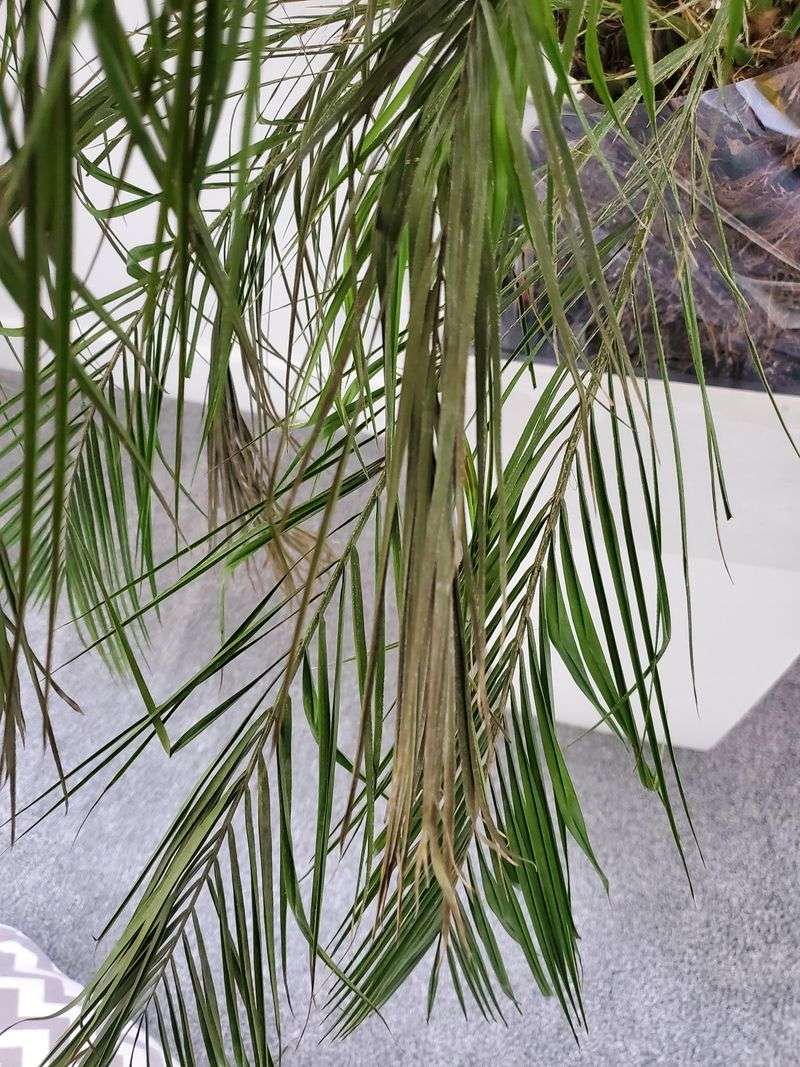
Standing water around the base of a young date palm is one of the fastest ways to run into serious trouble.
Roots that sit in wet soil for too long can’t breathe properly, and in Arizona’s already warm ground temperatures, that moisture creates conditions where root health deteriorates quickly.
Young date palms need water to get established, but the schedule matters more than most people realize. Watering deeply once or twice a week during the first growing season is usually enough.
Giving the soil time to dry out between waterings encourages roots to grow downward in search of moisture, which actually builds a stronger, more resilient root system over time.
A common mistake in Arizona is treating date palms like tropical plants that need constant moisture. They’re desert trees.
Soggy soil, especially in clay-heavy ground, leads to root stress that shows up later as yellowing fronds or stunted growth. If you’re unsure whether to water, stick your finger about three inches into the soil near the base.
If it still feels damp, wait another day or two before watering again.
Drip irrigation systems are popular across Arizona, but they need to be adjusted seasonally. A schedule set in March won’t be appropriate by November when temperatures cool and the tree’s water needs drop significantly.
Check your settings regularly and reduce frequency in cooler months to avoid keeping the root zone too wet for extended periods.
2. Planting Too Deep Can Stress And Slow Growth
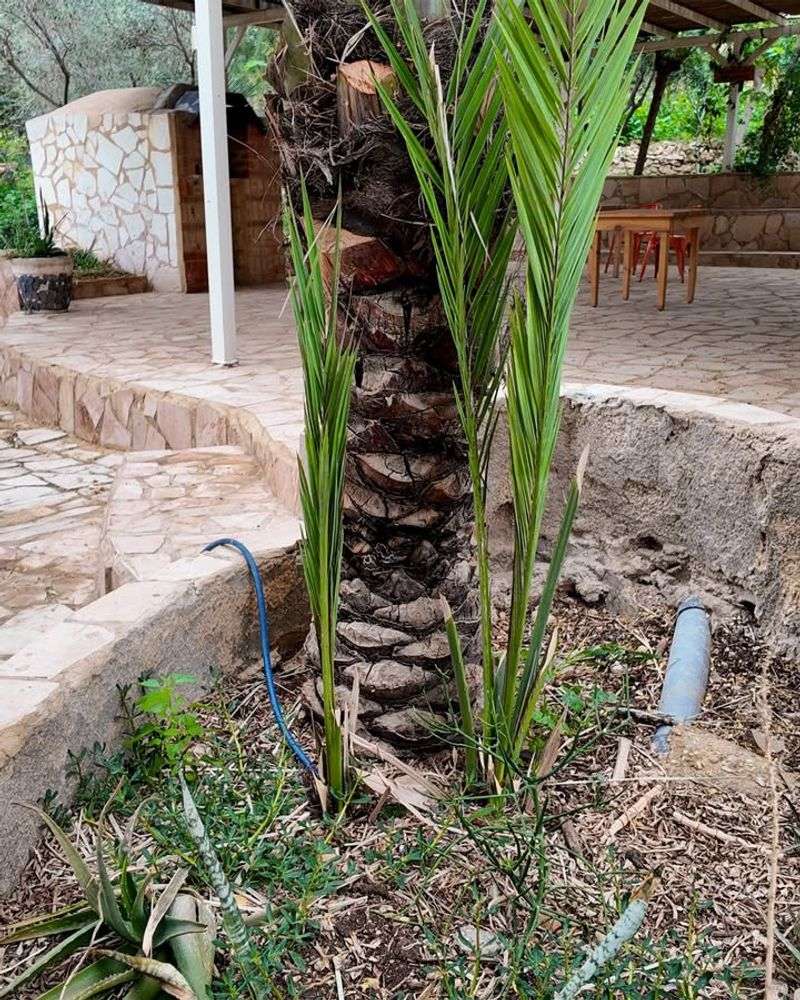
Burying a date palm too deep in the ground is a mistake that causes problems for years before most gardeners even connect the dots.
When the trunk base gets covered with soil, moisture collects against the bark, and that constant contact can stress the tree in ways that aren’t immediately obvious.
Date palms have what’s called a bud zone right at the base of the trunk, just above the root ball. Cover that zone with soil or mulch, and you’re essentially cutting off the tree’s ability to breathe and grow normally.
In Arizona’s intense summer heat, trapped moisture around the base can speed up the breakdown of bark tissue, leaving the tree vulnerable to infection and slow, persistent decline.
Your Arizona Garden Changes Every Week. Your Plan Should Too.
Gardening in Arizona changes quickly throughout the season. Every Friday you’ll receive a simple weekly plan showing exactly what to plant, prune, fertilize, harvest, and protect so you never miss the right timing.
Proper planting depth means setting the root ball so the top of it sits right at ground level, maybe just a hair above. Backfill with native soil mixed with a little sand for drainage, and keep mulch pulled back several inches from the trunk.
It seems like a small detail, but it makes a noticeable difference in how quickly the tree takes off after planting.
When buying a date palm from a nursery in the Phoenix or Tucson area, ask the staff how deep the tree was potted. Sometimes palms are already sitting too low in their containers, which means you’ll need to adjust before dropping them in the ground.
Taking an extra ten minutes at planting time prevents a lot of headaches later on.
3. Cutting Green Fronds Reduces Energy And Weakens The Tree
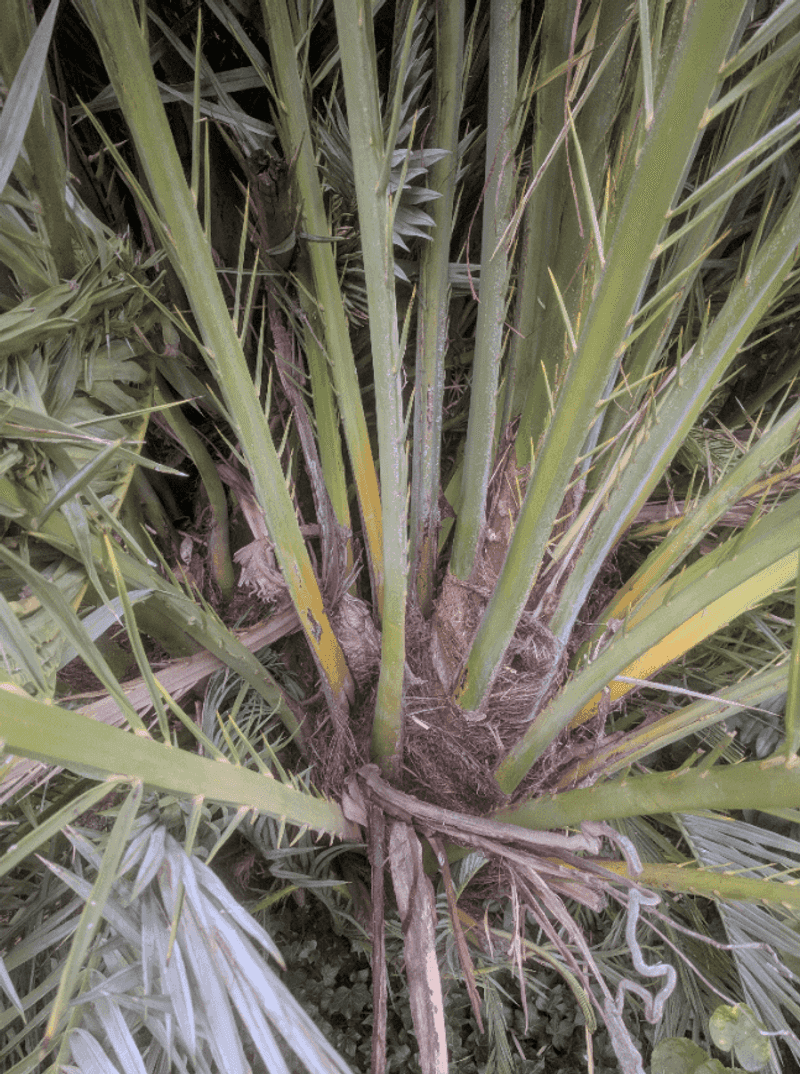
Grab a pair of pruning shears near a date palm and the temptation to clean things up can be hard to resist.
But cutting green fronds off a healthy tree is one of the most damaging habits Arizona gardeners fall into, often without realizing how much it costs the tree in the long run.
Green fronds are where photosynthesis happens. Every single one of them is actively pulling energy from the sun and feeding it back into the tree.
Removing them doesn’t just change the look of the palm — it reduces the tree’s ability to produce the energy it needs to push out new growth, support root development, and handle Arizona’s brutal summer heat.
A good rule of thumb is to only remove fronds that have turned fully brown and dry. If there’s still any green left in a frond, leave it alone.
Some gardeners in the Scottsdale and Mesa areas have developed a habit of cutting fronds that angle downward, thinking it looks neater. But those lower green fronds still contribute to the tree’s overall energy budget, even if they’re not pointing straight up.
Over time, repeatedly removing green fronds creates what’s sometimes called a “hurricane cut” or over-pruned look, where only a small tuft of fronds remains at the top.
Trees pruned this way struggle to recover, grow more slowly, and become less capable of handling environmental stress.
Patience and restraint with the pruning shears will always serve your date palm better than aggressive cutting ever will.
4. Pruning Too Often Can Slow Growth And Reduce Health
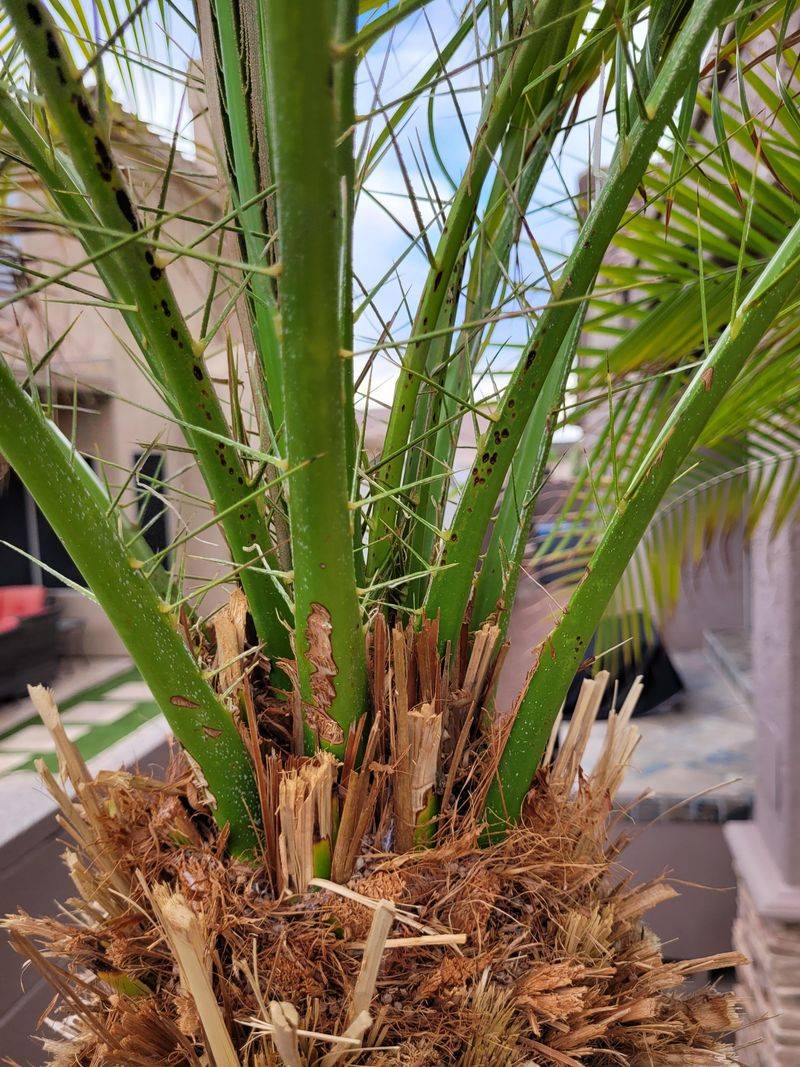
Pruning once in a while is part of caring for a date palm — but doing it too frequently is a different story. Some Arizona homeowners get into the habit of trimming their palms every few months, either for appearances or out of concern that the tree looks messy.
That kind of schedule creates more stress than benefit.
Date palms don’t recover from pruning the same way a shrub might. Each cut removes fronds that the tree invested real energy into growing.
When cuts happen too often, the tree spends more time and resources trying to recover rather than putting energy into new growth, stronger roots, or fruit production.
Pruning once a year — ideally in late spring before the intense Arizona summer heat sets in — is generally enough for most healthy trees.
Frequency isn’t the only concern. Tools matter too.
Using dull or dirty pruning equipment can introduce pathogens into fresh cuts, and in Arizona’s warm climate, those issues can spread faster than in cooler regions.
Clean your blades with a diluted bleach solution between trees, especially if you’re working on multiple palms in the same yard.
Timing also plays a role in pest management. In parts of Arizona, pruning during certain months can attract the red palm weevil, a destructive pest that targets wounded palm tissue.
Avoiding late summer pruning reduces the risk of attracting these insects to fresh cuts. Sticking to a once-a-year schedule with clean, sharp tools keeps your date palm on a steady path without unnecessary setbacks.
5. Ignoring Soil Drainage Causes Long Term Root Issues
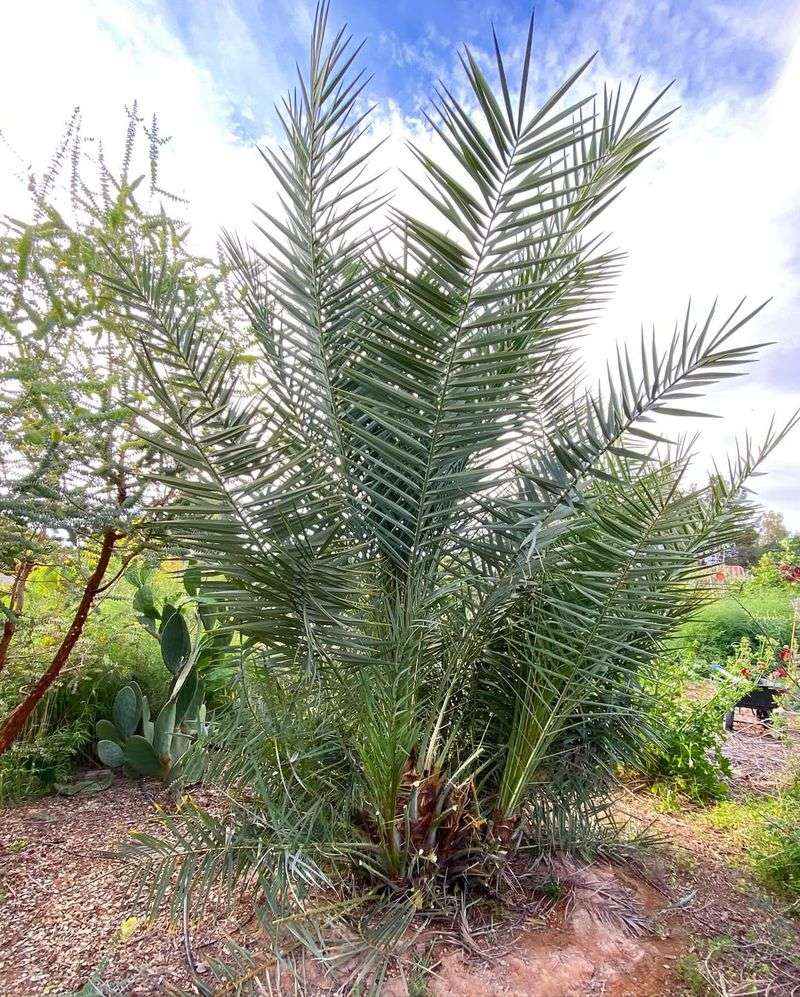
Arizona soil is wildly inconsistent. In some neighborhoods across the Phoenix metro, you’ll hit caliche — a rock-hard layer of calcium carbonate — just a foot or two below the surface.
In other areas, the soil is dense clay that holds water like a sponge. Both conditions are bad news for date palms if you don’t address them before planting.
Poor drainage doesn’t always look obvious from the surface. A yard might seem dry and sandy on top while water pools underground after irrigation or monsoon rain.
Roots sitting in that trapped moisture can weaken over time, and by the time visible symptoms appear on the fronds, the damage below ground has usually been building for months.
Before planting a date palm, do a simple drainage test. Dig a hole about twelve inches deep and fill it with water.
If the water drains away within an hour, you’re in decent shape. If it’s still sitting there two hours later, you’ve got a drainage problem worth fixing before the tree goes in the ground.
Breaking through caliche with a pickaxe or renting a soil auger can open up drainage pathways that make a real difference.
Raised planting beds are another option that works well in parts of Tucson and Chandler where heavy soil is common. Elevating the root zone even six to eight inches above the surrounding ground level can significantly reduce the risk of waterlogged roots.
Adding coarse sand or gravel to the backfill mix helps too, as long as the overall soil composition stays balanced and nutrient-available for the tree.
6. Fertilizing At The Wrong Time Limits Proper Growth
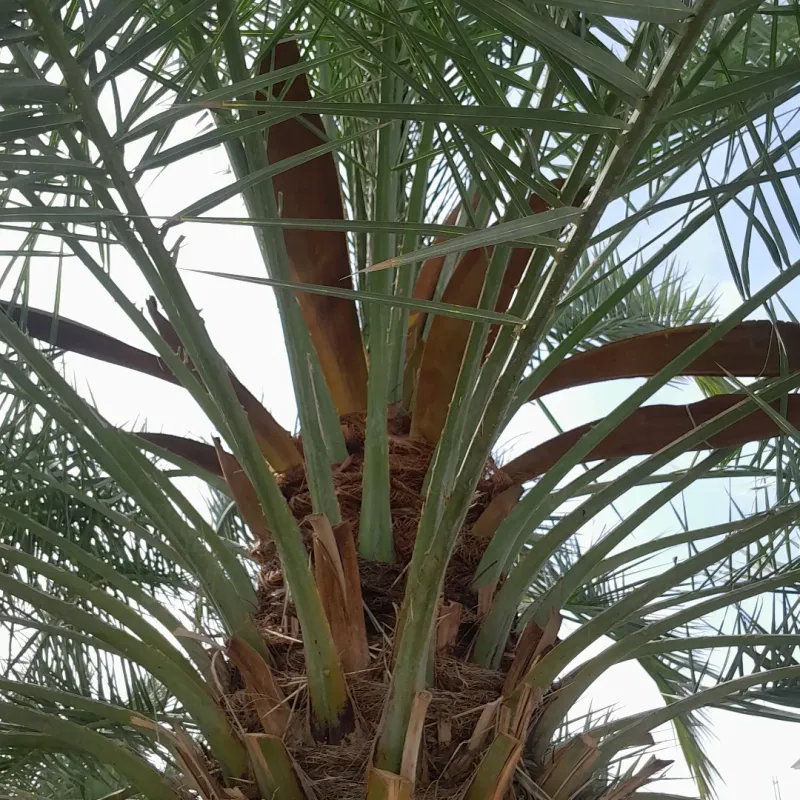
Fertilizer timing is something a lot of Arizona gardeners get wrong, not because they aren’t trying, but because palm nutrition works differently than most other plants they’re used to caring for.
Applying fertilizer at the wrong point in the growing season can either go to waste or actively work against the tree.
Date palms respond best to fertilization during their active growing period, which in Arizona typically runs from early spring through late summer.
Feeding a palm in late fall or winter when growth has slowed down means the nutrients sit in the soil largely unused, and in some cases, excess nitrogen left in the root zone over winter can cause issues when growth picks back up in spring.
Palm-specific fertilizers are worth seeking out because they contain the right balance of micronutrients, especially potassium, magnesium, and manganese, that date palms actually need.
General-purpose fertilizers often miss the mark on these specific nutrients, which can lead to deficiency symptoms like yellowing fronds or fronds that emerge with a distorted, frizzled appearance.
In Arizona, where alkaline soil already ties up some of these nutrients, using the right product matters even more.
A reasonable schedule for most Arizona gardeners is three applications per year — once in early spring, once in early summer, and once in early fall. Spread granular fertilizer evenly under the canopy out to the drip line, water it in well, and let the tree do the rest.
Avoid piling fertilizer directly against the trunk, as concentrated product sitting on bark tissue can cause localized damage over time.
7. Planting In Tight Spaces Restricts Mature Size And Spread
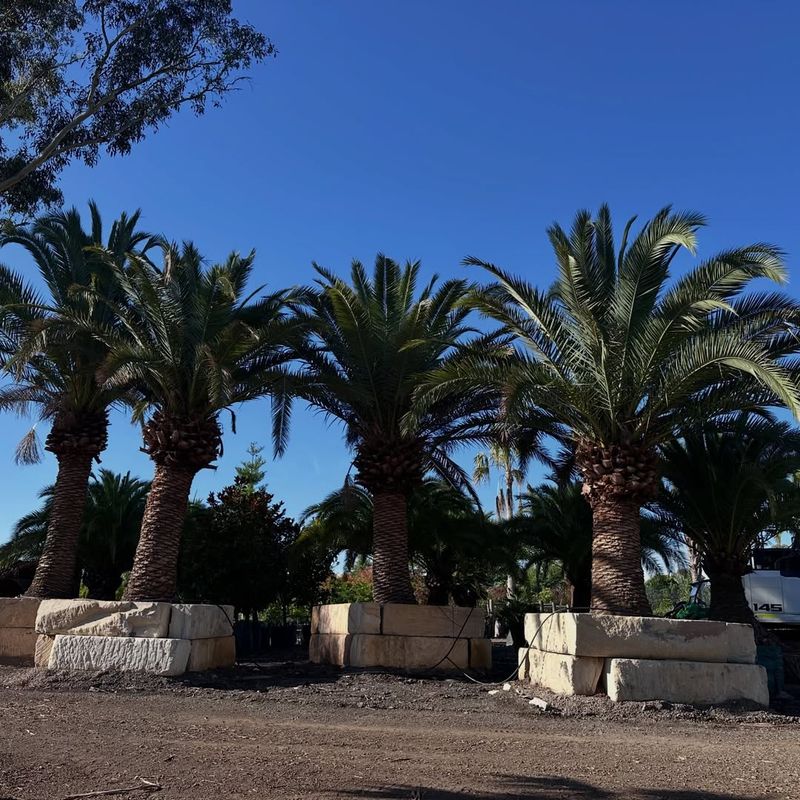
Date palms look manageable when they’re young. A five-gallon nursery tree barely reaches shoulder height, and it’s easy to underestimate just how large these trees get once they settle into Arizona’s growing conditions.
Planting one too close to a wall, fence, or structure is a mistake that becomes harder to undo with every passing year.
Mature date palms can reach forty to sixty feet tall with a canopy spread of twenty to thirty feet across.
Roots extend outward well beyond the visible canopy, and in Arizona’s hard soils, they’ll find every crack and gap in nearby structures, pavement, or irrigation lines.
Planting too close to a home foundation or underground utilities creates a slow-moving conflict between the tree’s natural growth and the built environment around it.
Spacing guidelines suggest planting date palms at least fifteen to twenty feet away from structures and at least ten feet from other large trees or palms. In practice, giving them even more room is better.
Arizona neighborhoods with mature date palms that were planted too close to homes often deal with lifted sidewalks, cracked block walls, and root intrusion into irrigation systems years after the original planting decision was made.
Before choosing a planting spot, check overhead too. Power lines running above a potential planting site will become a problem once the tree matures.
Utility companies in Arizona regularly have to trim palms growing into lines, and those cuts are rarely made with the tree’s best interest in mind. Picking an open location from the start protects both the tree and your property for decades to come.