10 Early Spring Flowers That Thrive In Oregon’s Weather
Oregon’s early spring is a delicate balance of cool winds, drizzling rain, and sudden sunny spells. Gardeners know the thrill of spotting the first buds poking through moist soil, promising life after months of gray winter.
Walking past your beds, you notice a few early blooms braving the weather, hinting at the vibrancy that’s about to sweep across the yard.
Choosing flowers that naturally thrive in these conditions means enjoying beauty without constant worry.
The right early bloomers withstand chilly mornings, occasional frost, and the heavy spring rains that can overwhelm less hardy plants.
Planting at the right time ensures that your garden starts the season with resilience and color. As these blooms open, you’ll find the garden coming alive in ways that make every morning worth stepping outside to see.
1. Primrose With Their Cheerful Faces
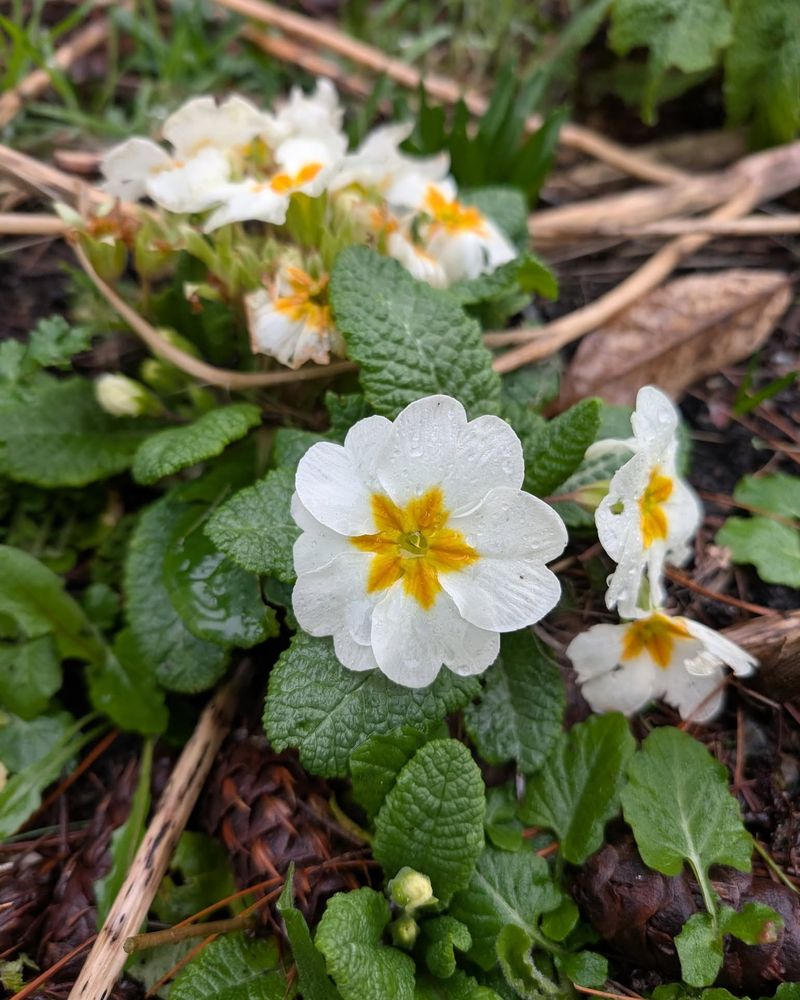
Plant primroses in partial shade with moist, well-draining soil; group them in clusters or containers for maximum visual impact and low maintenance. Bursting open in shades of yellow, pink, purple, and white, these cheerful blooms are often one of the very first signs that winter is finally letting go.
Gardeners across Oregon look forward to seeing them each year.
Primroses love the kind of weather Oregon naturally provides. They prefer partial shade and moist, well-draining soil, which means the state’s frequent rainfall does most of the watering work for you.
Planting them beneath trees or along shaded garden borders gives them just the right amount of light without scorching their delicate petals.
Fun fact: Primroses have been used in European folk medicine for centuries and were once considered a symbol of youth and new beginnings. That history feels fitting given how boldly they announce the arrival of spring.
For Oregon gardeners, placing primroses near entryways or in containers on porches creates an instant burst of welcoming color. They are low-maintenance, reliable, and absolutely stunning when planted in clusters, making them a smart choice for beginners and experienced gardeners alike.
2. Calendula And Their Sunny Petals
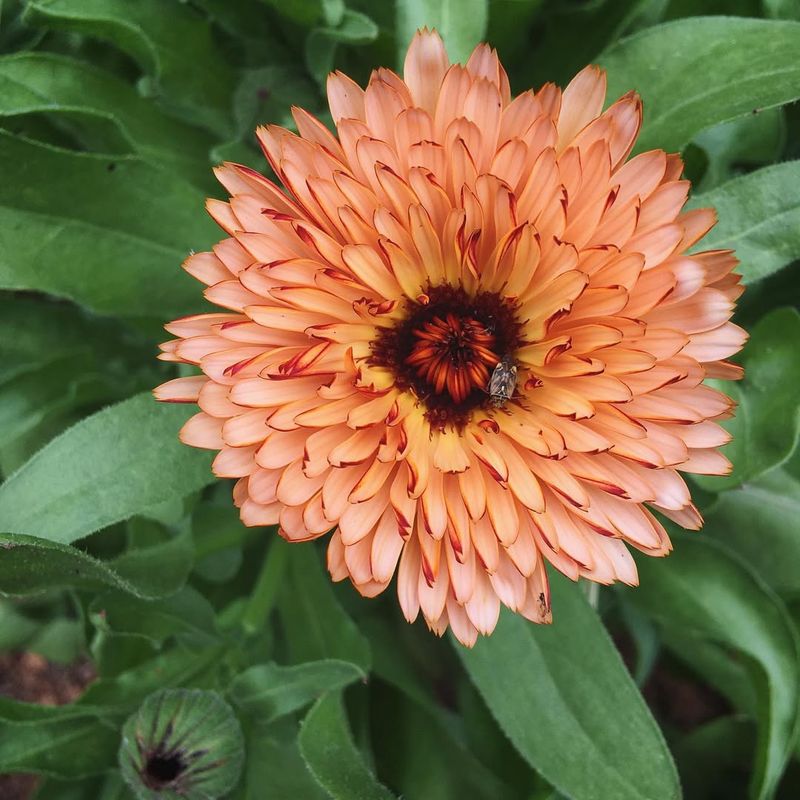
The kind of flower that makes you smile the moment you spot it is calendula. Sometimes called pot marigold, its bold orange and yellow blooms practically glow against Oregon’s often gray spring skies, making it a standout choice for any garden bed or container.
It is cheerful, tough, and surprisingly easy to grow.
Sow calendula seeds directly in the garden in late winter or early spring; they tolerate light frost and provide vibrant blooms with minimal care. It can even handle a light frost without skipping a beat, which is perfect for the unpredictable weather patterns that Oregon gardeners know all too well.
Beyond its good looks, calendula is also incredibly useful. The petals are edible and have long been used in salads, teas, and natural skin care products.
Planting calendula near vegetables can also help attract beneficial insects to your garden. In Oregon, starting seeds directly in the ground in late winter or early spring gives them a head start.
With very little effort, you will have a vibrant, productive flower that keeps blooming for weeks on end.
Your Oregon Garden Changes Every Week. Your Plan Should Too.
Gardening in Oregon changes quickly throughout the season. Every Friday you’ll receive a simple weekly plan showing exactly what to plant, prune, fertilize, harvest, and protect so you never miss the right timing.
3. Clarkia With Their Farewell-To-Spring Charm
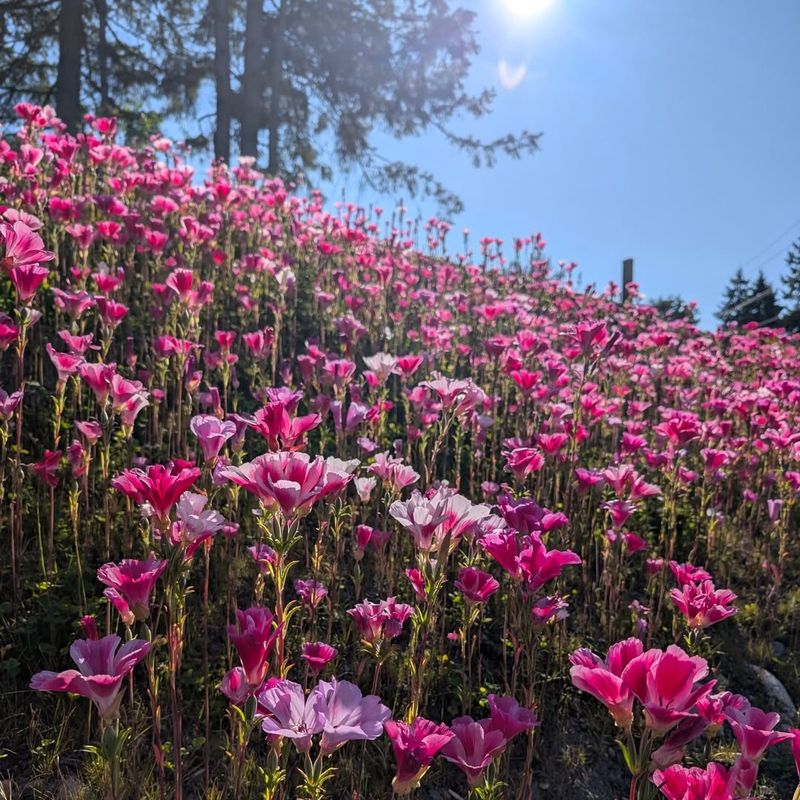
This native wildflower was first documented by the famous Lewis and Clark Expedition, and it has been brightening Oregon landscapes ever since. With delicate, tissue-paper-thin petals in shades of pink, lavender, and white, Clarkia brings a natural, free-spirited charm to any garden.
Direct sow Clarkia seeds after the last hard frost in well-draining soil, and let them reseed naturally for a low-maintenance, pollinator-friendly display. Sow seeds directly into the ground after the last hard frost, and watch these beauties take off with very little fuss or extra care needed.
Clarkia works wonderfully in wildflower meadow-style plantings, which are becoming increasingly popular in Oregon as more gardeners shift toward low-water, pollinator-friendly landscapes. Bees and butterflies absolutely love these blooms, so planting Clarkia is a great way to support local wildlife while adding gorgeous color to your yard.
Because it reseeds itself naturally each year, you may find that once you plant it, Clarkia keeps coming back season after season on its own.
4. Cornelian Cherry Showing Their Early Blooms
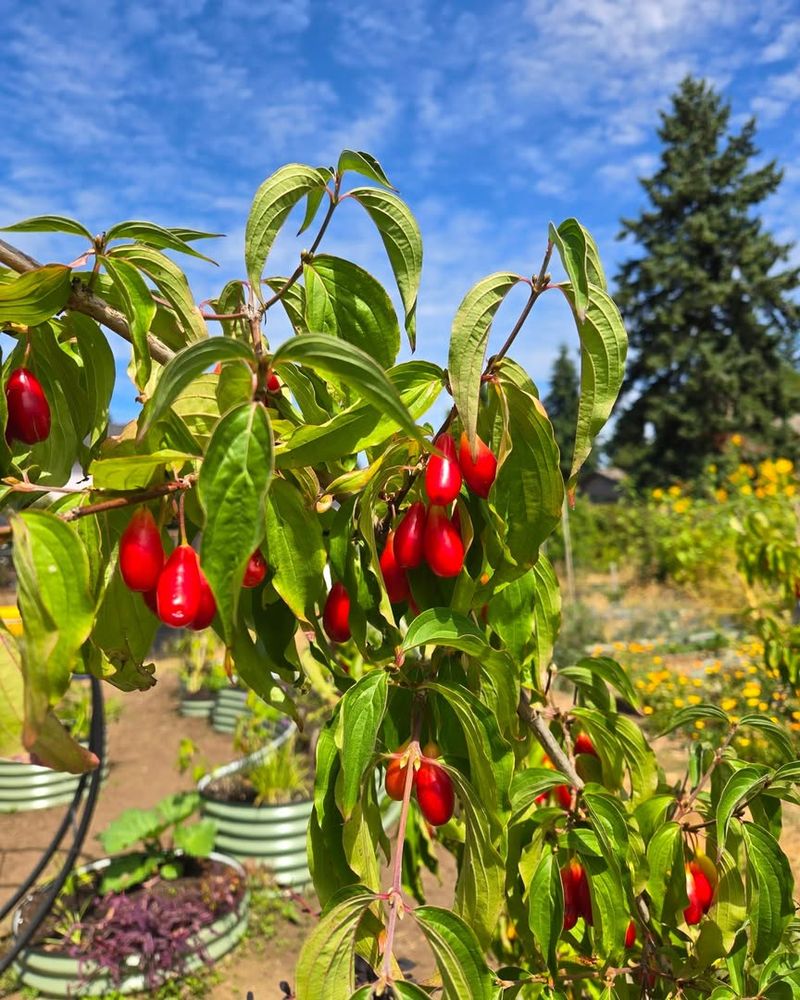
Before most trees have even thought about leafing out, the Cornelian Cherry is already putting on a spectacular show. Technically a type of dogwood shrub or small tree, it bursts into clusters of tiny, bright yellow flowers on bare branches as early as February in Oregon.
The effect is dramatic and unexpected, like a little explosion of sunshine in the middle of a gray winter garden.
Plant Cornelian Cherry in full sun to partial shade with well-drained soil; enjoy early spring blooms and harvest the tart red fruits later in the season. Once established, it is remarkably low-maintenance and can live for decades, rewarding patient gardeners year after year.
By late summer, the plant produces small, tart red fruits that are edible and popular in jams, syrups, and even wine in parts of Eastern Europe. So you get both a breathtaking early spring display and a functional harvest later in the season.
For Oregon homeowners looking for a multi-season showstopper that requires minimal effort, Cornelian Cherry is a smart, beautiful, and somewhat underappreciated choice worth adding to any landscape.
5. Daffodils With Their Golden Glory
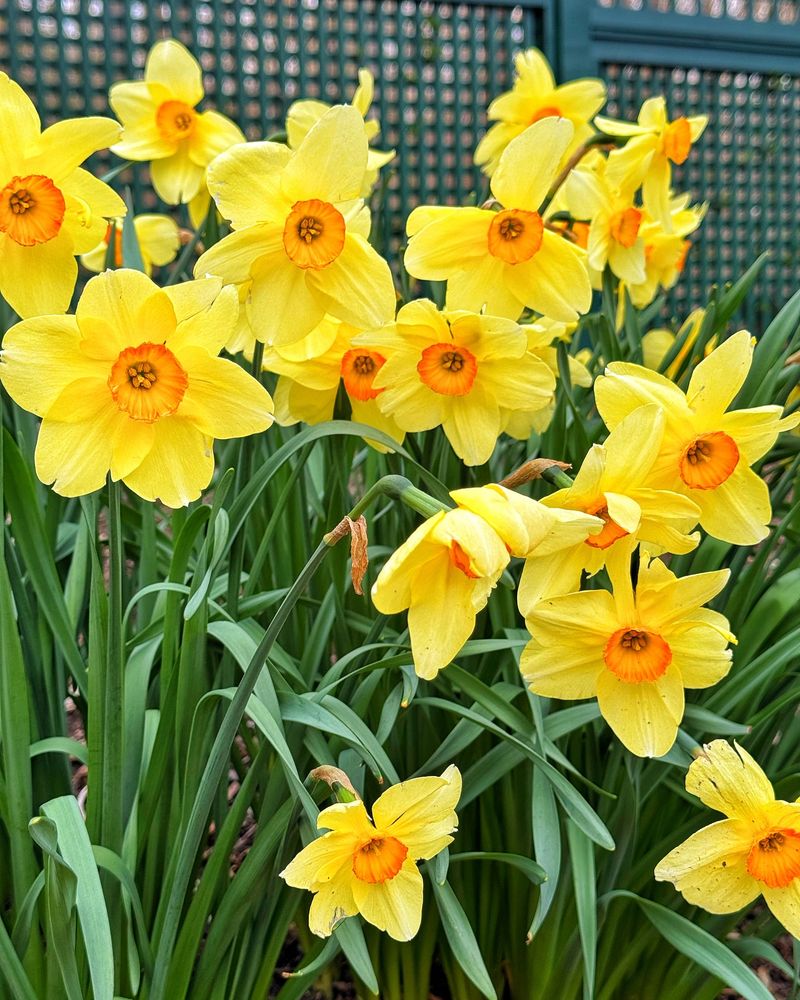
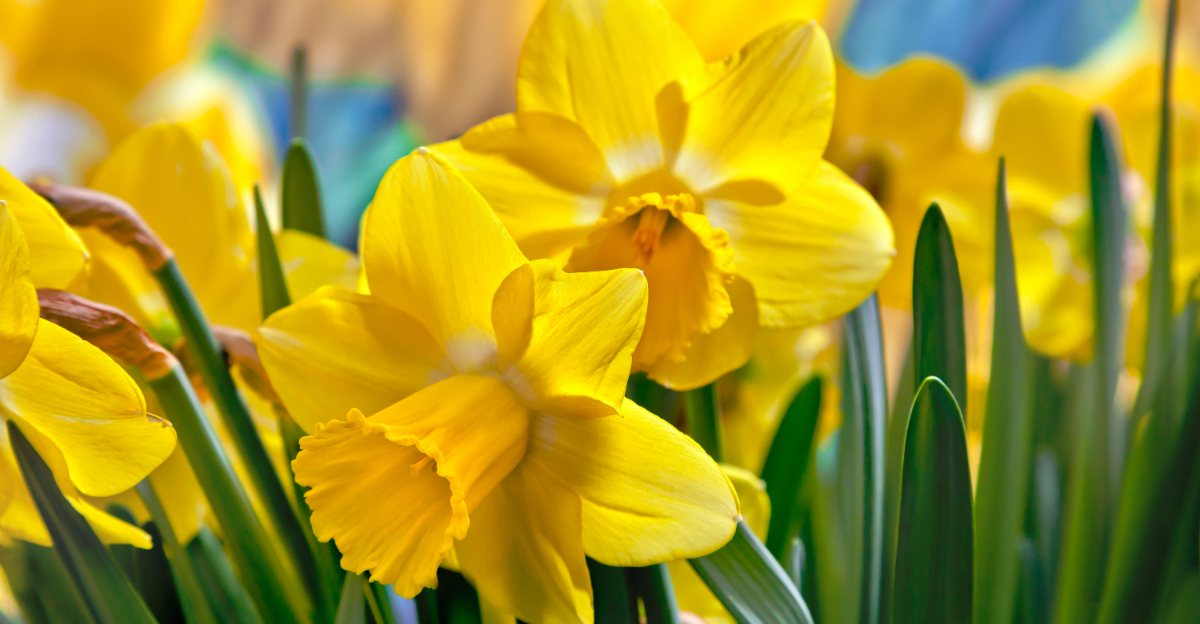
Their golden yellow trumpets are instantly uplifting, and they have a way of making even the most ordinary yard look like something out of a magazine. Best of all, they come back stronger each year with almost zero effort required from the gardener.
Daffodils are planted in fall as bulbs and spend the winter quietly underground, gathering energy. Plant daffodil bulbs in fall in full sun to partial shade with well-draining soil; they naturalize easily and return year after year with minimal care.
They thrive in full sun to partial shade and prefer well-draining soil, which is easy to achieve in most Oregon garden settings.
One practical bonus worth knowing: deer and other wildlife tend to avoid daffodils, making them a smart choice for gardeners in rural or suburban Oregon where animal visitors can be a challenge. They also make excellent cut flowers, bringing that fresh spring feeling indoors.
Try planting them in large drifts along pathways, driveways, or beneath deciduous trees for a sweeping, naturalized look that feels both effortless and breathtaking when they all open at once.
6. Crocus And Their Bold Colors
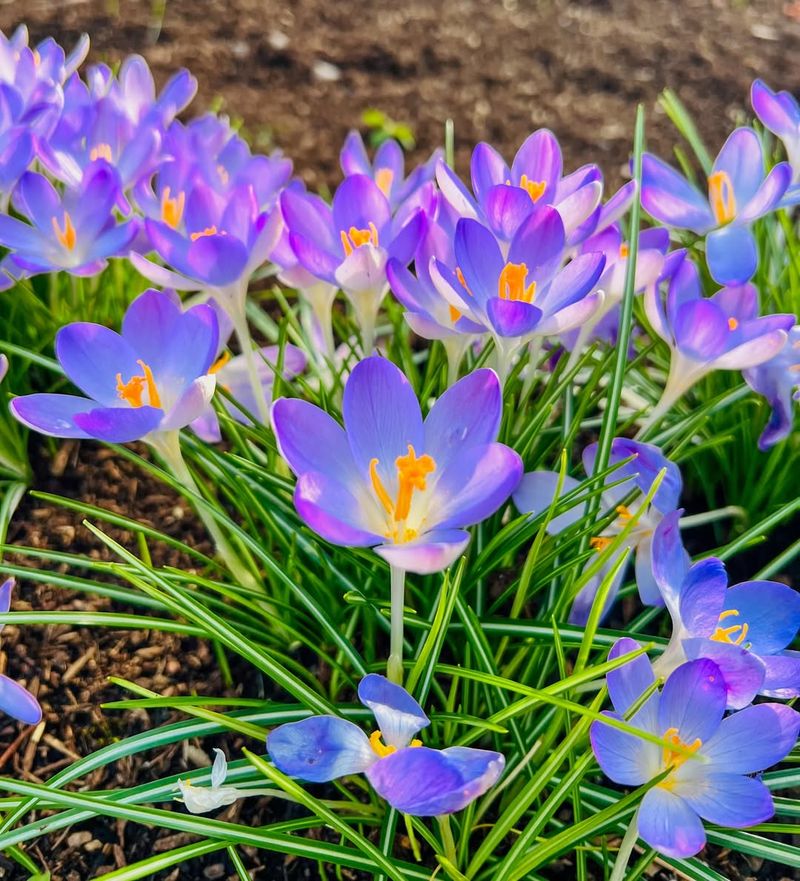
Plant crocus bulbs in clusters in well-draining soil with full or partial sun to create early spring color and a resilient, low-maintenance display. Across Oregon, gardeners eagerly watch for these tiny cup-shaped blooms as one of the surest signs that warmer days are on the way.
Available in shades of purple, yellow, white, and even striped varieties, crocuses bring a cheerful patchwork of color to any space. They prefer well-draining soil and do well in both full sun and partial shade, making them flexible enough to tuck into almost any corner of an Oregon garden.
Planting bulbs in clusters of ten or more creates a much more dramatic visual impact than spacing them out individually.
What many people do not realize is that saffron, one of the most expensive spices in the world, actually comes from a specific type of crocus flower. While the common spring crocus is not the saffron variety, it is a fun connection to keep in mind.
Naturalizing crocuses in a lawn is also a popular trend in Oregon, creating a magical carpet of color each spring before the grass even needs its first mow of the season.
7. Snowdrop With Their Delicate White Blooms
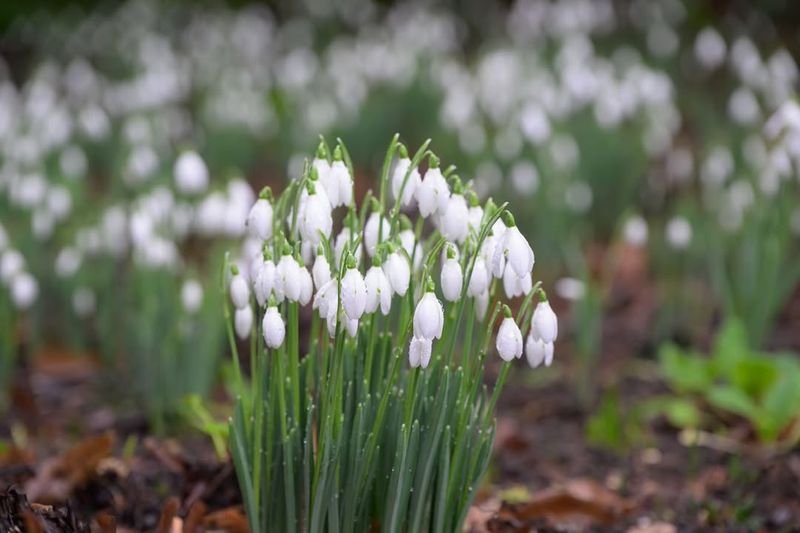
Plant snowdrop bulbs in groups of a dozen or more in fall under deciduous trees or along shaded garden areas for a naturalized early spring bloom. They are one of the earliest flowering bulbs available and signal the very beginning of the garden season with understated elegance.
Snowdrops prefer cool, moist conditions and partial shade, which makes them a natural fit for Oregon’s climate, especially in the western part of the state where winters are mild and wet. They naturalize beautifully under deciduous trees, spreading slowly over the years into impressive drifts that look effortlessly wild and romantic.
Once planted, they largely take care of themselves.
A fun historical note: snowdrops have been grown in European gardens since at least the 1500s and were once thought to bring good luck when they bloomed near a home. Whether or not that legend holds true, there is no question that seeing snowdrops emerge in an Oregon garden after months of gray winter weather feels like a genuine gift.
Plant them in groups of at least a dozen bulbs in fall for the most impactful spring display, and enjoy watching them multiply over the coming years.
8. Western Trillium With Their Subtle Elegance
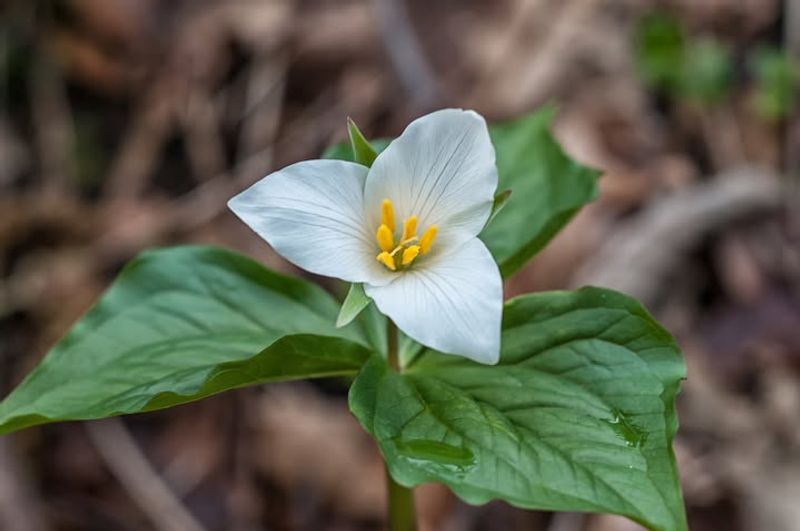
As Oregon as it gets, Western Trillium truly embodies the region. This native woodland wildflower grows naturally throughout the forests of the Pacific Northwest, and spotting one on a spring hike through an Oregon state park is genuinely exciting.
With three broad white petals sitting above three large green leaves, it has an elegant simplicity that feels perfectly at home in a shaded native plant garden.
Growing Western Trillium in a home garden requires a bit of patience, but the reward is absolutely worth it. These plants prefer deep shade, rich humus-filled soil, and consistent moisture, which mimics the forest floor conditions they naturally love.
They grow slowly, so purchasing established plants from a reputable native plant nursery in Oregon is usually the best approach rather than trying to start from seed.
Supporting native plants like Western Trillium is also an act of environmental stewardship. By growing them in your garden, you help preserve a piece of Oregon’s natural heritage and provide habitat for native insects and wildlife.
It is worth noting that Western Trillium is a protected plant in many areas, so always source plants responsibly from nurseries rather than collecting them from the wild. Their quiet beauty makes them a treasured addition to any shaded Oregon garden.
9. Grape Hyacinth And Their Fragrant Clusters
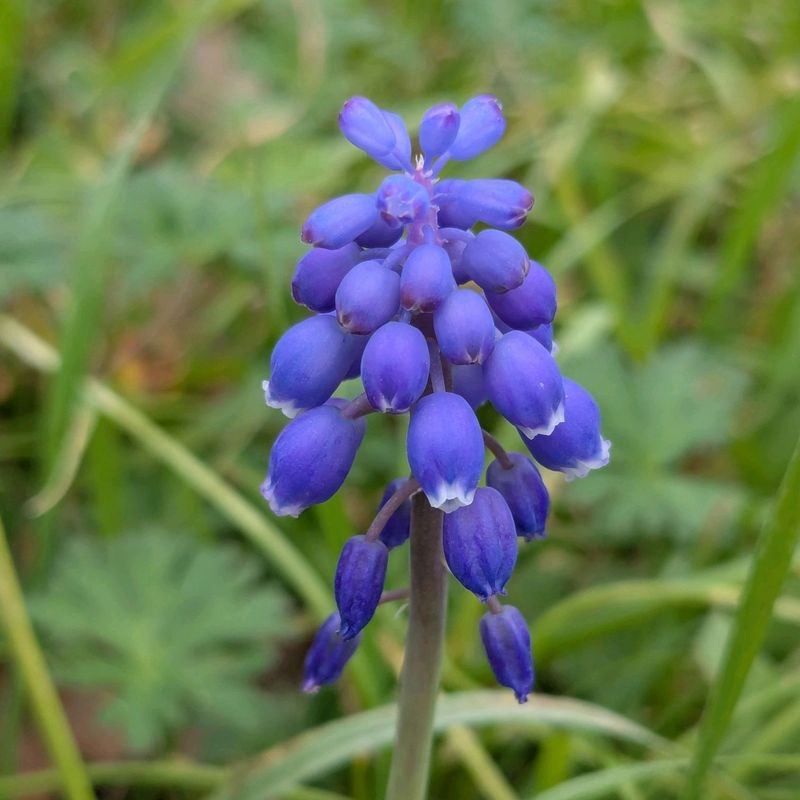
Plant grape hyacinths in large clusters in well-draining soil with full or partial sun; they naturalize easily and attract early pollinators like bumblebees. When planted in large groups, they create a stunning sea of cool color that pairs beautifully with the yellows and whites of daffodils and snowdrops in an Oregon spring garden.
These compact little bulbs are incredibly tough and adaptable. They thrive in Oregon’s early spring conditions, tolerating both cool temperatures and the kind of consistent rainfall the state is known for.
They do best in well-draining soil with full sun to partial shade and are one of the easiest bulbs any gardener can grow, regardless of experience level.
Grape hyacinths are also excellent at attracting early pollinators like bumblebees, which are especially important in Oregon’s ecosystem. Their sweet fragrance adds another sensory layer to the garden that is easy to overlook until you lean in close.
They naturalize readily, meaning they spread and multiply year after year without much help. Plant them along pathways, in rock gardens, or between stepping stones for a low-growing carpet of brilliant blue that returns faithfully each spring.
10. Henderson’s Shooting Star With Their Vibrant Spikes
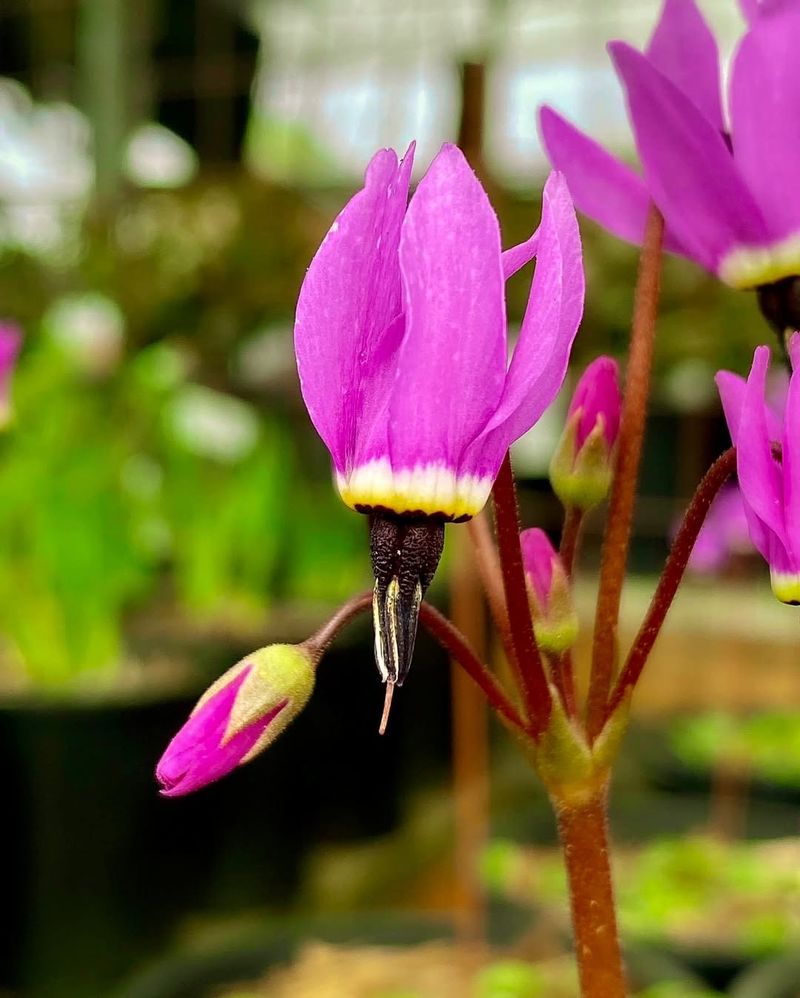
Looking like something straight out of a fantasy garden, Henderson’s Shooting Star captivates with its unique blooms. Its vivid pink and magenta petals sweep dramatically backward from a pointed tip, giving each bloom the appearance of a tiny comet streaking across the garden.
Native to the Pacific Northwest, this wildflower is a rare and breathtaking sight that truly captures the wild spirit of Oregon’s natural landscape.
Plant Henderson’s Shooting Star in well-draining soil with consistent spring moisture; pair with Clarkia and Western Trillium to create a cohesive, pollinator-friendly native garden. It is perfectly adapted to the state’s wet winters and dry summers, going dormant in the heat of the season and re-emerging when cooler, wetter weather returns.
This natural cycle makes it surprisingly easy to maintain once established in the right spot.
For gardeners interested in creating a pollinator-friendly, native plant landscape, Henderson’s Shooting Star is an outstanding choice. Bumblebees are its primary pollinator and use a fascinating technique called buzz pollination to collect its pollen.
Planting it alongside other Oregon natives like Clarkia and Western Trillium creates a cohesive, ecologically meaningful garden that celebrates the unique beauty of the Pacific Northwest. It is a conversation starter, a wildlife magnet, and a true Oregon original all in one remarkable plant.