The Bugs That Ruin Florida Tomato Plants
Summer seems far away, yet Florida gardens already hum with life. Tomato plants push green leaves skyward, promising juicy fruit in the weeks to come.
Anyone who has grown tomatoes knows the mix of excitement and worry – one wrong move, or one unnoticed pest, can undo weeks of effort.
Certain insects thrive in Florida’s warm, humid climate, silently feeding on leaves, stems, and fruit. A single infestation can spread quickly, stressing plants, reducing yields, or causing fruit to fail.
Even experienced gardeners need to recognize these tiny threats early to protect their harvest.
By paying attention to the most damaging bugs, gardeners can safeguard their tomatoes and enjoy a vibrant crop. Spotting the culprits early keeps your plants strong and your garden productive through the season.
1. Silverleaf Whitefly Sapping Plant Strength
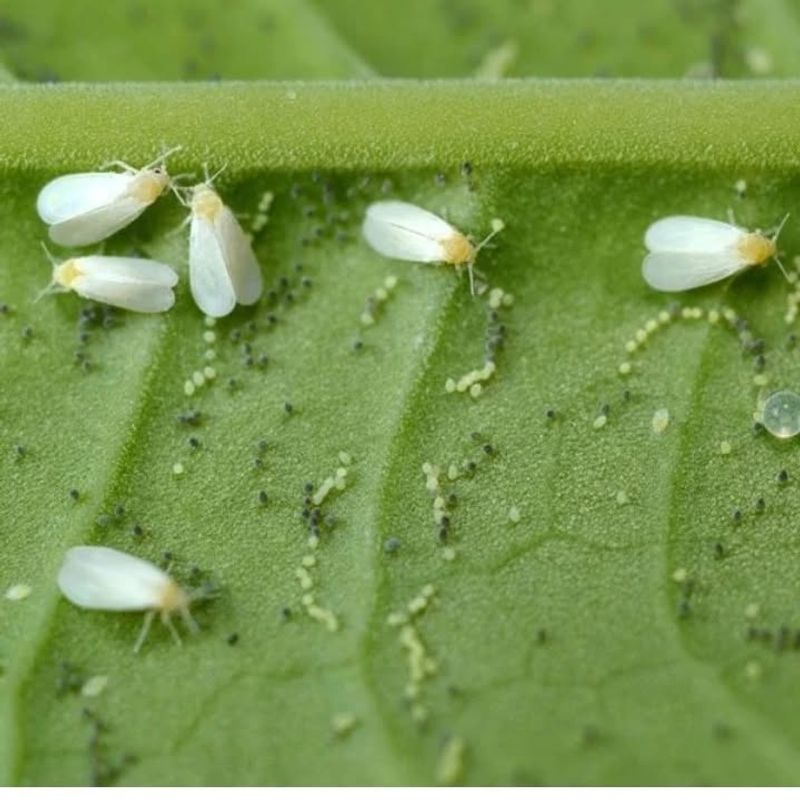
Flip over a tomato leaf in a Florida garden and you might find a cloud of tiny white insects launching into the air. That is the silverleaf whitefly, one of the most damaging pests Florida tomato growers face.
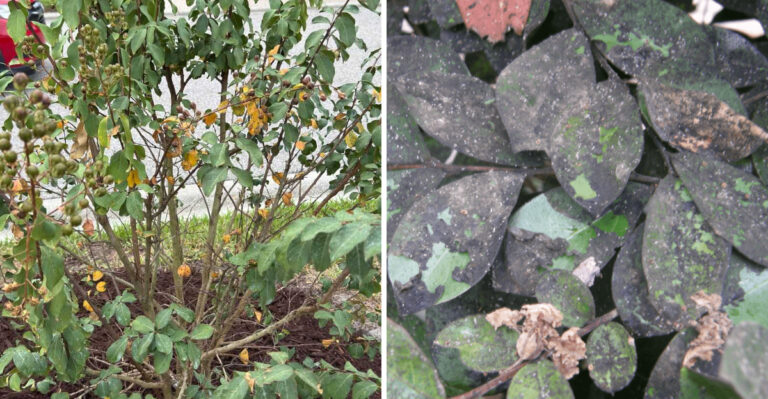
These insects are barely visible to the naked eye, but the damage they cause is anything but small. They reproduce rapidly, producing multiple overlapping generations in warm weather, and their sticky honeydew encourages fungal growth, including sooty mold, which further weakens plants and makes fruit less marketable.
Silverleaf whiteflies feed on tomato leaves, causing yellowing and curling, and can transmit Tomato Yellow Leaf Curl Virus, which reduces plant vigor and fruit quality. Plants that are heavily attacked often produce fewer fruits, and the tomatoes that do grow may be smaller and lower quality than expected.
What makes this pest especially troublesome in Florida is its ability to spread plant viruses. The silverleaf whitefly is a known carrier of Tomato Yellow Leaf Curl Virus, which can devastate an entire planting in a short amount of time.
Once a plant is infected with a virus through whitefly feeding, there is no cure.
Controlling silverleaf whiteflies starts with checking plants regularly, especially on the undersides of leaves where eggs and young insects hide. Yellow sticky traps can help monitor population levels.
Reflective mulches confuse and repel adult whiteflies. Insecticidal soaps and neem oil sprays work well for smaller infestations, while stronger insecticides may be needed for heavy pressure.
Encouraging natural enemies like parasitic wasps also helps keep Florida whitefly populations in check throughout the growing season. Healthy soil, proper fertilization, and maintaining plant vigor can further reduce the severity of whitefly outbreaks.
2. Tomato Hornworm And Their Hungry Appetite
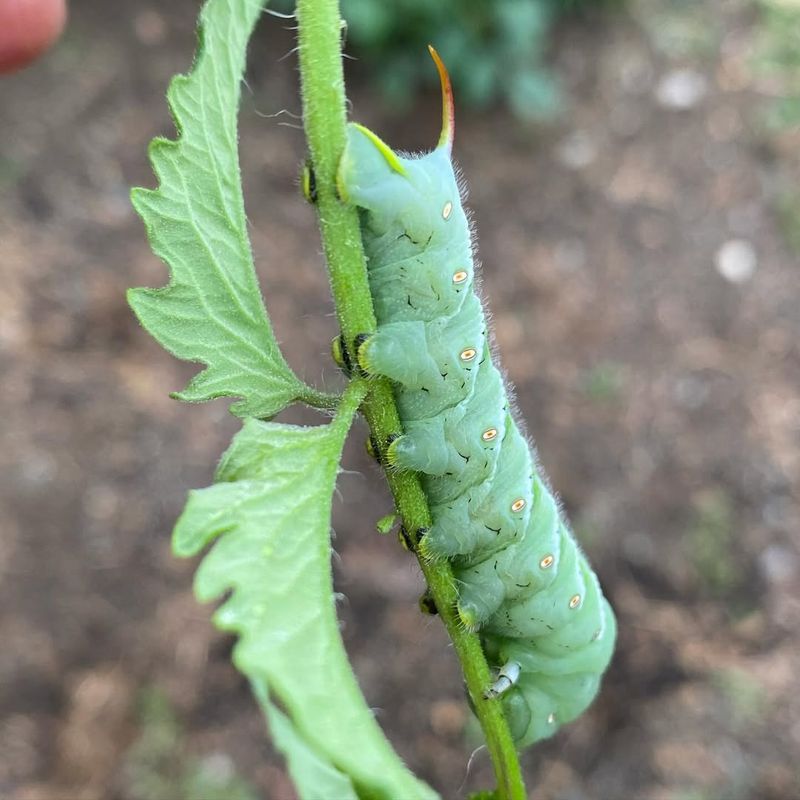
Spotting a tomato hornworm for the first time is genuinely startling. These caterpillars can grow up to four inches long, making them among the largest garden pests a Florida grower will ever encounter.
Despite their impressive size, they are masters of camouflage, blending in almost perfectly with the green stems and leaves of a tomato plant. They can devour entire leaf clusters in a single night, and multiple caterpillars on one plant can quickly defoliate it completely.
Tomato hornworms chew on leaves and immature fruits, sometimes defoliating large portions of a plant and leaving ragged wounds on developing fruit. They also chew on immature fruits, leaving large, ragged wounds that ruin the tomato before it ever ripens.
Your Florida Garden Changes Every Week. Your Plan Should Too.
Gardening in Florida changes quickly throughout the season. Every Friday you’ll receive a simple weekly plan showing exactly what to plant, prune, fertilize, harvest, and protect so you never miss the right timing.
In Florida, the warm climate means hornworms can show up across multiple growing seasons. Look for dark green or black droppings on leaves below as a telltale sign of their presence.
Carefully scanning stems and leaf clusters will usually reveal the well-hidden caterpillar. Hand-picking is one of the most effective control methods for small gardens.
Drop caterpillars into a bucket of soapy water to remove them from the plant. Bacillus thuringiensis, commonly called Bt, is a natural bacteria-based spray that works very well against hornworms without harming beneficial insects.
Parasitic wasps naturally target hornworm eggs and larvae, so avoiding broad-spectrum pesticides helps preserve these helpful Florida garden allies throughout the season. Providing diverse flowering plants nearby also supports predators that naturally reduce hornworm numbers.
3. Aphids With Their Tiny Yet Mighty Bite
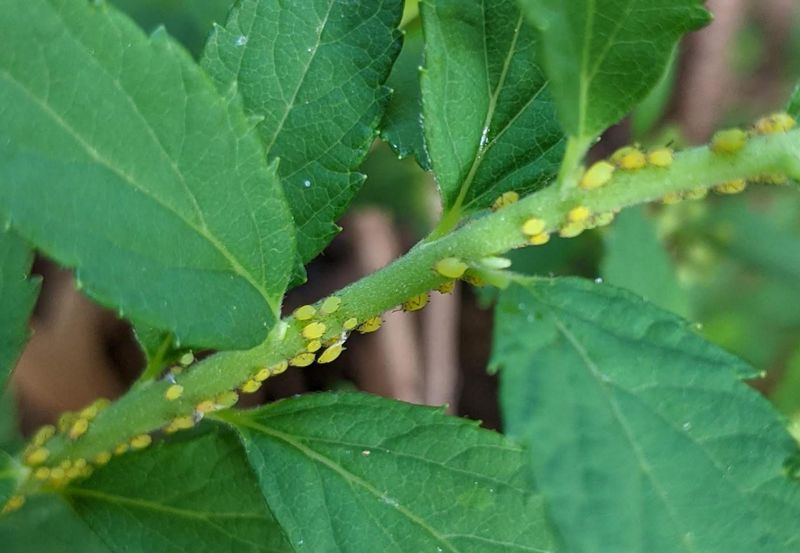
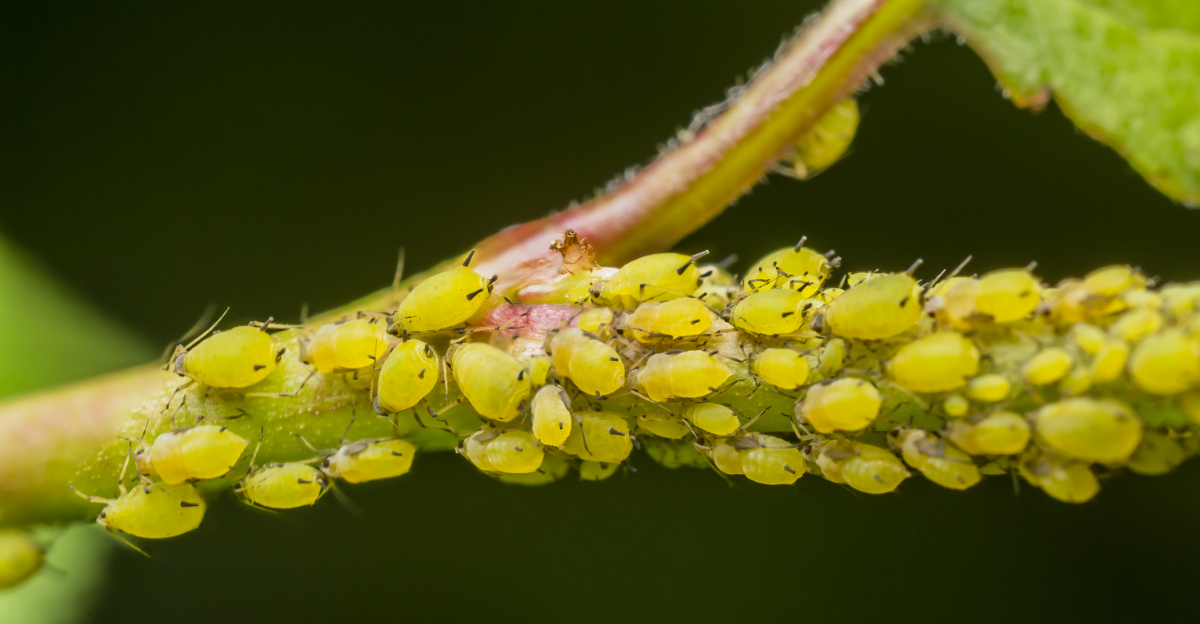
Tiny but mighty in the worst possible way, aphids are a constant headache for tomato growers across Florida. These soft-bodied insects measure less than a quarter of an inch, yet they reproduce so quickly that a small group can become a massive infestation within just a week or two.
They tend to cluster on new growth, tender stems, and the undersides of young leaves. Their rapid feeding can stunt plant growth, yellow leaves, and reduce fruit set, while honeydew encourages fungal sooty mold, which can further stress plants and reduce photosynthesis.
Aphids feed on tomato sap, causing leaves to curl and distort, while honeydew promotes sooty mold and allows virus transmission, stressing plants and reducing yields. That mold blocks sunlight from reaching the leaf, further stressing the plant and reducing its ability to produce energy.
Beyond direct feeding damage, aphids are serious virus spreaders. In Florida, they can transmit several plant viruses that cause lasting harm to tomato crops.
Even a brief feeding session from a virus-carrying aphid can infect an otherwise healthy plant.
Fortunately, aphids have many natural enemies. Ladybugs, lacewings, and parasitic wasps all prey on aphids and can dramatically reduce populations when given the chance.
Row covers can prevent early infestations. A strong blast of water from a garden hose knocks aphids off plants and is surprisingly effective for light infestations.
Insecticidal soap sprays are a reliable option for heavier outbreaks. Florida gardeners should scout their tomato plants at least twice a week during the growing season to catch aphid problems before they get out of hand.
4. Western Flower Thrips Damaging Tender Growth
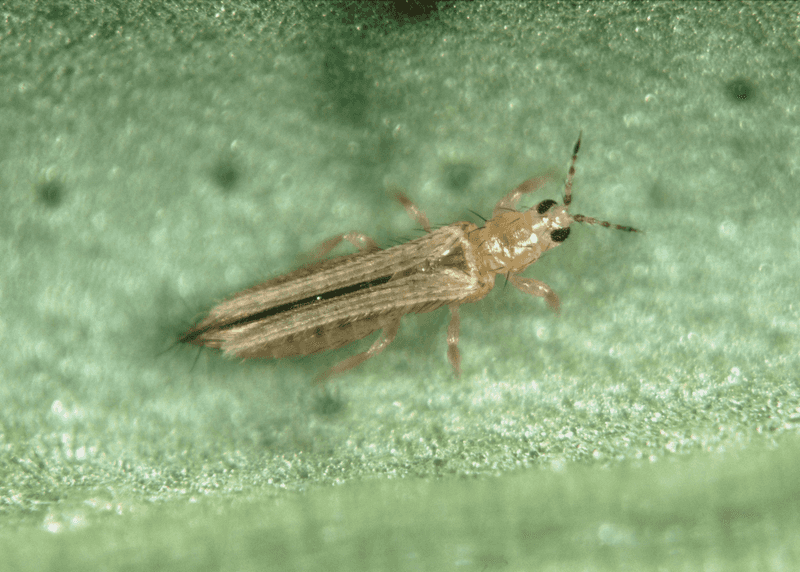
You almost need a magnifying glass to see western flower thrips, but the damage they leave behind is impossible to miss. These slender insects are barely a millimeter long and hide inside tomato flowers, making them especially hard to detect until problems are already underway.
Florida’s warm temperatures allow thrips populations to build up rapidly throughout the growing season, often producing several overlapping generations.
Western flower thrips feed on tomato flowers and young fruits, causing premature flower drop, rough or russeted fruit, and spreading Tomato Spotted Wilt Virus. Heavily damaged fruits may show raised, corky patches or small dimples across the surface.
Thrips are also known to feed on tender leaves, leaving silvery streaks and deformed growth that stresses the plant.
The bigger concern with western flower thrips in Florida is their role in spreading Tomato Spotted Wilt Virus. This virus is one of the most destructive diseases affecting Florida tomatoes, and thrips are its primary carrier.
Once a plant is infected, it cannot be cured, and symptoms include bronze-colored leaves, stunted growth, and distorted fruits.
Managing western flower thrips requires a combination of strategies. Avoid planting tomatoes near flowering weeds that serve as thrips reservoirs.
Blue or yellow sticky traps help monitor adult populations. Spinosad-based insecticides are effective against thrips and relatively low in impact on beneficial insects.
Removing and disposing of heavily infested plant material also helps slow the spread of both thrips and the viruses they carry in Florida gardens.
5. Leafminers And Their Hidden Trails
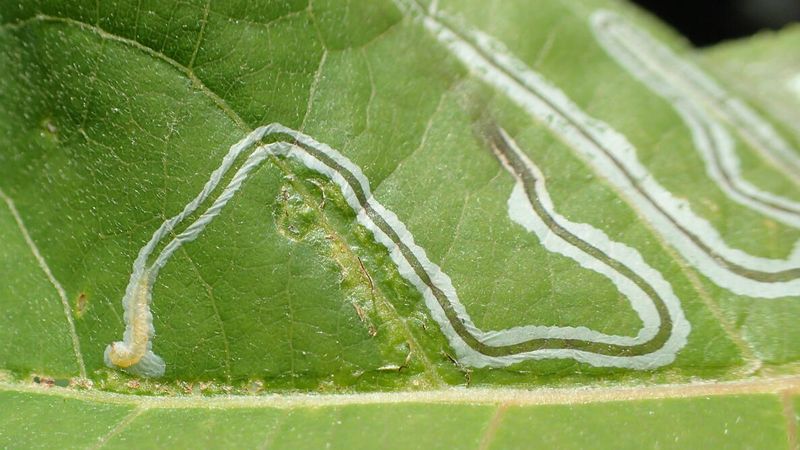
If you have ever noticed squiggly white lines etched across a tomato leaf like a tiny maze, you have already met leafminers. These are the feeding trails left by small larvae tunneling between the upper and lower surfaces of the leaf.
The adult leafminer is a small fly, but it is the larvae that cause visible damage by eating their way through leaf tissue in winding, serpentine patterns. Leafminers can infest multiple tomato varieties at once, and both commercial growers and backyard gardeners see rapid population increases in warm, humid conditions, making early detection critical.
Leafminers are a widespread problem in Florida tomato production, largely because the warm climate allows multiple generations to develop throughout the year. As larvae mine through leaves, they destroy the green tissue responsible for photosynthesis.
When many leaves are damaged at once, the plant struggles to produce the energy it needs to grow fruit and stay healthy.
Beyond the direct feeding damage, leafminer tunnels can also create entry points for fungal and bacterial pathogens. In Florida’s humid environment, secondary infections through damaged leaf tissue can compound the stress on already weakened plants.
Heavy leafminer pressure can cause significant leaf drop, leaving tomato fruit exposed to sunscald.
Natural parasitic wasps are among the best tools for managing leafminers in Florida. These tiny wasps lay their eggs inside leafminer larvae, helping to keep populations from exploding.
Avoiding broad-spectrum insecticides protects these beneficial insects. Yellow sticky traps are useful for monitoring adult fly populations.
For severe infestations, spinosad or abamectin-based products provide effective control while minimizing harm to natural enemies. Maintaining proper spacing between tomato plants and removing heavily infested leaves also helps reduce leafminer populations and supports overall plant health.
6. Stink Bugs Bringing Annoying Damage
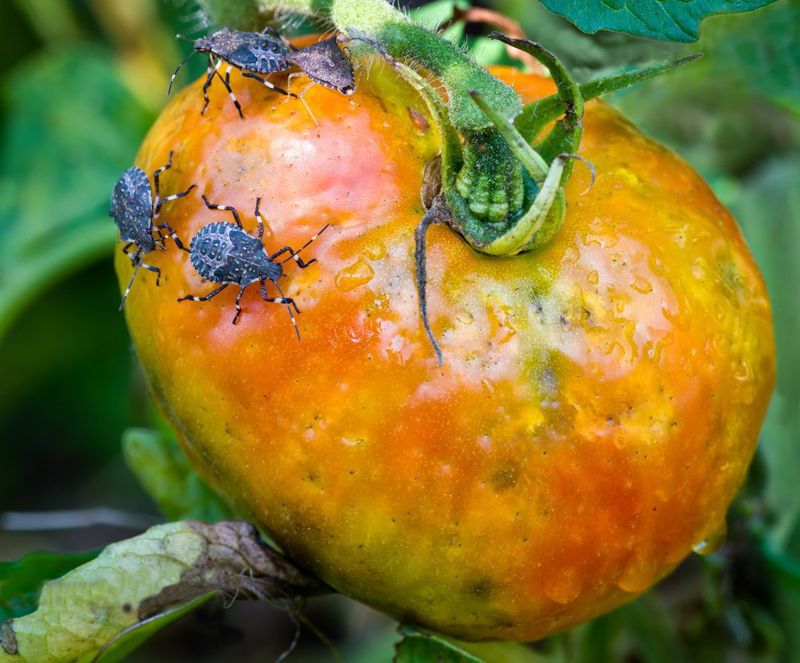
Stink bugs have a well-earned reputation among Florida tomato growers, and not just because of the unpleasant odor they release when disturbed. These shield-shaped insects use a needle-like mouthpart to pierce tomato skin and feed on the juice inside.
Their feeding causes light-colored, spongy spots beneath the skin that make the fruit less appealing and can distort its shape. They also inject enzymes that can cause necrotic tissue and create entry points for secondary fungal or bacterial infections, further reducing fruit quality.
Stink bugs also feed on seeds and stems, which can reduce plant vigor and increase vulnerability to drought stress, especially during the hottest summer months.
Several stink bug species target tomatoes in Florida, including the green stink bug and the southern green stink bug. They are especially active during warm months, which in Florida means they can be a problem for much of the year.
Adults are strong fliers and can move into gardens from surrounding weedy areas, hedgerows, abandoned lots, and tree lines, allowing populations to quickly expand.
Keeping the area around your garden free of weeds, tall grasses, and brush reduces places where stink bugs hide and breed. Row covers can protect young plants before fruits begin to develop.
Hand-picking adult bugs and egg masses in the morning, when insects are slower, helps reduce populations. Kaolin clay sprays create a physical barrier that deters stink bug feeding on Florida tomato fruits without leaving harmful residues behind.
Early monitoring and consistent removal of nearby host plants, including legumes and other vegetables that can serve as temporary hosts, can also significantly limit infestations and protect overall crop yield.
7. Leaf-Footed Bugs And Their Crushing Grip
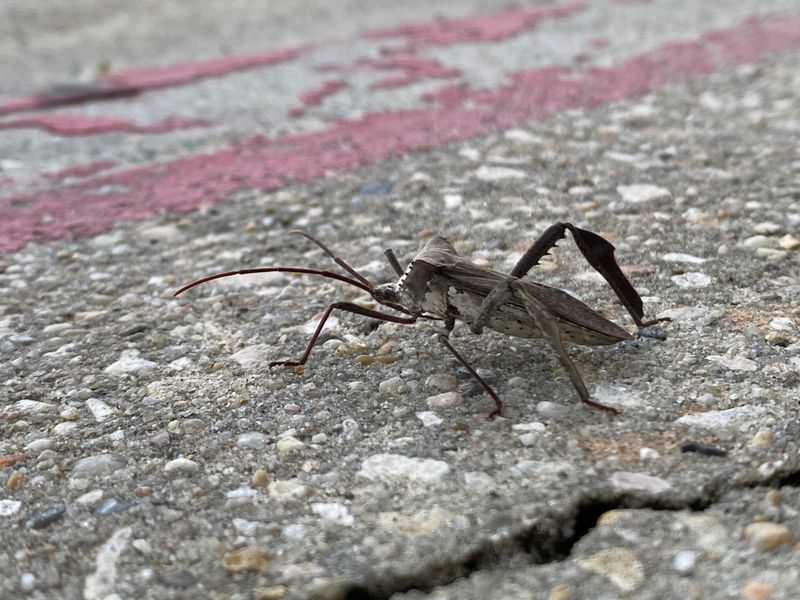
At first glance, leaf-footed bugs look almost prehistoric. These large, brownish insects are named for the flattened, leaf-like extensions on their hind legs, which give them a truly unusual appearance.
In Florida, they are a common and frustrating visitor to tomato gardens, often arriving in groups that can overwhelm a planting in a short amount of time. They are attracted to a wide range of host plants, including peppers, beans, and squash, which can allow populations to build before reaching tomatoes.
Leaf-footed bugs feed on tomato fruits and stems, causing white or yellow spongy spots, misshapen fruit, and potential early fruit drop. The bugs also feed on stems and seeds, further weakening the plant’s overall productivity during the Florida growing season.
Nymphs, which are the immature stage, are easier to manage than adults and tend to cluster together on plant stems and fruits.
Leaf-footed bugs are difficult to manage because they are fast-moving and can fly away quickly when disturbed. They also tend to arrive in waves, with large numbers descending on a garden seemingly overnight.
Targeting nymphs early with insecticidal soap or spinosad sprays is more effective than waiting until the population is mostly adult insects. Physically removing bugs by shaking them into a container of soapy water works well for smaller gardens.
Planting tomatoes away from trees and shrubby areas where leaf-footed bugs overwinter can also reduce pressure. Regular scouting throughout the season makes a big difference in staying ahead of this persistent pest.
Providing flowering plants nearby can also encourage predators like parasitic wasps and assassin bugs to help naturally control populations.