7 Ways Floridians Keep Mosquitoes Out Of Their Yards Each Summer
Ever step outside on a Florida evening and feel like you rang the dinner bell? One minute the yard feels calm, the next you are swatting at your legs and wondering how mosquitoes showed up so fast.
It can turn a simple walk across the grass or a few minutes on the patio into something you want to cut short.
Florida’s mix of heat, humidity, and frequent rain gives mosquitoes exactly what they need to stick around. Small pockets of standing water, dense shade, and still air can turn even a well-kept yard into a comfortable spot for them.
A lot of people assume it takes big changes or constant sprays to make a difference, but that is not really the case.
A few smart adjustments can shift the balance and make your yard far less inviting, so you can actually enjoy being outside again without feeling like you are part of the menu.
1. Standing Water Is The First Problem To Fix
Every mosquito that bites you in your Florida backyard started out in water. Not a pond, not a lake, not some distant swamp.
Probably a bottle cap, a forgotten bucket, or a plastic saucer sitting under a potted plant near your back door. That is the reality of mosquito breeding in Florida, and it catches a lot of homeowners off guard.
Mosquitoes can complete their entire larval cycle in as little as seven to ten days, which means a small amount of water sitting after a rainstorm can produce a fresh batch of adults before most people even notice it.
Florida gets rain almost every afternoon in summer, so the cycle keeps resetting unless you stay on top of it.
The problem is not one big obvious source. It is usually dozens of small, easy-to-miss ones scattered across the yard.
Walk your property after the next rain and look at everything with fresh eyes. Check toys left on the grass, upturned frisbees, recycling bins without drainage holes, wheelbarrows, tarps with low spots, and anything else that collects even a shallow layer of water.
Empty them out completely. Tipping them over or drilling drainage holes makes a big difference for items you cannot move permanently.
Pet water bowls and outdoor coolers are also common culprits. Changing pet water every few days and keeping cooler lids sealed when not in use removes those sources from the equation.
Old tires are one of the worst offenders because they hold water in a shape that is hard to drain and warm quickly in the Florida sun, creating ideal conditions for larvae.
Source reduction is the foundation of every effective mosquito management plan. No spray, trap, or repellent can compensate for a yard full of breeding sites.
Fixing the water problem first makes every other step more effective.
2. Clogged Gutters Can Breed Mosquitoes Fast
Most people think about their gutters twice a year at most. In Florida, that schedule is not enough.
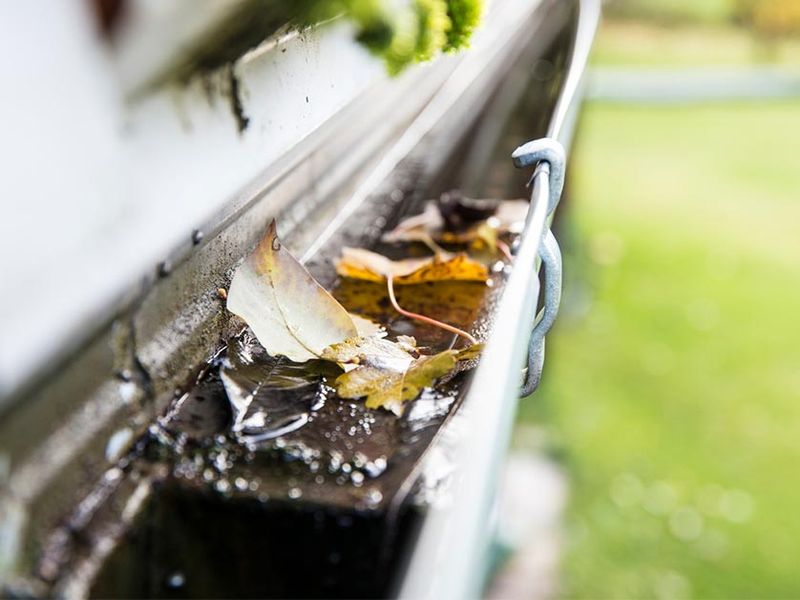
Summer storms dump heavy rain fast, and if gutters are packed with debris, that water does not go anywhere. It just sits there, warm and still, which is exactly what mosquitoes are looking for.
Your Florida Garden Changes Every Week. Your Plan Should Too.
Gardening in Florida changes quickly throughout the season. Every Friday you’ll receive a simple weekly plan showing exactly what to plant, prune, fertilize, harvest, and protect so you never miss the right timing.
A clogged gutter is a hidden mosquito nursery. The combination of organic debris and trapped water creates conditions that mosquito larvae thrive in.
Because gutters sit up along the roofline, most homeowners never look in them closely enough to notice the problem until they are already dealing with the results down in the yard. By then, the breeding has been happening for weeks.
Cleaning gutters before summer starts is a smart move in Florida. Getting up there in late April or early May, before the rainy season really gets going, gives you a clean slate before the heaviest storms arrive.
But one cleaning is rarely enough. Debris builds up again quickly, especially if you have oak trees or palms nearby dropping leaves and seeds throughout the season.
Downspouts deserve attention too. A downspout that is partially blocked will cause water to pool at the base or back up into the gutter itself.
Make sure water is flowing freely all the way through and draining away from the foundation. If a downspout empties into a splash block or extension that does not drain well, water can collect there as well.
Gutter guards help in some situations, but they are not a complete fix. Debris still gets in over time, and guards can trap moisture in certain conditions.
The only reliable approach is routine inspection and clearing, especially during the months when Florida rain is heaviest and most frequent.
3. Bromeliads And Pots Need Regular Checks
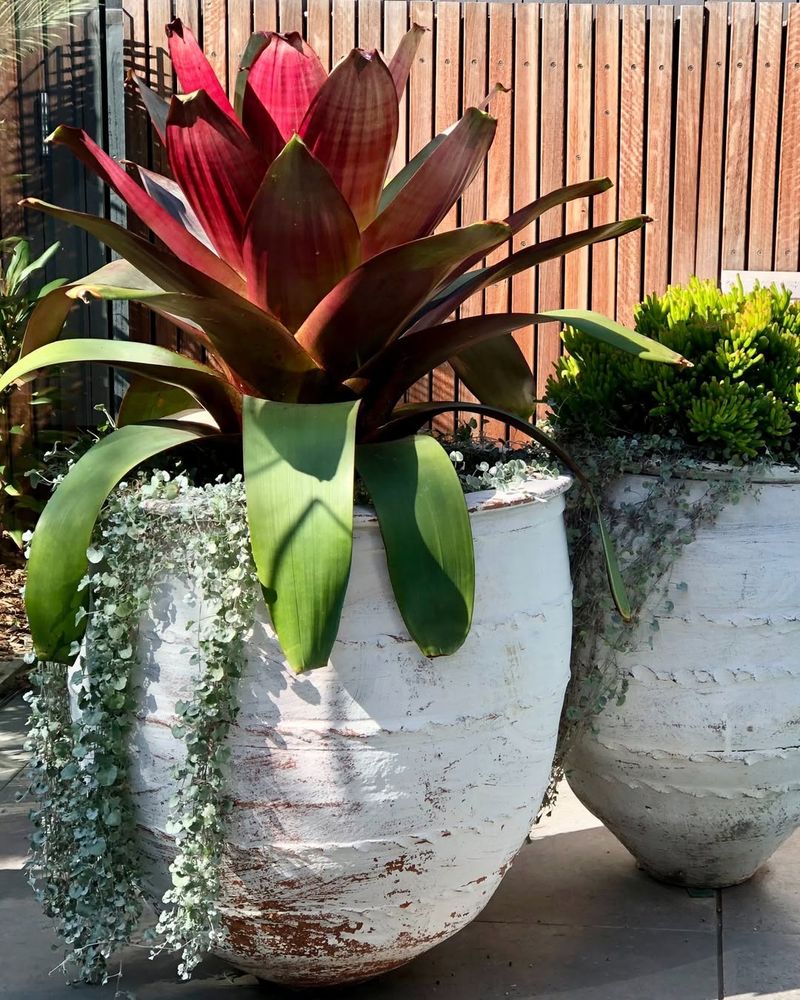
Bromeliads are everywhere in Florida yards. They are colorful, low-maintenance, and thrive in the heat, which makes them a natural choice for patios, garden beds, and front-yard landscaping.
The problem is that their cup-shaped centers, the part where the leaves form a rosette, are designed by nature to collect and hold water. That feature is great for the plant.
For mosquitoes, it is a built-in breeding pool.
UF/IFAS extension research has identified bromeliads as a legitimate mosquito concern in Florida residential yards. The water that sits in the cups stays shaded and relatively still, which gives larvae a protected environment to develop.
A single large bromeliad can hold enough water to support mosquito breeding, and a yard with dozens of them can quietly become a significant source.
Flushing the cups out with fresh water every few days disrupts the larval cycle before it completes.
Some Florida residents also apply Bti-based larvicide products directly into bromeliad cups as a longer-term management approach, which is a strategy supported by extension guidance for situations where regular flushing is not practical.
Plant pots and saucers are a related issue. Saucers that sit under pots and catch drainage water are some of the most overlooked mosquito breeding spots in a Florida yard.
Emptying them after rain and after watering is a simple habit that removes the source entirely. If you tend to forget, consider switching to pots without saucers or elevating pots so saucers drain freely.
Decorative containers, ceramic urns, and even the drip trays under outdoor furniture cushion storage boxes can trap water too. A thorough walkthrough of the patio with mosquito breeding in mind will usually reveal more water-holding spots than most people expect to find.
4. Water Features Need Movement To Stay Safer
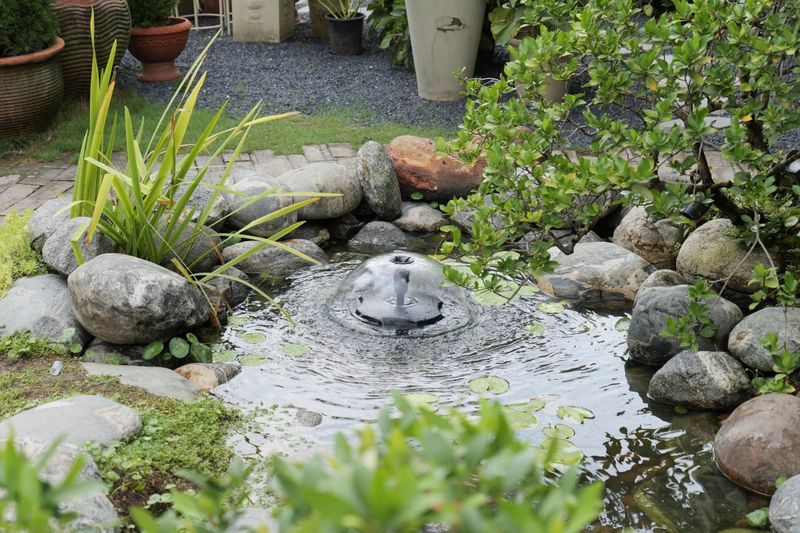
Birdbaths, backyard ponds, and decorative fountains add a lot to a Florida yard. They attract birds, create a calming atmosphere, and look great on a well-kept patio.
But water that sits completely still in the Florida heat can become a mosquito breeding site within a week, which turns a yard feature you enjoy into something working against you.
The key difference between a water feature that causes problems and one that does not is movement. Mosquitoes prefer still, calm water for laying eggs.
A birdbath that gets refilled once a week but never scrubbed or moved is exactly the kind of environment larvae need. A fountain with a recirculating pump that keeps water constantly moving is a much less attractive target.
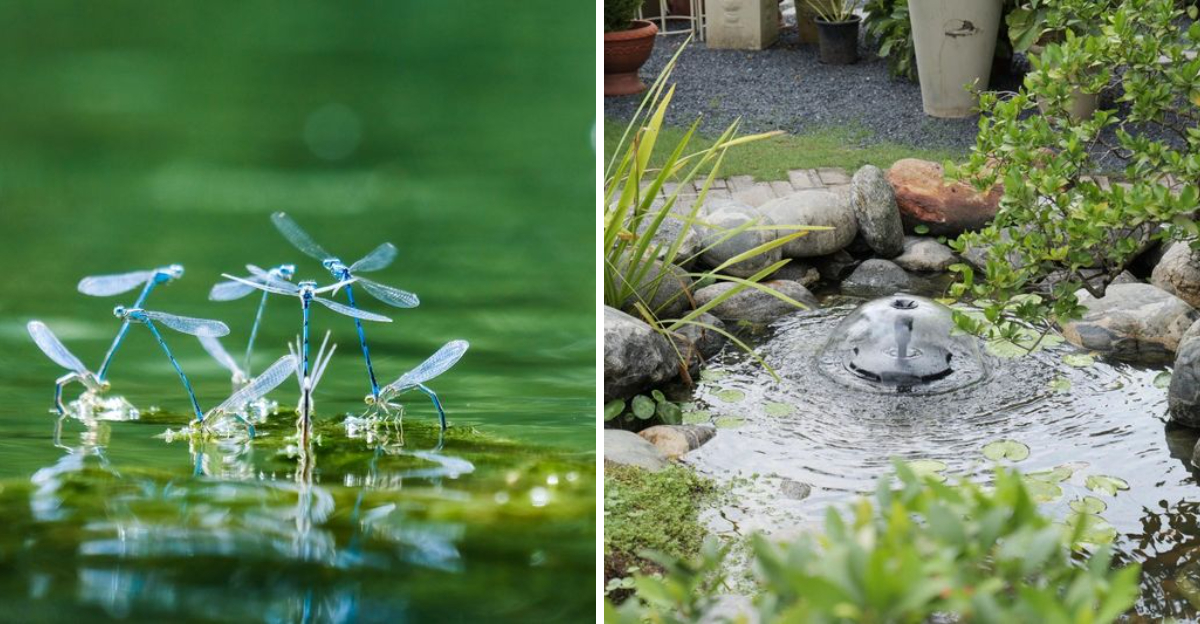
Adding a small submersible pump or a solar-powered agitator to a birdbath is an affordable upgrade that makes a real difference. For backyard ponds, keeping a pump or aerator running maintains enough surface movement to disrupt breeding.
Ponds that also support mosquito fish, a species used in Florida mosquito control programs, have an additional layer of natural management built in.
Regular cleaning matters just as much as movement. Even a fountain with a working pump can accumulate organic debris around the edges and in the basin, which creates sheltered spots where larvae can survive.
Scrubbing birdbaths and fountain basins every week or two removes that layer of buildup and keeps the feature less hospitable to mosquitoes overall.
Decorative pots used as mini water gardens are another category to watch. Without a pump or regular water changes, they become standing water fast.
If you love the look of a container water garden, adding a small pump or a larvicide product appropriate for ornamental water features keeps it from becoming a backyard problem you did not plan for.
5. Larvicides Help Where Water Stays Put
Not every water source in a Florida yard can simply be dumped or drained.
Rain barrels, retention areas, low spots in the yard that hold water after storms, and certain decorative features all fall into the category of water that is there for a reason or just too difficult to eliminate.
That is where larvicides come in.
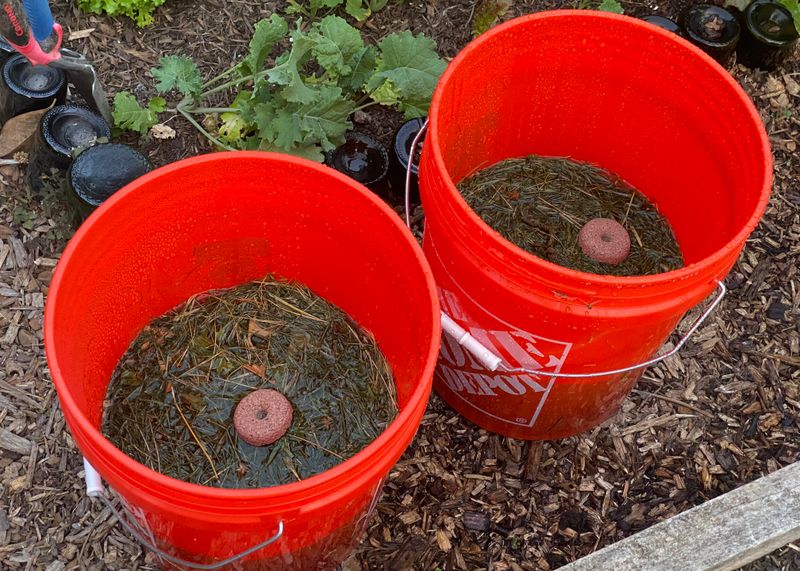
Mosquito dunks are one of the most practical tools available for these situations. They contain Bacillus thuringiensis israelensis, commonly called Bti, which is a naturally occurring soil bacterium that targets mosquito larvae specifically.
Bti does not harm people, pets, birds, or beneficial insects like bees when used as directed, which makes it a reasonable option for yards where you want to manage mosquito breeding without broad chemical exposure.
Dunks are designed to float on the water surface and slowly release Bti over about 30 days.
Dropping one into a rain barrel, a decorative pond without fish, or a low drainage area that stays wet after rain is a straightforward way to interrupt the breeding cycle in spots you cannot fully control.
Smaller granular Bti products are also available and work well for areas where a floating dunk is awkward to use.
Timing matters with larvicides. Applying them before or immediately after rain events, when water is likely to pool, gets ahead of the breeding cycle rather than reacting to it after adults are already emerging.
In Florida’s rainy season, that means checking and reapplying regularly throughout the summer rather than treating once and forgetting about it.
Larvicides work best as part of a broader yard management approach, not as a standalone fix. Removing and draining water wherever possible should always come first.
Larvicides fill in the gaps where elimination is not realistic, giving you an extra layer of control in the areas that would otherwise be difficult to manage.
6. Screens And Patio Gaps Let Mosquitoes In

Screened porches and lanais are one of the best features a Florida home can have. They extend your living space outdoors while keeping bugs at bay, and on a summer evening, a well-maintained screen enclosure makes the difference between enjoying the yard and retreating inside.
The catch is that the screen only works when it is actually intact.
Tears, holes, and gaps in porch screening are far more common than most people realize.
A small rip near the bottom of a panel, a loose corner where the spline has popped out, or a gap where the screen meets the door frame are all entry points that mosquitoes will find and use.
They do not need much space. A gap the width of a pencil is enough for mosquitoes to move through freely on a warm evening.
Inspecting screens at the start of summer and after any major storm is a smart seasonal habit. Walk the perimeter of the enclosure and look closely at the lower panels, the corners, the door seals, and anywhere the screen attaches to the frame.
Patching small holes with screen repair tape or a patch kit is a quick fix that costs almost nothing and makes a noticeable difference.
Door seals deserve specific attention. Porch doors that do not close flush or have worn weatherstripping along the bottom leave a gap that mosquitoes can easily enter through.
Replacing the seal on a poorly fitting door is a simple repair that keeps the enclosure functioning the way it is supposed to.
For open patios without full enclosures, adding a ceiling fan is a practical option. Mosquitoes are weak fliers, and consistent airflow from a fan makes it much harder for them to land and bite.
It is not a replacement for source reduction, but it adds meaningful comfort during peak mosquito hours in the evening.
7. Repellent Still Matters In Peak Summer

Even a yard managed with every strategy on this list will still have some mosquito activity during Florida’s peak summer months. After a heavy rainstorm, at dusk, or during periods when neighboring properties are not as well maintained, mosquito pressure can spike quickly.
Personal repellent is the last practical line of defense when conditions get bad and you still want to be outside.
EPA-registered repellents containing DEET, picaridin, or oil of lemon eucalyptus are the options consistently supported by public health guidance in Florida.
DEET has been the standard for decades and remains highly effective at concentrations between 20 and 30 percent for most outdoor activities.
Picaridin is a good alternative for people who prefer something that feels lighter on the skin and has no plastic-dissolving properties.
Oil of lemon eucalyptus is a plant-based option that has shown solid performance in independent testing, though it is not recommended for children under three years old.
Timing matters as much as the product you choose. Mosquito activity in Florida peaks in the hour or two after sunset and again in the early morning.
Planning outdoor activities around midday when possible reduces exposure significantly.
That said, Florida in summer does not always cooperate with ideal timing, so having repellent on hand and actually using it is a more reliable strategy than hoping to avoid the worst hours.
Clothing plays a role too. Loose, light-colored long sleeves and pants reduce the amount of exposed skin without adding much heat discomfort.
Treating clothing with permethrin adds another layer of protection that lasts through multiple washes and works well for people who spend extended time outdoors in the evening.
Managing a Florida yard well through summer is genuinely achievable. The approach that works is consistent, layered, and realistic, not dependent on any single product or shortcut.