Should You Fertilize Your Pennsylvania Lawn In March
Is March the right time to start fertilizing your Pennsylvania lawn, or should you hold off a little longer? With winter’s chill finally starting to fade, many homeowners feel the urge to get their lawn back to life.
The temptation to feed it with fertilizer is strong, but timing is everything when it comes to lawn care. Apply fertilizer too early, and it could encourage growth that doesn’t stand up to late frosts or the erratic spring weather.
The best approach is to wait until the soil has warmed up enough for grass to start actively growing.
Fertilizing too soon can lead to wasted nutrients and stressed grass, while waiting until the right moment gives your lawn the boost it needs for the upcoming growing season.
Understanding when and how to fertilize your lawn in Pennsylvania can make all the difference. With the right timing, you can ensure a healthy, lush lawn that’s ready to thrive through the year.
The Importance Of Fertilizing Your Lawn In Pennsylvania
Early spring is like a fresh start for your Pennsylvania lawn. After months of cold temperatures and dormancy, your grass is ready to grow again.
The care you give your lawn in early spring sets the tone for how healthy it looks all year long.
March is a turning point for Pennsylvania homeowners. The ground begins to thaw, and cool-season grasses like fescue and ryegrass start pushing out new growth. This is the window where your lawn decisions really matter.
Fertilizing at the right time gives your grass the nutrients it needs to grow thick and strong. But fertilizing too early can waste money and even send nutrients washing into local streams and rivers.
Pennsylvania is home to beautiful waterways, and protecting them is just as important as growing a great lawn.
Fertilizing too late in spring can also cause problems. If you miss the ideal window, your grass may struggle to compete with weeds or recover from winter stress. Timing is everything when it comes to lawn care in Pennsylvania.
Many homeowners in Pennsylvania make the mistake of fertilizing the moment they see green grass. However, visible growth does not always mean the lawn is ready for fertilizer. Soil temperature is the real indicator of readiness.
Think of your lawn like a garden. You would not plant tomatoes in frozen soil, and the same logic applies to fertilizing your grass.
Giving your Pennsylvania lawn the right care at the right time leads to a healthier, greener yard that you can enjoy all summer long.
When Is The Right Time To Fertilize Your Lawn In Pennsylvania?
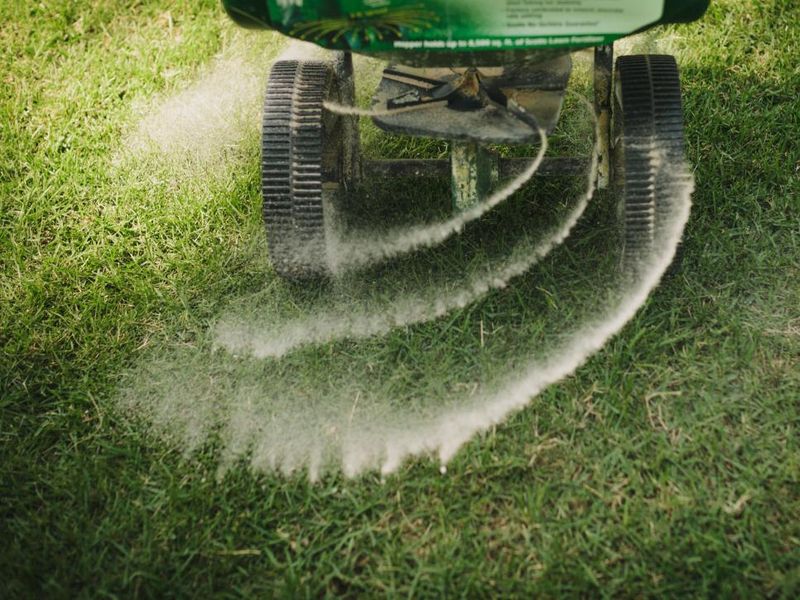
Soil temperature is the most important factor when deciding whether to fertilize your Pennsylvania lawn in March. Most lawn care experts recommend waiting until soil temperatures consistently reach at least 55 degrees Fahrenheit before applying any fertilizer.
In Pennsylvania, that usually happens in April, though some northern areas of the state may not hit that mark until early May.
You can check your soil temperature using an inexpensive soil thermometer, which you can find at most garden centers. Simply insert it a few inches into the ground and take a reading in the morning. If it reads below 55 degrees, hold off on fertilizing.
Your Pennsylvania Garden Changes Every Week. Your Plan Should Too.
Gardening in Pennsylvania changes quickly throughout the season. Every Friday you’ll receive a simple weekly plan showing exactly what to plant, prune, fertilize, harvest, and protect so you never miss the right timing.
One of the most common mistakes Pennsylvania homeowners make is fertilizing too early. When soil is still cold, grass roots are not actively growing and cannot absorb nutrients efficiently.
The fertilizer just sits there, and rain can wash it into storm drains and local rivers before the grass ever benefits from it.
Pennsylvania’s Fertilizer Law also restricts how much nitrogen you can apply between December 15 and March 1, capping it at 0.5 pounds of total nitrogen per 1,000 square feet per application. Knowing the rules protects both your lawn and the environment.
If you are eager to get started in early spring, consider applying a very light feeding of 0.5 to 1.0 pounds of nitrogen per 1,000 square feet. This supports a healthy green color without pushing too much top growth too fast.
Patience pays off with lawn care. Waiting for the right soil temperature in Pennsylvania means your fertilizer actually works the way it should.
Why March Fertilization May Not Be Necessary For Every Lawn?
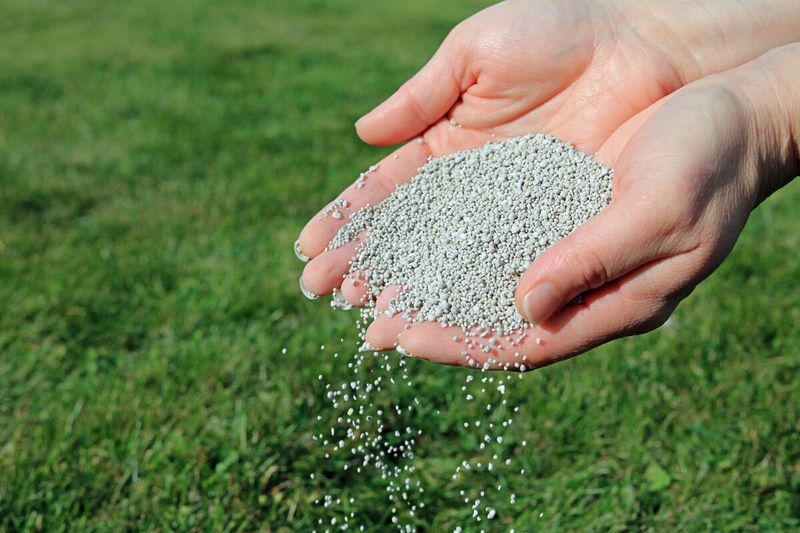
Not every Pennsylvania lawn needs fertilizer in March, and knowing your grass type makes a big difference. Cool-season grasses like tall fescue, fine fescue, and perennial ryegrass are the most common types found across Pennsylvania.
These grasses grow best in cooler temperatures and can benefit from a light early spring feeding when conditions are right.
Warm-season grasses like Bermuda grass and zoysia are less common in Pennsylvania, but some homeowners in the southern parts of the state do have them.
These grasses go dormant in cold weather and should not be fertilized until late spring or early summer when they are actively growing. Feeding them in March is a waste of fertilizer and can actually stress the grass.
Even if you have cool-season grass, your lawn may not need fertilizer in March at all. Lawns that were well-fertilized in the fall often have plenty of nutrients stored in the soil.
Applying more fertilizer on top of an already healthy lawn can lead to excessive top growth, which makes mowing more frequent and can weaken root development.
A soil test is the smartest way to know what your lawn actually needs. Pennsylvania State University Extension offers affordable soil testing services that tell you exactly which nutrients are lacking. This removes the guesswork and saves you money.
Some lawns in Pennsylvania also have compact or clay-heavy soil that holds nutrients well through winter. In those cases, skipping March fertilization and focusing on other lawn care tasks is the smarter move for long-term grass health.
Types Of Fertilizer And How To Choose The Right One
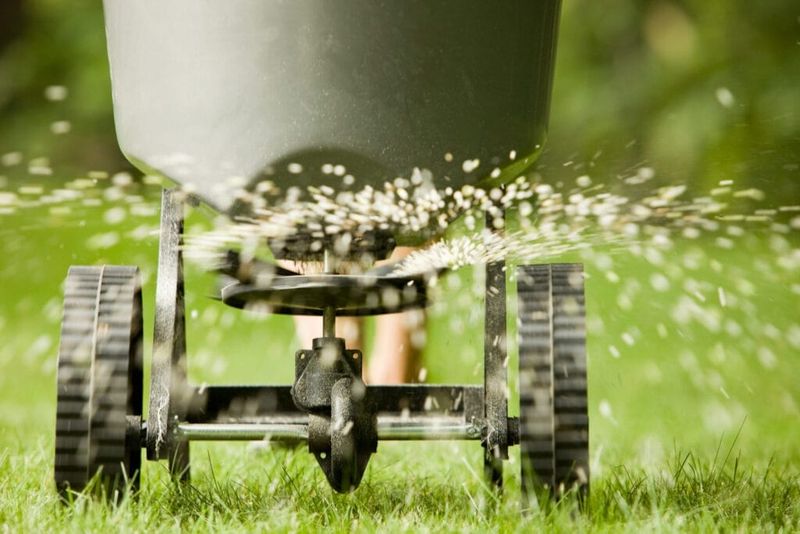
Walking down the fertilizer aisle at your local Pennsylvania garden center can feel overwhelming. There are dozens of options, and the bags are covered in numbers and terms that can be confusing.
Understanding the basics makes choosing the right fertilizer much easier. Every fertilizer bag shows three numbers called the NPK ratio. These numbers represent nitrogen, phosphorus, and potassium.
Nitrogen promotes leafy green growth, phosphorus supports root development, and potassium helps the grass resist stress. A balanced fertilizer like a 10-10-10 or a nitrogen-heavy formula like 30-0-4 is common for spring lawn feeding in Pennsylvania.
Slow-release fertilizers are a popular choice for Pennsylvania homeowners because they feed the lawn gradually over several weeks.
This reduces the risk of burning the grass and minimizes nutrient runoff into local waterways. Slow-release options are especially helpful in early spring when rain is frequent.
Organic fertilizers, made from natural materials like composted manure or bone meal, are another great option. They improve soil structure over time and are gentler on the environment.
The trade-off is that they work more slowly than synthetic options, which may not give you that quick green boost in early spring.
Synthetic fertilizers act faster and are more concentrated, making them useful if your lawn is visibly pale or thin after winter. Just be careful not to over-apply, as too much nitrogen can scorch grass blades and create runoff problems in Pennsylvania’s rivers and streams.
Always read the fertilizer label before buying. Match the product to your grass type, soil test results, and the current season for the best outcome.
How To Apply Fertilizer Correctly In March?
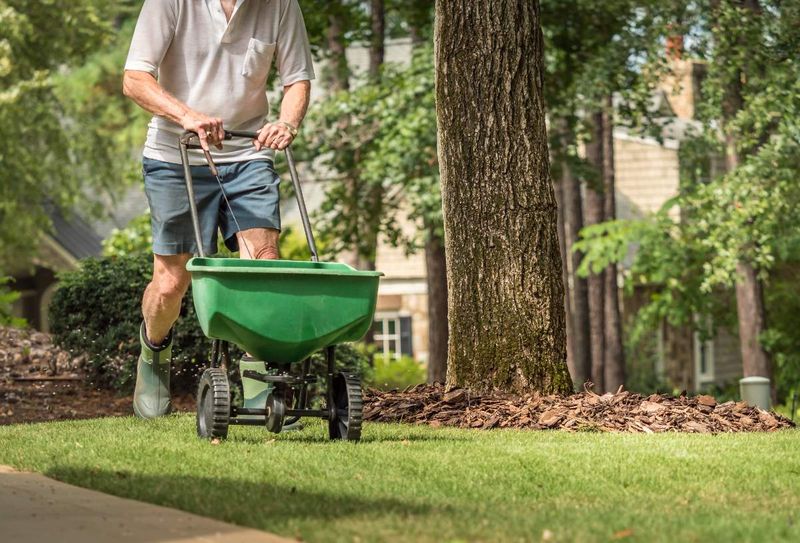
Applying fertilizer the right way is just as important as choosing the right product. Even the best fertilizer will not help your Pennsylvania lawn if it is spread unevenly or applied at the wrong time of day. A few simple steps can make a huge difference in your results.
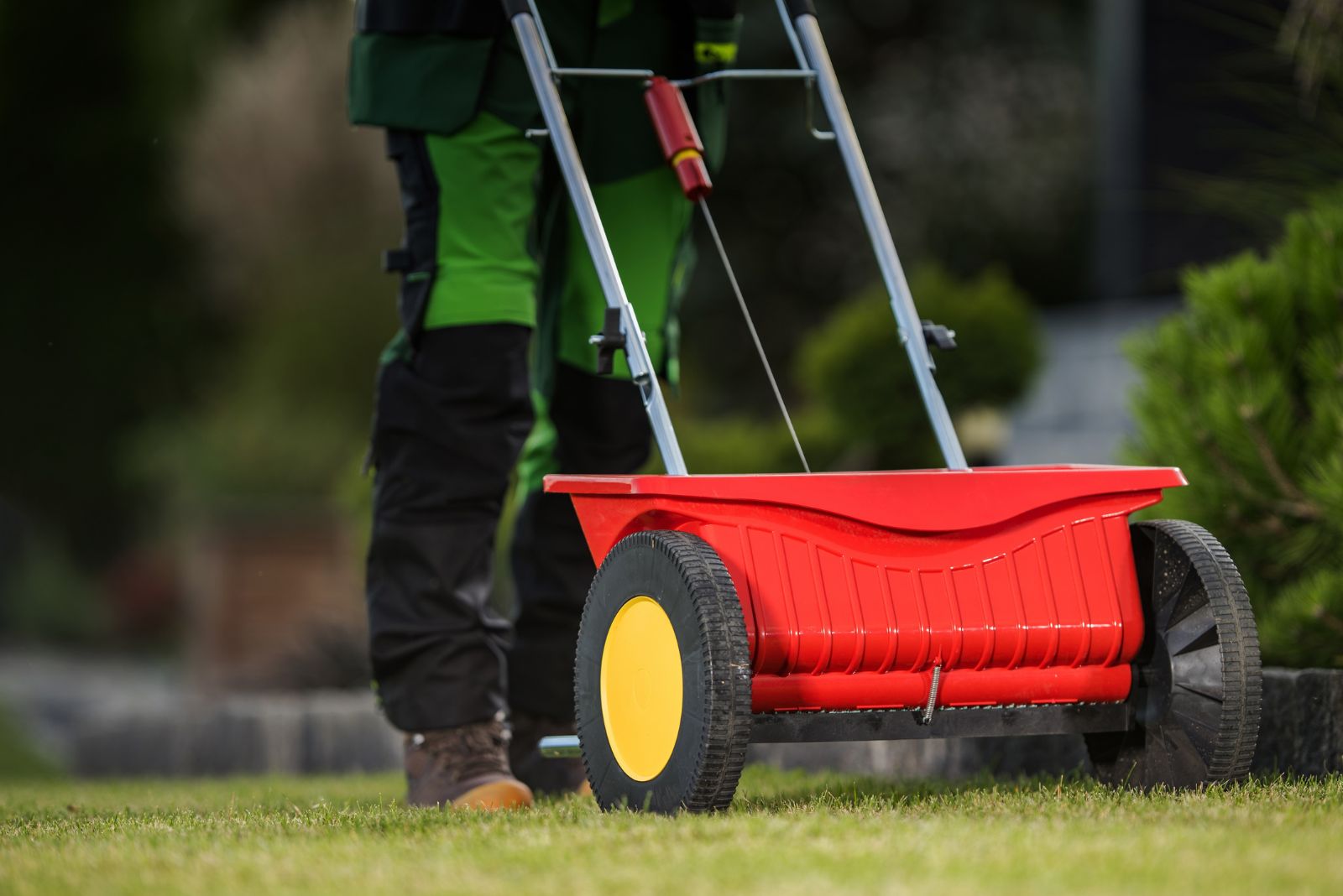
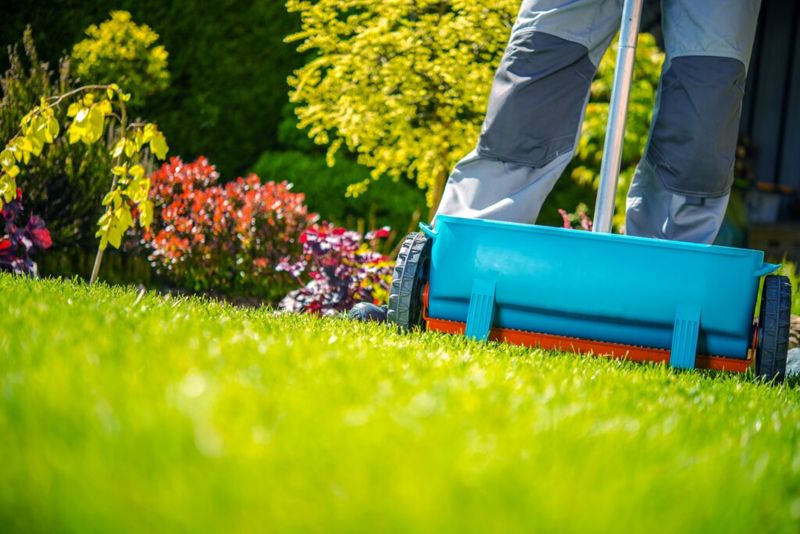
Using a broadcast spreader is the most effective way to apply granular fertilizer evenly across your lawn. Handheld spreaders work for small areas, while walk-behind broadcast spreaders are better for larger Pennsylvania yards.
Always calibrate your spreader according to the product instructions so you apply the correct amount.
Overlap your passes slightly as you walk across the lawn. This prevents missed strips where the grass may stay pale while the rest turns green.
Work in one direction first, then go back across in a perpendicular direction for the most even coverage.
Watering your lawn after applying fertilizer is a must. A light watering helps the granules dissolve and pushes the nutrients down into the soil where the roots can absorb them.
Aim for about a quarter inch of water, either from irrigation or natural rainfall.
Avoid fertilizing right before a heavy rainstorm is expected. In Pennsylvania, spring rain can be intense, and heavy downpours can wash freshly applied fertilizer off your lawn and into storm drains or nearby streams before the grass has a chance to use it.
Morning is the best time to fertilize, as cooler temperatures reduce evaporation and stress on the grass.
Avoid fertilizing in the middle of a hot, sunny day, especially if the ground is dry. Taking these simple steps leads to a healthier, more vibrant Pennsylvania lawn.
Alternatives To Fertilizing In March (Other Lawn Care Tips)
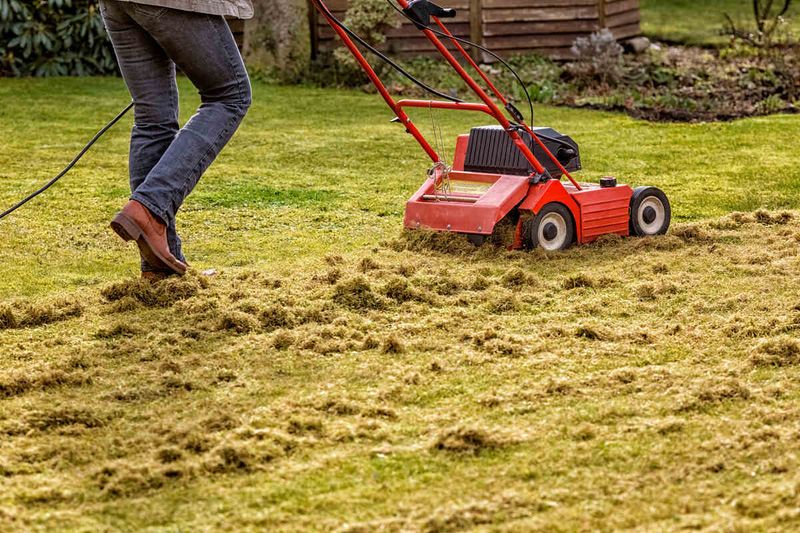
Fertilizing is not the only way to give your Pennsylvania lawn a strong start in March. In fact, some of the best things you can do for your lawn this time of year do not involve fertilizer at all.
Early spring is a great time to focus on improving soil health and preparing your grass for the growing season ahead.
Aeration is one of the most beneficial things you can do for a Pennsylvania lawn in early spring. Core aeration removes small plugs of soil from the ground, which reduces compaction and allows air, water, and nutrients to reach the roots more easily.
This is especially helpful for lawns with heavy clay soil, which is common in many parts of Pennsylvania.
Dethatching is another smart March task. Thatch is the layer of dry grass, roots, and organic material that builds up between the soil surface and the living grass blades.
A thin layer of thatch is fine, but too much blocks water and nutrients from reaching the roots. A dethatching rake or machine can clear it out quickly.
Applying a thin layer of compost over your lawn in March is a natural way to improve soil quality without over-fertilizing. Compost adds beneficial microorganisms and organic matter that help roots grow deeper and stronger throughout the season.
Overseeding thin or bare patches in your Pennsylvania lawn during March gives cool-season grass seeds time to germinate before summer heat arrives. Pair overseeding with light watering and your lawn will fill in beautifully by late spring.
Taking these steps in March sets up your Pennsylvania lawn for a successful growing season without the risk of over-fertilizing or harming the local environment.