The Most Overplanted Pennsylvania Shrubs (And Better Low-Maintenance Swaps)
In Pennsylvania, certain shrubs seem to pop up everywhere – front yards, commercial landscapes, and even parks. While these plants are popular for a reason, they can start to feel a bit overdone after a while.
And as lovely as they are, many of these overplanted shrubs come with high maintenance demands, making them less than ideal for homeowners looking for something simpler. Between constant pruning, pests, and the effort to keep them looking their best, these shrubs can become a lot of work.
But what if there were equally beautiful, low-maintenance alternatives that still fit the look you want? The good news is that there are plenty of underrated shrubs that thrive in Pennsylvania’s climate and require far less upkeep.
These options will still bring vibrant color, texture, and interest to your yard but without the constant fuss. If you’re ready to break free from the overplanted norm, it’s time to consider some smarter, easier swaps.
1. Barberry
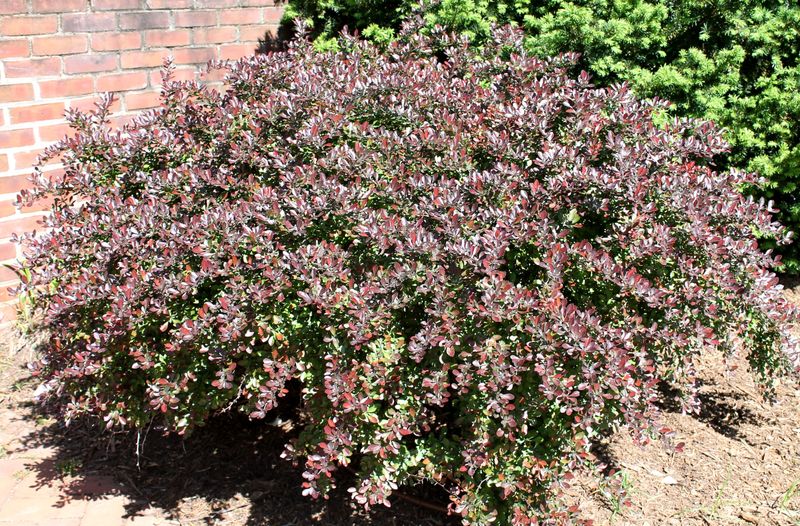
You have probably seen barberry planted in front of almost every other house across Pennsylvania. Its bold red leaves and compact shape make it look like a landscaping dream. But underneath that pretty exterior is a real problem waiting to spread.
Japanese barberry is listed as an invasive species by the Pennsylvania Department of Conservation and Natural Resources (DCNR). Birds eat its berries and drop the seeds far and wide, allowing the plant to take over forest edges, meadows, and natural areas across the state.
Once it gets established in the wild, it is incredibly hard to remove. It also creates thick, thorny thickets that can shelter ticks, which is a serious health concern for people and pets in Pennsylvania.
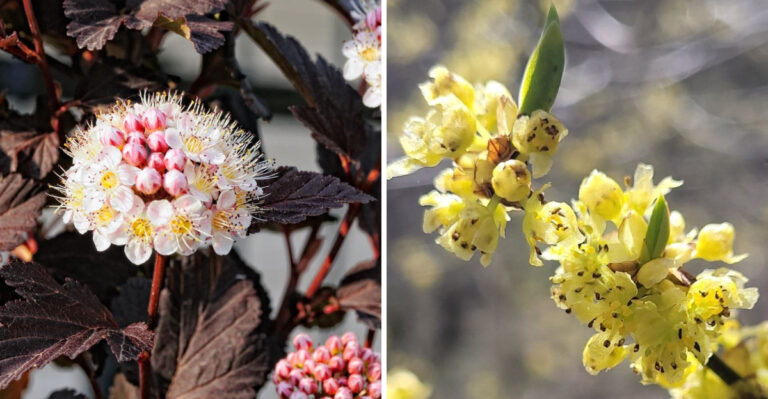
The good news is that ninebark (Physocarpus opulifolius) is a fantastic native swap. Ninebark grows naturally throughout Pennsylvania and offers gorgeous foliage that ranges from deep burgundy to bright lime green depending on the variety.
It produces clusters of white or pink flowers in late spring that pollinators absolutely love. After the flowers fade, reddish seed pods add another layer of visual interest through summer and fall.
Ninebark is tough, adaptable, and handles both wet and dry soils without much fuss. It rarely needs pruning and bounces back quickly after hard winters.
If you want a shrub that looks bold, supports local wildlife, and stays where you plant it, ninebark is the clear winner over barberry every single time.
2. Japanese Spirea
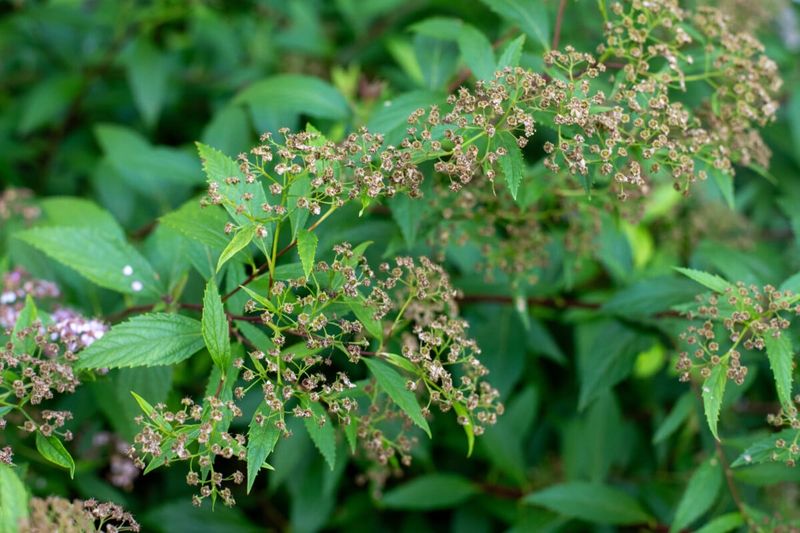
Japanese spirea has earned a loyal fanbase among Pennsylvania gardeners for decades. It is cheap, cheerful, and blooms reliably every summer with fluffy pink or white flower clusters.
Many people plant it without thinking twice. But that carefree reputation hides a growing ecological problem.
According to the Pennsylvania DCNR, Japanese spirea spreads aggressively along roadsides, stream banks, and open woodlands throughout the state. Its seeds travel easily by wind and water, making it one of the more quietly invasive shrubs in Pennsylvania landscapes.
Over time, large patches of spirea can crowd out native wildflowers and shrubs that local insects and birds depend on for food and shelter. What looks tidy in your yard can become a real headache for natural areas just down the road.
Your Pennsylvania Garden Changes Every Week. Your Plan Should Too.
Gardening in Pennsylvania changes quickly throughout the season. Every Friday you’ll receive a simple weekly plan showing exactly what to plant, prune, fertilize, harvest, and protect so you never miss the right timing.
Nannyberry (Viburnum lentago) is a native shrub that makes an excellent replacement. It is naturally found across Pennsylvania and grows well in a wide range of soil types and light conditions.
In spring, nannyberry bursts into bloom with flat-topped clusters of small white flowers that attract bees and butterflies by the dozens. By fall, those flowers turn into clusters of dark blue-black berries that birds love to snack on before winter arrives.
The leaves also put on a stunning red and purple show in autumn, giving your yard a pop of seasonal color. Nannyberry requires very little maintenance once established, making it a truly low-effort swap that gives back to Pennsylvania’s natural ecosystems in a meaningful way.
3. Privet
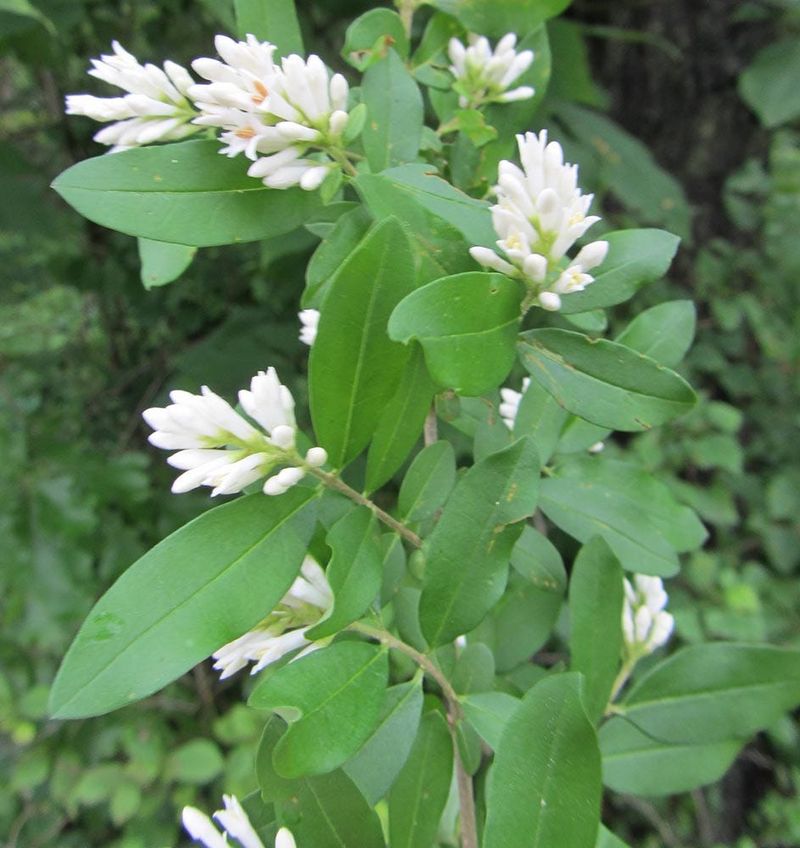
Privet hedges have been a go-to choice for Pennsylvania homeowners who want fast-growing privacy screens. They shoot up quickly, stay dense, and can be clipped into tidy shapes with ease.
For a long time, that made privet feel like the perfect low-cost landscaping solution. The reality is a lot less tidy, though. Privet is considered highly invasive across much of Pennsylvania.
It leafs out early in spring and holds its leaves late into fall, giving it a major advantage over native plants that cannot compete with its aggressive growth. Privet spreads rapidly through bird-dispersed seeds and can take over forest understories, stream corridors, and open fields.
Once established in natural areas, removing it is a serious and costly effort. The Pennsylvania DCNR strongly discourages planting privet for exactly these reasons.
American holly (Ilex opaca) is a native evergreen that makes a much smarter choice for Pennsylvania yards. It naturally grows throughout the state and provides dense, year-round screening without any of the invasive baggage.
The deep green, spiny leaves stay on the plant all winter, and female plants produce bright red berries that wildlife, especially birds, rely on during the coldest months.
American holly is slow-growing compared to privet, but that also means it needs far less pruning once it reaches the size you want.
It thrives in Pennsylvania’s acidic soils and handles both sun and partial shade without complaint. Plant it once and enjoy it for decades with minimal effort.
4. Burning Bush
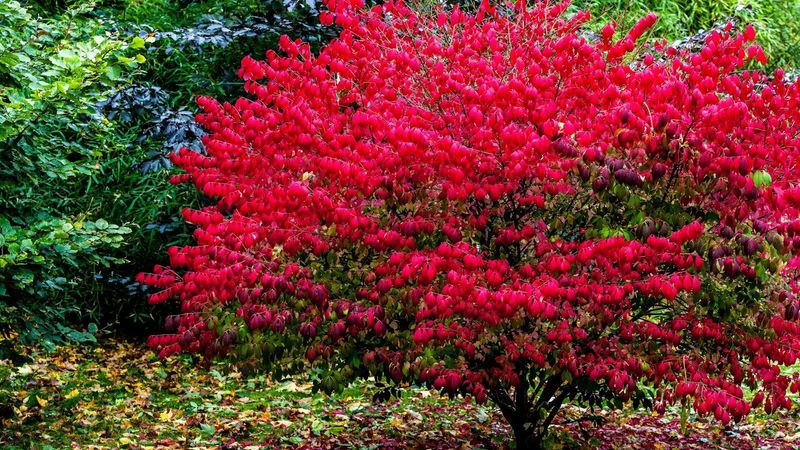
Few shrubs put on a fall show quite like burning bush. When October arrives in Pennsylvania, those leaves turn a jaw-dropping shade of fire-engine red that stops people in their tracks.
It is easy to understand why this shrub became one of the most popular landscape plants in the entire state.
Burning bush is invasive in Pennsylvania, and the DCNR has flagged it as a significant ecological threat. Birds spread its seeds into forests, meadows, and stream banks, where it forms dense thickets that squeeze out native vegetation.
Its early leafing habit gives it an edge over native plants competing for sunlight in woodland areas. Despite some nurseries selling so-called compacta varieties labeled as less invasive, research suggests these still spread in the wild.
Many states have already banned its sale entirely, and Pennsylvania gardeners are increasingly being encouraged to remove it from their yards.
Red-twig dogwood (Cornus sericea) is a stunning native alternative that brings year-round drama to Pennsylvania gardens. In winter, its bare stems glow bright red or orange against snow, creating a striking visual display when most other plants look dull and grey.
Come spring, clusters of small white flowers appear and attract pollinators, followed by white or bluish berries that birds love. In fall, the leaves turn a warm reddish-purple before dropping.
Red-twig dogwood thrives in Pennsylvania’s moist soils and tolerates both full sun and partial shade. It spreads naturally through root suckers, making it great for stabilizing stream banks and wet areas with zero extra effort on your part.
5. Lilac
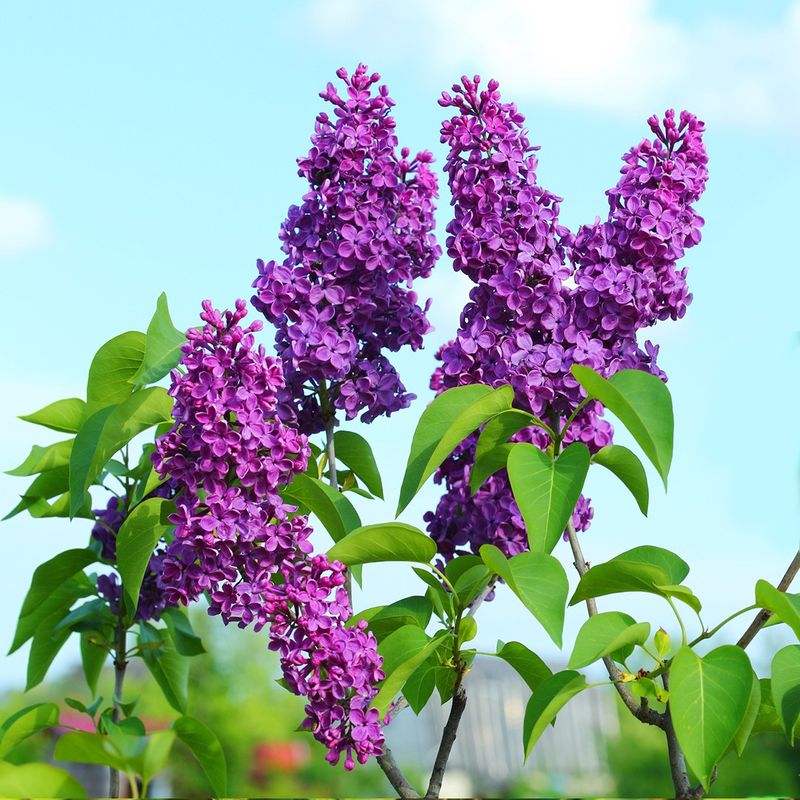
Ask anyone who grew up in Pennsylvania about their favorite spring memory, and there is a good chance lilacs are somewhere in that story.
The scent of lilac blooms drifting through an open window on a warm May morning is practically a rite of passage in this part of the country. It is a beloved plant with deep roots in the region’s gardening culture.
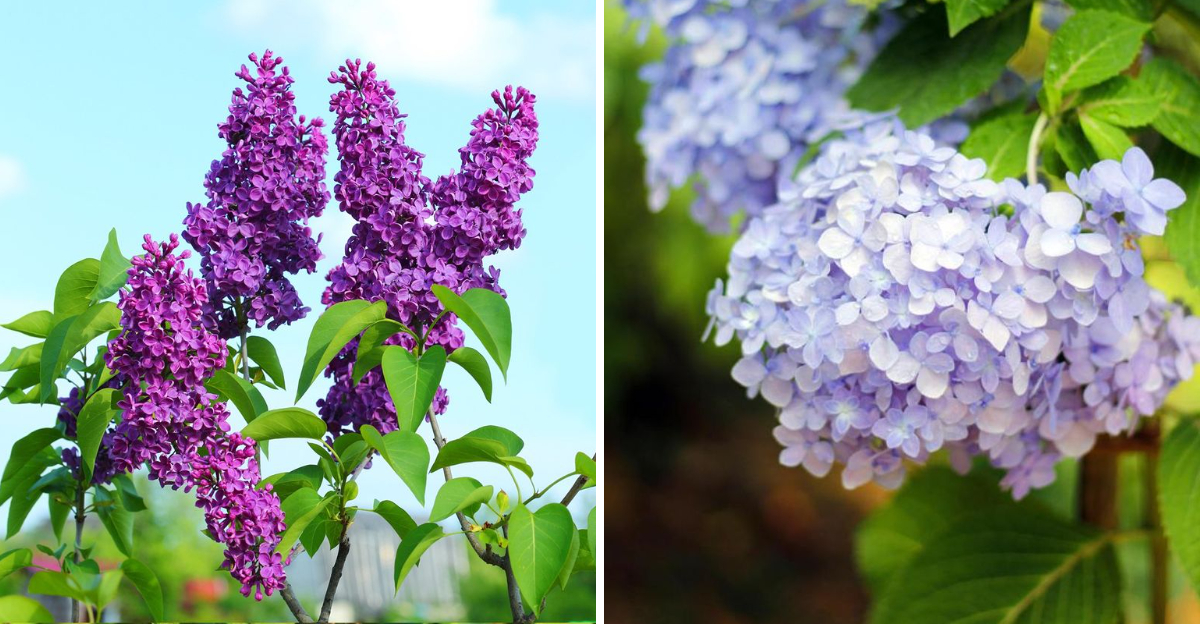
Older lilac varieties, however, can be surprisingly high-maintenance. They are prone to powdery mildew, a fungal disease that coats the leaves in a white, chalky film by midsummer.
Many older cultivars also bloom for only a short window and spend the rest of the growing season looking dull and uninteresting. They need regular pruning to stay productive, and without it, they become leggy, overgrown, and stingy with flowers.
For Pennsylvania gardeners looking to reduce yard work, old-fashioned lilacs can turn into more trouble than they are worth.
Serviceberry (Amelanchier spp.) is a native alternative that brings beauty to Pennsylvania landscapes across multiple seasons without the fuss. It blooms in very early spring with delicate white flowers, often before most other shrubs have even started to bud out.
By early summer, it produces small, sweet berries that taste similar to blueberries and attract birds, squirrels, and other wildlife. Fall brings another round of color as the leaves shift through shades of orange, red, and gold.
Serviceberry handles Pennsylvania’s varied soil types well, grows in sun or partial shade, and rarely needs pruning. It is genuinely one of the most rewarding native shrubs you can plant anywhere in the state.
6. Hydrangea
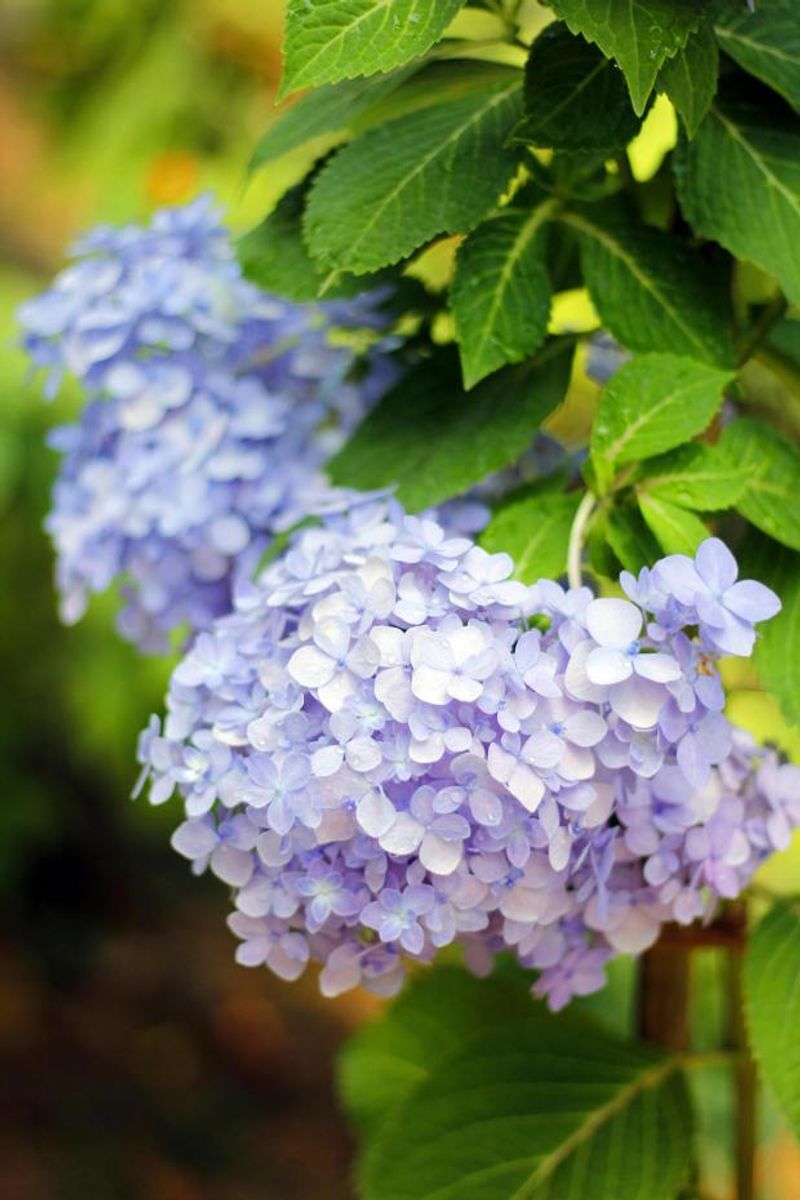
Bigleaf hydrangea, the classic mophead type with giant blue or pink blooms, is arguably the most photographed shrub in Pennsylvania gardens every summer.
People plan entire garden color schemes around it. Garden centers can barely keep it in stock during the spring planting rush.
For all its good looks, bigleaf hydrangea can be genuinely frustrating to grow in Pennsylvania. It is extremely sensitive to late spring frosts, which are common across much of the state, and a single cold snap can wipe out an entire season of blooms on older varieties.
It demands consistent moisture and can wilt dramatically during summer dry spells. Many gardeners also struggle with figuring out when and how to prune it correctly, since pruning at the wrong time removes next year’s flower buds entirely.
Add in its susceptibility to fungal diseases in humid Pennsylvania summers, and this shrub starts to feel like a part-time job.
Oakleaf hydrangea (Hydrangea quercifolia) is a native species that sidesteps most of those headaches entirely.
Native to the southeastern United States and well-adapted to Pennsylvania’s conditions, oakleaf hydrangea produces long, cone-shaped white flower clusters that age to a soft pinkish-tan as summer progresses.
Its large, deeply lobed leaves turn shades of burgundy and orange in fall, and the peeling cinnamon-colored bark adds winter interest when the plant is bare. It tolerates drought, shade, and a range of soil conditions far better than its bigleaf cousin.
Once established in a Pennsylvania garden, oakleaf hydrangea practically takes care of itself, blooming reliably year after year with very little intervention needed.
7. Rhododendron
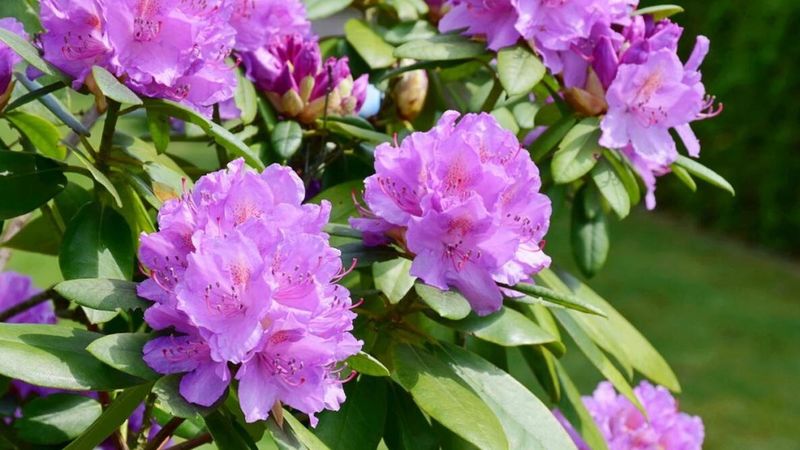
Rhododendrons are practically everywhere in Pennsylvania landscapes, and it is not hard to see why. Those massive clusters of pink, purple, or white blooms in late spring are genuinely breathtaking.
Many Pennsylvania homeowners plant them along shaded foundations or woodland garden edges expecting a carefree, long-lived shrub.
Reality sometimes tells a different story. Many commonly sold rhododendron varieties are not perfectly suited to Pennsylvania’s varied growing conditions.
They are highly prone to root rot when planted in poorly drained soil, which is a common issue across much of the state. Phytophthora, a water mold that attacks the root system, is one of the leading reasons rhododendrons decline and struggle in Pennsylvania yards.
They also need very specific soil pH levels to stay healthy, and without regular soil amendments, their leaves can turn yellow and the plants grow weak over time. Keeping them looking their best often requires more attention than most homeowners expect.
Mountain laurel (Kalmia latifolia) is a far more sensible choice for Pennsylvania gardens, and it happens to be the official state flower.
It grows naturally across Pennsylvania’s forests and hillsides, which means it is perfectly adapted to the state’s acidic, well-drained soils and variable weather patterns.
Mountain laurel produces intricate, cup-shaped flowers in shades of white, pink, and deep rose every spring, and the display is just as impressive as any rhododendron. Its evergreen leaves stay glossy and attractive year-round, providing structure in the garden even through winter.
Once established, mountain laurel needs almost no supplemental watering, fertilizing, or special soil treatments, making it one of Pennsylvania’s most rewarding low-maintenance shrubs.