The Common Mistakes California Gardeners Make With Fig Trees
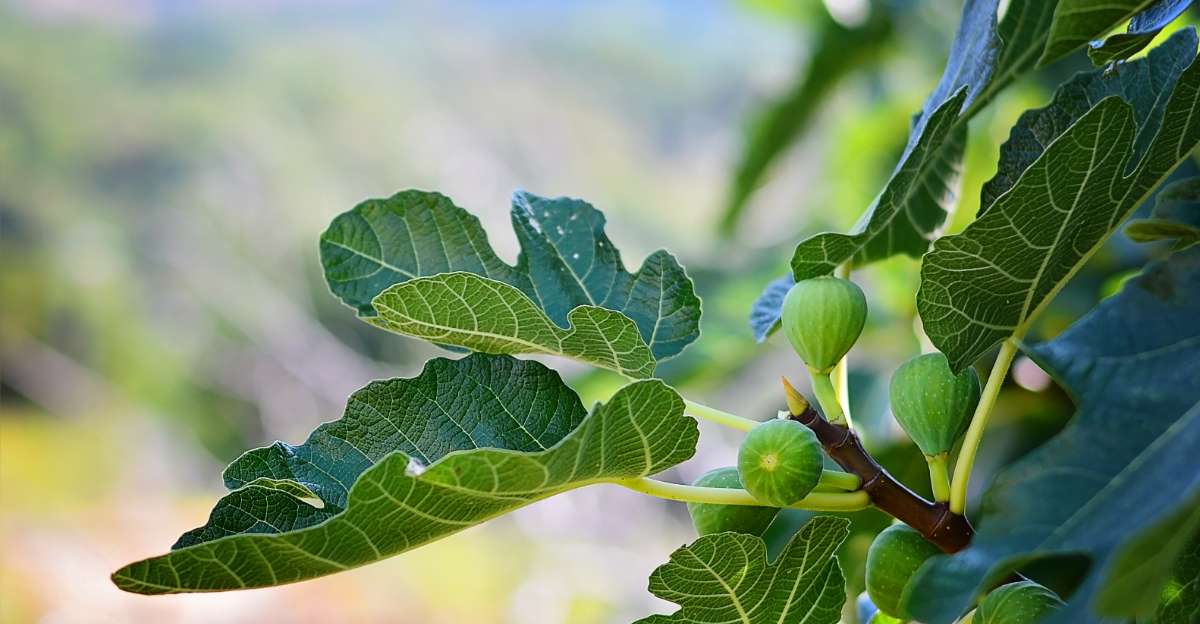
Growing a fig tree in California feels like a cheat code for gardening because they love our Mediterranean climate so much.
You’d think they’d be impossible to mess up, but even the sunniest Fresno backyard or coastal Getty-style garden can host a struggling tree.
Most people assume these ancient plants are totally hands-off once they hit the soil. In reality, a few simple blunders can turn your dream of endless snacks into a season of woody, tasteless fruit or a tree that tries to eat your house.
California gardeners often get a bit too excited with the hose or way too aggressive with the shears at the wrong time.
If you want those syrupy, jam-filled fruits instead of a massive leafy umbrella that never produces, you need to avoid these local pitfalls.
1. Pruning Too Much Or Too Early
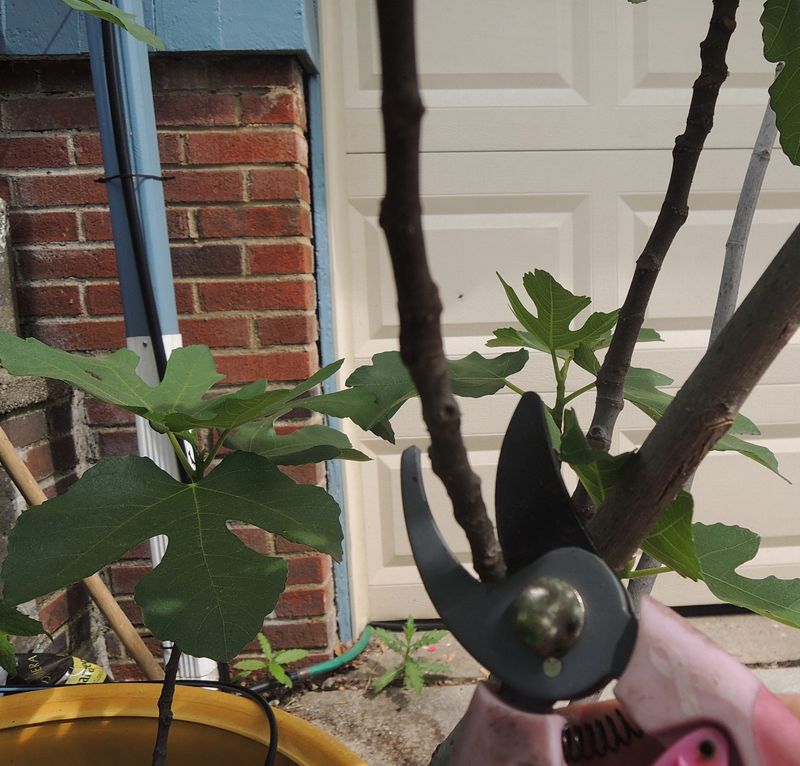
Grab your pruning shears carefully, because the way you cut your fig tree can make a huge difference in how well it grows. Many California gardeners get a little too enthusiastic with their pruning, and that eagerness can backfire fast.
Cutting too many branches at once stresses the tree and reduces the number of fruiting spots available for the next season.
Timing matters just as much as technique. Pruning too early, before the tree has fully entered dormancy, can expose fresh cuts to cold temperatures.
In Northern California, where winter nights can dip unexpectedly, this can cause real damage to new growth. The best time to prune is in late winter, just before new growth starts to appear.
When you do prune, focus on removing dead wood, crossing branches, and anything that blocks good airflow through the canopy. Avoid removing more than one-third of the tree at a time.
Light, strategic pruning encourages stronger growth and better fruit production. Think of it less like a dramatic haircut and more like a careful trim.
Your fig tree will thank you with a fuller canopy and a more generous harvest come summer.
2. Overwatering Or Underwatering
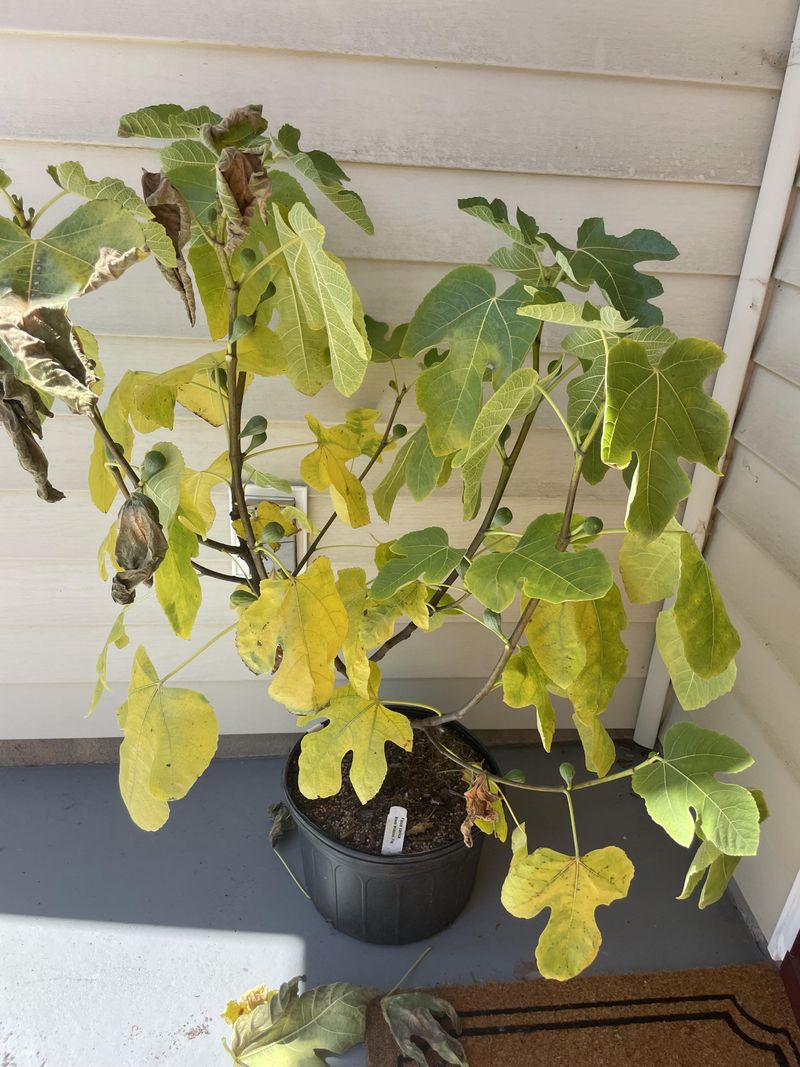
Water is life for any plant, but with fig trees, the balance really matters. Overwatering is one of the most frequent mistakes made by California gardeners, especially those new to growing fruit trees.
When the roots sit in soggy soil for too long, they become starved of oxygen and begin to rot. That leads to yellowing leaves, poor fruit set, and a generally unhappy tree.
On the flip side, underwatering during California’s long, dry summers can cause figs to drop before they ripen. The fruit needs consistent moisture during the growing season to develop properly.
A good rule of thumb is to water deeply once or twice a week during hot months, then back off significantly in fall and winter when the tree goes dormant.
Checking the soil before watering is a smart habit to build. Stick your finger about two inches into the ground near the base of the tree.
If it still feels moist, hold off on watering. Using a drip irrigation system can help take the guesswork out of the process.
Your California Garden Changes Every Week. Your Plan Should Too.
Gardening in California changes quickly throughout the season. Every Friday you’ll receive a simple weekly plan showing exactly what to plant, prune, fertilize, harvest, and protect so you never miss the right timing.
Consistent, deep watering encourages the roots to grow downward, making your fig tree stronger and more resilient over time.
3. Planting In The Wrong Spot
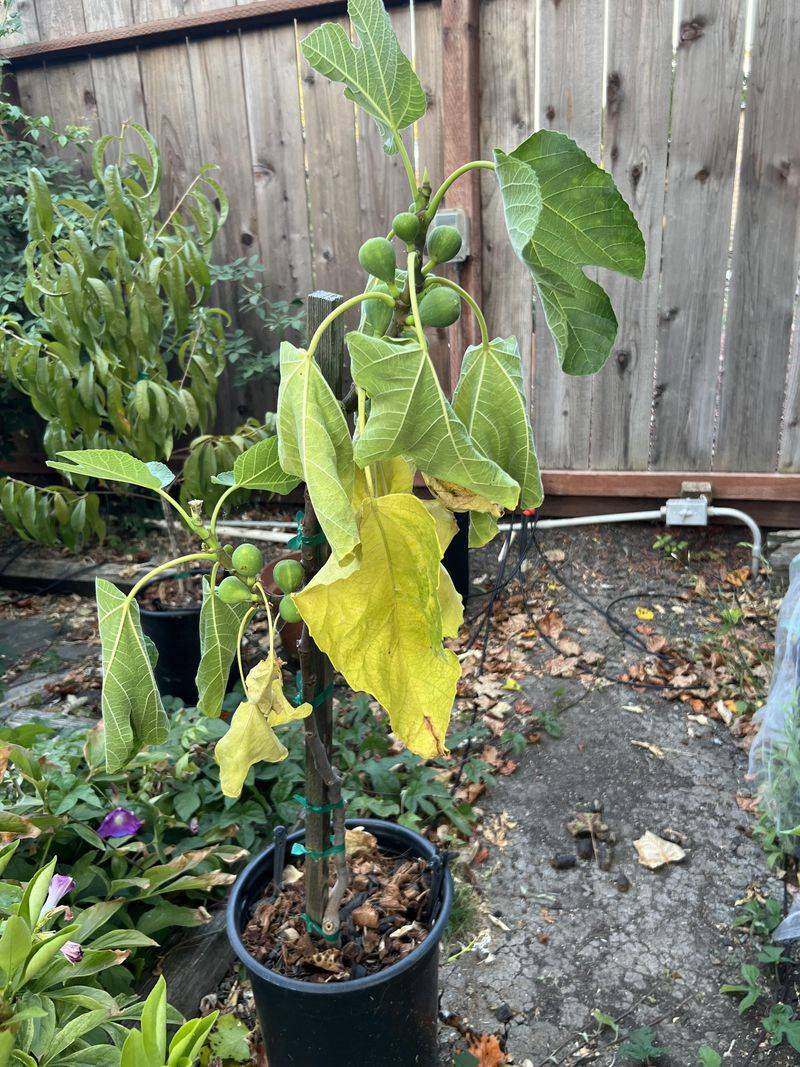
Location is everything when it comes to fig trees, and getting it wrong from the start can set you back by years. California has plenty of sunshine, but not every corner of your yard gets equal amounts of it.
Fig trees need at least six to eight hours of direct sunlight every day to produce a good crop. Plant one in a shady spot, and you will likely end up with lots of leafy growth but very little fruit.
Soil drainage is another big factor that gets overlooked. Fig trees do not like wet feet.
Planting in low-lying areas or spots where water collects after rain can lead to root rot over time. Raised beds or slightly elevated ground works much better.
In coastal California regions, strong ocean winds can also damage young trees, so choosing a spot with some natural wind protection helps a lot.
Before you plant, take a few days to observe your yard at different times of day. Note where the sun hits longest and where puddles form after watering.
That simple observation can save you a lot of frustration later. A well-chosen planting spot gives your fig tree the best possible start and sets it up for years of healthy, productive growth.
4. Not Mulching Around The Base
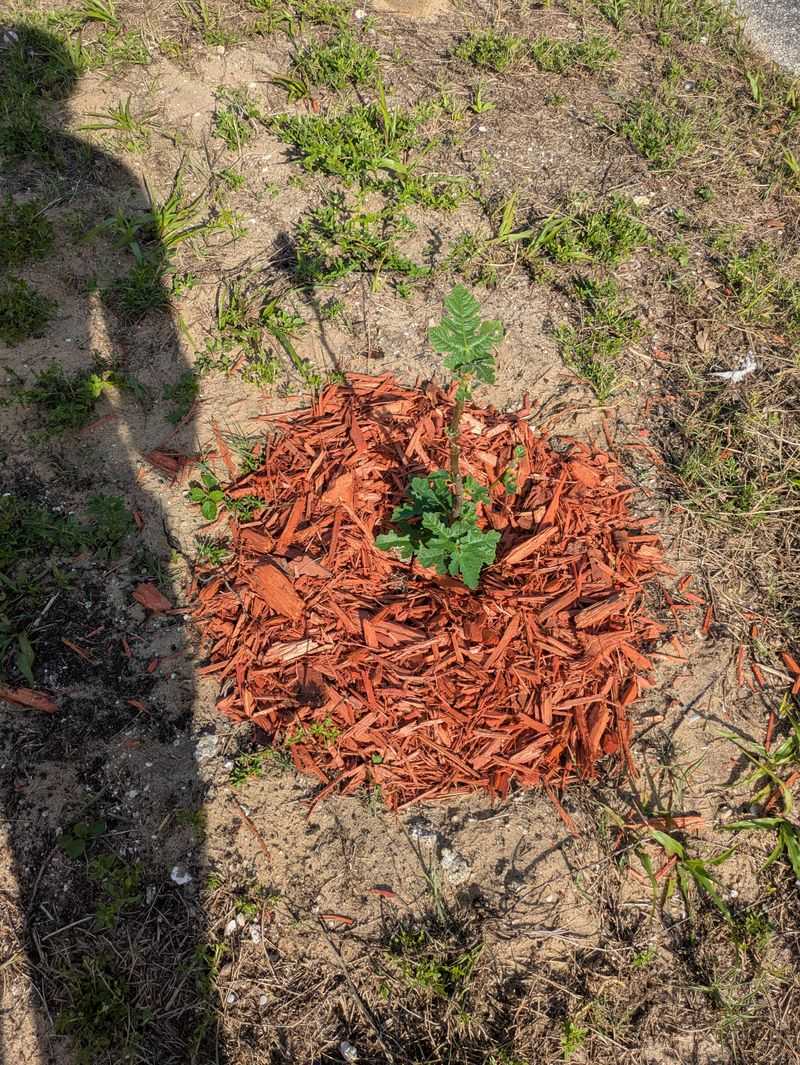
Skipping mulch might seem like a small thing, but it is actually one of the easiest ways to hurt your fig tree without even realizing it.
Bare soil around the base of the tree dries out quickly, especially during California’s intense summer heat.
When the soil loses moisture too fast, the tree has to work harder to stay hydrated, which takes energy away from fruit production.
Mulch acts like a protective blanket for the soil. It holds in moisture, keeps root temperatures stable, and slowly breaks down to add nutrients back into the ground.
A layer of organic mulch, like wood chips or straw, spread about three to four inches deep around the base of the tree works really well. Just be sure to keep the mulch a few inches away from the actual trunk to prevent moisture buildup that could cause rot.
In areas like the Inland Empire or the Sacramento Valley, where summer temperatures regularly push past 100 degrees, mulching is practically essential.
It can reduce soil temperature by several degrees, which makes a noticeable difference in how well your tree handles the heat.
Adding fresh mulch once or twice a year keeps everything working as it should and makes your overall garden maintenance much easier.
5. Ignoring Pest And Disease Control
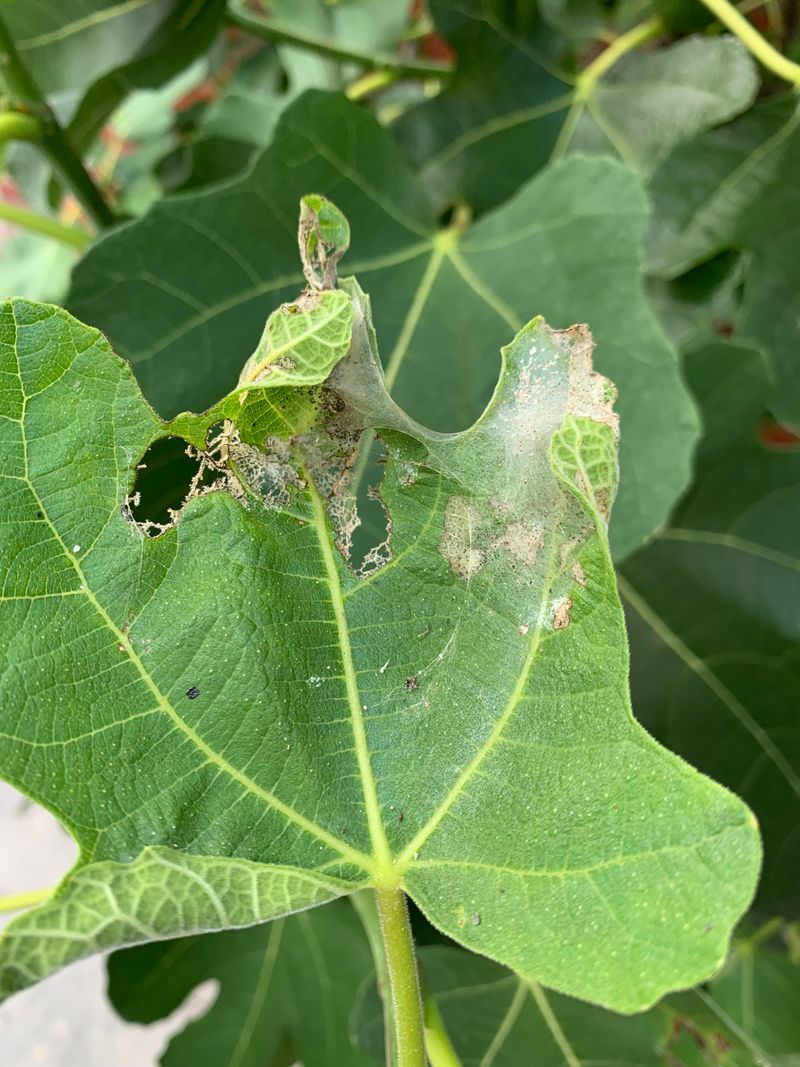
Even in the beautiful climate of California, fig trees are not immune to pests and diseases. Many gardeners assume that because figs are tough and relatively low-maintenance, they do not need to worry about these issues.
That assumption can lead to problems that sneak up slowly and become much harder to manage over time.
Common culprits include fig mites, which cause leaves to curl and turn a rusty bronze color. Scale insects are another frequent problem, attaching themselves to stems and draining the tree of its energy.
Root rot, often caused by fungal issues in poorly drained soil, can silently weaken a tree from the ground up. Regularly walking around your tree and inspecting the leaves, stems, and soil surface takes only a few minutes but can catch problems early.
Organic treatments like neem oil spray work well against many common pests and are safe to use in home gardens across California.
Keeping fallen leaves and debris cleaned up from around the base also helps reduce disease pressure.
Good airflow through the canopy, achieved through careful pruning, further limits the conditions that fungi love. Staying proactive rather than reactive is the key to keeping your fig tree healthy and productive season after season.
6. Fertilizing Too Often
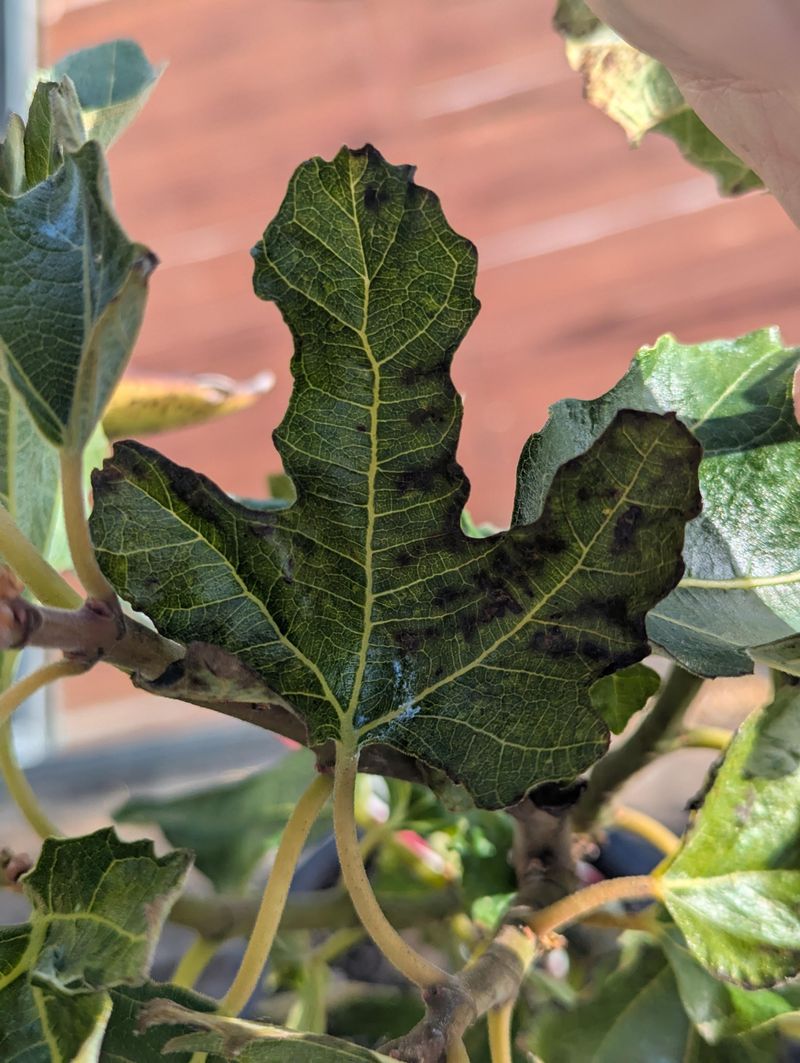
More is not always better, especially when it comes to fertilizing your fig tree. A lot of California gardeners make the mistake of feeding their trees too frequently, thinking it will speed up growth or boost fruit production.
What actually happens is the opposite. Too much fertilizer, particularly products high in nitrogen, pushes the tree to produce lots of big, beautiful leaves while putting almost no energy into making fruit.
Fig trees are actually pretty good at finding nutrients on their own, especially when planted in decent soil. In many California gardens, one light application of a balanced, slow-release fertilizer in early spring is all the tree really needs.
If your soil is already rich from regular composting or mulching, you may not need to fertilize at all for stretches of time.
Watch for signs that you are overdoing it. Unusually dark green leaves, very rapid growth, and little to no fruit are all clues that the tree is getting too much nitrogen.
Pulling back on fertilizer and giving the tree a rest often brings things back into balance within a season. When in doubt, a simple soil test from a local garden center can tell you exactly what your soil needs, saving you money and keeping your fig tree on track.
7. Not Properly Protecting From Frost
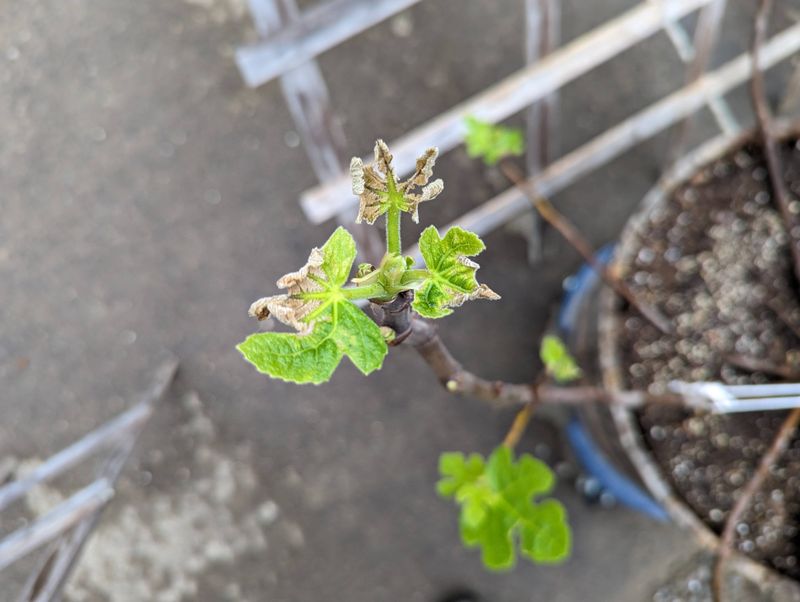
California has a reputation for warm weather, but frost is a real concern in many parts of the state. Gardeners in the Central Valley, high desert regions, and even parts of the Bay Area can see temperatures drop well below freezing on winter nights.
Young fig trees are especially vulnerable, and a single hard frost can damage tender new growth or wipe out an entire season of potential fruit buds.
The tricky part is that many gardeners do not think about frost protection until it is too late. Watching the weather forecast in late fall and early winter is a habit worth building.
When temperatures are expected to drop below 28 degrees Fahrenheit, covering your fig tree with frost cloth or burlap can make a significant difference.
Wrapping the trunk with insulating material adds an extra layer of protection for younger trees still establishing their root systems.
Potted fig trees have an advantage here because they can be moved into a garage or shed when a cold snap is on the way. For trees planted in the ground, planting near a south-facing wall can help retain heat overnight.
Mulching heavily around the base before winter also protects the roots from freezing. A little preparation goes a long way toward keeping your fig tree safe through California’s cooler months.
8. Not Allowing Enough Space To Grow
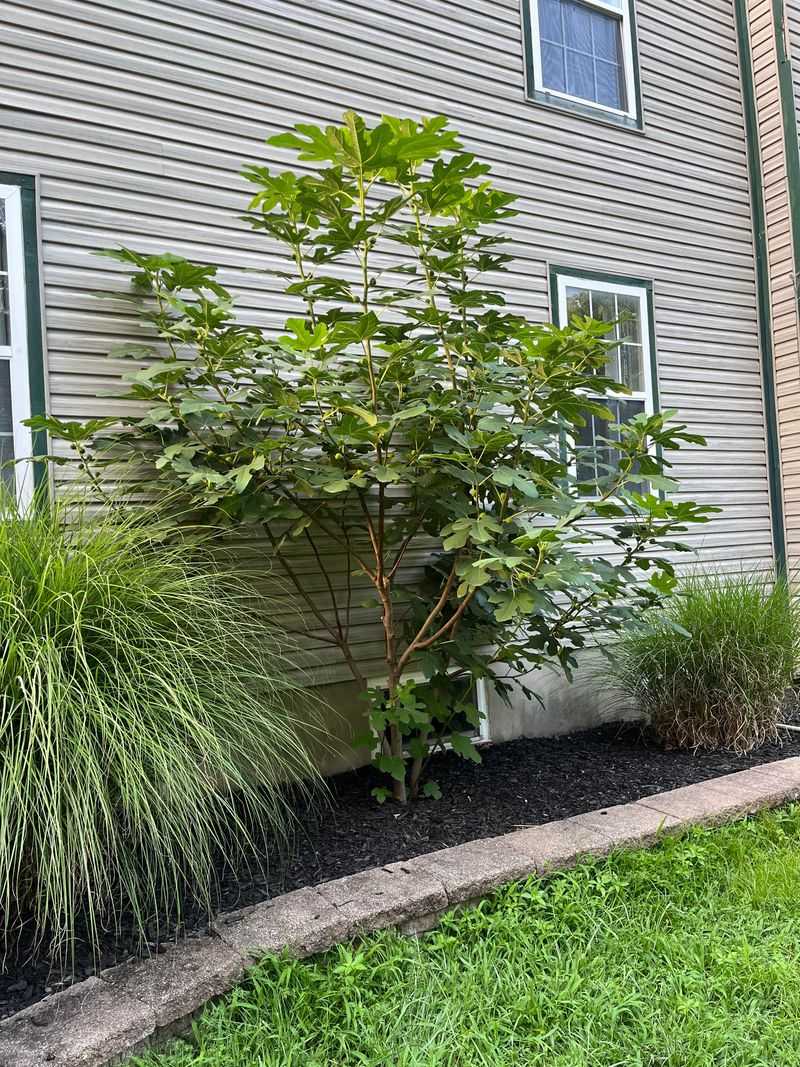
Fig trees are generous growers, and they need room to show it. Planting one too close to a fence, a building, or another tree is a mistake that many California gardeners make simply because the young tree looks so small at first.
Within just a few years, a fig tree can spread its canopy eight to fifteen feet wide and reach impressive heights, depending on the variety.
Crowded trees compete for water, sunlight, and nutrients. When a fig tree does not have enough space, it often grows unevenly, leaning toward available light and producing fruit only on the outer edges of the canopy.
Roots can also become a problem, pushing into foundations, pipes, or neighboring plants when space is too tight. Planning ahead before you plant is the smartest move you can make.
Most standard fig varieties need at least ten to fifteen feet of space in all directions. Dwarf varieties are a great option for smaller California yards or container gardens on patios.
If you already have a fig tree that is running out of room, strategic pruning can help manage its size without harming productivity too much.
Giving your tree the space it needs from the beginning means less work for you and a much happier, more productive tree for the long run.