The 11 Wildlife-Friendly Plants California Gardeners Should Add Before June
Something shifts in a California garden the moment you start planting for wildlife. Suddenly there are butterflies investigating every corner, hummingbirds showing up like they got an exclusive invitation, and bees moving through the beds with serious purpose.
It goes from a pretty outdoor space to a living, buzzing, thriving little ecosystem, and once you experience it, a garden without wildlife feels like a party with no guests.
June is coming up fast, and the window to get the right plants established before the real heat kicks in is right now.
Plants that go in the ground this month will have just enough time to settle their roots, start blooming, and roll out the welcome mat for pollinators and beneficial critters right when California’s wildlife is most active.
No matter the size of your space, a sprawling backyard or a few pots on a sunny balcony, adding the right plants before June is one of the best moves you can make for your local ecosystem this year.
1. Narrowleaf Milkweed
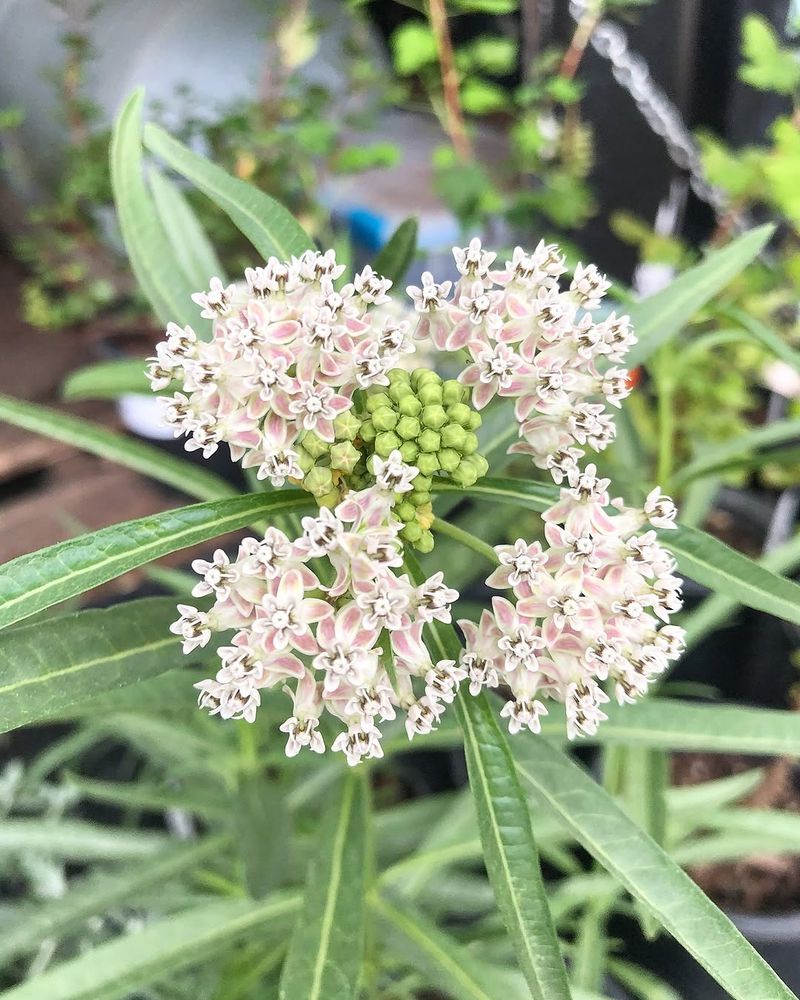
Monarch butterflies cannot complete their life cycle without milkweed, and Narrowleaf Milkweed is one of the best native options for California gardeners. This slender, upright plant produces clusters of tiny pink and white flowers that monarchs absolutely love.
It grows naturally across much of the state, from coastal valleys to inland foothills.
Planting it before June gives the stems time to grow tall and strong just as monarch populations begin migrating through California. It thrives in full sun and well-drained soil, and once established, it needs very little water.
That makes it a great fit for low-water gardens across Southern and Central California.
Beyond monarchs, this plant also supports native bees, wasps, and other beneficial insects. The seed pods that form in late summer are fascinating to watch as they split open and release silky, wind-carried seeds.
If you want to make a real difference for monarch conservation right in your own yard, this is one of the most meaningful plants you can add. Plant it in groups of three or more for the biggest visual and ecological impact.
2. California Poppy
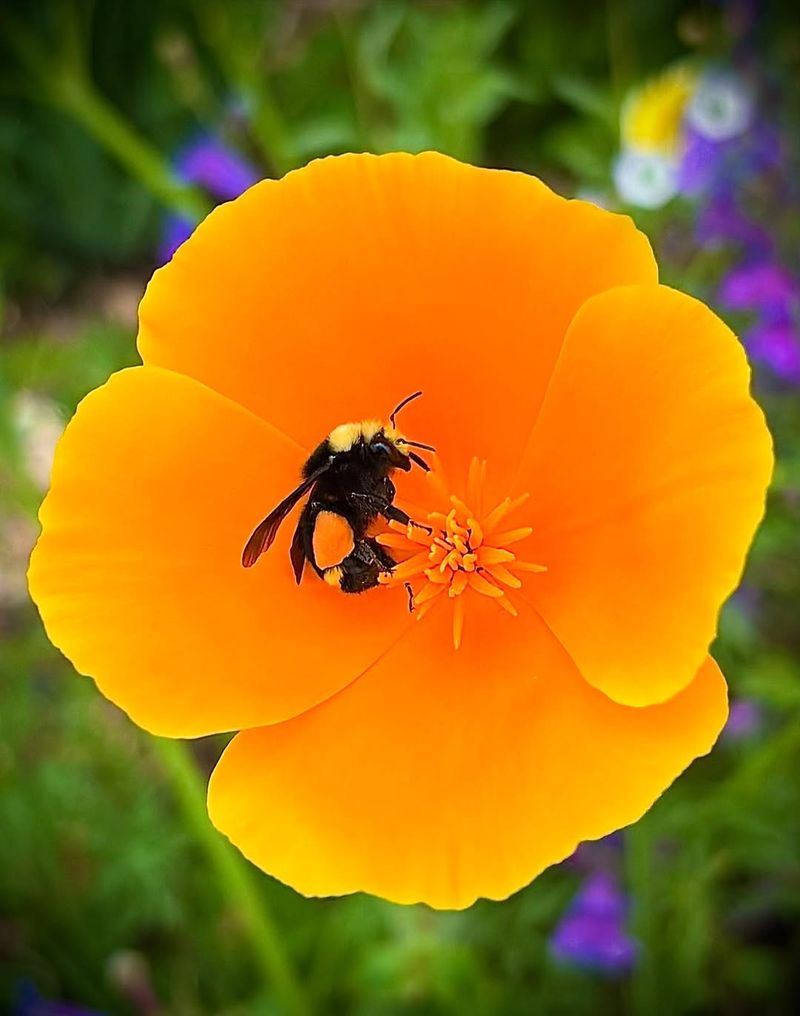
Few sights in nature are as cheerful as a hillside covered in bright orange California Poppies. As the official state flower of California, this annual or short-lived perennial has been brightening gardens and roadsides for centuries.
It is incredibly easy to grow and rewards even beginner gardeners with a stunning display.
Native bees go wild for the pollen-rich flowers, and the blooms also attract butterflies and beneficial hoverflies. Simply scatter seeds on bare, well-drained soil before the last spring rains, and nature does most of the work.
The plants reseed themselves year after year, so you often only need to plant them once.
California Poppies prefer full sun and actually do better in poor soil than in rich, fertilized beds. Overwatering or heavy clay soil can cause problems, so keep things lean and dry.
In warmer parts of California like the Inland Empire or the Central Valley, they tend to bloom earlier and more vigorously. Their feathery blue-green foliage looks beautiful even before the flowers open.
Your California Garden Changes Every Week. Your Plan Should Too.
Gardening in California changes quickly throughout the season. Every Friday you’ll receive a simple weekly plan showing exactly what to plant, prune, fertilize, harvest, and protect so you never miss the right timing.
Add them to meadow-style gardens, borders, or slopes for a low-maintenance burst of golden-orange color that wildlife will flock to all season long.
3. Cleveland Sage
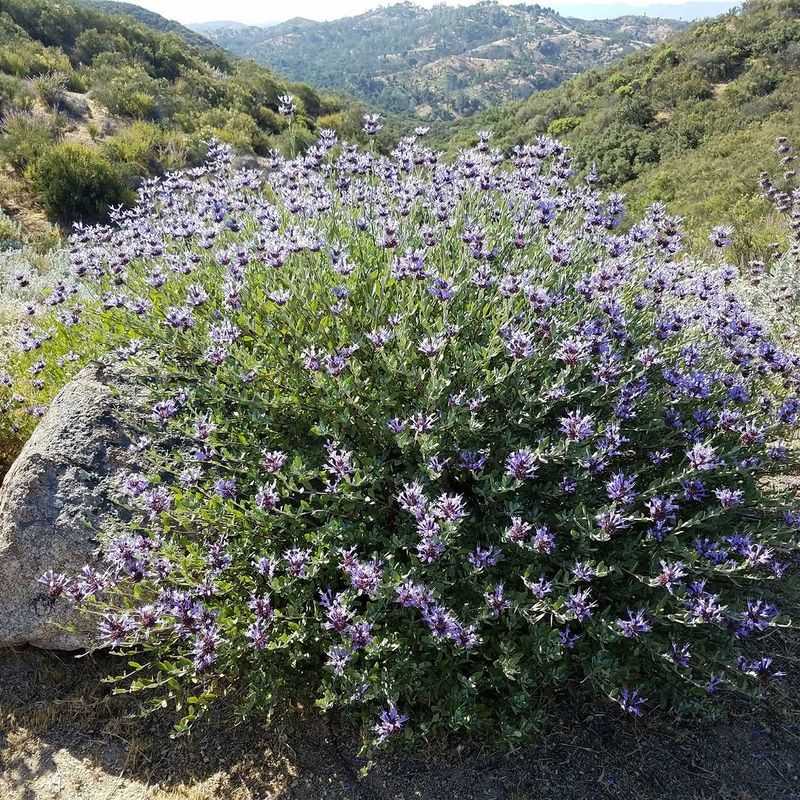
Walk past a Cleveland Sage in full bloom and the air around it smells absolutely incredible. This Southern California native fills the garden with a rich, herbal fragrance that is both calming and invigorating.
Hummingbirds are especially drawn to its tall spikes of violet-blue flowers, which bloom from late spring into early summer.
Cleveland Sage is a medium-sized shrub that fits well in most garden spaces. It grows best in full sun with fast-draining soil and very little supplemental water once established.
In fact, overwatering is the most common mistake gardeners make with this plant. It is naturally adapted to the dry summers of San Diego County and surrounding regions.
Planting before June means the shrub will have time to settle its roots before the heat of summer arrives. Bumblebees, carpenter bees, and many native bee species use the flowers heavily for nectar and pollen.
The gray-green foliage stays attractive even when the plant is not in bloom. Prune it lightly after flowering to keep a tidy shape and encourage fresh new growth.
If you want a plant that looks stunning, smells amazing, and feeds wildlife all at once, Cleveland Sage is a top pick for any California native garden.
4. California Buckwheat
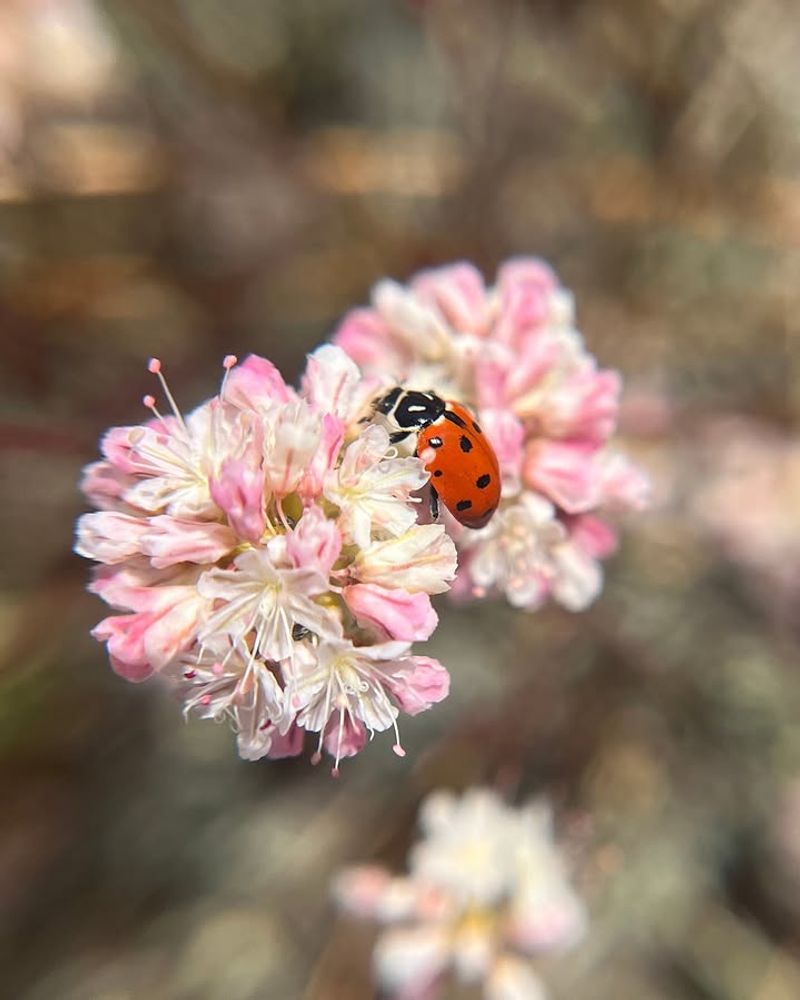
Ask any experienced California native plant gardener which plant brings the most pollinators to a garden, and California Buckwheat will almost always come up. This tough, adaptable shrub produces masses of tiny white to pink flowers that are a magnet for butterflies, native bees, and beneficial insects.
It is one of the most ecologically important plants in the California chaparral.
The flowers eventually turn a rusty reddish-brown as they dry on the plant, and birds love to pick through the dried seed heads for food. That means this plant keeps giving to wildlife long after the blooms fade.
It also provides cover and nesting habitat for small insects and spiders throughout the year.
California Buckwheat is extremely drought-tolerant and grows well in sandy, rocky, or clay soils across much of the state. Full sun is best, and it asks for very little once established.
It works beautifully on slopes where erosion can be a concern, and its spreading form creates a natural, relaxed look in the garden. Getting it in the ground before June gives it a full season to establish before the dry months arrive.
Few plants offer this much wildlife value with this little effort anywhere in California.
5. Margarita BOP Penstemon
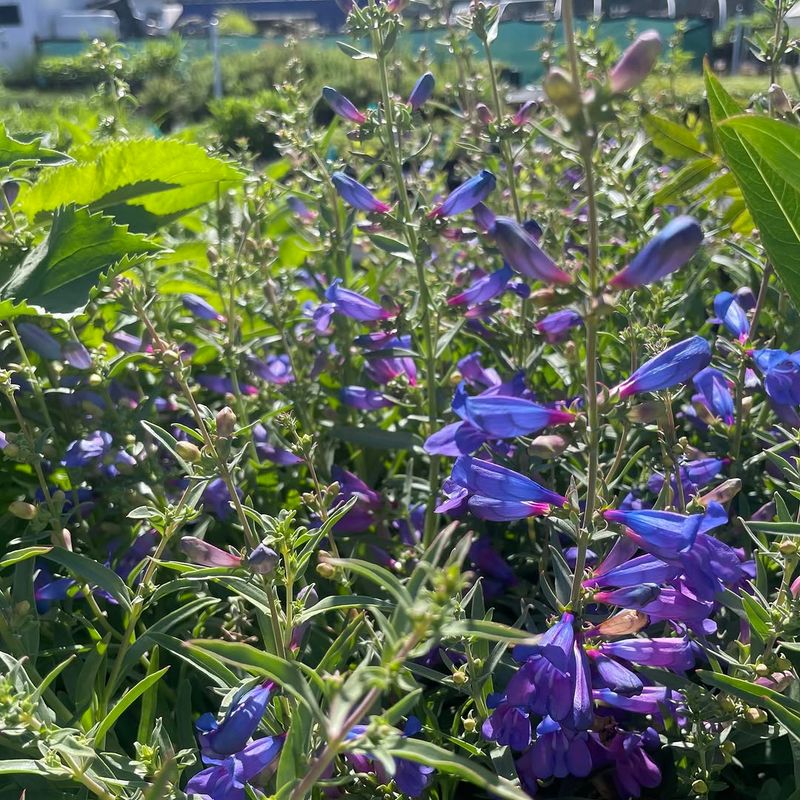
Bright, electric blue flowers on a compact and tidy plant sound almost too good to be true, but that is exactly what Margarita BOP Penstemon delivers. This cultivar of the native Foothill Penstemon is one of the most eye-catching plants you can grow in a California garden.
The tubular flowers are perfectly shaped for hummingbirds, which visit them constantly during the blooming season.
Native bees also work these flowers heavily, making it a double win for pollinators. The plant stays relatively low and mounded, which makes it great for borders, rock gardens, or the front of a mixed planting.
It blooms from late spring into early summer, right when many pollinators are at their most active.
Margarita BOP Penstemon prefers full sun and well-drained soil. It handles the dry summers of California very well once established, needing only occasional deep watering during extended dry spells.
Avoid planting it in heavy or soggy soil, as that can cause root problems. Getting it in the ground before June means it will be blooming and feeding wildlife right on schedule.
Gardeners across California, from the Bay Area to San Diego, report great success with this plant in both formal and naturalistic garden styles.
6. Blue Elderberry (Sambucus mexicana)
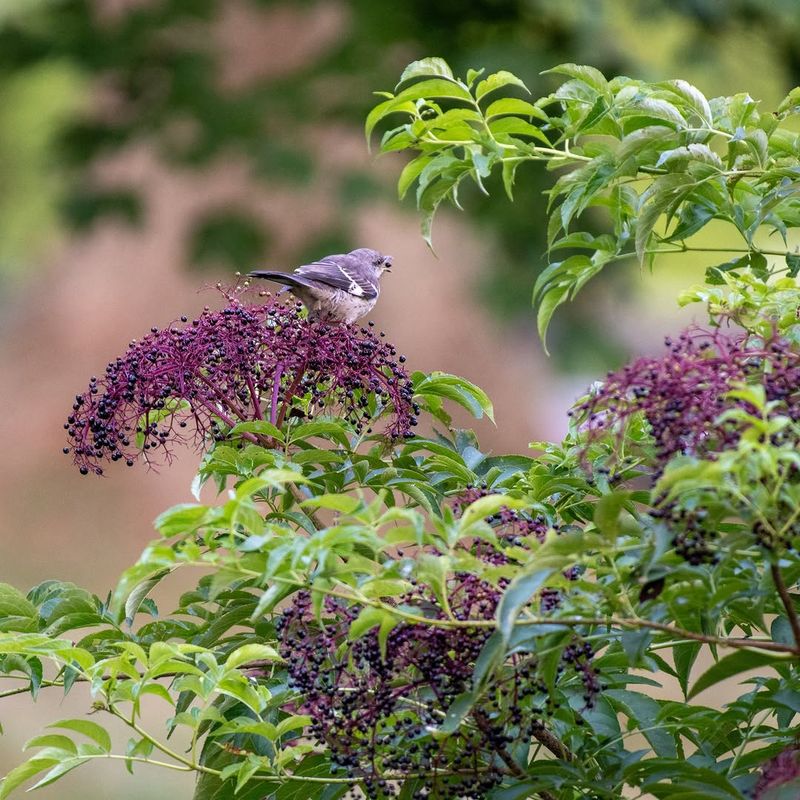
Standing at the edge of a California creek or woodland, Blue Elderberry is hard to miss. This large native shrub or small tree puts on a spectacular show of flat-topped, creamy white flower clusters in late spring, followed by bunches of dusty blue-black berries in summer.
It is one of the most productive wildlife plants you can grow in California.
Over 50 species of birds are known to eat the berries, including cedar waxwings, robins, and many others. The flowers attract butterflies, native bees, and beneficial insects in enormous numbers.
Larvae of several native butterfly species also use the leaves as food, making this plant valuable at multiple levels of the food web.
Blue Elderberry grows quickly and can reach 10 to 15 feet tall, so give it room to spread. It tolerates a range of soil types and works well near seasonal streams or areas that receive occasional winter flooding.
Plant it as a focal point or along a fence line where its size becomes an asset rather than a challenge. In Northern California and the Central Valley, it grows especially vigorously.
Getting it established before June means you could even see berries forming by late summer in its first year.
7. California Wild Rose
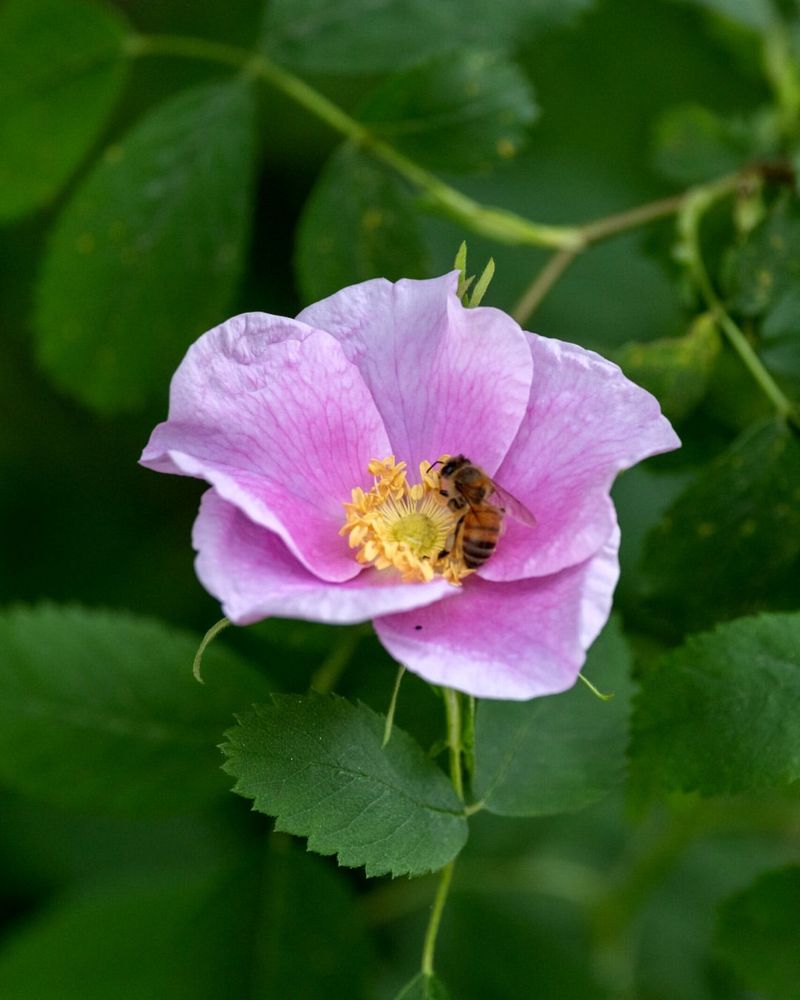
There is something deeply nostalgic about a wild rose blooming along a garden path, and California Wild Rose brings that feeling along with real ecological value. Unlike garden roses that need constant care, this native species is rugged, adaptable, and built to thrive in California’s climate.
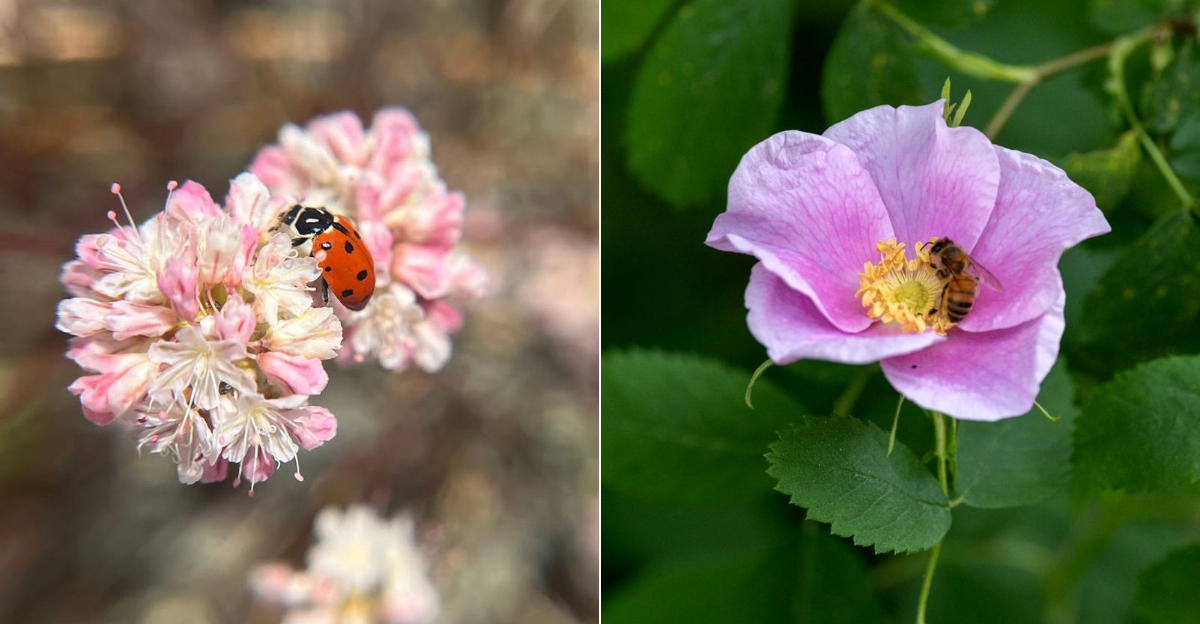
The simple five-petaled pink flowers are smaller than hybrid roses but absolutely charming.
Bees love the open, pollen-rich flowers, which are much easier for native bees to access than the complex blooms of cultivated varieties. After the flowers fade, the plant produces bright red rose hips that persist into fall and winter.
Birds like American robins, cedar waxwings, and thrushes rely on those hips as an important food source during the colder months.
California Wild Rose grows best in moist, well-drained soil and appreciates some afternoon shade in hotter inland areas. It spreads by underground runners, so give it space or plant it where spreading is welcome, like along a fence or near a dry creek bed.
Gardeners in Northern California and the foothills of the Sierra Nevada find it especially easy to grow. Plant it before June so the roots can establish during mild spring weather.
The thorny canes also provide excellent nesting cover for small birds throughout the year.
8. Bee’s Bliss Sage
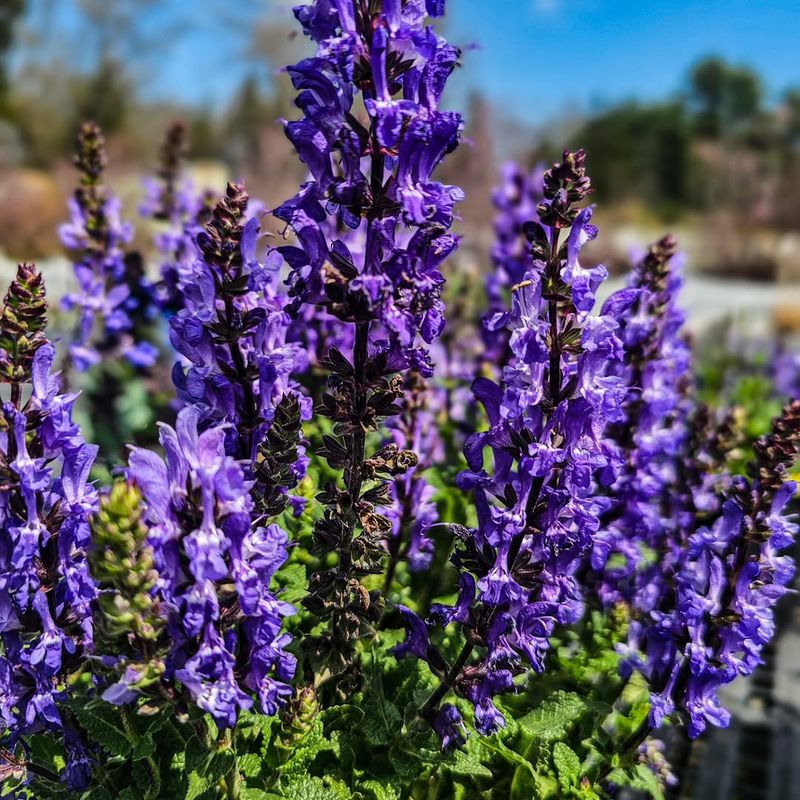
If you have ever watched bumblebees tumble over each other to reach a patch of sage flowers, you already understand why this cultivar earned its name. Bee’s Bliss Sage is a low, spreading groundcover that produces long wands of pale lavender-blue flowers from spring into early summer.
It was developed at the UC Santa Cruz Arboretum and is perfectly suited to California gardens.
The silvery-gray foliage stays attractive year-round and releases a wonderful herbal scent when brushed. It spreads gently outward, making it a great choice for slopes, pathways, or large open areas where you want low-maintenance coverage.
Hummingbirds, native bees, and butterflies all visit the flowers regularly during the blooming season.
Bee’s Bliss Sage thrives in full sun and well-drained soil. It is highly drought-tolerant and handles the hot, dry summers of Southern and Central California with ease.
Avoid overwatering, especially in summer, as this is the most common way to run into trouble with this plant. A light trim after the main bloom encourages fresh growth and sometimes a second flush of flowers.
Plant it before June and you will likely see your first pollinators visiting within just a few weeks. It works beautifully as a living mulch under larger native shrubs.
9. Black Sage (Salvia mellifera)
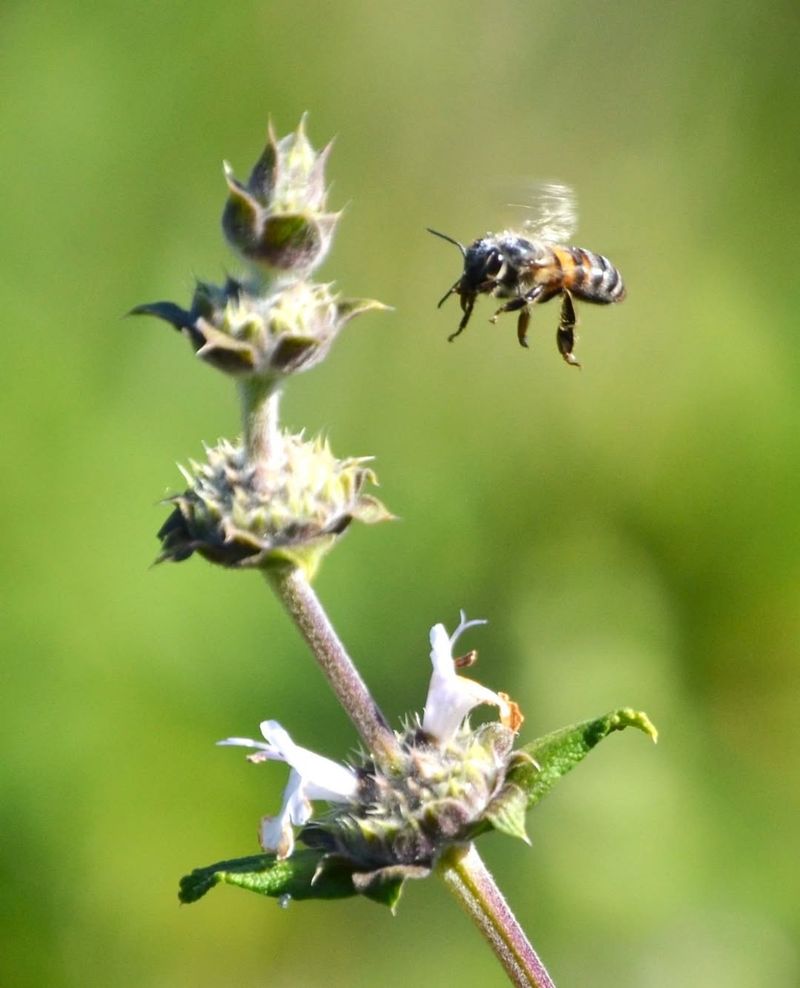
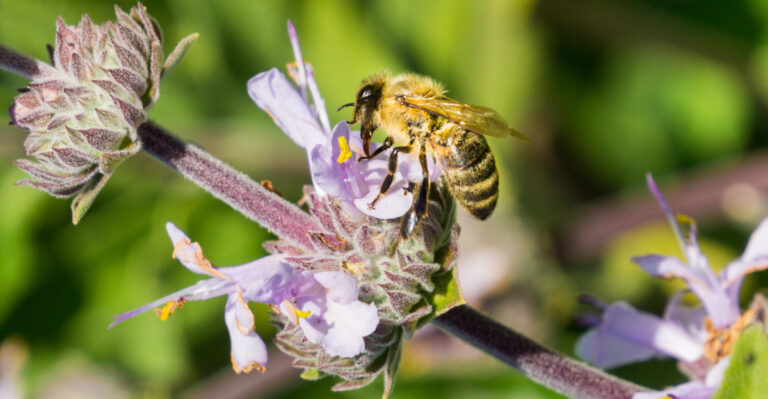
The name might sound a little mysterious, but Black Sage is one of the most bee-friendly plants in all of California. The common name comes from the dark color of its dried seed heads in late summer, not the leaves or flowers.
In spring, the plant is covered in whorls of small white to pale lavender blooms that absolutely hum with bee activity.
Native bumble bees, solitary bees, and honey bees all visit Black Sage in huge numbers. It is considered one of the top honey plants in California, with beekeepers actively seeking out areas where it grows naturally.
Beyond bees, the seeds attract finches and other small birds once the flowers have faded.
Black Sage is a medium to large shrub that grows naturally in the coastal sage scrub and chaparral habitats of Southern California. It is extremely drought-tolerant and prefers rocky or sandy, fast-draining soil.
Full sun brings out the best blooming, and the aromatic foliage acts as a natural deer deterrent in many areas. Plant it before June to give the roots time to anchor before summer heat sets in.
Gardeners in San Diego, Los Angeles, and Ventura counties will find it thrives with minimal effort and maximum wildlife reward.
10. Western Columbine
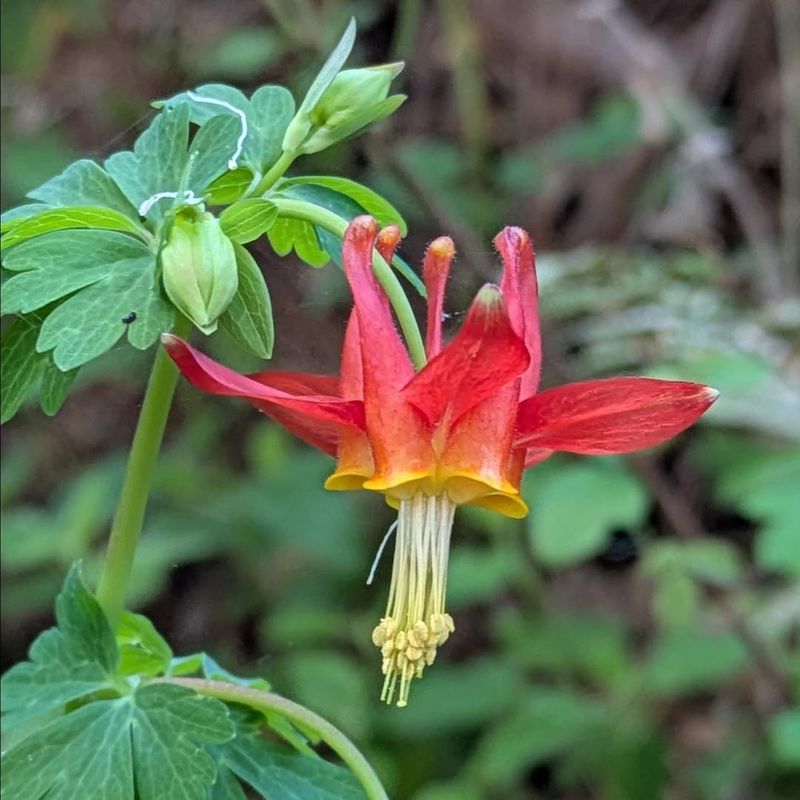
Few wildflowers stop people in their tracks quite like Western Columbine. The nodding red and yellow flowers look almost like tiny lanterns hanging from slender stems, and they have a grace that feels more like something from a fairy tale than a typical garden plant.
Hummingbirds are the primary pollinators of this species, drawn in by the bright red color and nectar-filled spurs.
Unlike most of the drought-tolerant plants on this list, Western Columbine prefers a bit more moisture and some afternoon shade. It grows naturally in shaded canyons, along streams, and in woodland clearings throughout much of California.
That makes it a fantastic option for gardeners who have a shady corner or a spot near a water feature.
Plant it before June so it can bloom in its first season and start attracting hummingbirds right away. The delicate, blue-green compound leaves are attractive even when the plant is not flowering.
Western Columbine self-seeds readily, so a small planting can gradually spread into a lovely naturalized patch over a few seasons. It pairs beautifully with ferns, native grasses, and other shade-loving plants.
Gardeners in Northern California and the Sierra Nevada foothills find it especially rewarding and easy to establish in the right conditions.
11. Showy Milkweed
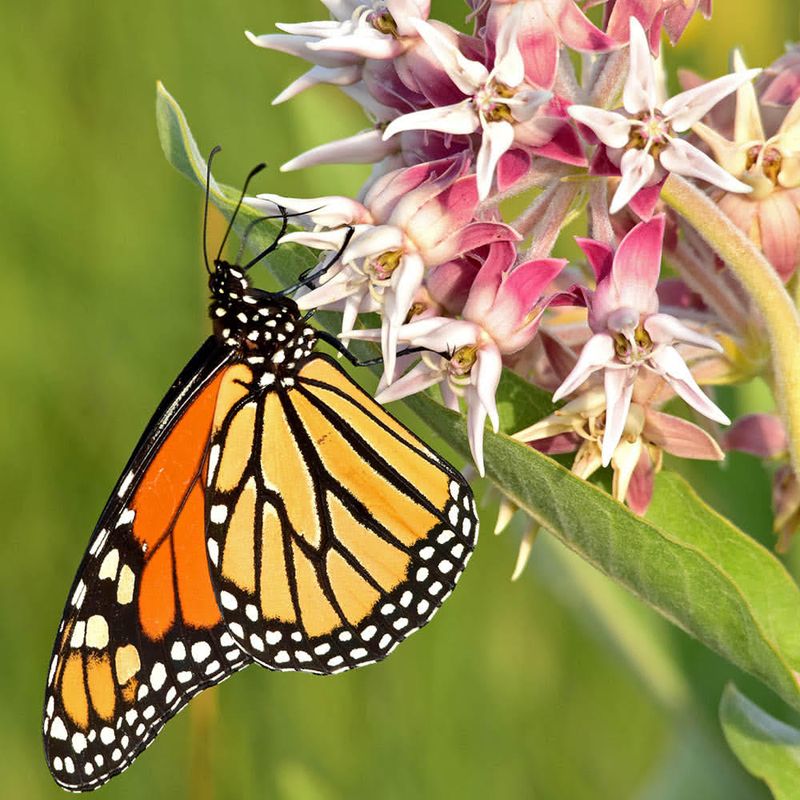
Bigger and bolder than its narrowleaf cousin, Showy Milkweed makes a real statement in the garden. The large, rounded clusters of pink and white star-shaped flowers are among the most beautiful of any native wildflower in California.
And just like all milkweeds, it plays a critical role in supporting monarch butterfly populations up and down the state.
Monarch caterpillars feed exclusively on milkweed leaves, and Showy Milkweed provides an especially generous food source with its large, broad foliage. Adult monarchs, native bees, and many other pollinators flock to the nectar-rich flowers throughout the blooming season.
The large seed pods that follow are dramatic and beautiful in their own right.
Showy Milkweed grows best in full sun with moderately moist, well-drained soil. It spreads by underground rhizomes and can form a spreading colony over time, which is great for wildlife but worth planning for in smaller gardens.
It is well-suited to Northern and Central California, where it grows naturally in meadows, roadsides, and along stream banks. Getting it in the ground before June gives the rhizomes time to spread and the stems time to reach their full height before the monarch migration begins.
A patch of Showy Milkweed is one of the most rewarding additions any California gardener can make.