9 Fragrant Plants That Make Georgia Backyards Smell Incredible
Some backyards look beautiful, but the ones people remember are the ones that feel alive the moment you step into them. In Georgia, scent plays a bigger role than most expect, especially as the air starts to warm and carry it farther through the yard.
It can drift from a corner near the porch, follow along a walkway, or linger quietly in the evening without needing much attention.
The right plants do more than just bloom, they create a mood that changes how the entire space feels day to day.
A soft fragrance in the background can turn an ordinary yard into something that draws people in without them even realizing why. Not every plant has that effect though.
Some stand out more than others, and knowing which ones truly make an impact is what starts to change everything.
1. Confederate Jasmine Fills The Air As Spring Warms Up
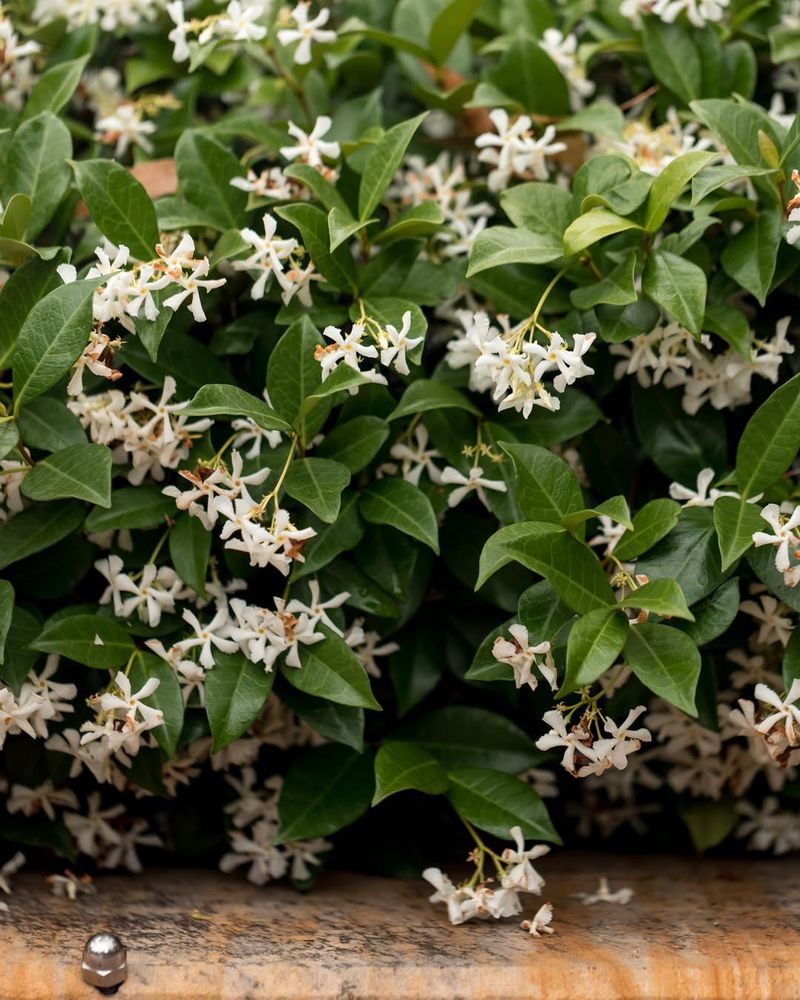
There is a point every spring in Georgia, usually around late April, when you catch a wave of sweetness walking past a fence or arbor and have no idea where it is coming from. Odds are good it is Confederate jasmine doing its thing.
Technically called Trachelospermum jasminoides, this evergreen vine grows fast and covers structures beautifully. Fences, trellises, mailbox posts, even old tree stumps can become something worth looking at when this vine gets going.
It handles full sun and partial shade without complaint.
The blooms are small, star-shaped, and white, but what they lack in size they absolutely make up for in fragrance. On a warm spring morning with a slight breeze, the scent from a single well-established vine can carry across an entire yard.
Pruning keeps it manageable and actually encourages more blooms the following season. Cut it back after the spring flowering is done, and it will flush out with fresh growth through summer.
In Georgia, this vine stays green year-round, which means structure and coverage even in the colder months when everything else looks bare and dull.
Confederate jasmine also weaves beautifully through mixed plantings, complementing shrubs and flowers while adding vertical interest and a continuous layer of green throughout the year.
2. Gardenia Scent Lingers Strongest As Evenings Cool Down
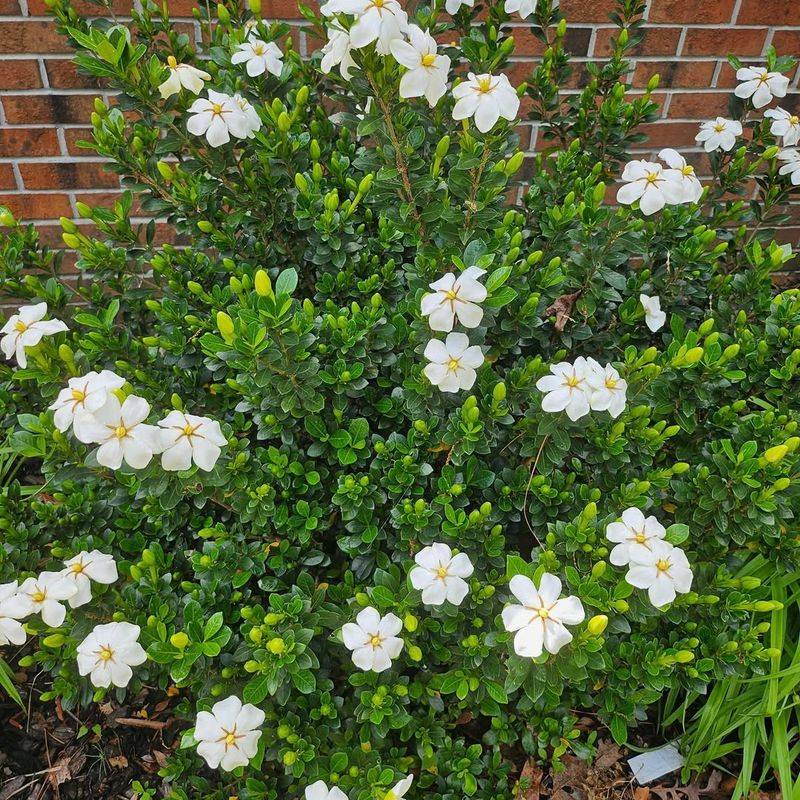
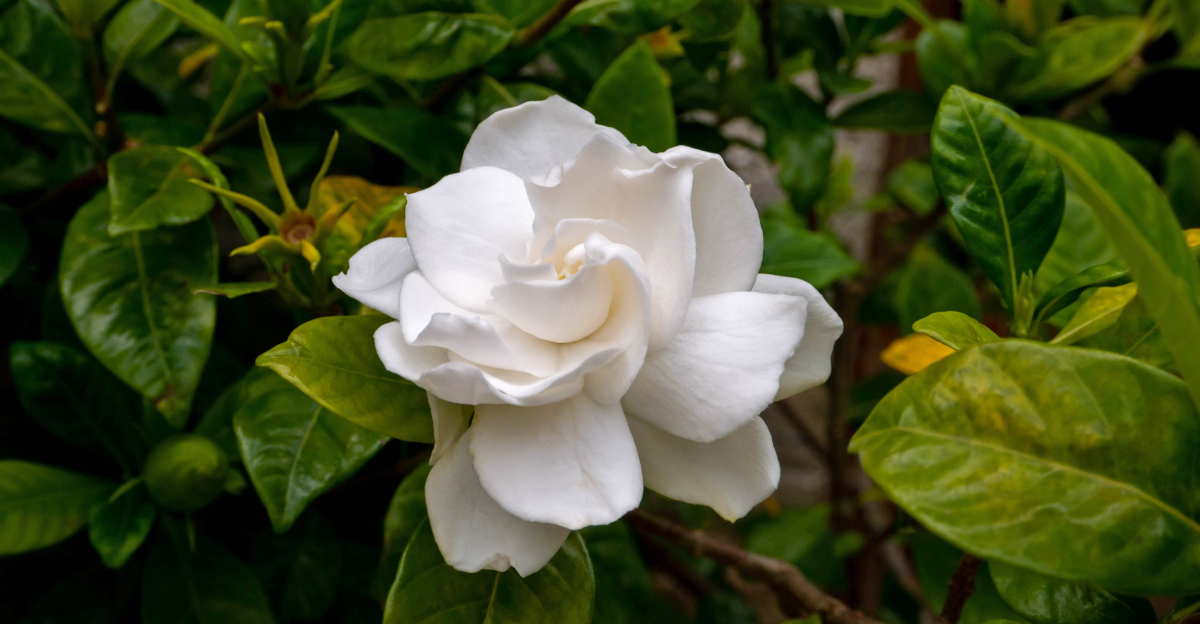
Ask any longtime Georgia gardener what flower they remember most from childhood, and gardenias come up almost every time. That rich, sweet smell is hard to forget, and it hits hardest right around dusk when the heat of the day starts backing off.
Gardenias prefer slightly acidic soil, but Georgia clay often needs improvement to drain well before planting. Work in some pine bark or peat, and your plant will settle in much better.
They like spots with morning sun and afternoon shade, especially during July and August when the heat gets brutal.
Watering matters more than people think. Gardenias do not like to dry out completely, but soggy roots will cause problems fast.
A consistent watering schedule and a layer of mulch around the base keeps moisture even through Georgia’s unpredictable dry spells.
Your Georgia Garden Changes Every Week. Your Plan Should Too.
Gardening in Georgia changes quickly throughout the season. Every Friday you’ll receive a simple weekly plan showing exactly what to plant, prune, fertilize, harvest, and protect so you never miss the right timing.
Bloom time usually runs from late spring into early summer, though some varieties push out flowers again in fall. Plant near a porch or seating area so you actually get to enjoy that evening fragrance.
Few things beat sitting outside in Georgia at dusk with a gardenia nearby filling the air.
Gardenias also benefit from light fertilizing during the growing season to encourage more blooms and healthy foliage.
Regularly removing spent flowers helps the plant focus energy on new growth and keeps it looking tidy throughout the season.
3. Sweet Alyssum Stays Low But Carries A Noticeable Honey Scent
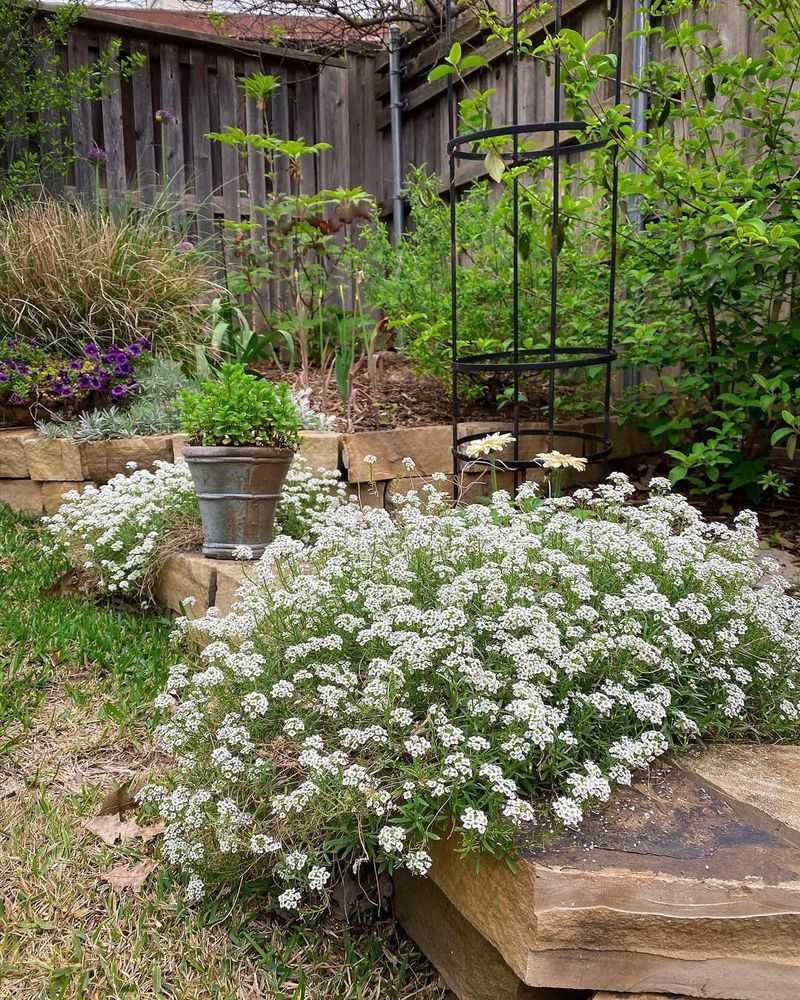
Do not let the small size fool you. Sweet alyssum is one of those plants that punches way above its weight when it comes to fragrance, and it earns its spot in any Georgia garden border or container.
Growing only a few inches tall, it spreads outward and fills gaps between taller plants naturally. The tiny flowers cluster together in rounded mounds, and the honey-like scent they release is noticeable from several feet away on calm mornings.
Bees absolutely love it too, which is a bonus for pollinating everything else nearby.
In Georgia, sweet alyssum performs best when planted in fall or very early spring. Summer heat will slow it down, but it often rebounds when temperatures drop again in September.
Keeping it watered during heat waves helps it hang on longer through the season.
Scatter seeds along a walkway edge or tuck transplants into the front of a raised bed. It softens hard edges and adds that low-level fragrance layer that most gardens miss.
Pair it with taller fragrant plants behind it, and you create a stacked scent effect that makes your yard smell layered and interesting rather than one-dimensional.
4. Roses Shift From Light To Rich Fragrance Across Varieties
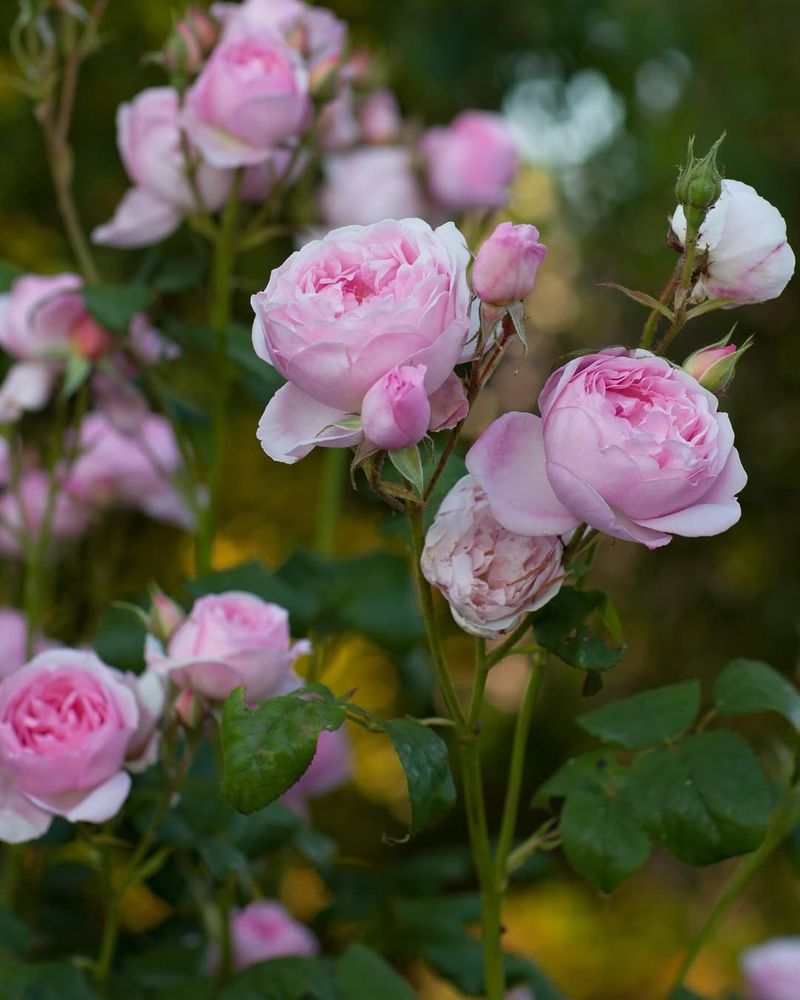
Roses have a reputation for being fussy, and some of them honestly are, but the fragrance payoff from the right variety in a Georgia yard makes the effort worth it. Not every rose smells strong, so variety selection matters more than most people realize.
Old garden roses and many David Austin varieties carry deep, layered scents that range from fruity to spicy depending on the cultivar. Some smell faintly floral in the morning and richer in the afternoon heat.
That shift through the day is something you actually notice when you spend time outside regularly.
Georgia’s climate can bring black spot and other fungal issues to roses, especially with the humidity. Choosing disease-resistant varieties and giving plants good air circulation helps a lot.
Avoid overhead watering and let the foliage dry out between waterings to keep problems from getting out of hand.
Plant roses where they get at least six hours of sun. Deadhead spent blooms regularly to encourage repeat flowering through the season.
With a little attention in spring and fall, roses reward you with fragrance from spring through fall in most parts of Georgia, which is a long and worthwhile run.
5. Honeysuckle Spreads Its Sweet Scent Well Beyond The Vine
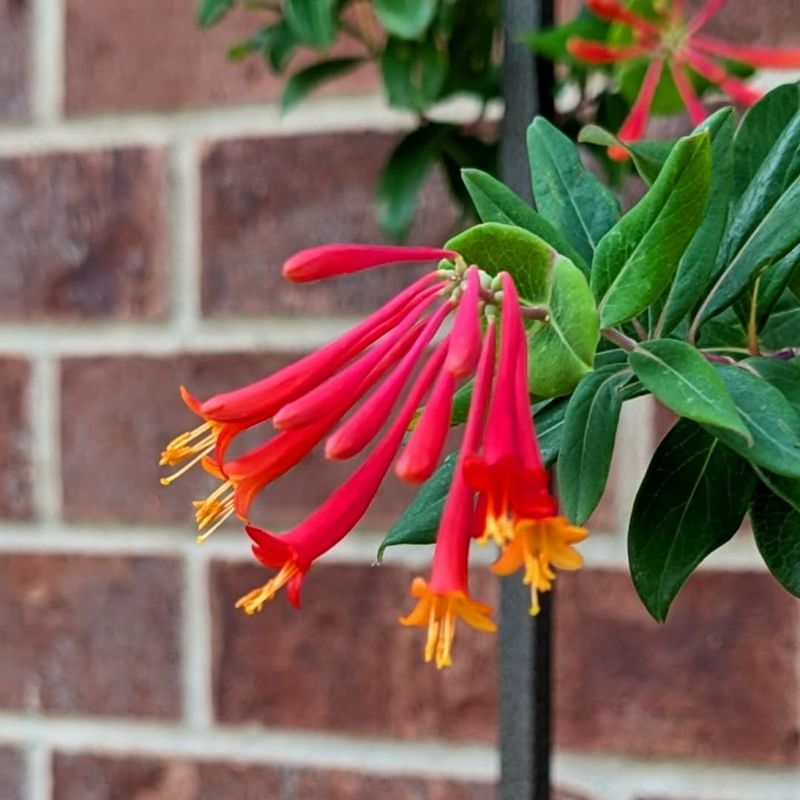
Walk past a honeysuckle vine in full bloom and you feel it before you even register what the smell is. It hits like a memory, sweet and a little nostalgic, the kind of scent that makes you stop and look around to find the source.
In Georgia, native coral honeysuckle is the smarter choice over the Japanese variety. Japanese honeysuckle spreads aggressively and can take over a yard and neighboring areas if left unchecked.
Coral honeysuckle stays manageable, attracts hummingbirds, and still delivers that signature sweetness without becoming a problem.
Give it something to climb, a fence post, a wooden trellis, or a wire support along a garden wall. It grows vigorously through spring and summer and blooms in waves rather than all at once, which stretches the fragrance season out nicely.
Sunlight drives the best flowering, so full sun placement gives you the most blooms. It handles Georgia’s clay soil reasonably well but benefits from some organic matter worked in at planting.
Once the vine is established and climbing, maintenance is minimal. Trim it back in late winter to control shape and encourage fresh growth for the next bloom cycle.
6. Lavender Holds Its Clean Scent Even In Heat
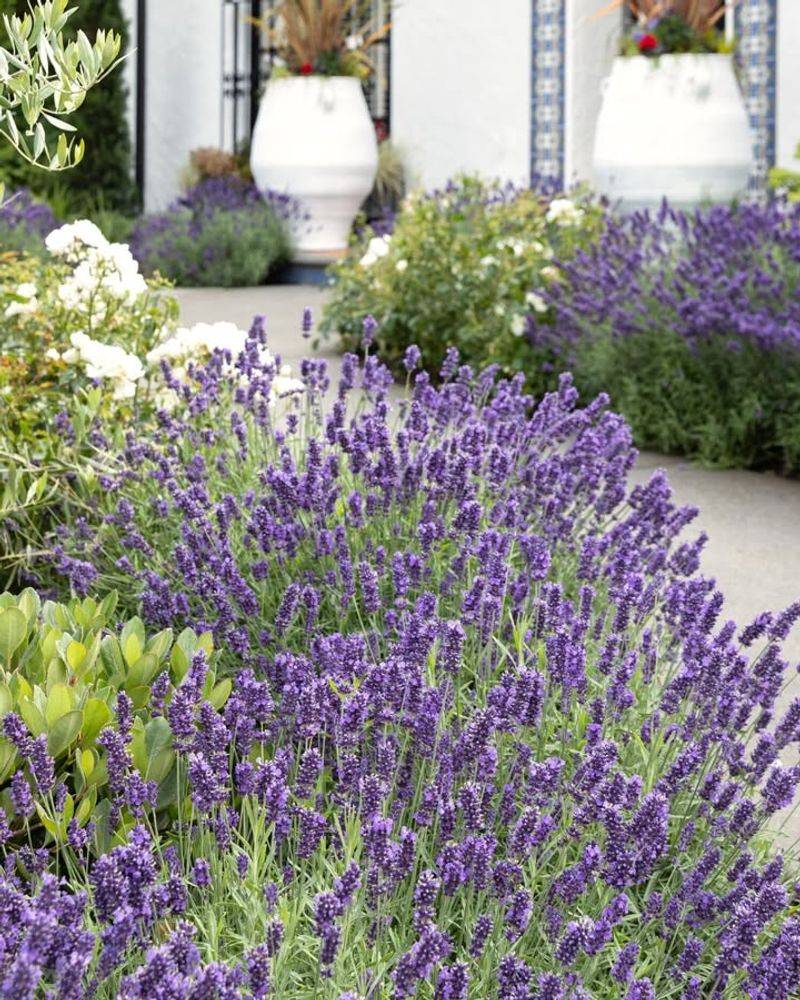
Lavender in Georgia is possible, but you have to be smart about it. Most people fail with lavender here because of drainage, not heat.
Georgia summers get hot, and lavender actually handles that fine. What it cannot handle is sitting in wet, heavy soil for days at a time.
Raised beds and containers solve that problem immediately. Fill them with a gritty, well-draining mix and lavender will thrive even through August in most parts of the state.
Spanish and French lavender varieties tend to tolerate Georgia’s humidity better than English lavender, which prefers drier conditions overall.
The scent is clean, herbal, and unmistakably calming. Brush against the foliage and the oils release instantly, filling the air with that distinctive fragrance even when the plant is not in bloom.
Dried stems cut from the plant hold the scent for months indoors too.
Plant lavender in full sun, at least eight hours a day if possible. Avoid crowding it with other plants that hold moisture around the base.
Prune lightly after each bloom cycle to keep the plant from getting woody too quickly. In Georgia, a well-sited lavender plant can reward you with fragrance for several years before needing replacement.
7. Dianthus Stands Out With A Distinct Clove-Like Aroma
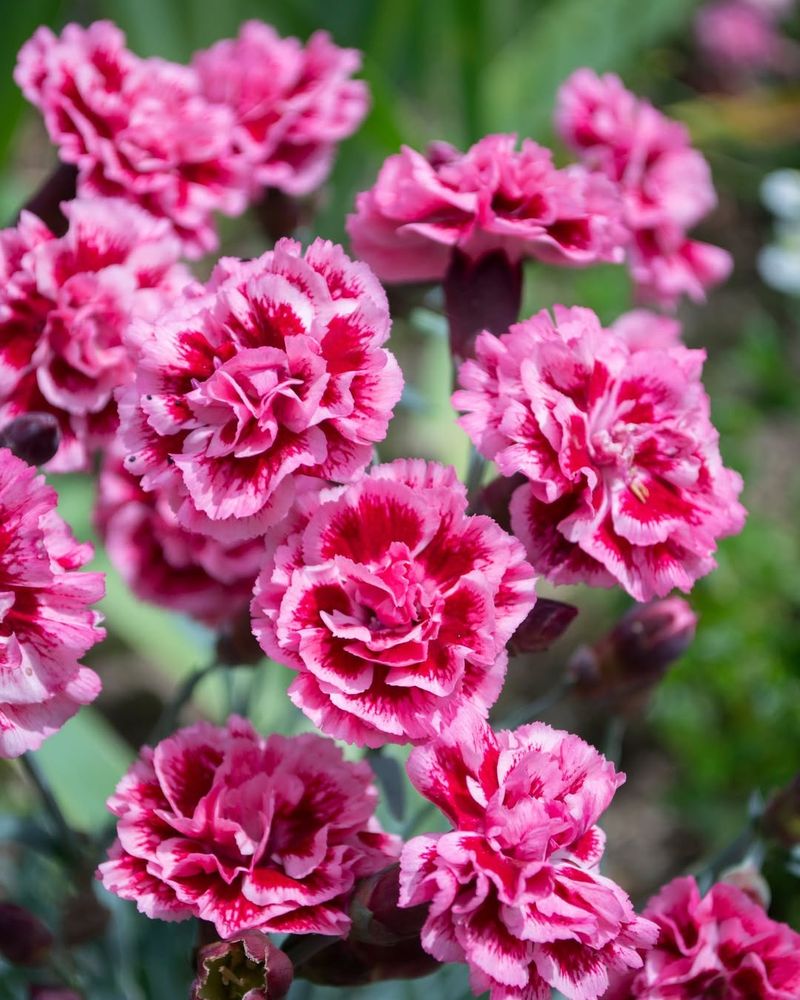
Cloves and flowers in the same breath sounds strange until you smell a fragrant dianthus for the first time. That warm, spicy edge sets it apart from every other garden plant, and once you know it, you never mistake it for anything else.
Dianthus covers a wide range of plants, from short border types to taller cut-flower varieties. In Georgia, the shorter varieties tend to perform better because they handle heat and humidity without flopping over or struggling.
Look for varieties labeled as fragrant specifically, because not every dianthus carries that clove scent.
Blooms appear in late winter and spring in Georgia, which is actually perfect timing. When most of the yard is still waking up, dianthus is already delivering color and scent.
A second flush often comes in fall when temperatures drop back down to comfortable levels.
Plant in full sun with good drainage. It adapts to a range of soil types as long as water does not sit around the roots.
Deadheading spent flowers extends the blooming period noticeably. Cut stems for small arrangements indoors and the clove fragrance carries beautifully into the house as well.
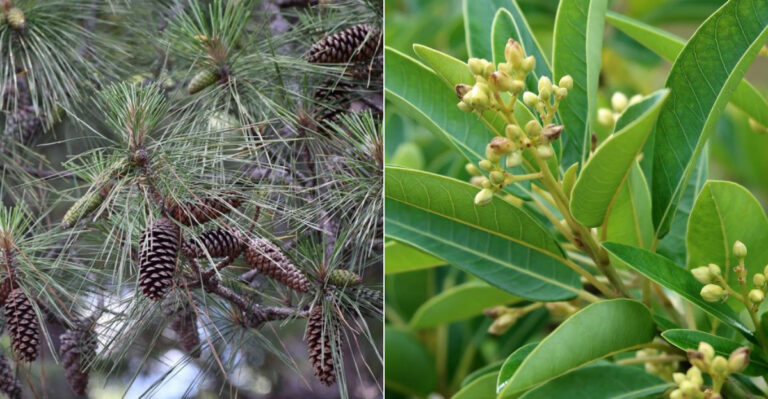
8. Osmanthus Packs Intense Fragrance Into Small Blooms
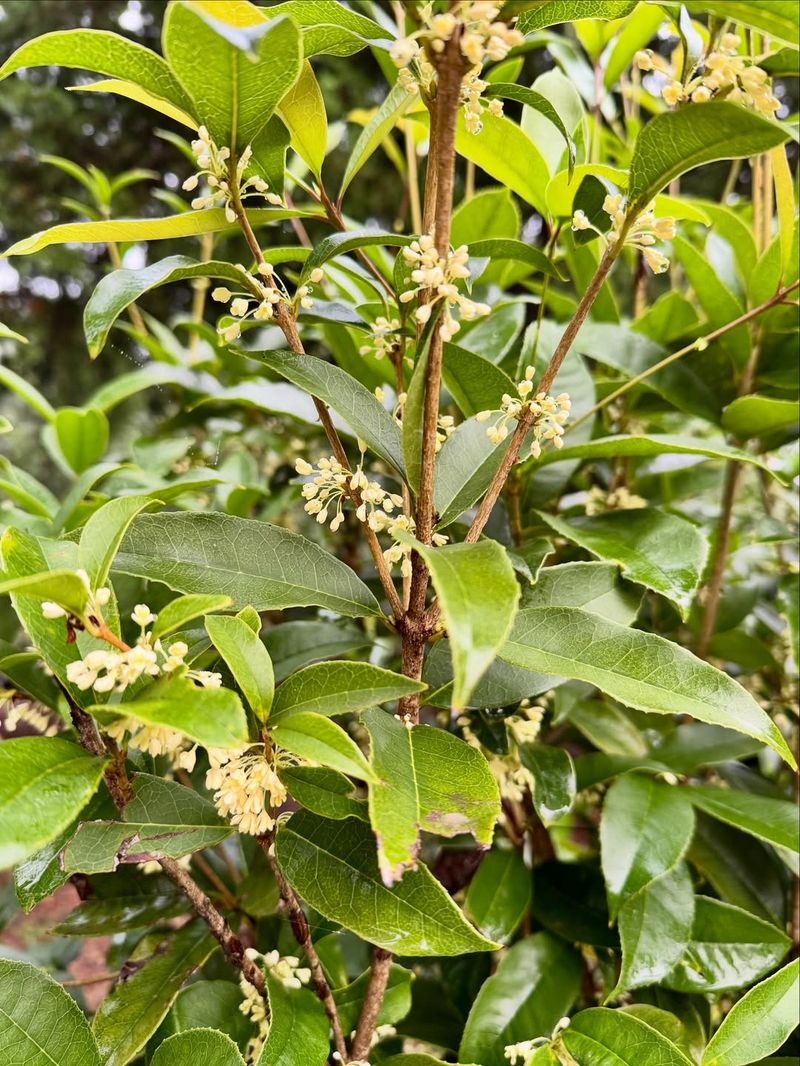
Tiny flowers, massive fragrance. Osmanthus, also called tea olive, operates on a completely different scale than most ornamental shrubs.
You will smell it before you see it, sometimes from thirty or forty feet away, and the scent has a quality that is hard to pin down but impossible to ignore.
Most people describe it as apricot mixed with something floral and slightly sweet. It blooms in fall and sometimes again in spring, which makes it incredibly valuable in a Georgia garden when most other fragrant plants have already finished for the year.
Osmanthus grows as a large shrub or small tree and handles Georgia’s climate well. It tolerates partial shade, which is useful in yards with established trees blocking full sun.
Growth is steady but not aggressive, so it fits into most yard sizes without taking over surrounding plants.
Plant it near a frequently used path, driveway entrance, or outdoor seating area where the fall fragrance can be fully appreciated. Pruning is rarely needed beyond occasional shaping.
Established plants handle drought periods without much stress. If you want one plant in a Georgia yard that earns its spot year after year without a lot of fuss, osmanthus belongs on the short list.
9. Nicotiana Becomes Most Noticeable After Sunset
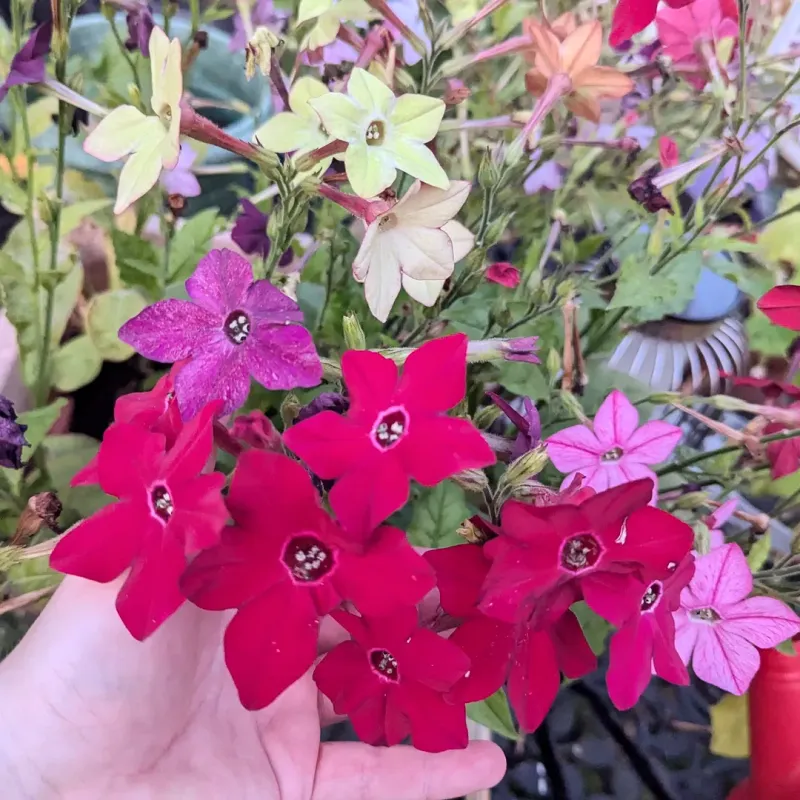
Most garden plants do their best work in daylight. Nicotiana, also called flowering tobacco, flips that completely.
Wait until after dark on a warm Georgia evening and step outside near a nicotiana planting. The fragrance that comes off those tubular flowers at night is genuinely surprising.
During the day, the flowers often stay partially closed and the scent is faint. As evening temperatures drop and light fades, the blooms open fully and release a sweet, slightly musky fragrance that attracts moths and other night pollinators.
It creates a completely different garden experience than daytime-only plants offer.
White and pale varieties tend to carry the strongest fragrance. Nicotiana alata is the species most known for its evening scent, while some of the showier hybrid varieties bred for daytime color have less noticeable fragrance overall.
Plant in a spot you actually visit at night, near a back porch, a fire pit area, or along a path with outdoor lighting. Georgia’s warm nights from May through October give nicotiana a long window to perform.
It grows easily from seed or transplant, handles Georgia heat reasonably well with regular watering, and brings something genuinely different to a fragrant garden plan.