5 Native Georgia Plants You Can Safely Prune In March And 3 To Leave Alone
Native plants are a big part of many Georgia gardens, but pruning them at the wrong time can quietly reduce blooms or slow their growth. Early spring often makes gardeners reach for the pruners, yet not every plant benefits from a March trim.
Some native Georgia shrubs respond well to light pruning before the growing season takes off. A careful cut can encourage fuller growth and help maintain a tidy shape as new leaves begin to appear.
But others are already preparing to flower, and trimming them now can remove the very buds that would have produced spring blooms.
Knowing which native plants can handle a March prune and which ones should be left alone helps prevent unnecessary setbacks.
A few well-timed decisions can keep native plants healthier and ensure they deliver the flowers and structure that make Georgia gardens so beautiful.
1. American Beautyberry Responds Well To Early Spring Pruning
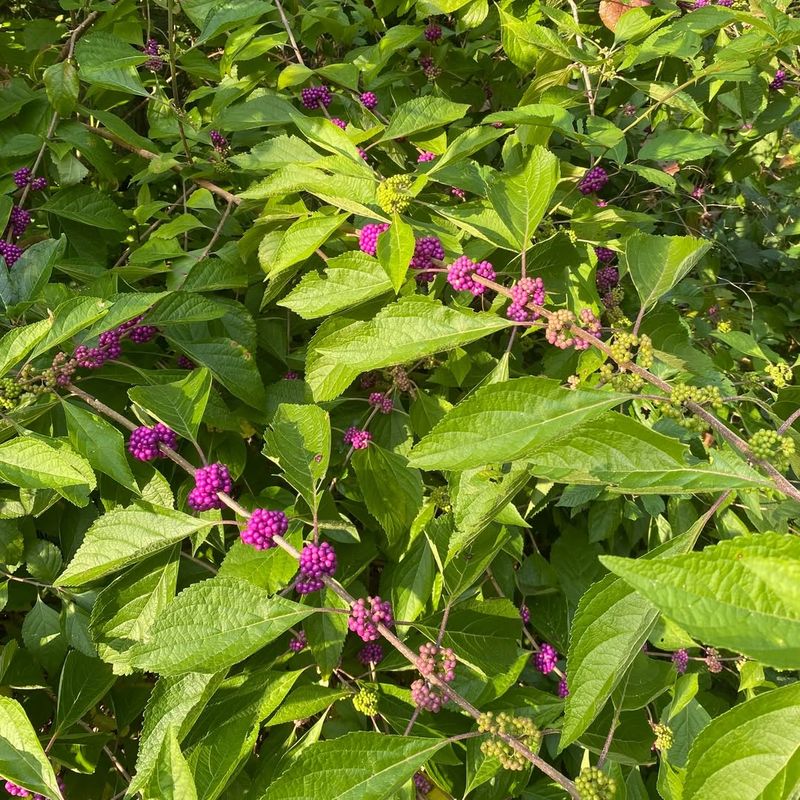
Cut it hard and it comes back swinging. American Beautyberry is one of those shrubs that actually rewards you for being aggressive with the pruners in early spring.
In Georgia, mid-March is right around the sweet spot for this one, especially in the northern part of the state.
Cutting the stems down to about six to twelve inches from the ground encourages the plant to push out strong, fresh shoots loaded with energy. If you skip this step and let it go, the plant gets leggy and the berry clusters end up sparse and scattered instead of full and showy.
Sharp, clean pruners make a real difference here. Ragged cuts invite problems, so take a minute to clean your blades before you start.
After pruning, you can add a light layer of compost around the base to give the new growth a boost.
By late summer, you will not believe the transformation. Those bright purple berry clusters are worth every snip you made back in March.
American Beautyberry is a standout in Georgia landscapes, and proper early spring pruning is what keeps it performing at its best year after year.
American Beautyberry responds very well to a hard prune in early spring because it blooms and fruits on new growth.
Cutting it back in March helps encourage stronger stems and fuller clusters of those bright purple berries later in the season.
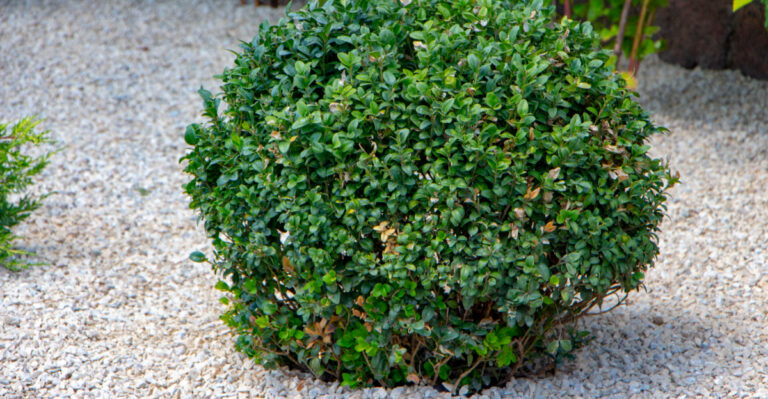
2. Yaupon Holly Tolerates Pruning Before Spring Growth Begins
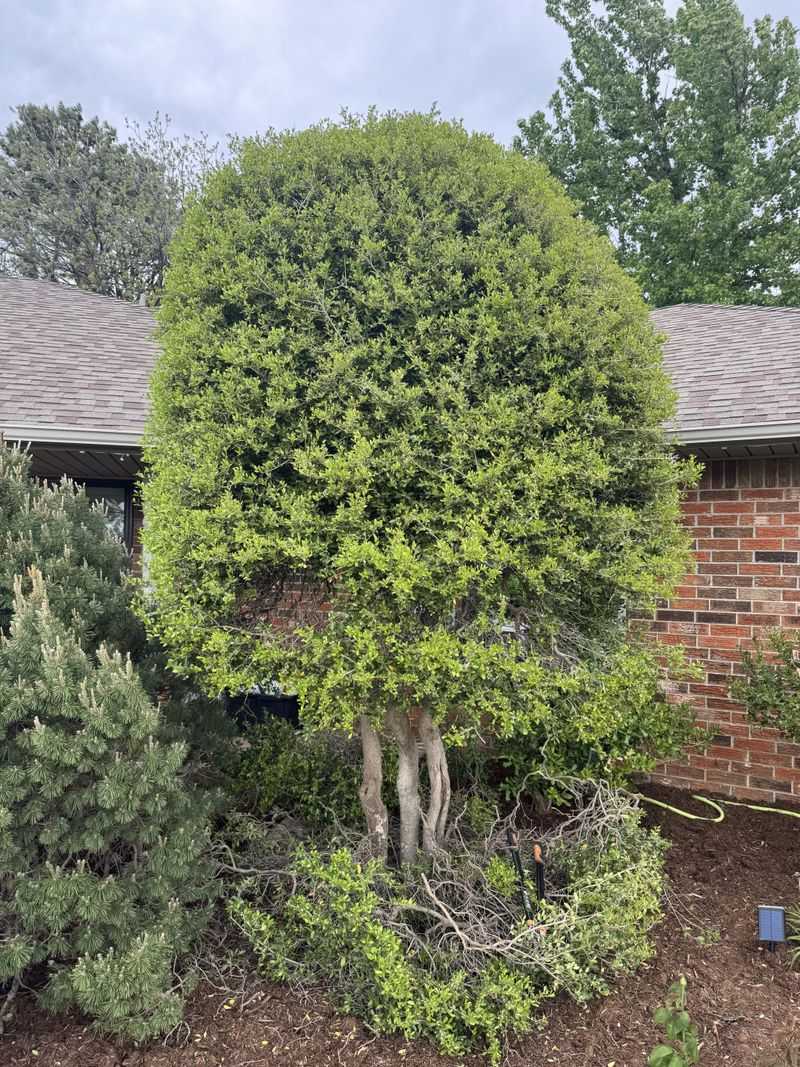
Yaupon Holly is tough in a way that most shrubs are not. It can handle a serious shaping session in late February or early March without missing a beat, which makes it one of the most forgiving plants in any Georgia yard.
Pruning before the new growth flushes out gives you a clean canvas to work with. You can shape it into a tight hedge, open it up into a more natural form, or just remove the crossing and crowded branches that built up over winter.
All of those approaches work well at this time of year.
One thing worth knowing: Yaupon Holly produces berries on female plants, and those berries are a serious food source for birds through winter.
Your Georgia Garden Changes Every Week. Your Plan Should Too.
Gardening in Georgia changes quickly throughout the season. Every Friday you’ll receive a simple weekly plan showing exactly what to plant, prune, fertilize, harvest, and protect so you never miss the right timing.
Pruning in early March means the berries from last fall are mostly gone, so you are not stripping away anything the wildlife still needs.
Keep cuts clean and avoid removing more than about a third of the plant at once unless you are doing a full renovation. In Georgia’s warmer climate, Yaupon bounces back quickly from a good pruning, and you will see fresh growth within a few weeks of making your cuts.
Yaupon Holly is extremely resilient and can handle shaping in late winter or early March before new growth starts. Pruning at this time helps control size and shape without harming the plant’s overall health.
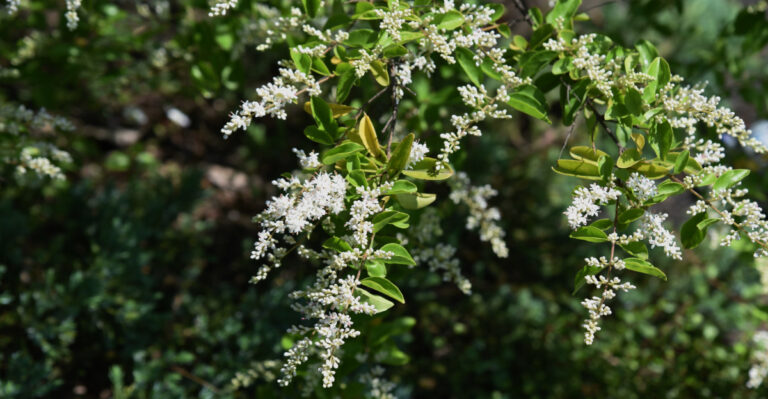
3. Buttonbush Can Be Cut Back In Late Winter Or Early Spring
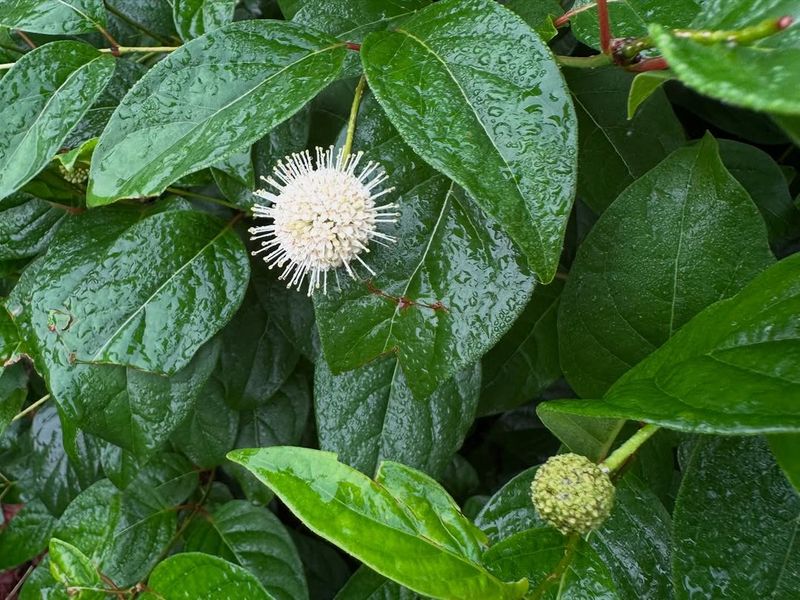
Not many people know about Buttonbush, but those who grow it in Georgia tend to get a little obsessed.
Those round, spiky white flower balls in summer are unlike anything else you will find in a native garden, and getting them requires a bit of late winter attention.
Cutting Buttonbush back in late February or early March, before it leafs out, keeps the plant compact and encourages stronger flowering stems. Left unpruned for several seasons, it can get quite rangy and the flower display becomes less impressive over time.
Buttonbush loves moisture, so if you have a low spot in your Georgia yard or a spot near a pond or stream, this plant is right at home.
Pruning it while it is still dormant means less stress on the plant and cleaner cuts since you can actually see the branch structure clearly.
Cut back to a framework of main branches and remove any weak wood first. After that, shorten the remaining stems by about a third.
Come July, you will have a well-shaped shrub covered in those unusual globe flowers that pollinators absolutely cannot resist, making all that early spring effort completely worth it.
Buttonbush blooms on new wood, which means pruning in late winter or early spring will not reduce its summer flowers. A light to moderate trim helps maintain a compact shape and encourages vigorous new stems.
4. American Elderberry Benefits From Early Spring Pruning
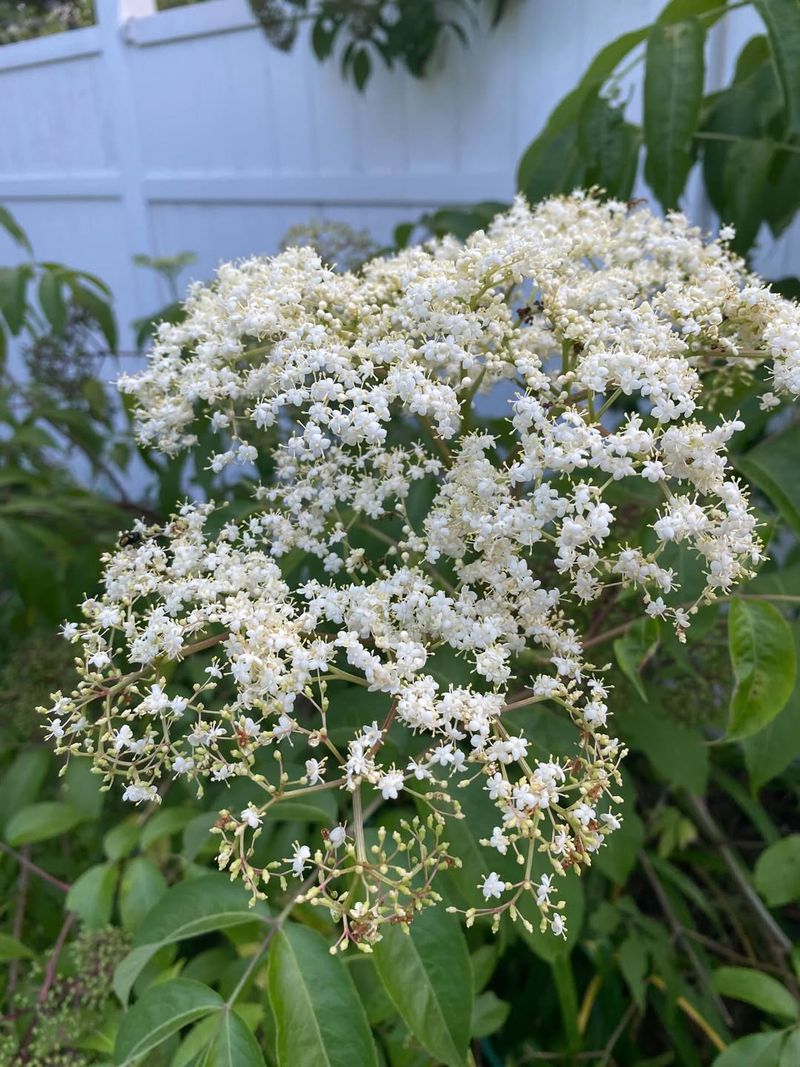
American Elderberry grows fast, and that is both its strength and its challenge. Without a good pruning in late winter or early March, it can turn into a sprawling, tangled mess that produces fewer flowers and less fruit than you would expect from such a vigorous plant.
Removing the oldest, woodiest canes all the way to the ground is the key move here. Elderberry produces its best growth on younger canes, so thinning out the old stuff makes room for the new shoots that will carry this season’s flowers and berries.
In Georgia, the plant may already be showing small bud swell by mid-March, which means timing matters.
Getting in there before the buds break fully makes the job easier and reduces the chance of accidentally snapping off new growth while you work.
Leave the strongest young canes from last year in place and cut everything that looks thick, gray, and tired. Elderberries grown in Georgia can put on several feet of new growth in a single season, so do not be shy about cutting.
A well-thinned elderberry will reward you with heavy clusters of dark berries that birds and people both appreciate come late summer.
American Elderberry grows quickly and produces the best flowers and fruit on younger canes. Removing some of the older canes in early spring encourages fresh growth that supports stronger berry production.
5. Sweetshrub Responds Well To Light Pruning Before New Growth
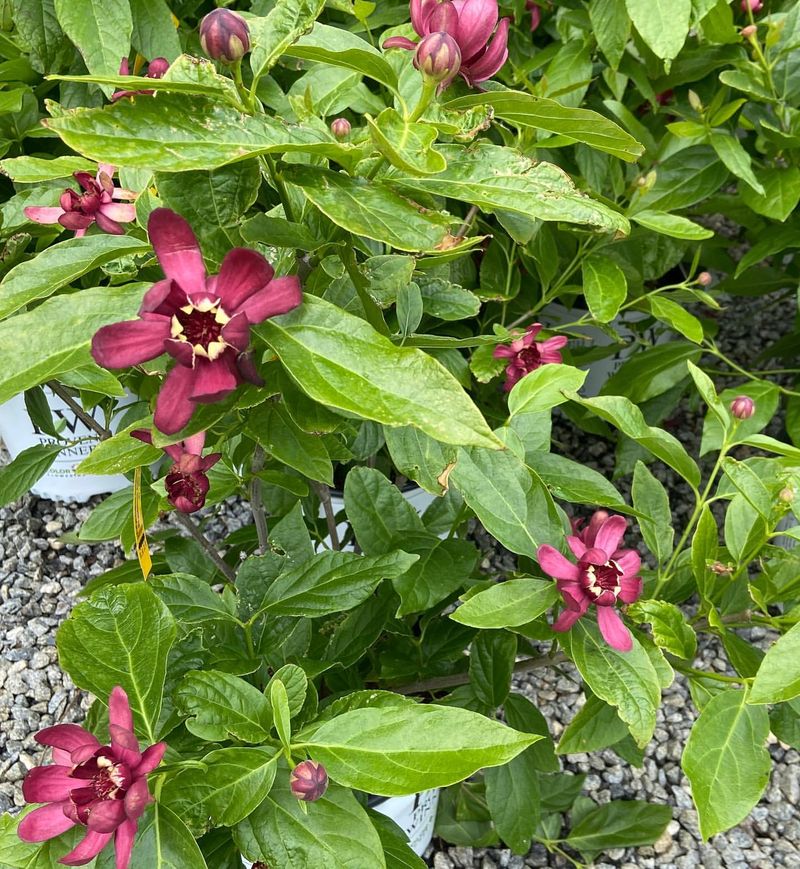
Crack open a Sweetshrub stem and you will get a scent that is somewhere between ripe strawberries and banana candy.
It is one of those genuinely surprising moments in the garden, and it is part of why this old-fashioned Georgia native has never really gone out of style.
Only very light pruning should be done at this time, mainly removing weak or crowded stems without cutting back the main branches.
The goal is not to cut it hard, but to remove any crossing branches, weak twigs, or stems that are crowding the center of the plant.
Sweetshrub tends to sucker at the base, sending up new shoots from the roots. Some of those suckers are welcome if you want the plant to spread naturally, but others can be removed to keep things contained.
March is the right time to make that call before the plant fully wakes up.
In Georgia’s shadier landscapes, Sweetshrub often fills in under tall trees where few other flowering shrubs will grow. Keeping it lightly shaped means better air circulation and a cleaner look.
The dark maroon flowers that follow in spring are subtle but deeply fragrant.
Sweetshrub can be lightly pruned in late winter or very early spring before new growth fully begins. Removing crowded or weak stems improves air circulation and helps maintain a healthy shape.
6. Azalea Should Be Left Alone Until After Blooming
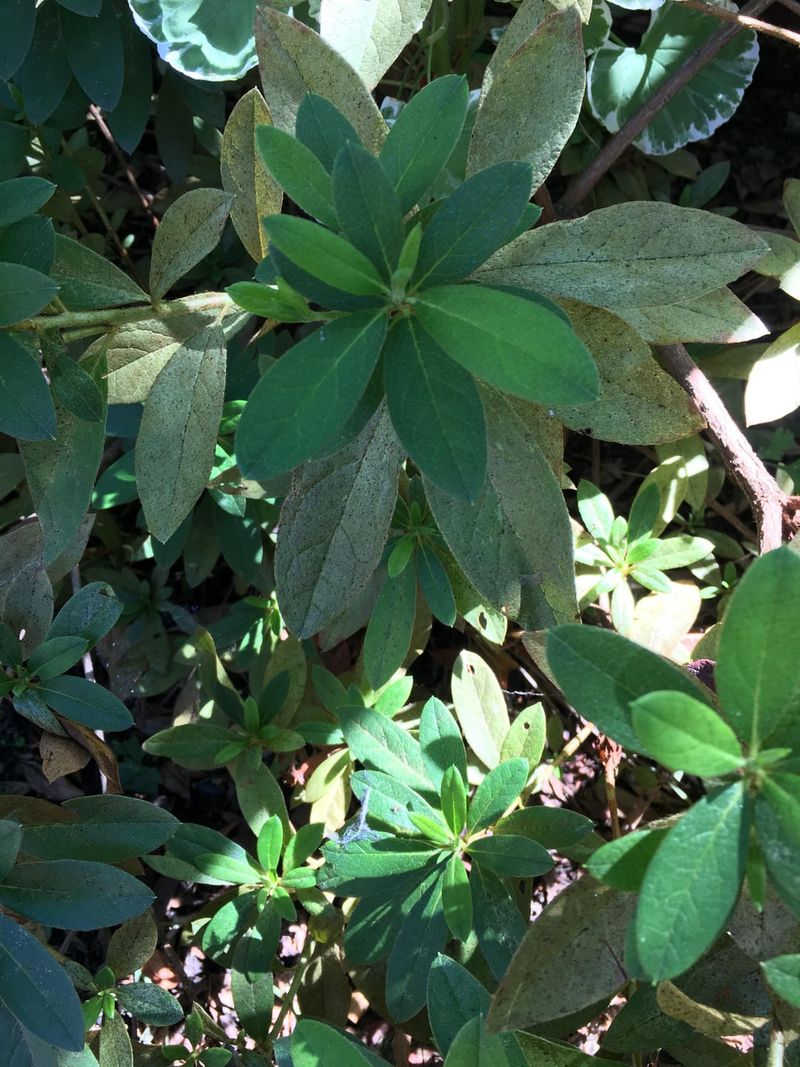
Pruning an azalea in March is one of the fastest ways to lose a whole season of color. Right now, inside every branch tip, those flower buds have already been sitting there since last summer, just waiting for the right temperature to open up.
Cut the branches now and you are removing the very buds that were going to give you all that spring color.
Georgia gardeners who have made this mistake once rarely make it again, because watching a stripped azalea push out leaves with no flowers is genuinely disappointing.
Wait until the blooms have fully faded, usually sometime in late April or May depending on where you are in the state. Right after flowering is the ideal window for pruning because the plant still has plenty of growing season ahead to set new buds for next year.
Keep the cuts light and focused on shaping rather than heavy reduction. Removing more than about a third of the plant at once can stress it significantly.
Native azaleas in Georgia, like the flame azalea and pinxter azalea, are especially worth protecting since they put on a show that no exotic variety can quite match. Patience in March pays off in a big way come April.
Azaleas form their flower buds during the previous growing season. Pruning in March removes those buds and results in fewer blooms that spring.
7. Mountain Laurel Pruning Is Better After Flowering
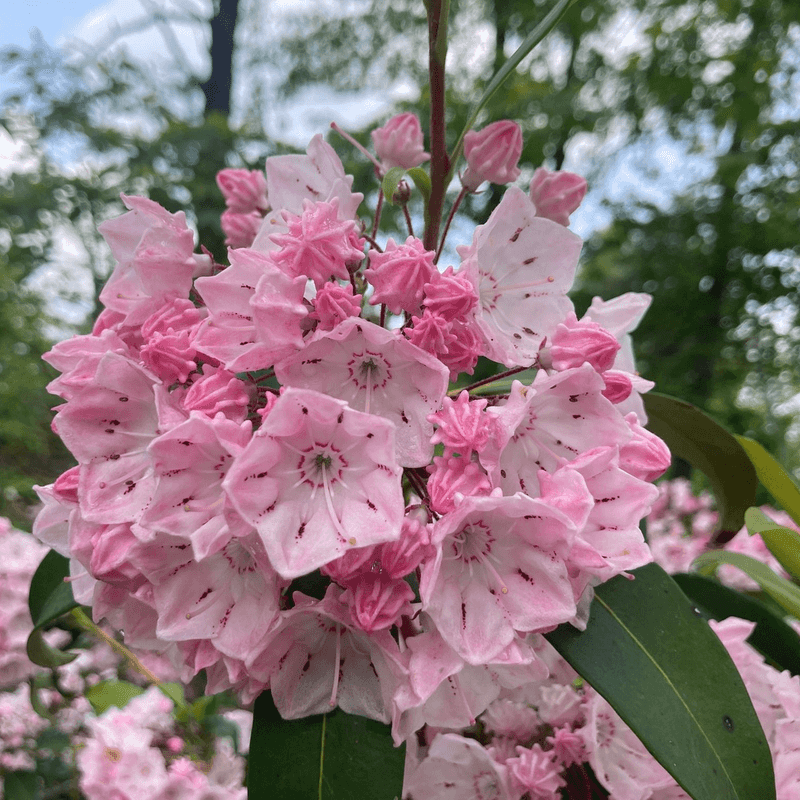
Mountain Laurel blooming in a Georgia woodland is genuinely one of the most striking things you can see in a native garden.
Clusters of intricate pink and white flowers cover the whole plant, and they only happen once a year, so protecting that bloom is worth planning around.
Pruning in March puts all of that at risk. Like azaleas, Mountain Laurel sets its flower buds the previous season, and any cutting done before bloom removes buds that took months to develop.
Holding off until after the flowers fade is the smarter move every time.
Once blooming wraps up, usually in May or June depending on elevation and location in Georgia, you can remove spent flower clusters and do light shaping.
Deadheading the old blooms actually encourages better flowering the following year by redirecting the plant’s energy away from seed production.
Heavy pruning is rarely needed and can throw the plant off for a season or two. Focus on removing any branches that are crossing, rubbing, or growing inward toward the center.
Mountain Laurel grows slowly, so every branch you cut represents years of growth. In Georgia’s mountain regions especially, this plant deserves a careful and well-timed approach rather than an impulsive March trim.
Mountain Laurel also develops its flower buds well before spring arrives. Waiting until after blooming allows gardeners to shape the plant without sacrificing the seasonal display.
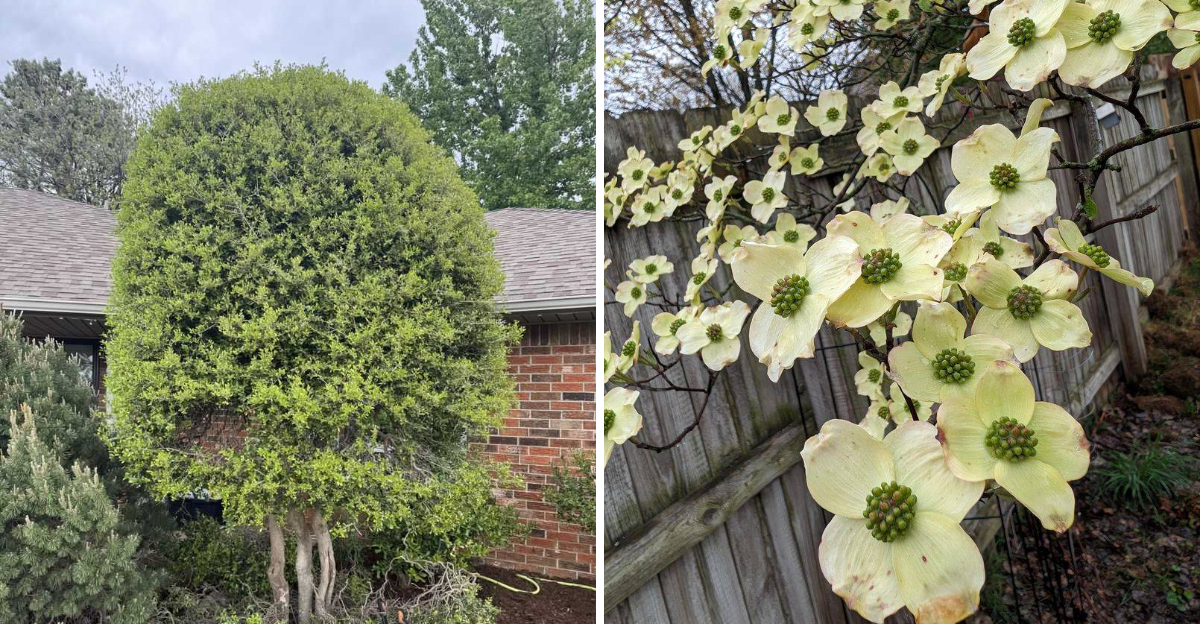
8. Flowering Dogwood Should Not Be Pruned In Early Spring
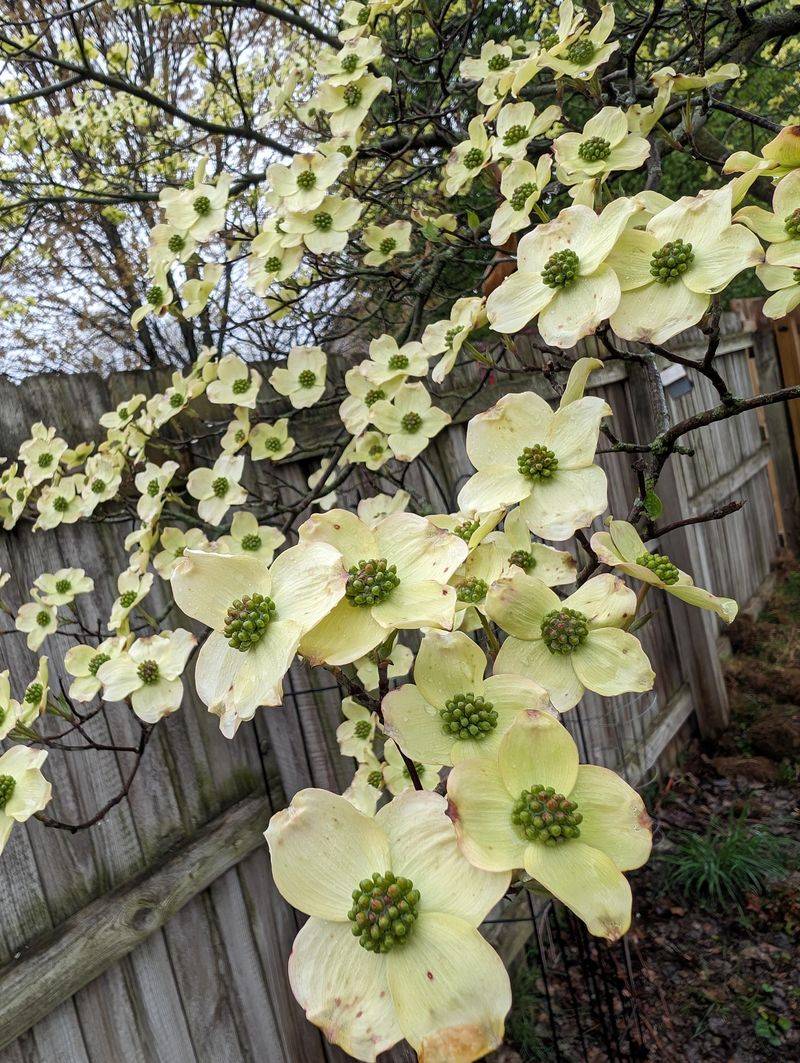
Few trees say Georgia spring quite like a Flowering Dogwood in full bloom. Those flat white bracts open up before the leaves even emerge, and the whole tree looks like it is floating.
Reaching for the pruning saw in March puts all of that in jeopardy.
Dogwoods are already carrying their flower buds through the winter, and cutting branches in early spring removes blooms you have been waiting on since last fall.
Beyond the lost flowers, pruning wounds on Dogwood in early spring can attract borers and fungal issues that are harder to manage once the season heats up.
If pruning is truly needed, wait until after the blooms have fully dropped, which in Georgia typically happens by late April.
Dogwoods also respond better to pruning when temperatures are mild and stable, not when the plant is in active bud break. In Georgia, that means late spring or early summer is far safer than March.
Letting this tree bloom without interruption is one of the simplest and most rewarding decisions you can make in a Georgia garden.
Flowering Dogwood carries its flower buds through winter and opens them in early spring. Pruning during this period removes the blooms and can stress the tree just as it begins its active growth cycle.