Why Cardinal Flower Thrives Best In Moist Gardens Across North Carolina
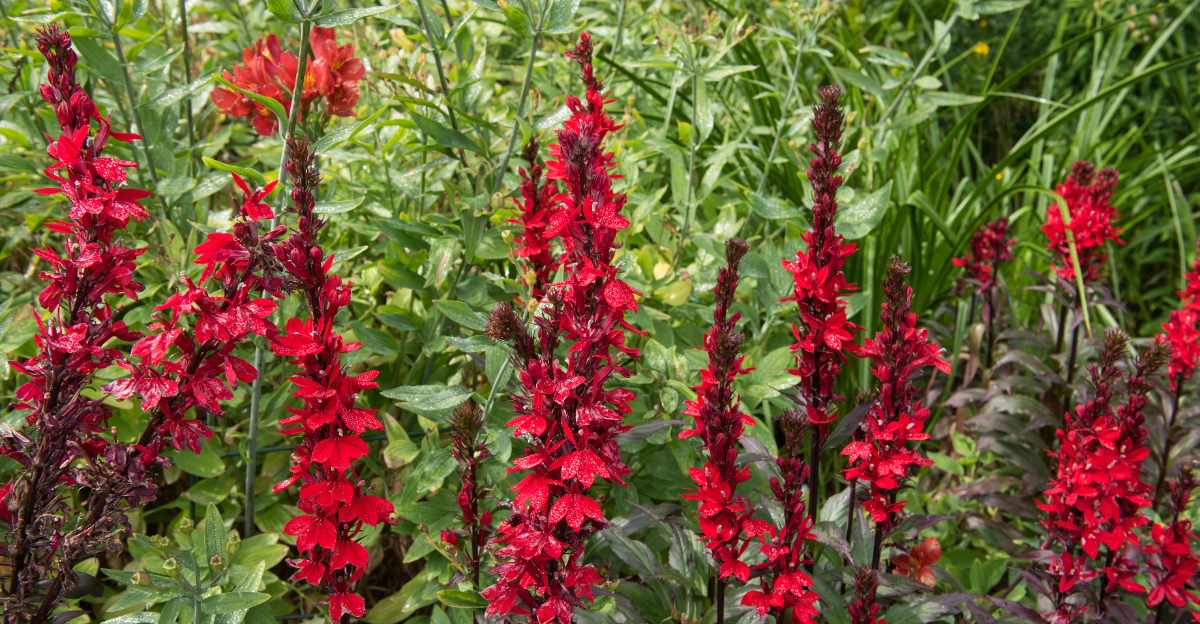
The Cardinal Flower stands as a vibrant beacon across the North Carolina landscape, igniting the humid summer air with its towering spires of electric crimson.
This native perennial thrives within the damp, shaded recesses of our mountain ravines and the low-lying wetlands of the coastal plain.
While many ornamental flowers struggle during a soggy Southern July, this brilliant species embraces the moisture, acting as a primary nectar source for migrating ruby-throated hummingbirds.
Its unique biological drive to seek out saturated soil makes it the ultimate candidate for a Piedmont rain garden or a naturally boggy backyard corner.
By mimicking these riparian environments, you unlock a relentless bloom cycle that provides a high-impact visual punch against the deep greens of the forest edge.
Mastering the specific hydration needs of this scarlet wonder ensures a resilient, perennial display that returns with increasing vigor each season, transforming any wet patch into a stunning sanctuary.
1. Native To Wetlands And Stream Banks
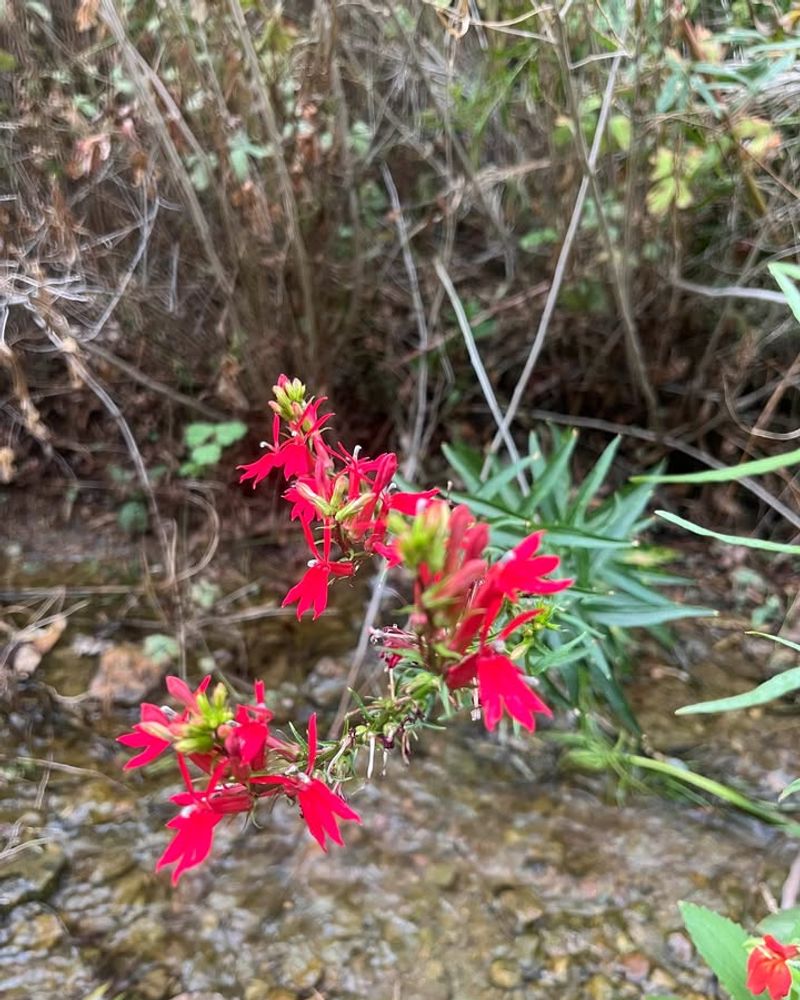
Cardinal Flower did not just show up in gardens by accident. Lobelia cardinalis has been growing wild along stream banks, wetlands, and riverbeds across North Carolina for centuries, and that natural heritage shapes everything about how it grows today.
When you plant it in a moist garden spot, you are essentially recreating the environment where it already knows how to thrive.
Across North Carolina, you can spot Cardinal Flower growing near creeks, boggy meadows, and low-lying areas where water collects after rain.
The plant has evolved to expect wet feet, pulling moisture from saturated soil to fuel its rapid growth and stunning red blooms. Without consistent dampness, it struggles to reach its full potential.
Gardeners across the state who mimic these natural wetland conditions are always rewarded with taller plants and more vibrant flower spikes.
Planting near a pond edge, rain garden, or naturally damp garden bed gives Cardinal Flower exactly what its roots have always craved.
Knowing its wild roots makes it so much easier to give this plant what it truly needs. You are not just gardening, you are honoring a plant that has called North Carolina home for a very long time.
2. Consistent Moisture Fuels Those Stunning Red Blooms
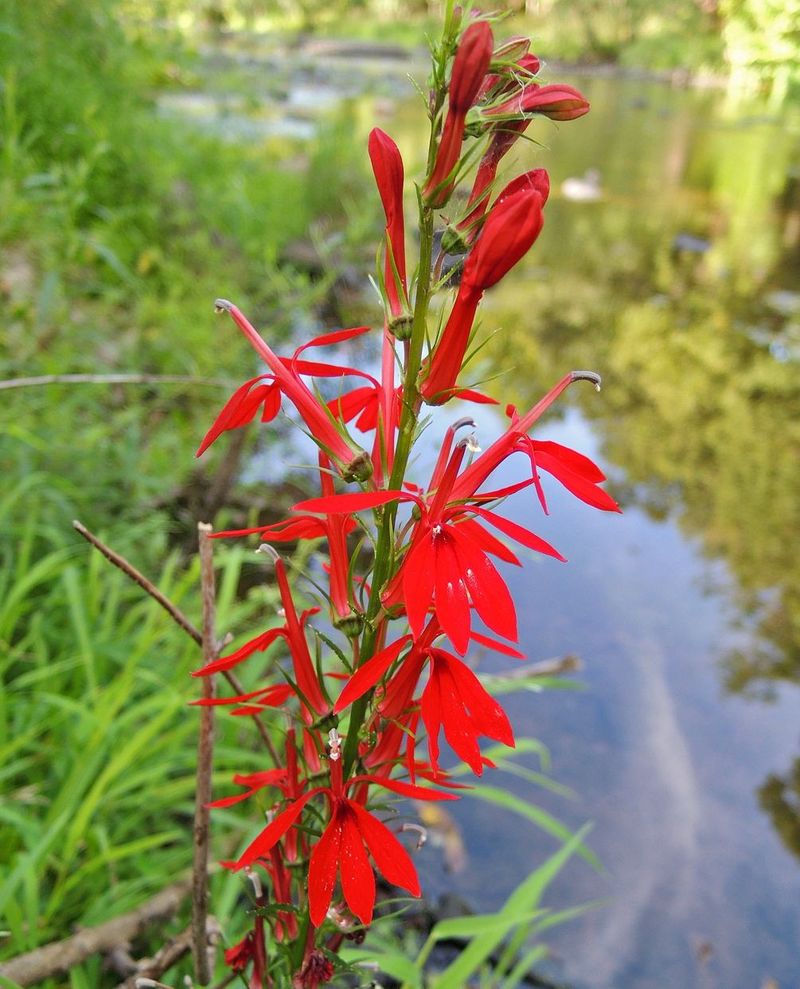
Bright red flower spikes nearly four feet tall are possible when Cardinal Flower gets one key ingredient: steady, reliable moisture.
Without consistent water in the soil, this plant pulls back, growing shorter and producing fewer blooms.
Moist gardens across North Carolina give it exactly the fuel it needs to grow bold and beautiful all summer long. Think of moisture as the engine behind every flower spike.
When the soil stays damp, the plant channels that energy upward, pushing out wave after wave of tubular red blossoms that last from mid-summer well into fall.
Gardeners who water regularly or plant in naturally moist areas see a noticeable difference in how full and vibrant their Cardinal Flowers become compared to those grown in drier spots.
North Carolina summers can get hot and intense, making regular watering even more important during dry stretches.
Your North Carolina Garden Changes Every Week. Your Plan Should Too.
Gardening in North Carolina changes quickly throughout the season. Every Friday you’ll receive a simple weekly plan showing exactly what to plant, prune, fertilize, harvest, and protect so you never miss the right timing.
Mulching around the base of the plant helps lock in that precious soil moisture between rain events. A thick layer of organic mulch, like shredded bark or compost, keeps roots cool and consistently damp.
Pair that with a spot near a water feature or low-lying garden area, and you have the perfect recipe for a Cardinal Flower that blooms harder and longer than you ever expected.
3. Part Shade And Moisture Create The Ideal Combo
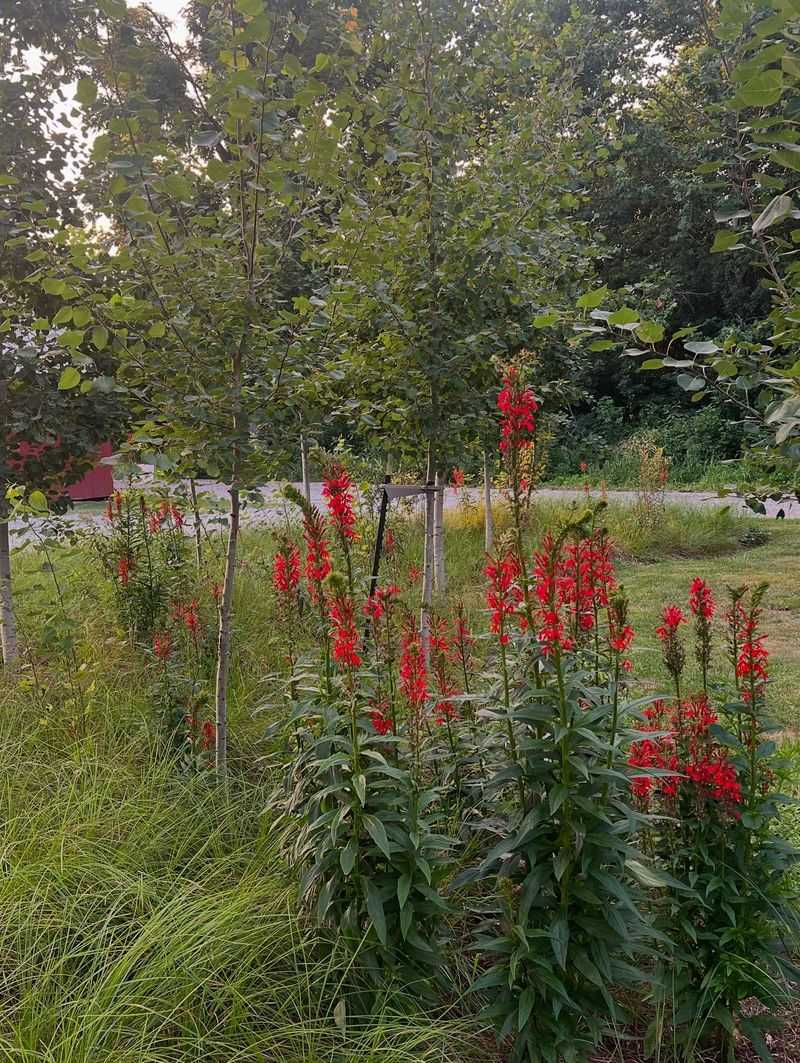
Sunlight matters for Cardinal Flower, but moisture matters even more. While this plant can handle full sun when water is plentiful, it truly shines in partially shaded spots where the soil stays cool and consistently moist.
North Carolina gardens with dappled light near trees, fences, or water features often produce the most robust Cardinal Flower plants of all.
Shady conditions help slow down soil evaporation, which means the ground stays wetter for longer between watering sessions. That extra retained moisture is a huge advantage for a plant that craves damp roots.
Areas near streams, shaded ponds, or rain gardens with overhead tree cover offer a naturally perfect growing environment that Cardinal Flower responds to with impressive growth.
Many North Carolina gardeners discover that the shadier corners of their yards, spots that other flowering plants avoid, are exactly where Cardinal Flower puts on its best performance.
Pairing it with shade-tolerant companions like ferns or hostas creates a layered, lush garden scene that feels almost like a slice of wild North Carolina woodland.
Full sun works fine if irrigation is consistent, but that sweet combination of gentle shade and moist soil unlocks the plant’s full potential. Give it both, and you will wonder why you did not plant it sooner.
4. Hummingbirds And Butterflies Flock To Moist Garden Spots
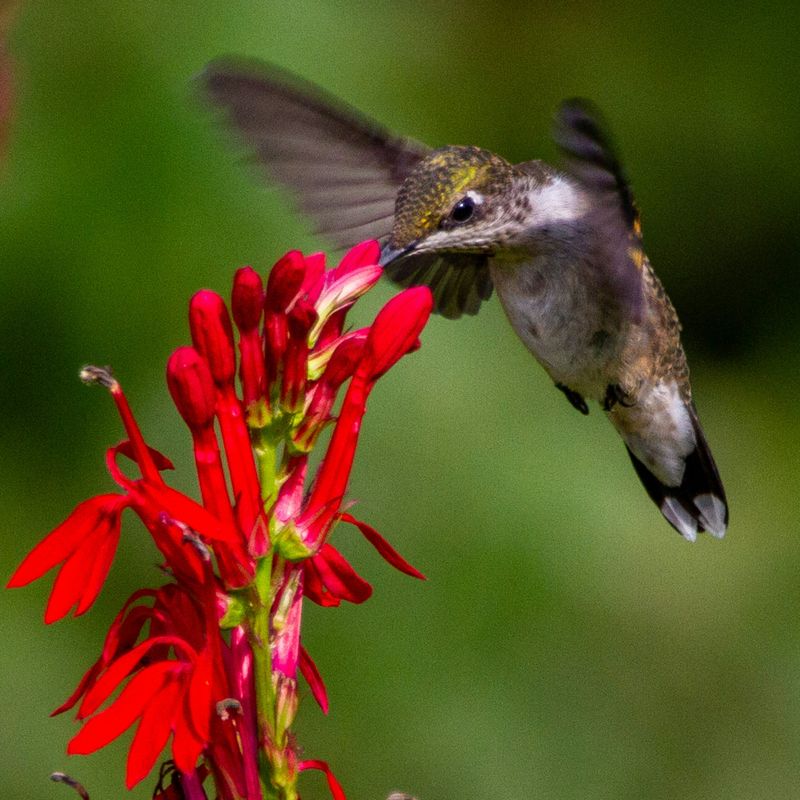
Something magical happens when you plant Cardinal Flower near water. Hummingbirds, drawn by those brilliant red tubular blooms, begin showing up almost immediately, hovering and darting between flower spikes in a breathtaking display.
Butterflies follow close behind, and suddenly your moist North Carolina garden feels alive in a way that no other plant quite achieves. The connection between moisture and pollinator activity is deeper than it first appears.
Moist garden areas near ponds or streams tend to support richer insect populations, which in turn attract more hummingbirds and butterflies looking for food.
Cardinal Flower planted in these spots benefits from increased pollinator visits, which helps the plant produce more seeds and spread naturally over time.
Ruby-throated hummingbirds, which are common throughout North Carolina during summer, are especially drawn to Cardinal Flower because the long tubular flowers match the shape of their bills perfectly.
It is a relationship that evolved over thousands of years, and moist gardens simply amplify it by keeping the flowers fresher and more abundant.
Planting Cardinal Flower near a backyard water feature or pond edge turns your outdoor space into a genuine pollinator haven.
Watching hummingbirds visit your garden on a warm North Carolina afternoon is one of the most rewarding experiences any gardener can have.
5. Deep Roots That Pull Moisture From The Soil
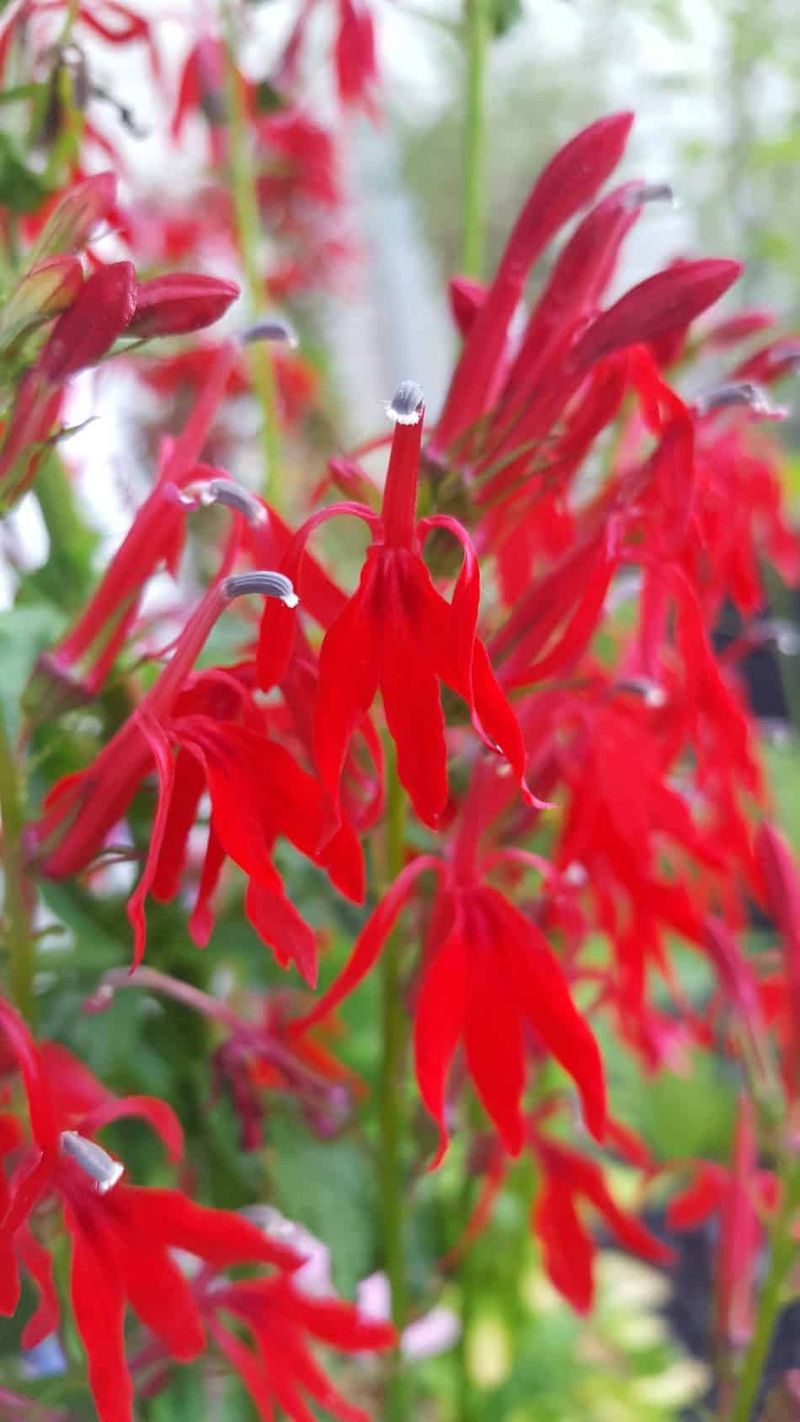
Cardinal Flower is not a shallow plant in any sense of the word. Its root system reaches deep into the soil, actively seeking out moisture stored below the surface.
This root behavior is one of the main reasons moist, water-retentive soils found across North Carolina are so perfectly suited for keeping this plant healthy and productive season after season.
Deep roots give the plant an impressive ability to access water that surface-level roots simply cannot reach.
In garden areas near streams, low-lying beds, or rain gardens, the soil stays saturated deeper down, giving Cardinal Flower roots a reliable water source even during brief dry spells.
That deep moisture access is what keeps the plant standing tall and green when shallower-rooted plants begin to wilt.
Gardeners who prepare their planting beds with plenty of organic matter, like compost or aged leaf mulch, help create the kind of deep, moisture-holding soil structure that Cardinal Flower roots love to explore.
Mixing organic material into the top twelve inches of soil before planting makes a noticeable difference in how quickly and strongly the plant establishes itself.
North Carolina’s naturally clay-heavy soils in many regions can actually work in your favor here, since clay retains moisture well.
Amend it slightly for drainage, and you have a root-friendly environment that keeps Cardinal Flower thriving for years.
6. Moisture-Rich Soils Bring Out The Best Growth
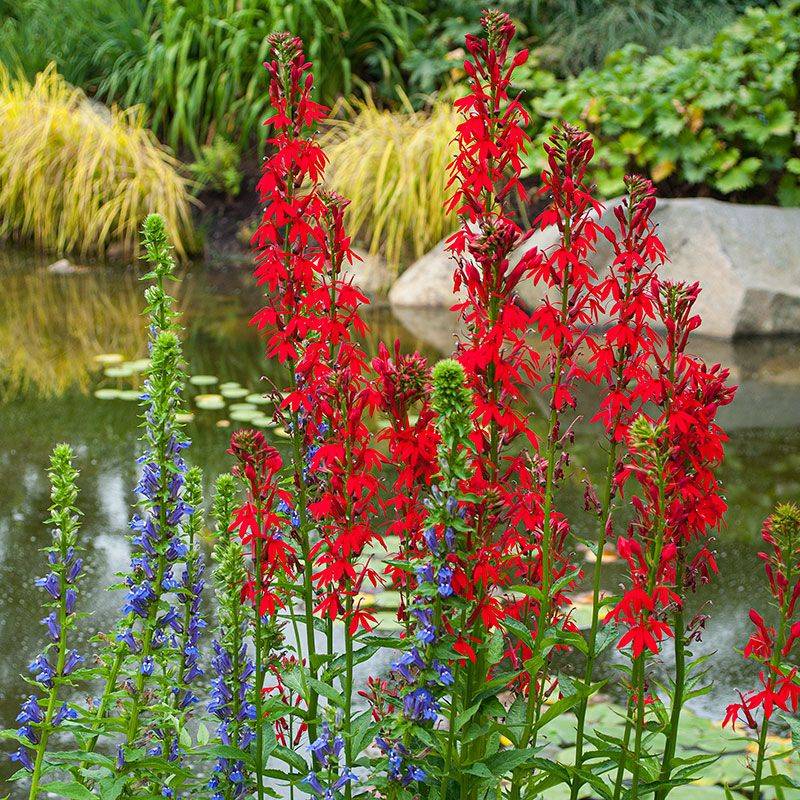
Soil type plays a bigger role in Cardinal Flower success than most gardeners initially realize. While this plant can technically grow in a range of soil conditions, it reaches its absolute peak performance in rich, moisture-retentive soils packed with organic matter.
North Carolina gardens near streams, ponds, or natural drainage areas often have exactly this kind of naturally fertile, damp soil already in place.
Rich soil holds water longer, feeds roots with nutrients, and supports the kind of vigorous growth that produces those tall, eye-catching flower spikes.
Sandy soils drain too quickly and leave Cardinal Flower thirsty, while clay-heavy soils, when amended correctly, can hold just the right amount of moisture to keep roots happy.
The sweet spot is a loamy, organically rich soil that drains well enough to prevent rot but stays consistently damp.
Adding compost to your planting area before putting Cardinal Flower in the ground is one of the smartest moves a North Carolina gardener can make.
A two to three inch layer of compost worked into the soil improves both moisture retention and nutrient availability in one simple step.
Planting near natural water sources gives an added bonus, as runoff from nearby streams or ponds keeps the surrounding soil naturally enriched.
Give Cardinal Flower that rich, moist foundation, and it will reward you with growth that genuinely surprises you every single season.
7. North Carolina’s Humid Climate Feels Like Home
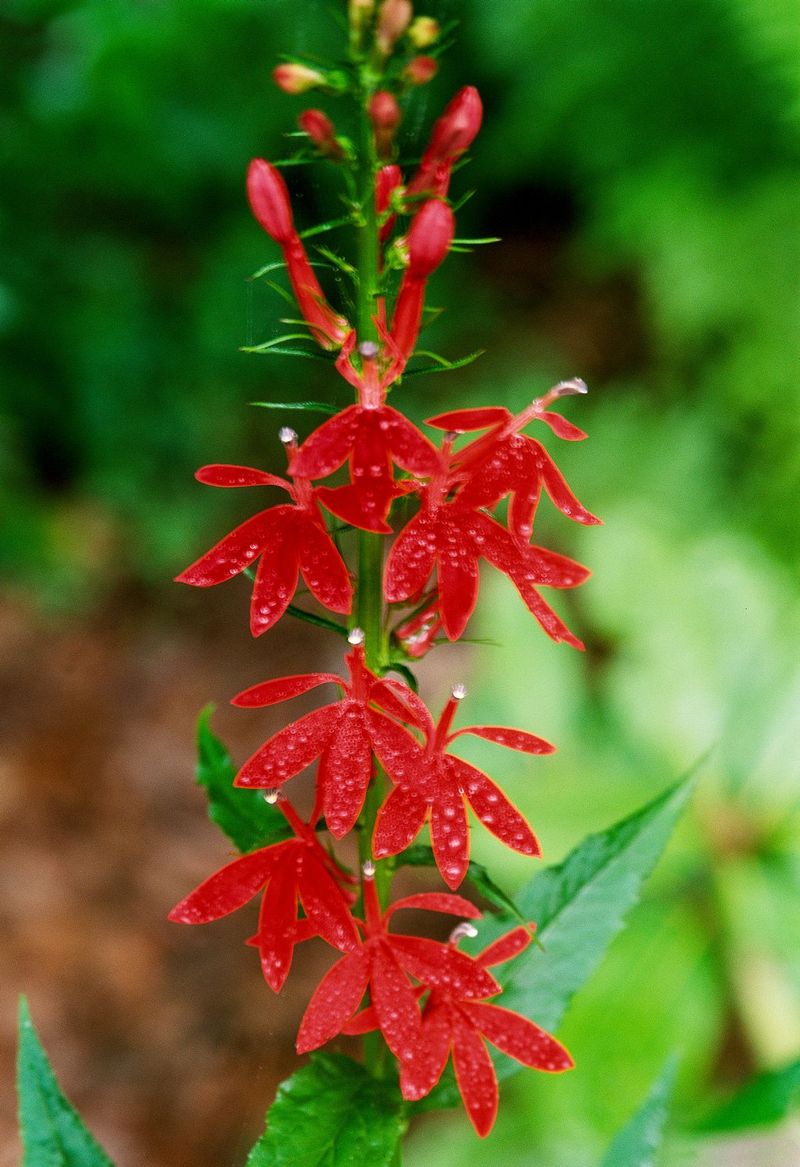
North Carolina summers are famously warm and humid, and for Cardinal Flower, that humidity feels completely natural.
The state’s climate closely mirrors the plant’s native wetland habitat, where moisture hangs in the air and the soil rarely dries out completely.
That atmospheric moisture is something gardeners in drier states simply cannot replicate, giving North Carolina a built-in advantage for growing this plant successfully.
High summer humidity slows the rate at which leaves lose water through transpiration, which means Cardinal Flower can focus more energy on blooming rather than on survival.
The frequent afternoon thunderstorms that roll through much of North Carolina during July and August deliver natural irrigation right when the plant needs it most.
That combination of humid air and regular rainfall mimics the plant’s preferred wetland conditions almost perfectly.
Coastal and Piedmont regions of North Carolina tend to experience the highest humidity levels, making them especially well-suited for Cardinal Flower gardens.
Even in the mountain regions, summer moisture from clouds and fog creates conditions that this plant genuinely appreciates.
Gardeners across the state benefit from working with the climate rather than against it, choosing plants like Cardinal Flower that are already tuned to North Carolina’s natural rhythms.
When your local weather and your plant’s preferences align this well, gardening becomes far less work and far more joy.
8. Moist Soil Keeps Stress And Wilting Away
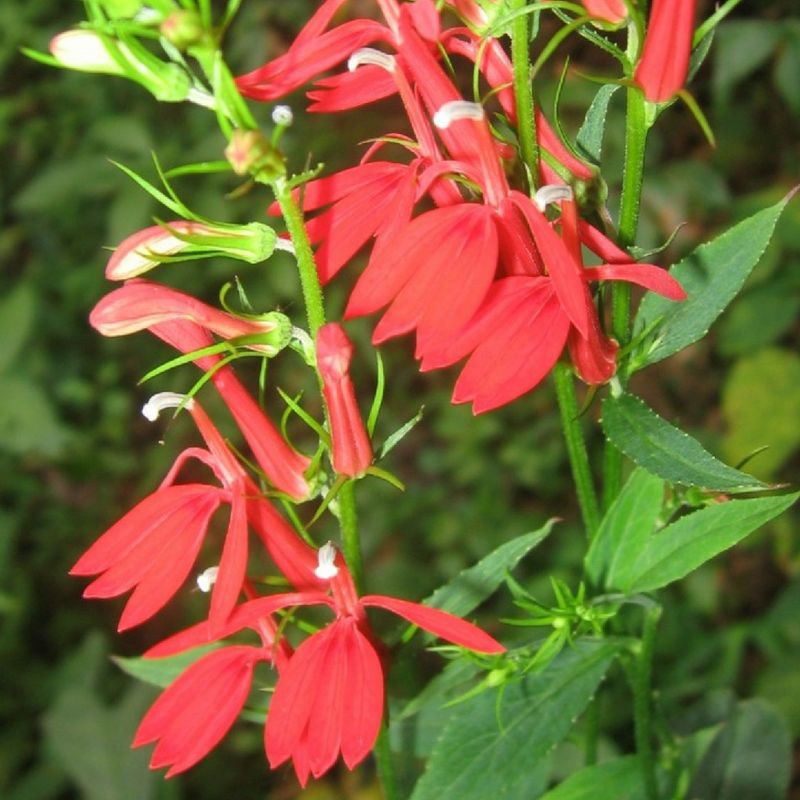
Cardinal Flower and drought conditions simply do not get along. When soil dries out too much, this plant responds quickly, drooping its leaves and pulling energy away from flower production.
The good news is that consistently moist soil acts as a natural buffer against that kind of stress, keeping the plant upright, green, and blooming even when North Carolina summers heat up significantly.
Gardeners who plant Cardinal Flower in naturally damp spots, like rain gardens, bog edges, or areas that collect runoff, rarely deal with wilting problems.
The soil in these locations stays moist enough to keep roots satisfied without any extra irrigation effort.
That built-in moisture supply is what makes placement so critical for getting the best results from this plant across different North Carolina growing zones. For gardeners without naturally wet spots, consistent watering is the key to preventing stress.
Checking soil moisture every two to three days during hot, dry stretches and watering deeply when the top inch feels dry keeps Cardinal Flower in excellent shape.
Drip irrigation systems work especially well because they deliver water directly to the root zone without wetting the foliage.
Keeping leaves dry while roots stay moist reduces the risk of fungal issues during North Carolina’s humid summers.
A little attention to soil moisture goes a long way toward keeping Cardinal Flower looking its absolute best all season.
9. The Perfect Plant For Wet And Tricky Garden Spots
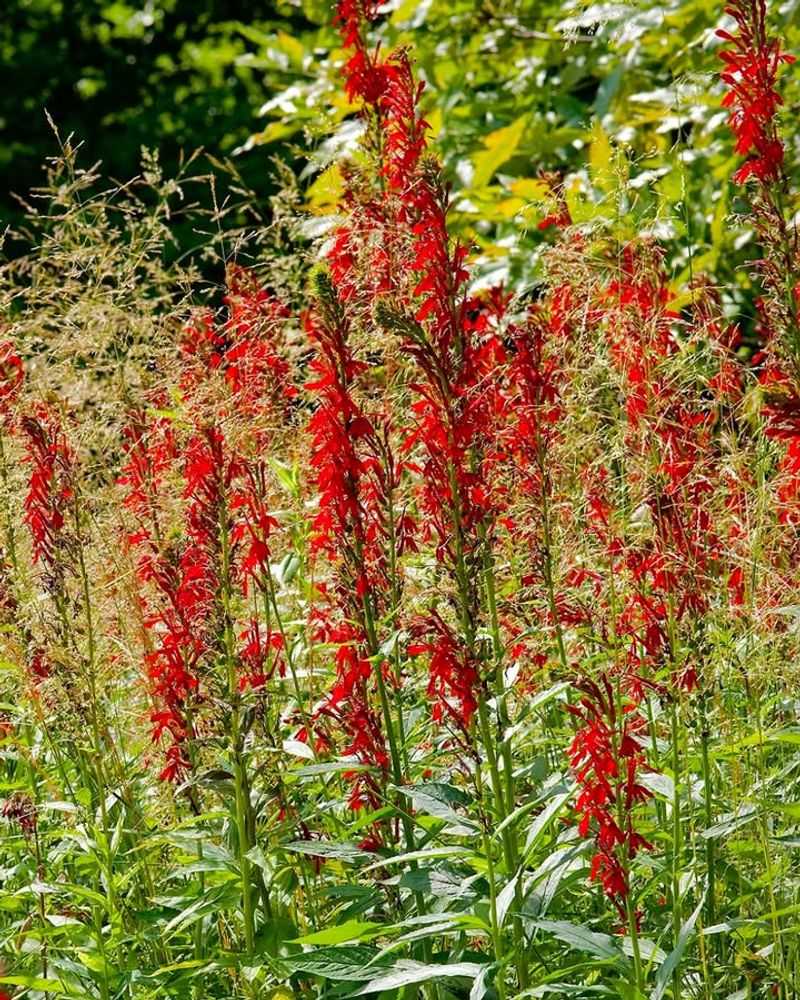
Every garden has that one spot that gives other plants trouble, a low corner that stays soggy after rain, a shaded area near a downspout, or the muddy edge of a backyard pond. Cardinal Flower was practically made for those spots.
Where other flowering plants struggle with excess moisture, Cardinal Flower moves in and thrives, filling problem areas with striking red blooms that stop visitors in their tracks.
Rain gardens have become increasingly popular across North Carolina as homeowners look for smart ways to manage stormwater runoff.
Cardinal Flower is one of the top recommended plants for these features because it handles temporary flooding without complaint and bounces back quickly once water levels drop.
Planting it alongside other moisture-loving natives like swamp milkweed or blue flag iris creates a layered, naturalistic garden scene that looks intentional and polished.
Pond edges and stream-side plantings are other perfect homes for Cardinal Flower in North Carolina landscapes.
The plant’s roots help stabilize soil along banks, reducing erosion while adding serious visual impact.
Seeing those tall red spikes reflected in still water is one of those garden moments that feels almost too beautiful to be real.
If you have a wet, tricky spot in your yard that nothing else seems to want, Cardinal Flower is ready to claim it and transform it into the most eye-catching corner of your entire garden.