What North Carolina Gardenias Actually Need In May To Keep Blooming All Summer
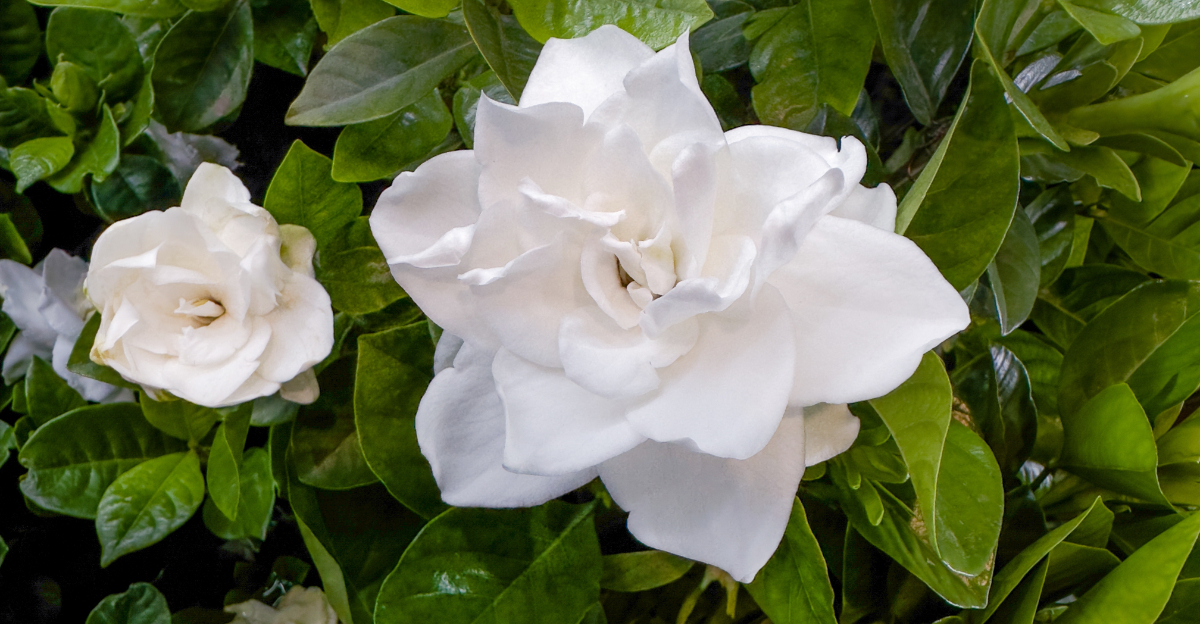
Gardenias are one of the most rewarding plants you can grow in North Carolina, but they have a way of looking perfect one week and struggling the next if their needs are not met. May is actually one of the most important months for these plants.
What you do right now sets the tone for how well they bloom through the heat of summer. North Carolina’s warm, humid climate is closer to ideal for gardenias than most of the country, but that does not mean they take care of themselves.
Soil conditions, watering habits, and feeding schedules all play a bigger role than most people expect, and small mistakes during this window can cut your blooming season short before it really gets going.
The good news is that gardenias are not as complicated as their reputation suggests. Once you understand what they are actually looking for this time of year, keeping them full of blooms all summer becomes a whole lot more manageable.
1. Your Soil Ph Is Probably The Reason Your Gardenia Looks Miserable
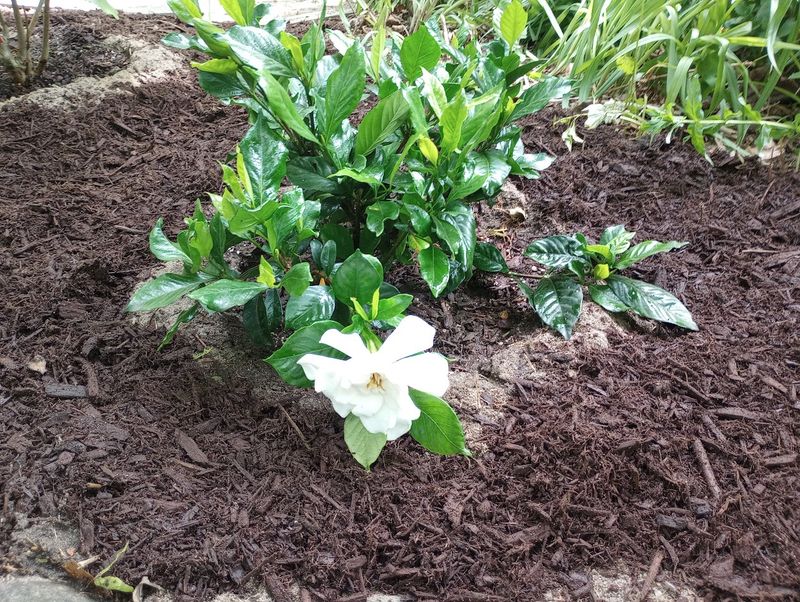
Soil pH is one of those invisible problems that sneaks up on gardeners every spring, and in North Carolina, it is one of the top reasons gardenias struggle. Gardenia jasminoides needs a soil pH between 5.0 and 6.0 to absorb nutrients properly.
When the pH creeps above that range, the plant cannot take in iron or manganese, and those yellow leaves you see are the result.
May is the perfect time to grab an inexpensive soil test kit from your local garden center and check where things stand.
North Carolina’s clay-heavy soils are notorious for shifting more alkaline near concrete foundations, driveways, and walkways, which are common spots where people plant gardenias for curb appeal.
If your reading comes back too high, amending with elemental sulfur or an acidifying fertilizer can gradually bring it back into the right range.
Do not skip this step thinking the plant will adjust on its own, because it simply will not. Consistent soil pH is what allows every other care practice to actually work.
Think of it as the foundation everything else is built on. Checking pH takes about ten minutes and could completely transform how your North Carolina gardenia performs from June through August.
2. Feed It Like The Acid Lover It Is
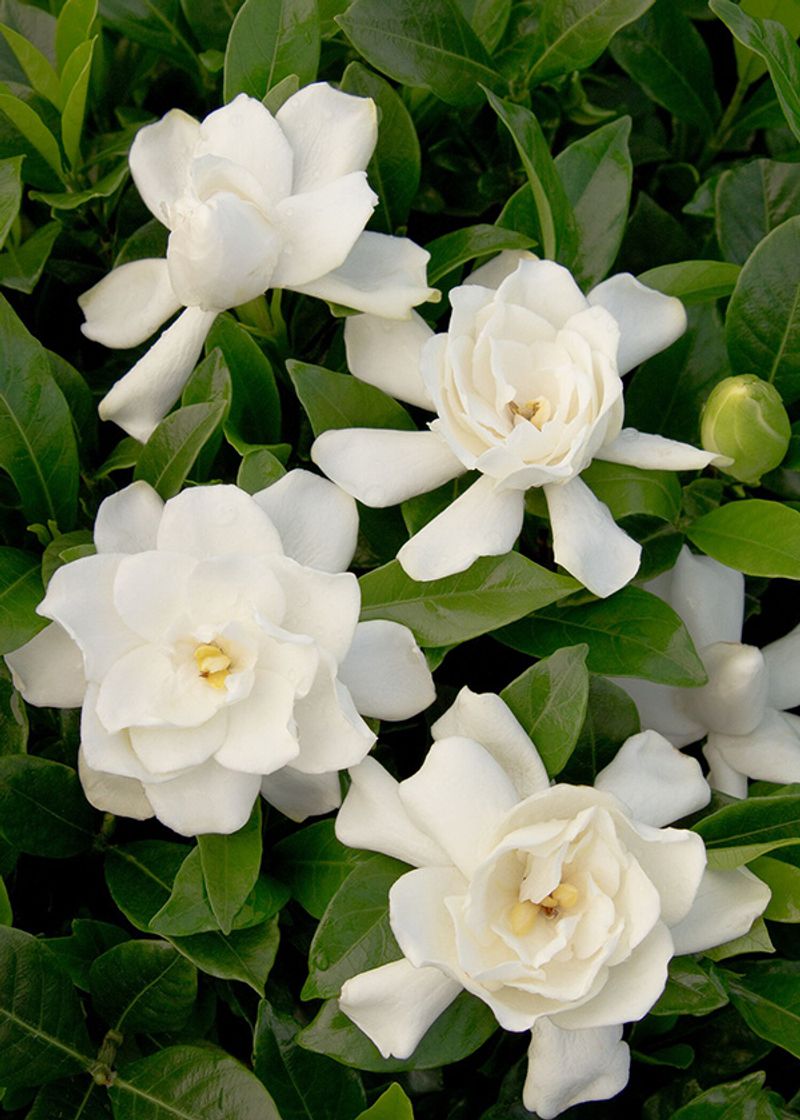
Feeding your gardenia correctly in May is genuinely one of the most impactful things you can do before summer blooming kicks off. Gardenias are acid-loving plants, which means they need a fertilizer specifically formulated for that type of soil chemistry.
Reach for an azalea and camellia fertilizer or any product labeled for acid-loving plants, and apply it before the flower buds fully develop and set.
One mistake North Carolina gardeners make pretty often is grabbing a generic bloom booster fertilizer, thinking more phosphorus means more flowers.
Actually, high-phosphorus fertilizers can interfere with micronutrient uptake in already acidic soils, which makes the problem worse rather than better.
Stick with a balanced acidic formula and follow the label instructions carefully to avoid over-applying.
Your North Carolina Garden Changes Every Week. Your Plan Should Too.
Gardening in North Carolina changes quickly throughout the season. Every Friday you’ll receive a simple weekly plan showing exactly what to plant, prune, fertilize, harvest, and protect so you never miss the right timing.
Timing really does matter here. Fertilizing too late in May, after buds have already formed, can cause stress and even trigger bud drop.
Early to mid-May is your sweet spot across most of the North Carolina Piedmont and Coastal Plain. After that first feeding, a light follow-up application in late June can help sustain blooming through the hottest part of summer.
Consistent, appropriate feeding keeps the plant energized and producing those gorgeous white blooms you planted it for in the first place.
3. Water At The Roots, Not The Leaves
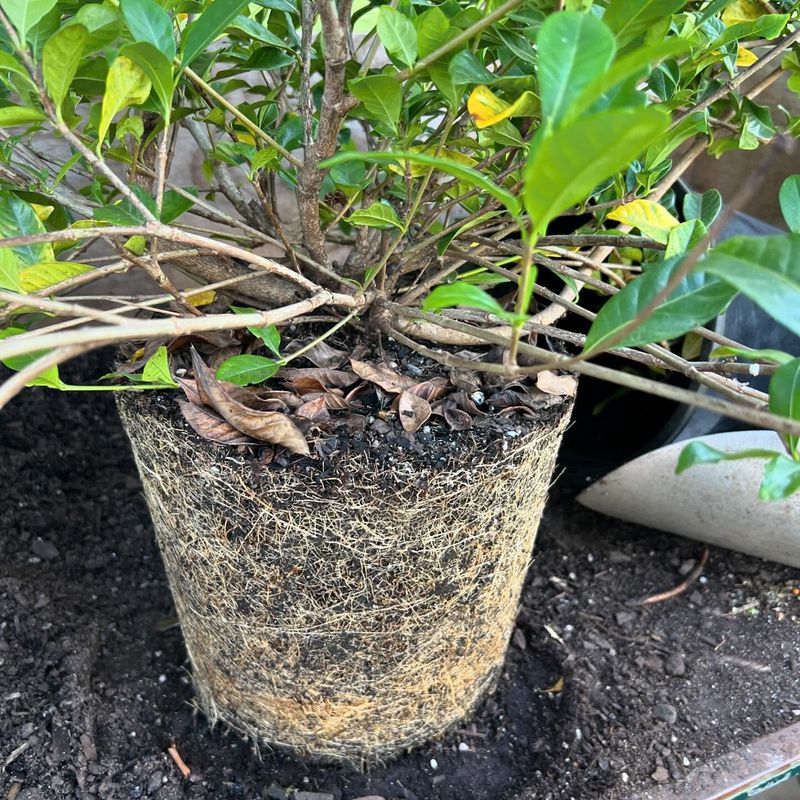
Watering might seem straightforward, but how and where you deliver that water makes a huge difference for gardenias in North Carolina. During May, the plant is actively developing flower buds, and those buds are surprisingly sensitive to moisture stress.
Irregular watering, meaning too much one week and too little the next, is one of the most common causes of bud drop that gardeners in NC report every single season.
Always water at the base of the plant rather than overhead. North Carolina’s May humidity already creates a warm, moist environment that encourages fungal diseases like botrytis and leaf spot.
Wet foliage sitting in that humidity overnight is an open invitation for those problems to take hold fast. A soaker hose or drip irrigation system keeps moisture right at the root zone where it belongs.
Aim to keep the soil consistently moist but never waterlogged, since gardenias do not tolerate soggy roots well at all. A good rule of thumb is about one inch of water per week, adjusting based on rainfall.
If NC has a dry stretch in May, check the soil every couple of days rather than waiting for the plant to show signs of stress. Catching a moisture problem early is always easier than recovering from one that has already set in.
4. Pine Straw Is Your Best Friend Right Now
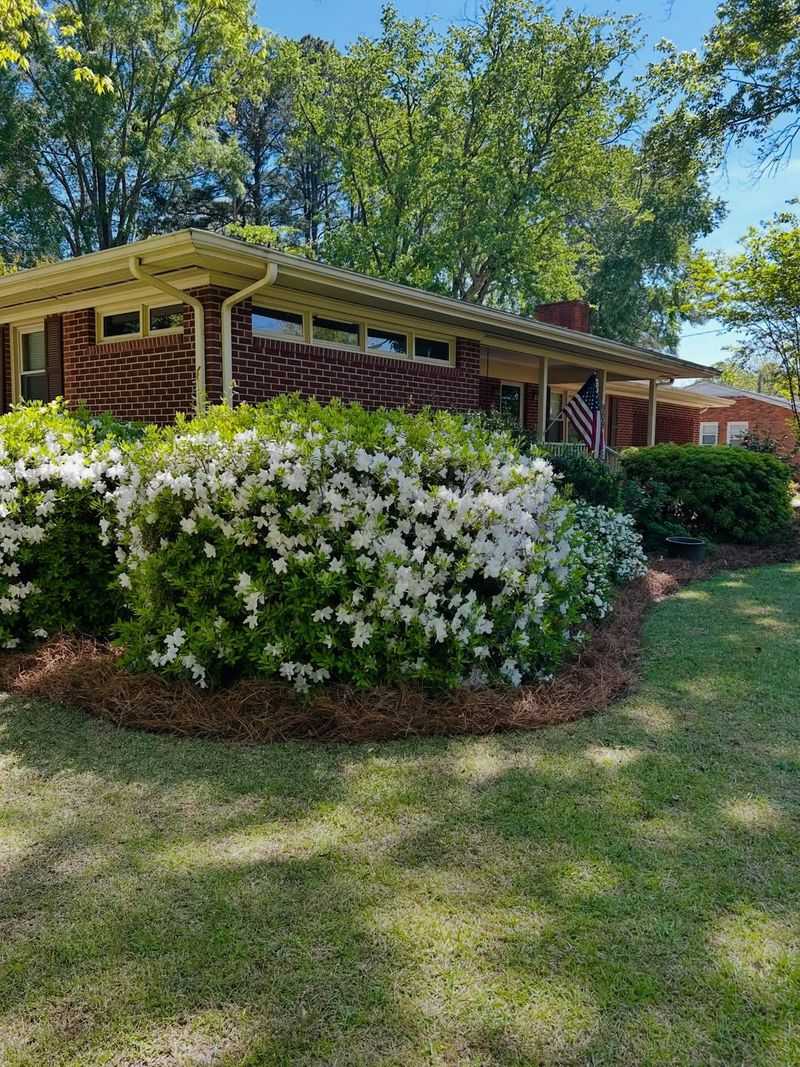
Ask any experienced North Carolina gardener what their secret weapon is for healthy gardenias, and a surprising number will point straight to pine straw.
It is widely available across the state, it looks natural in the landscape, and it actually improves soil conditions over time as it slowly breaks down and releases mild acidity into the ground.
That gradual acidification is exactly what gardenias thrive on. Apply a fresh two to three inch layer of pine straw or pine bark mulch around your gardenia each May, spreading it out to the drip line of the shrub.
This layer does triple duty by retaining soil moisture during dry spells, moderating soil temperature as summer heat builds, and slowly feeding the soil the acidity the plant craves.
Just make sure you pull the mulch back slightly from the main stem to prevent moisture from sitting against the bark.
Skipping mulch in a North Carolina summer is a gamble most gardenias will lose. The heat and humidity combination from June through August can dry out shallow roots surprisingly fast between rain events.
A good mulch layer acts like a buffer, keeping conditions stable even when the weather swings. Refreshing it every spring in May sets your plant up with protection that carries it all the way through the hottest months of the growing season.
5. Put The Pruning Shears Down In May
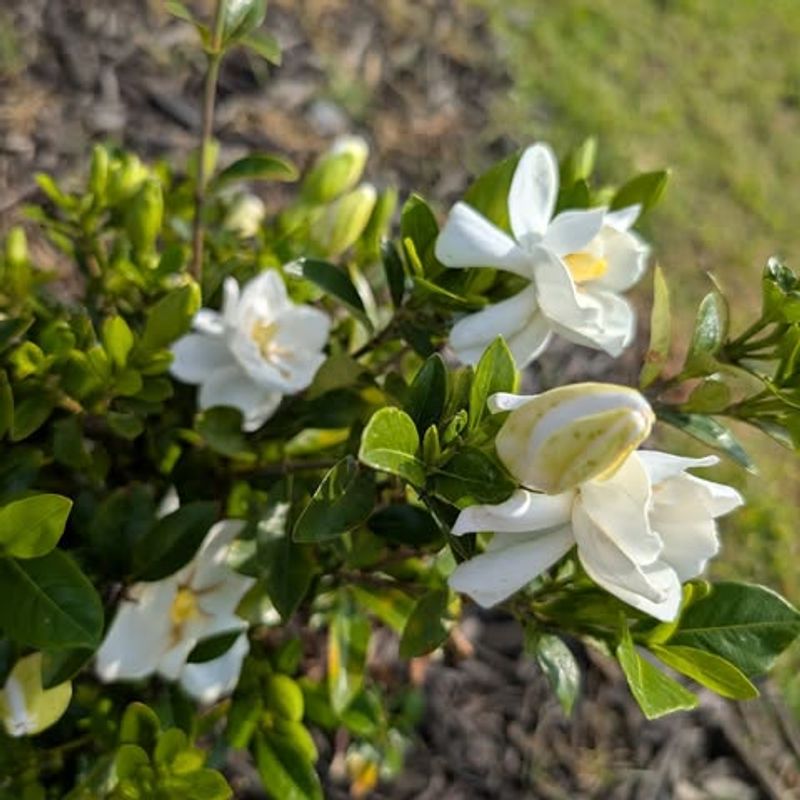
Pruning at the wrong time is one of the most common and most heartbreaking mistakes North Carolina gardenia growers make. It feels productive to tidy up the shrub in spring, but May is exactly the wrong moment to pick up those shears.
Gardenias in NC set their flower buds on old wood, meaning growth from the previous season is what carries this summer’s blooms.
When you prune in May, you are literally cutting off the branches that were going to flower. The plant looks neater for about two weeks, and then summer arrives and there is almost nothing to show for it.
That frustration is completely avoidable once you understand how the plant’s growth cycle actually works. Patience in May pays off with a spectacular bloom display in June and July.
If your gardenia genuinely needs shaping or size management, mark your calendar for immediately after the main bloom period ends. In most of North Carolina’s Piedmont and Coastal Plain, that window falls somewhere between late June and mid-July.
Pruning then gives the plant enough time to push new growth that will harden off and carry next year’s buds before cold weather arrives.
Light cleanup of any crossing or broken branches is fine anytime, but save any real shaping work for after those flowers have had their moment in the sun.
6. That Black Sticky Coating On The Leaves Is Telling You Something
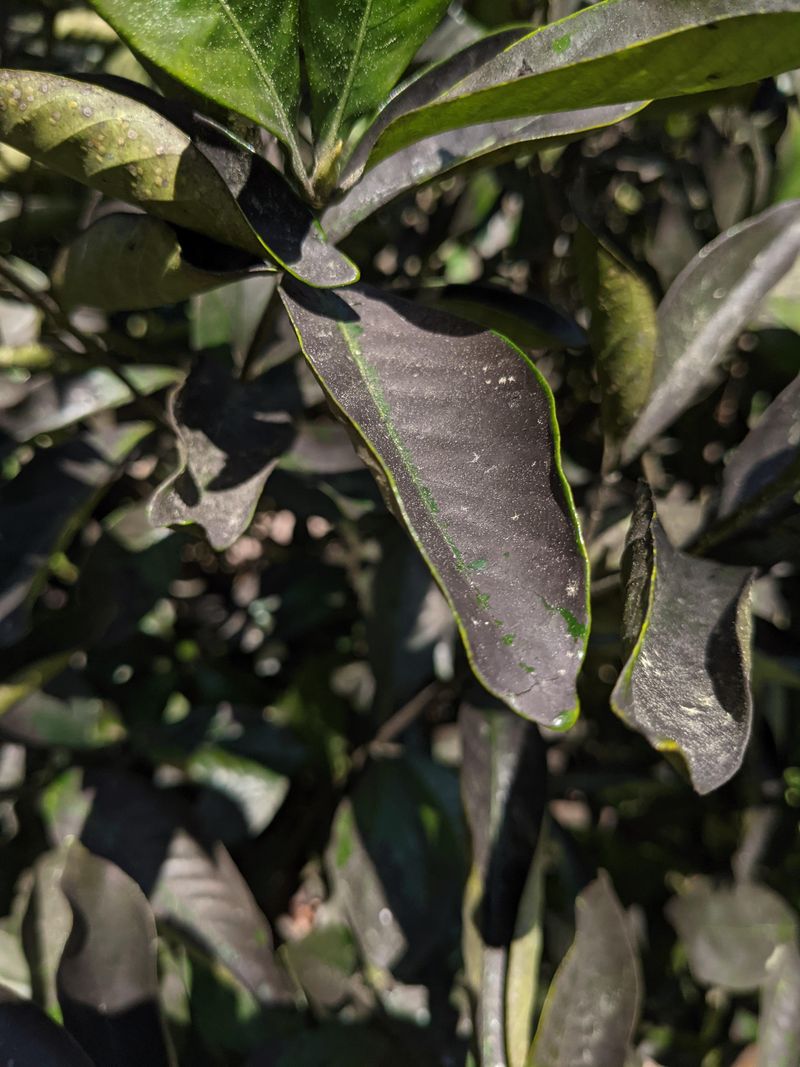
Sooty mold looks alarming the first time you see it, that black grimy coating spread across otherwise glossy gardenia leaves. Here is the thing though: the mold itself is not actually the problem.
It is a symptom pointing directly to a pest issue happening underneath. Sap-sucking insects like soft scale and whitefly produce a sticky substance called honeydew, and sooty mold grows on top of that honeydew like clockwork.
In North Carolina’s warm, humid spring climate, these pest populations can build surprisingly fast by May. A few insects in April can become a genuine infestation by the time you notice the mold.
The good news is that treatment is straightforward once you identify what you are dealing with. Horticultural oil or insecticidal soap applied directly to the undersides of leaves, where the insects actually live, knocks the population back effectively.
Apply your treatment early in the morning when temperatures are cooler and before full sun hits the foliage, since both products can cause leaf burn if applied in heat.
Once the insect problem clears up, the sooty mold gradually weathers away on its own without any scrubbing needed.
Catching this issue in May before populations explode is much easier than managing a heavy infestation mid-summer. Check the undersides of your leaves regularly throughout the growing season across all of North Carolina.
7. Bud Drop Happens, And Panicking Makes It Worse
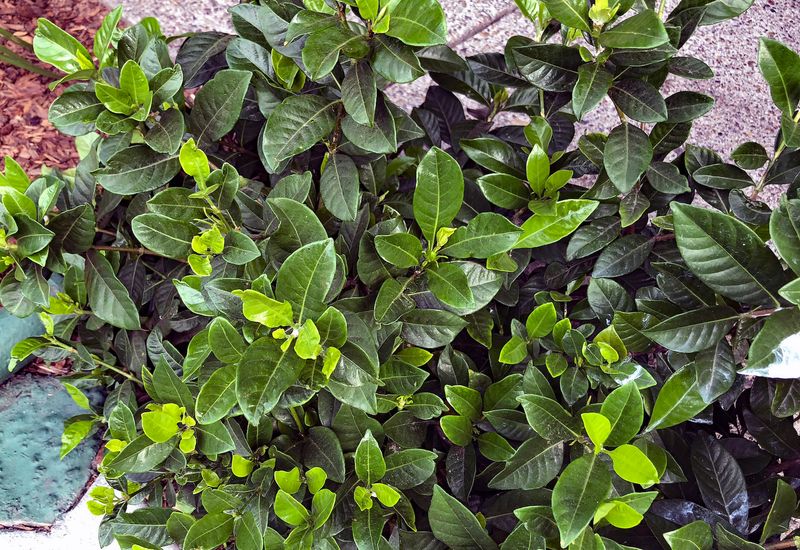
Nothing sends a North Carolina gardener into a spiral quite like walking outside in May and finding a handful of gardenia buds lying on the ground. Bud drop feels like failure, but it is actually a normal stress response built into Gardenia jasminoides.
The plant sheds buds when conditions shift suddenly, and May in North Carolina is full of those kinds of shifts.
A late cold snap, a dry spell that sneaks up between rain events, or even a sudden heat surge can all trigger bud drop without any disease or pest involvement at all. The plant is essentially conserving energy when it senses instability.
Conditions usually stabilize within a week or two, and the plant often pushes new buds to replace the ones that dropped, especially if the underlying care is solid.
Where gardeners really get into trouble is by overcorrecting. Dumping extra fertilizer on a stressed plant or soaking the soil trying to help it recover often creates a second wave of stress on top of the first.
Steady, consistent watering and avoiding any fertilizer changes while the plant is already under pressure gives it the best chance to bounce back naturally.
Trust the process, keep conditions as stable as you can, and most North Carolina gardenias will recover and reward you with a strong flush of summer blooms.
8. Morning Sun And Afternoon Shade Is The Winning Combination
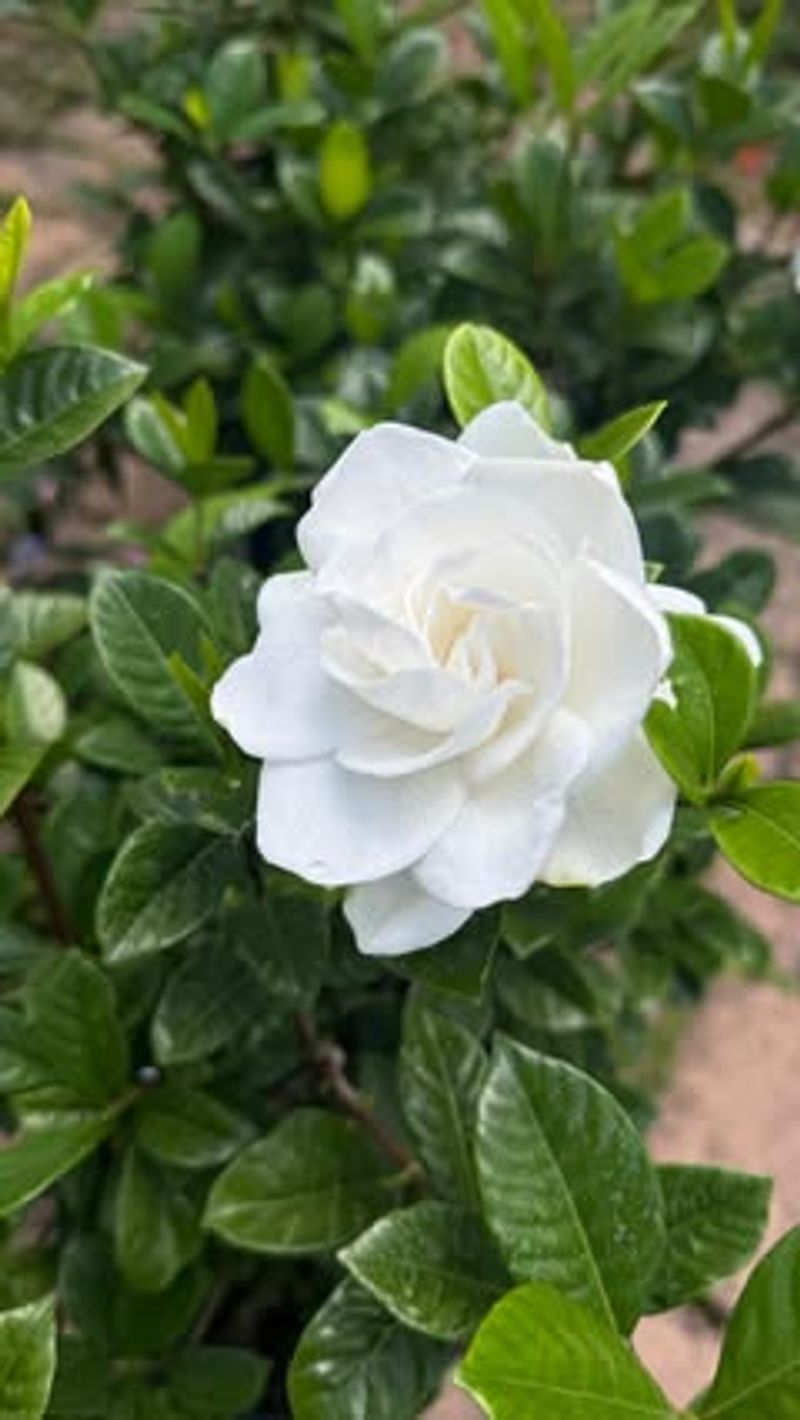
Light placement is something a lot of gardeners figure out the hard way after a summer of watching their gardenia look scorched and exhausted by August.
North Carolina summers are genuinely intense, and full afternoon sun from May through August pushes soil temperatures and moisture loss to levels that stress gardenias significantly.
The plant can handle heat, but not relentless direct afternoon exposure on top of high humidity.
The sweet spot for gardenias across most of North Carolina is four to six hours of direct morning light followed by filtered or full shade during the hottest afternoon hours.
Morning sun is gentler, promotes strong healthy growth, and helps dry off any overnight moisture on foliage before fungal issues can develop.
Afternoon shade from a fence, a larger shrub, or the side of a structure provides relief during peak heat.
If your gardenia is already planted in a tough spot and you cannot change its location, strategic shade cloth during the most brutal weeks of summer can make a real difference.
East-facing beds naturally get this morning sun and afternoon shade combination without any extra effort, which is why gardenias planted on the east side of North Carolina homes often outperform those on the west or south side.
When you are choosing a spot for a new plant, that east-facing orientation is worth planning around from the very beginning.
9. Not Every Gardenia Variety Survives Every Part Of North Carolina
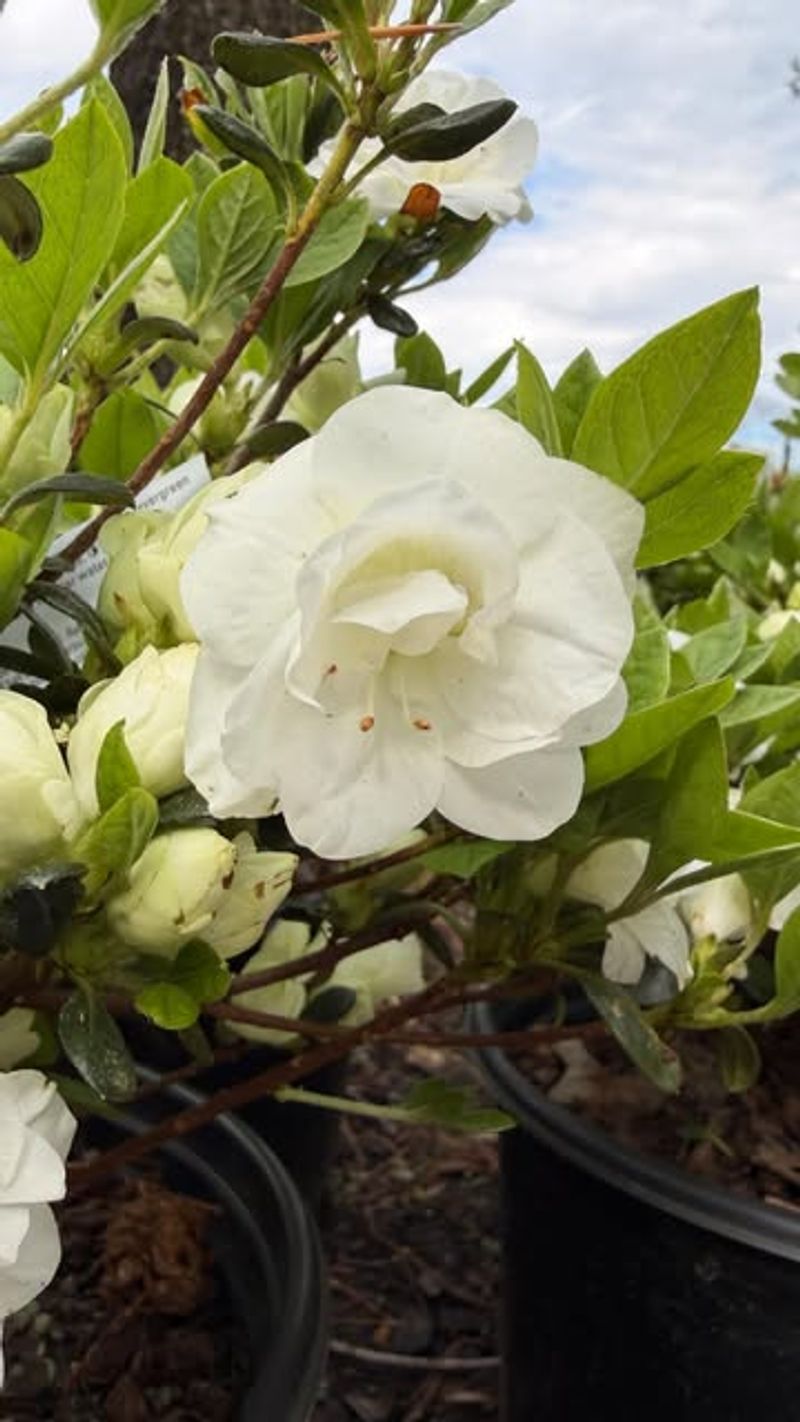
North Carolina stretches across multiple USDA hardiness zones, and that range matters a lot when it comes to gardenia survival.
Standard Gardenia jasminoides performs reliably in zones 7b through 10, which covers most of the Piedmont and Coastal Plain regions of the state.
Those areas have the mild winters and long warm seasons that gardenias genuinely prefer, and most cultivars settle in beautifully with the right care.
Head up into the Mountains in zone 6b, though, and the picture changes considerably. Hard winters in that part of North Carolina can damage or completely wipe out in-ground gardenias, especially during unusually cold snaps.
Container growing is a practical and popular solution in those higher elevations, since pots can be moved to a sheltered porch, garage, or indoor space when temperatures drop dangerously low in winter.
If you are in a borderline zone and committed to growing gardenias in the ground, look for cold-hardy cultivars before you plant.
Kleim’s Hardy is a compact variety bred specifically for better cold tolerance and is a strong choice for gardeners in those transitional North Carolina zones.
Chuck Hayes is another cultivar worth researching for similar reasons. Matching the right variety to your specific location in North Carolina removes one of the biggest variables in the equation and gives your gardenia the strongest possible foundation for long-term success.