How To Choose The Right Pot Size For Herbs In Oregon
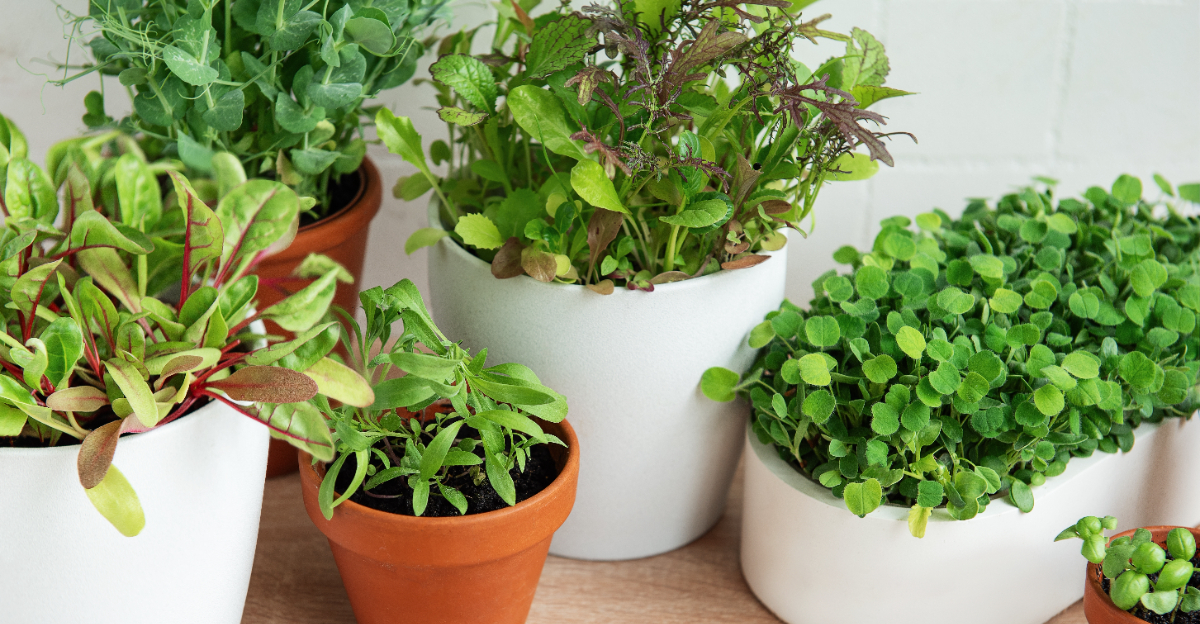
Picking the right pot for your herbs can make the difference between a plant that struggles and one that grows like crazy. Too small, and roots get cramped and dry out fast.
Too large, and soil stays soggy longer than herbs like, especially in Oregon’s cool, damp stretches. The goal is a pot that gives roots room to grow while still draining well.
Climate plays a role too, since frequent rain and mild temperatures can affect how quickly containers dry out. From basil and cilantro to rosemary and thyme, each herb has slightly different space needs.
Once you match the plant to the right container, growth becomes stronger, watering gets easier, and harvests become more generous. A simple pot choice sets the stage for healthy, fragrant herbs that thrive on patios, balconies, and windowsills across Oregon.
1. Basil: Give Roots Room To Grow
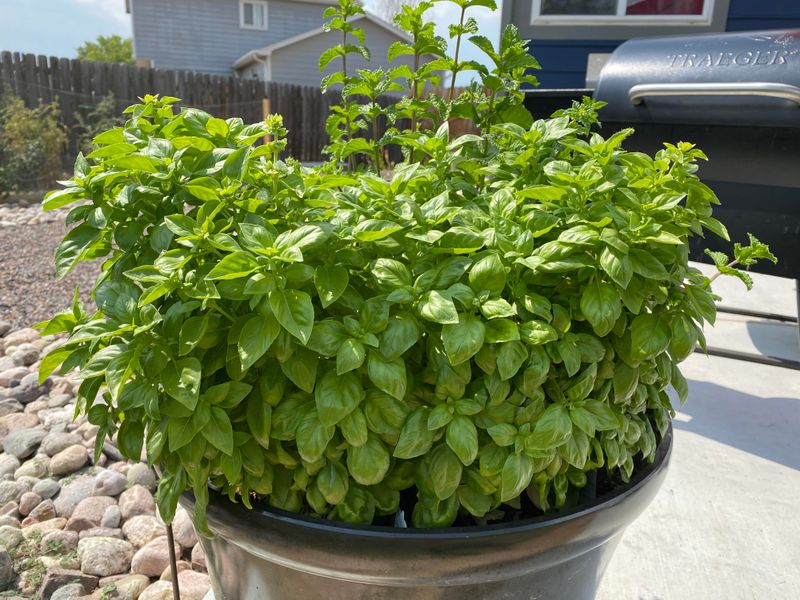
When spring finally warms up enough to set out tender herbs, basil is usually the first one everyone reaches for. But many gardeners underestimate how much root space this fast-growing herb actually needs to stay productive through summer.
Basil develops a surprisingly extensive root system when it’s happy, and cramped roots mean smaller leaves and earlier bolting. A pot that’s at least 10 to 12 inches in diameter gives your basil room to spread out and support multiple harvests.
If you’re growing larger varieties like Genovese or Thai basil, go even bigger.
Oregon’s cool mornings and occasional summer rain mean your basil pot needs excellent drainage to prevent root rot. Choose containers with multiple drainage holes, and avoid saucers that hold water underneath.
Basil roots hate sitting in moisture, especially during our unpredictable June weather.
Smaller pots dry out too quickly on warm days, forcing you to water twice daily. Larger containers hold moisture more consistently, which basil appreciates once temperatures climb.
This also reduces stress on the plant and keeps leaves tender and flavorful instead of tough and bitter.
2. Mint: Go Bigger Than You Think
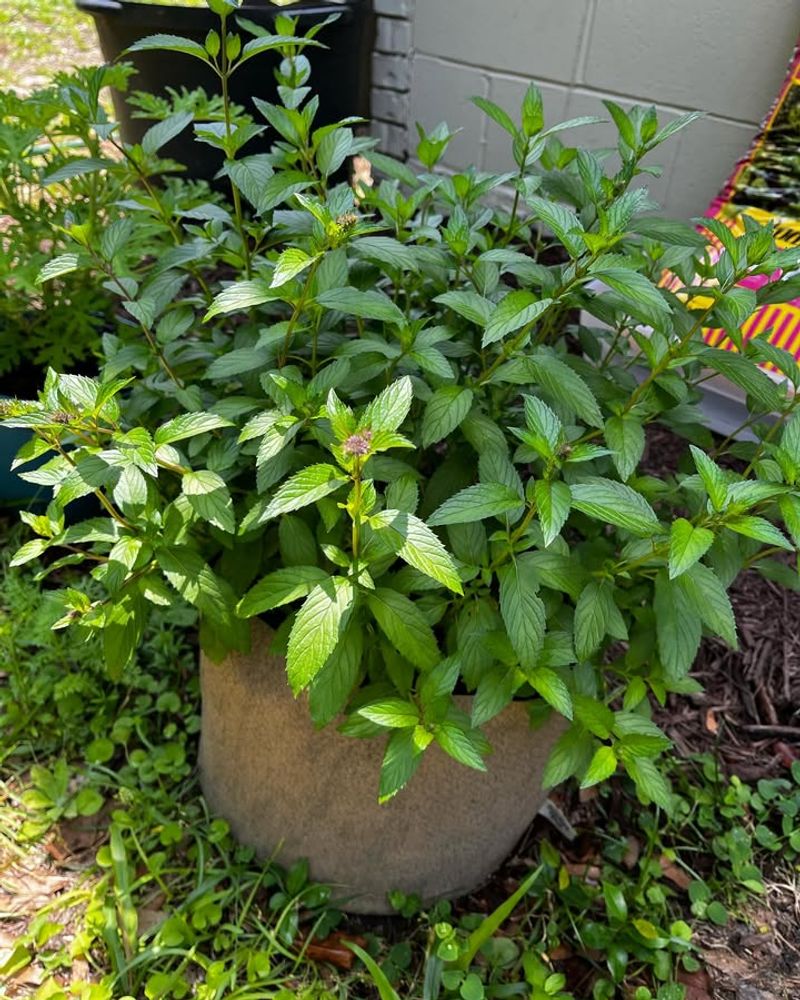
Anyone who’s planted mint in the ground knows how aggressively it spreads, sending runners everywhere and taking over entire garden beds. Container growing is the smart solution, but only if you choose a pot that can handle mint’s energetic root system.
A pot that’s 12 to 14 inches wide and equally deep gives mint enough room to fill out without becoming root-bound too quickly. Mint roots grow densely and rapidly, so undersized pots lead to stunted growth and plants that look tired by midsummer.
Bigger containers also mean less frequent repotting.
In Oregon’s climate, mint thrives with consistent moisture, which larger pots provide more reliably. Smaller containers dry out fast, especially if your mint gets afternoon sun.
When mint dries out repeatedly, the leaves lose their bright flavor and the plant becomes stressed.
Consider using a pot with thick walls, like ceramic or resin, which insulate roots better during temperature swings. Mint tolerates our cool springs well, but a larger pot helps buffer against those surprise late-season frosts.
Your Oregon Garden Changes Every Week. Your Plan Should Too.
Gardening in Oregon changes quickly throughout the season. Every Friday you’ll receive a simple weekly plan showing exactly what to plant, prune, fertilize, harvest, and protect so you never miss the right timing.
You’ll also find that bigger pots reduce how often you need to divide and refresh your mint, saving work in the long run.
3. Rosemary: Deep Pot, Dry Soil
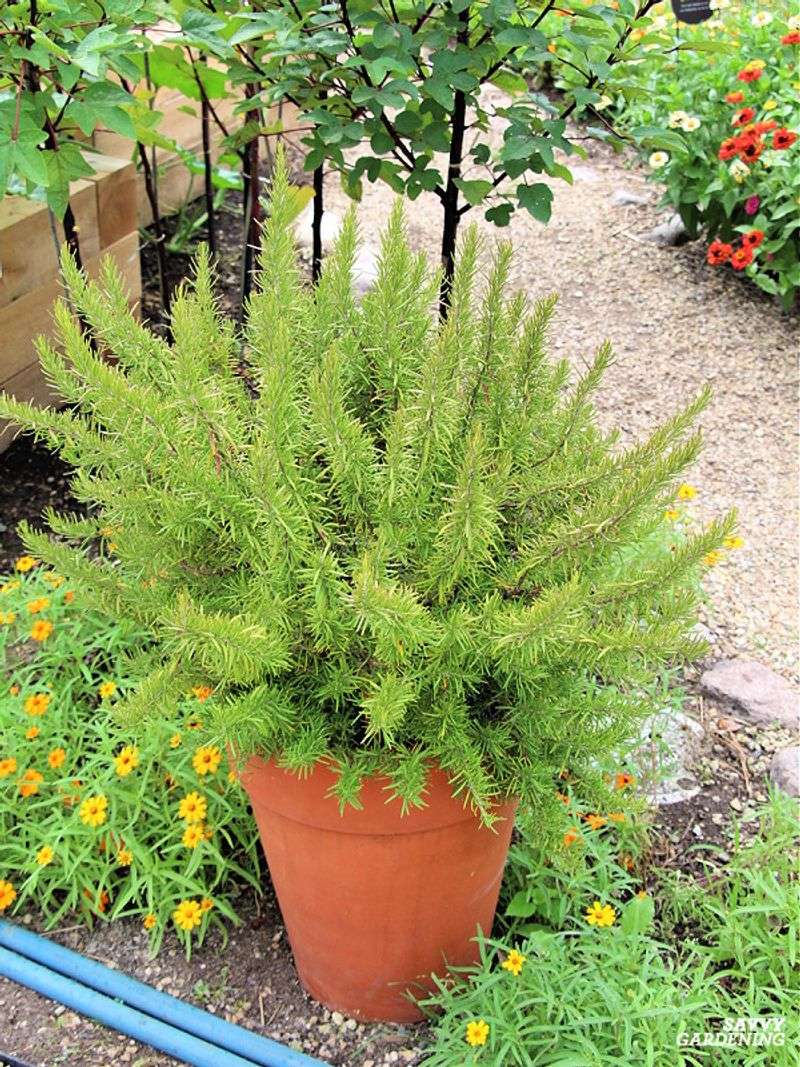
Rosemary comes from Mediterranean hillsides where soil drains fast and roots reach deep for moisture. Replicating those conditions in a container means choosing a pot that’s taller than it is wide, giving roots room to grow downward instead of spreading sideways.
Look for containers at least 12 inches deep, preferably deeper if you’re growing a larger upright variety. Shallow pots cause rosemary roots to circle and compact, which weakens the plant and makes it more vulnerable to root diseases.
Deep pots also improve drainage, which is critical in Oregon’s wet climate.
Terracotta works beautifully for rosemary because it’s porous and allows excess moisture to evaporate through the sides. Plastic pots retain too much water, especially during fall and winter when our rains are relentless.
Rosemary roots need to dry out between waterings, or they’ll quickly develop root rot.
Width matters less than depth, but a pot around 10 to 12 inches across gives enough stability to support rosemary’s woody structure as it matures. Avoid oversized pots that hold too much soil moisture.
Rosemary prefers being slightly root-bound over sitting in soggy conditions, so err on the side of better drainage rather than extra space.
4. Thyme: Small Plant, Small Pot
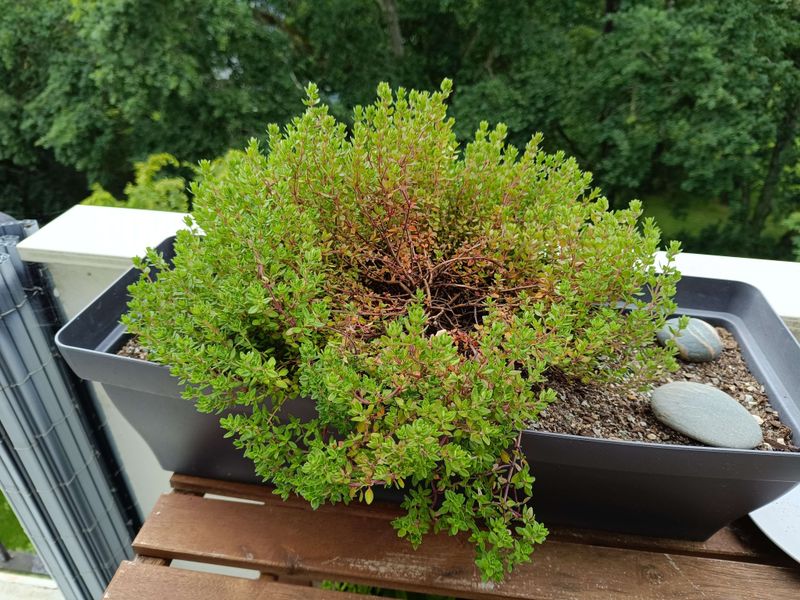
Thyme stays compact and low-growing, making it one of the easiest herbs to tuck into small spaces. Its modest root system doesn’t demand much room, so you can grow healthy thyme in surprisingly petite containers without sacrificing vigor or flavor.
A pot that’s 6 to 8 inches in diameter works perfectly for most thyme varieties. Creeping types can even thrive in shallower containers, as long as drainage is excellent.
Thyme roots spread horizontally near the surface rather than diving deep, so width matters more than depth.
Oregon gardeners often overwater thyme, especially during our rainy seasons. Small pots with good drainage actually help prevent this problem by drying out faster and reducing the risk of waterlogged roots.
Thyme originates from rocky, arid regions and handles dry conditions far better than wet ones.
Choose pots with multiple drainage holes and avoid heavy, moisture-retentive soil mixes. Thyme appreciates a grittier blend that mimics its native habitat.
Small containers also make it easy to move thyme around to follow the sun, which is helpful in Oregon where finding consistent light can be tricky. You’ll notice thyme grows more aromatic and flavorful when its roots stay on the drier side.
5. Parsley: Medium Pot Works Best
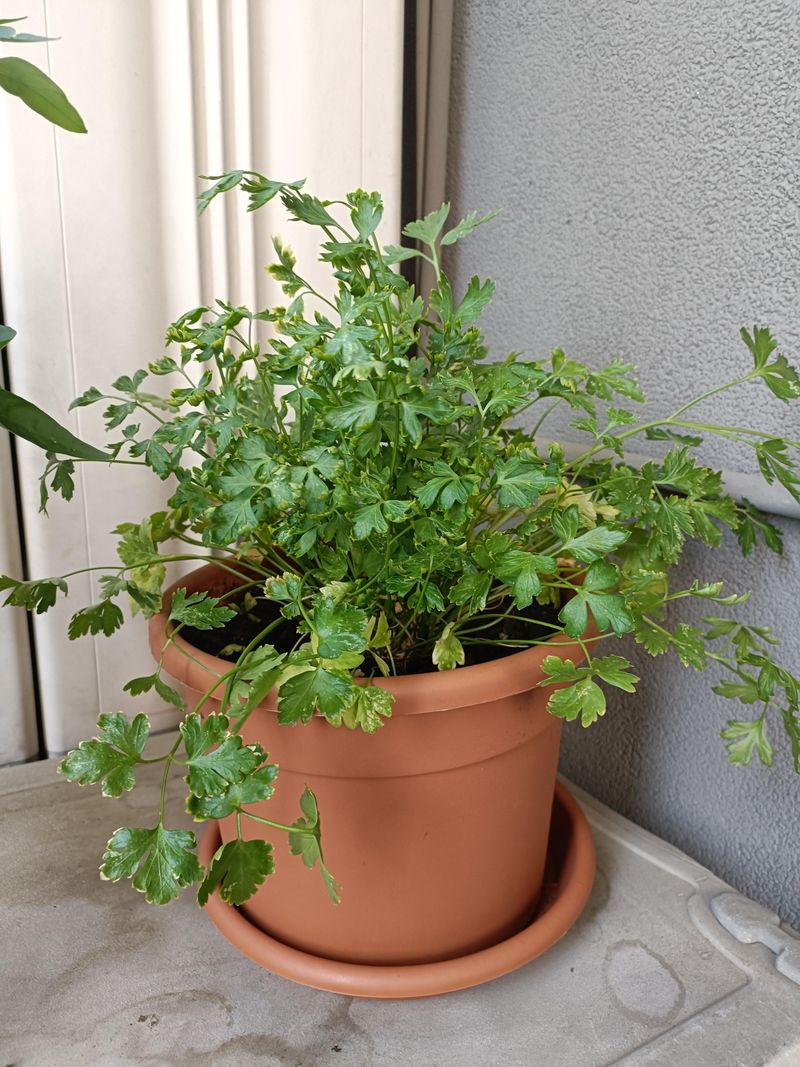
Parsley develops a long taproot that grows straight down, searching for moisture and nutrients deep in the soil. Many gardeners choose pots that are too shallow, which forces the taproot to bend and circle, weakening the plant and reducing its productivity.
A pot that’s 10 to 12 inches deep and about 8 to 10 inches wide gives parsley the vertical space it needs without being unnecessarily large. Medium-depth containers support healthy root development while keeping the soil volume manageable.
Parsley appreciates consistent moisture, and medium pots hold enough soil to buffer against drying out too quickly.
In Oregon, parsley grows beautifully through fall and even mild winters, but it needs good drainage to survive our heavy rains. Pots that are too large hold excess water, which can cause root rot during prolonged wet spells.
Medium containers strike the right balance between moisture retention and drainage.
Flat-leaf and curly parsley have similar root needs, so the same pot size works for both. Avoid shallow decorative pots that look appealing but restrict root growth.
Parsley that’s root-bound produces smaller leaves and bolts earlier. A properly sized pot extends your harvest and keeps plants producing fresh growth for months, especially if you’re growing parsley as a cool-season crop.
6. Cilantro: Needs Depth, Not Width
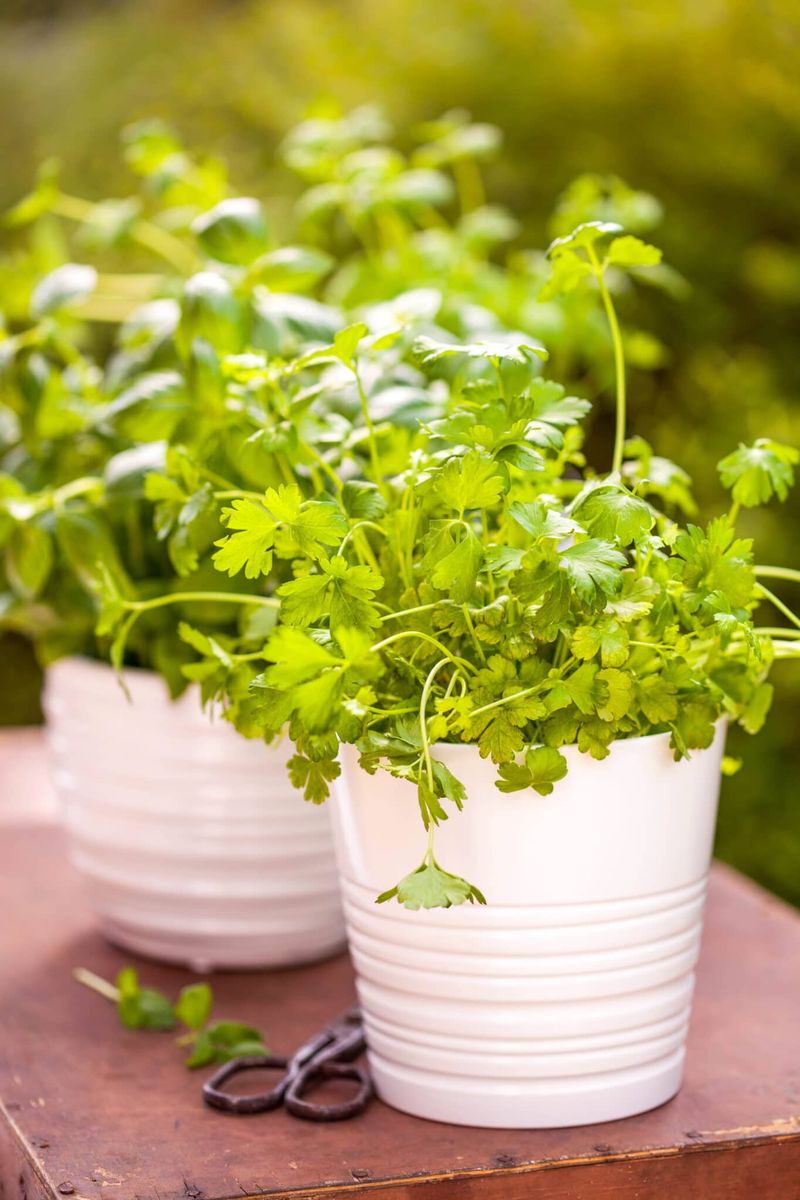
Cilantro bolts quickly when stressed, and one of the biggest stressors is a pot that doesn’t accommodate its taproot. Like parsley, cilantro sends down a long central root that needs vertical space to establish properly and support steady leaf production.
Choose a pot that’s at least 10 to 12 inches deep, even if it’s relatively narrow. Cilantro doesn’t spread wide, so a container that’s 6 to 8 inches across is plenty.
Tall, narrow pots work better than shallow, wide ones, which force the taproot to bend and stunt the plant’s growth.
Oregon’s cool spring weather is ideal for cilantro, but it needs consistent moisture to avoid bolting prematurely. Deep pots help by holding more soil, which retains moisture longer and keeps roots cool.
Shallow pots dry out fast, especially once temperatures rise, pushing cilantro to flower before you’ve harvested much foliage.
Good drainage remains essential, even with deeper pots. Cilantro tolerates Oregon’s spring rains better than summer heat, but roots still need air circulation to stay healthy.
Use a well-draining potting mix and make sure your container has drainage holes. Deep pots also make succession planting easier, allowing you to sow new seeds every few weeks and maintain a continuous harvest throughout the growing season.
7. Oregano: Wide And Well-Drained
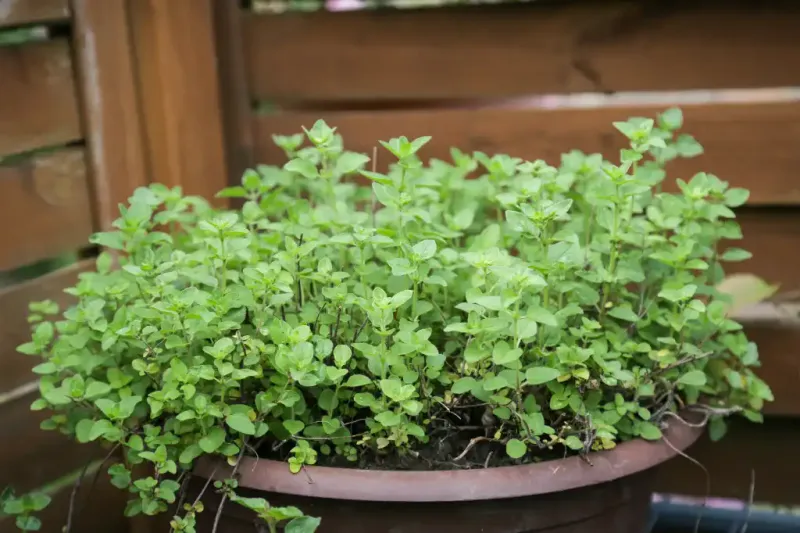
Oregano grows low and spreads outward, creating a mat of aromatic foliage that spills over pot edges. Its root system mirrors this growth habit, spreading horizontally rather than diving deep, so it benefits from pots that offer width rather than depth.
A container that’s 10 to 12 inches wide and about 6 to 8 inches deep suits oregano perfectly. Shallow, wide pots allow roots to spread naturally and support the plant’s sprawling habit.
Oregano doesn’t need much vertical root space, but it does appreciate room to expand sideways as it matures.
Drainage is critical for oregano, especially in Oregon where fall and winter rains can saturate pots. Oregano comes from dry, rocky hillsides and struggles in consistently wet soil.
Choose pots with multiple drainage holes and consider adding extra perlite or coarse sand to your potting mix to improve drainage further.
Wide pots also provide better stability for oregano’s spreading stems, preventing the plant from becoming top-heavy and tipping over. Terracotta or unglazed ceramic pots work well because they allow excess moisture to evaporate through the sides.
Oregano grown in well-drained, wide containers develops stronger flavor and more aromatic oils, making it far more useful in the kitchen than plants struggling in soggy, cramped conditions.
8. Chives: Compact But Spreading
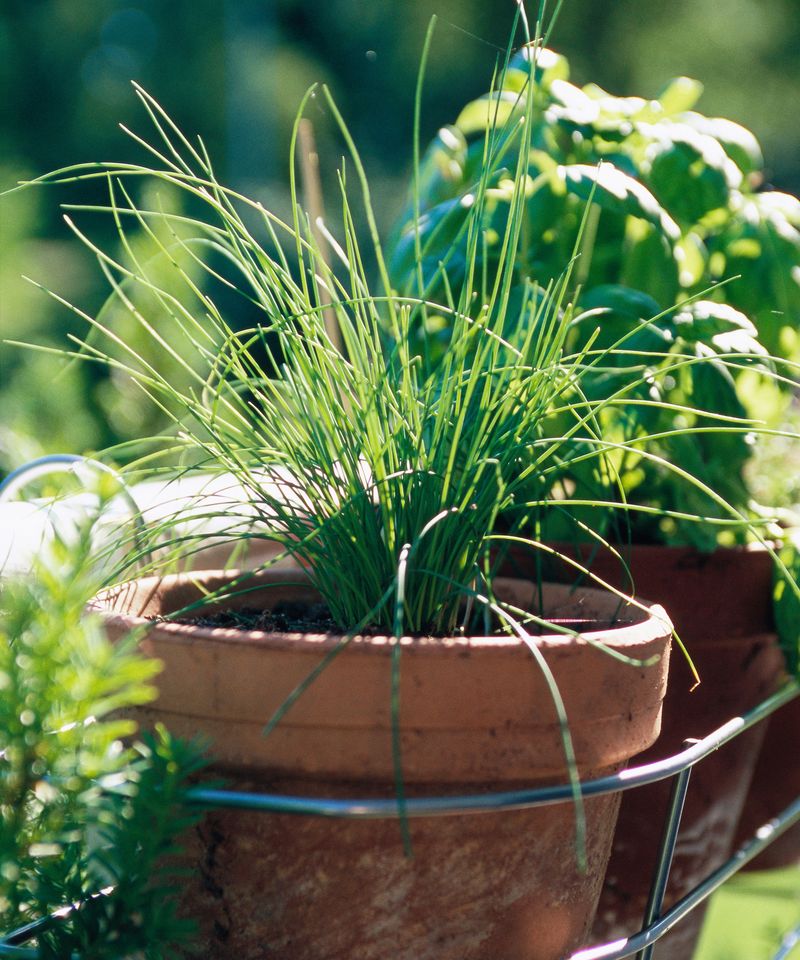
Chives form tight clumps of slender, hollow leaves that grow from small bulbs clustered just below the soil surface. While individual plants stay compact, chives spread steadily as bulbs multiply, so they need enough room to expand without becoming overcrowded too quickly.
A pot that’s 8 to 10 inches wide and about 6 to 8 inches deep works well for a single clump. If you want a fuller display or plan to let your chives spread, go up to 12 inches wide.
Chives don’t need deep pots since their roots stay relatively shallow, but they do appreciate width to accommodate their spreading habit.
In Oregon, chives are one of the most reliable perennial herbs for containers, thriving through wet winters and cool springs. They tolerate moisture better than many herbs, but still need good drainage to prevent bulb rot.
Pots with adequate drainage holes and a loose, well-aerated potting mix keep chives healthy year-round.
Chives benefit from being divided every few years, and growing them in containers makes this task easier. When your pot becomes crowded, simply lift the clump, separate the bulbs, and replant some in fresh soil.
Compact pots make chives manageable, while still giving them enough space to produce plenty of flavorful leaves and attractive purple flowers that pollinators love.
9. Sage: Sturdy Roots Need Space
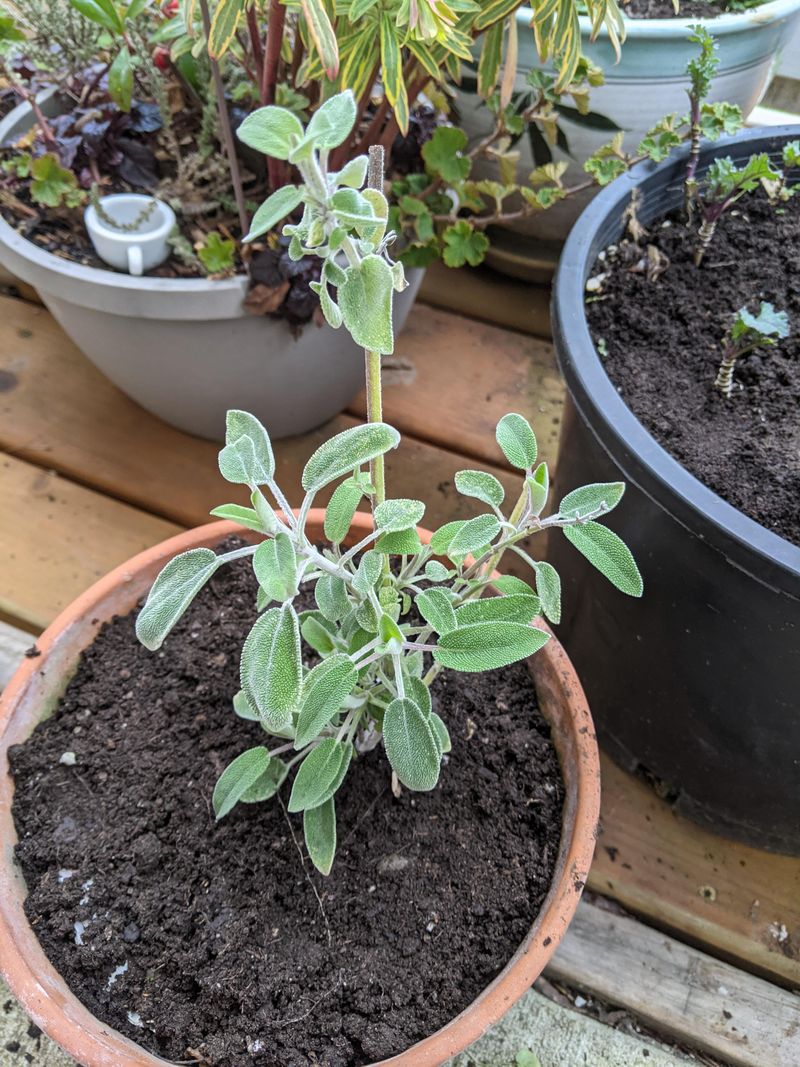
Sage develops into a woody, shrub-like plant with a substantial root system that supports its dense foliage and sturdy stems.
Treating sage like a small annual herb leads to disappointing results, because it needs space to establish strong roots and grow into the robust plant it’s meant to be.
Choose a pot that’s at least 12 to 14 inches in diameter and equally deep. Sage roots grow both outward and downward, so it benefits from containers that provide ample room in all directions.
Larger pots also offer better stability, which matters as sage matures and becomes top-heavy with woody growth.
Oregon’s wet winters can be tough on sage, which prefers drier conditions similar to its Mediterranean origins. Large pots with excellent drainage help by allowing excess water to escape quickly and providing enough soil volume to buffer against waterlogging.
Avoid plastic pots that trap moisture, and opt for terracotta or thick ceramic instead.
Sage grown in appropriately sized containers develops stronger flavor and more aromatic oils. Cramped roots produce weak, leggy growth and make the plant more susceptible to fungal issues during our rainy season.
Give sage the space it needs, and it will reward you with years of flavorful leaves, attractive foliage, and even beautiful purple flowers that brighten up late spring.