6 Pest Prevention Steps To Take Before April In Texas
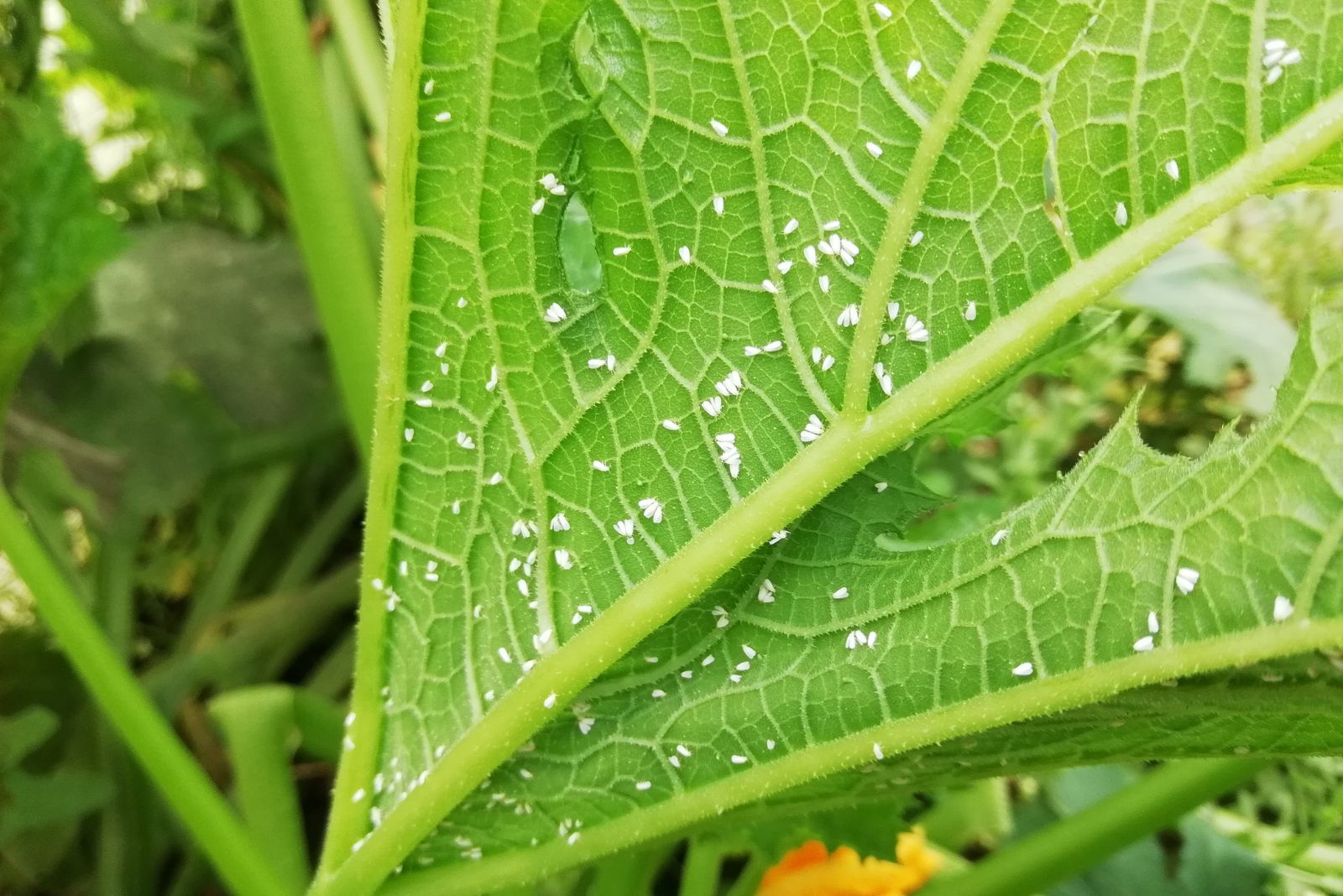
Spring is just around the corner, and while you’re gearing up to enjoy the warmer weather, pests in Texas are already making their plans. Whether it’s insects, rodents, or other critters, springtime can bring a surge of pests looking to invade your garden, home, or lawn.
But getting a head start on pest prevention before April hits can save you a lot of headaches later on.
Taking a few proactive steps now can keep pests at bay, allowing you to enjoy your outdoor spaces without constant worry. Early prevention helps stop issues from getting out of hand, especially in Texas, where the warm climate encourages fast pest activity.
From sealing entry points in your home to treating your garden soil, small actions today can make a big difference.
With the right approach, you can ensure your yard, garden, and home stay pest-free and ready for the beautiful Texas spring that’s ahead.
1. Inspect Your Garden For Early Signs Of Pests
Your garden can tell you a lot if you take the time to listen. Before April rolls around in Texas, walk through every section of your yard and take a close look at your plants.
Check the tops and undersides of leaves for anything unusual. Chewed edges, yellowing patches, and sticky residue are all red flags that pests may already be moving in.
Some pests are tiny and easy to miss at first glance. Spider mites, for example, leave behind fine webbing that looks like a light dusting on plant stems.
Aphids tend to cluster near new growth and can be spotted as tiny green, black, or white dots. Catching these signs early makes a huge difference in how easy they are to manage.
Walk your garden at different times of day, since some pests are more active in the morning while others come out at dusk. Bring a flashlight if needed.
Keep a simple notebook to jot down where you spotted damage and what it looked like. This helps you track patterns and decide where to focus your efforts.
Texas has a long growing season, which means pest problems can build up quickly if left unchecked. Early inspection is one of the most powerful tools available to any gardener.
You do not need expensive equipment or professional training to spot the warning signs. A sharp eye and a few minutes of your time each week can protect your plants before small issues turn into serious infestations as the warm months approach.
2. Clean Up Debris And Mulch
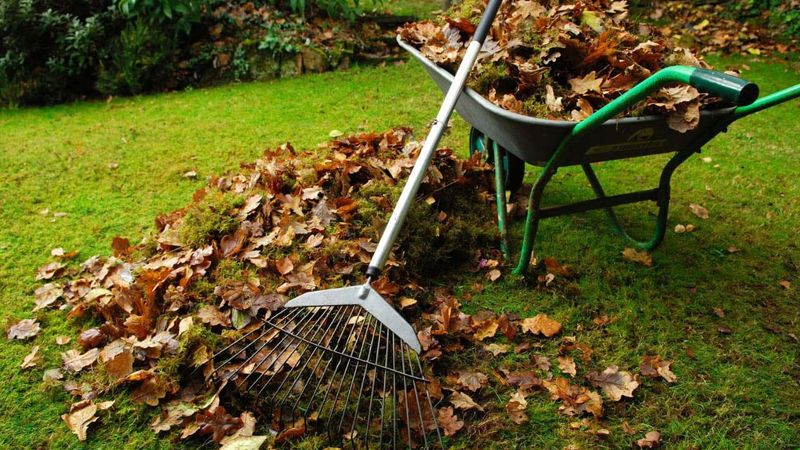
Pests love clutter. Dry leaves, fallen fruit, and rotting plant material scattered around your yard create the perfect hiding spots for snails, slugs, fungus gnats, and many other common Texas nuisances.
Before April arrives, make it a priority to clear out all that old debris sitting around your garden beds and lawn edges.
Start by raking up any leaves that collected over winter. Bag them up or add them to a proper compost bin that is away from your main garden area.
Your Texas Garden Changes Every Week. Your Plan Should Too.
Gardening in Texas changes quickly throughout the season. Every Friday you’ll receive a simple weekly plan showing exactly what to plant, prune, fertilize, harvest, and protect so you never miss the right timing.
Pick up any fallen fruit from trees, since rotting produce draws in fruit flies and other pests almost instantly. Check along fences and walls where debris tends to pile up unnoticed.
Mulch can be a helpful tool in the garden, but old mulch that has been sitting through the winter can become a shelter for pests. Pull back the existing layer and check for any signs of activity underneath.
If you spot bugs or larvae, remove that section and replace it with fresh mulch. A layer of two to three inches is ideal for keeping moisture in without creating too much cover for pests.
Keeping your yard clean and tidy is one of the simplest and most effective forms of pest prevention available to Texas homeowners. It does not cost much money and does not require any special products.
By removing the conditions that pests depend on for shelter, you are making your property far less inviting to them. Doing this cleanup before the spring warmth sets in gives you a clean slate heading into the busier growing months ahead.
3. Apply Beneficial Insects To Control Pests Naturally
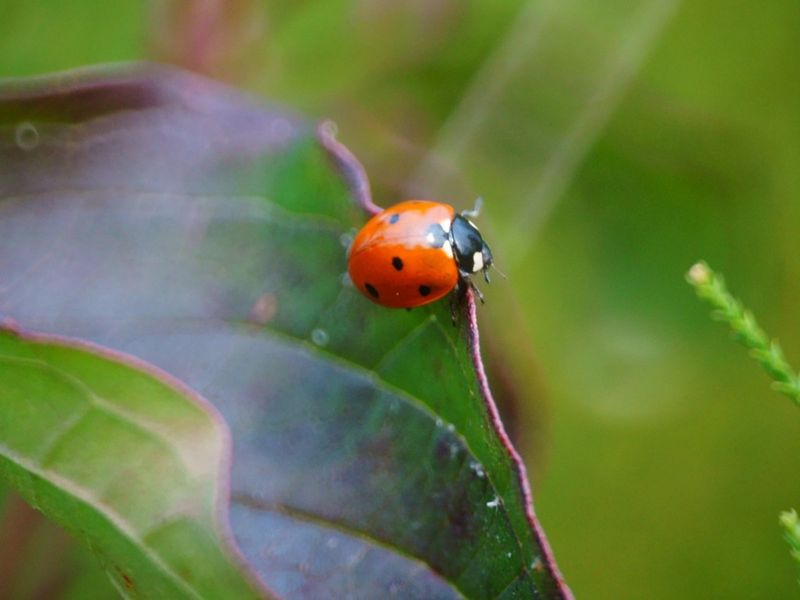
Not every bug in your garden is a problem. In fact, some insects are your best allies when it comes to keeping harmful pests under control.
Ladybugs, for instance, are famous for munching through large numbers of aphids in a short amount of time. Predatory beetles go after soil-dwelling larvae that can damage plant roots before you even realize there is a problem.
You can purchase beneficial insects at many garden supply stores across Texas, and some are even available online. When you release them into your garden, do it in the early morning or evening when temperatures are cooler.
This helps them settle in rather than flying away immediately. Make sure your garden has some flowering plants nearby, since beneficial insects need nectar and pollen to survive and thrive long-term.
Nematodes are another natural option worth considering. These are microscopic organisms that live in the soil and target pests like grubs and root weevils.
You can apply them by mixing them with water and using a sprayer or watering can. They are completely harmless to plants, people, and pets, making them a fantastic choice for families with children or animals in the yard.
Using beneficial insects is a smart, chemical-free approach that works with nature instead of against it. Texas gardeners who rely on natural pest control often find their gardens become more balanced over time.
Fewer harmful pests mean healthier plants and a more productive growing season. Starting this process before April gives your beneficial insect population time to establish itself and get to work before the peak pest season really begins.
4. Use Organic Pesticides Or Neem Oil
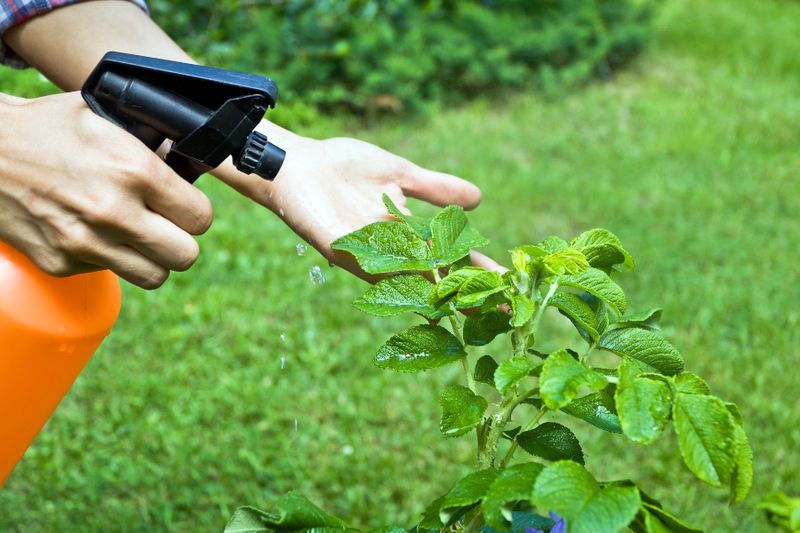
Sometimes a little extra help is needed, and that is where organic pesticides and neem oil come in. Neem oil is pressed from the seeds of the neem tree and has been used for centuries as a natural pest deterrent.
It works against a wide range of common garden pests, including aphids, spider mites, whiteflies, and caterpillars, without introducing harsh chemicals into your Texas garden.
Mixing neem oil is straightforward. Combine a small amount with water and a few drops of dish soap to help it blend properly, then pour it into a spray bottle.
Apply it to both the tops and undersides of leaves since that is where many pests like to hide and feed. Try to spray in the early morning or evening to avoid the intense Texas midday sun, which can cause leaf burn when combined with oil-based sprays.
Organic pesticides made from ingredients like pyrethrin, spinosad, or insecticidal soap are also widely available and effective against many early-season pests.
These options break down quickly in the environment, which means they are much less likely to harm pollinators like bees when used correctly.
Always follow the label directions and avoid spraying when flowers are open to protect visiting insects.
Starting treatment before April, when pest populations are still small, makes organic options far more effective. It is much easier to manage a small group of aphids than a full-blown infestation.
Keeping neem oil and a quality organic spray on hand throughout the Texas growing season means you are always ready to respond quickly when the first signs of pest trouble appear in your garden.
5. Prune Damaged Growth
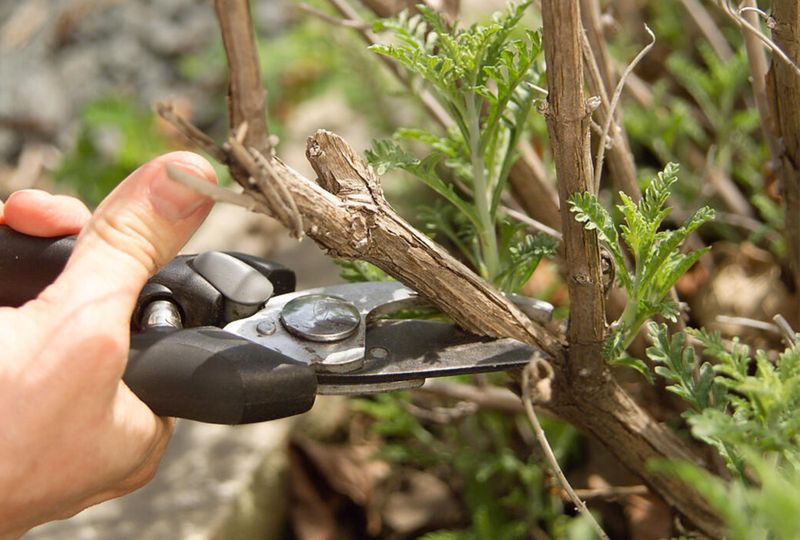
Pruning might seem like a basic gardening task, but it plays a powerful role in pest prevention. Dry, damaged, or diseased plant parts are like open invitations for pests.
Weakened wood and rotting stems give insects and other critters an easy entry point into your plants. Getting rid of these problem areas before April arrives in Texas can stop pests from nesting and spreading before the season really heats up.
Walk through your garden with a clean pair of pruning shears and look for any branches or stems that look brown, brittle, or mushy. Cut these back to healthy tissue, making your cuts at a slight angle to help water run off rather than pool on the cut surface.
After each cut, wipe your shears with rubbing alcohol to avoid spreading any disease from plant to plant as you work through your yard.
Pruning also has a bonus benefit: it encourages fresh, healthy growth. When you remove the old and damaged parts, your plants can put more energy into producing new leaves, flowers, and fruit.
Healthy plants are naturally more resistant to pest attacks because they have stronger cell walls and better immune responses. A thriving plant is a much harder target for pests than a struggling one.
Texas winters can be mild, but they still leave behind plenty of frost-damaged growth that needs to be cleared away before spring arrives. Do not leave those damaged sections sitting on the plant hoping they will recover.
Clearing them out is the right call every time. A well-pruned garden heading into April is a cleaner, healthier, and far more pest-resistant garden for the months ahead.
6. Prepare Your Soil For Healthy Plant Growth
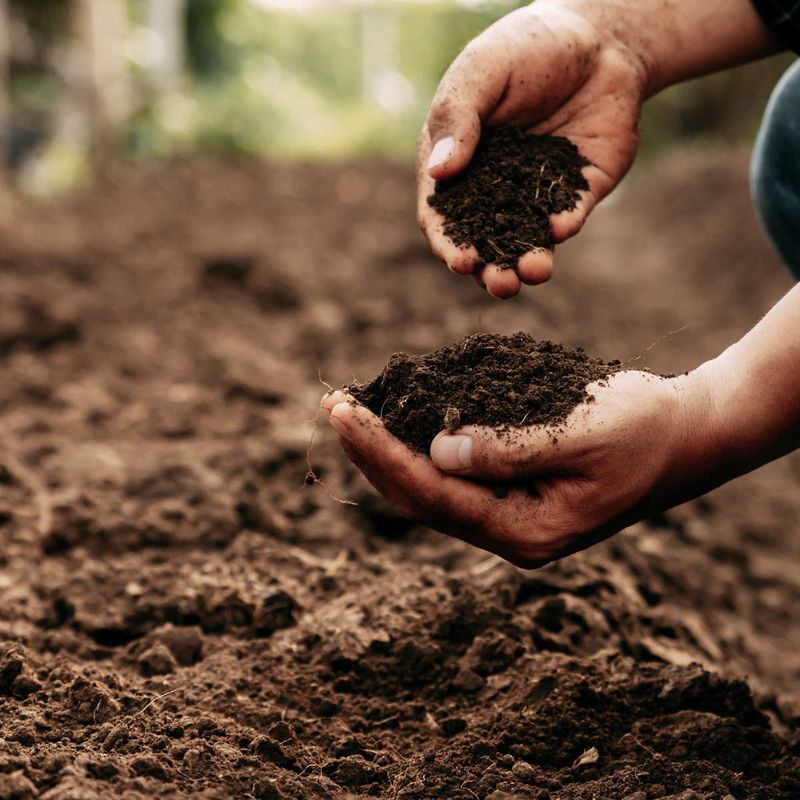
Healthy soil is the foundation of a pest-resistant garden. Many gardeners focus on treating pests after they appear, but the real secret to long-term protection starts underground.
Before April brings warmer temperatures to Texas, take some time to assess the condition of your soil and give it what it needs to support strong, vigorous plants throughout the growing season.
Start with a simple soil test, which you can pick up at most garden centers or order online. Testing tells you the pH level and nutrient content of your soil, so you know exactly what to add.
Most garden plants prefer a slightly acidic to neutral pH. If your soil is off balance, it stresses your plants and makes them more vulnerable to pests like root aphids and fungus gnats, which thrive in poorly maintained conditions.
Adding compost is one of the best things you can do for Texas garden soil. Compost improves drainage in heavy clay soils, adds nutrients, and encourages the growth of beneficial microorganisms that naturally suppress harmful pests and diseases.
Work a few inches of compost into your top soil before planting season begins. You will notice a real difference in how your plants look and perform throughout the year.
Good drainage is also critical. Standing water in garden beds creates the damp conditions that many pests prefer.
If water tends to pool in certain areas of your yard, consider adding raised beds or improving drainage channels before April arrives.
A well-prepared Texas garden bed gives your plants the best possible start and helps them build the natural strength they need to stand up to the pest pressures that come with the warmer months ahead.