6 Essential Garden Tasks Texas Gardeners Should Finish Before April
Spring in Texas can be unpredictable, but one thing’s for sure, getting your garden ready early pays off. By the time April rolls around, there are a few key tasks every Texas gardener should have checked off the list to set the stage for a healthy, thriving garden.
Whether you’re working with flower beds, vegetable patches, or your landscape, staying ahead of the growing season will help prevent stress and setbacks later on.
Before April, it’s crucial to prep your soil, prune back certain plants, and make sure your irrigation system is in top shape for the warmer months. This is also the time to fertilize and give your garden a little TLC to ensure it’s ready to take on the heat.
By taking these steps early, you’ll give your plants the best shot at thriving throughout the Texas summer, avoiding unnecessary headaches along the way. A little prep now will go a long way as the season unfolds.
1. Prepare Your Soil For Planting
Good soil is the backbone of every successful garden, and in Texas, getting it right before April can make a huge difference. Many Texas gardeners are surprised to find that their soil is either too acidic or too alkaline for the plants they want to grow.
A simple soil test from a local garden center or your county extension office will tell you exactly what your soil needs.
Once you know your soil’s pH and nutrient levels, it is time to fix any problems. Adding compost is one of the best things you can do.
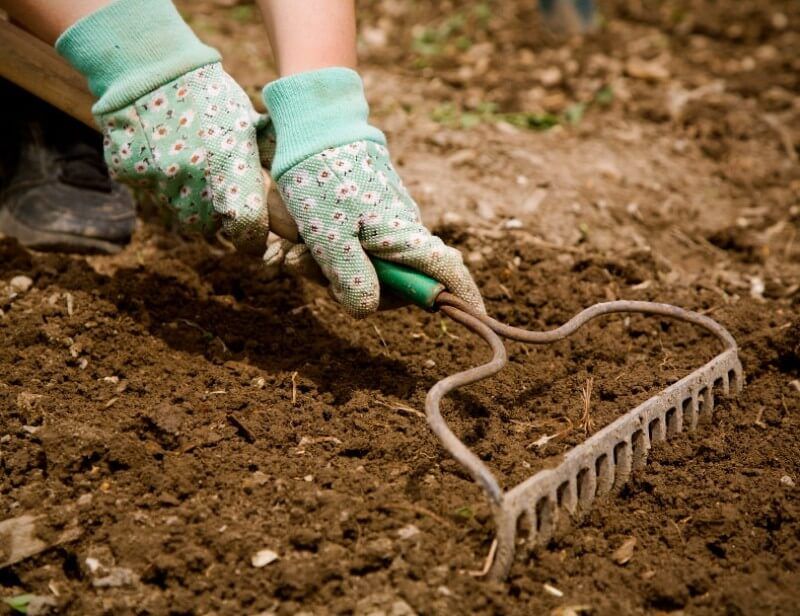
Work a two to three inch layer of compost into the top six to eight inches of soil. This improves drainage, adds nutrients, and helps the soil hold moisture during the hot Texas months ahead.
Compacted soil is another common issue, especially after winter. Tilling or aerating breaks up those hard spots and gives plant roots room to grow.
If your garden beds have been sitting untouched all winter, a good tilling session can feel like giving your garden a fresh start.
Organic matter like aged manure or leaf mold also works great for building up sandy or clay-heavy Texas soils. The goal is to create a loose, crumbly texture that roots can push through easily.
Healthy soil leads to stronger plants that are better at fighting off pests and drought stress. Put in the work now, and your plants will reward you all season long with better growth, bigger harvests, and more vibrant blooms throughout the Texas spring and summer.
2. Prune Damaged Plants
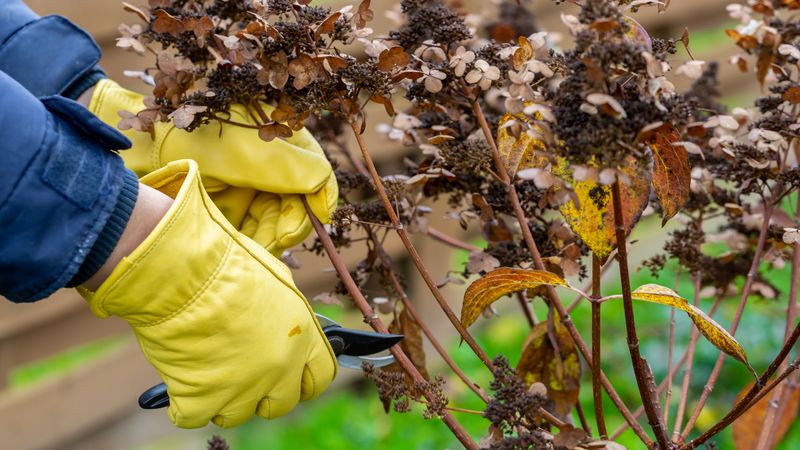
Grab your pruning shears, because late winter and early spring is prime time to clean up your trees, shrubs, and perennials across Texas. Leaving dry or damaged branches on your plants is like letting a problem fester.
Those sections can become entry points for disease and pests, which can spread and cause serious trouble as the growing season picks up.
For most trees and shrubs, finishing your pruning before new growth appears in early spring gives plants the best chance to heal quickly. Evergreen shrubs and summer-flowering trees should be pruned by early March in most parts of Texas.
Your Texas Garden Changes Every Week. Your Plan Should Too.
Gardening in Texas changes quickly throughout the season. Every Friday you’ll receive a simple weekly plan showing exactly what to plant, prune, fertilize, harvest, and protect so you never miss the right timing.
However, if you have spring-blooming beauties like azaleas, spirea, or quince, hold off until after they finish their bloom cycle before cutting them back.
Roses are a Texas garden favorite, and they benefit greatly from a good late-winter pruning. Cut back any damaged canes and remove crossing branches to open up the center of the plant.
This improves airflow and helps prevent fungal diseases that love the humid Texas spring weather.
Do not forget to rake up old leaves and spent mulch from last season. Leftover plant debris can harbor fungal spores and insect eggs that will cause problems when temperatures warm.
Clearing it out now gives your garden a cleaner, healthier foundation. Sharp, clean tools also matter when pruning.
Dirty or dull blades can spread disease from one plant to another. Wipe your blades with rubbing alcohol between plants to keep things clean and give every plant in your Texas garden the fresh start it deserves this spring.
3. Plant Cool-Season Vegetables
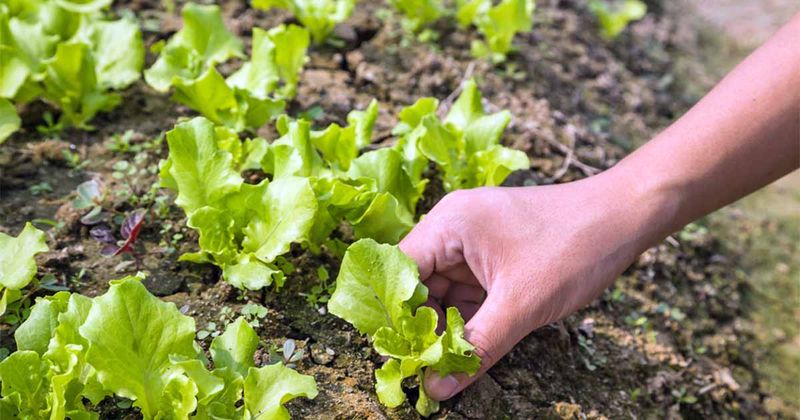
If you have been waiting to get your vegetable garden going, now is the time to move fast. Texas has a relatively short cool season, and once April rolls around, temperatures can climb quickly.
Cool-season vegetables like spinach, lettuce, peas, broccoli, cabbage, carrots, and Swiss chard all thrive in the mild weather of late winter and early spring.
The trick is planting at just the right time. Check your local frost dates for your specific part of Texas, because the state is huge and conditions vary widely from the Panhandle to South Texas.
Most central and northern Texas gardeners can safely plant cool-season crops outdoors from late February through mid-March. In South Texas, the window opens even earlier.
Starting seeds indoors a few weeks before transplanting is a great way to get a jump on the season. Once seedlings are a couple of inches tall and nighttime temperatures stay above freezing, they are ready to go into the ground.
Give them a good drink of water after planting and check on them daily as they settle in. Cool-season vegetables grow fast and can give you a full harvest before the summer heat arrives. Lettuce and spinach can go from seed to salad bowl in as little as four to six weeks.
That is a quick turnaround that makes gardening feel incredibly rewarding. Growing your own food in Texas is also a great way to save money at the grocery store.
Plant a little extra and share the harvest with neighbors. Fresh homegrown vegetables always taste better than anything from a store shelf.
4. Apply Pre-Emergent Weed Control
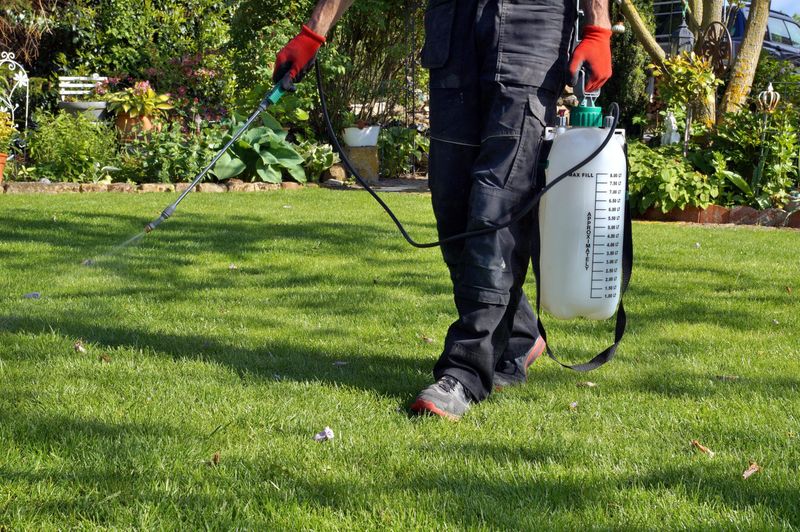
Weeds are sneaky. By the time you see them popping up in your Texas garden, they have already taken root and are competing with your plants for water and nutrients.
Pre-emergent herbicide is your best defense because it stops weed seeds from germinating before they ever become a visible problem. Think of it as building a wall before the invasion starts.
Timing is everything with pre-emergent products. You need to apply them before soil temperatures consistently reach 55 degrees Fahrenheit, which in most parts of Texas happens around mid-March.
If you wait too long, the weeds will already be sprouting and the product will not be nearly as effective. Mark your calendar and do not let this window pass.
Common warm-season weeds like crabgrass, goosegrass, and spurge are the main targets. These aggressive growers can quickly take over garden beds and lawns if left unchecked.
A granular pre-emergent spread evenly across your lawn and garden beds creates a barrier that stops those seeds from developing into full plants.
Always read the product label carefully before applying any herbicide. Some pre-emergent products are not safe to use near vegetable gardens or certain ornamental plants.
There are also organic options available, like corn gluten meal, which can work well for gardeners who prefer a more natural approach. After applying, water the product in lightly to activate it.
With the right timing and application, you can dramatically reduce the amount of weeding you do all spring and summer in your Texas garden, saving yourself hours of backbreaking work in the hot sun.
5. Mulch Garden Beds
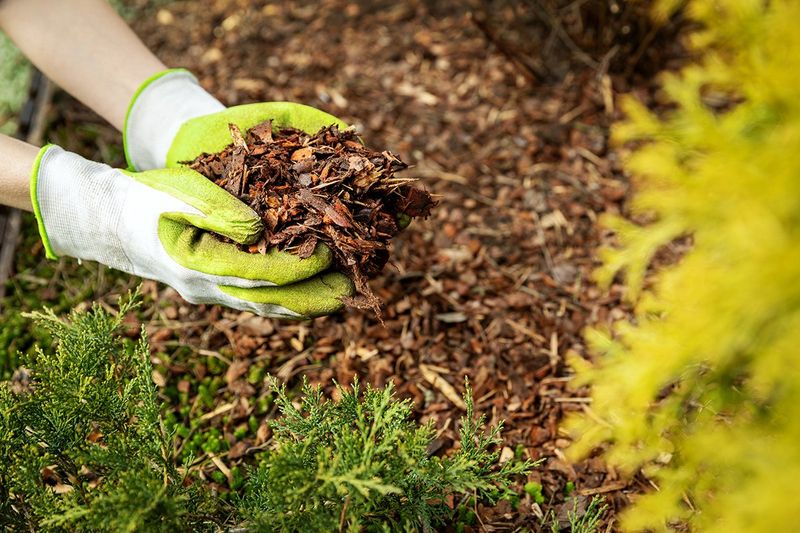
Few garden tasks deliver as much value as mulching, and Texas gardeners know it well. A fresh layer of mulch applied before April can protect your plants from the wild temperature swings that come with Texas spring weather.
One day it is warm and sunny, and the next a cold front rolls through. Mulch acts like a blanket, keeping soil temperatures more stable and roots protected.
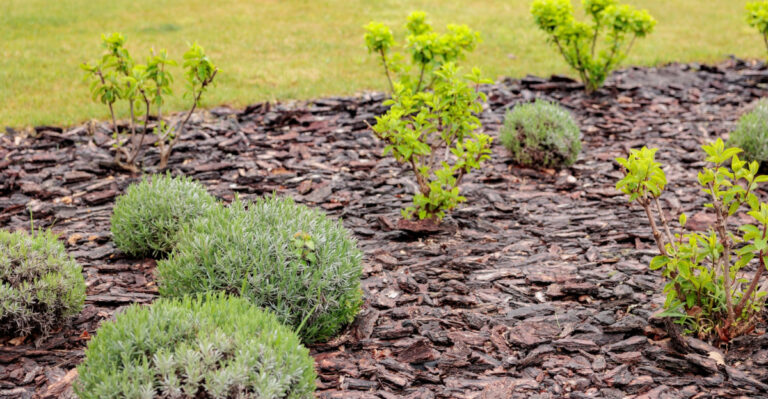
Aim for a two to three inch layer of mulch around your plants and throughout your garden beds. Organic options like wood chips, shredded leaves, pine bark, or straw are ideal because they break down slowly and feed the soil with nutrients over time.
Spread the mulch evenly but keep it a few inches away from the base of plant stems and tree trunks to prevent rot and pest issues.
Moisture retention is another huge benefit, especially in Texas where summer heat can dry out soil fast.
Mulched garden beds can hold onto moisture much longer than bare soil, which means less frequent watering and lower water bills during the long hot months. That is a win for both your plants and your wallet.
Weed suppression is the third big advantage. A thick layer of mulch blocks sunlight from reaching weed seeds in the soil, making it much harder for them to sprout.
Combined with a pre-emergent herbicide application, mulching creates a powerful one-two punch against weeds. Refresh your mulch every spring to keep the layer thick and effective.
Your Texas garden beds will look neat, stay healthier, and need far less maintenance throughout the entire growing season ahead.
6. Check Irrigation Systems
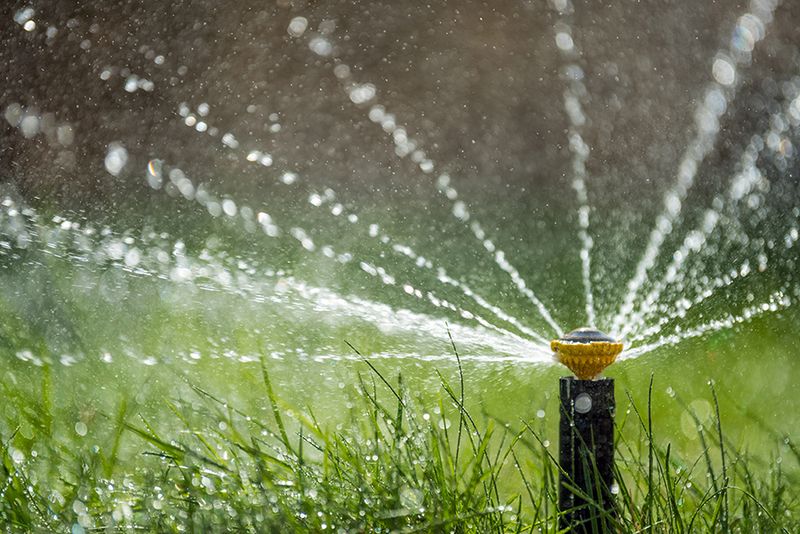
Water is everything in Texas, especially once summer arrives and temperatures push into the triple digits. Before the heat hits hard, take time now to inspect every part of your irrigation setup.
A small leak or a clogged sprinkler head that goes unnoticed can waste hundreds of gallons of water and leave your plants struggling when they need moisture the most.
Walk through your yard and turn on each irrigation zone one at a time. Watch for sprinkler heads that are tilted, blocked, or not rotating properly.
Check drip lines for cracks, disconnected emitters, or sections that are not delivering water where they should be. Even a tiny drip at a connection point can add up to a lot of wasted water over a full Texas summer.
Clean any clogged nozzles by removing them and soaking them in water to clear out mineral buildup, which is especially common in areas with hard water. Replace any parts that look cracked or worn.
Hoses should also be checked for splits or weak spots that could burst under pressure once regular watering begins.
If you have been thinking about upgrading your watering system, now is a great time to look into drip irrigation or a smart irrigation controller.
Drip systems deliver water directly to plant roots, which cuts down on evaporation and helps prevent fungal disease caused by wet foliage.
A rain barrel is another smart addition for Texas gardeners looking to conserve water. Getting your irrigation system in top shape before April means your plants will stay properly hydrated all season, no matter how fierce the Texas heat gets.