Texas Front Yard Plants That Look Intentional Even When You Don’t Touch Them
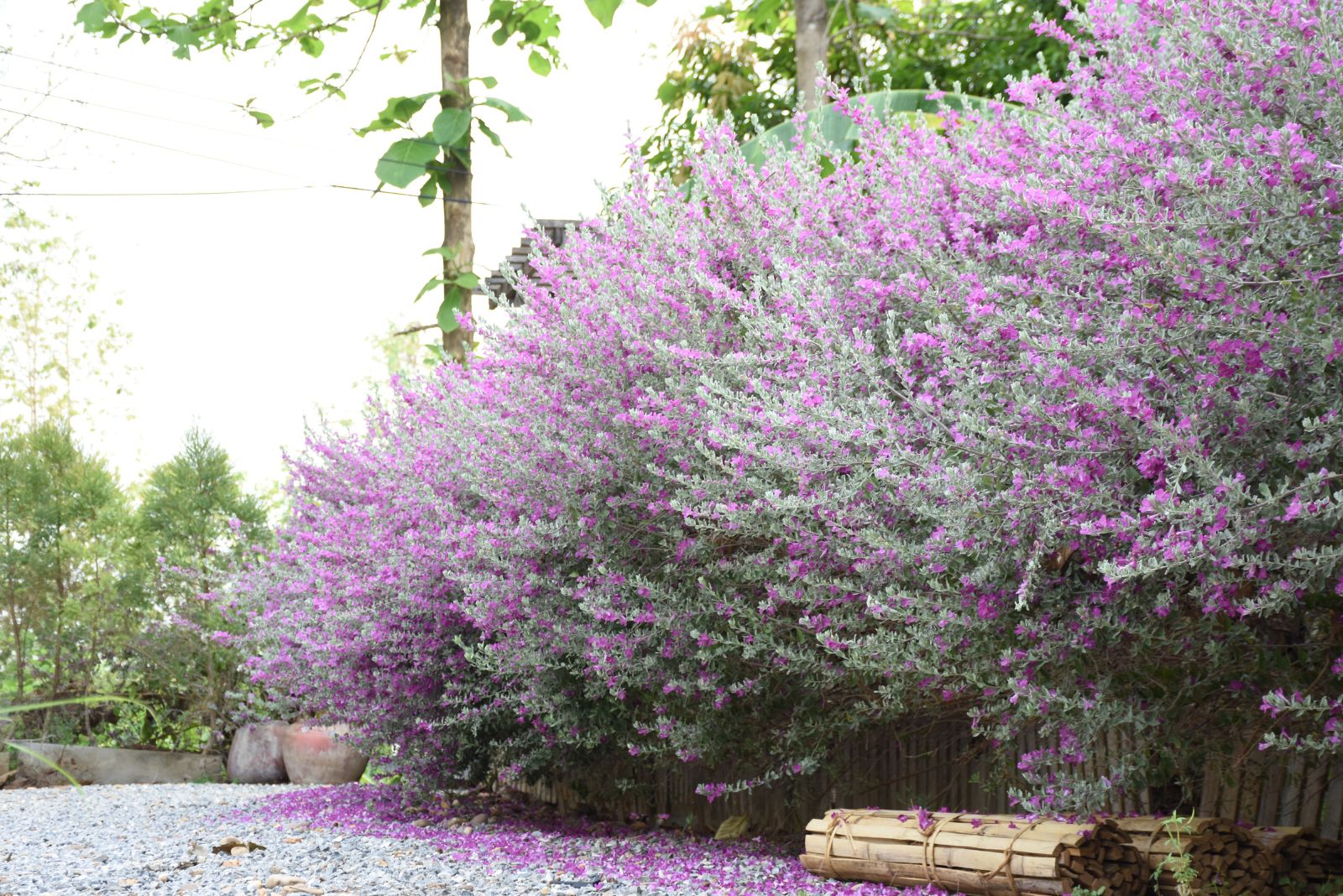
There’s a particular kind of front yard that always looks good no matter when you drive past it. Not because someone is out there constantly pruning and primping, but because the right plants are doing exactly what they’re supposed to do without any intervention.
It looks intentional, it looks considered, and the honest truth is that it requires almost nothing to maintain that way. That’s not luck.
It’s plant selection. The difference between a front yard that looks polished year-round and one that only looks good right after you’ve spent a weekend on it comes down almost entirely to what you chose to put in the ground in the first place.
In Texas, where the climate swings between extremes and free weekends don’t always line up with gardening needs, choosing plants that hold their shape, maintain their color, and stay attractive through neglect isn’t just convenient. It’s the only approach that actually works long term.
1. Texas Sage
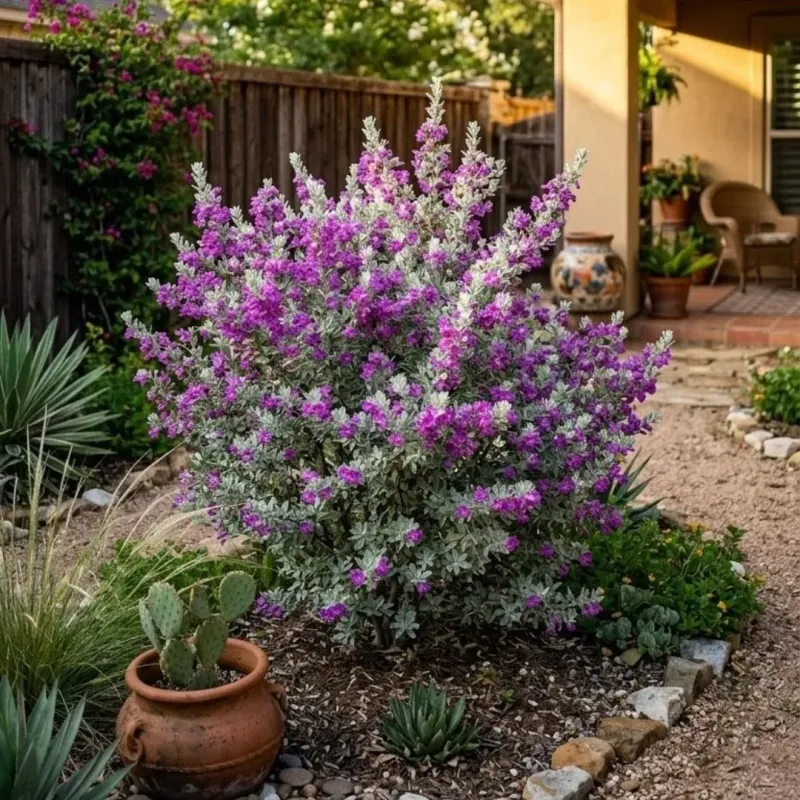
Walk through almost any well-kept neighborhood in Texas, and you will likely spot Texas Sage doing its thing without a fuss. This shrub has a reputation that is hard to beat.
The silvery-green leaves catch the light in a way that makes the whole plant look intentional, like someone carefully chose every branch.
What really sets Texas Sage apart is its relationship with rain. Right after a good storm rolls through, the plant bursts into soft purple blooms almost like clockwork.
Gardeners in Texas sometimes call it the “barometer bush” because of this quirky habit. It’s one of those plants that rewards you just for leaving it alone.
The naturally rounded shape means you rarely need to pull out the clippers. It fills in evenly and stays compact on its own, which is perfect for a tidy front yard look.
Plant it in full sun and well-drained soil, and it will thrive through scorching Texas summers without complaint.
Texas Sage grows well across a wide range of Texas climates, from the Hill Country to West Texas. It handles drought like a champion and bounces back from heat that would stress most other plants.
Even in the hottest months, the silvery foliage holds its color and structure. If you want one plant that checks every box for low-maintenance curb appeal in Texas, this is the one to start with.
2. Dwarf Yaupon Holly
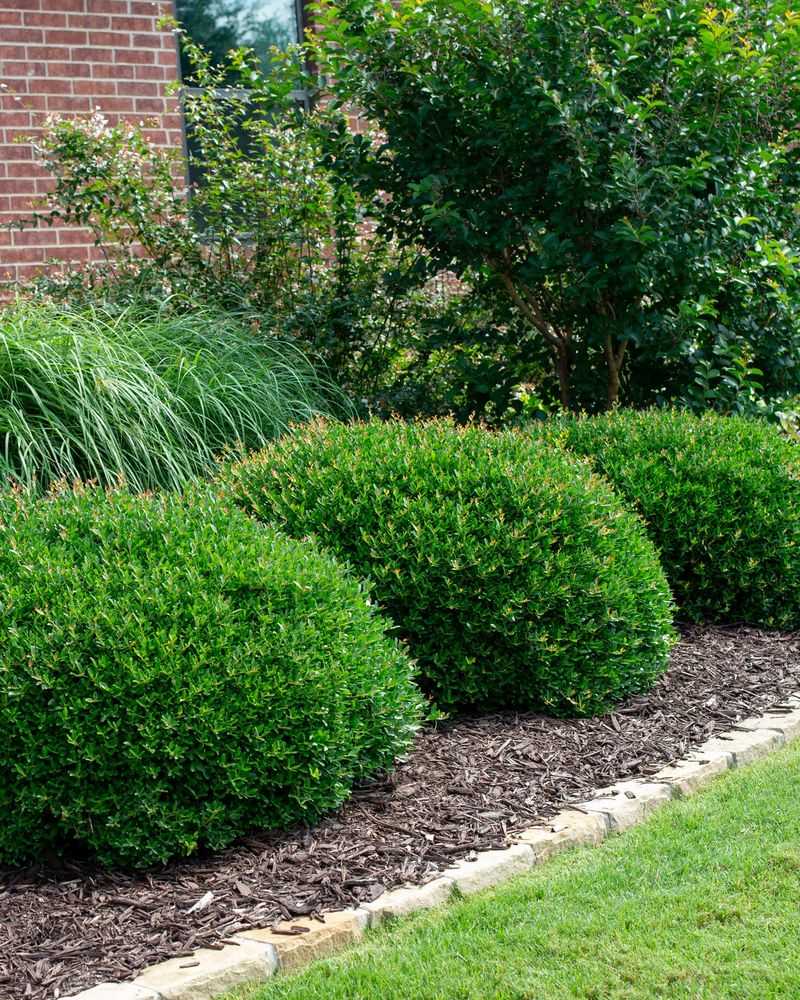
Some plants need constant attention to look their best. Dwarf Yaupon Holly is not one of them.
This compact evergreen naturally holds a rounded, tidy shape that looks like it was just trimmed, even when it hasn’t been touched in months. For busy Texas homeowners, that’s a pretty big deal.
Native to the southeastern United States, including large parts of Texas, Dwarf Yaupon Holly is a plant that genuinely belongs here.
It’s adapted to the local climate, meaning it handles both summer heat and the occasional winter freeze without much drama. You don’t have to baby it or worry every time the forecast looks rough.
Your Texas Garden Changes Every Week. Your Plan Should Too.
Gardening in Texas changes quickly throughout the season. Every Friday you’ll receive a simple weekly plan showing exactly what to plant, prune, fertilize, harvest, and protect so you never miss the right timing.
The small, dark green leaves stay on the plant year-round, giving your front yard a clean, structured look in every season. Unlike some plants that get leggy or lopsided over time, Dwarf Yaupon Holly just keeps filling in neatly.
It’s the kind of plant that looks like you put in a lot of effort when you really didn’t. It works beautifully as a border plant, a foundation shrub, or even a low hedge along a walkway. Plant it in full sun or partial shade, and it adapts without complaint.
Water it while it gets established, and after that, it handles dry spells on its own pretty well. Across Texas landscapes, from Houston to Fort Worth, this little evergreen keeps showing up because it simply works. Few plants deliver this much visual polish for this little effort.
3. Gulf Muhly Grass
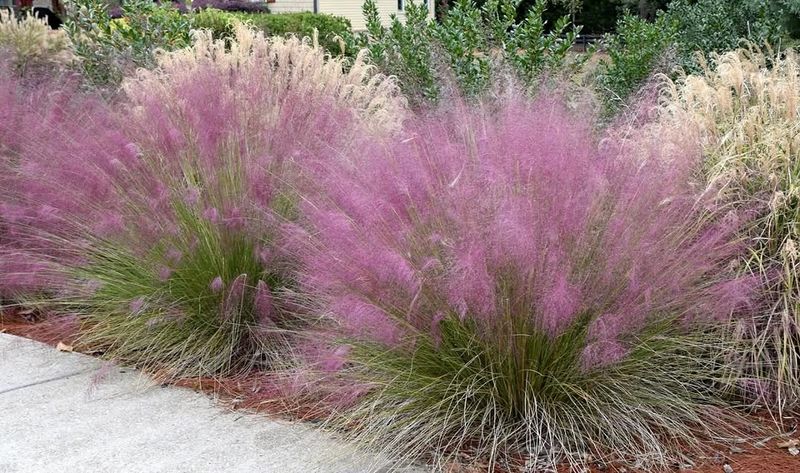
Every fall, something almost magical happens across Texas yards where Gulf Muhly Grass is planted. The plant sends up massive clouds of soft, rosy-pink plumes that catch the breeze and glow in the afternoon sun.
It looks like something out of a garden magazine, and the wildest part is that it basically does this all on its own.
Gulf Muhly Grass is a native Texas plant, which means it evolved right alongside the climate here. It thrives in the heat, handles dry stretches without much watering, and doesn’t ask for rich soil or special fertilizer.
During the spring and summer, the fine green blades form a neat, arching clump that looks intentional without any trimming.
Then fall arrives, and the show really begins. Those feathery plumes rise up above the foliage in shades of pink, purple, and lavender, creating a soft, airy effect that makes any yard look carefully designed.
Even neighbors who don’t know much about plants will stop and take notice. It’s that striking.
Plant Gulf Muhly Grass in full sun for the best display. It pairs beautifully with other Texas natives like Blackfoot Daisy or Autumn Sage, creating a layered, polished look that feels totally natural.
Cut it back in late winter before new growth starts, and it comes back full and fresh every year. From the Dallas suburbs to the San Antonio Hill Country, this grass earns its place in any low-maintenance Texas front yard.
4. Blackfoot Daisy
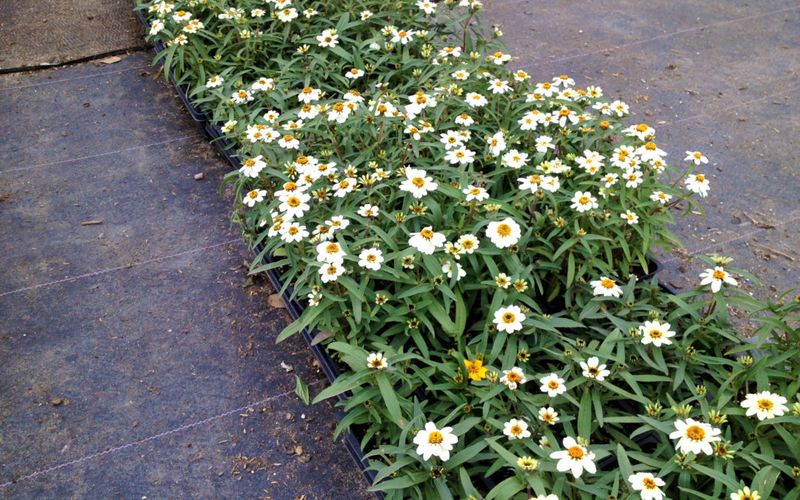
Cheerful is the first word that comes to mind with Blackfoot Daisy. This little plant covers itself in small white flowers with bright yellow centers, and it keeps blooming for months on end.
In Texas, it often starts flowering in early spring and keeps going well into fall, sometimes even longer depending on the region.
What’s impressive is how tidy it stays on its own. Some wildflowers spread out in a messy, uncontrolled way that can make a front yard look neglected.
Blackfoot Daisy grows in a low, rounded mound that stays contained and neat. It never really looks wild or out of place, even when planted without a formal border around it.
Fun fact: the name comes from the small black spot at the base of each seed, which resembles a tiny footprint. It’s a native Texas plant that grows naturally in rocky, dry areas across the state and throughout the Southwest.
That means it’s perfectly suited for the tough conditions that challenge so many other plants in Texas yards.
Blackfoot Daisy loves full sun and well-drained soil, especially the rocky or sandy type that’s common in central and west Texas. It doesn’t need much water once it’s settled in, and it rarely needs fertilizing.
Just give it a sunny spot and step back. The blooms attract pollinators like bees and butterflies, adding extra life and movement to your front yard.
For a plant that gives so much while asking for so little, Blackfoot Daisy is hard to top in Texas landscaping.
5. Autumn Sage
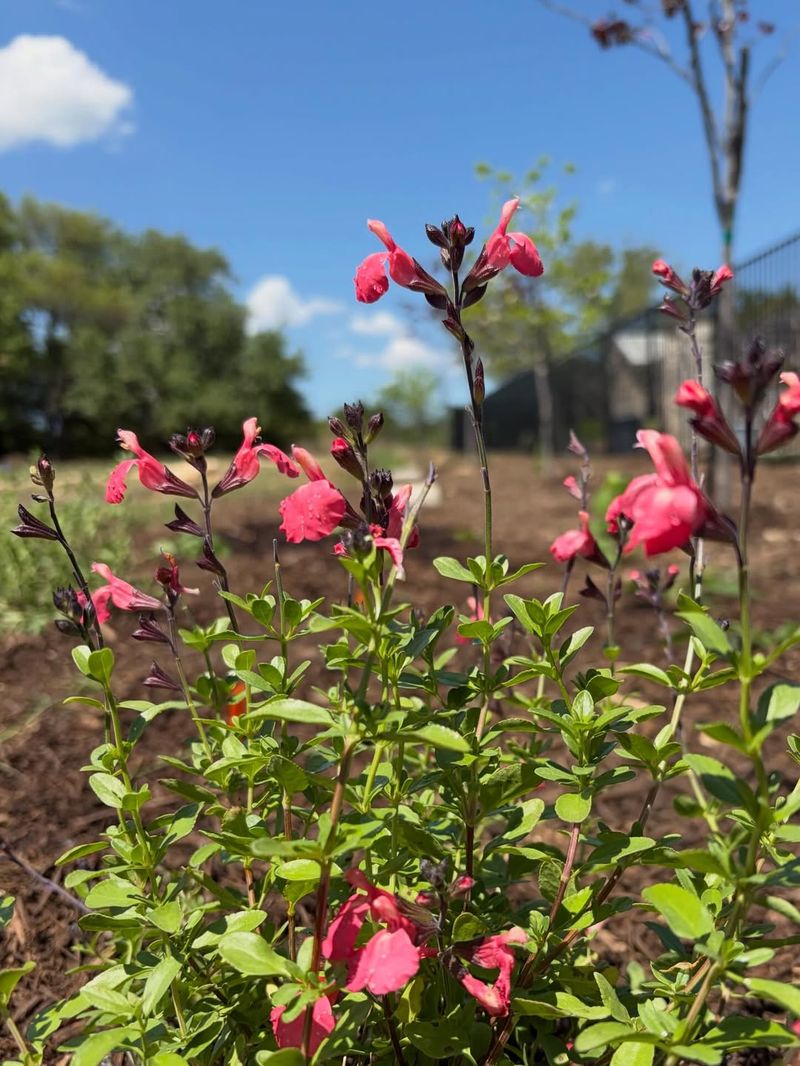
Red, coral, pink, or white, Autumn Sage comes in a range of bold colors that make any Texas front yard pop. It’s one of those plants that looks like it was carefully selected and placed by a landscape designer, even when it’s just doing its own thing in a sunny corner of the yard.
Native to Texas and northern Mexico, Autumn Sage is well-suited to the tough growing conditions across the state. It handles heat, drought, and rocky soil without missing a beat.
The plant stays fairly compact, usually growing about two to three feet tall and wide, so it fits neatly into most front yard spaces without taking over.
One of the best things about Autumn Sage is that it blooms in waves. It flowers heavily in spring and fall, with lighter blooms through the summer.
That means your yard gets color for most of the year with almost no effort on your part. Hummingbirds absolutely love the tubular flowers, which adds a whole extra layer of life and movement to the space.
Trim it back lightly after each big bloom cycle and it comes back even fuller and more floriferous the next time. It pairs well with ornamental grasses, yuccas, and other Texas natives, making it a versatile choice for mixed plantings.
Whether you’re in the Hill Country, the Panhandle, or the Gulf Coast region, Autumn Sage delivers reliable color and structure with minimal upkeep. It’s a true workhorse of the Texas front yard.
6. Damianita
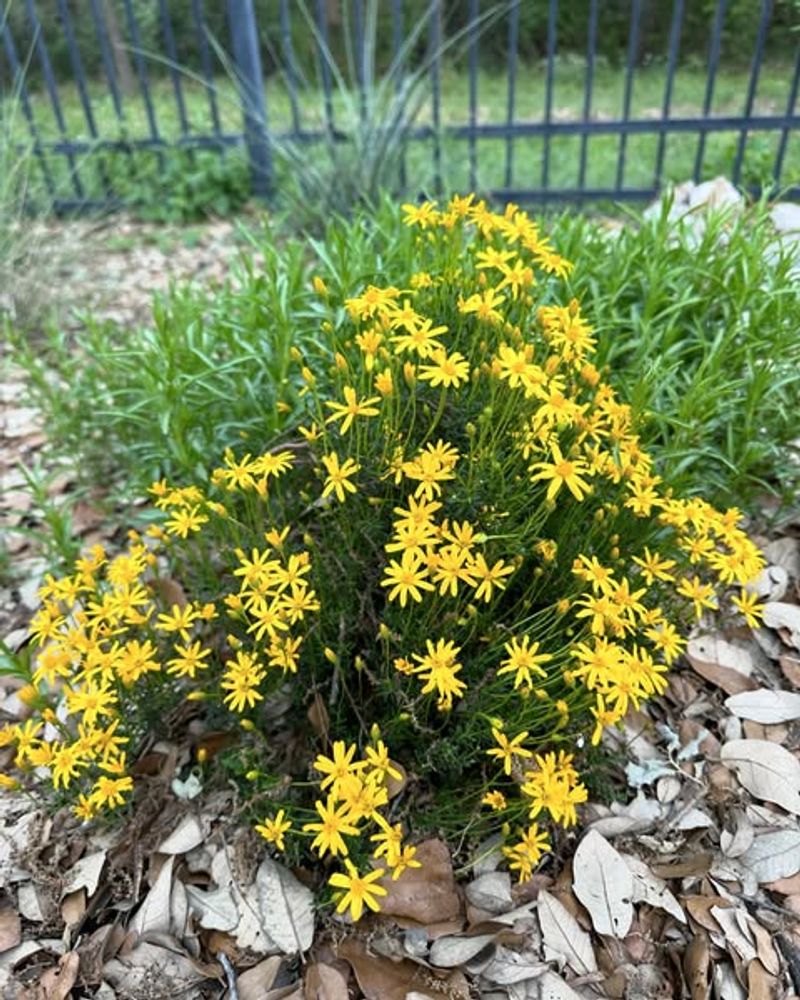
Not every great Texas plant gets the attention it deserves, and Damianita is a perfect example.
This tough, cheerful little shrub is loaded with bright yellow flowers and grows in a naturally mounded shape that looks like someone carefully sculpted it. It’s eye-catching without being flashy, tidy without being stiff.
Damianita is native to west Texas, New Mexico, and northern Mexico, making it extremely well-adapted to dry, hot conditions. It thrives in rocky or sandy soil with excellent drainage, which is exactly the kind of situation many Texas homeowners deal with.
Once established, it handles long dry stretches without any supplemental watering, which is a serious advantage during Texas summers.
The yellow blooms typically peak in spring, but the plant often reblooms later in the season when conditions are right. Even when it’s not flowering, the fine-textured, dark green foliage looks clean and attractive.
The mounded growth habit means it rarely needs pruning to look presentable. It just naturally stays in a nice, rounded shape all on its own.
Plant Damianita in full sun for the best results. It pairs beautifully with other drought-tolerant plants like Red Yucca, Texas Sage, and Blackfoot Daisy, creating a cohesive, polished look across your front yard.
It’s also a great choice for slopes or rocky areas where other plants struggle to get established. If you want a plant that brings bold color and structure to a Texas front yard without demanding constant care, Damianita absolutely belongs on your list.
7. Red Yucca
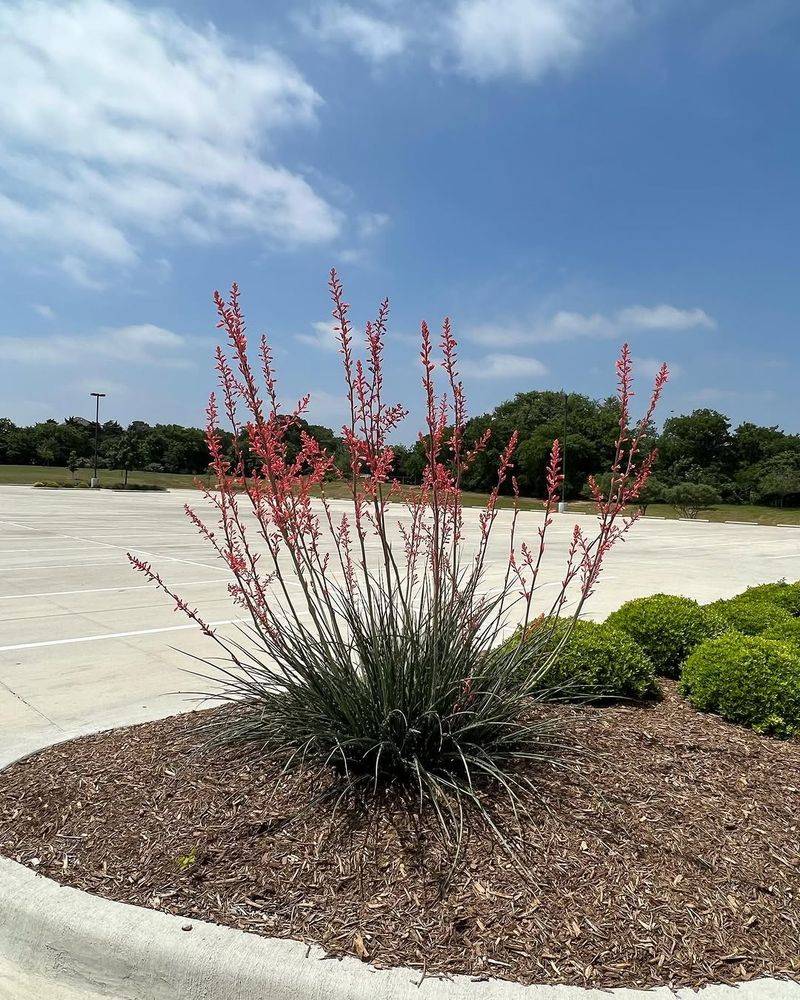
If you want a plant that makes a statement without saying a word, Red Yucca is it. The long, arching leaves form a bold, sculptural clump that looks like it belongs in a high-end landscape design.
Then, in late spring and early summer, tall spikes of coral-red tubular flowers shoot up several feet into the air, and the whole plant becomes truly spectacular.
Despite its dramatic looks, Red Yucca is one of the most low-maintenance plants you can grow in a Texas front yard.
It’s native to central and west Texas, so it’s completely at home in the heat, the rocky soil, and the dry conditions that define so much of the state. Once it’s established, it needs almost no watering and zero fertilizing.
Hummingbirds are drawn to those tall flower spikes like a magnet. Watching them hover around a Red Yucca in full bloom is one of those small but genuinely wonderful moments that Texas gardeners get to enjoy.
The plant also attracts orioles and various native bees, making it a small but lively wildlife habitat right in your front yard.
Red Yucca grows slowly and stays in its lane, meaning it won’t spread aggressively or crowd out other plants. It looks especially sharp when paired with ornamental grasses or low-growing groundcovers.
Plant it in full sun with well-drained soil, and it will reward you for years with almost no effort. Across Texas, from El Paso to Corpus Christi, Red Yucca consistently delivers structure, drama, and beauty without the maintenance headache.