10 Vibrant Annual Flowers To Draw Butterflies To Your Virginia Garden
Virginia is one of the most beautiful states in the country. With landscapes that stretch from the rolling Blue Ridge Mountains all the way to the sparkling Chesapeake Bay.
If you have a garden here, you already have a head start on creating something truly magical. Adding the right annual flowers can turn your outdoor space into a butterfly paradise, with wings of every color fluttering through from spring all the way into fall.
Across Virginia, these vibrant annual flowers can turn an ordinary garden into a butterfly-filled space alive with color all season long.
1. Zinnias
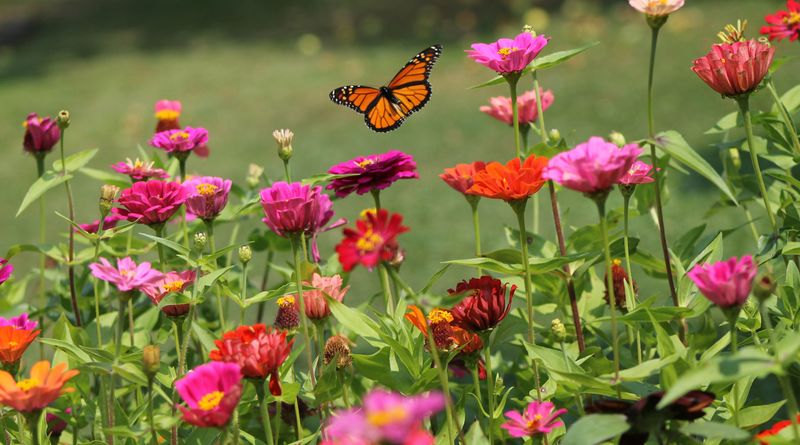
Few flowers put on a show quite like zinnias do in a Virginia summer garden. These bold, cheerful blooms come in just about every color you can imagine, from fiery red to soft lavender, and butterflies absolutely cannot resist them.
If you plant nothing else this season, plant zinnias.
Zinnias thrive in Virginia’s warm, humid summers and love full sun.They grow fast, bloom heavily, and keep producing flowers all the way until the first frost.
You can start seeds directly in the ground after the last frost date, which in most parts of Virginia falls between late March and mid-April.
Swallowtails, monarchs, and painted ladies are just a few of the butterfly species you can expect to see sipping nectar from zinnia blooms. Plant them in clusters for the biggest visual impact and the most butterfly traffic.
Deadhead spent blooms regularly to encourage even more flowers throughout the season. Zinnias are also incredibly low-maintenance, making them a fantastic choice for beginner gardeners across Virginia who want big results without a lot of fuss.
2. Lantana
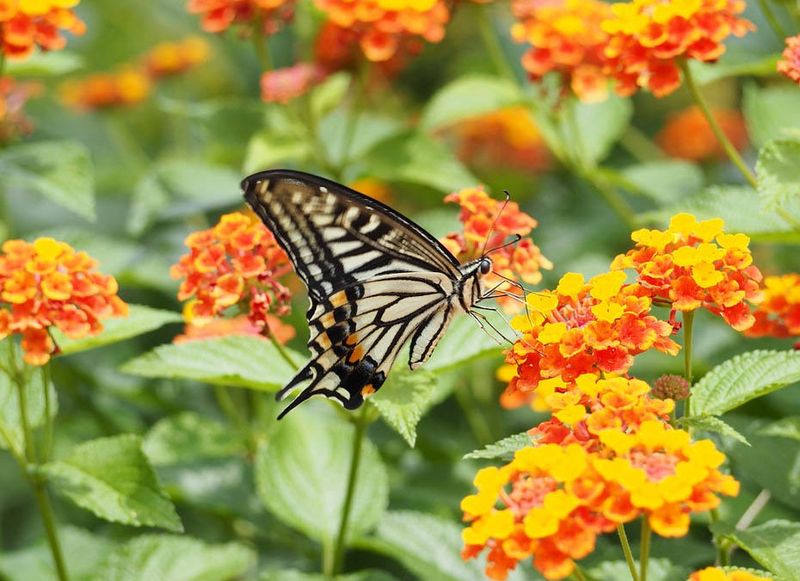
Lantana is basically a butterfly magnet wrapped in a flower, and once you see it in action, you will understand exactly why gardeners across Virginia swear by it.
The tiny clustered blooms change color as they age, creating a stunning multicolored effect that looks like confetti right in your garden. It is one of the most eye-catching annuals you can grow.
In Virginia, lantana performs best in full sun and well-drained soil. It handles heat and drought like a champ, which makes it perfect for those long, hot Virginia summers when other plants start to struggle.
You can find it in shades of orange, yellow, red, pink, white, and bi-color mixes.
Butterflies flock to lantana because of its rich, accessible nectar.
Monarchs especially love it during their fall migration, which passes right through Virginia every year.
Plant lantana along borders, in containers on your porch, or as a colorful ground cover in sunny spots.
Just be aware that lantana can be toxic to pets, so place it thoughtfully if you have dogs or cats roaming your yard.
3. Marigolds
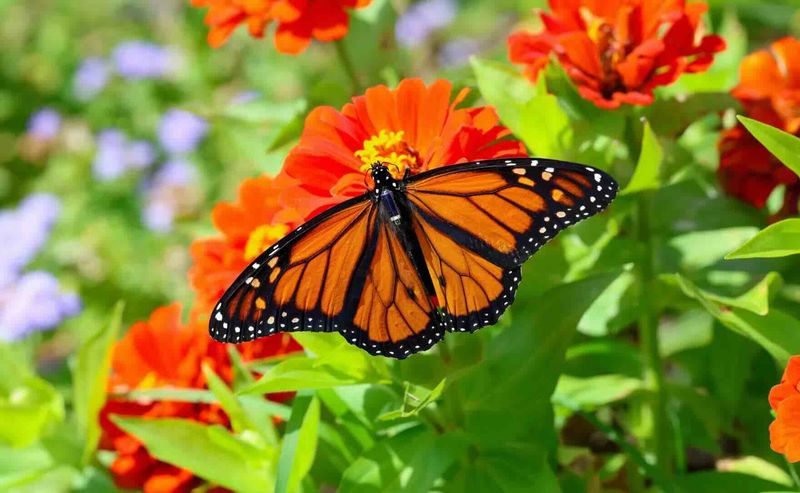
Marigolds have been a garden staple for generations, and there is a very good reason they have never gone out of style.
These sunny, golden blooms are tough, reliable, and can help attract butterflies to Virginia gardens from late spring through the first fall frost. They smell amazing too, which is a bonus for anyone spending time outdoors.
Your Virginia Garden Changes Every Week. Your Plan Should Too.
Gardening in Virginia changes quickly throughout the season. Every Friday you’ll receive a simple weekly plan showing exactly what to plant, prune, fertilize, harvest, and protect so you never miss the right timing.
Growing marigolds in Virginia is almost foolproof.
They love full sun, tolerate poor soil, and bounce back quickly from summer heat.
Start seeds indoors about six weeks before the last frost, or pick up transplants from any local Virginia garden center in spring for an even easier start.
French marigolds and African marigolds are both excellent choices for attracting butterflies. The French varieties tend to stay more compact, making them great for borders and container gardens.
African marigolds grow taller and produce larger blooms that butterflies find especially easy to land on.
As a fun bonus, marigolds also help repel certain garden pests naturally, so planting them near your vegetables is a smart move for any Virginia gardener looking to protect their crops while feeding local butterflies.
4. Pentas
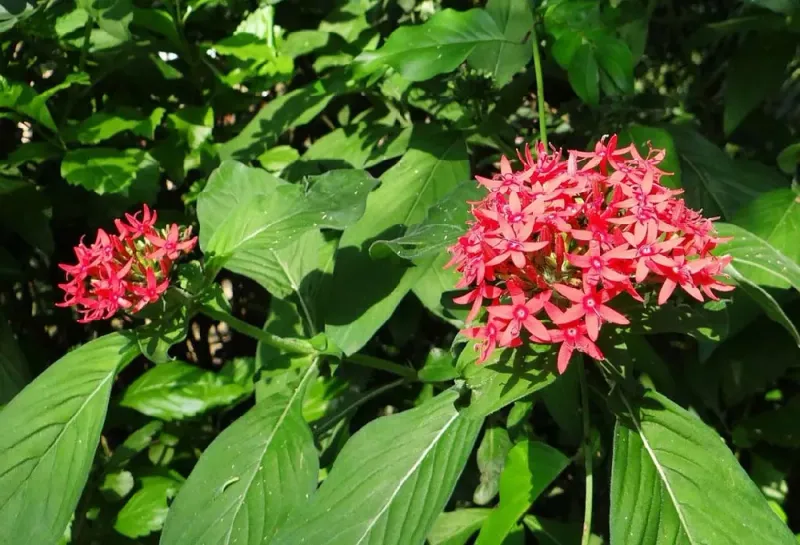
If you have never grown pentas before, get ready to fall in love with this tropical beauty.
Pentas produces dense clusters of tiny star-shaped flowers that butterflies find completely irresistible, and they bloom non-stop all season long in Virginia’s warm climate.
Gardeners who discover pentas rarely go back to gardening without them.
Pentas thrives in full sun and handles Virginia’s summer humidity surprisingly well.
It prefers well-drained soil and regular watering, but it is not overly fussy once established.
You can grow it in garden beds, hanging baskets, or large containers on a sunny patio, making it one of the most versatile annuals available to Virginia gardeners.
Red and pink pentas varieties are especially powerful butterfly attractors, drawing in swallowtails, skippers, and sulfur butterflies with ease.
The flowers stay fresh-looking even during the hottest weeks of a Virginia summer, which is more than you can say for many other annuals.
Pentas also attracts hummingbirds, so planting it gives you double the wildlife excitement right outside your window.
Pair it with zinnias or lantana for a butterfly garden combination that truly delivers all season long.
5. Verbena
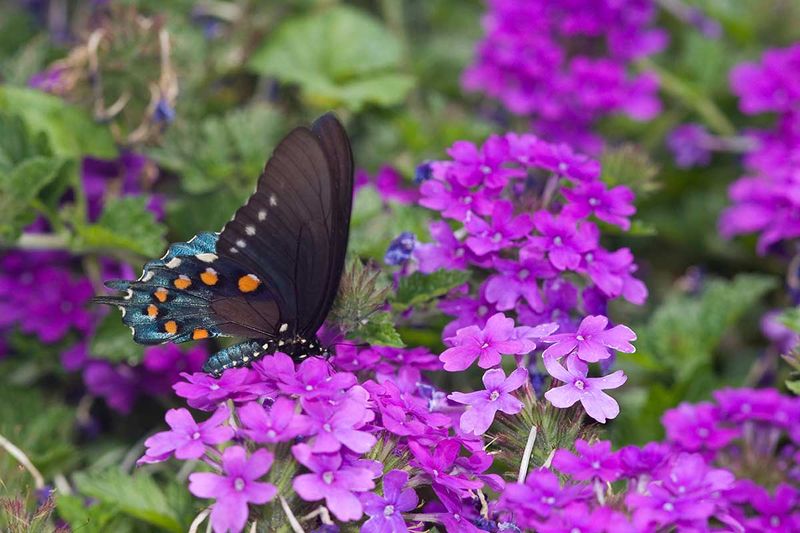
Verbena is one of those flowers that punches way above its weight when it comes to attracting butterflies.
Those tiny clustered blooms might look delicate, but they pack a serious nectar punch that brings butterflies flocking from all directions to Virginia gardens. Once you see a patch of verbena covered in wings, you will always make room for it.
Annual verbena grows low and spreads nicely, making it a great choice for garden borders, window boxes, and hanging baskets across Virginia.
It loves full sun and well-drained soil, and it blooms most heavily when temperatures are warm but not scorching. In the hottest weeks of a Virginia summer, giving it some afternoon shade can help extend its blooming season.
Purple, pink, red, and white verbena varieties all attract butterflies, but purple tends to be the most popular with pollinators.
Swallowtails and painted ladies are especially fond of verbena blooms.
Deadheading regularly keeps the plant producing fresh flowers and looking tidy throughout the season.
Verbena is also a fantastic companion plant for taller annuals like zinnias, creating a layered garden design that is both beautiful and buzzing with butterfly activity all across Virginia.
6. Mexican Sunflower
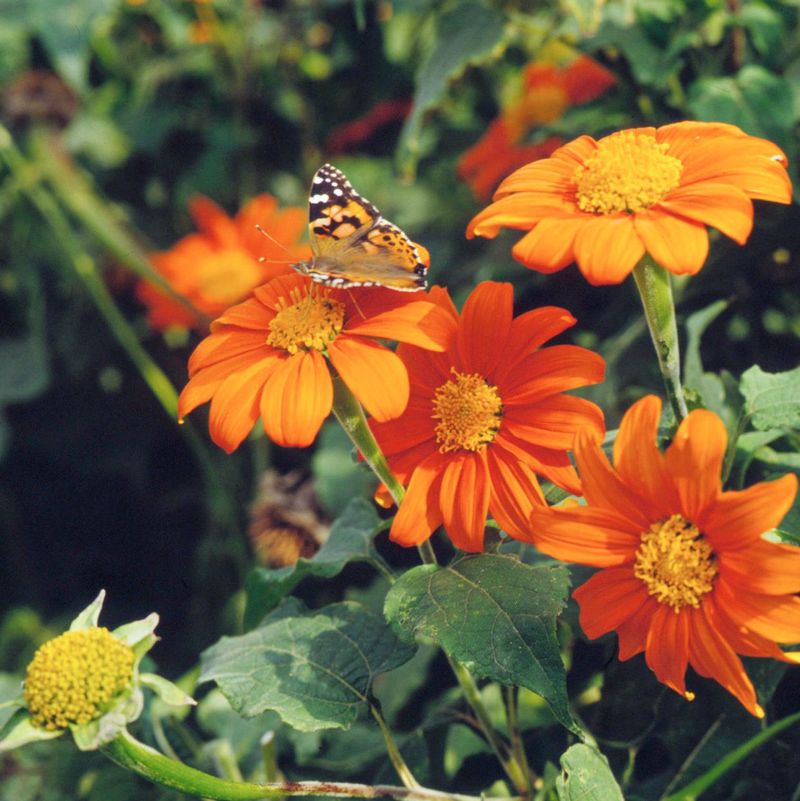
There is something almost theatrical about the Mexican sunflower, and it earns every bit of that dramatic reputation.
These towering plants explode with brilliant orange blooms that can reach six feet tall, creating a stunning backdrop for any Virginia garden while pulling in butterflies from what feels like miles away.
Swallowtails especially go absolutely wild for these flowers. Mexican sunflowers love heat and full sun, making them a natural fit for Virginia’s long, warm growing season.
Plant seeds directly in the garden after your last frost date, or start transplants indoors a few weeks early for a head start. They grow quickly once warm weather settles in and need very little attention beyond regular watering.
The bold orange color of Mexican sunflower blooms is particularly attractive to large butterfly species, including giant swallowtails and tiger swallowtails, both of which are common throughout Virginia.
Plant them at the back of a garden bed so shorter plants can fill in the front without being shaded out.
Cutting fresh blooms for indoor arrangements is a great way to enjoy them inside while still leaving plenty of flowers outside for your butterfly visitors all summer long.
7. Cosmos
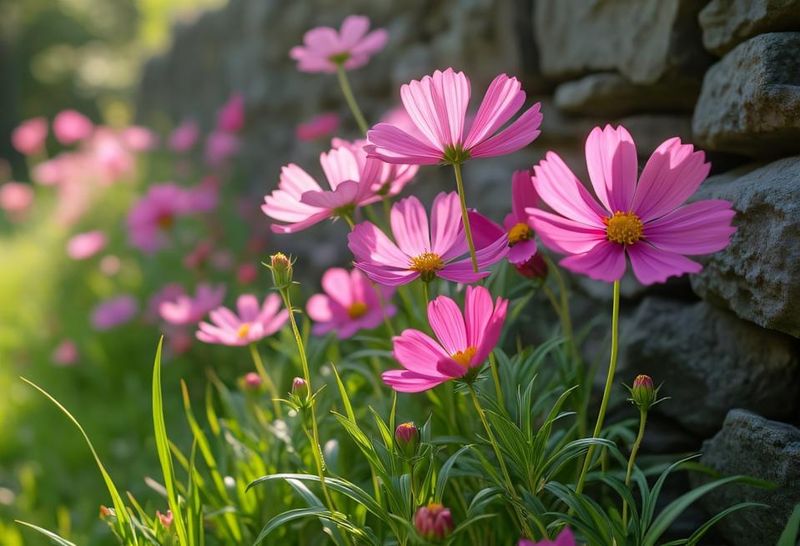
Cosmos are the free spirits of the annual flower world, and they bring an effortless, wildflower charm to any Virginia garden.
These feathery, open-faced blooms sway gracefully in the breeze and attract a wide variety of butterfly species with their generous supply of nectar.
Planting cosmos feels less like gardening and more like setting something beautiful loose in your yard. Growing cosmos in Virginia is wonderfully simple.
Scatter seeds directly in a sunny garden bed after the last frost, barely cover them with soil, and let the warm Virginia weather do the rest.
They actually prefer lean, well-drained soil and do not need much fertilizer, which makes them one of the lowest-effort flowers you can grow.
Pink, white, and magenta cosmos varieties are especially attractive to painted ladies, sulfur butterflies, and skippers.
The open flower structure makes it easy for butterflies of all sizes to access the nectar without any struggle. Cosmos self-seed freely, so you may find them popping up again next year without any extra effort on your part.
For a relaxed, cottage-garden look that doubles as a butterfly haven, cosmos are hard to beat anywhere in Virginia’s diverse growing regions.
8. Impatiens
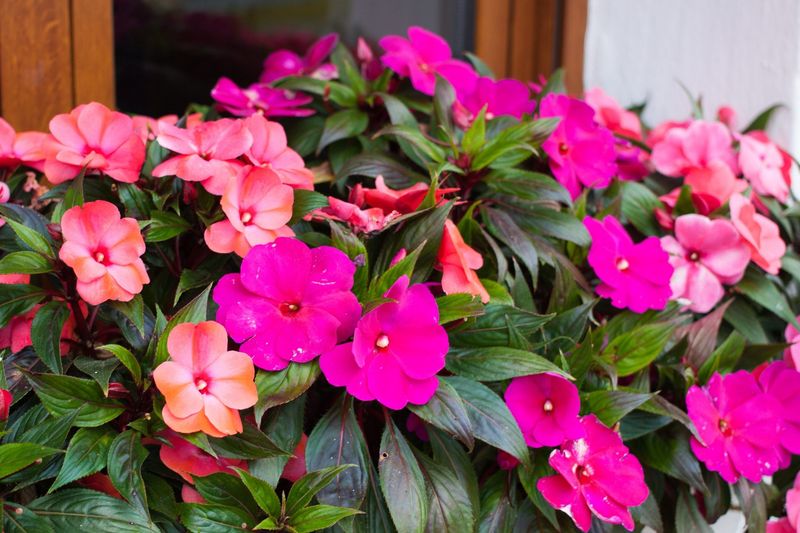
Not every butterfly garden gets full sun all day, and that is exactly where impatiens step in to save the day.
These cheerful, compact bloomers are one of the few annuals that genuinely thrive in shaded and partially shaded spots, making them a smart solution for Virginia gardeners dealing with tree cover or north-facing garden beds.
They bloom non-stop and rarely ask for much in return. Impatiens prefer moist, well-drained soil and do best when protected from the intense afternoon sun common during Virginia summers.
Water them consistently, because they can wilt quickly in dry conditions, but they bounce back fast once watered. You can find them in an enormous range of colors, from soft pastels to vivid coral and deep red.
Impatiens are not among the best nectar sources for butterflies, but they can still attract skippers and other occasional visitors in shaded settings.
Planting them alongside shade-tolerant host plants like wild senna can make your shaded Virginia garden corner even more valuable to local butterfly populations.
Impatiens also look stunning when mixed into container arrangements, adding a pop of long-lasting color to porches and patios all the way until frost arrives in Virginia.
9. Cleome
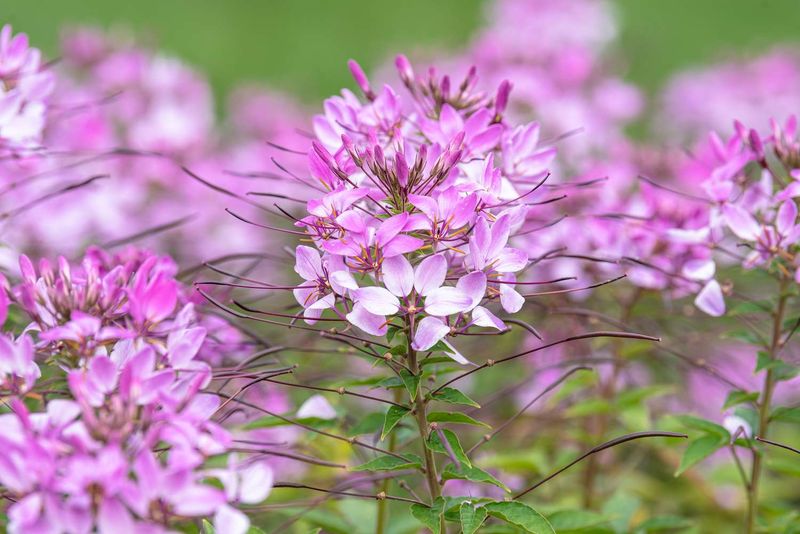
Cleome, also known as spider flower, is one of those plants that makes people stop and stare the first time they see it.
The tall, spiky blooms look almost otherworldly, but butterflies treat them like an all-you-can-eat buffet from midsummer straight through early fall in Virginia gardens.
Once you grow cleome, it tends to become a permanent fixture in your annual garden lineup. Cleome grows best in full sun and well-drained soil throughout Virginia.
It tolerates heat well and actually gets more vigorous as summer temperatures climb, which is exactly what you want from a garden plant during a Virginia July or August.
Plant seeds directly outdoors after frost danger has passed, or start them indoors four to six weeks earlier. Swallowtail butterflies are particularly drawn to cleome, and hummingbirds love it too, giving you even more wildlife activity to enjoy.
The plants can grow four to five feet tall, so place them toward the back of your garden beds where they can shine without blocking shorter plants.
Cleome self-seeds generously, which means a single planting can keep your Virginia garden supplied with these spectacular blooms for years to come with almost no extra effort from you.
10. Scarlet Sage
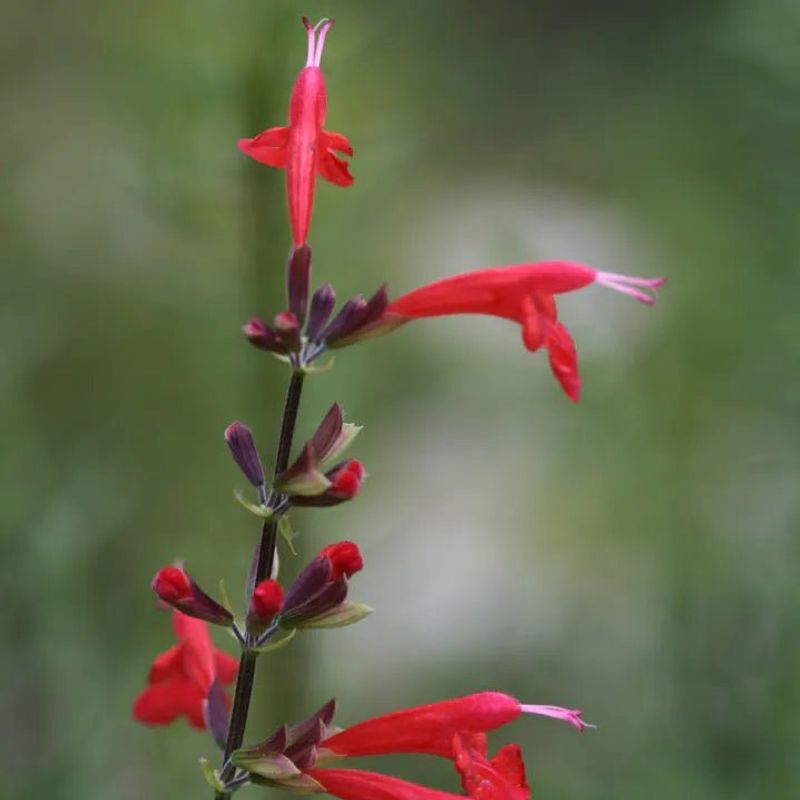
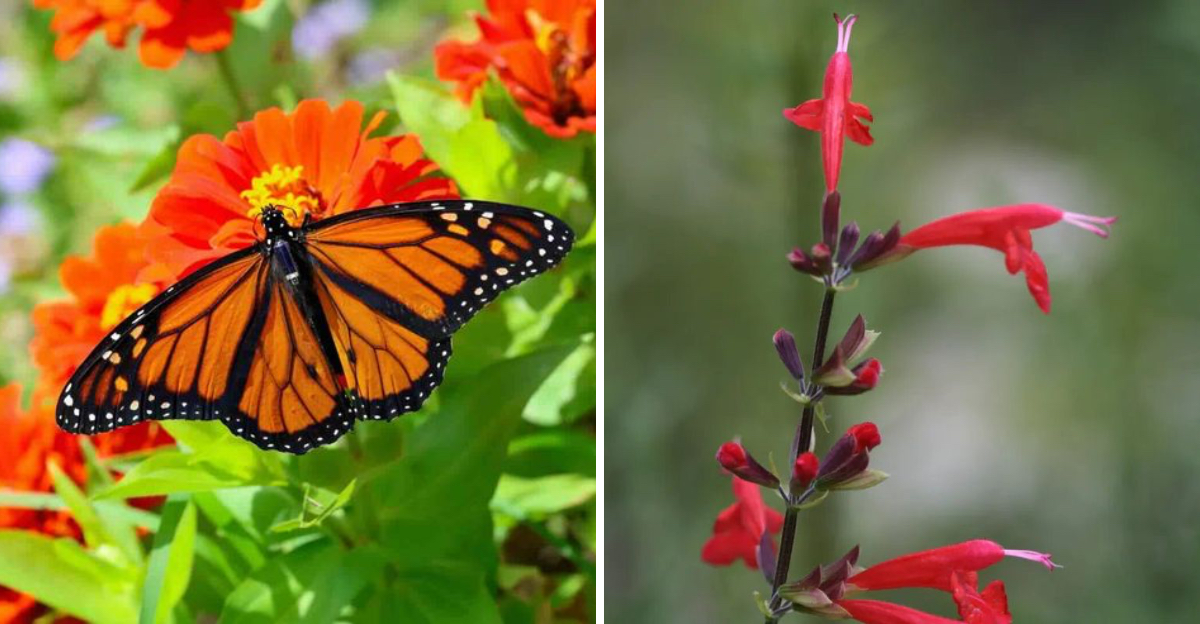
Scarlet sage brings a level of intensity to the garden that is hard to match, with flower spikes so red and vivid they practically glow in the Virginia summer sun.
This annual salvia is a powerhouse for pollinators, drawing in butterflies, bees, and hummingbirds with a nectar supply that keeps going strong all season.
If you want your Virginia garden to feel alive, scarlet sage delivers that energy in spades.
Scarlet sage grows best in full sun to light shade and adapts well to Virginia’s varied climate zones, from the coastal Tidewater region to the foothills of the Blue Ridge Mountains.
It prefers well-drained soil and moderate watering, and it performs beautifully in both garden beds and large containers.
Deadhead spent spikes regularly to keep new blooms coming throughout the season.
Swallowtails and hummingbird moths are especially fond of scarlet sage, and watching them work their way up each flower spike is genuinely one of the best free shows in any Virginia backyard.
Pairing scarlet sage with white or purple annuals like verbena or cosmos creates a stunning color contrast that looks professionally designed.
For a garden that is as beautiful as it is welcoming to wildlife, scarlet sage is a must-grow annual across all of Virginia.