Virginia Gardeners Are Ditching Arborvitae For These 8 Deer-Proof Privacy Plants
Every spring, thousands of Virginia homeowners do the same thing: replace the arborvitae the deer destroyed last winter.
The deer, of course, are delighted.
At some point, that stops being optimism and starts being something else entirely.
The deer in your neighborhood are not going anywhere.
But your frustration?
That part is optional.
These eight plants offer everything you actually wanted from arborvitae: dense coverage, evergreen color, real privacy.
And deer?
They walk right past them.
Some are native Virginia plants that have been quietly thriving here for centuries.
Others are fast-growing workhorses that fill in gaps before you know it.
A few will even surprise you with blooms or fall color you never expected from a privacy hedge.
Pick one, plant it, and finally stop replacing the same shrub every spring.
1. American Holly
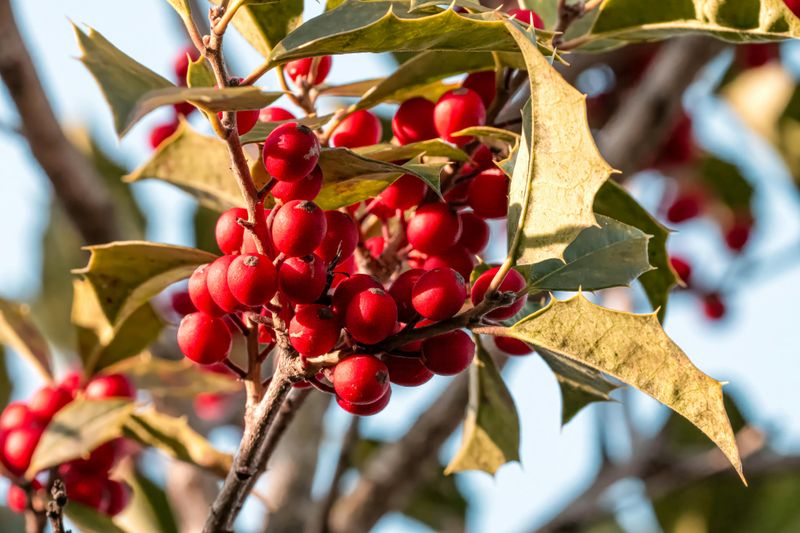
Few plants command a yard quite like American Holly.
This native evergreen has been quietly thriving in Virginia since long before anyone invented arborvitae, and honestly, it shows.
Glossy leaves, a naturally dense shape, and spiny edges that feel like nature’s own barbed wire make it one of the most effortless deer deterrents you can plant.
Deer almost never touch it, and once you see a mature row of these, you will understand why it remains a Virginia favorite.
Growth-wise, American Holly means business.
It can reach 15 to 30 feet tall, making it one of the most impressive privacy options for larger yards.
It holds its deep green color through frost, ice, and those brutal mid-January cold snaps that Virginia winters love to throw at you.
Most plants have an off-season.
American Holly largely does not.
The red berries that appear in fall and winter are a genuine bonus.
Cedar waxwings, mockingbirds, and other birds will find your yard fast.
One thing to know before you shop: you will need both a male and female plant nearby to get berry production, so plan your layout accordingly.
As for care, American Holly is refreshingly low-drama.
Well-drained, slightly acidic soil suits most Virginia landscapes perfectly.
Give it full sun to partial shade, water consistently through the first season, and then step back.
This native powerhouse does not need much from you.
It just grows, screens, and quietly becomes the plant your neighbors cannot stop asking about.
2. Inkberry Holly
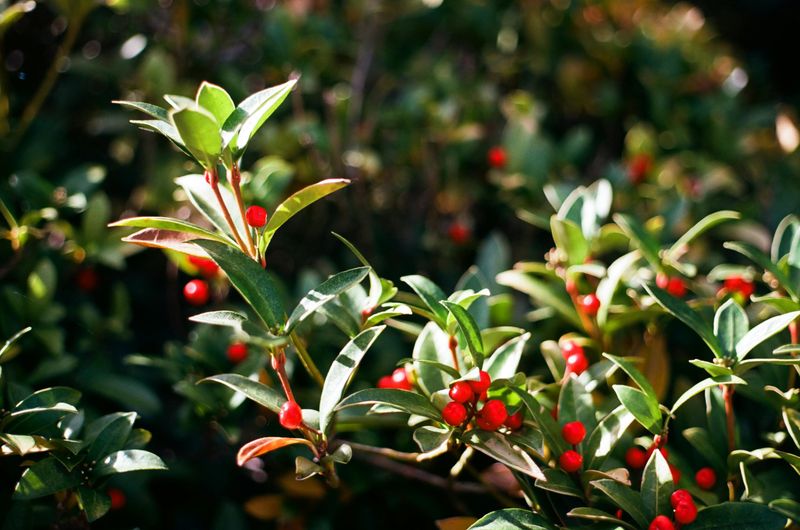
Soggy corner of the yard driving you crazy?
Inkberry Holly might be the answer nobody talks about enough.
This native holly handles wet, poorly drained spots that would rot most other shrubs from the roots up.
That makes it really useful in a way that prettier, flashier plants simply are not.
And the deer resistance?
Consistent and reliable in a way that will make you breathe easier every single winter.
If your yard has a low area near a downspout or a seasonal puddle zone, this plant was practically born for that spot.
Inkberry grows into a tidy, rounded shrub reaching about 5 to 8 feet tall.
That makes it ideal for mid-height screening along fences or property lines without overwhelming the space.
Your Virginia Garden Changes Every Week. Your Plan Should Too.
Gardening in Virginia changes quickly throughout the season. Every Friday you’ll receive a simple weekly plan showing exactly what to plant, prune, fertilize, harvest, and protect so you never miss the right timing.
The small, dark berries that appear in late summer are not showy like red holly berries, but birds absolutely go wild for them, especially during fall migration.
The foliage stays evergreen through winter, giving you consistent coverage when the yard feels most exposed and bare.
For tighter spaces, compact cultivars like Shamrock and Gem Box are worth seeking out.
They fit neatly where a full-sized shrub would feel like too much.
Better yet, Inkberry spreads gradually through root suckers, meaning you get a thicker, fuller hedge over time without spending extra money on new plants.
Pair it with taller plants behind it for a layered privacy screen that looks intentional and polished rather than thrown together.
Inkberry is the unsung hero of the deer-resistant plant world, and Virginia yards that have it tend to hold onto it for good reason.
3. Wax Myrtle
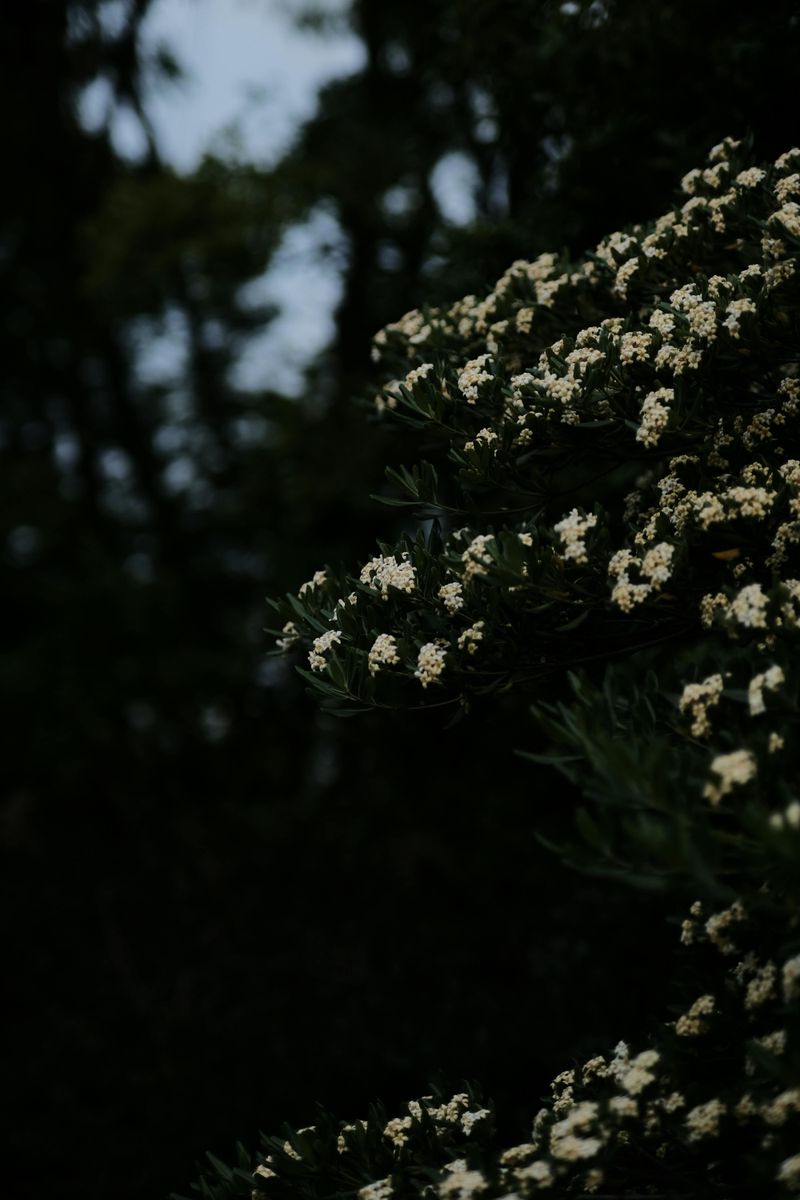
Image Credit: © Mak_ jp / Pexels
Speed matters when you want privacy fast, and Wax Myrtle delivers.
This native shrub can shoot up 3 to 5 feet in a single growing season under good conditions.
You go from bare ground to a real screen in a surprisingly short time.
For anyone tired of waiting three years to stop seeing their neighbor’s yard, that kind of growth rate feels almost unreasonably satisfying.
Deer tend to avoid it, and the reason is simple.
The aromatic leaves smell nothing like the plants they prefer to snack on, so most deer walk right past without giving it a second look.
That built-in deterrent, combined with its speed, makes Wax Myrtle one of the smartest choices you can make for a Virginia privacy hedge.
The plant itself is remarkably tough.
It handles both drought and occasional flooding once established.
For a region that can deliver a soggy April and a baking August in the same year, that kind of flexibility is worth a lot.
Full sun, poor soil, sandy or clay ground, Wax Myrtle asks very little in return for what it gives.
The silvery-gray berries that coat the branches in fall have a waxy coating that gives the plant its name, and they smell faintly of bayberry candles when you crush them in your hand.
Birds love them, and the dense branching structure gives songbirds a safe place to nest away from predators.
Left alone, Wax Myrtle reaches 10 to 15 feet tall, but it responds beautifully to pruning if you prefer something shorter and bushier.
Fast, fragrant, and genuinely functional, this shrub is one of the most easygoing workhorses in the Virginia garden.
4. Skip Laurel
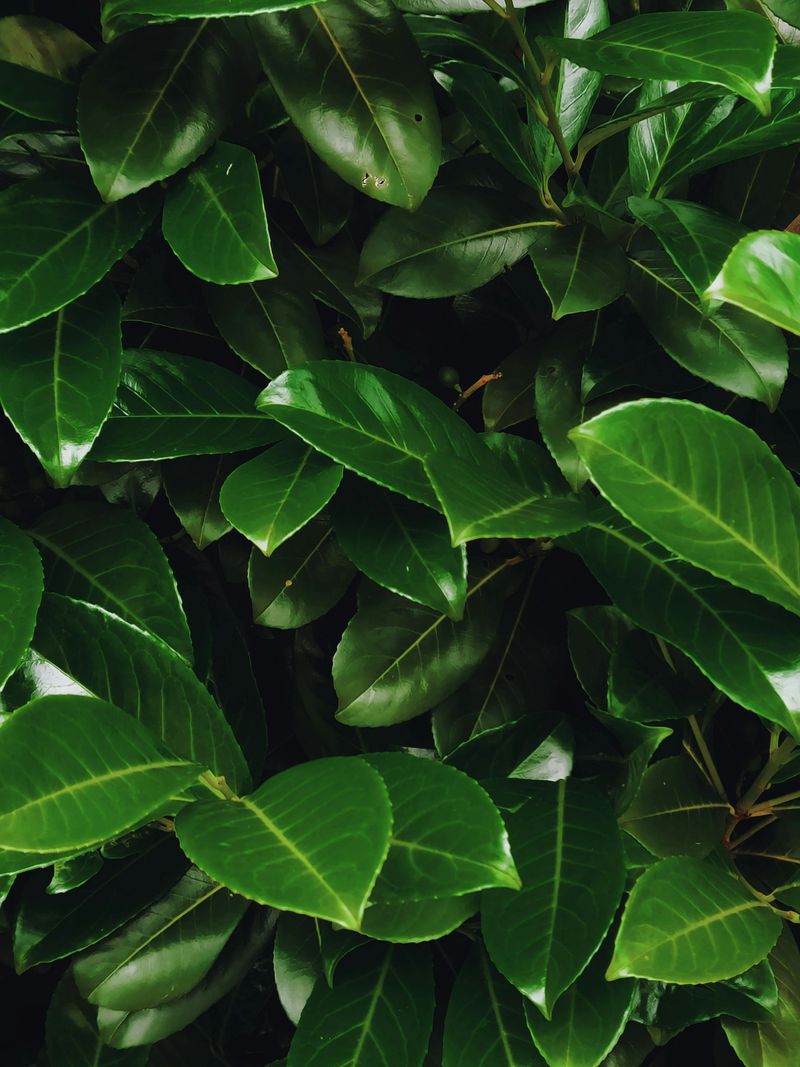
Image Credit: © Diana ✨ / Pexels
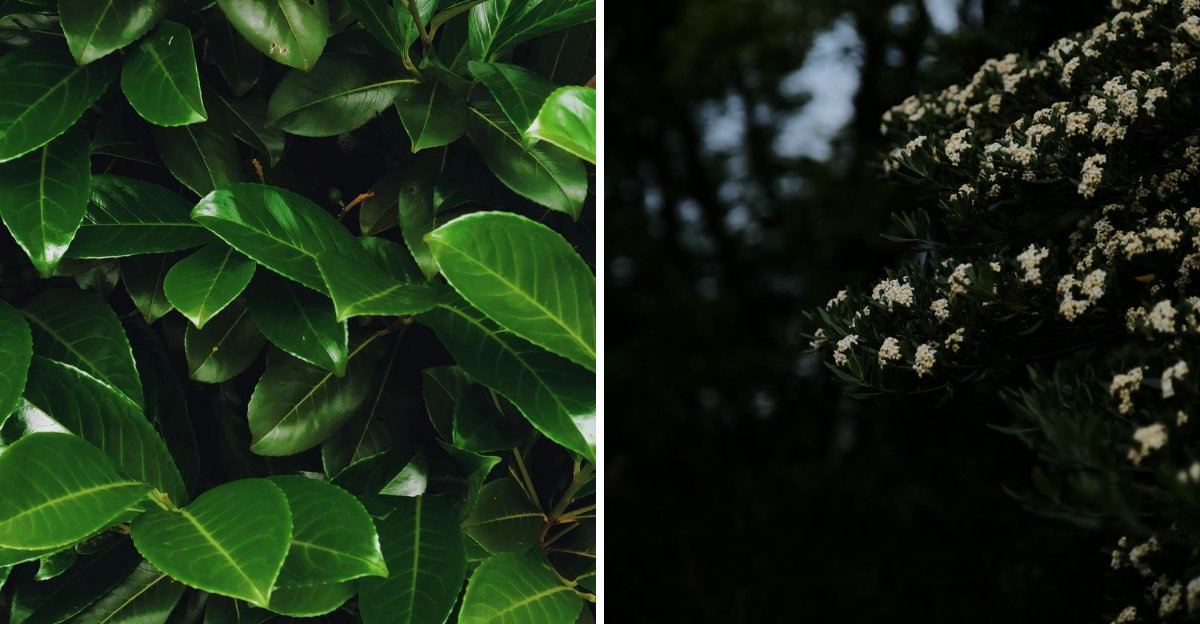
If you want lush, tropical-looking foliage that stops deer in their tracks, Skip Laurel might be the most satisfying swap you make for your old arborvitae row.
The leaves are big, bold, and glossy, catching sunlight in a way that makes the whole hedge look expensive and intentional rather than purely functional.
Growth is quick and the form is naturally upright.
Mature plants reach 10 feet or taller, which means serious privacy without a serious wait.
Deer browse past it because the leaves contain compounds that taste bitter and unpleasant to them.
For a busy homeowner, that kind of built-in protection is exactly what makes this plant worth choosing.
Spring brings a small but welcome bonus.
The shrubs produce clusters of white flowers with a faint, sweet fragrance that you notice on a warm morning without it being overwhelming.
The blooms are subtle enough to stay in the background while still pulling in pollinators and adding a little seasonal character to the hedge.
Skip Laurel also handles shade better than most privacy plants, making it a strong choice for yards where mature trees block direct sunlight.
It does best in well-drained soil and benefits from a light trim in late winter to keep the shape clean and encourage fresh new growth.
One thing worth knowing before you plant: Skip Laurel is toxic to pets and livestock, so placement matters if animals roam your yard freely.
Get that part right, and you will have a green wall that earns its keep every single season without asking much in return.
5. Eastern Red Cedar
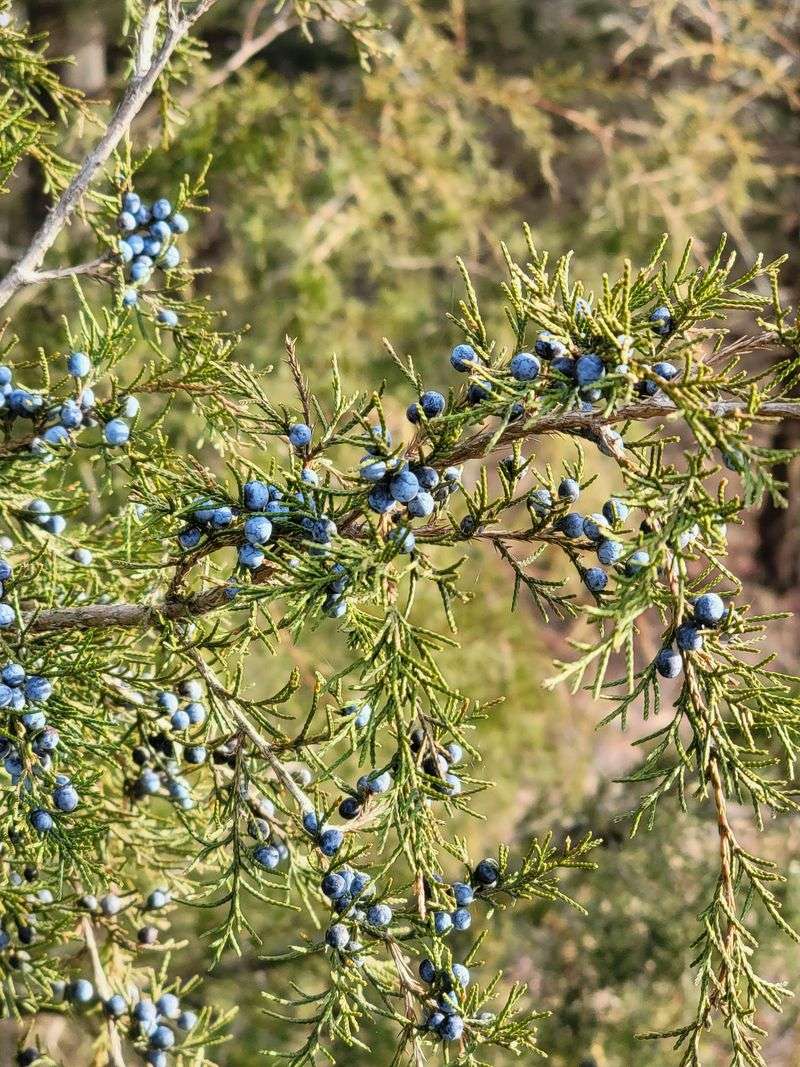
Eastern Red Cedar is arguably the toughest native tree in the entire mid-Atlantic region, and it has the track record to prove it.
This plant has been growing wild across Virginia for thousands of years, surviving drought, ice storms, clay soil, and extended neglect without complaint.
When you plant a row of these, you are essentially installing a green wall built to last.
Deer almost universally leave it alone past the sapling stage, which is when most deer damage happens anyway.
Get it through those first couple of years and the problem largely solves itself.
The dense, blue-green foliage stays on year-round, providing privacy and wind protection even in the coldest months when everything else in the yard looks bare and defeated.
Small, waxy blue berries appear on female trees in fall and become a critical food source for cedar waxwings, bluebirds, and other native birds pushing through the winter.
The aromatic foliage gives off a scent that most people find genuinely pleasant, somewhere between a cedar chest and a quiet walk through the woods.
One thing to plan for: Eastern Red Cedar can reach 40 to 50 feet tall at maturity.
This is not a shrub you tuck into a tight corner.
Give it room, think long term, and choose its location carefully.
It tolerates poor, rocky, or clay-heavy soil and rarely needs supplemental fertilizer once established.
The ongoing cost of ownership is about as low as it gets.
For gardeners in rural or semi-rural settings who want a massive, permanent privacy screen, this native tree is the obvious choice.
Plant it, forget it, and thank yourself ten years from now.
6. Nellie Stevens Holly
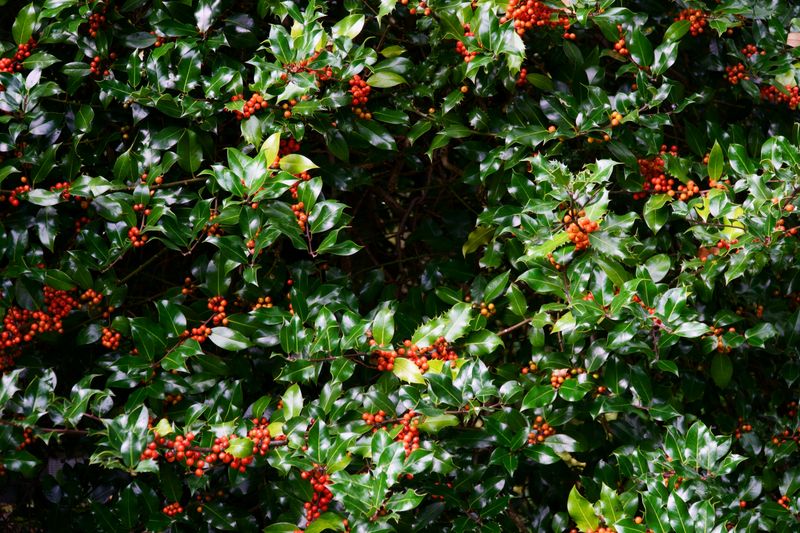
Nellie Stevens Holly is the plant landscape professionals quietly reach for when a client wants something fast, full, and deer-proof.
There is a very good reason it keeps showing up in professional designs across Virginia, and once you see the growth rate, you will understand immediately.
This hybrid holly puts on 2 to 3 feet per year under good conditions, which is remarkable for an evergreen that eventually tops out at 15 to 25 feet tall.
The result is a dense, pyramidal screen with glossy dark green leaves that stays beautiful through every season without demanding much from you in return.
Deer-resistant plants often come with an asterisk.
Most descriptions really mean deer will avoid it unless they are hungry enough, which is not exactly reassuring.
Nellie Stevens Holly sits in a more reliable category.
The spiny leaf edges genuinely deter browsing, and most deer learn quickly that this shrub is not worth the effort.
That consistency is exactly what separates it from the maybes on this list.
The red berries that appear in fall and persist well into winter are a visual bonus, attractive enough that the plant earns its spot on looks alone.
One male pollinator holly nearby helps maximize berry production, though the plant will still thrive without one if placement makes that difficult.
Care is refreshingly simple.
Nellie Stevens Holly prefers full sun but tolerates partial shade and adapts well to the range of soil conditions found across Virginia.
The naturally pyramidal shape stays tidy on its own, which means pruning is rarely necessary and your spring to-do list stays shorter.
For homeowners who want a fast, formal, and dependable privacy hedge, this holly sets the standard.
7. Mountain Laurel
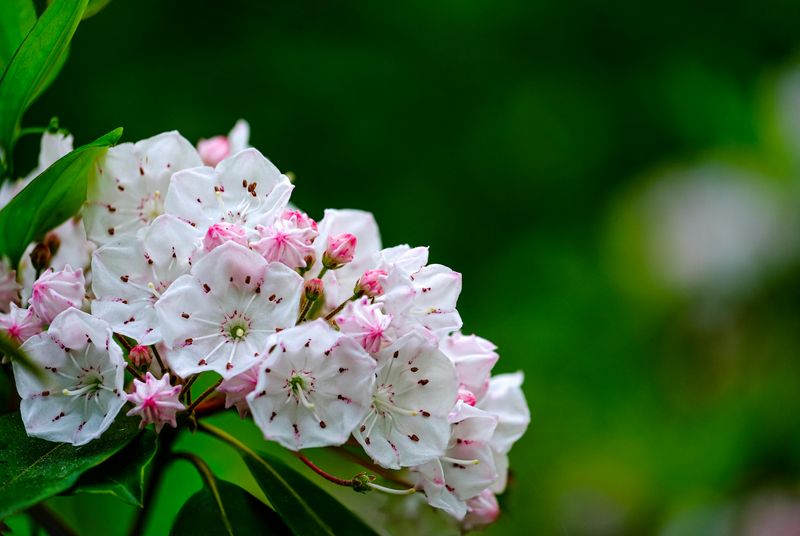
There is a moment in late May when Mountain Laurel bursts into bloom and the entire shrub looks like it has been decorated for a party.
Clusters of pink and white cup-shaped flowers cover the branches so thickly that the foliage almost disappears beneath them.
If you have never seen a mature Mountain Laurel in full bloom, it is one of the more spectacular things a Virginia yard can produce.
Deer avoid it almost entirely, and the reason is built into the plant itself.
All parts of Mountain Laurel contain grayanotoxins, compounds that make it unpalatable and mildly toxic to browsing animals.
This is not a plant deer learn to avoid through experience.
It is one they instinctively leave alone, which puts it in a different and more dependable category than most entries on this list.
Mountain Laurel is a true native, perfectly adapted to the region’s climate, soil, and rainfall patterns without any extra coaxing from you.
It grows slowly, reaching 5 to 15 feet tall over many years, and it prefers the dappled shade of a woodland edge rather than harsh afternoon sun.
If you have a shaded back corner that needs screening, this is the plant that turns a problem spot into something genuinely worth showing off.
Acidic, well-drained soil is key to keeping it happy.
Amend your planting area with pine bark or leaf compost before it goes in the ground, and it will settle in without complaint.
It pairs beautifully with ferns, azaleas, and native wildflowers for a layered, naturalistic design that looks intentional rather than accidental.
Patience is required.
Mountain Laurel rewards patience.
Give it time, and every spring it will remind you exactly why you planted it.
8. Viburnum
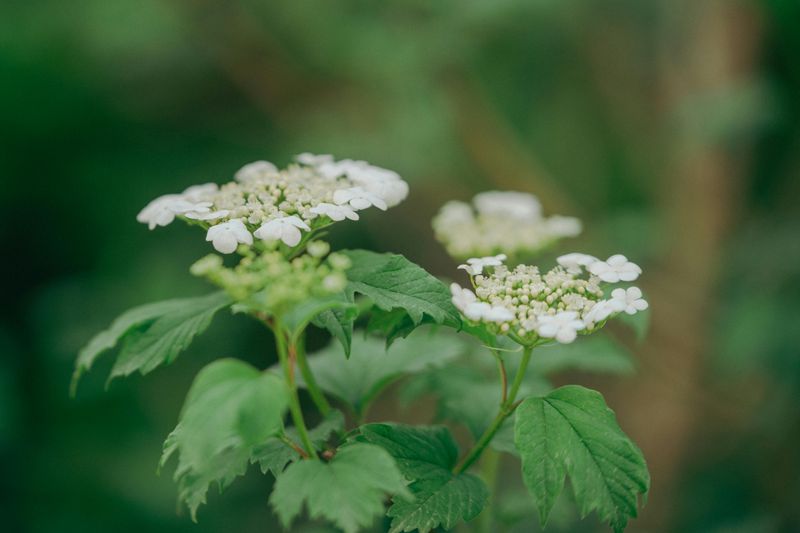
Viburnum is the kind of shrub that pulls triple duty in the landscape.
Privacy, flowers, and berries all in one package, with deer that tend to pass right by it without a second glance.
If you have been searching for a plant that earns its space in more ways than one, this is a strong contender for the top of that list.
With dozens of species and cultivars available, there is a Viburnum that fits almost every yard size, sun level, and aesthetic preference in Virginia.
Arrowwood Viburnum and Blackhaw are two native options that thrive here and deliver exceptional wildlife value alongside serious screening ability.
That combination is harder to find than it sounds. Of all the viburnums available, these two are your safest bet in Virginia, particularly if deer pressure in your area is high.
Spring brings large, flat-topped clusters of white flowers that attract pollinators in striking numbers, turning your hedge into a buzzing, fragrant ecosystem for a few weeks every year.
By late summer those flowers give way to clusters of berries in shades of red, blue, or black depending on the species.
Birds arrive before you even notice the color change.
Then fall kicks in, and many varieties shift into deep burgundy and orange, adding a seasonal color show that most evergreen hedges simply cannot compete with.
Arrowwood Viburnum grows 6 to 10 feet tall and wide, forming a dense, rounded screen that fills in beautifully over three to four growing seasons.
Most viburnums need only occasional shaping once established, with special fertilizing rarely required and very little fussing overall.
They handle a wide range of soil types and tolerate both sun and partial shade, making them flexible enough to work in almost any corner of the yard.
For Virginia gardeners who want deer-proof privacy that also feeds the birds and puts on a show three seasons out of four, Viburnum is the one that does it all.