7 Common Yard Habits That May Be Attracting More Ticks To Your Virginia Yard This Spring
Spring in Virginia hits different. Sunshine?
Golden. Dogwoods?
Blooming. Vibes?
Immaculate. But something else just woke up from its winter nap.
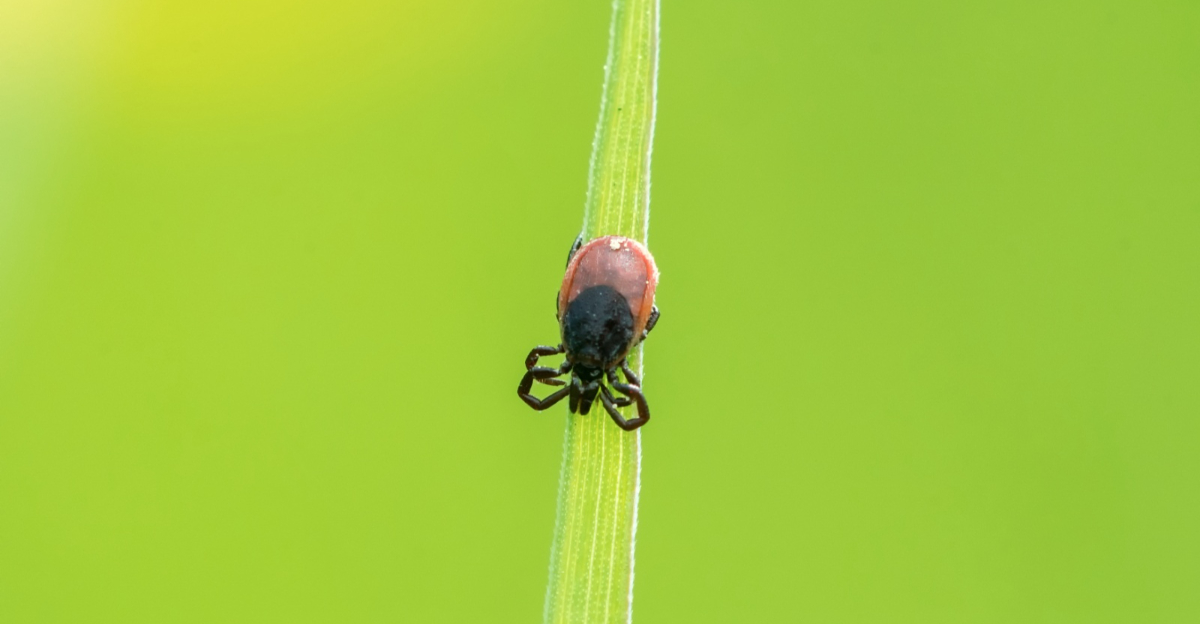
It’s hungry. And it’s not here for the azaleas.
It is tiny. It is sneaky.
And it has been quietly setting up camp in backyards across the state while homeowners are busy planting flowers and firing up the grill. The surprising part is that some of the most common yard habits people swear by could actually be rolling out the welcome mat for these little uninvited guests.
Not through any fault of your own, just a few overlooked missteps that are easier to make than you might think. If you spend time outside with the people and pets you love, this one’s for you.
Your backyard might be telling a story you have not heard yet.
1. You’re Letting Grass Grow Too Long
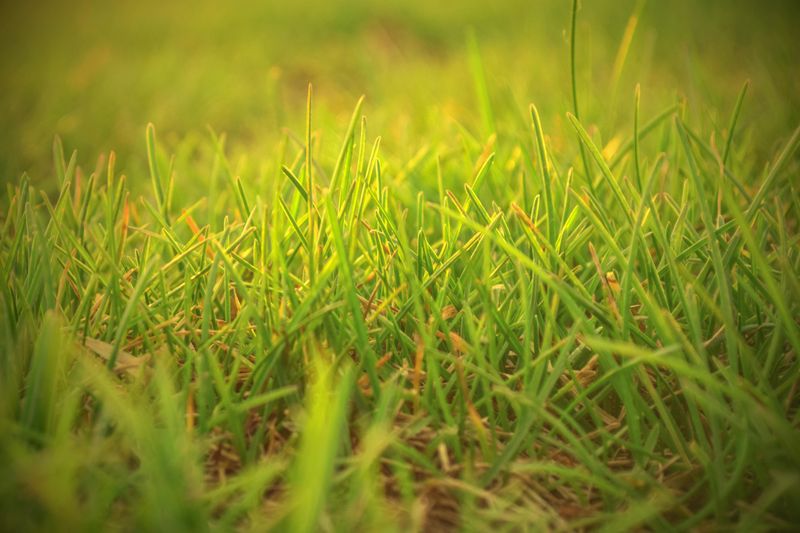
Tall grass is basically a five-star hotel for ticks.
These tiny pests do not jump or fly, so they rely on a behavior called questing, where they climb to the tips of grass blades and wait for a warm body to brush past.
The taller the grass, the higher they can climb and the easier it is for them to latch on.
Most lawn care experts recommend keeping your grass no taller than three to four inches.
Anything beyond that creates a shaded, humid microclimate that ticks absolutely love.
Sunlight can be one of your best natural defenses, because ticks dry out and struggle to survive in hot, exposed conditions.
Skipping a mow or two in spring might seem harmless, especially when life gets busy.
But in Virginia, where the warm, wet spring months create ideal conditions for tick populations to increase notably, letting your lawn go even a week or two can make a noticeable difference in pest pressure.
Tick nymphs, which are about the size of a poppy seed, are hardest to spot and most active in spring.
Set a consistent mowing schedule starting in late March or early April.
Aim to mow at least once a week during peak growing season.
Bag your clippings rather than leaving them on the lawn, since clumps of moist grass create additional hiding spots that give ticks even more places to thrive close to your home.
2. You’re Ignoring Leaf Litter And Debris Piles
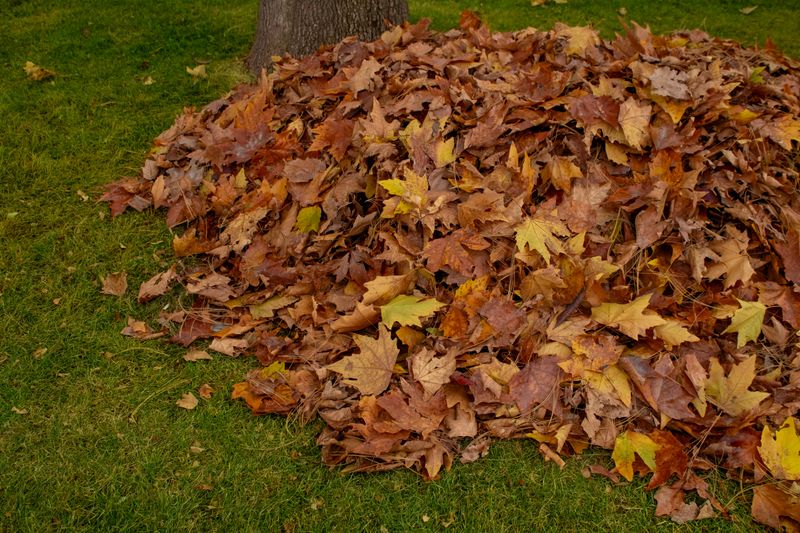
Last fall’s leaves are still sitting in your yard, and right now they are not just an eyesore, they are a tick sanctuary. Leaf litter creates the exact conditions these pests need to survive: moisture, shade, and protection from temperature swings.
Ticks burrow into piles of dead leaves to wait out cold snaps, and when spring arrives, they emerge ready to feed.
Debris piles made of fallen branches, old mulch, or garden waste work the same way. Anything that traps moisture and blocks sunlight becomes a potential tick-friendly habitat ground.
And here is the part that surprises most homeowners: you do not need to be deep in the woods to have a serious problem.
Your Virginia Garden Changes Every Week. Your Plan Should Too.
Gardening in Virginia changes quickly throughout the season. Every Friday you’ll receive a simple weekly plan showing exactly what to plant, prune, fertilize, harvest, and protect so you never miss the right timing.
Even a modest pile of leaves tucked against your fence or near your garden beds can harbor dozens of ticks.
Whitetail deer and small rodents, both major tick carriers, are also drawn to these debris piles for shelter and food.
Bringing those animals close to your home increases the chances of ticks dropping off and establishing a new population in your yard.
Rake and bag leaf litter as early in spring as possible.
Do not let it sit along fence lines, under shrubs, or near your home’s foundation.
If composting is your goal, keep the pile far from areas where your family spends time.
Regularly turning the compost also helps reduce moisture levels, making it a less appealing hideout for ticks looking for a cozy spring home.
3. You’re Skipping The Yard Border Barrier

Where your lawn ends and the woods begin is one of the most dangerous zones on your entire property. Ticks do not wander far on their own; they rely on animals to carry them from wooded areas into your yard.
Without a clear physical barrier, that transition happens invisibly and constantly throughout spring and summer.
Create a 3-foot buffer of wood chips or gravel between your lawn and any wooded areas. Tick experts say it makes a big difference.
They avoid crossing dry, sun-exposed surfaces because they dehydrate quickly without shade and moisture.
Think of the border barrier as a moat around your yard.
Animals may still cross it, but far fewer ticks will make the journey with them.
Paired with regular mowing and debris removal, a proper barrier is one of the most effective non-chemical tools available to homeowners dealing with Virginia’s tick problem each spring.
Installing the barrier does not require a professional or expensive materials.
A bag of wood chips from your local garden center and an afternoon of work can get the job done.
Keep the strip clear of leaves and plant overgrowth so it stays dry and effective all season long.
Replenish the mulch once or twice a year to maintain its depth and make sure it continues doing its job as a reliable first line of defense against tick migration.
4. You’re Overwatering The Lawn
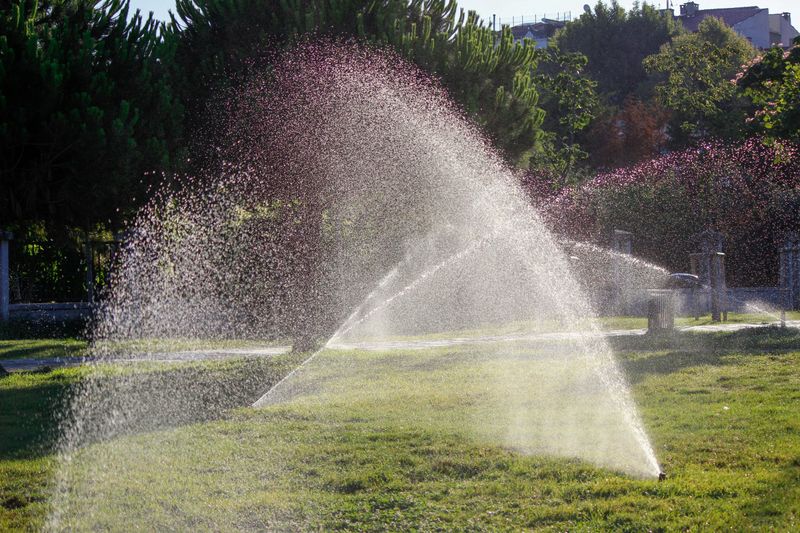
Ticks are not fans of dry conditions, and overwatering your lawn is essentially handing them exactly what they need to survive.
A soggy yard stays cool and shaded at ground level, which is precisely the environment these pests seek out.
Many Virginia homeowners set their irrigation systems in spring and forget to adjust them as temperatures and rainfall change.
Watering your lawn too frequently keeps the soil and grass blades moist for extended periods.
That moisture does not just feed your grass; it supports the humidity that ticks depend on to stay active and reproduce.
A lawn that dries out between waterings is a much harder place for ticks to establish themselves.
Most cool-season grasses common in Virginia need about one inch of water per week, including rainfall.
If your sprinklers are running on a fixed schedule regardless of recent rain, you are likely overwatering.
Investing in a smart irrigation controller that monitors local weather data can save water and unintentionally make your yard less hospitable to ticks at the same time.
Morning watering is also smarter than evening irrigation.
When you water in the morning, sunlight and daytime warmth dry out the lawn before evening.
Evening watering leaves the grass wet overnight, extending the window of high humidity that benefits pests.
Check your soil moisture before turning on the sprinklers and let the lawn dry out a bit between sessions.
Small adjustments to your watering habits may help shift conditions in your yard away from what ticks prefer.
5. You’re Ignoring Wildlife Attractants
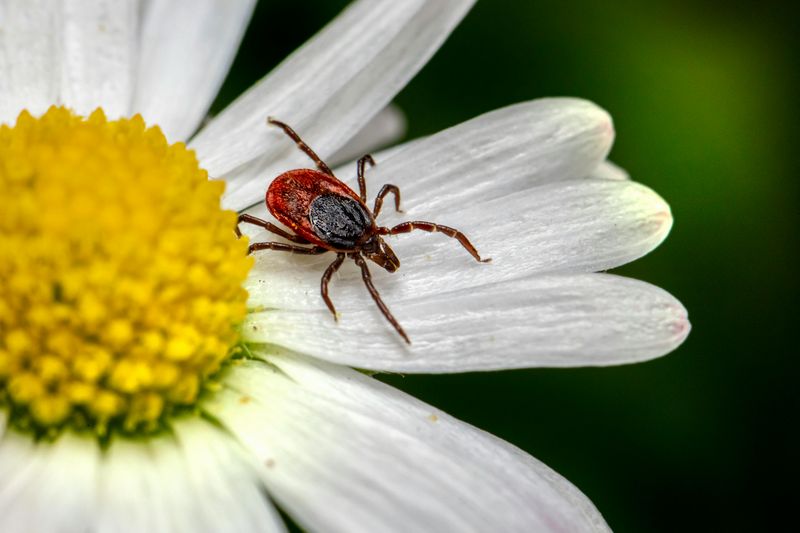
Bird feeders, open compost bins, and fallen fruit from trees are not just charming backyard features.
They are a buffet for the small mammals that carry ticks right to your door.
Mice, chipmunks, squirrels, and deer are among the most significant tick hosts in the mid-Atlantic region.
When you attract them close to your home, you are also inviting their hitchhiking passengers along for the ride.
White-footed mice are particularly notorious in the tick world.
Research shows that a single mouse can host dozens of tick larvae at once, and infected mice pass Lyme disease bacteria to the ticks feeding on them.
Those ticks then drop off and wait in your lawn, ready to find their next host, which could be your dog, your child, or you.
Removing or relocating wildlife attractants is one of the most overlooked steps in tick management.
Move bird feeders to the edge of your property, far from play areas and seating zones.
Secure compost bins with tight-fitting lids and pick up fallen fruit regularly so you are not setting out a welcome sign for rodents.
Deer are another major concern, since a single deer can carry hundreds of ticks at once.
Planting deer-resistant species in your garden and using fencing around high-traffic areas can reduce how often deer wander through.
Reducing wildlife traffic through your yard does not mean eliminating nature; it means being thoughtful about what you are inviting in and how close to your living spaces those animals get during peak tick season.
6. You’re Planting Dense Ground Cover In Problem Areas
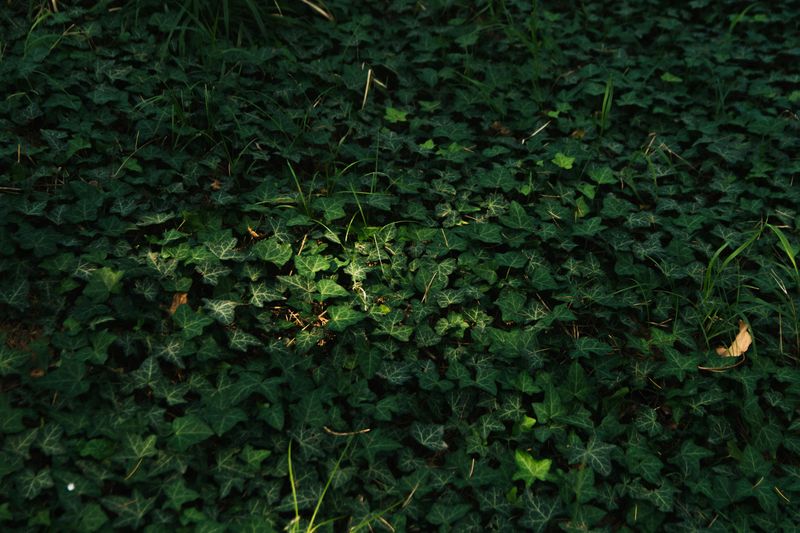
Ground cover plants like English ivy, pachysandra, and vinca are popular choices for filling in shaded, bare patches of yard.They look tidy, they suppress weeds, and they require almost no maintenance once established.
But in areas where ticks are already a concern, dense ground cover can quietly make the problem significantly worse.
Thick, low-growing plants create a canopy close to the soil that traps moisture and blocks sunlight.That combination is ideal for tick survival, particularly in shaded spots under trees or along fence lines where humidity naturally stays higher.
Ticks can live comfortably in these areas throughout the spring and summer months without much exposure to the drying effects of sun and wind.
Rodents and other small animals also love dense ground cover for nesting and traveling through the yard undetected.When mice and chipmunks move through these areas, they drop ticks along the way.
Over time, heavily planted zones can become hotspots of tick activity that spread outward into the rest of your lawn.
If you love ground cover plants, consider replacing dense varieties in high-risk zones with lower, more open options that allow better air circulation and sunlight penetration.Mulch or gravel can serve the same aesthetic purpose in shaded spots while keeping conditions dry.
For existing ground cover, trim it back regularly and check the edges where it meets open lawn.Creating clear boundaries and reducing the depth of coverage in problem areas can make a noticeable difference in how welcoming your yard is to ticks this spring.
7. You’re Not Treating The Yard Early Enough

Waiting until you find a tick on your dog or your kid before taking action is one of the most common oversights Virginia homeowners make.
By the time you spot one, the population in your yard has likely already been building for weeks.
Tick nymphs become active as early as late March in Virginia when soil temperatures begin climbing above freezing.
Timing your yard treatment to match tick activity cycles is the difference between staying ahead of the problem and constantly playing catch-up.
Most lawn care professionals recommend applying tick control products in early spring, before nymph populations peak.
A second application in late spring or early summer helps manage adult ticks that become more active as temperatures rise.
There are several treatment options available to homeowners, ranging from professional spray services to do-it-yourself granular and liquid products.
For a more natural approach, cedar oil sprays and diatomaceous earth can help keep tick numbers down.
Focusing treatments on the edges of your lawn, around garden beds, and along the perimeter of your property gives you the best coverage for the areas ticks actually use.
Mark your calendar now and do not wait for a warm afternoon that feels convenient.
Early action is one of the most effective steps you can take against Virginia’s tick problem this spring.
Combine timely treatment with the other yard improvements on this list, and you put yourself in a much better position going into tick season.
Protecting your outdoor space starts with a plan, and the best time to start that plan is right now.