Signs A Plant Is Safe To Transplant In Early Spring In Florida
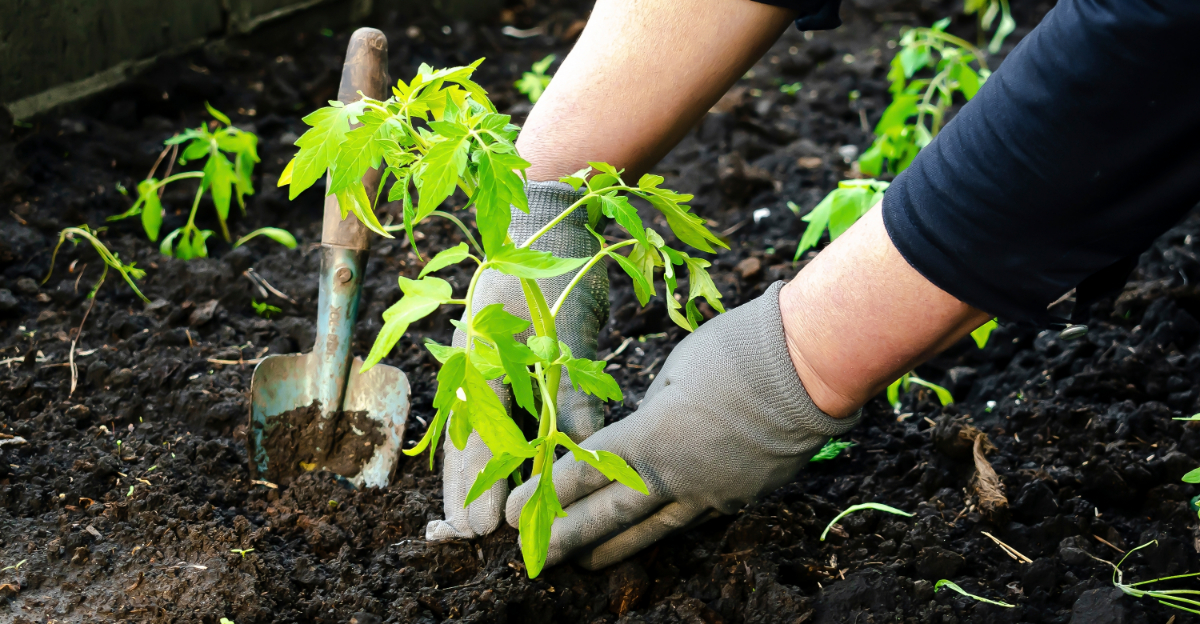
Early spring in Florida can be a tricky time for gardeners. Temperatures can swing quickly from warm afternoons to cool mornings, soil warms unevenly, and the threat of frost lingers in some areas.
Anyone who has grown seedlings knows the tug-of-war between wanting to get plants outside and waiting for the perfect conditions.
Transplanting at the right moment helps young plants settle in smoothly, reducing stress and supporting strong growth throughout the season.
Knowing what to look for – healthy roots, active growth, and well-hardened foliage – gives gardeners confidence to move seedlings from indoor trays or greenhouses to outdoor beds without risking damage.
If you want to see your Florida garden thrive this spring, these clear signals will show you when it’s safe to plant. Recognizing them will help your seedlings flourish in the sun and heat, turning your garden into a productive, vibrant outdoor space ready for the season.
1. Soil Is Warm And Stable
Warm soil might be the most overlooked secret to a successful transplant, but Florida gardeners who pay attention to it often see the best results. When soil temperatures drop too low, roots struggle to absorb water and nutrients, leaving your newly moved plant weak and slow to establish.
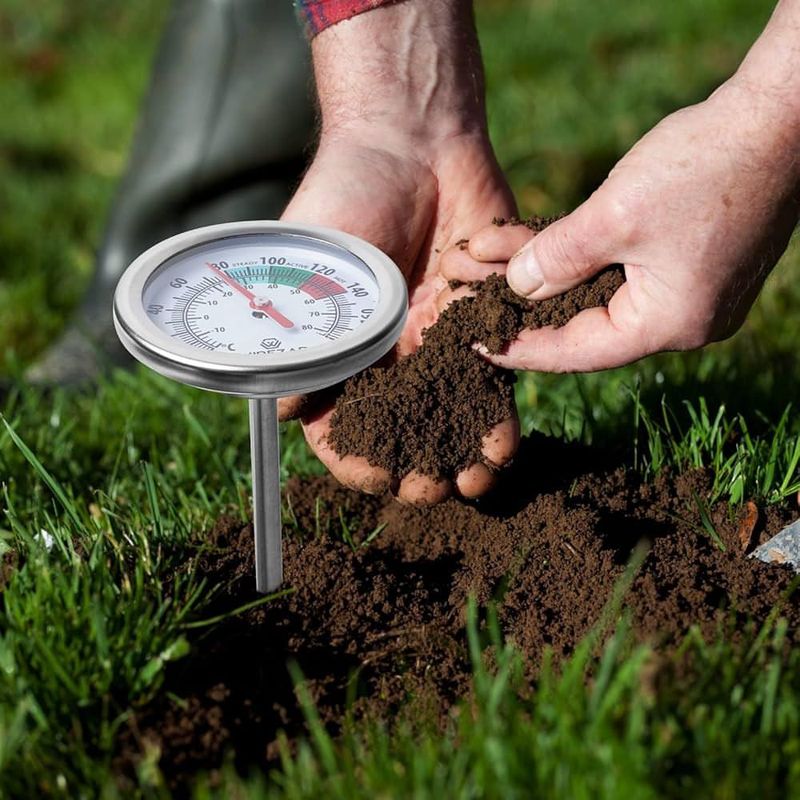
For most warm-season vegetables and flowering plants common in Florida, the soil should be consistently around 60 degrees Fahrenheit before transplanting.
A simple soil thermometer is your best friend here. Push it about two to three inches deep into your garden bed and take readings at different times of the day.
Morning readings tend to be the coolest, so if the soil hits 60 degrees in the morning, you are in great shape for transplanting.
Stable soil temperature is just as important as warm temperature. If the soil swings between warm and cold every few days, your plant roots will experience stress each time the temperature drops.
In Florida, early spring can bring surprising cold snaps, especially in northern parts of the state like Gainesville or Tallahassee. Waiting for a stretch of consistently warm days, rather than just one or two warm afternoons, gives your transplants the steady environment they need to send out new roots and truly settle in without setbacks.
2. Seedlings Have True Leaves
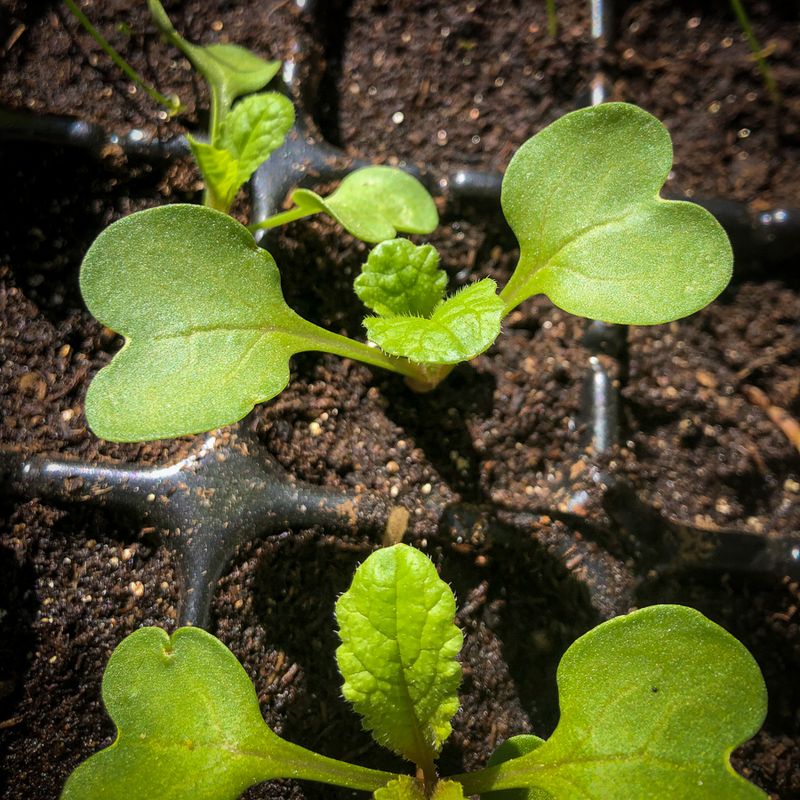
Picture this: you planted your seeds a few weeks ago, and now tiny green sprouts are poking up from the soil. But are those sprouts actually ready to head outside?
The answer depends on whether they have grown what gardeners call true leaves. The very first leaves that appear after a seed sprouts are called seed leaves, or cotyledons, and they look smooth and simple.
True leaves come next and look more like the mature plant’s actual foliage.
Most plants need two or more sets of true leaves before they are strong enough to handle the stress of being transplanted. At this stage, the seedling has developed enough of its own food-making ability to survive outside the cozy conditions of a seed tray.
In Florida’s early spring, this matters a lot because the outdoor air, even when mild, is more intense than what seedlings experience indoors or under grow lights.
Your Florida Garden Changes Every Week. Your Plan Should Too.
Gardening in Florida changes quickly throughout the season. Every Friday you’ll receive a simple weekly plan showing exactly what to plant, prune, fertilize, harvest, and protect so you never miss the right timing.
True leaves signal that the plant’s root system has also been developing underground. A seedling with two or more sets of true leaves usually has roots that are spreading out and getting ready to explore new soil.
Checking the bottom of your seed tray or small pot for roots peeking through the drainage holes is another helpful clue. When you see both true leaves above and roots below, your seedling is sending a clear message that it is ready for its new home in the Florida garden.
3. Roots Are Healthy And Strong
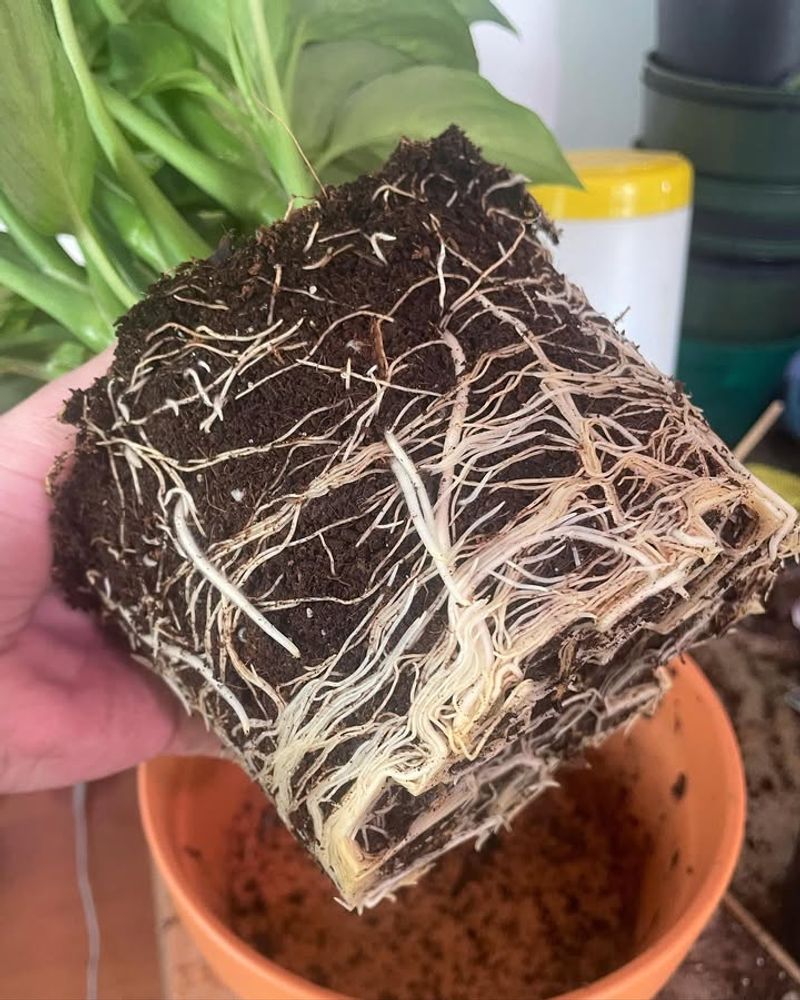
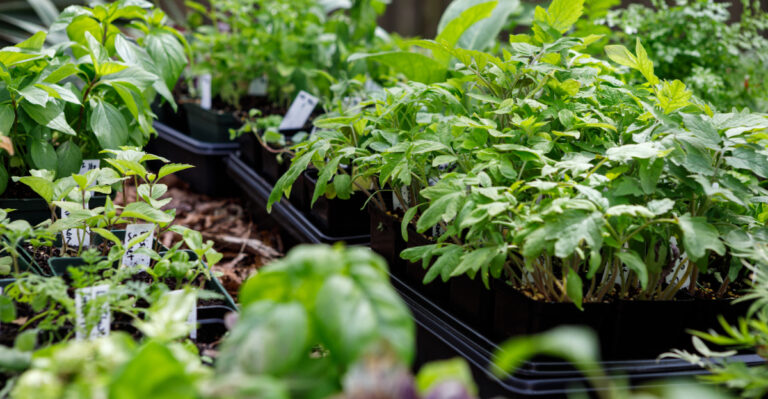
Healthy roots are the foundation of any successful transplant, and taking a moment to check them before moving a plant can save you a lot of frustration later. When you gently slide a plant out of its container, the roots should look white or light tan, firm to the touch, and spread throughout the soil.
If you see dark, mushy, or slimy roots, that is a sign the plant has been overwatered or has root rot, and transplanting it in that condition will only add more stress.
A healthy plant will hold its soil together when you tip it out of the pot. Gardeners sometimes call this being “root-bound” when the roots have filled the container completely, but for transplanting purposes, a plant with roots that are just starting to circle the bottom of the pot is actually in a sweet spot.
It has enough root development to handle the move but still has room to grow once placed in the ground.
In Florida’s early spring, roots that are actively growing will appear bright and firm. You might even notice tiny white root tips at the edges of the root ball, which is a fantastic sign of healthy growth.
Handle the root ball gently during transplanting to avoid snapping these delicate new roots. Planting in the early morning or on a cloudy day in Florida helps keep roots cool and reduces the shock of being moved to a new spot in your garden.
4. Plants Have Been Hardened Off
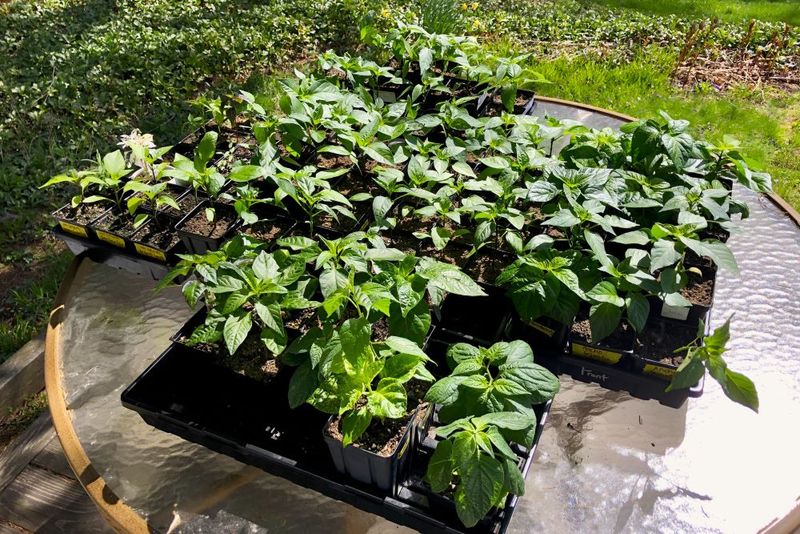
Going from a cozy indoor setup straight to the full Florida sun is a shock no plant should have to face without preparation. Hardening off is the process of slowly getting your seedlings used to outdoor conditions before they make the permanent move into your garden beds.
Think of it like gradually adjusting to cold water in a pool instead of jumping in all at once. Your plants feel the same kind of shock when suddenly exposed to wind, direct sunlight, and fluctuating temperatures.
The hardening-off process usually takes about 10 to 14 days. Start by setting your seedlings outside in a shaded or partially shaded spot for just a couple of hours each day.
Over the following days, slowly increase their outdoor time and move them into more direct sunlight. By the end of two weeks, they should be able to handle a full day outside without wilting or showing signs of stress.
In Florida, even early spring sunshine can be surprisingly intense, especially in central and south Florida areas like Orlando or Miami. Skipping the hardening-off process can result in sunscald, which appears as white or bleached patches on leaves.
A plant that has been properly hardened off will stand up straight, hold its leaf color, and look generally healthy and confident when you set it outside. That resilience is your green light to go ahead and transplant it into the garden with full confidence.
5. Active Growth Without Wilting
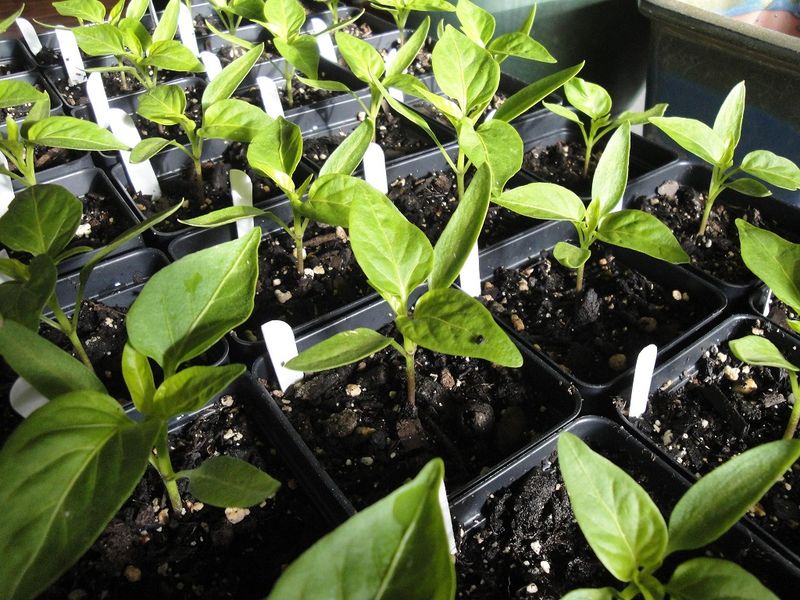
A plant that is actively growing and standing tall without drooping indicates it is ready to be transplanted. Active growth means the plant is producing new leaves, extending its stems, and generally looking full of energy.
Wilting, on the other hand, is a sign that a plant is under stress, whether from too much heat, too little water, root problems, or disease. Transplanting a wilting plant usually makes things worse, not better.
Before moving any plant in early spring in Florida, spend a few days just watching it. Does it perk up in the morning and stay upright throughout the day?
Are new leaves forming at the growing tips? These are great signs.
A plant that wilts every afternoon, even when the soil is moist, might have a root issue that needs to be addressed before transplanting.
Consistent, steady growth without wilting also tells you that the plant has adapted well to its current environment and has the energy reserves needed to handle the stress of being moved. Florida gardeners should look for plants with thick, sturdy stems rather than thin, stretched-out ones.
Leggy plants that look like they are reaching desperately for more light tend to struggle more after transplanting. Compact, bushy growth with no wilting is the sweet spot you want to see before putting a plant in the ground this spring season in Florida.
6. Soil Moisture Is Balanced
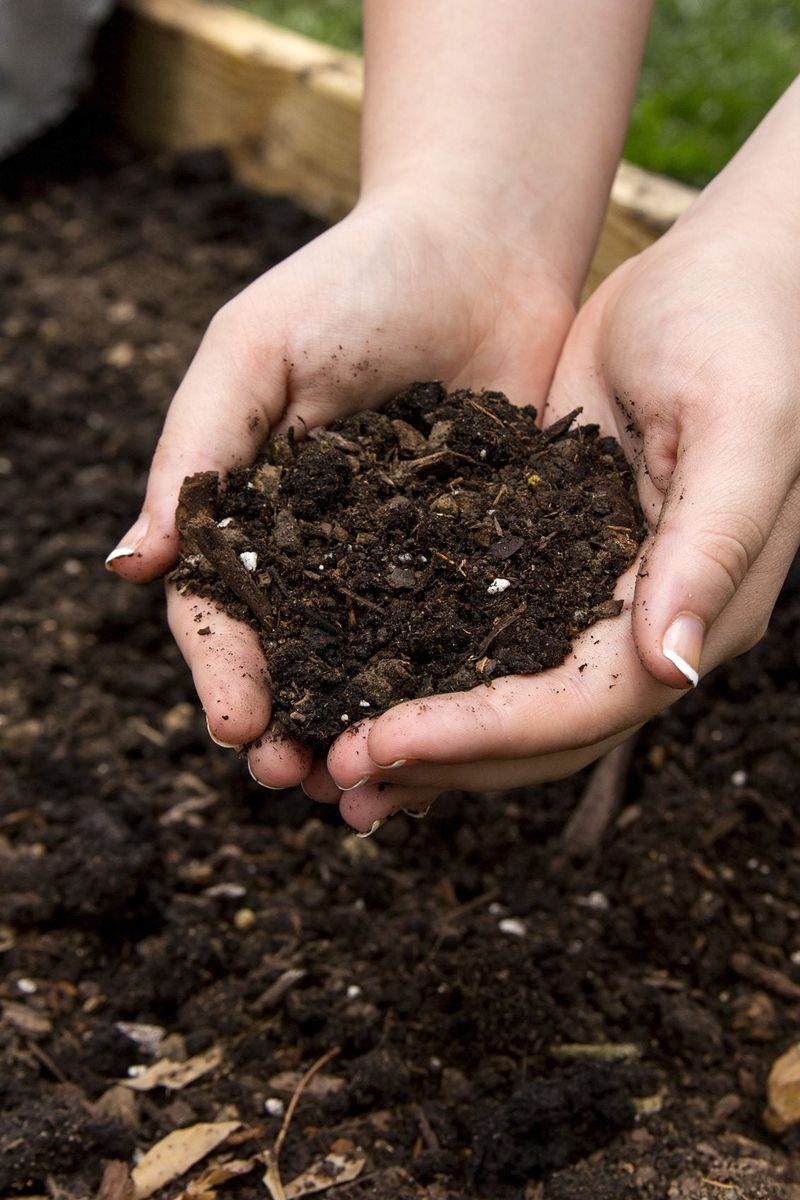
Soil moisture might sound like a simple thing, but getting it right before and during transplanting can seriously impact how well your plants settle in. Soil that is too dry will pull moisture away from the roots of a newly transplanted seedling, causing it to dry out quickly.
Soil that is too wet can suffocate roots and encourage fungal problems. The goal is soil that feels like a wrung-out sponge, moist but not dripping.
Before transplanting in Florida’s early spring, water your garden bed a day or two in advance so the soil has time to absorb the moisture evenly. When you squeeze a handful of soil and it holds its shape but crumbles when you poke it, that is the right moisture level.
Sandy soils, which are very common throughout Florida, drain quickly and may need more frequent watering to stay at the right moisture level for new transplants.
The seedling’s current container soil should also be moist before transplanting. Water your seedlings a few hours before moving them so the roots are well-hydrated and the soil sticks together when you remove the plant from its pot.
Dry soil in the pot often falls apart during transplanting, exposing delicate roots to air and sunlight. Keeping both the garden bed and the seedling’s root ball properly moist before the move gives your plant the best possible start in its new Florida garden home.
7. Frost Risk Has Passed
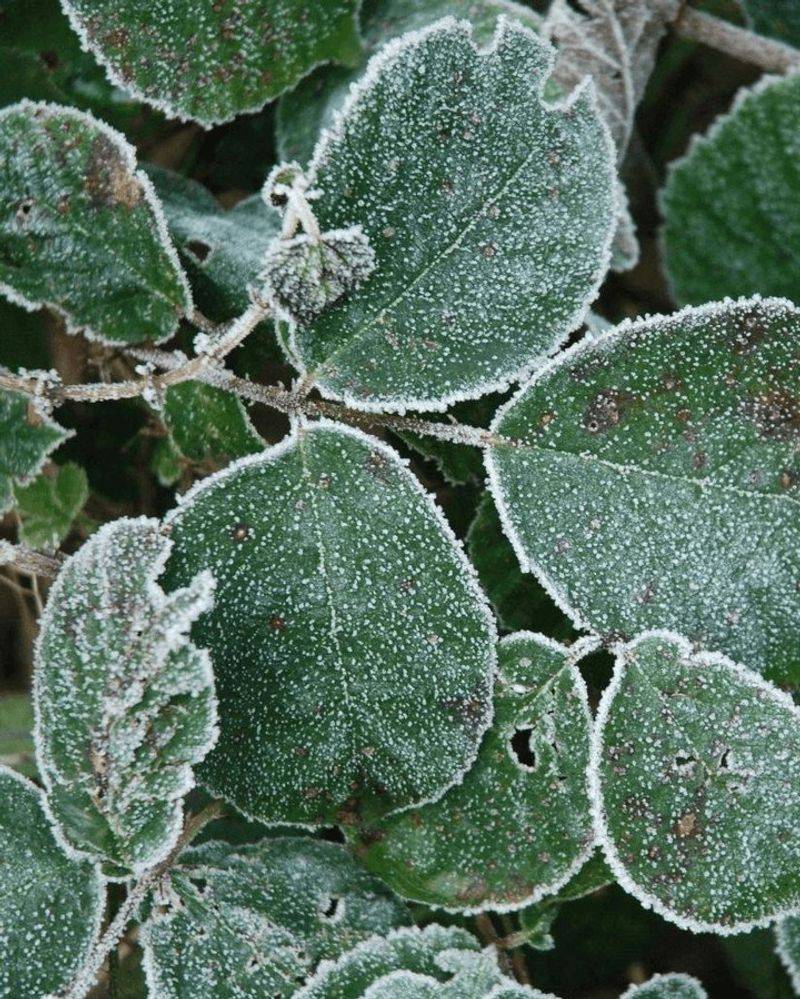
Florida is known for its warmth, but gardeners in the northern part of the state know that early spring can still bring unexpected cold nights. Frost can damage tender transplants, particularly those recently moved into the ground.
Checking the average last frost date for your specific part of Florida is one of the smartest things you can do before transplanting in early spring.
In general, south Florida areas like Miami and Fort Lauderdale rarely see frost and can start transplanting quite early in the year. Central Florida, including areas around Tampa and Orlando, usually sees its last frost around mid-February.
Northern Florida cities like Tallahassee and Jacksonville typically see their last frost date fall sometime in mid-March. Knowing your local frost dates helps you plan transplanting with much more confidence.
Even after the average last frost date has passed, it is a good habit to keep an eye on the nightly weather forecast for at least a week after transplanting. A surprise cold snap can sneak in even when you least expect it.
Keeping a light frost cloth or row cover nearby during the first few weeks after transplanting gives you a safety net if temperatures suddenly drop. Once nighttime temperatures consistently stay above 40 degrees Fahrenheit in your Florida region, you can breathe easy knowing your transplants are safe to grow freely and settle into their new home without worrying about frost damage.