The Low-Maintenance Native Plants Taking Over Florida Front Yards This May
May is when Florida front yards start showing their true colors. Weak annuals fade, thirsty turf gets cranky, and the plants with real staying power begin to stand out.
Native plants have the home-field advantage here. They know the heat, the sandy soil, the sudden downpours, and the long summer ahead.
Better yet, they can make a front yard look intentional without turning every weekend into yard duty. Some bring hummingbirds right to the walkway.
Some replace bare patches with living green. Others add structure, berries, texture, or pollinator traffic before summer hits full stride.
The trick is matching the plant to the spot, then giving new roots enough water to settle in. After that, Florida natives can do what they do best.
They handle the season with less fuss and a lot more character.
1. Firebush Turns Front Yards Into Hummingbird Hotspots
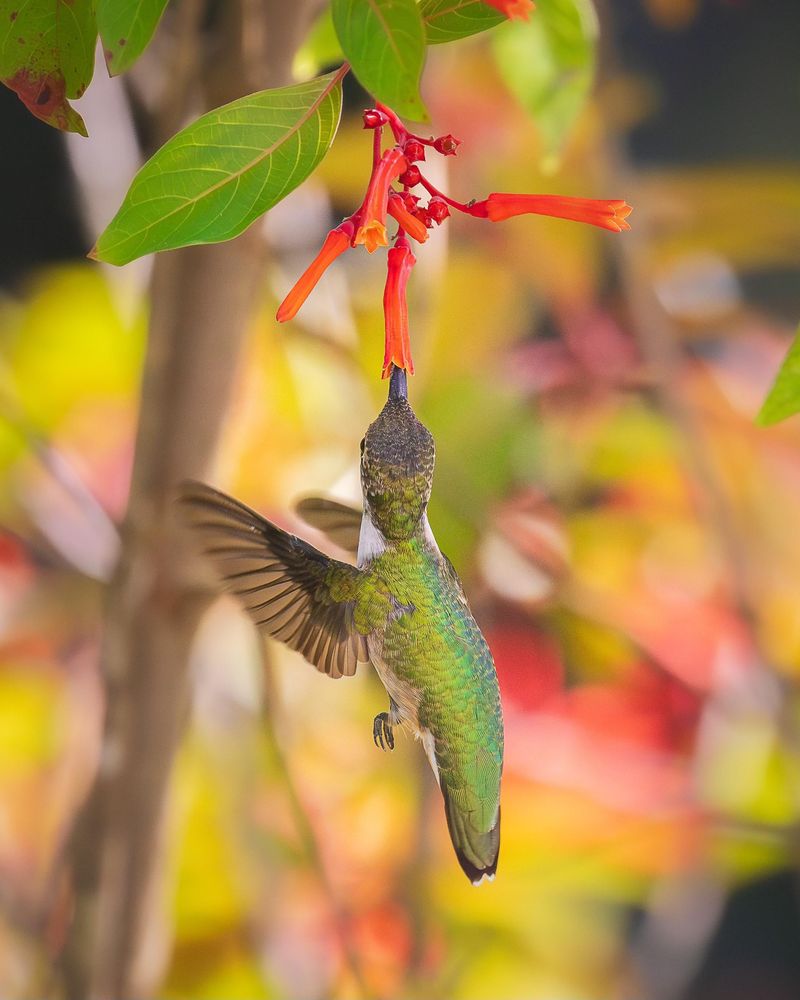
Few Florida native shrubs create a front-yard scene quite like firebush in full warm-season bloom. Hamelia patens produces clusters of tubular orange-red flowers that hummingbirds and butterflies find almost impossible to resist.
UF/IFAS recommends it as a tough, reliable native shrub that performs across most of the state once it settles in.
May is a great window for planting firebush before the harshest summer heat locks in. New plants need regular watering for the first several weeks until roots establish, but after that, firebush handles Florida summers with impressive toughness.
Give it enough space for its region. In South Florida, UF/IFAS notes it can reach about 15 feet tall, though pruning can keep it closer to 5 to 8 feet.
In South and Central Florida, firebush tends to stay evergreen and shrub-like year round. In North Florida, a hard freeze may cut it back, but it typically returns from the roots when warm weather comes back.
Prune it in late winter or early spring to shape it before the growing season kicks off.
Always buy nursery-propagated plants from a reputable Florida native-plant nursery or local plant sale rather than collecting from the wild.
Firebush earns its place near entries, along fences, or anchoring a corner bed where hummingbird traffic is always welcome.
2. Coontie Brings Ancient Green Structure With Almost No Fuss
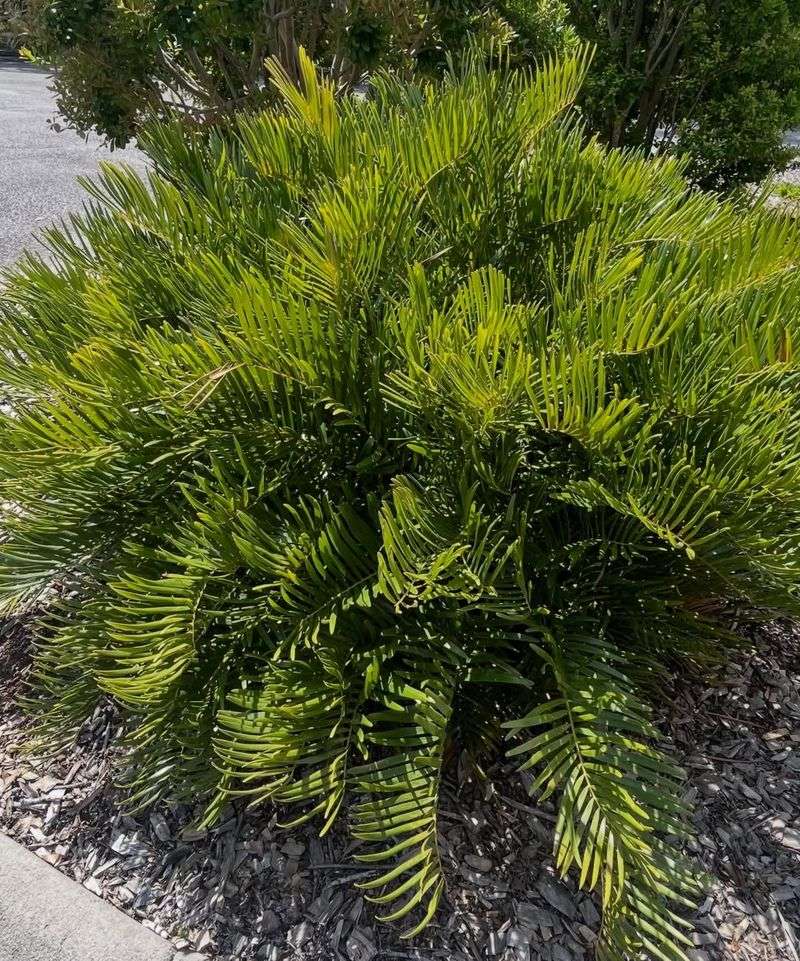
Long before Florida had subdivisions, coontie was already here. Zamia integrifolia is a native cycad, not a true palm or fern, and it carries that ancient toughness right into modern front yards.
UF/IFAS supports it as a low-maintenance landscape plant, especially in partial to full shade, with good drought tolerance once established.
Coontie works beautifully as a foundation planting, a mass groundcover, or a structural anchor in a mixed native bed. Its dark, glossy fronds stay neat through the year, giving front yards a polished look without demanding much attention.
May is a useful time to use it for structure before summer growth fills in surrounding plants. Plant it in well-drained soil because it does not tolerate standing water, and avoid overwatering once it is established.
One of coontie’s most important ecological roles is serving as the sole larval host plant for the atala butterfly, a striking south Florida native that nearly disappeared before coontie plantings helped support its recovery.
Your Florida Garden Changes Every Week. Your Plan Should Too.
Gardening in Florida changes quickly throughout the season. Every Friday you’ll receive a simple weekly plan showing exactly what to plant, prune, fertilize, harvest, and protect so you never miss the right timing.
If you garden in South or Central Florida, adding coontie to your front yard may bring atala butterflies right to your doorstep.
Growth is slow, so allow space for clumps to gradually expand over time. Purchase only nursery-propagated coontie from a trusted Florida native-plant grower to support responsible horticulture and conservation.
3. Sunshine Mimosa Replaces Thirsty Lawn With Pink Powderpuffs
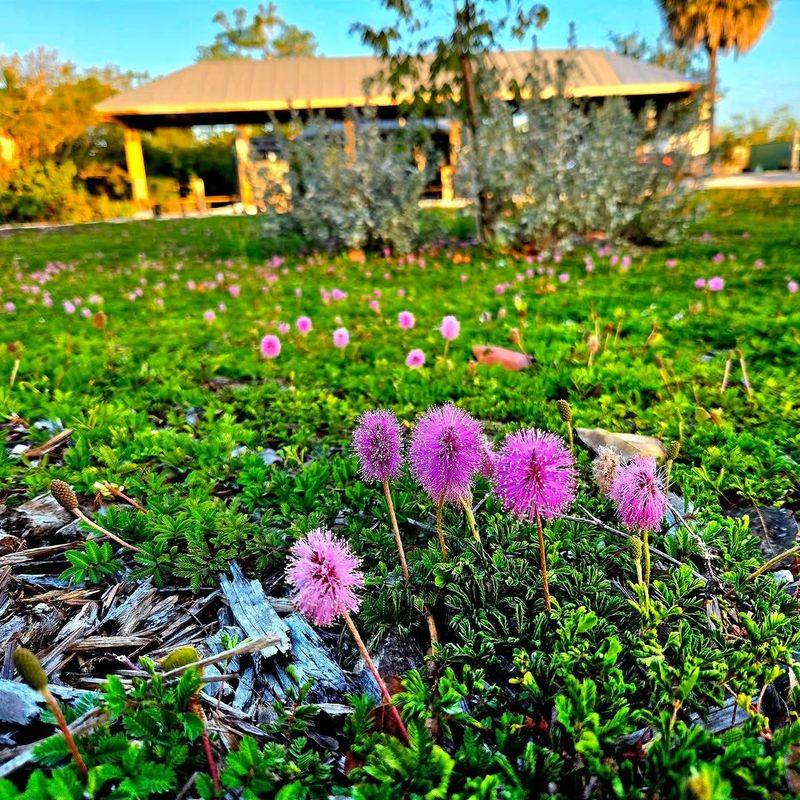
Imagine swapping a patch of struggling, thirsty turf for a low carpet of ferny leaves dotted with fluffy pink flowers. Mimosa strigillosa, commonly called sunshine mimosa, does exactly that.
UF/IFAS and the Florida-Friendly Landscaping program recognize it as a native groundcover that works well as a lawn alternative in sunny, open areas where foot traffic is low.
The pink powderpuff blooms appear through the warm season and attract native bees and other pollinators. Sunshine mimosa spreads by runners, forming a dense mat that shades out weeds once established.
May is an excellent time to plant plugs or small pots because warm soil and lengthening days speed up growth considerably. Water new plants consistently until roots take hold, then ease back as the plant settles in.
One honest note: sunshine mimosa is a spreader by nature, so place it where a living groundcover is genuinely wanted, not where you need a sharp edge. It is not a manicured lawn substitute, but it is a charming, wildlife-friendly one.
Sandy, well-drained soil suits it best. It handles drought well once established and stays low enough that mowing is rarely needed in areas where it replaces turf.
Buy plugs from a reputable Florida native-plant nursery and space them about twelve to eighteen inches apart to help the mat fill in quickly.
4. Muhly Grass Gives Front Beds A Soft Pink Glow
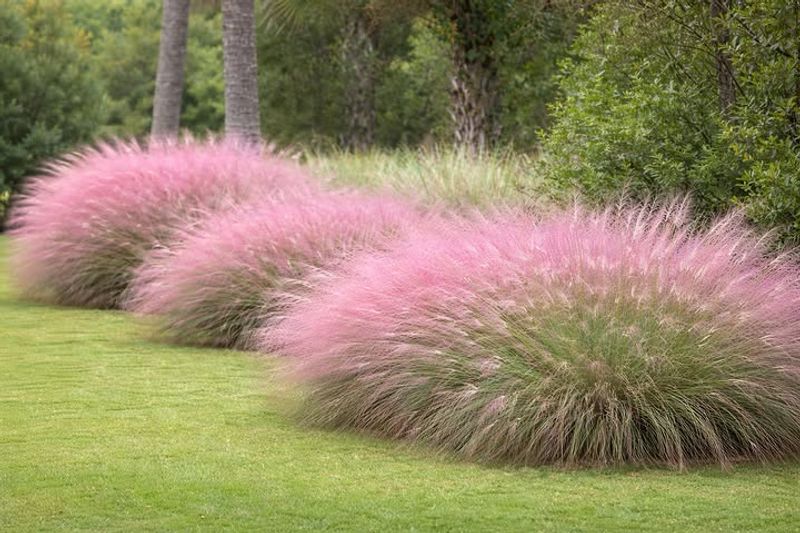
Before the famous pink fall plumes arrive, muhly grass spends the warm months doing something equally valuable: holding the front bed together with fine-textured, graceful green foliage.
Muhlenbergia capillaris is a Florida native ornamental grass supported by UF/IFAS and Extension sources as a tough, low-fuss landscape plant suited to a wide range of Florida sites.
May is the right time to get muhly grass established so roots have the entire summer to settle in before fall showtime. Full sun is where it performs best.
Well-drained, even sandy soil suits it well, and it does not need much fertilizer. It does not need much fertilizer, so skip heavy feeding and let the grass keep its natural form.
Spacing plants about two to three feet apart gives each clump room to develop its natural mounding form.
If old foliage looks ragged from winter, cut clumps back to a few inches in late winter or very early spring before new growth begins. Avoid cutting back in summer when the plant is actively growing.
Once established, muhly grass handles Florida drought and heat with minimal help. It is a reliable front-bed plant that earns its keep through structure and seasonal drama.
Purchase nursery-grown plants from a reputable Florida native-plant source, and resist any temptation to dig plants from roadsides or natural areas.
5. Beautyberry Makes May Growth Pay Off In Purple Berries
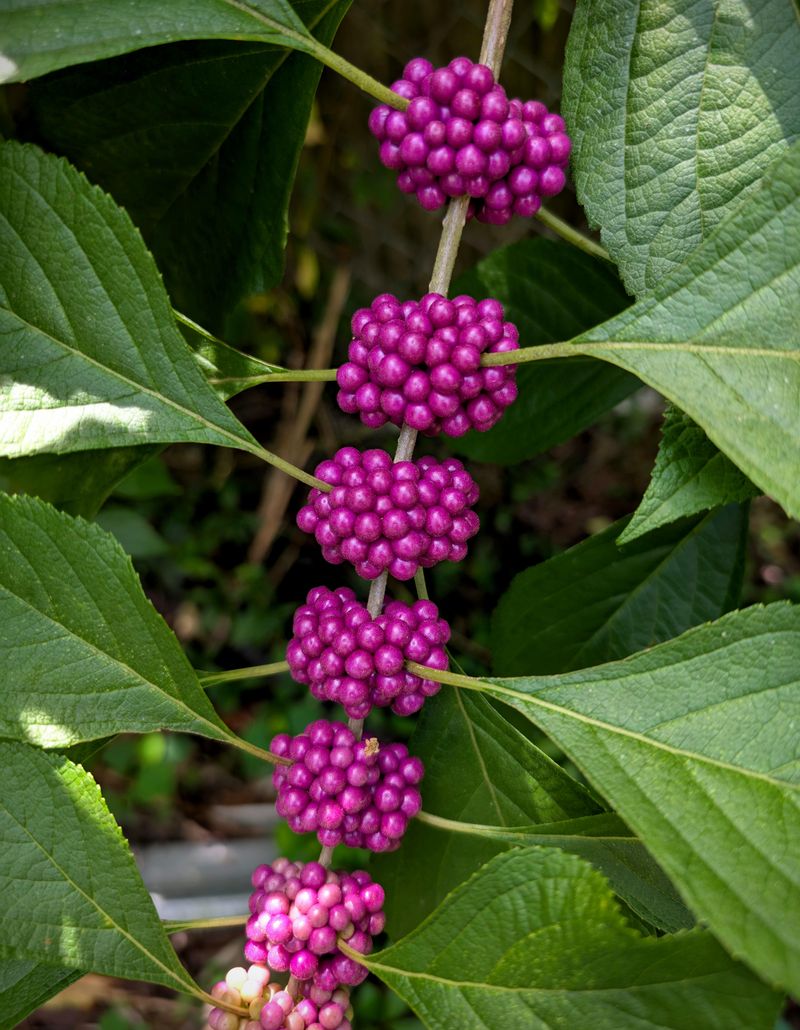
Right now in May, American beautyberry is doing quiet but important work.
Callicarpa americana pushes out fresh green leaves and clusters of small pink flowers that most people overlook, yet those flowers are exactly what will become the jaw-dropping magenta-purple berry clusters that show up later in the season.
UF/IFAS recommends this native shrub for Florida landscapes statewide as a reliable, wildlife-friendly choice.
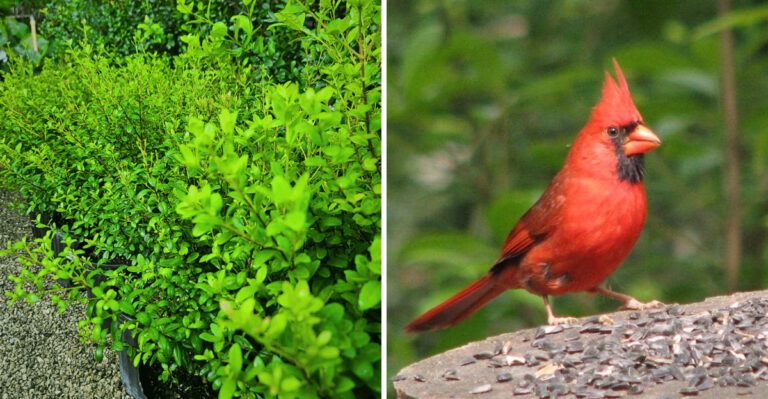
Birds, including mockingbirds and cardinals, are drawn to the berries, making beautyberry a front-yard planting that earns its space in more ways than one. It tolerates part shade to full sun and handles poor, sandy Florida soil without complaint.
Drought tolerance improves significantly after the first growing season, though new plants appreciate regular moisture while they get established.
May planting gives roots time to settle while the plant moves from spring growth and small flowers toward its later-season berry display.
Beautyberry can grow six to eight feet tall and wide if left unpruned, so give it room or plan to prune it back hard in late winter each year to keep it compact and encourage vigorous new growth.
It fits naturally in an informal front-yard bed where a softer, wildlife-friendly look is welcome rather than a tightly clipped formal hedge.
Always source plants from a reputable Florida native-plant nursery or local native-plant sale to ensure you are getting the true native species.
6. Stokes’ Aster Adds Easy Native Color To Sunny Borders
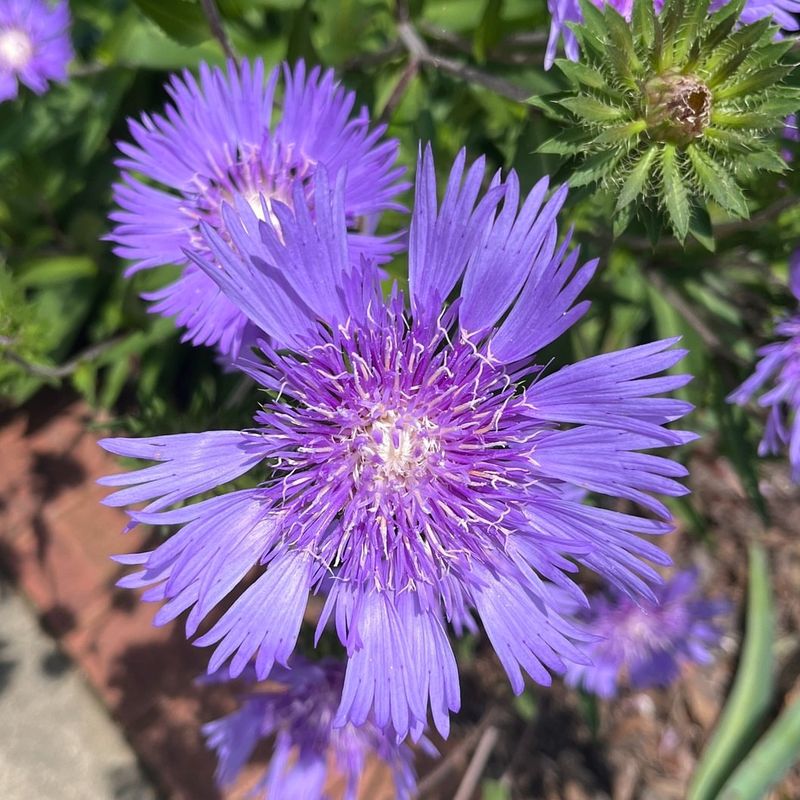
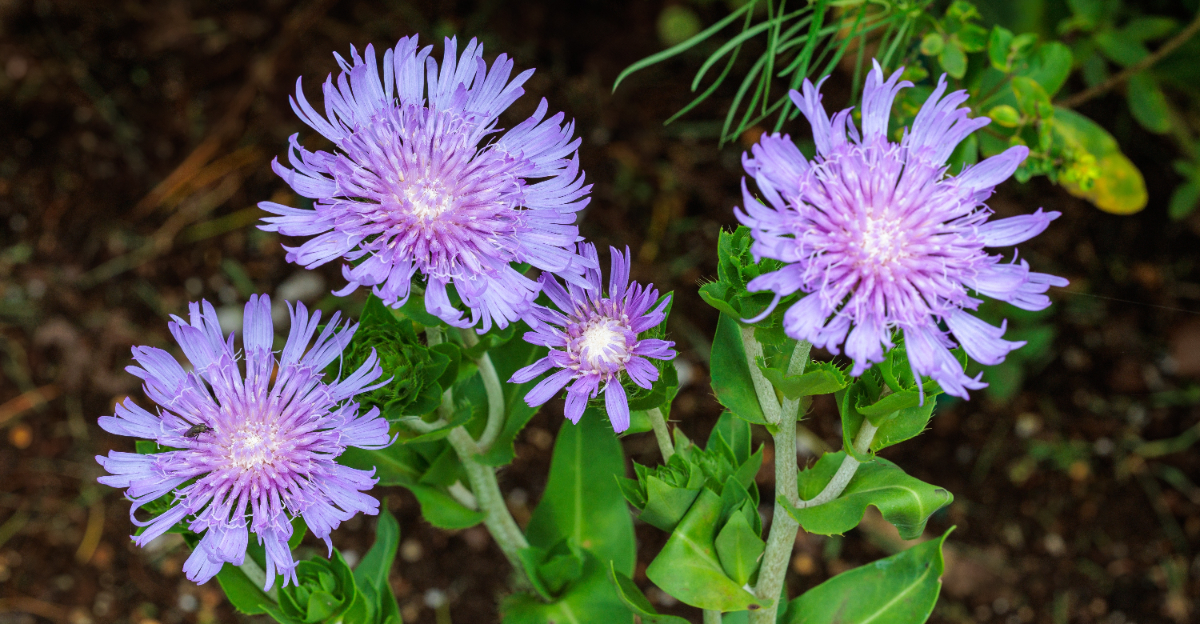
Lavender-blue daisy flowers on a plant that practically takes care of itself? That is Stokes’ aster in a Florida front yard.
Stokesia laevis is a Florida native perennial that UF/IFAS supports for use in sunny garden borders, and it brings showy color without the high-maintenance routine of traditional bedding plants.
May is often a strong blooming period for Stokes’ aster in North and Central Florida.
Plant it near the front of a border or along a walkway where the flowers can be enjoyed up close. Well-drained soil is essential because soggy roots cause problems fast.
Sandy or loamy soil with decent drainage suits it well. New transplants need consistent watering until they settle in, which usually takes a few weeks in warm May conditions.
After that, established plants handle Florida heat and dry spells with reasonable ease.
Deadheading spent blooms keeps the planting tidy and can encourage additional flower production through the season. The strap-like green leaves stay attractive even when the plant is not in flower, giving the bed a clean, structured look.
Stokes’ aster also attracts native bees and butterflies, adding pollinator value beyond its obvious visual appeal. It works best in North and Central Florida landscapes but can perform in parts of South Florida with the right site conditions.
Source nursery-propagated plants from a trusted Florida grower for the best results.
7. Scarlet Salvia Keeps Hummingbirds Checking The Front Walk
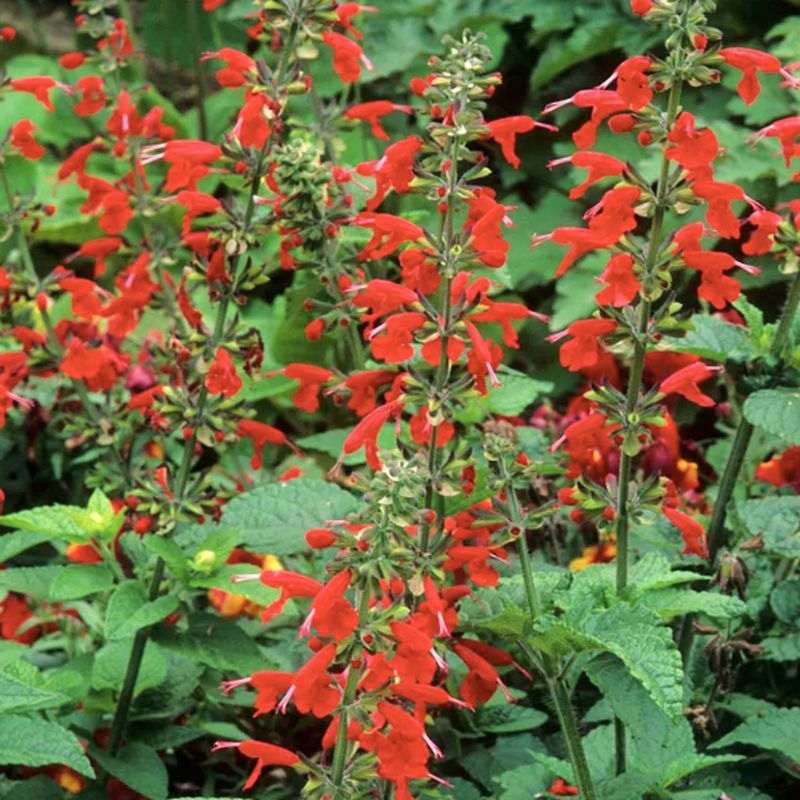
Hummingbirds do not need much convincing when scarlet salvia is planted near the front walk.
Salvia coccinea, sometimes called tropical sage, is a Florida native or Florida-region native salvia that UF/IFAS includes among its Florida-Friendly Landscaping recommendations for pollinators and wildlife.
Its upright red flower spikes bring movement and color right where you see it most, close to entries and sidewalks.
May is a smart time to get scarlet salvia established because warm temperatures help it take off quickly. Sun to part shade both work, with more sun generally producing the most flowers.
Trim back tired or leggy stems to encourage fresh branching and continued bloom through the warm season. New plants need regular watering for the first few weeks, but once roots settle in, scarlet salvia handles Florida conditions with minimal fuss.
One of its most practical traits is reseeding. Scarlet salvia drops seeds freely, which means new plants often appear nearby the following season.
That is a welcome bonus in an informal front-yard planting where a natural, layered look is the goal. If reseeding feels like too much, simply deadhead before seeds mature.
It grows two to four feet tall and fits naturally at the middle or back of a front bed. Purchase plants from a reputable Florida native-plant nursery rather than settling for unlabeled salvias at a big-box store.
8. Frogfruit Creeps Into Front Yards With Tiny Pollinator Blooms
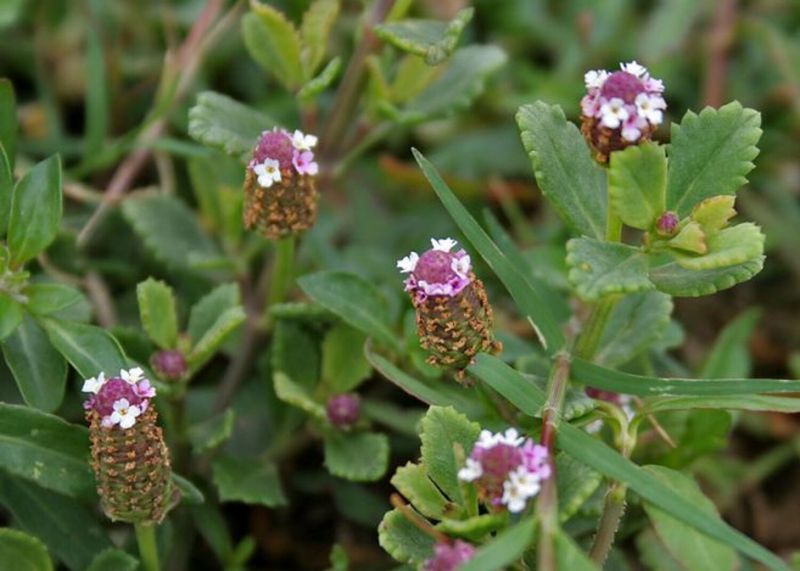
Not every front-yard plant needs to be tall or showy to earn its place. Frogfruit, Phyla nodiflora, works at ground level, spreading a dense mat of fine-textured leaves punctuated by tiny white and pink flower clusters that pollinators find surprisingly attractive.
The Florida Native Plant Society and other Florida native-plant sources support it as a low-growing native groundcover with real ecological value.
May’s warming soil and longer days help frogfruit fill in quickly, making this a good month to plant it in areas where you want a living carpet instead of turf. It handles full sun well and tolerates the kind of dry, open conditions where turf grass often struggles.
Use it between stepping stones, along front walkways, or in low-traffic lawn-replacement areas where its creeping habit is an asset rather than a problem.
It is not a formal, manicured look, so it suits gardeners who prefer a softer, wildlife-friendly front yard over a perfectly edged lawn.
Butterflies, including the white peacock and phaon crescent, use frogfruit as a larval host plant, adding another layer of ecological value to what looks like a simple groundcover.
Water new plantings regularly until they are established, then reduce irrigation as roots spread out.
Give frogfruit space to creep and it can reward you with a low, living groundcover for much of the year in suitable sites. Buy nursery-propagated plugs or flats from a trusted Florida native-plant grower for the strongest start.