8 Plants That Cover Bare Spots Quickly In Late March In Georgia
Late March can make a bare patch in a Georgia yard feel impossible to ignore. Once lawns start greening up, shrubs begin pushing fresh growth, and flower beds show signs of life again, those empty spaces stand out much more than they did earlier.
They can make the whole yard look unfinished, even when everything else is starting to move in the right direction.
A lot of gardeners reach this point in spring and realize the problem is not the entire landscape. It is just a few thin spots that need something quick, reliable, and good looking before the season gets much busier.
In Georgia, timing matters here because plants put in now often have a better chance to settle, spread, and start making a visible difference while conditions are still on their side.
Some plants are much better at handling this job than others. The right pick can make an open area look softer, fuller, and far more established in a surprisingly short time.
1. Blue Star Creeper Spreads Quickly With Low Dense Growth
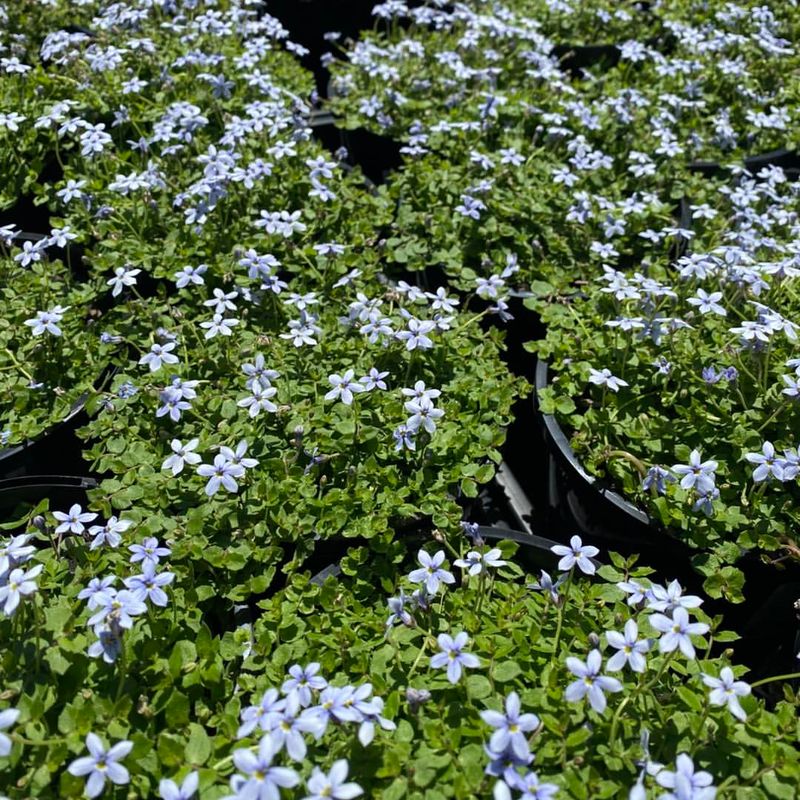
Blue Star Creeper is one of those plants that quietly does exactly what a Georgia yard needs when bare spots start showing in late March.
It stays extremely low to the ground, usually no more than one to two inches tall, but spreads outward steadily to form a soft, dense mat that fills gaps faster than most people expect.
Once it settles in, the coverage looks smooth and natural rather than patchy or uneven.
Tiny star-shaped blue flowers begin appearing as temperatures warm, adding a light layer of color that does not overwhelm the space.
The blooms are subtle, but when planted in groups, they create a gentle wash of blue that softens hard edges around stepping stones, borders, and open soil areas.
It works especially well in places where a taller plant would feel out of place.
Moist, well-drained soil gives Blue Star Creeper its best start in Georgia, especially during spring establishment. Partial shade is ideal, though it can handle more sun if the soil does not dry out too quickly.
Late March planting gives it time to root in before heat builds.
Space plants about six to eight inches apart and they will knit together quickly. Once established, it holds up well to light foot traffic and keeps bare areas covered without constant attention.
2. Ajuga Fills Bare Spots Fast With Dense Low Growth
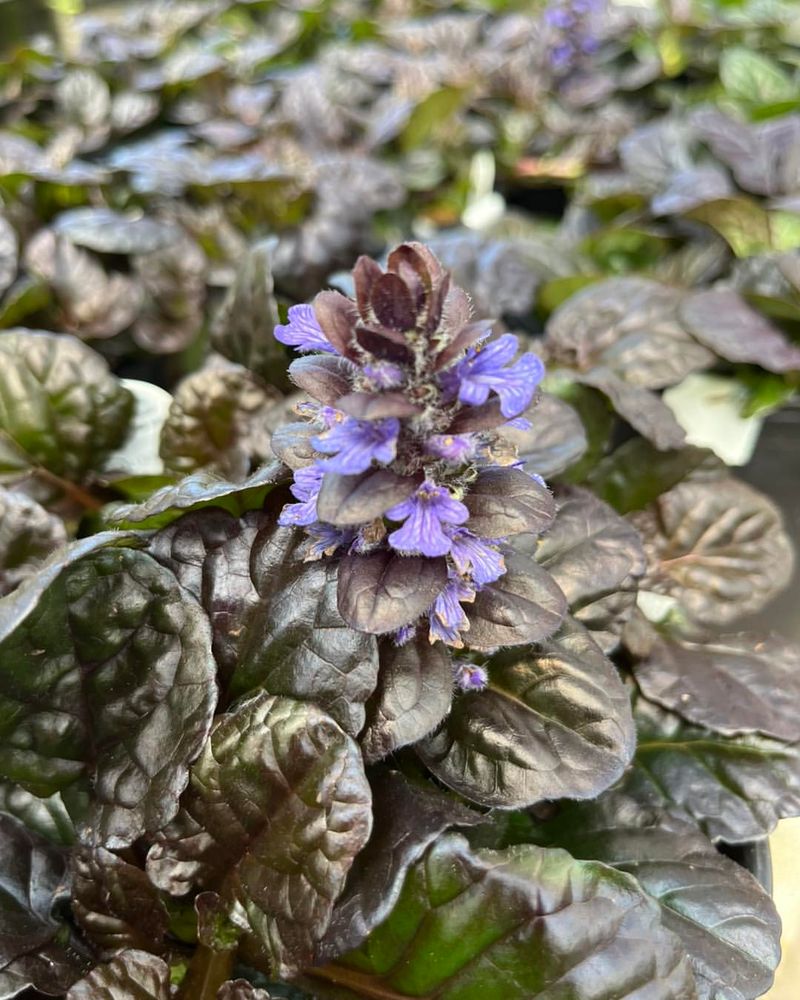
Ajuga is one of those plants that genuinely earns its place in a Georgia yard.
It spreads by sending out horizontal runners that root themselves into the soil, and it does this fast enough that a few small plants can cover a surprising amount of ground within a single growing season.
Partial shade suits it well, which makes it a solid pick for spots under trees or along the north side of a fence where nothing else seems to want to grow. The foliage comes in dark bronze, deep purple, and green varieties, so you get color even when it is not blooming.
Your Georgia Garden Changes Every Week. Your Plan Should Too.
Gardening in Georgia changes quickly throughout the season. Every Friday you’ll receive a simple weekly plan showing exactly what to plant, prune, fertilize, harvest, and protect so you never miss the right timing.
Flower spikes appear in spring, usually a rich blue-purple, and pollinators pay attention.
Georgia clay soil does not scare ajuga off. It handles moisture variation better than most low-growing plants, tolerating brief dry spells without looking ragged.
Planting in late March gives the runners time to spread before summer humidity arrives and competition from weeds picks up.
Watch for crown rot if you are planting in an area with poor drainage — ajuga prefers moisture but not standing water. Space transplants about eight to ten inches apart for quick coverage.
Once runners start reaching outward, the gaps fill in fast. Ajuga is one of the most dependable bare-spot solutions available to Georgia gardeners working in shaded or semi-shaded areas.
3. Sweet Alyssum Covers Open Soil Quickly With Light Blooms
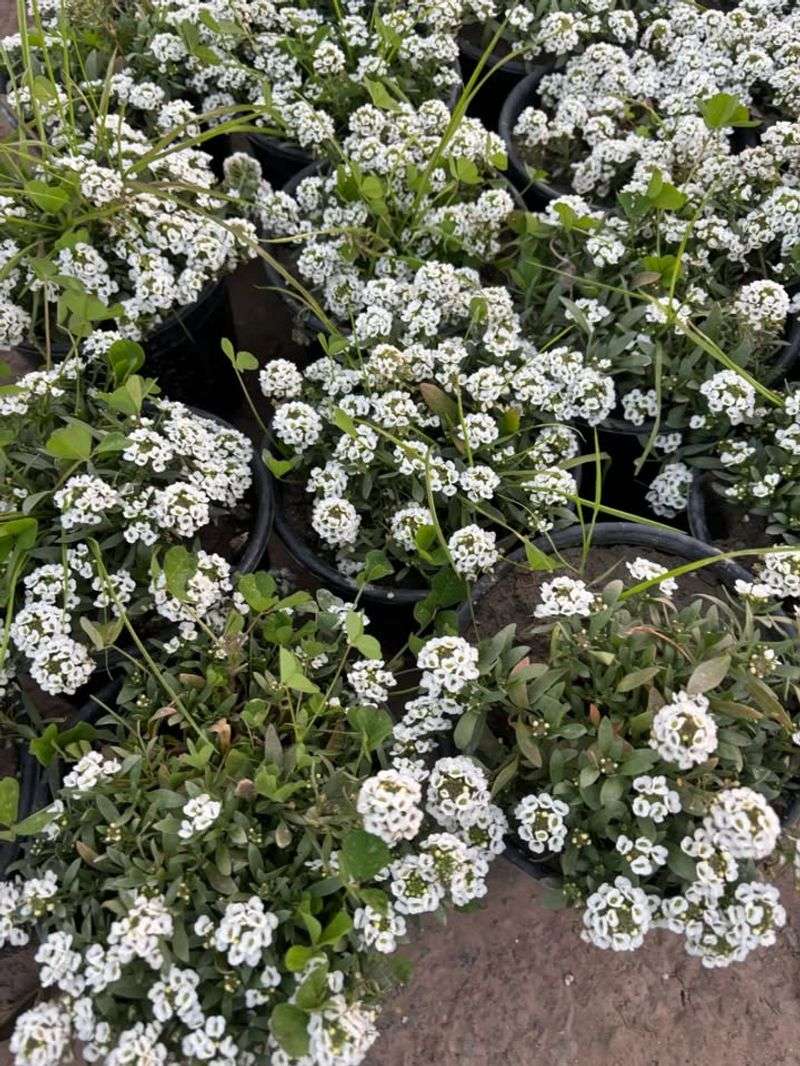
Sweet alyssum is a quiet overachiever.
It does not grow tall or demand attention, but scatter some seeds over bare soil in late March across Georgia and within a few weeks you have a soft, fragrant carpet of tiny white or lavender blooms covering ground that looked hopeless before.
It germinates fast in Georgia’s warming spring soil, often showing green within a week of seeding. Unlike many ground covers that need transplanting, alyssum is happy to be direct-seeded straight into bare patches.
Rake the area lightly, scatter seeds, press them in gently, and water. That is genuinely all it takes to get started.
Honey-scented flowers attract beneficial insects, which is a bonus if you have vegetable beds nearby. Plants stay low — usually four to six inches — and spread outward rather than upward.
Full sun to partial shade both work well across most of Georgia’s varied microclimates.
Summer heat will slow alyssum down in the hottest Georgia months, but shearing plants back by about a third encourages a fresh flush of growth when temperatures ease in fall.
For late March planting, though, the timing is perfect — cool nights and warm days are exactly the conditions alyssum loves.
Use it to fill gaps between larger perennials or to cover freshly seeded lawn edges while grass fills in. It works faster than most gardeners expect.
4. Creeping Jenny Trails And Fills Gaps With Fast Growth
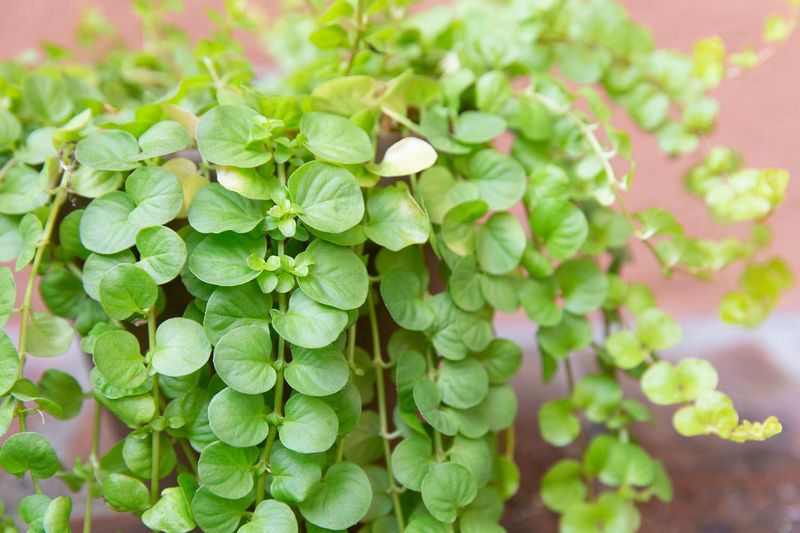
Bright chartreuse leaves, trailing stems, and a growth rate that feels almost aggressive — creeping Jenny is not subtle, and that is exactly why it works so well for covering bare spots fast in Georgia.
It moves quickly along the ground, rooting at nodes as it travels, which means it fills in awkward gaps and uneven terrain without needing to be guided.
Moist spots near downspouts, shaded bed edges, or damp areas beside a fence are where creeping Jenny truly takes off.
Georgia’s spring moisture is practically a welcome mat for this plant.
The golden-green variety catches light beautifully under trees where other plants look washed out. Standard green forms are a bit more vigorous and better for larger bare areas that need fast coverage.
Both handle Georgia’s spring weather well and establish roots before heat arrives in late May and June.
One honest note — creeping Jenny can spread beyond where you want it if planted near natural areas or drainage channels. Keep it in defined beds or use a shallow edging barrier to manage its enthusiasm.
Container planting is another option if you want the look without the spread.
For a purely practical problem like a large bare patch in a shaded or semi-moist spot, though, few plants fill the space as quickly or as attractively as creeping Jenny does across Georgia landscapes.
5. Vinca Minor Forms A Thick Mat That Covers Bare Areas
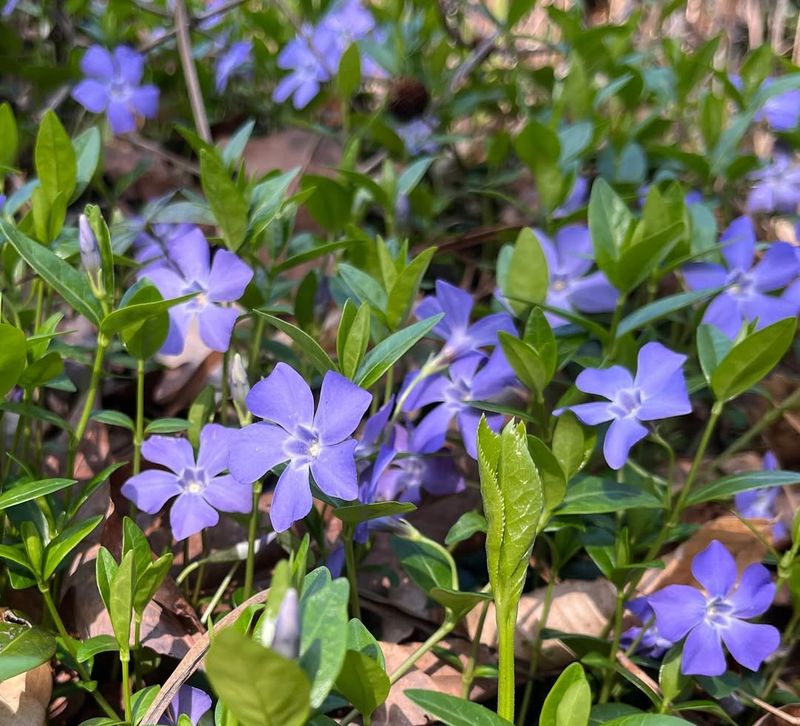
Vinca minor has been covering bare ground across Georgia yards for generations, and there is a good reason it keeps showing up in garden centers every spring.
Glossy, dark green leaves stay attractive year-round, and periwinkle-blue flowers open in March just as the plant starts its most active growth push.
Stems root wherever they touch soil, which is how vinca builds that signature thick mat over time. Plant rooted cuttings or transplants about twelve inches apart in late March and the gaps between them close faster than you might expect.
Shaded spots under mature trees — the kind of location where grass refuses to cooperate — are exactly where vinca earns its reputation in Georgia.
It handles Georgia’s clay soil reasonably well and does not need rich, amended beds to perform. Once stems start spreading, they block light from reaching the soil surface, which naturally suppresses weed germination.
That is a practical benefit that saves a lot of hand-weeding through summer.
Avoid planting vinca too close to natural woodland edges or stream banks. In some Georgia counties it has been noted as a plant that can move beyond garden boundaries, so keeping it in maintained beds is smart.
Water new transplants consistently for the first four to six weeks, and after that the plant largely takes care of itself through Georgia’s humid summers. It is steady, reliable, and genuinely effective at covering bare ground.
6. Mazus Spreads Low And Fills Empty Spaces Fast
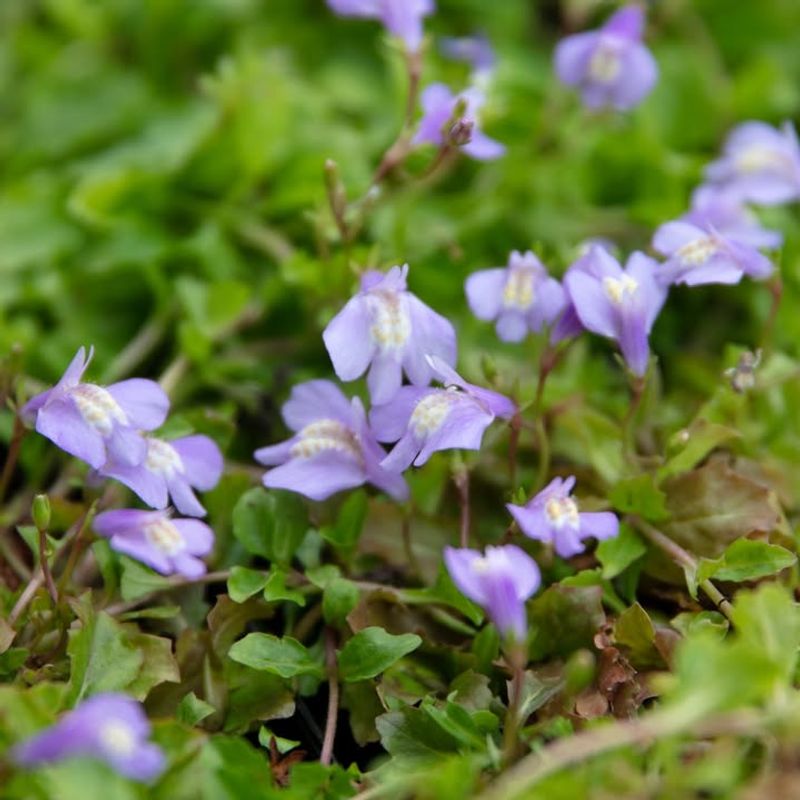
Mazus is the kind of plant most people walk right past at the nursery, and that is a mistake.
Planted in late March across Georgia, it spreads outward in a flat, dense sheet that fills gaps between stepping stones, covers bare soil under shrubs, and knits together faster than its small size suggests.
Tiny purple and white flowers appear in spring, sitting just above the foliage like little scattered dots of color. Plants stay under two inches tall, which means foot traffic does not damage them the way it would taller ground covers.
That makes mazus genuinely useful along path edges and between pavers where other plants get crushed.
Moist, partially shaded conditions suit it best, though it handles full sun if the soil stays reasonably moist. Georgia’s spring rain usually provides enough moisture to get new plants established without extra irrigation.
Sandy or clay-heavy soils both work — mazus is not fussy about soil type as long as drainage is decent.
Space transplants about six to eight inches apart for quick coverage. Stems root at nodes as they travel outward, so the spread is self-sustaining once the plant settles in.
Mazus stays green through Georgia’s mild winters in most years, giving it a longer season of ground coverage than many annual alternatives. If you need something low, fast, and unfussy for a damp shaded corner, mazus deserves a much closer look than it usually gets.
7. Liriope Expands Steadily To Cover Edges And Gaps
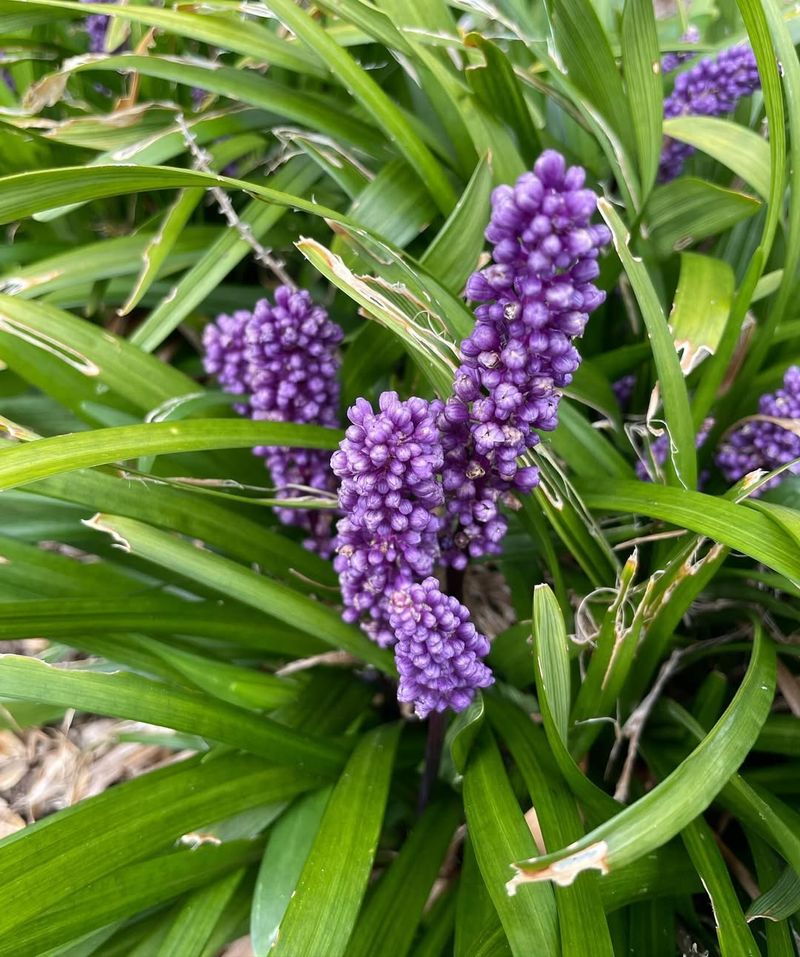
Liriope does not sprint across the ground the way some spreaders do, but what it lacks in speed it makes up for in reliability.
Clumps expand steadily outward each season, and in Georgia’s climate that growth is consistent enough that bare edges and awkward gaps fill in without a lot of intervention.
Grass-like foliage stays green year-round across most of Georgia, which means it is doing its job even in January when everything else looks rough. Purple flower spikes appear in late summer and add another layer of interest beyond just ground coverage.
Black berries follow the flowers and attract birds through fall.
Plant liriope in late March and it will spend the season establishing a strong root system before summer heat pushes it into more visible above-ground growth.
Spacing plants about twelve inches apart along bed edges, slopes, or under trees gives you solid coverage within one to two growing seasons.
Variegated forms brighten shaded spots effectively.
Liriope is genuinely tough in Georgia conditions. It handles drought, heavy clay, deep shade, and full sun — sometimes all within the same yard depending on how your property is laid out.
Dividing existing clumps every three to four years keeps growth vigorous and gives you free plants to fill more bare spots across your Georgia landscape.
Cut old foliage back to about three inches in late February before new growth pushes through for a cleaner, fresher look each spring.
8. Moss Phlox Creates Fast Ground Cover With Dense Spring Blooms
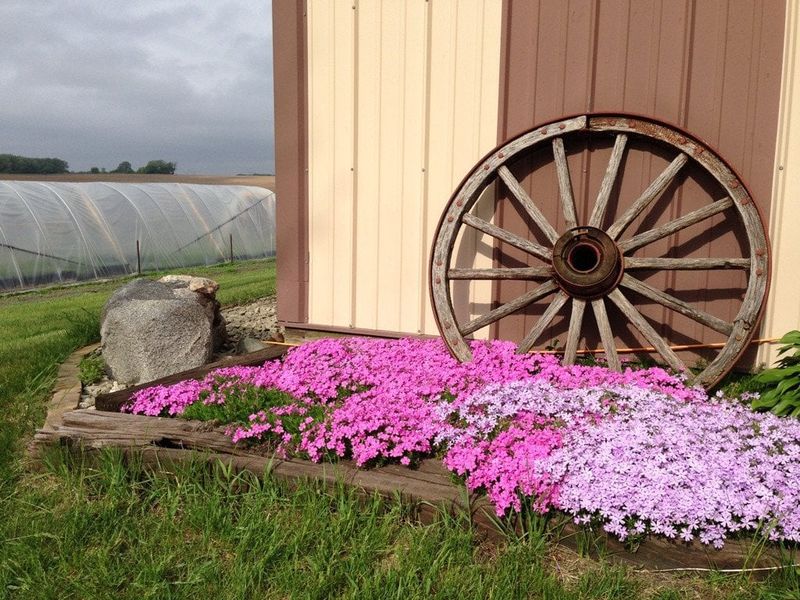
Moss phlox earns its name honestly — the foliage is needle-fine and dense, forming a tight green cushion that looks almost like moss between bloom cycles.
In late March across Georgia, that cushion disappears under a wave of flowers so thick you can barely see the leaves beneath them.
Pink, white, lavender, and red varieties are all widely available at Georgia nurseries in spring. Planting a mix creates a patchwork effect on slopes or rock gardens that looks intentional and polished without requiring a professional design.
Full sun and well-drained soil are the two things moss phlox genuinely needs to perform well.
Slopes and raised beds are ideal spots because drainage stays consistent and roots do not sit in wet soil after heavy Georgia spring rains.
Sandy or amended soil works better than straight clay, so mixing in some compost at planting time helps in areas with heavy native soil.
Space plants about twelve to fifteen inches apart and they will fill in quickly as stems root where they contact the ground.
After the spring bloom fades, shear plants back by about one-third to keep the mat compact and encourage denser growth the following season.
Moss phlox does not need fertilizer to spread well — too much nitrogen actually pushes leafy growth at the expense of flowers.
Water new transplants regularly for the first month, then step back and let Georgia’s natural spring moisture do the rest of the work.